What Is Going On
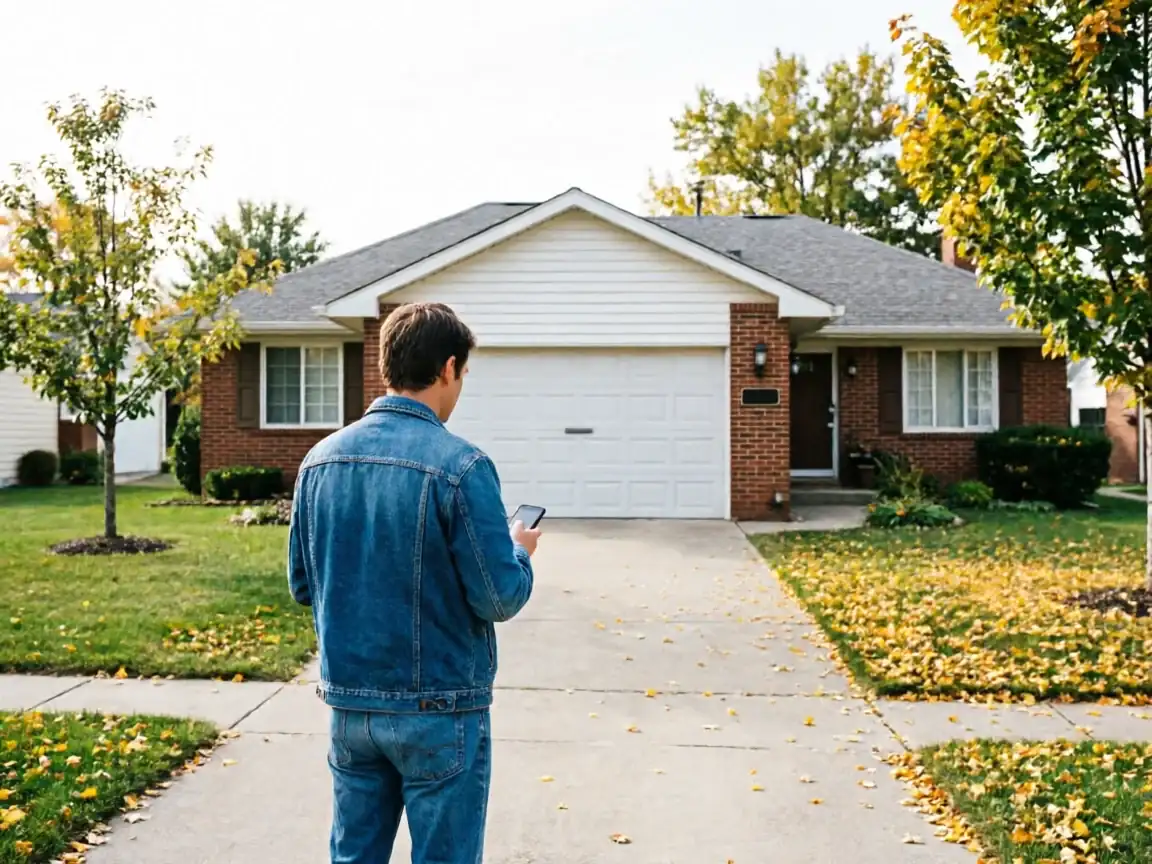
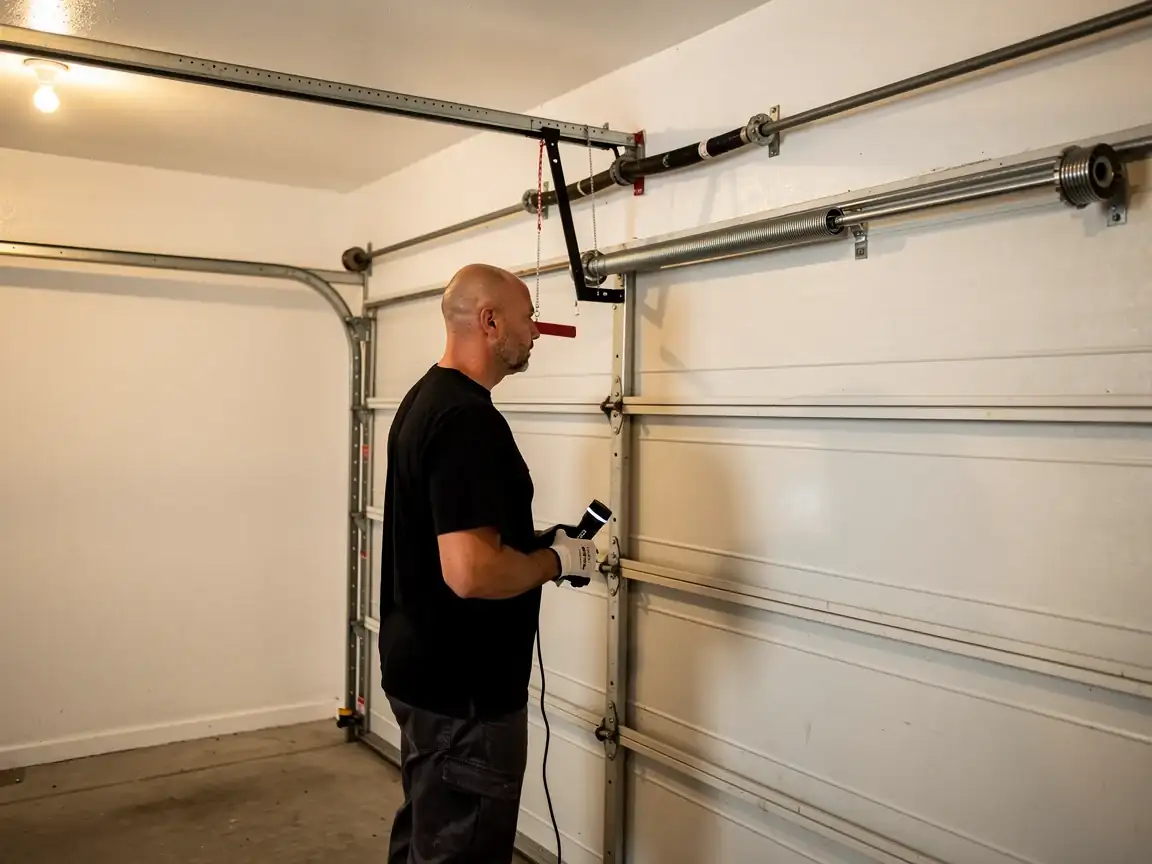
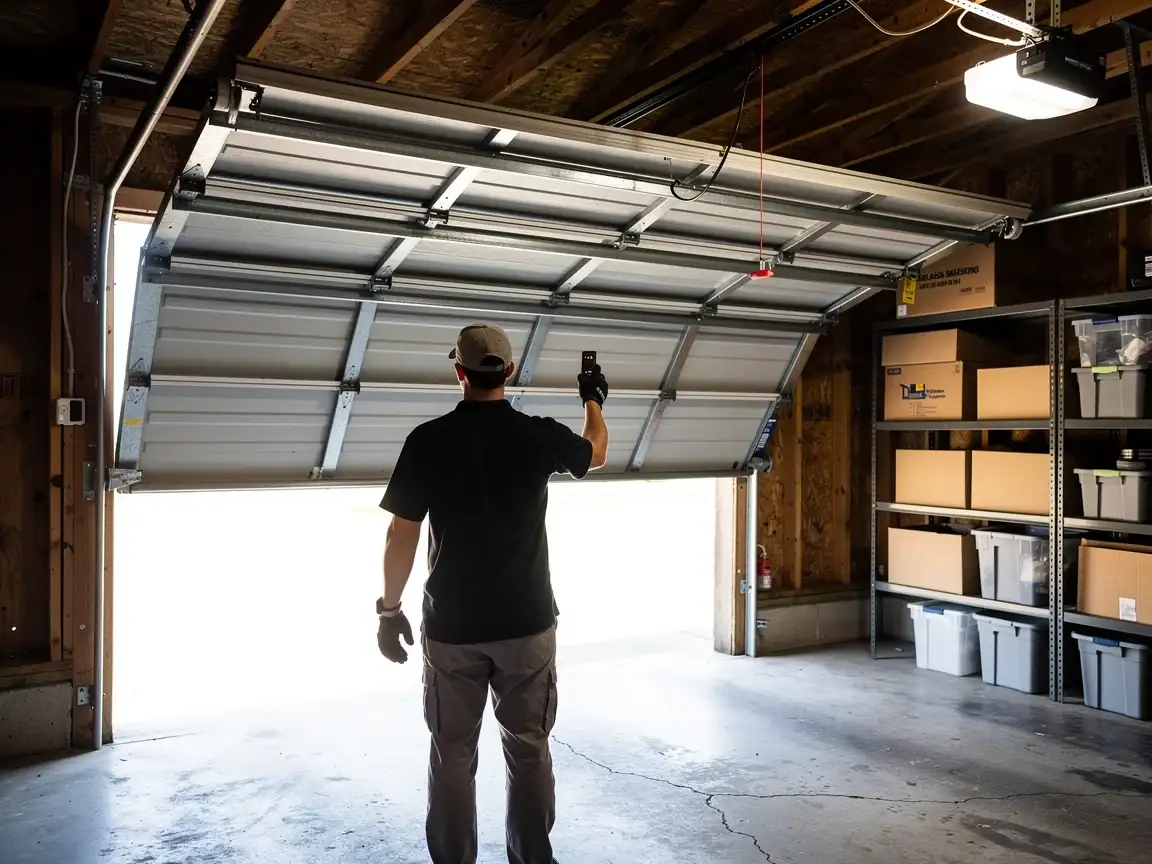
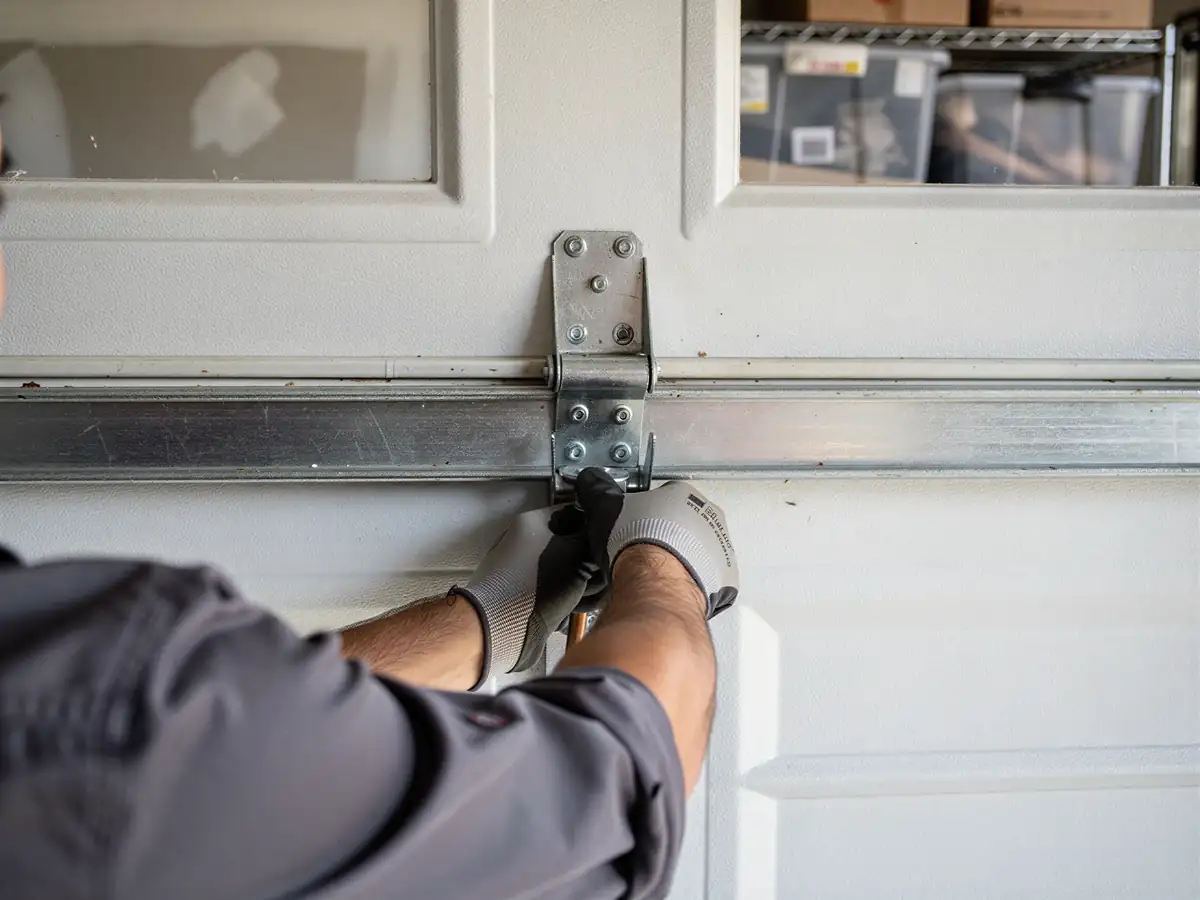
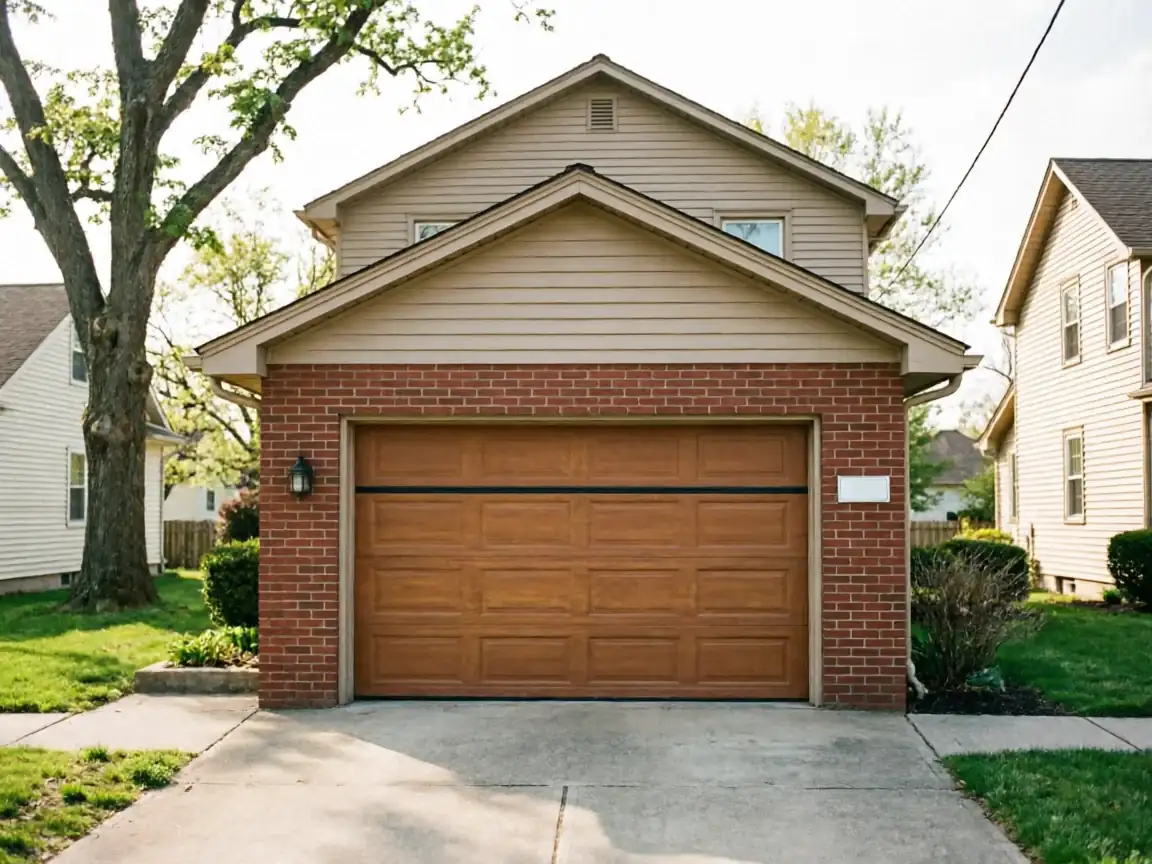
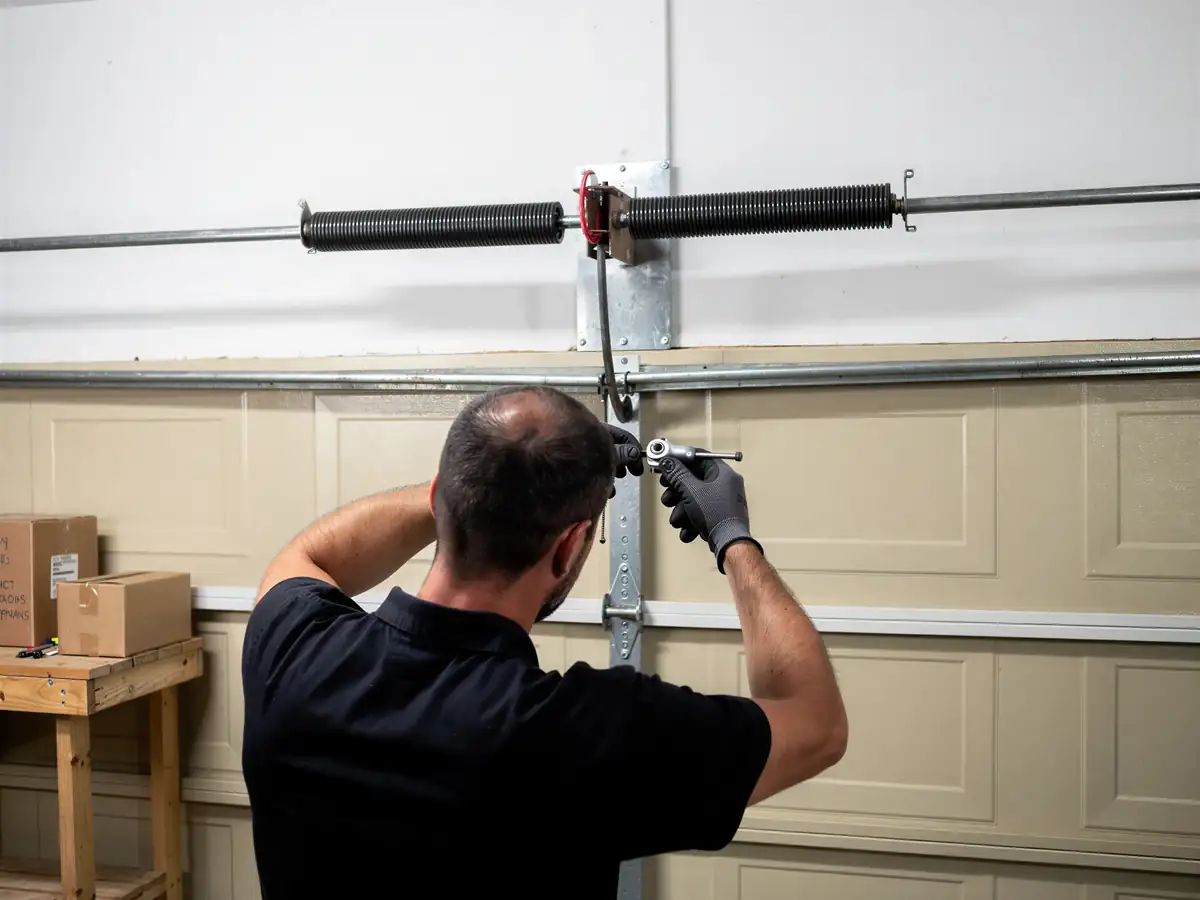
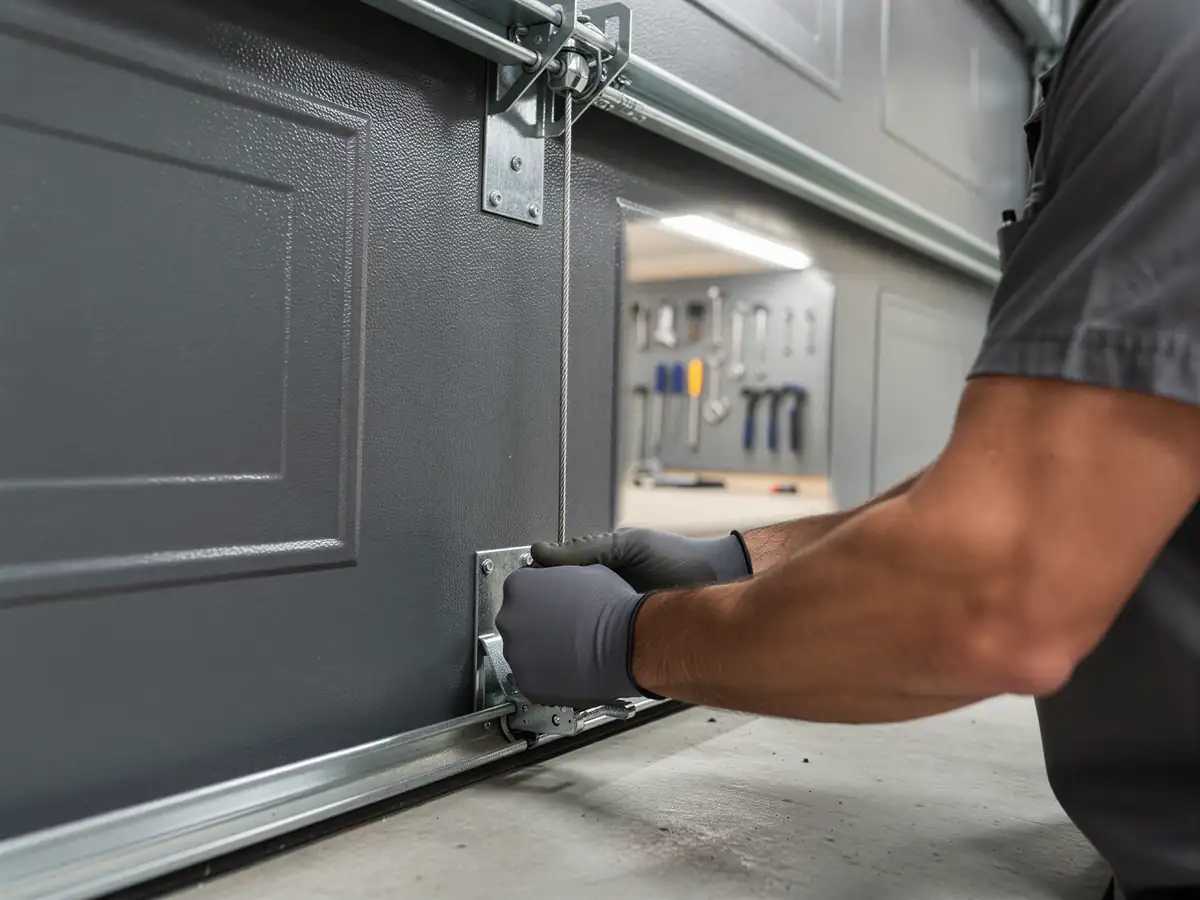
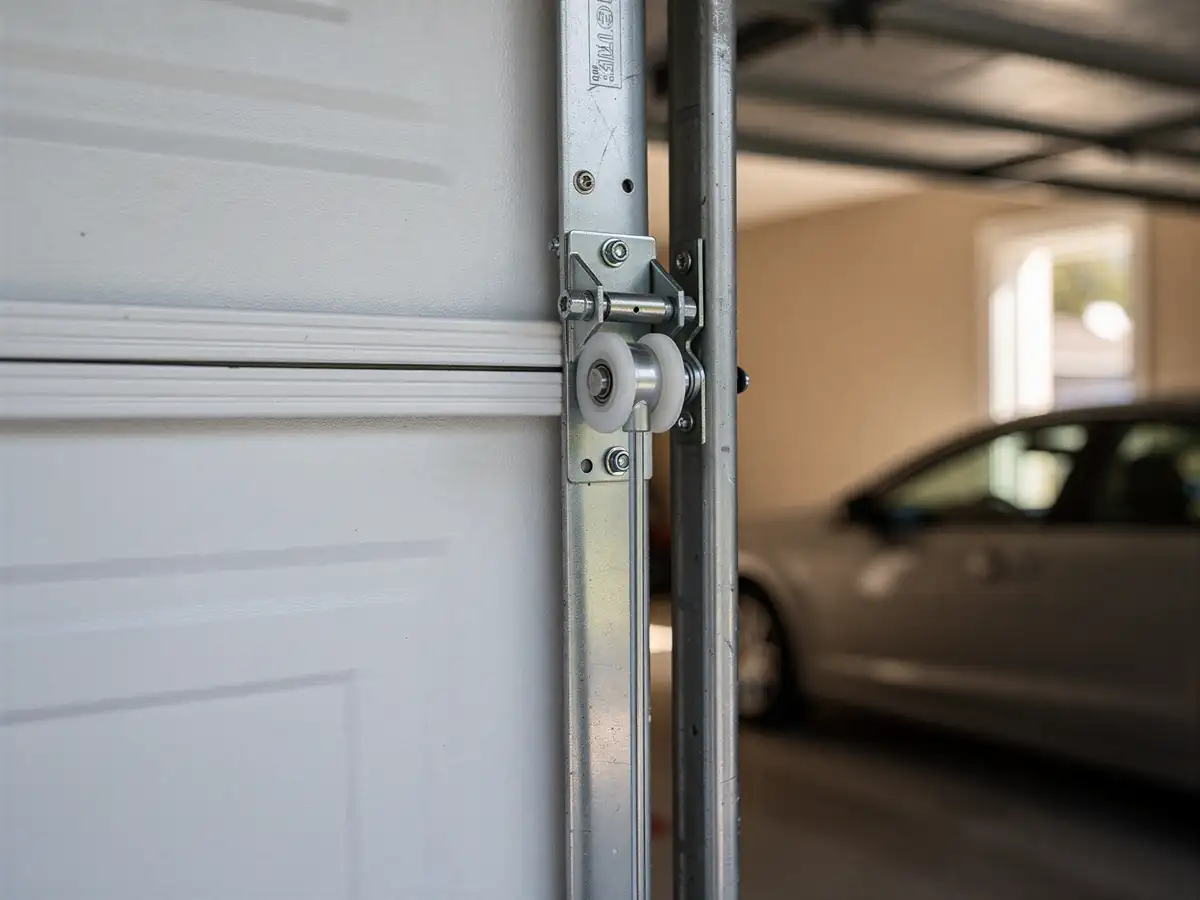
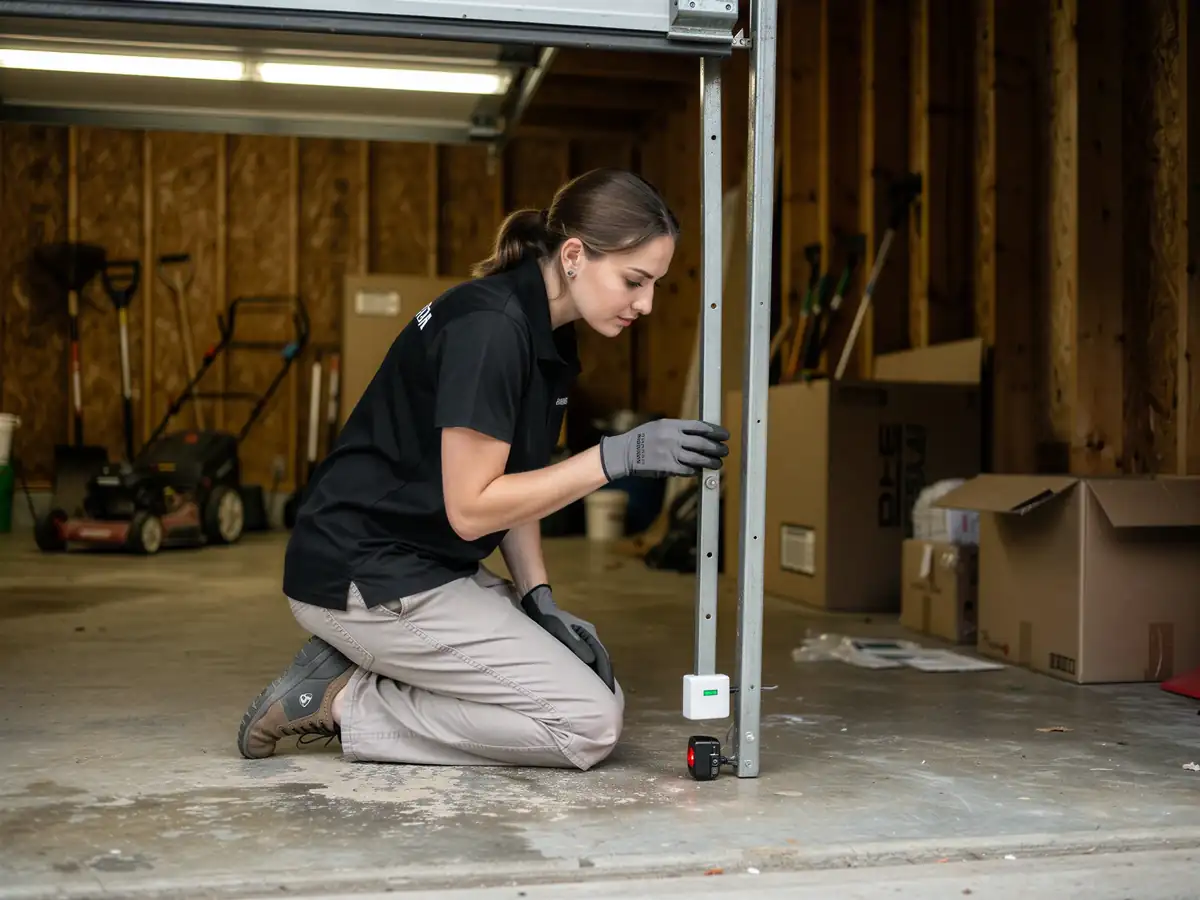
If your door is sticking, sagging at one corner, or the opener strains and reverses, the cause usually traces back to the era your house was built in. A lot of garages across this area - Lannon, Butler, Germantown, Sussex, and the rest of the 49 named pockets near Menomonee Falls - still run on original tracks or a first-generation replacement from decades back. Steel track installed when your house was new has had forty, fifty, sixty years of seasonal expansion and contraction to work loose at the brackets. Panels on doors from the 1960s-70s stock were often built lighter than what's sold today, so the springs sized for them are specific to that door's weight - swap panels or add insulation without rebalancing the spring and you've got a door that fights the opener every time. Before you spend money on a new door, it's worth finding out if the problem is actually the door or just forty-year-old hardware underneath it. Sometimes replacing the door fixes a track problem it didn't cause, and the track fails again in a year.
What the Weather Here Does to It
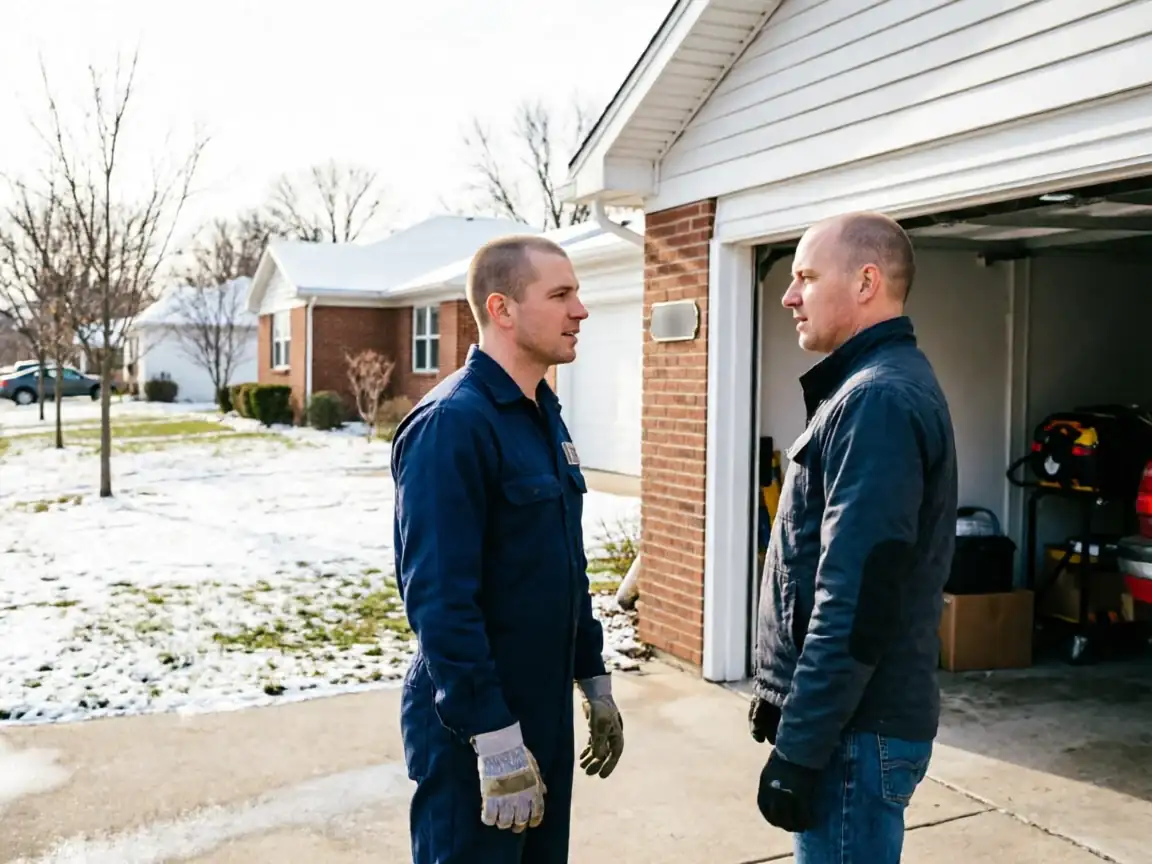
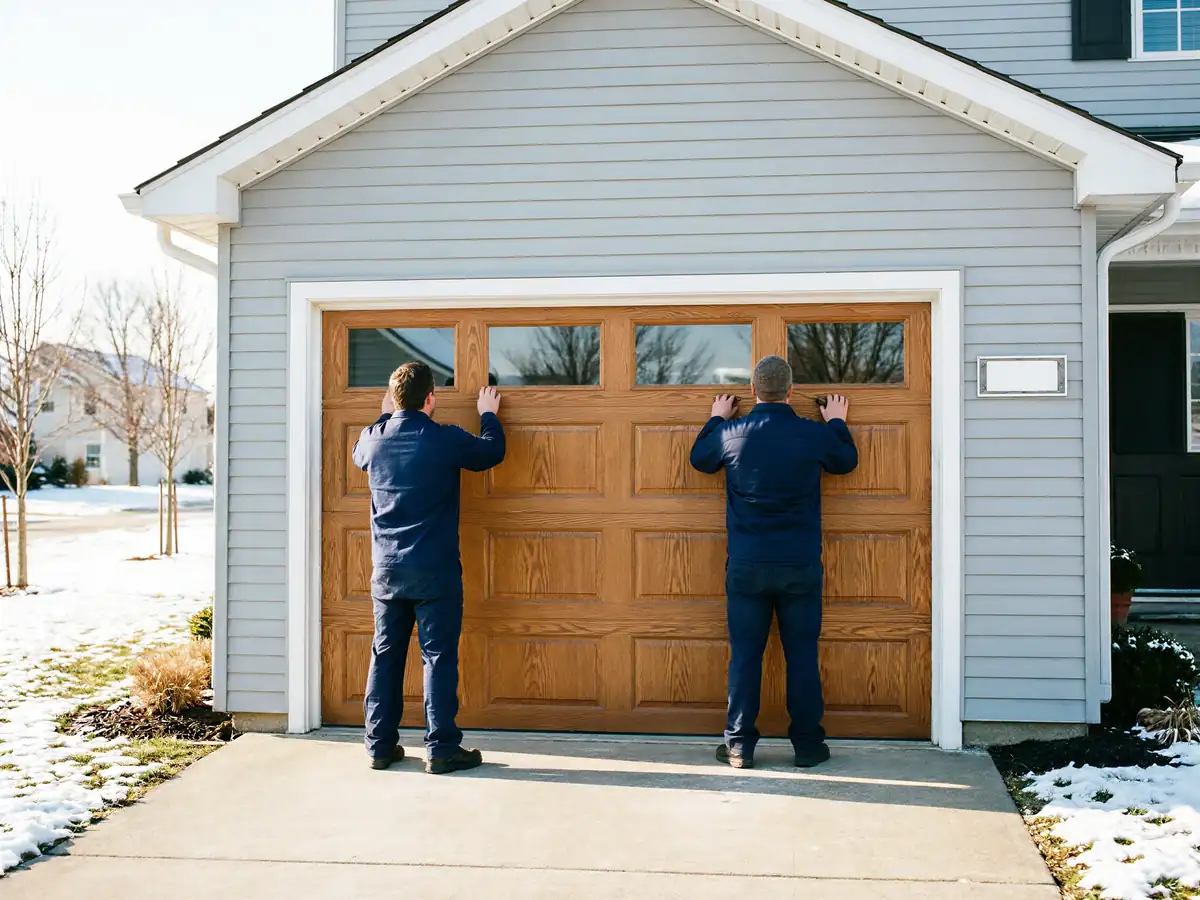
This is a severe cold climate zone, and that changes what a door has to survive, not just how it looks. Steel contracts in deep cold, and on an older single-skin door that means the panel can pull away from the weatherstrip at the bottom corners exactly when you need the seal most. Springs lose tension faster in cold air, so a spring that was marginal in October can snap on the first hard cold snap of the year - we see this pattern every winter. If your garage shares a wall with living space, which is common in this area's 1960s-70s construction, an uninsulated or poorly sealed door isn't just a comfort problem, it's pulling heat out of a wall that was never built with a vapor barrier for that load. Replacement doors rated for this climate band use thicker insulation and a better bottom seal, and that's not a luxury upgrade here - it's the baseline spec for a door that has to work through a real winter, not a mild one.