What the Housing Means for Your Door
Germantown skews younger than most of the area we cover
The broader service territory has a median build year of 1976, with houses going back to 1938, but Germantown's own median sits around 1986 - a full decade newer. That matters more than it sounds like it should.
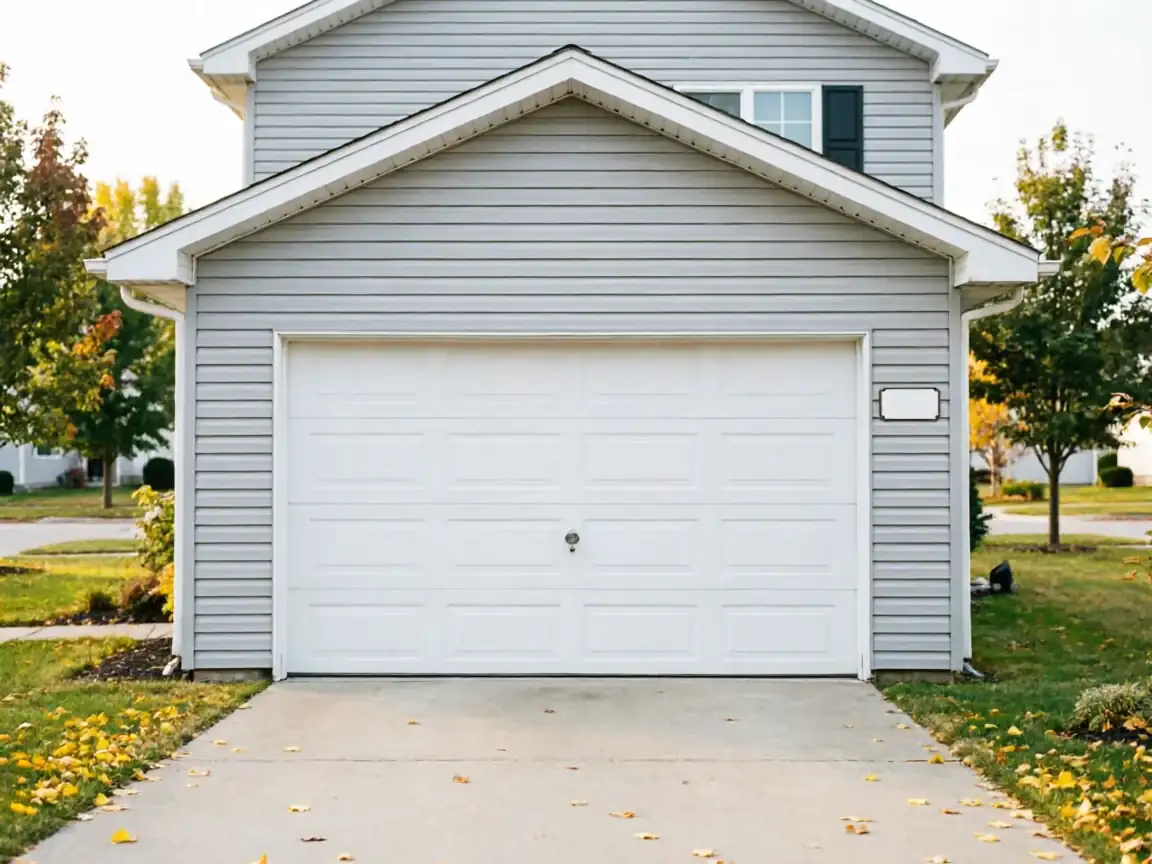
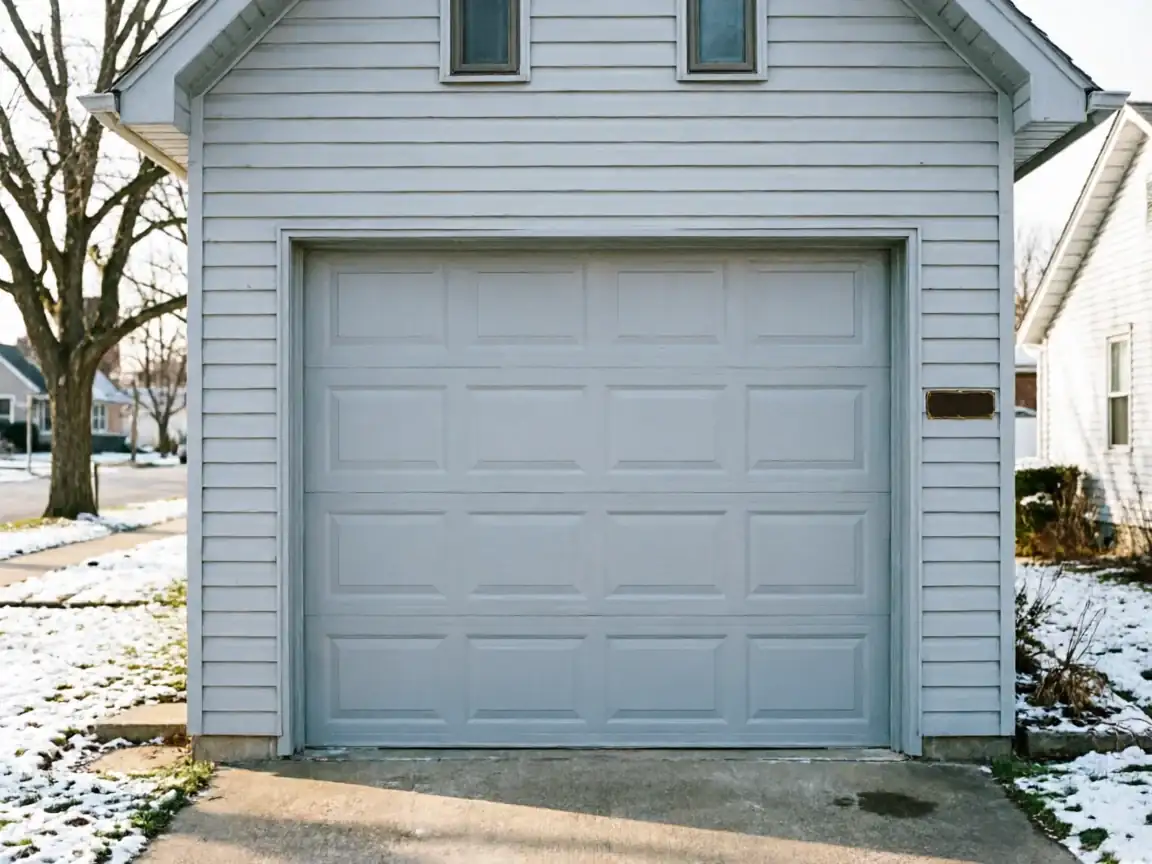
A house built in the mid-80s almost always came with a steel sectional door and an opener from that same window
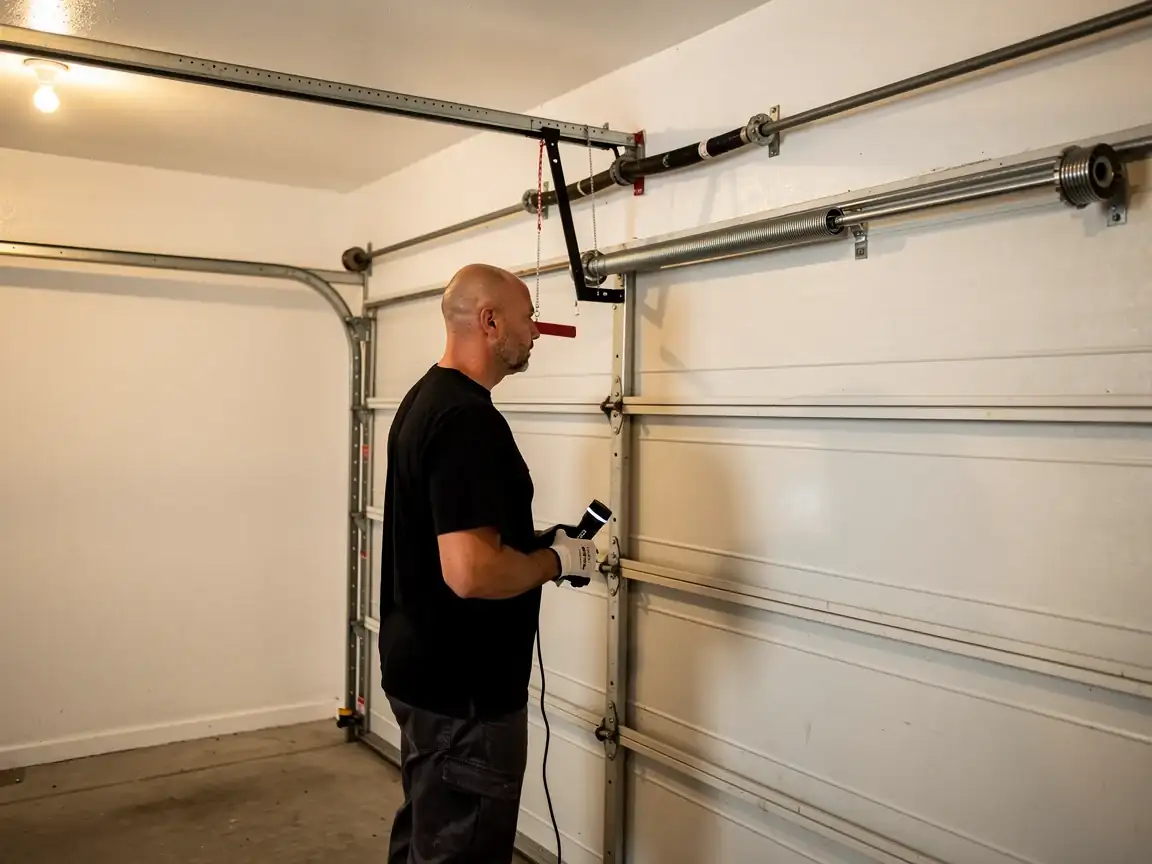
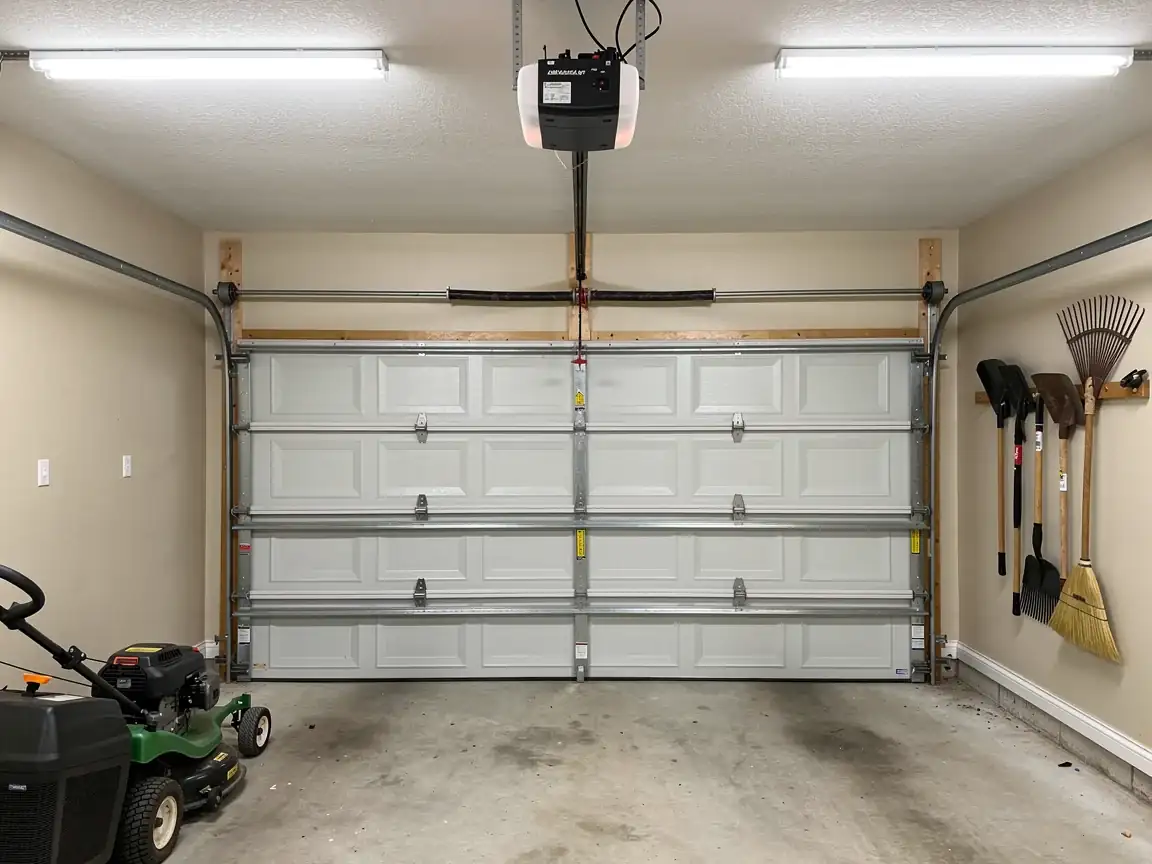
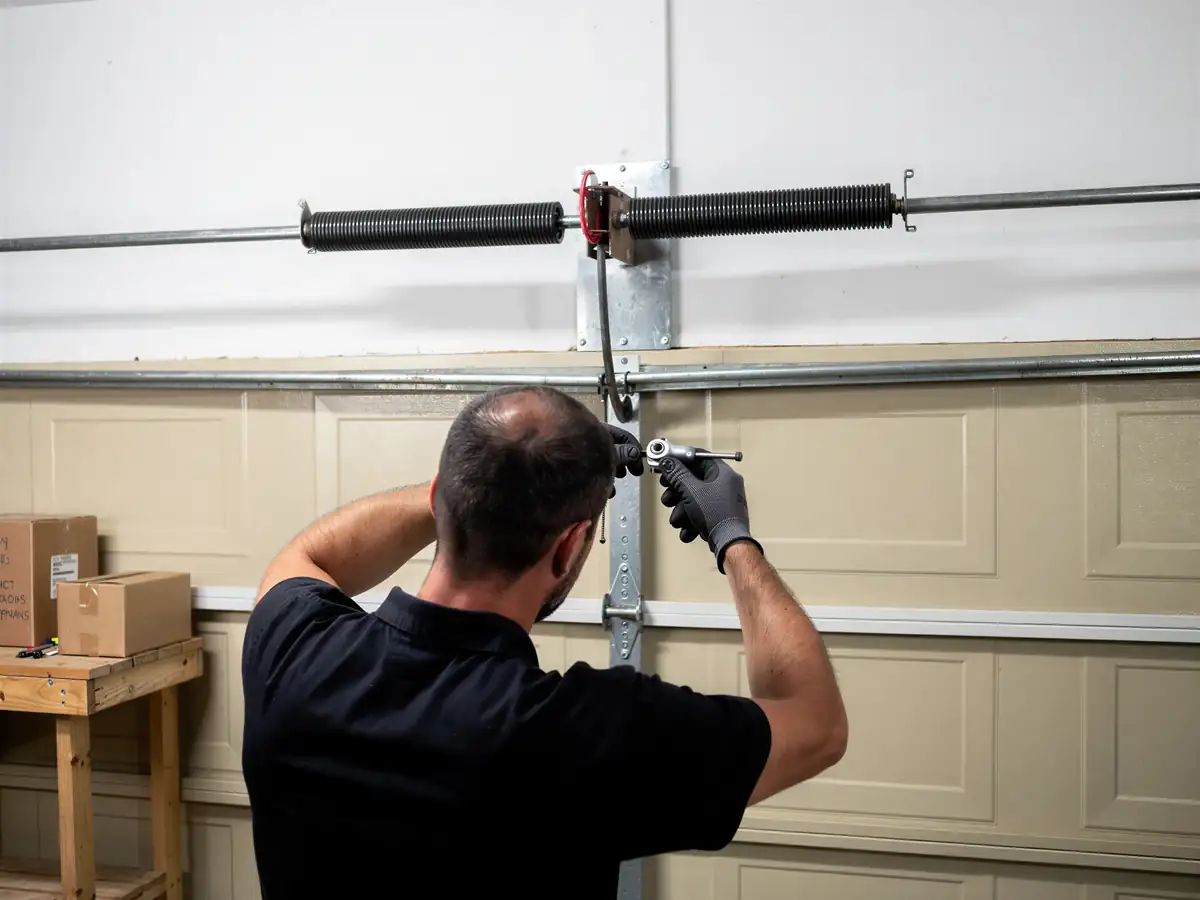
Usually a chain-drive unit with a relay-based logic board rather than the older pulley-and-switch setups you see on 1960s houses elsewhere in our coverage. Torsion spring systems are more common here than the extension-spring setups we still run into on older stock nearby. The springs themselves are usually original or a first replacement, since a spring from an '80s install often lasted into the 2000s before anyone touched it.
What this means for you
When something breaks in Germantown, it's less likely to be a door panel rusted through from age and more likely to be a spring that's finally worn out its first life, or an opener logic board that's aged past reliable service. We size parts differently here than we would for a 1962 split-level three miles away, because the hardware generation is different.
The Drive Over
Germantown sits about 5 miles from our base in Menomonee Falls. It's a short run, not a detour, and we treat it the same as any other job on the schedule rather than something that needs a special trip arranged. We don't keep a satellite location in Germantown - every job here is dispatched from Menomonee Falls, so the truck that shows up is the same one working the rest of the territory that day.
That distance also means we're pulling from the same stock and the same supplier relationships we use everywhere else we go, so a part that's common for an '80s-built opener isn't something we have to special-order just because the job happens to be in Germantown.
Common Jobs Here
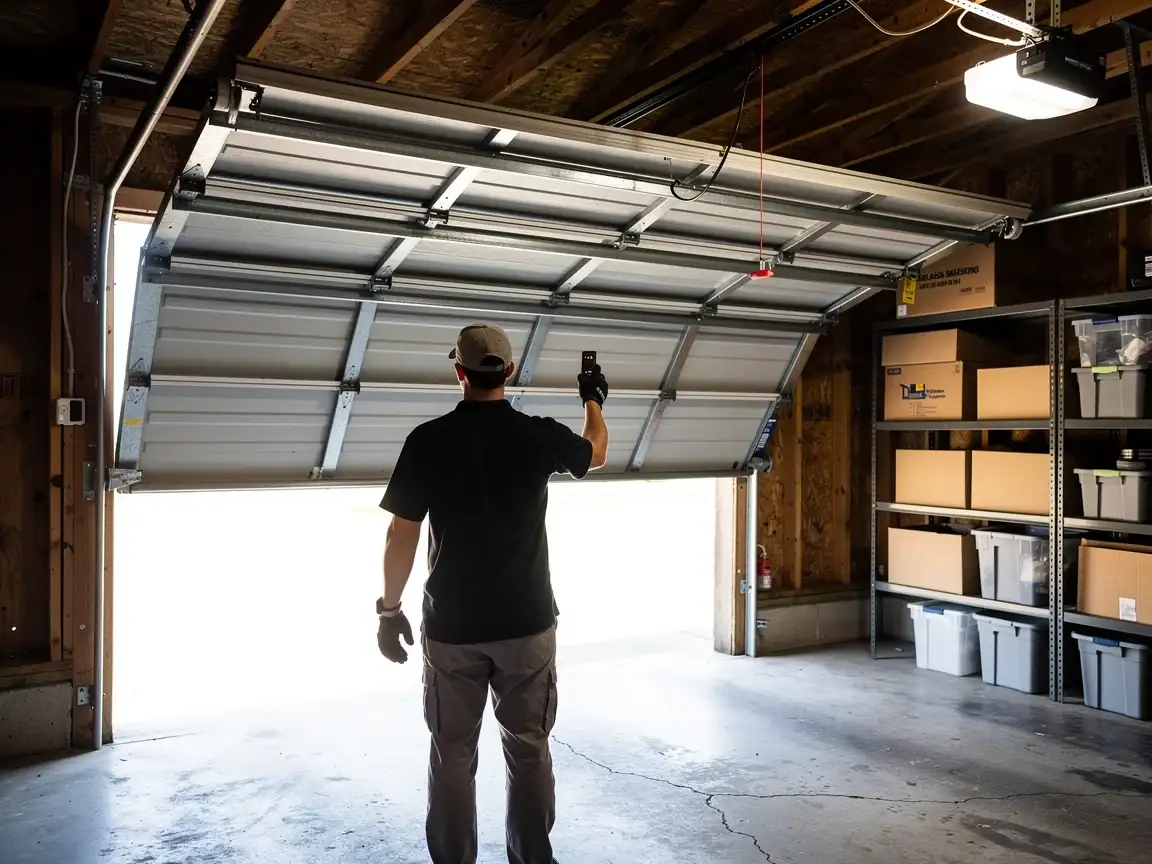
The calls we get from this part of the territory lean toward spring replacement on torsion systems and opener repair or replacement on units that are reaching the end of a normal service life for their age. Broken torsion springs on double doors are a regular call - the spring that came with an '80s install has usually hit its cycle count by now. Chain-drive opener failures, worn drive gears, and relay boards that no longer hold a signal reliably also come up often, more than we'd see in a neighborhood built a generation earlier where extension springs and simpler openers are still common.
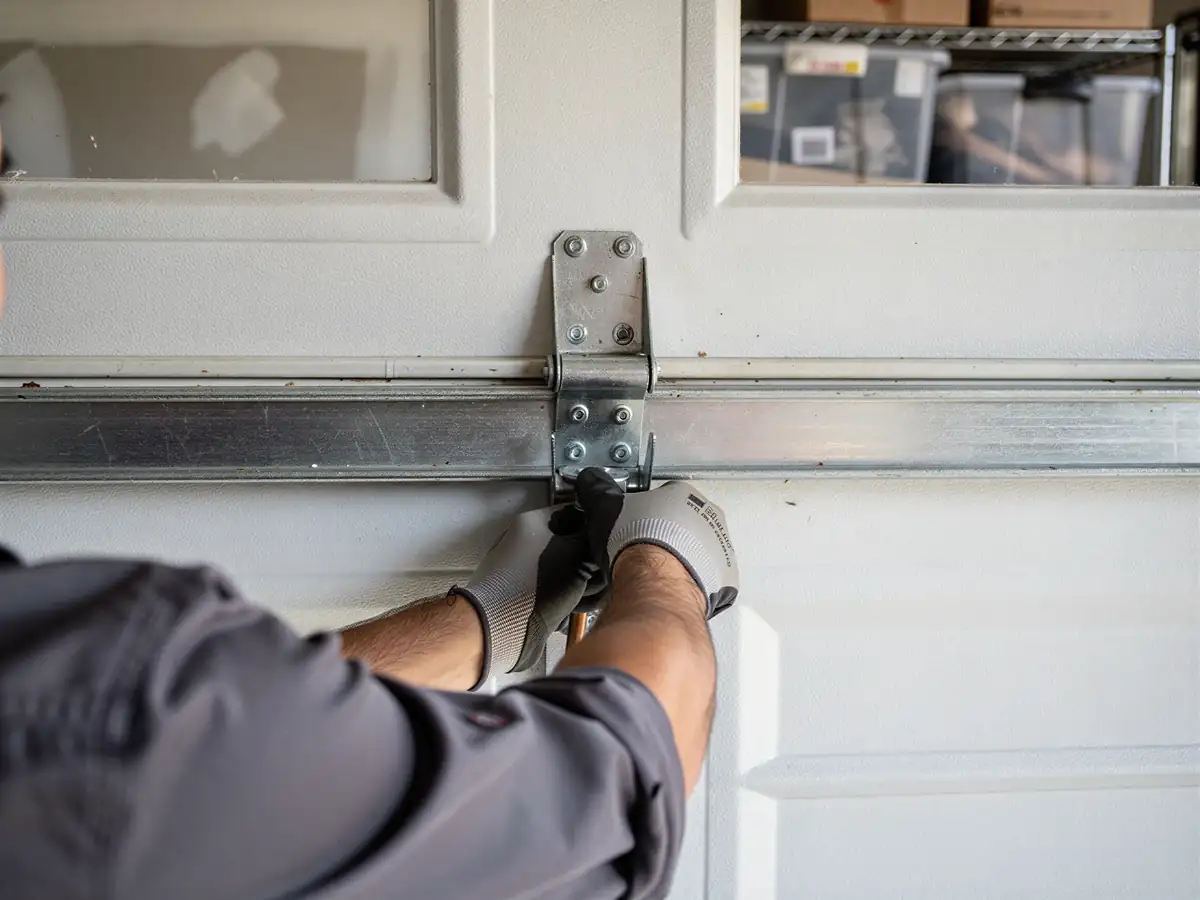
We also see roller and track wear that tracks with age rather than damage - nothing dramatic, just hardware that's been doing its job for three or four decades and finally needs attention. One honest limitation: if your opener is an older chain-drive unit and the logic board has failed, we may not have an exact replacement board on the truck. Some control boards for discontinued '80s and '90s opener models are special-order parts, and we'll tell you upfront if that's the case rather than promise a same-day fix we can't deliver.
The Houses Here
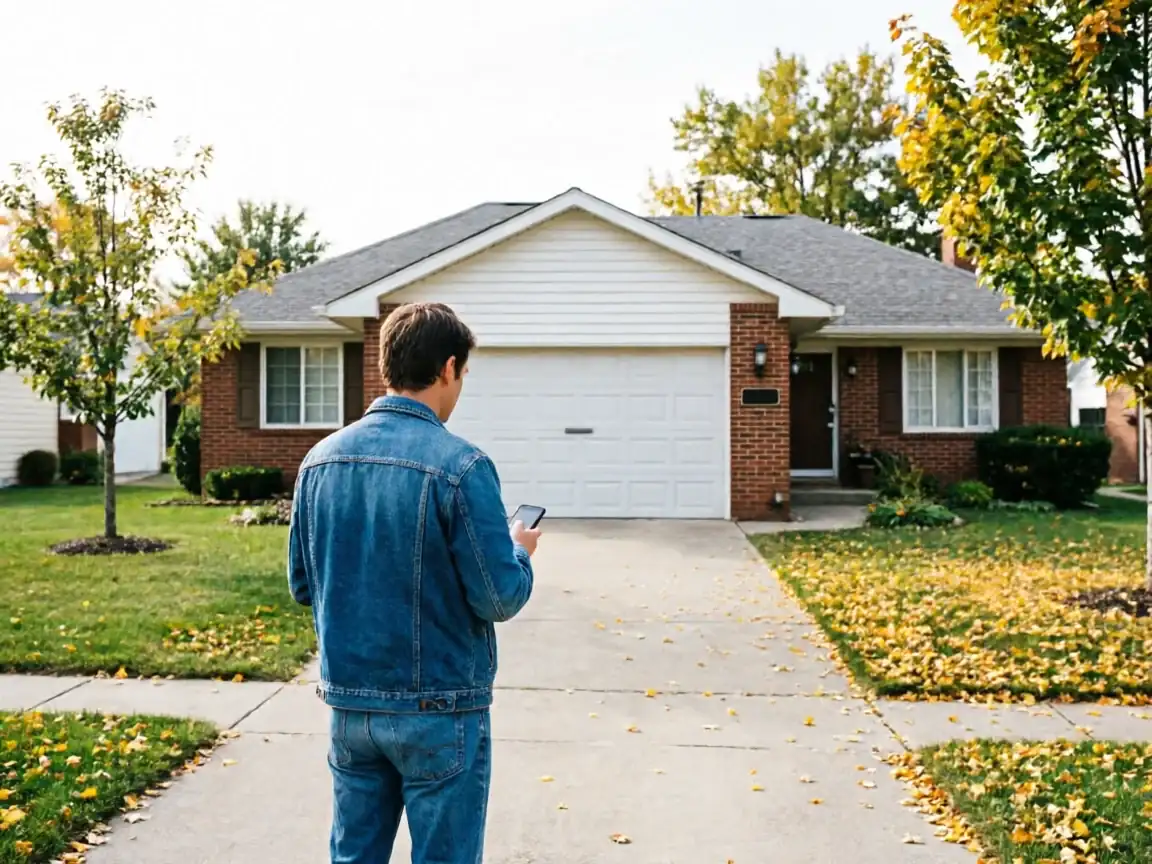
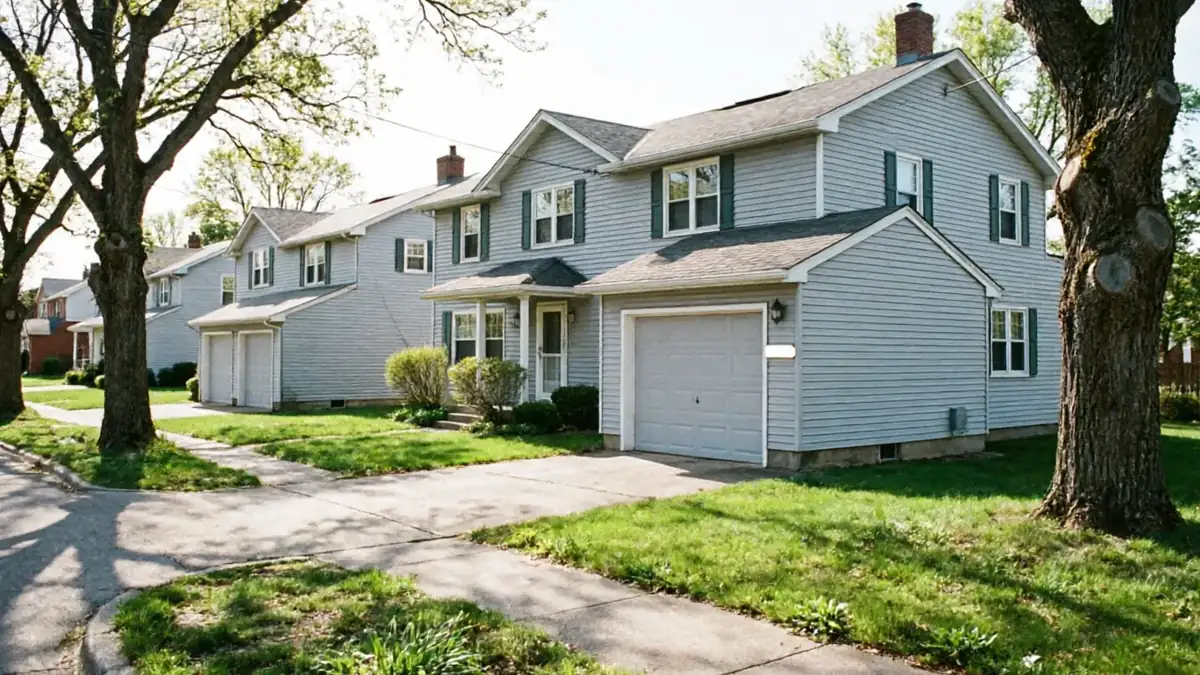
With a median build year around 1986, Germantown's housing is newer than most of what we service
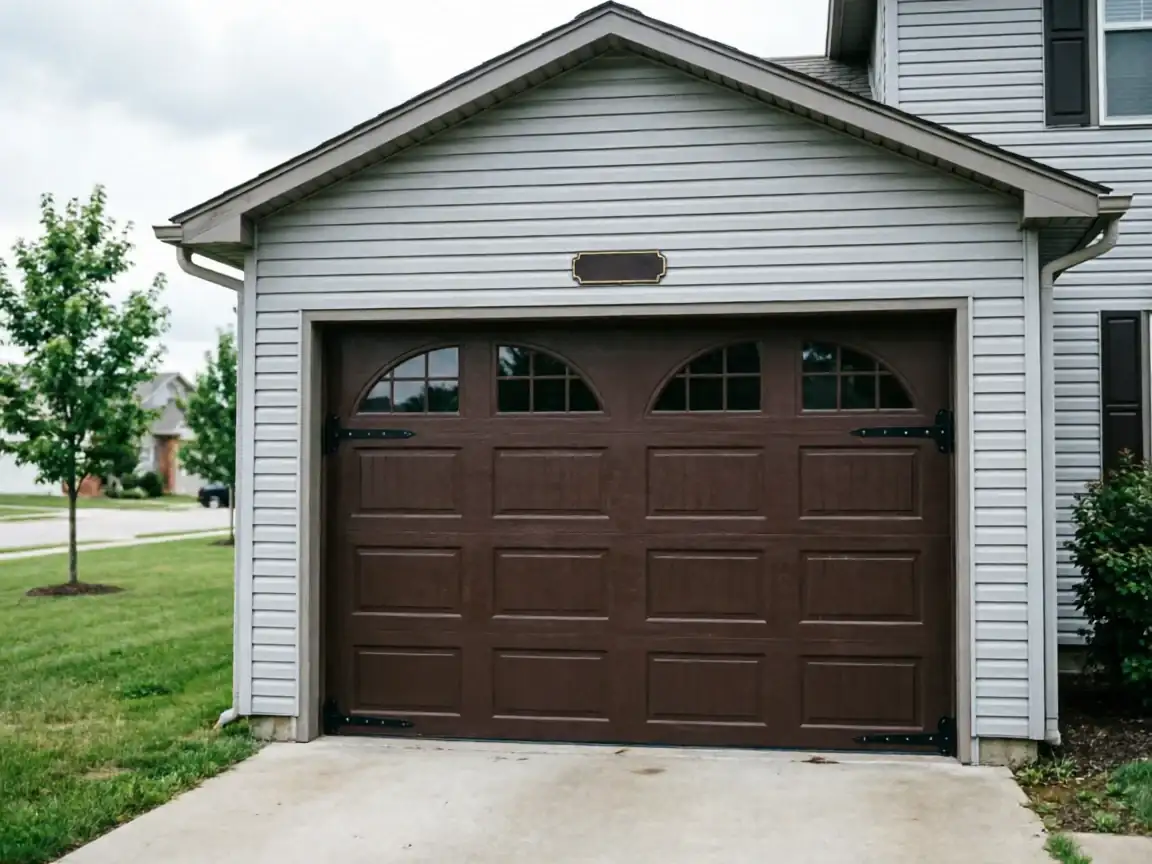
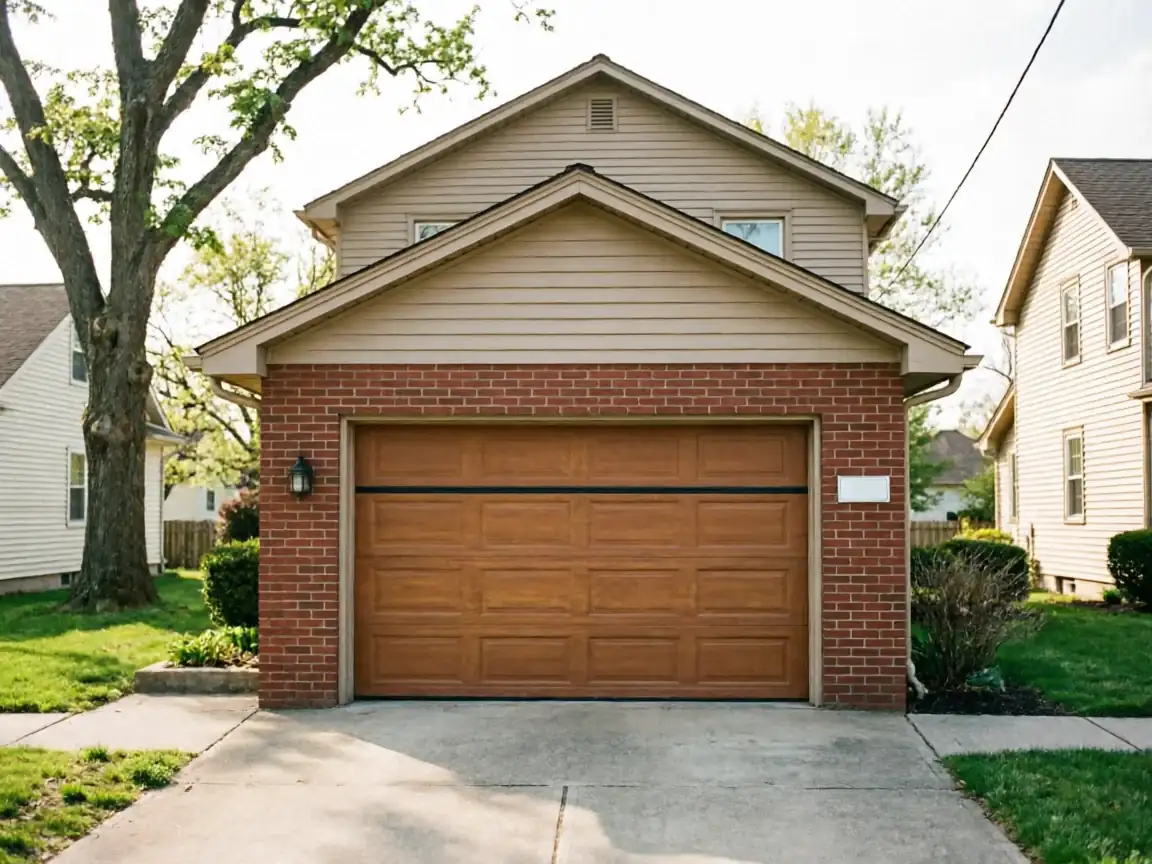
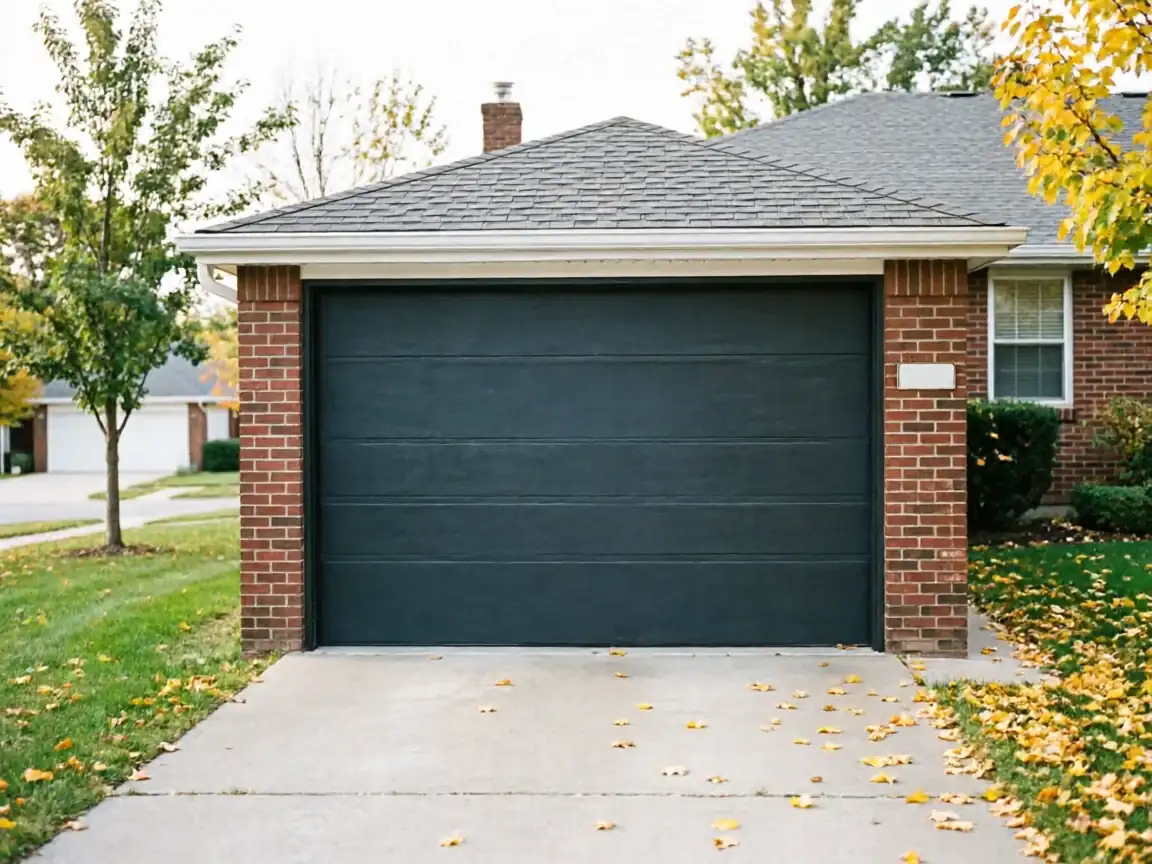
And the 8,328 households here reflect a community that grew up later than the older inner-ring suburbs in our coverage area. Median household income across the broader service territory runs $104,337, which tracks with the kind of two-car, double-door garages that are standard on houses from this era - wider openings, heavier doors, and openers sized for them.
- 8,328 households
The climate band here is the same severe-cold classification that applies across our whole territory
So insulation and weatherseal wear the same way regardless of build year. But because Germantown's doors are a decade or two younger on average, the failures we see are less about rust and warped panels and more about hardware fatigue - springs, cables, and openers hitting the end of a normal lifespan rather than failing early from age or exposure.