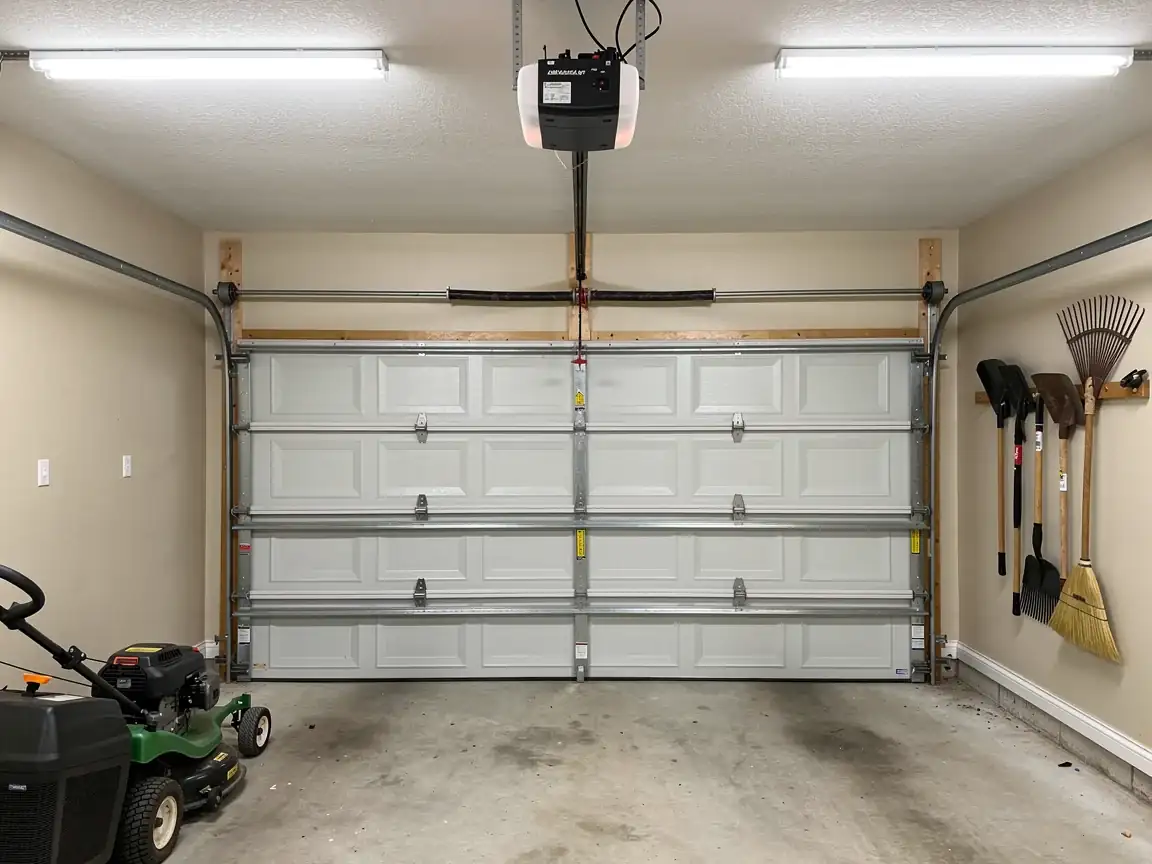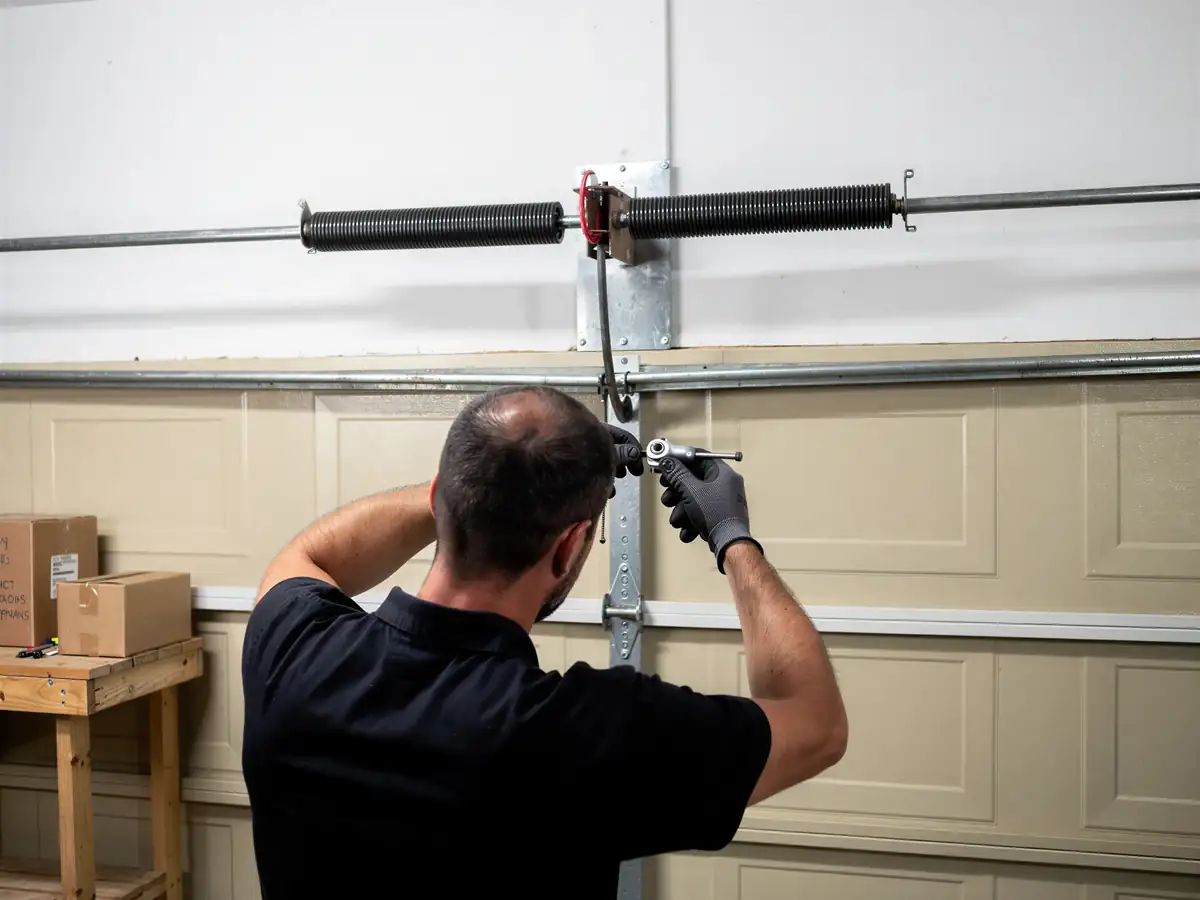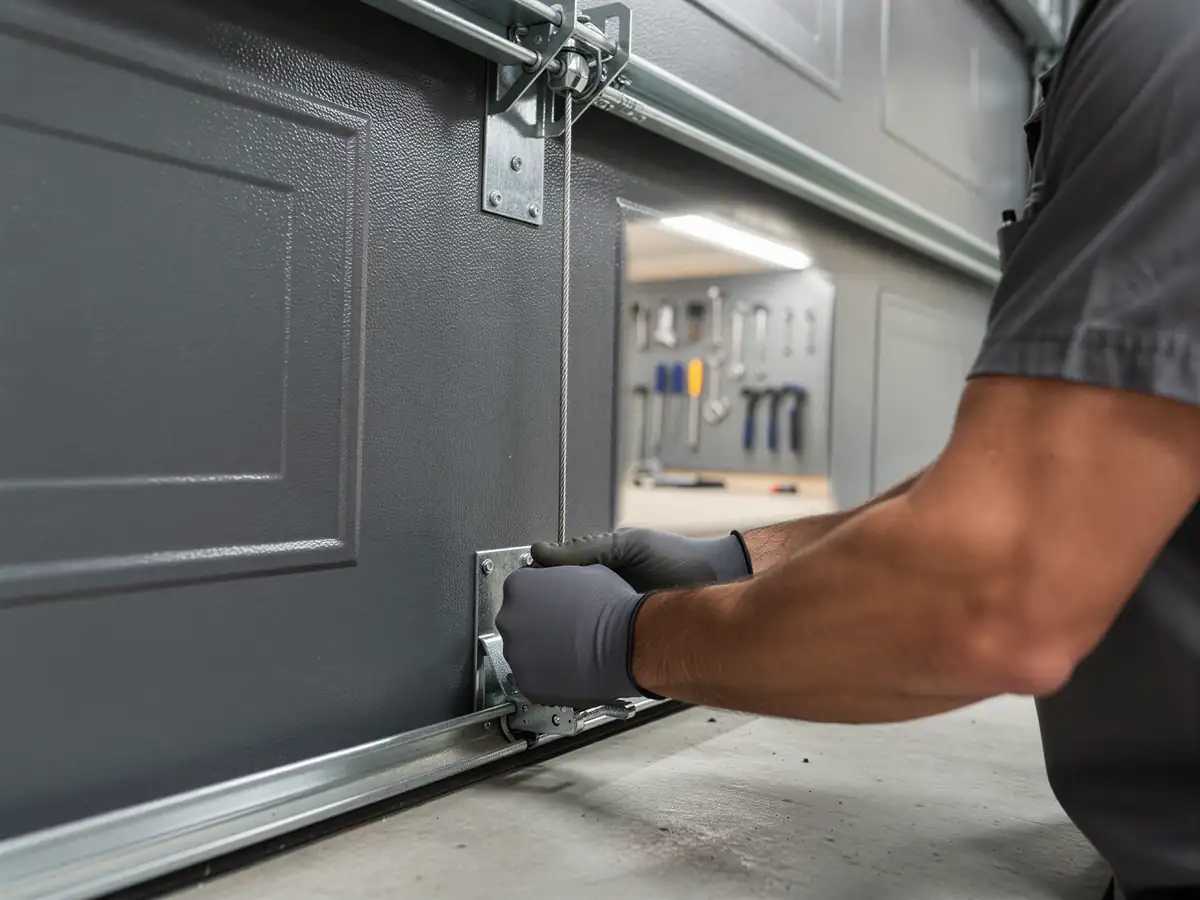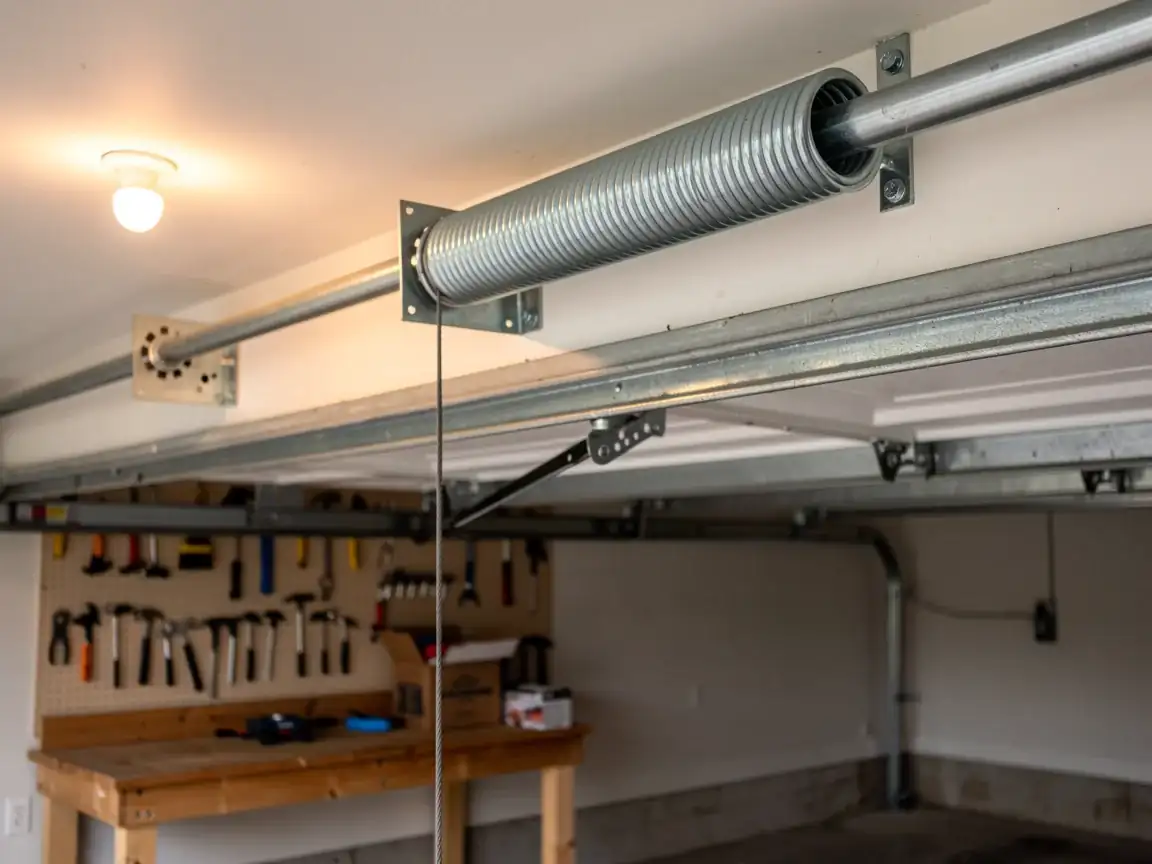
What You Are Seeing
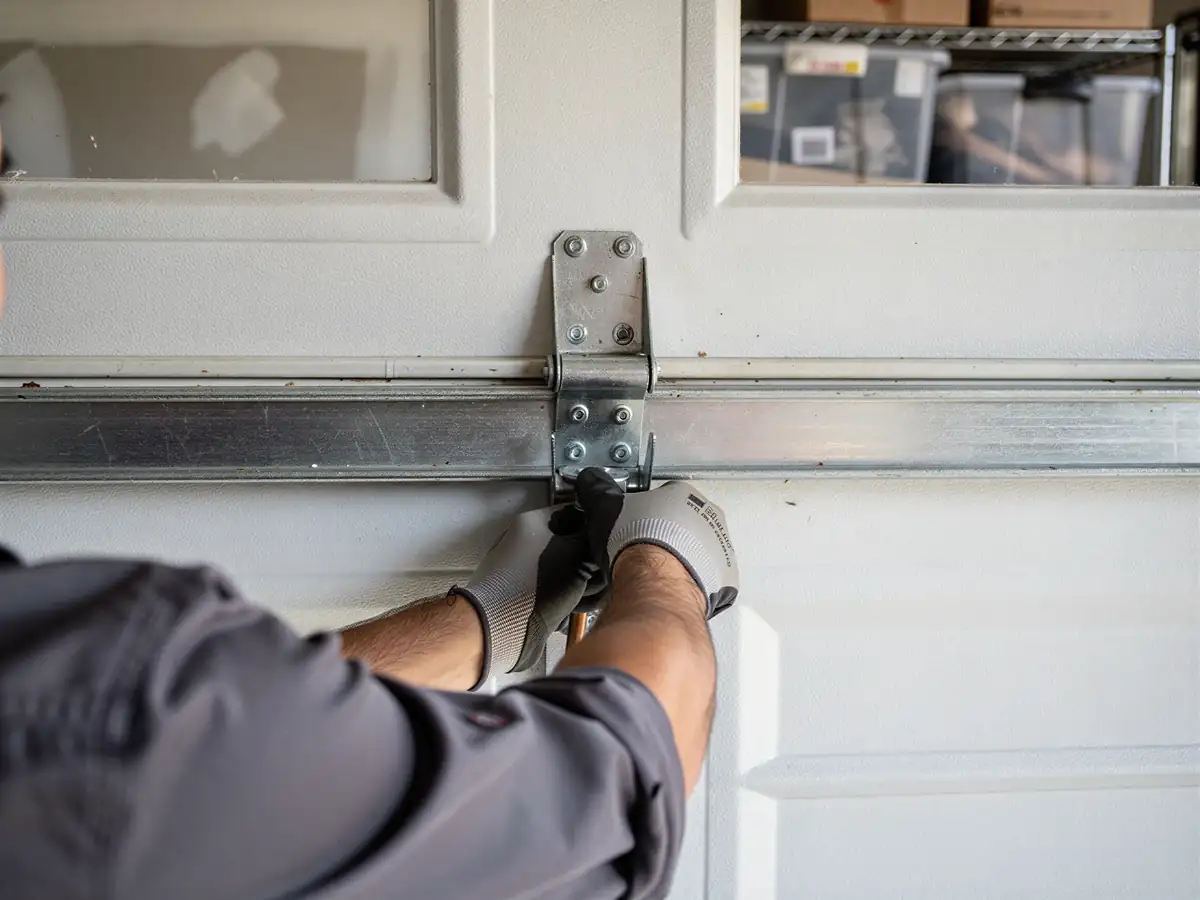
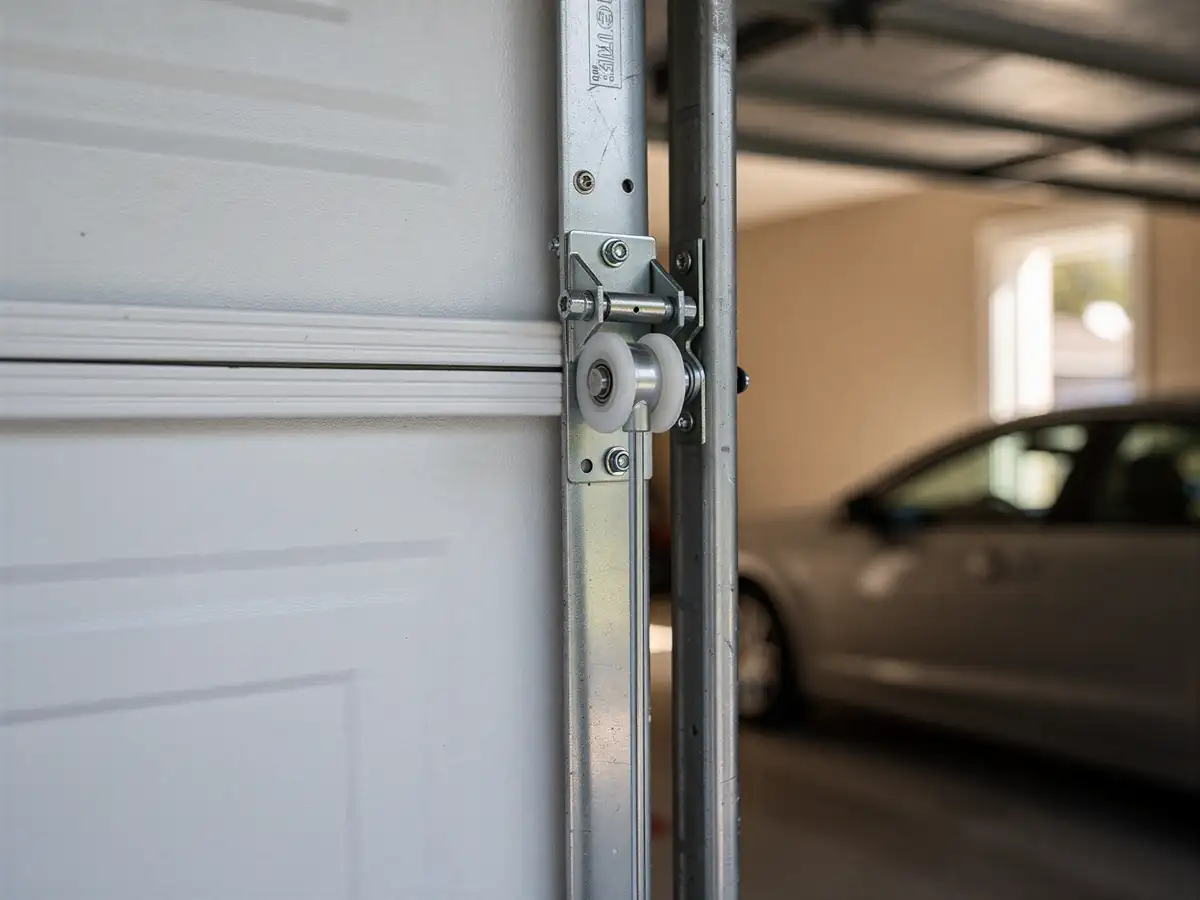
A roller that's failing announces itself: a grinding or popping sound as the door travels, a door that shudders or jerks instead of gliding, a roller visibly cracked or chipped where it rides the track, or a door that's started to lean or bind partway through its run. Steel rollers wear at the stem bearing first, which is the part you can't see without pulling the roller out of the bracket. Nylon rollers crack at the wheel face, especially once cold makes the material brittle. Either way, by the time you can hear it from inside the house, the roller has usually been grinding metal-on-metal or plastic-on-metal for a while, and the track itself may already be scored. That's worth checking before replacement, because a scored track will chew through a new roller just as fast as it did the old one.
How We Fix It
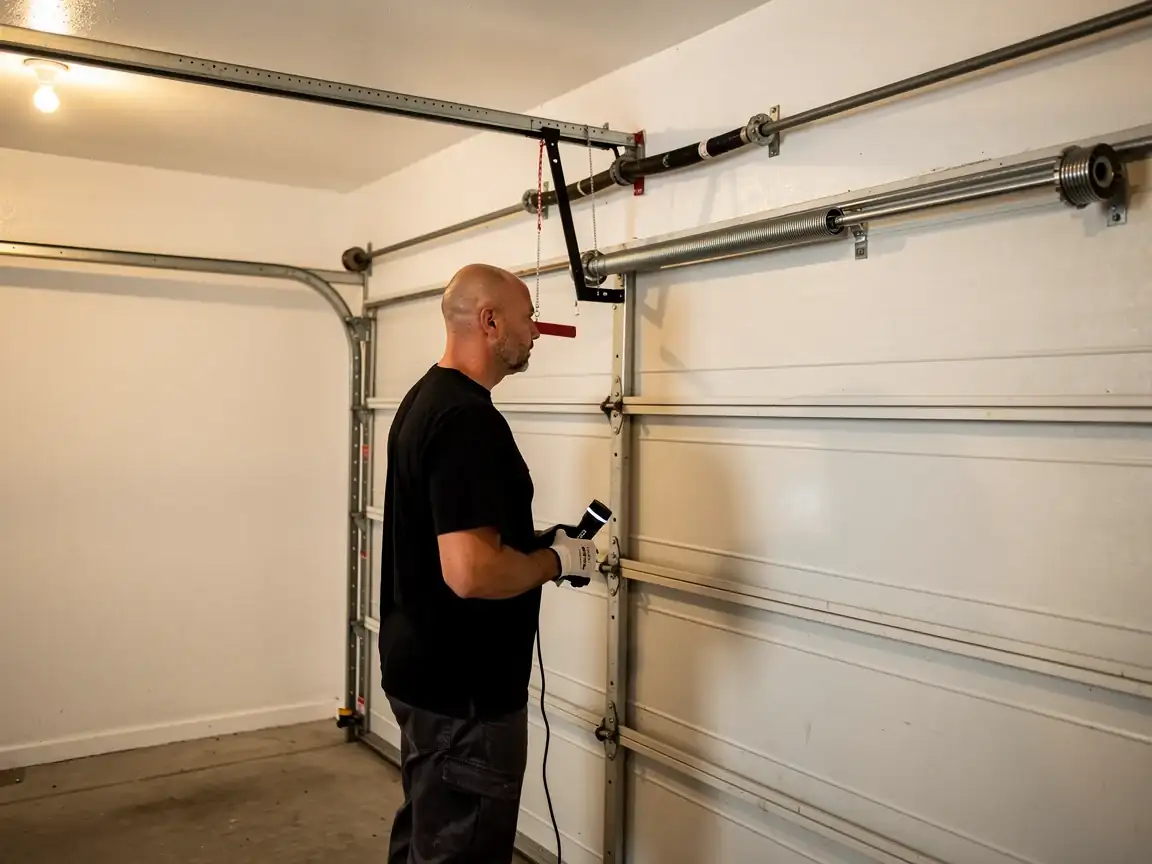
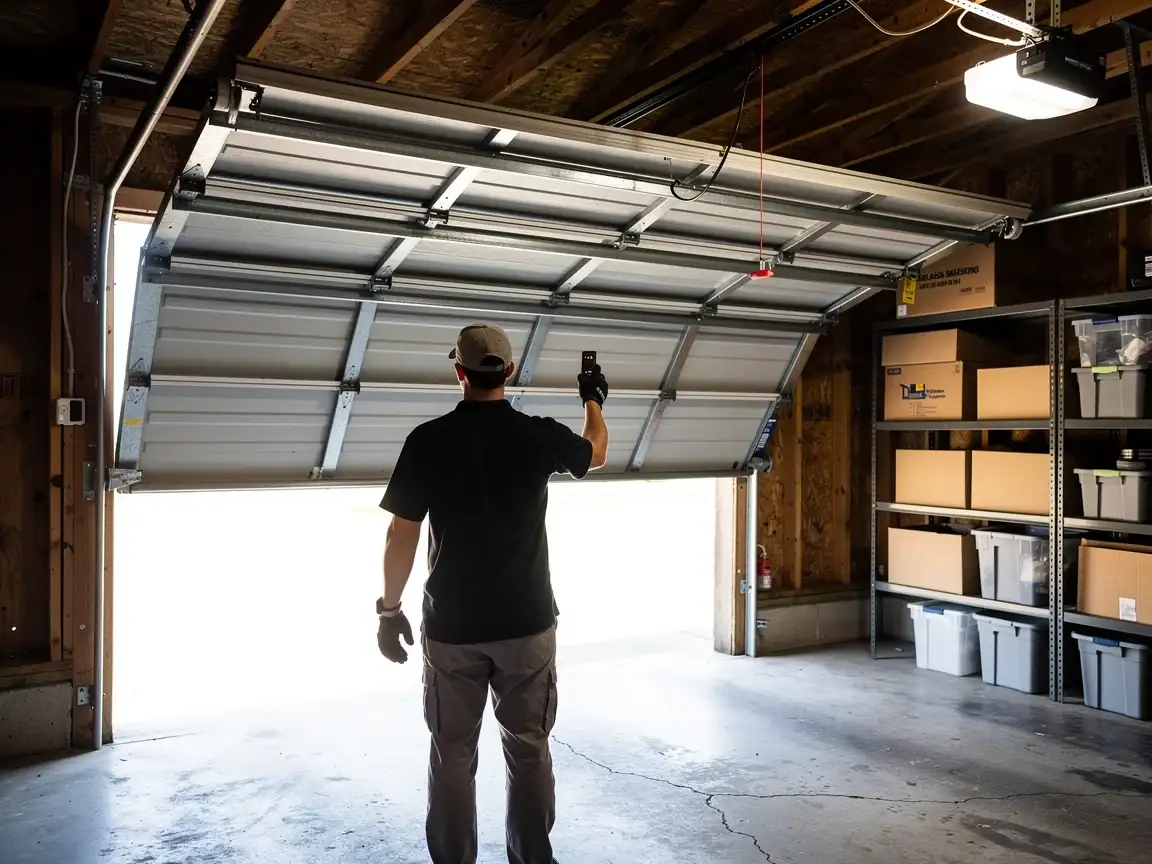
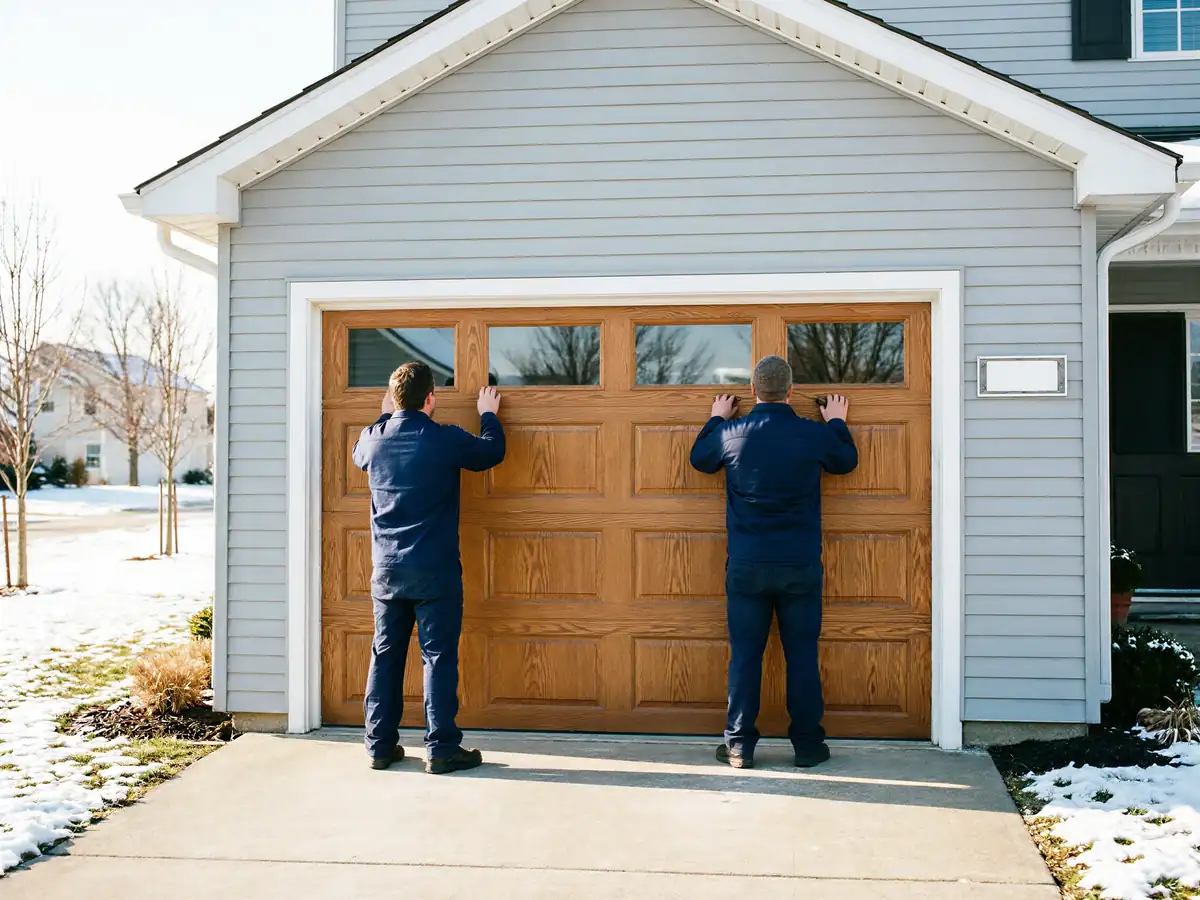
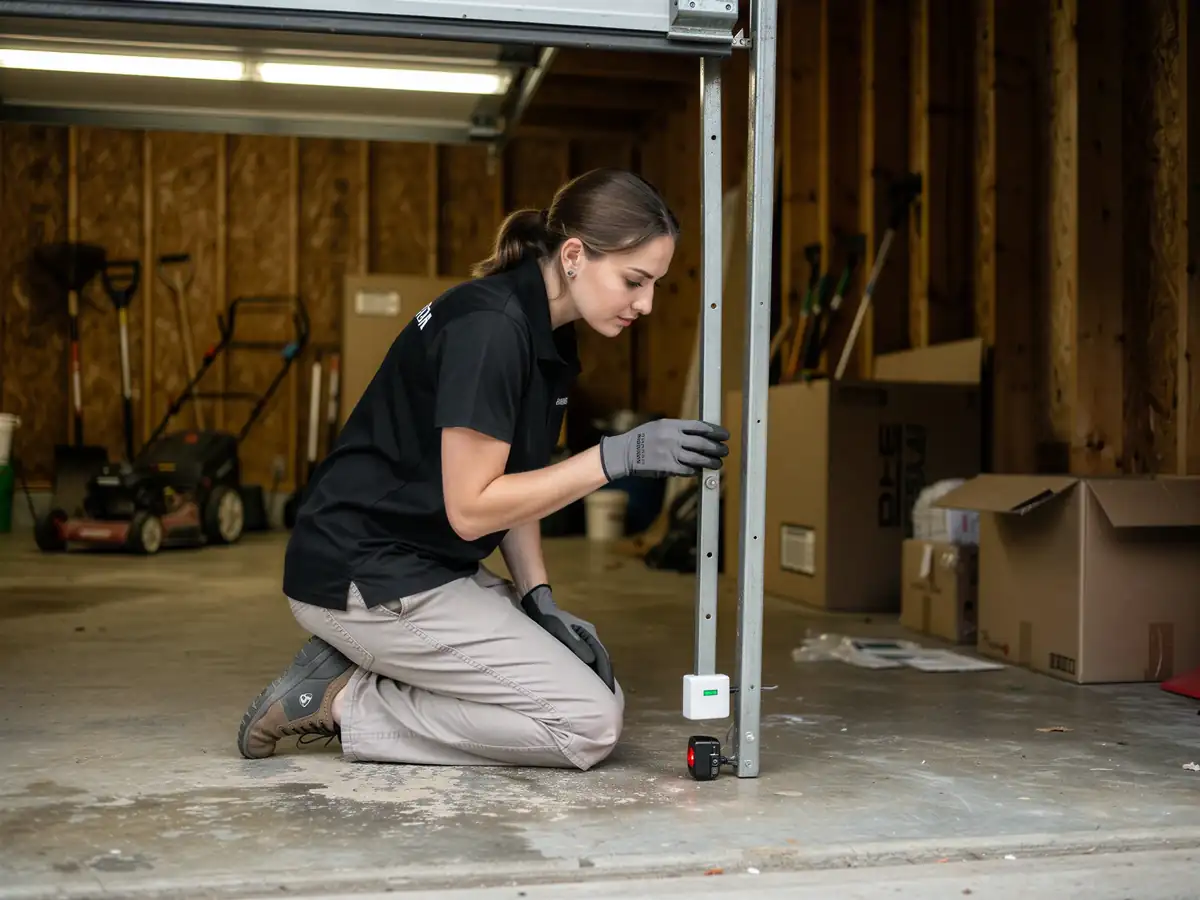
We pull the door, support it, and replace rollers one bracket at a time so the door never drops free. Depending on what we find, that means swapping steel ball-bearing rollers for the originals' match, or moving a homeowner up to sealed nylon rollers that run quieter and hold up better through winter. We check every bracket and hinge while we're in there, since a bent bracket or stripped hinge hole will wreck a new roller inside a season if it's left alone. We also run the track top to bottom looking for the scoring or narrowing that comes from years of a bad roller dragging through it - if the track's shot, patching rollers onto it is a waste of your money, and we'll say so. Most jobs finish in under an hour once we're on site, though a full set of twelve rollers on a wider or taller door section takes longer than a quick four-roller fix on a single panel.