The Cost of This Job
We don't quote a price here because the honest answer depends on what's actually wrong
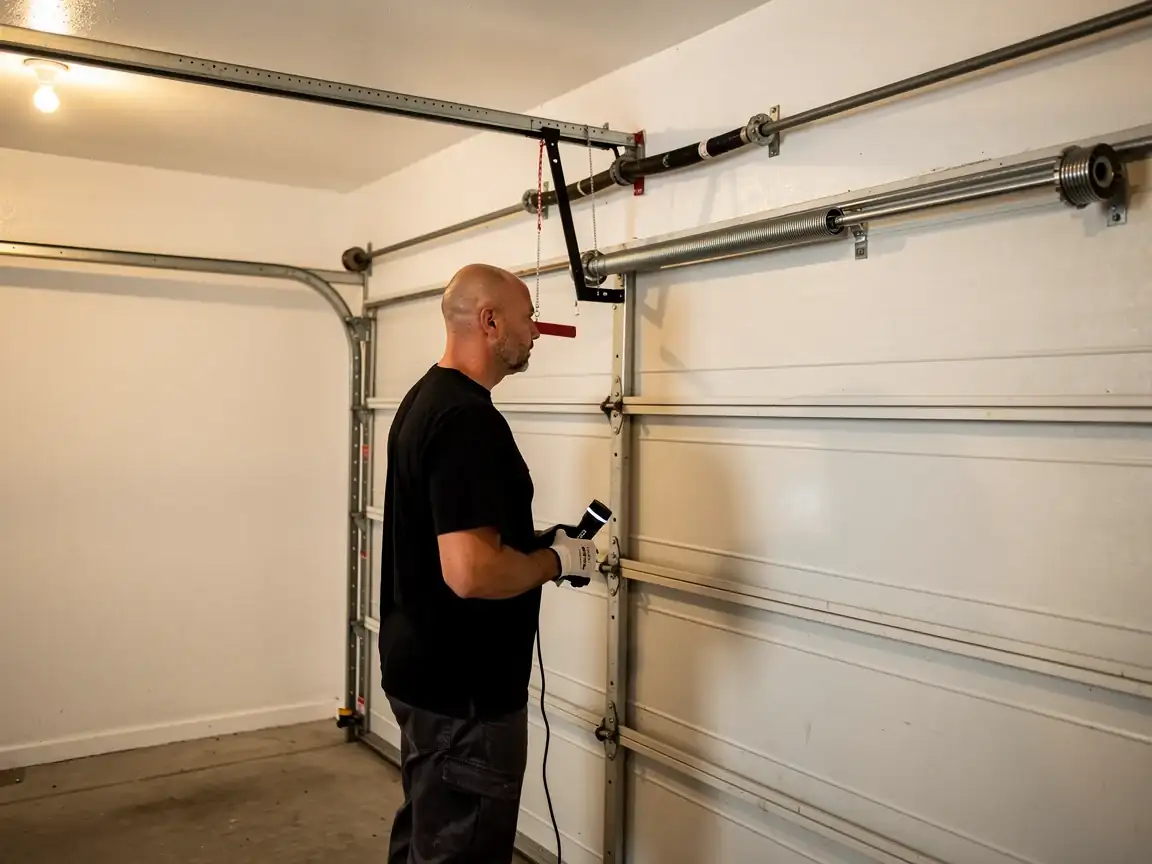
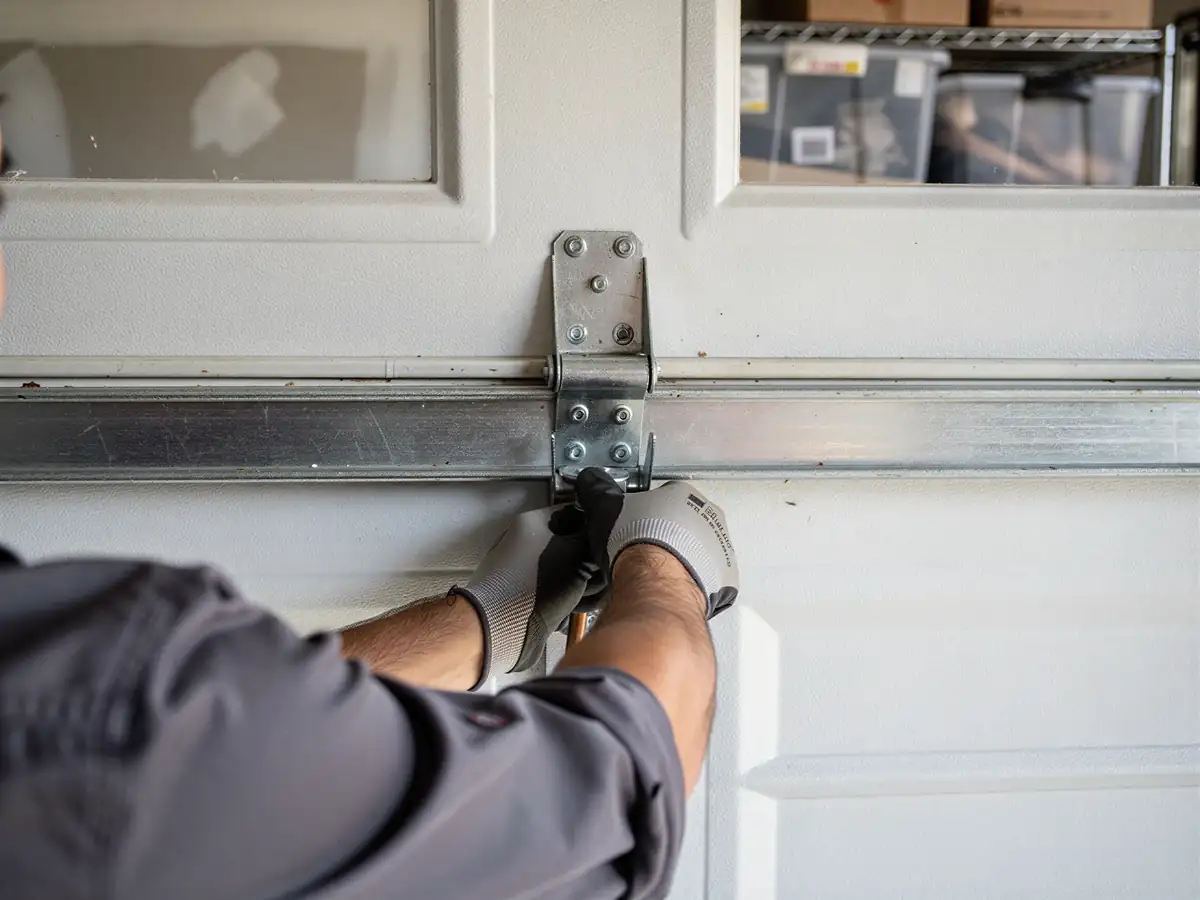
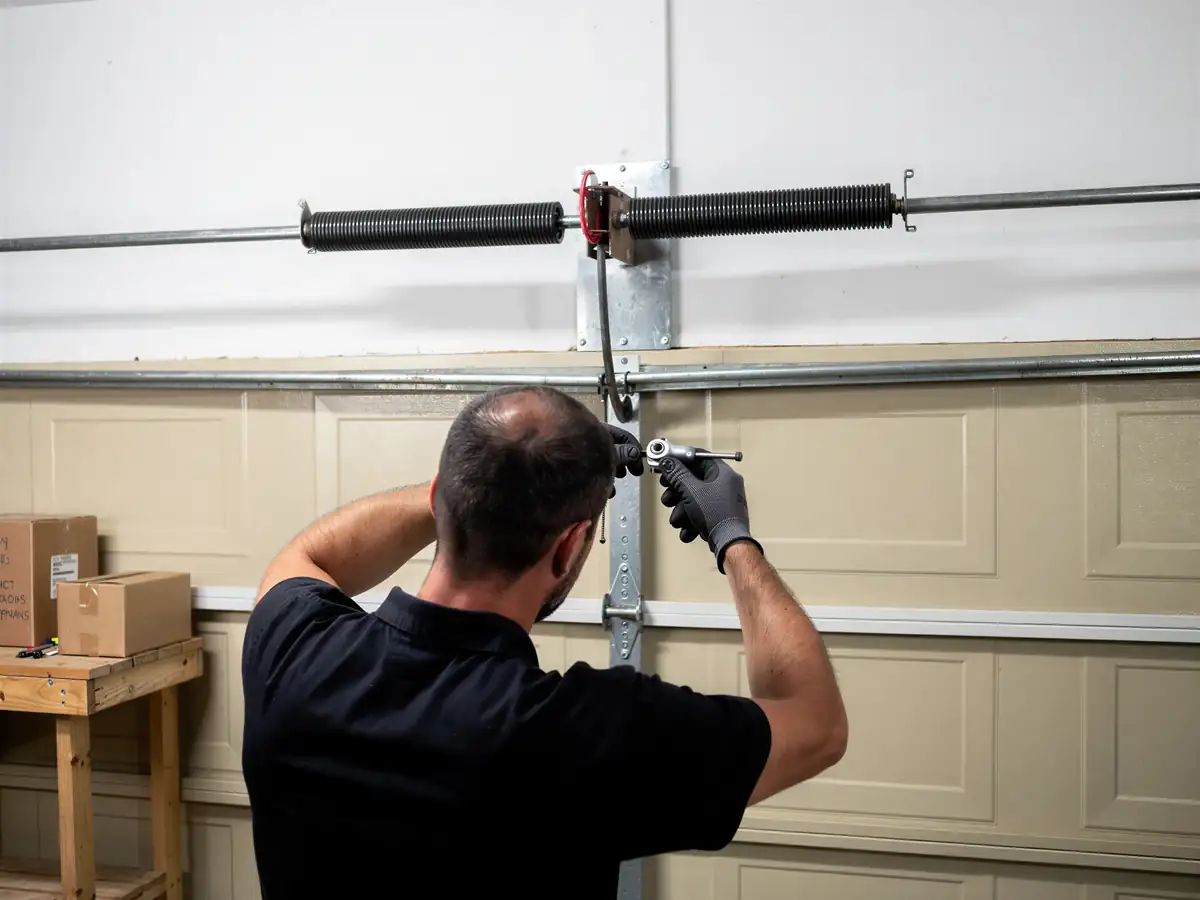
And on an older door that's rarely one thing. A torsion spring job on a door from the 1970s often turns up a drum that's pitted, a center bearing plate that's bent, or a track that's been re-shimmed twice already by whoever owned the house before you. Each of those adds labor before you get to the part that was actually quoted.
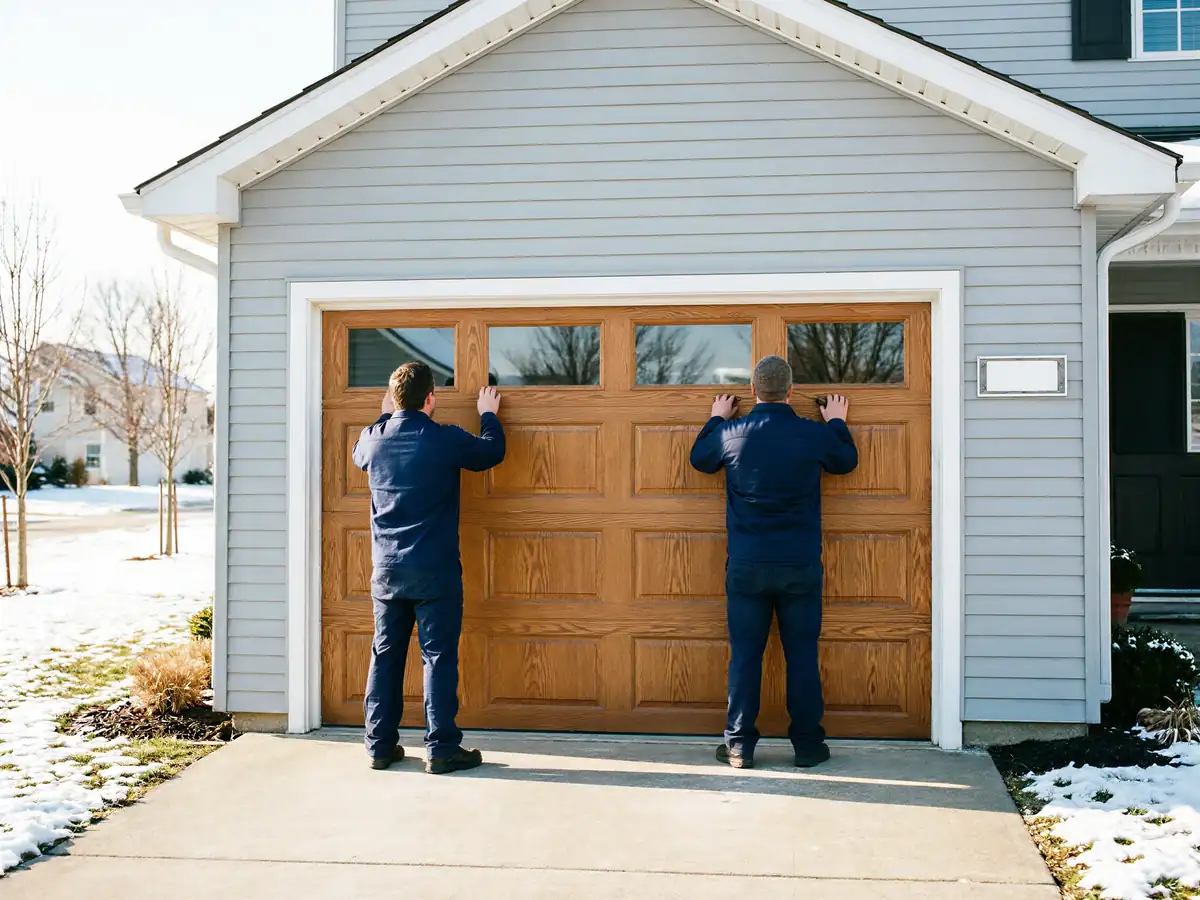
We service a wide stretch around Menomonee Falls
Out past Lannon, Butler, and Germantown, over toward Sussex and Lisbon - and the pattern holds across most of it: the older the door, the more the real cost is diagnosis, not parts. Hardware from a door built before, say, 1985 often isn't a shelf item anymore. If we have to special-order a drum or a specific spring wind, that's a wait, not a markup.
Our limitation here is plain
We don't carry every obsolete part on the truck, and we won't pretend a same-day fix is possible when the piece has to come in. If your door is original to a house built in the 1960s or 70s, ask us for the honest timeline before you commit, not just the number.
What Is Going On
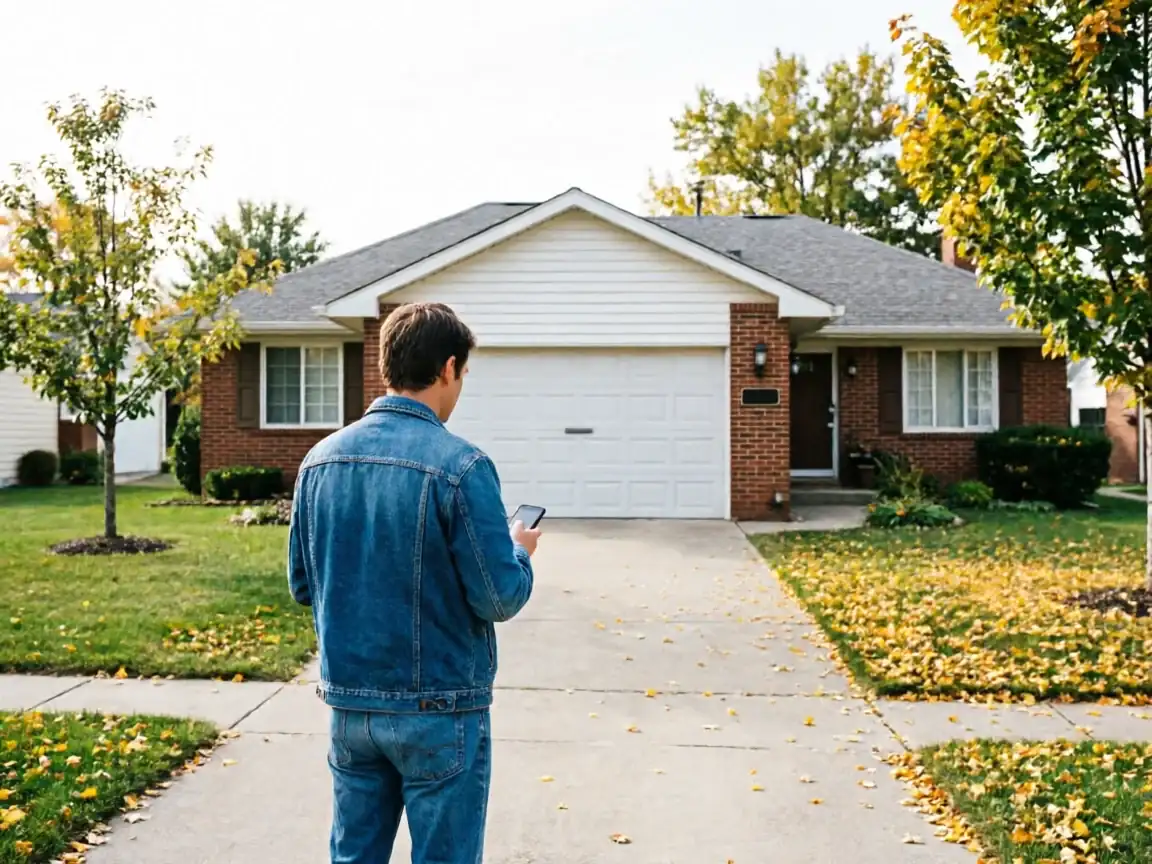
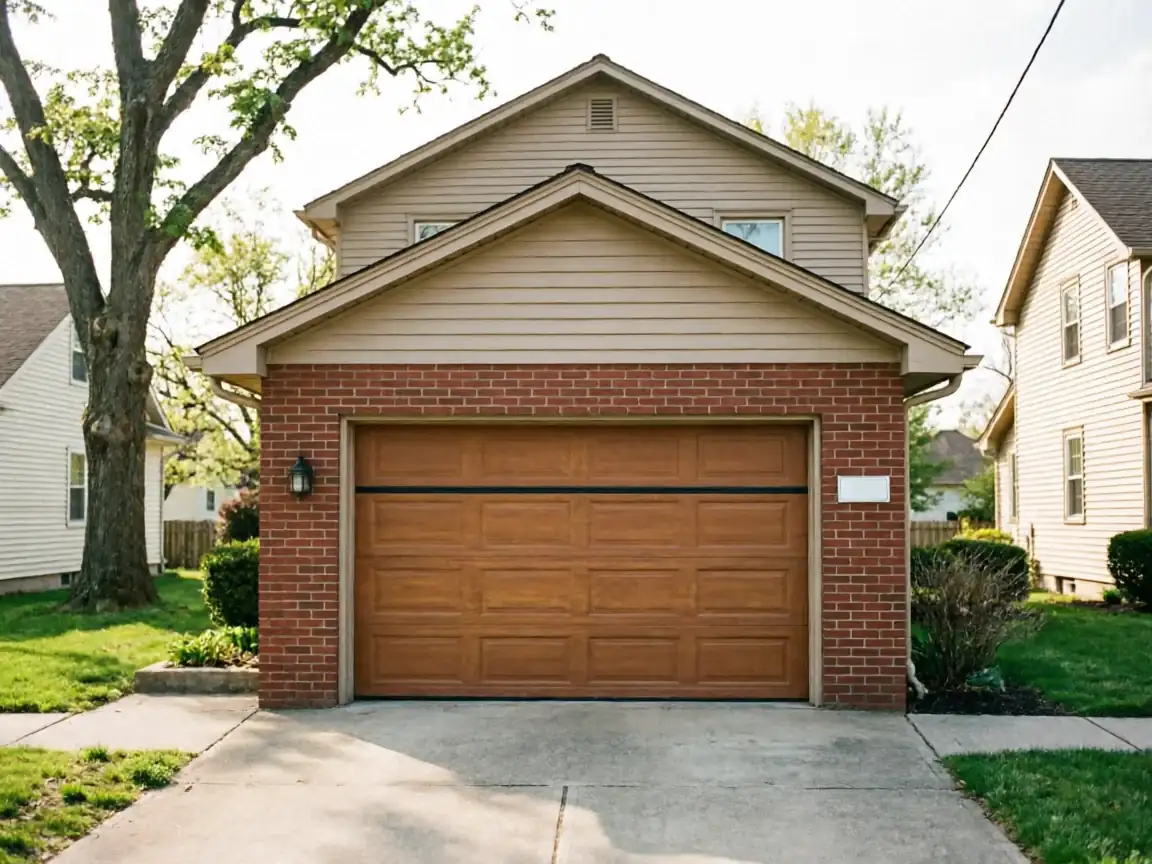
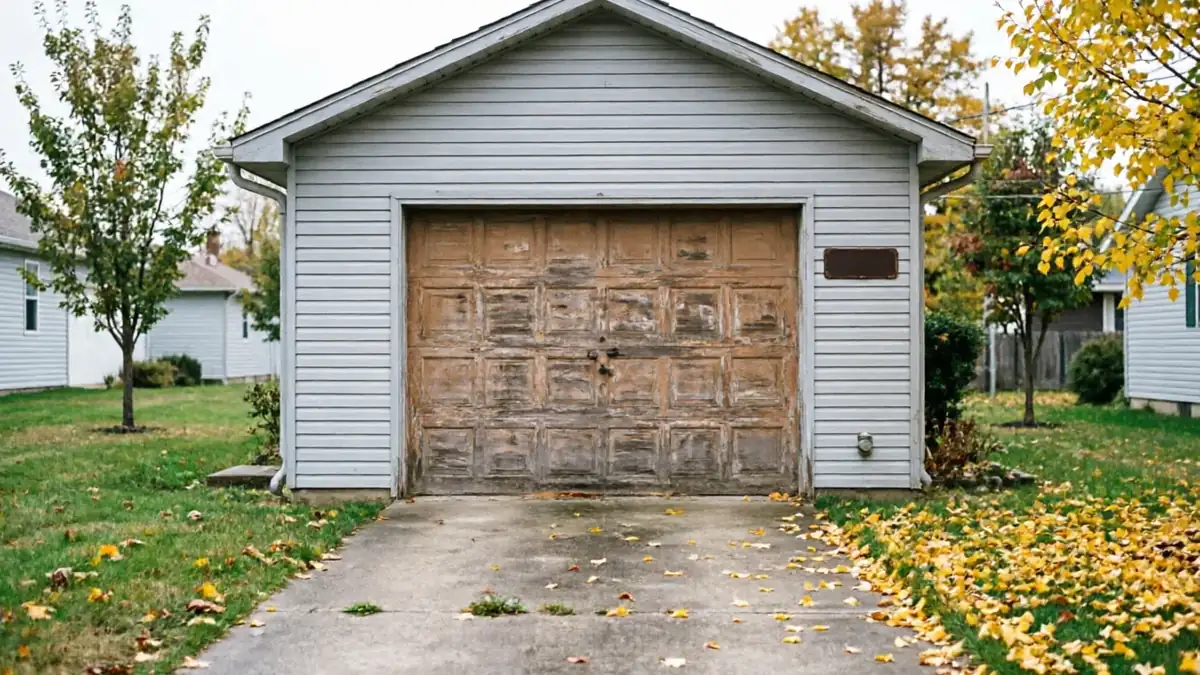
Housing in this area was mostly built between 1938 and 2000, with the median landing around 1976, and the bulk of it across the 49 named areas we cover is 1960s and 70s construction. That matters more for garage doors than almost anything else in the house, because door hardware from that era was built to a different standard than what goes in today.
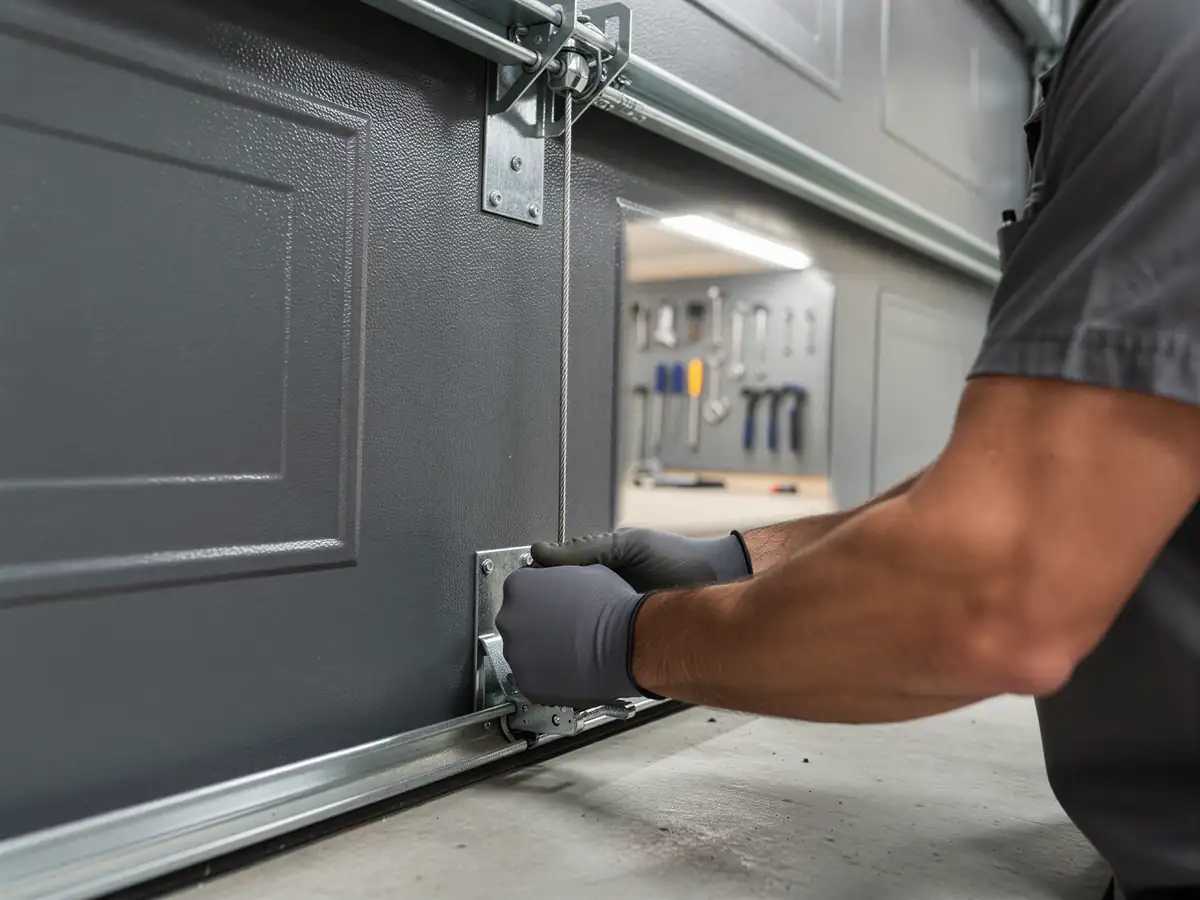
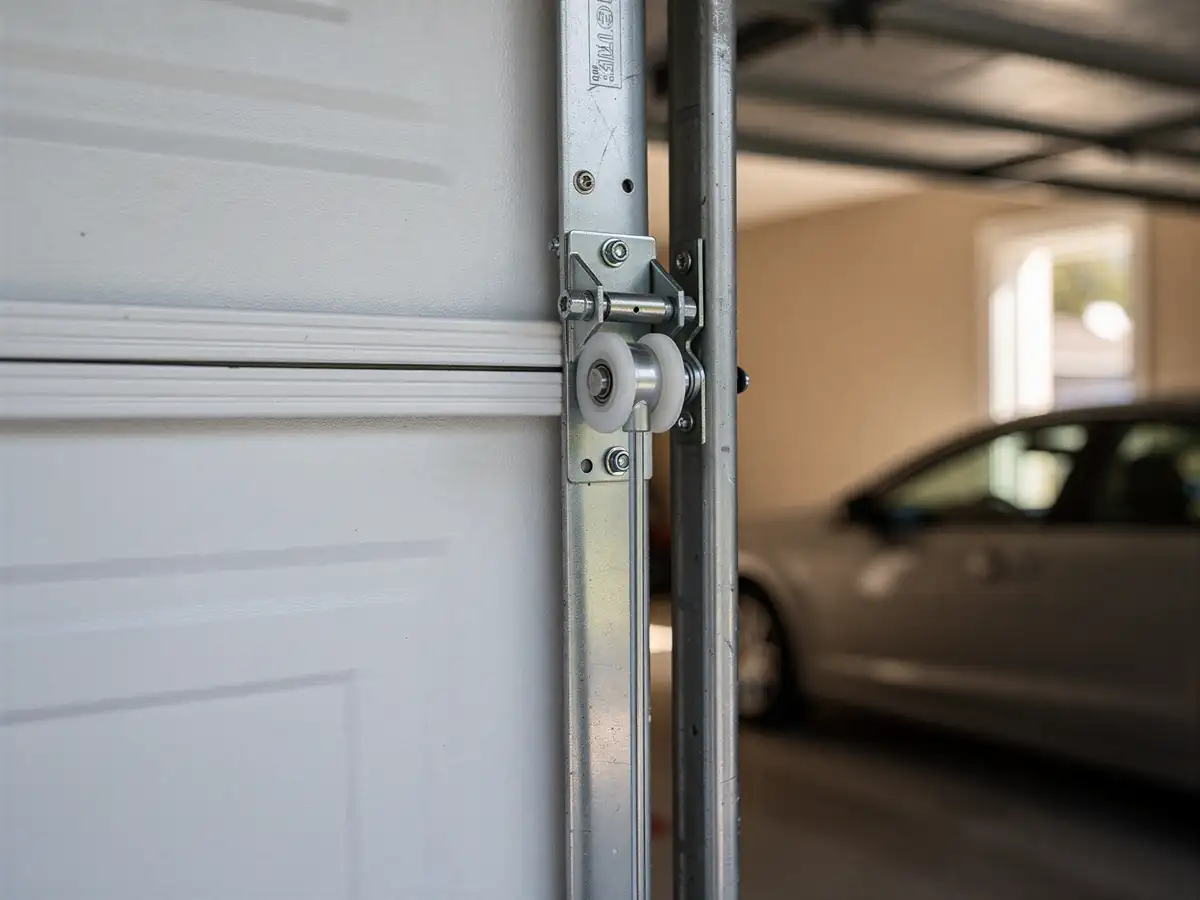
A lot of these doors are single-layer steel or wood-panel, hung on extension springs or early torsion setups with side brackets that newer doors don't use. The track gauge is often lighter, the rollers are usually still steel instead of nylon, and the opener - if one was ever added - is frequently a retrofit bolted onto hardware that predates it by a decade or two.
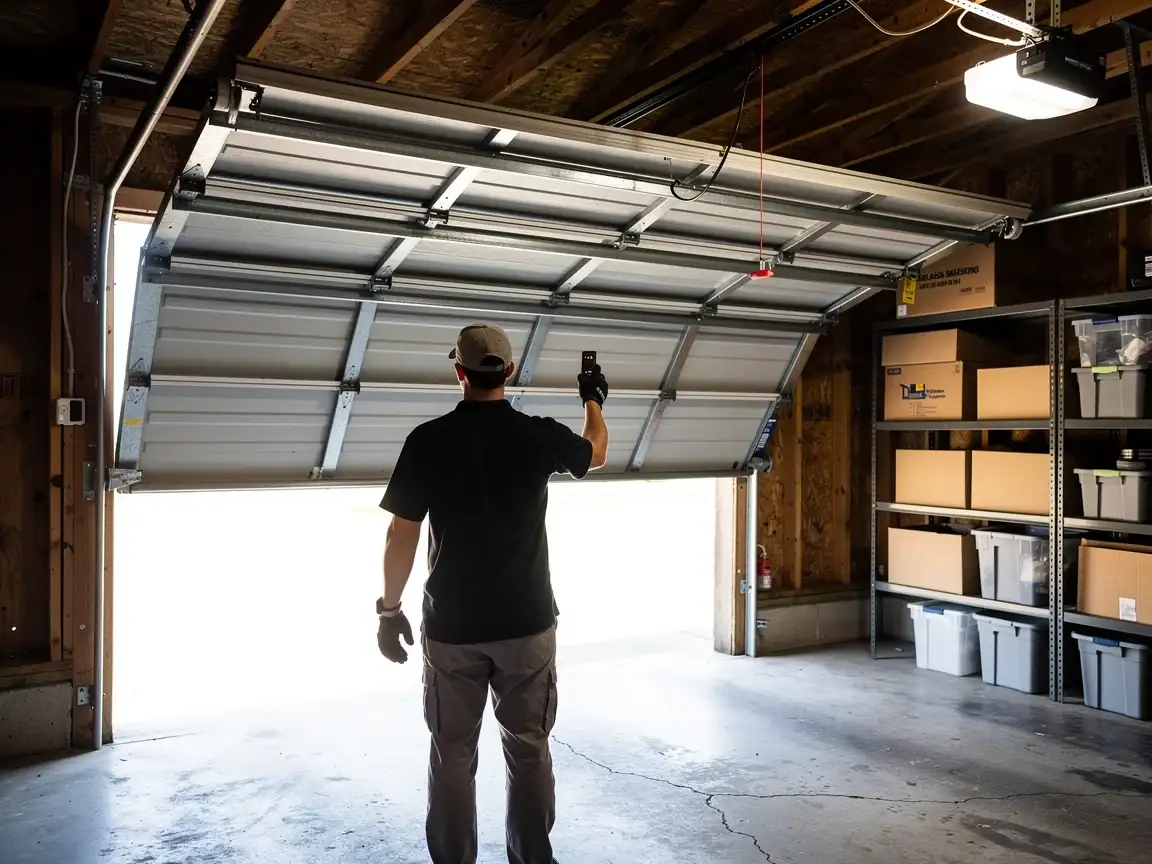
None of that means the door is junk. It means the failure points are specific: worn roller tracks that jump on a cold start, a spring that was sized right in 1978 but has fatigued since, hinges that have stretched their holes. Fixing those is usually worth it if the panel itself is still square and the frame hasn't shifted. We tell you straight when a repair is chasing a door that's already past that point.
What the Weather Here Does to It
Menomonee Falls sits in a severe cold climate band, and that's the single biggest factor in whether an older door is worth saving. Cold doesn't just make the steel brittle - it changes how the whole system behaves. Torsion springs lose some of their flex in deep cold, so a spring that was marginal in October can snap in January under the exact same load it carried all fall.
On a 1970s-era door, the lubrication in the track and on the rollers also thickens in severe cold, which is why a lot of our cold-weather calls aren't a broken part at all - they're a door straining against its own stiffened hardware hard enough to pull a cable or bend a bracket. On a newer door with sealed rollers and synthetic lube, that's rare. On original hardware from this housing era, it's common.
Slab movement is the other piece. Frost heave under an older, thinner foundation can throw the door's alignment off by a fraction of an inch - enough that the door binds on one side every time the temperature drops. That's a track adjustment, not a new door, if you catch it early.
The Seasonal Bit
The swing matters as much as the cold itself
A door that closes fine in August and sticks in December hasn't failed - it's responding to the same seasonal flex that every older door in this climate band goes through. Metal contracts, old caulking at the jamb shrinks, and a frame that was square in summer can be a sixteenth of an inch out by the first hard freeze.
On newer doors this mostly gets absorbed by modern weatherstripping and tighter tolerances
On a door that matches the 1976 median for this area, there's less give built in, so the symptoms show up as noise - a grinding roller, a spring that groans on the first cold-morning open - before anything actually breaks.
The practical move is to get the door looked at in fall
Before the first deep freeze, not after. A spring or roller that's marginal in October is a controlled repair. The same part, failed in a January cold snap with the door stuck half-open, is an emergency call and usually a more expensive one. If your door is original to the house and it's starting to groan as the weather turns, that's the window to act in, not wait through.