How to Book
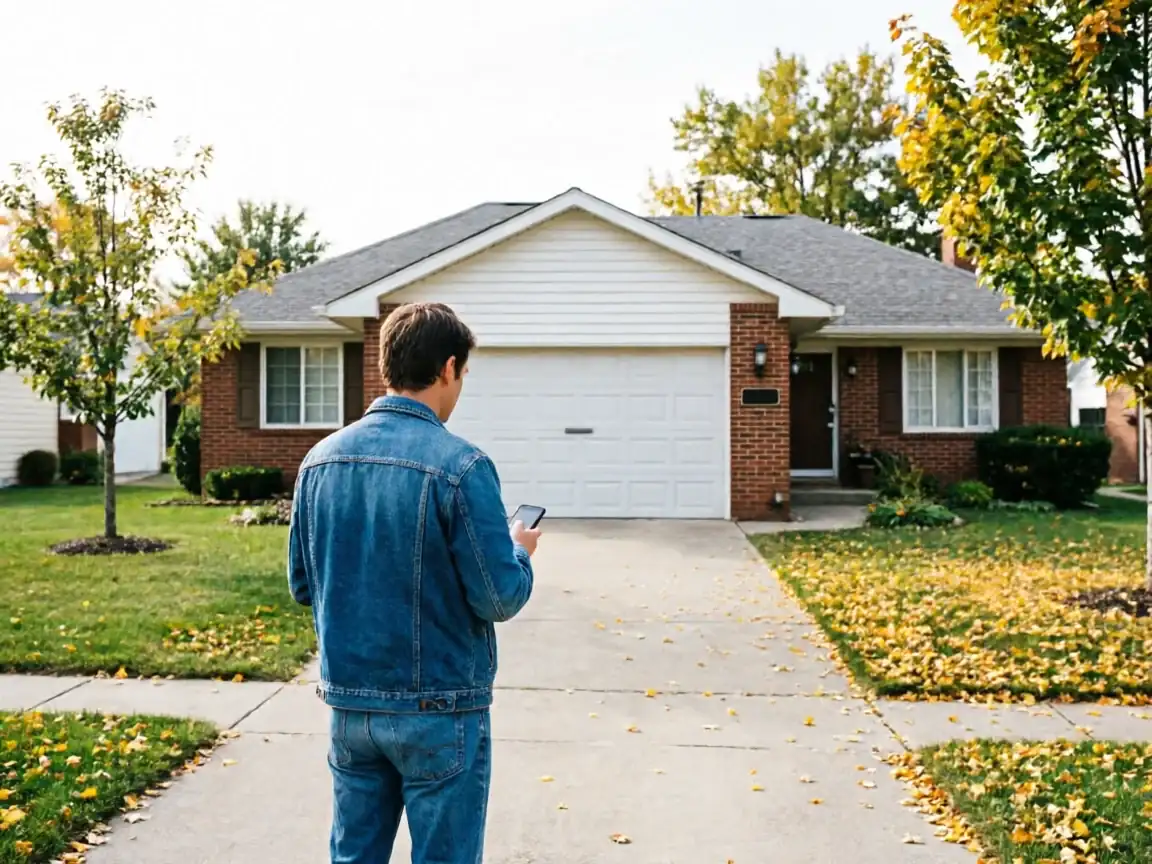
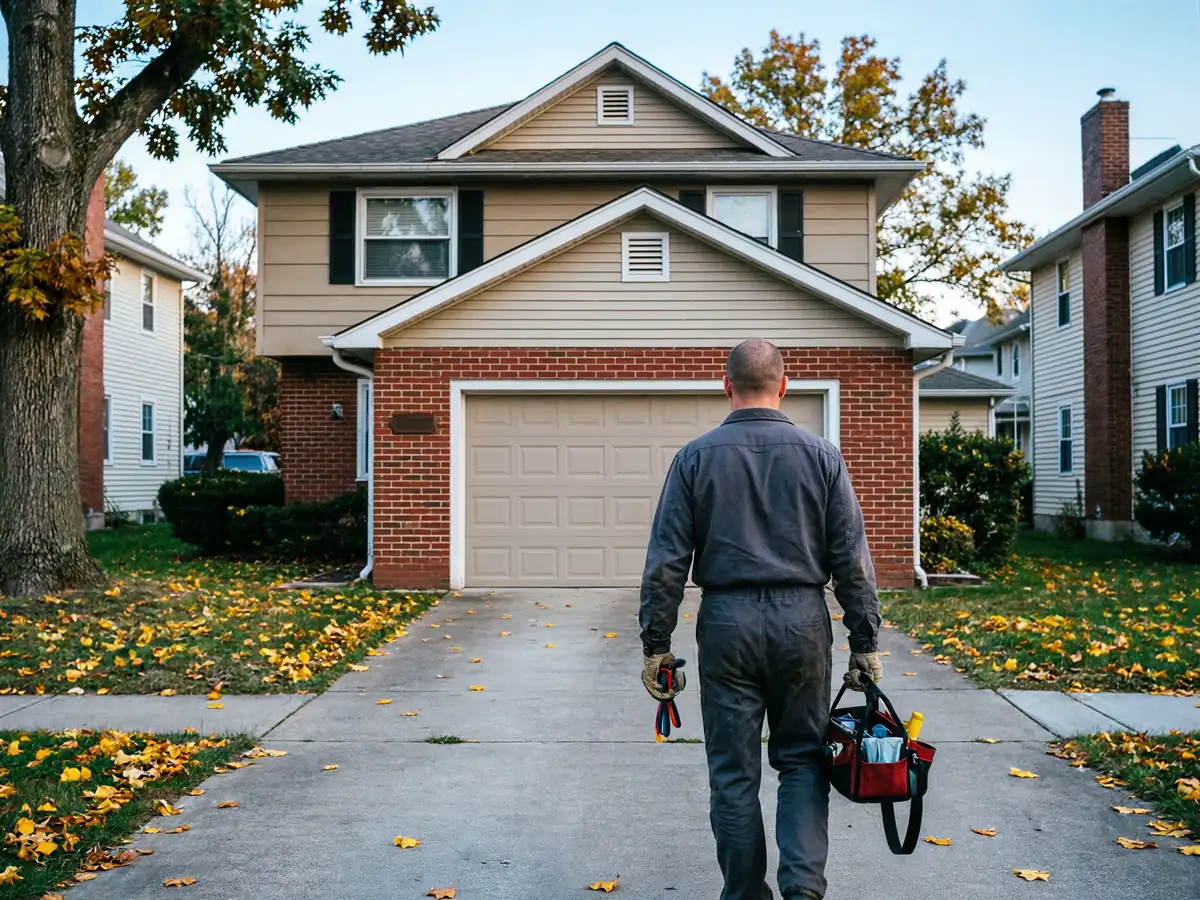
Call or request a visit through the site and tell us what the door is doing
Slow to close, noisy on the way up, or just hasn't been touched since it was installed. We ask for the rough age of the door and opener up front because that tells us more than a symptom list does. If you don't know, that's fine; a lot of owners don't, especially in houses that changed hands once or twice since they were built.
We schedule maintenance visits separately from emergency repair calls
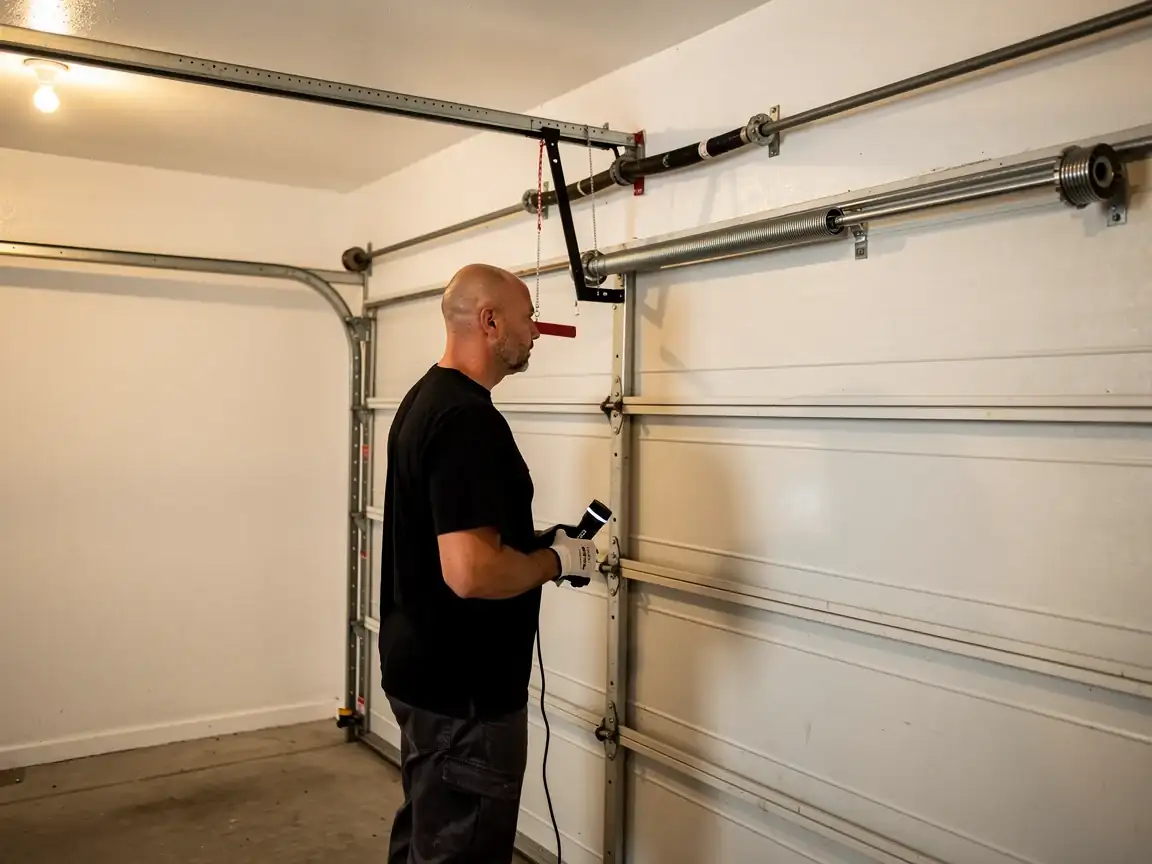
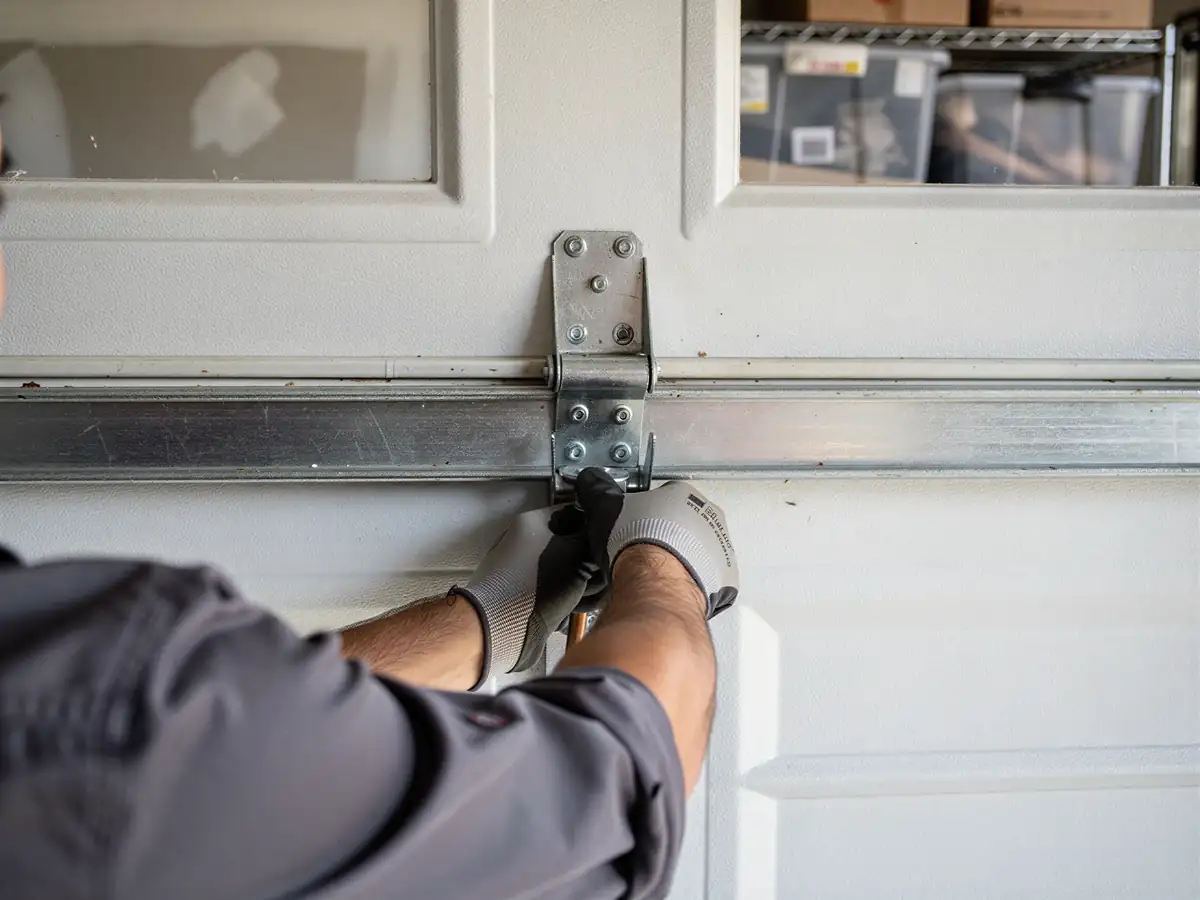
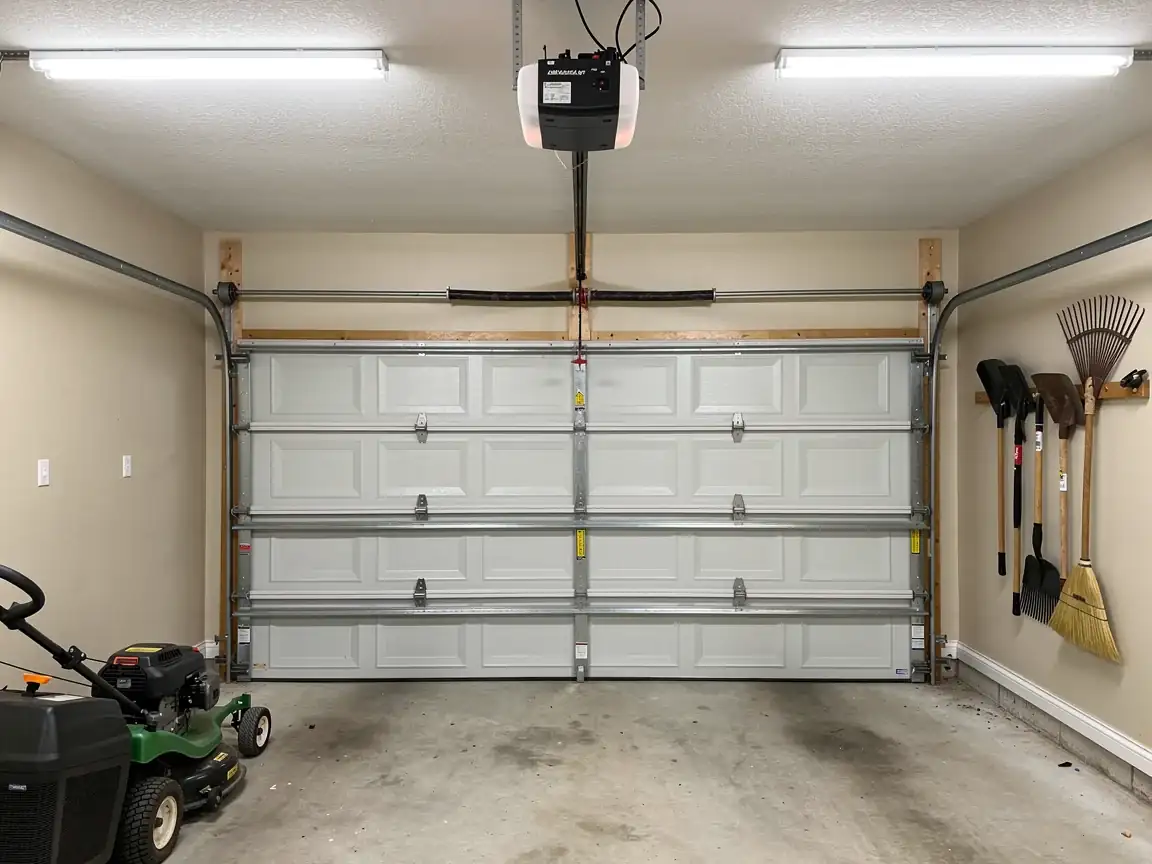
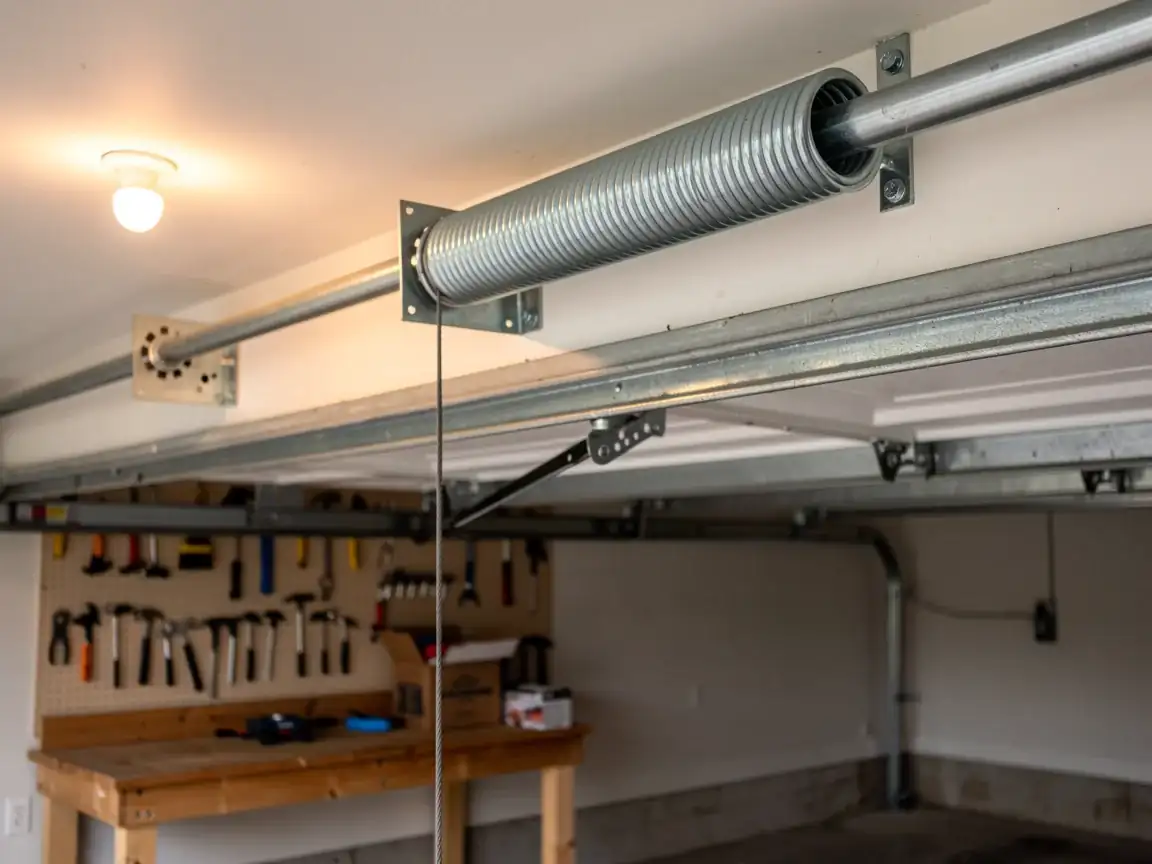
So if your spring has already let go, say so when you reach out - that's a different kind of appointment. A straight maintenance visit covers the moving parts of the system: springs, cables, rollers, tracks, hinges, and the opener's safety sensors.
One limitation worth stating plainly
We don't stock every obsolete opener logic board or every discontinued spring size on the truck. If your system is old enough that parts aren't common anymore, we'll tell you that on site rather than stringing out a repair that should really be a replacement conversation.
What You Are Seeing
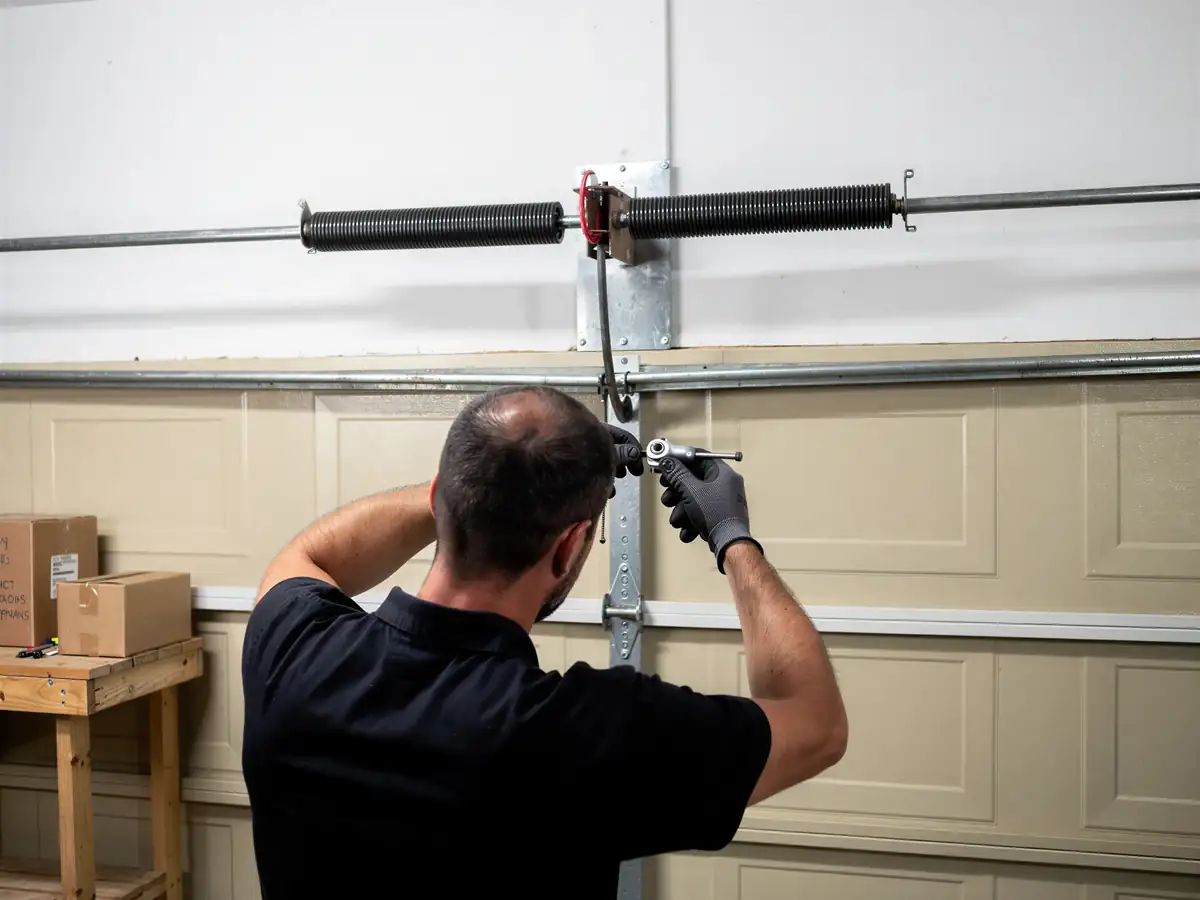
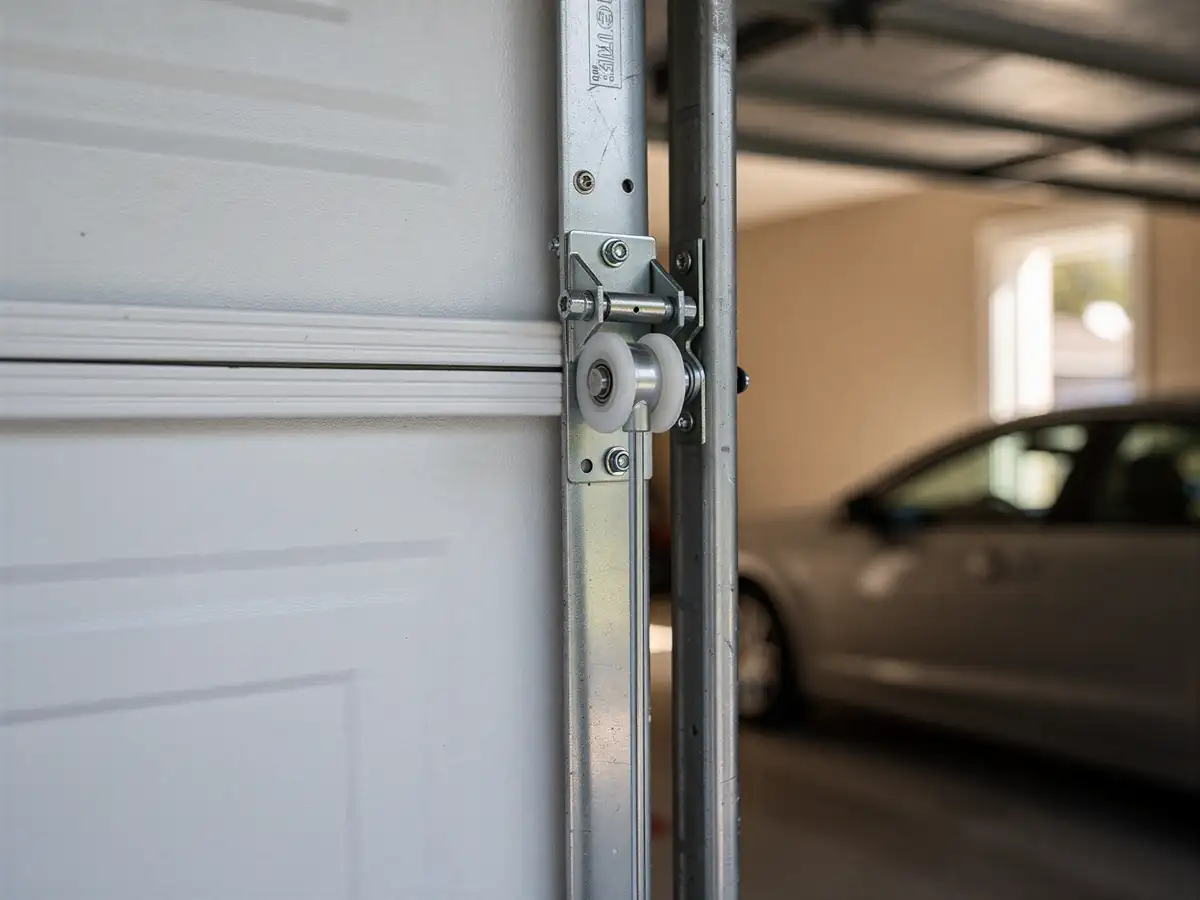
A door that groans going up, drifts down on its own, or needs a shove to get moving is telling you the torsion spring has lost tension - normal wear, not damage. Rollers that clatter instead of roll usually mean the nylon wheel has cracked or the bearing's dried out. A door that looks crooked in the opening, or binds on one side, points to a track that's shifted or a cable starting to fray.
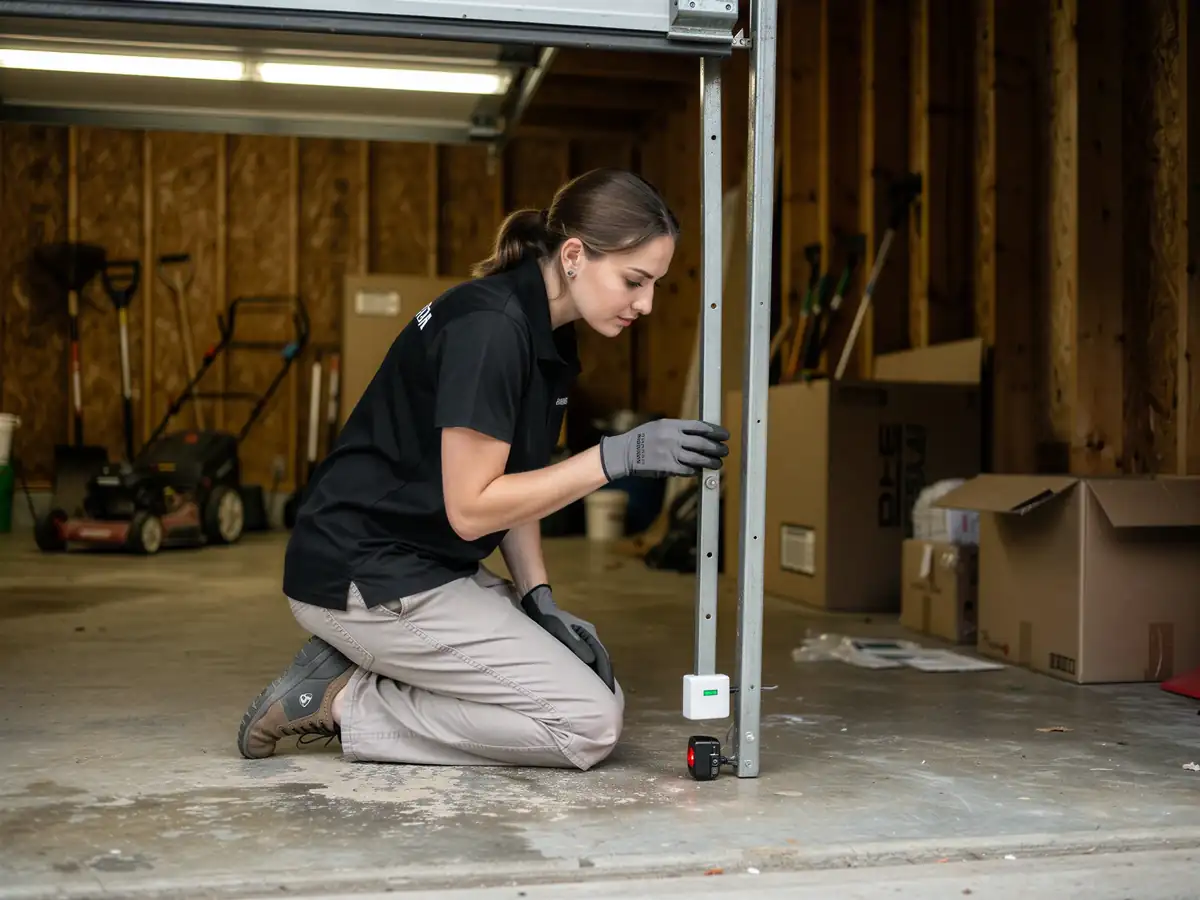
Opener-side symptoms show up differently: the light blinks but the door won't move, or the door reverses partway down for no visible reason. That's almost always a safety sensor out of alignment, which happens more than owners expect once a garage sees a full winter of temperature swings.
None of this is dramatic on its own. The spring doesn't announce it's at 70% of rated cycles left. The roller doesn't squeak loudly until it's already shedding plastic. That's the case for a maintenance visit instead of waiting for the day the door won't open at all - which, in this climate, tends to be the coldest morning of the year.
How We Fix It
A maintenance visit starts with a tension check on the torsion spring and a look at cycle count against the spring's rated life, not just how it looks. We lubricate rollers, hinges, and the track with a product rated for cold, not a general household oil that thickens up below freezing. Track alignment gets checked with a level, not a glance - a quarter inch of drift at the bottom shows up as binding at the top.
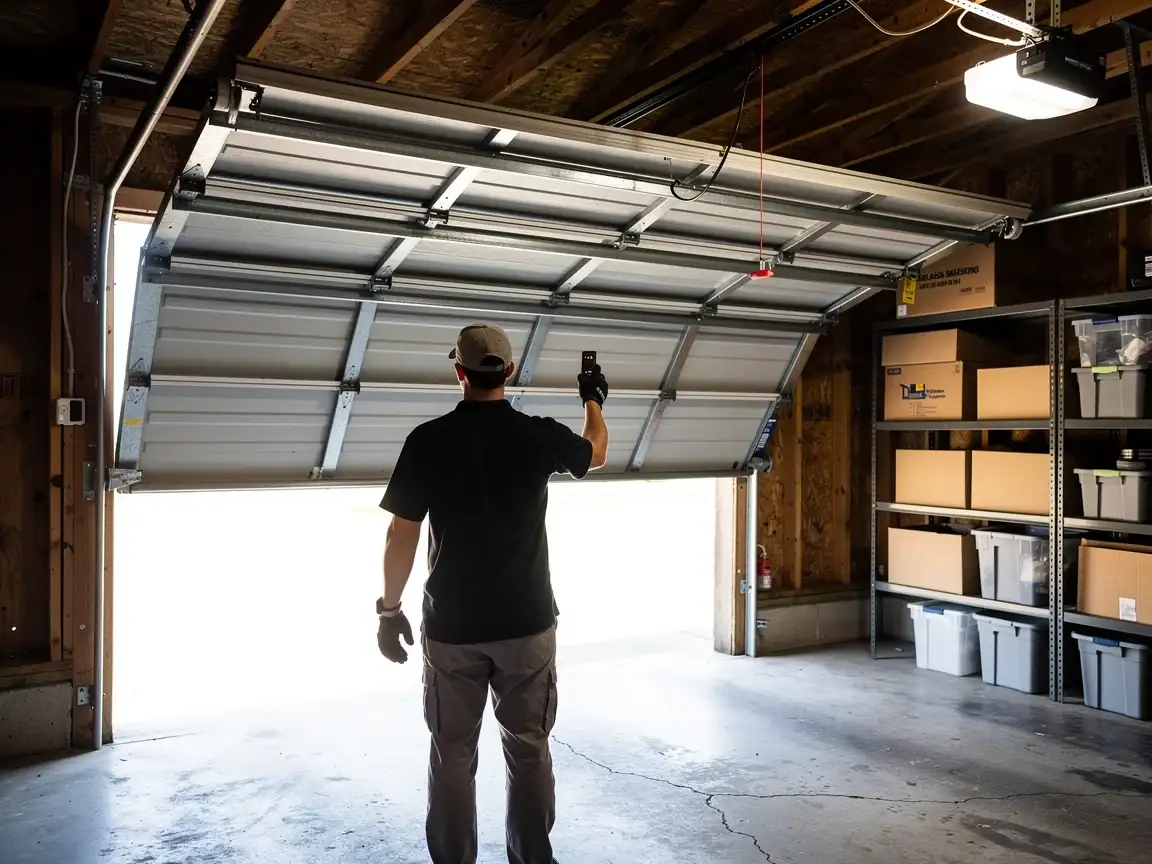
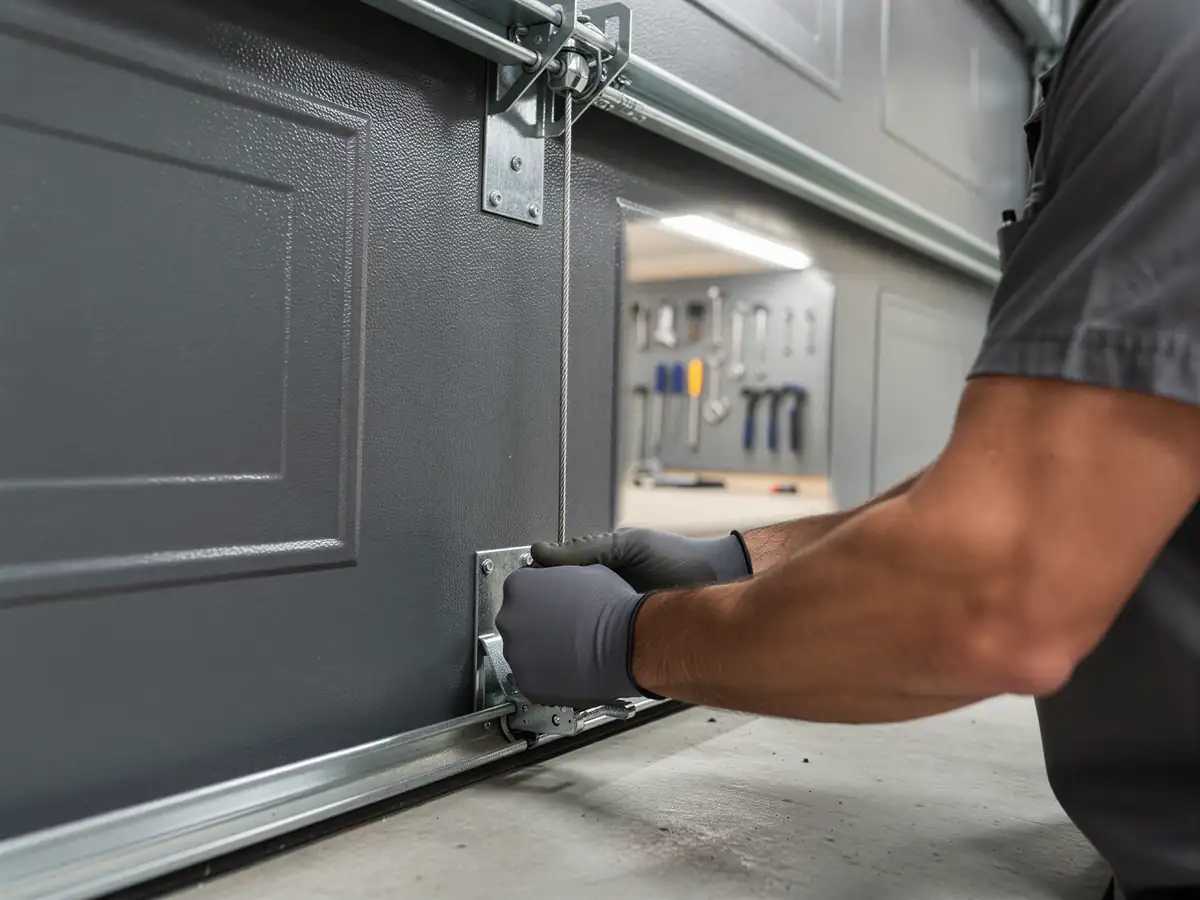
We test the opener's force settings and auto-reverse, since a door that reverses too easily or not easily enough is a safety issue either way. Cable condition gets checked at the drum and the bottom bracket, where fraying usually starts first. Weatherstripping at the bottom panel gets inspected too - in a cold climate, a gap there is a dollar amount off your heating bill, not just a draft.
If we find a part at the end of its life - a spring near its rated cycle count, a cracked roller, a cable with visible wear - we'll tell you the cost to replace it on the spot rather than waiting for it to fail mid-winter and turn into an after-hours call.
Why This Fails Locally
Most of the housing around Menomonee Falls went up between 1938 and 2000
With the median build year sitting at 1976, which puts a lot of original hardware well past any reasonable service life. Across the 49 named areas in this service territory, the dominant stock dates to the 1960s and 70s, meaning a large share of garages still run springs, tracks, or openers installed decades ago and never serviced since.
Menomonee Falls sits in a cold-severe climate band, and that matters more than people assume
Steel contracts in the cold, grease thickens, and a spring already near the end of its rated cycles is more likely to snap on a sub-zero morning than a mild one. A door that's two miles from Lannon or six from Sussex sees the same freeze-thaw cycle every winter, and the hardware doesn't care which side of a municipal line it's on.
With 89,448 owner-occupied houses across this service area
Worn torsion springs and dried-out rollers aren't rare exceptions - they're the expected outcome of 1970s-era hardware meeting forty-plus winters. Maintenance doesn't stop that aging process. It catches the failure before it happens on your schedule instead of the door's.
- 89,448 owner-occupied