What the Housing Means for Your Door
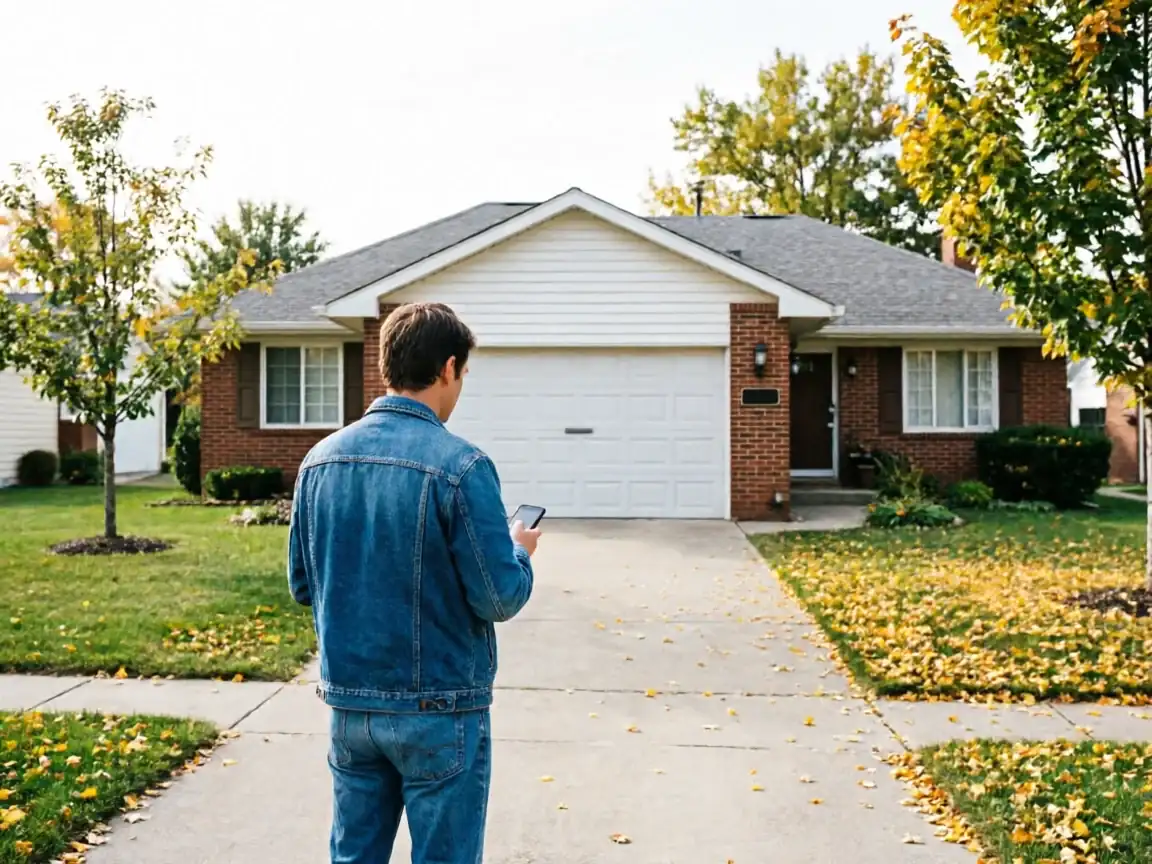
Brown Deer's housing stock centers on 1970
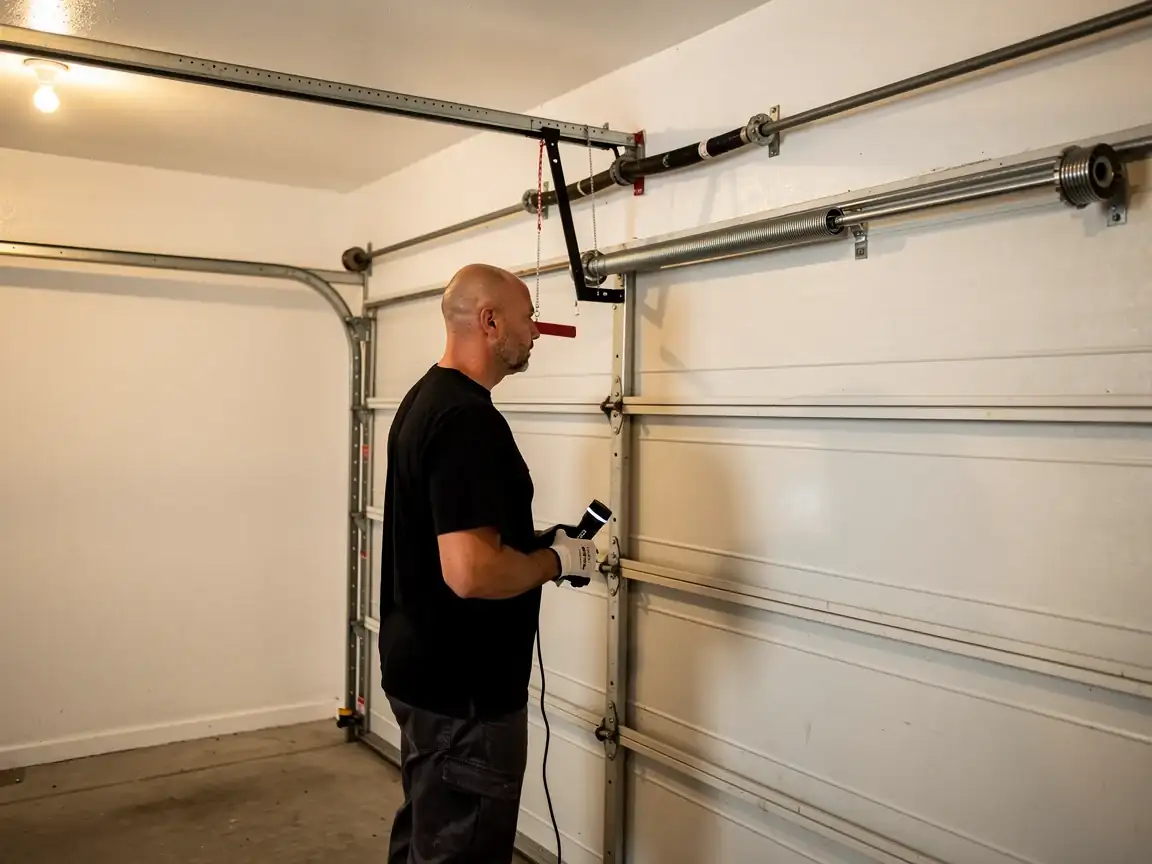
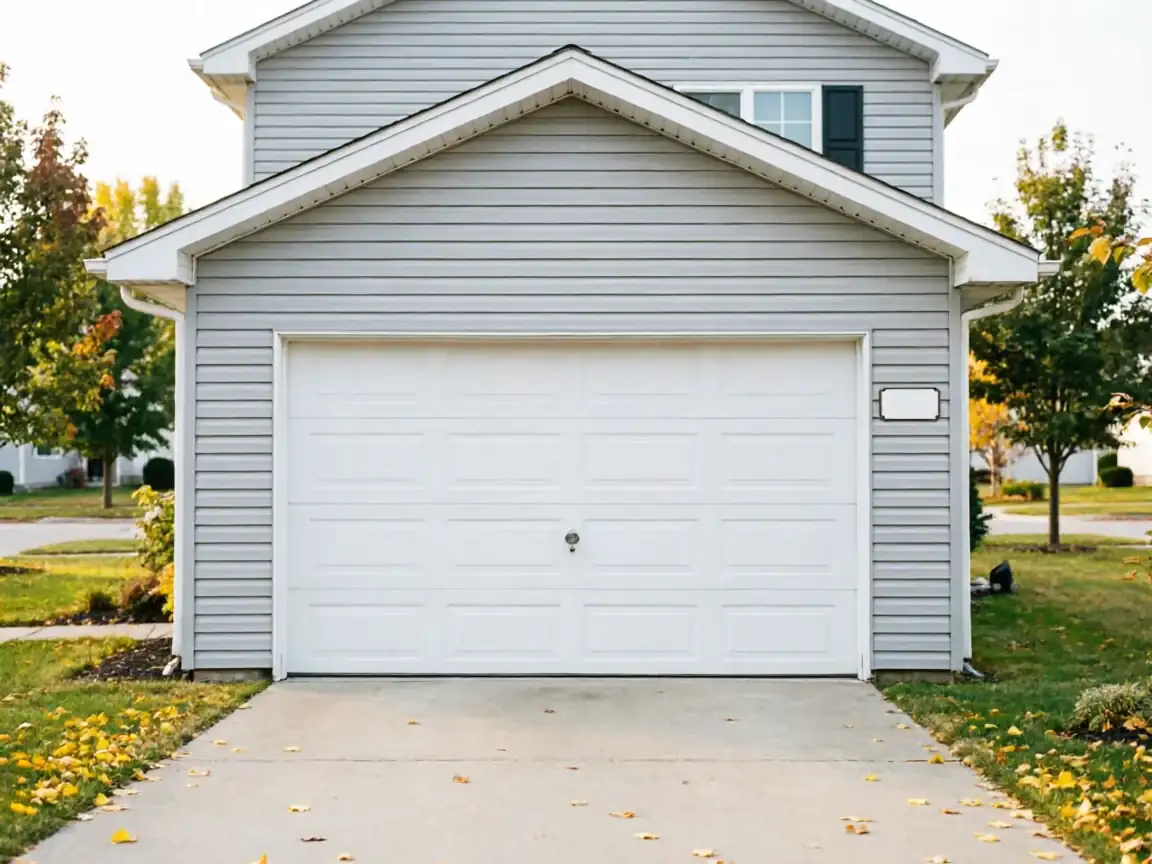
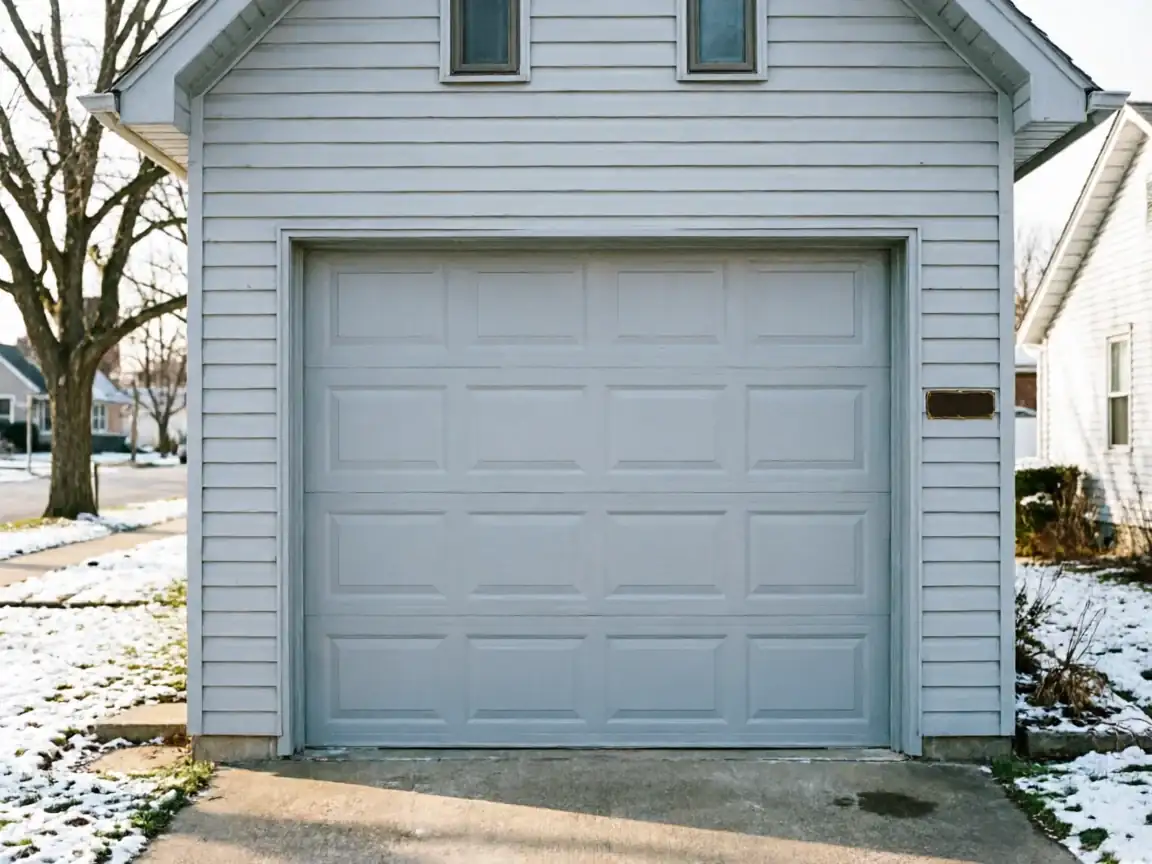
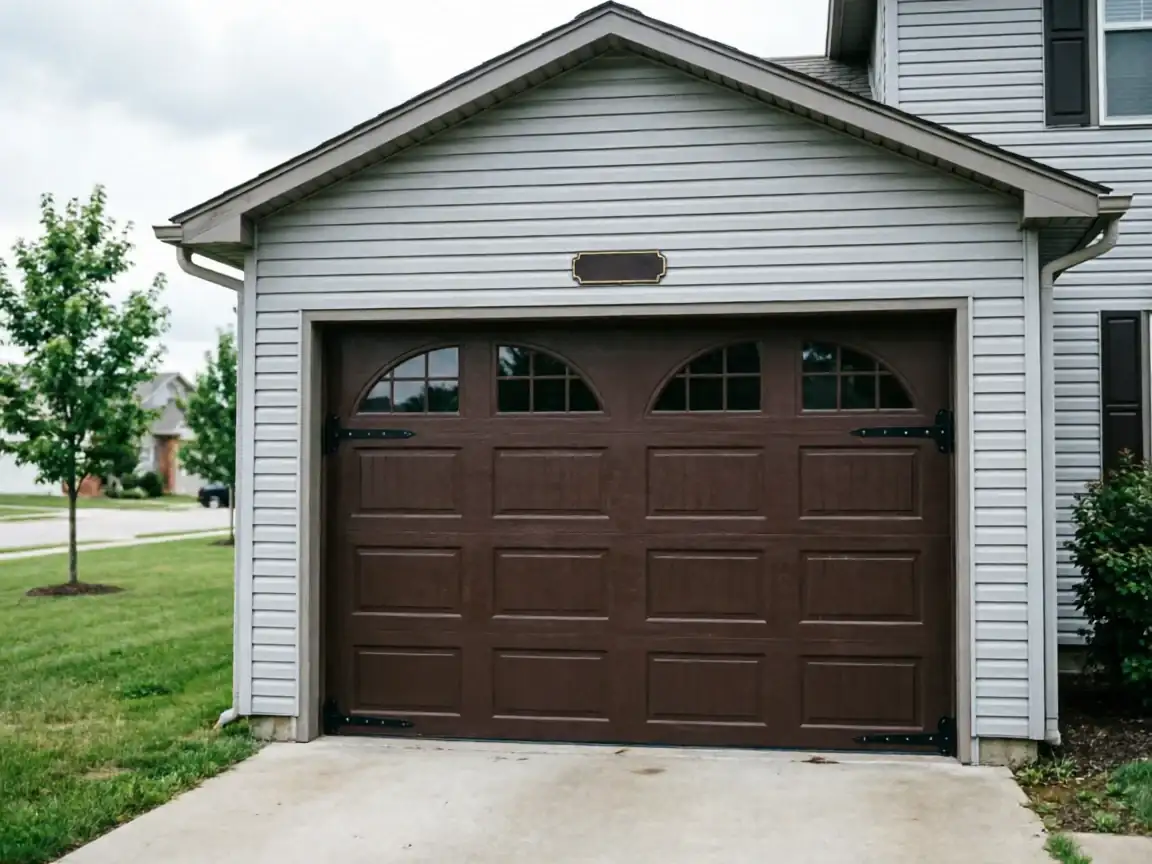
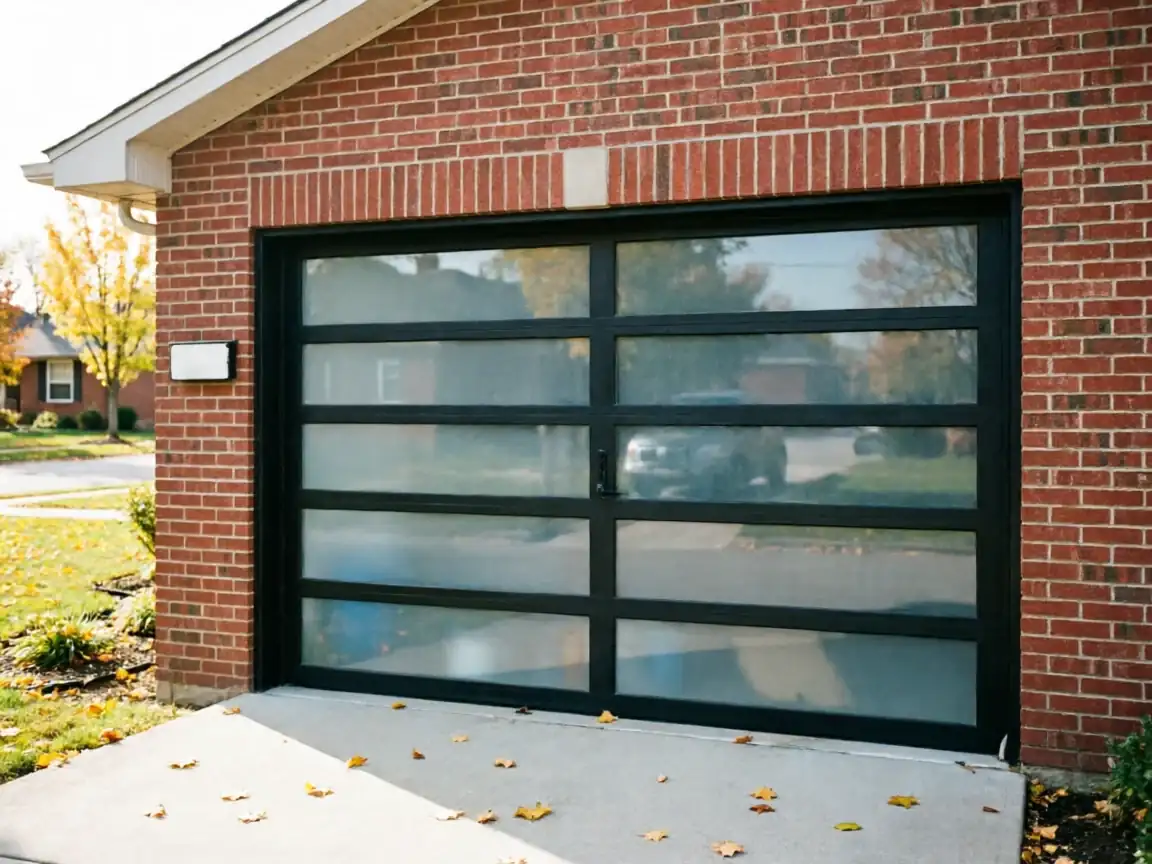
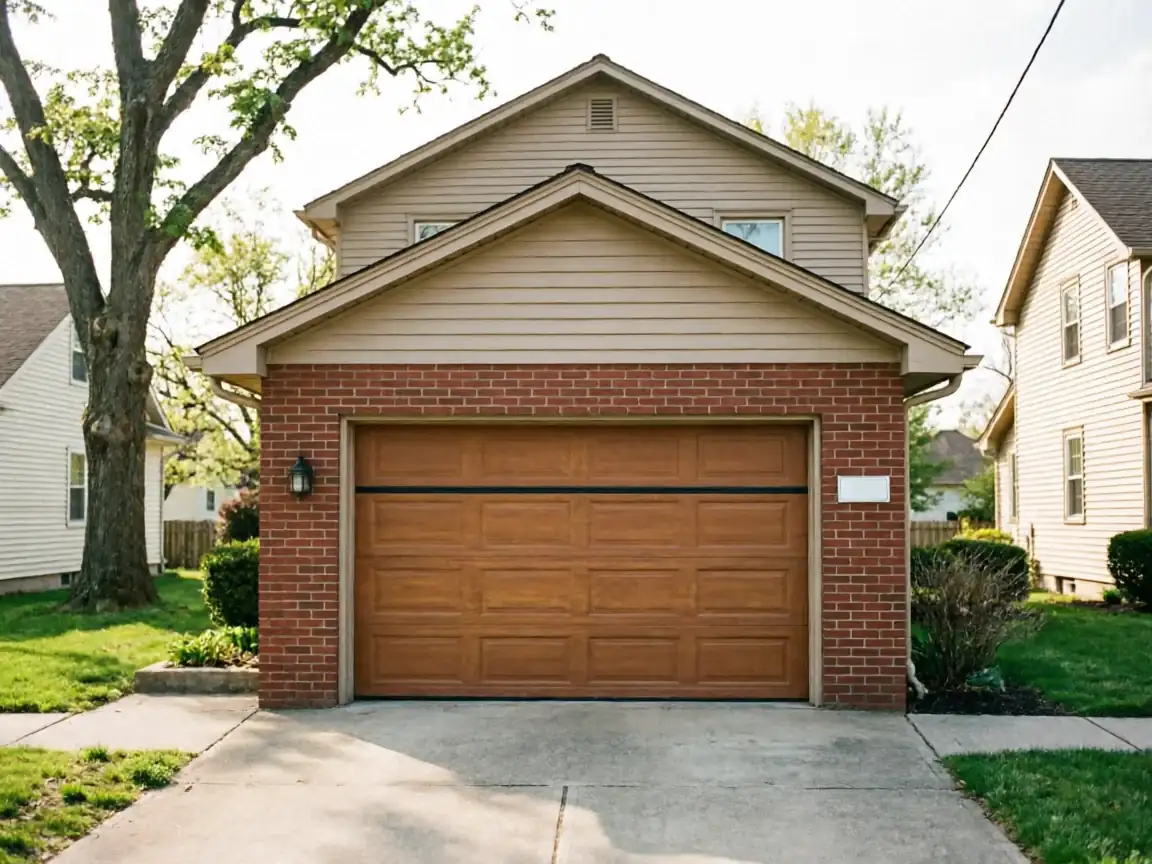
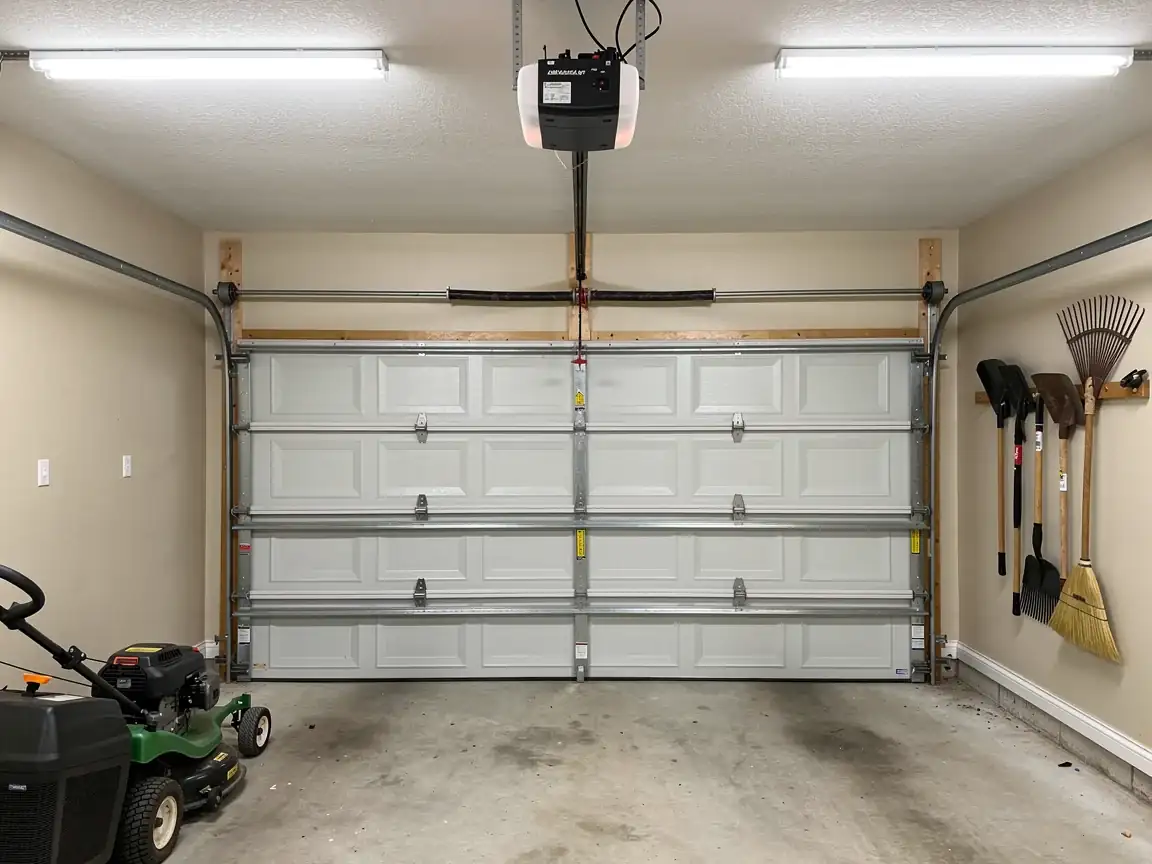
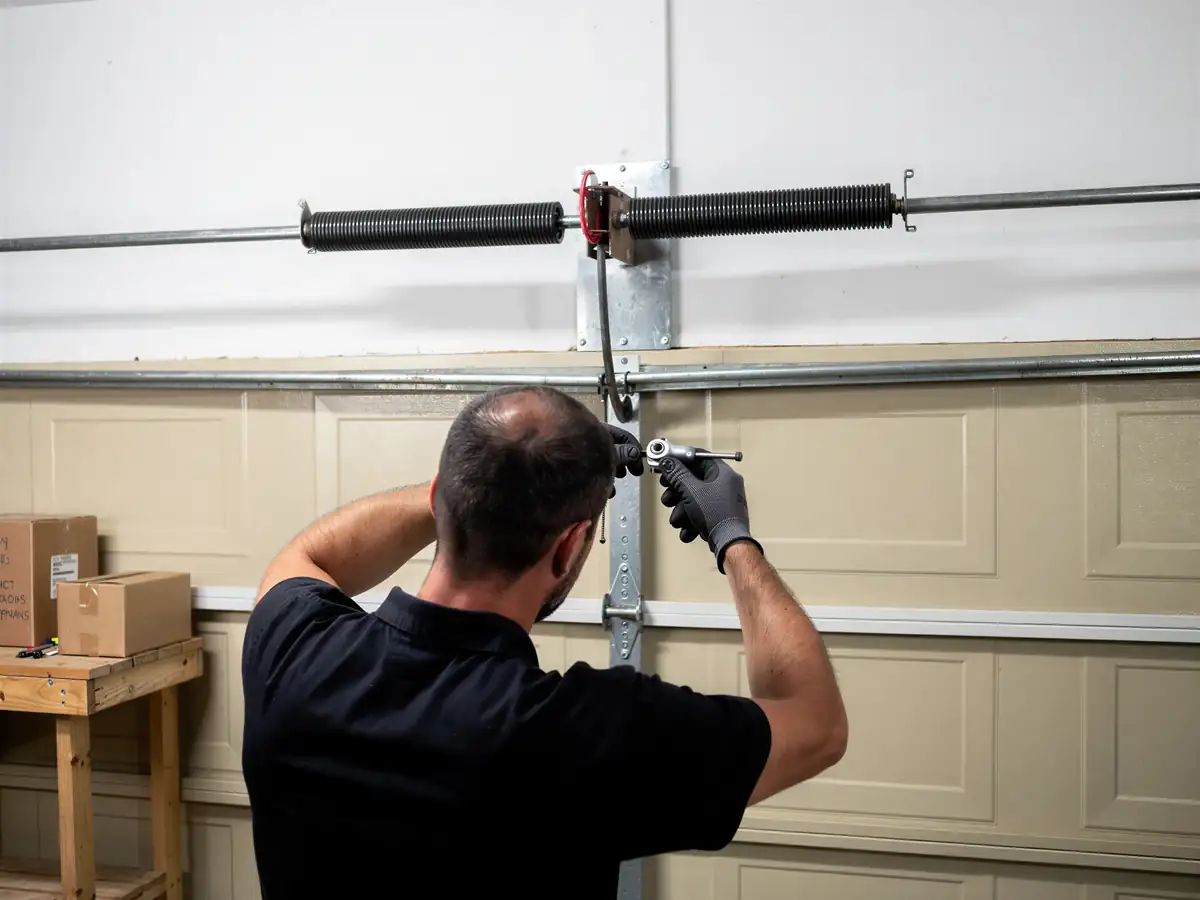
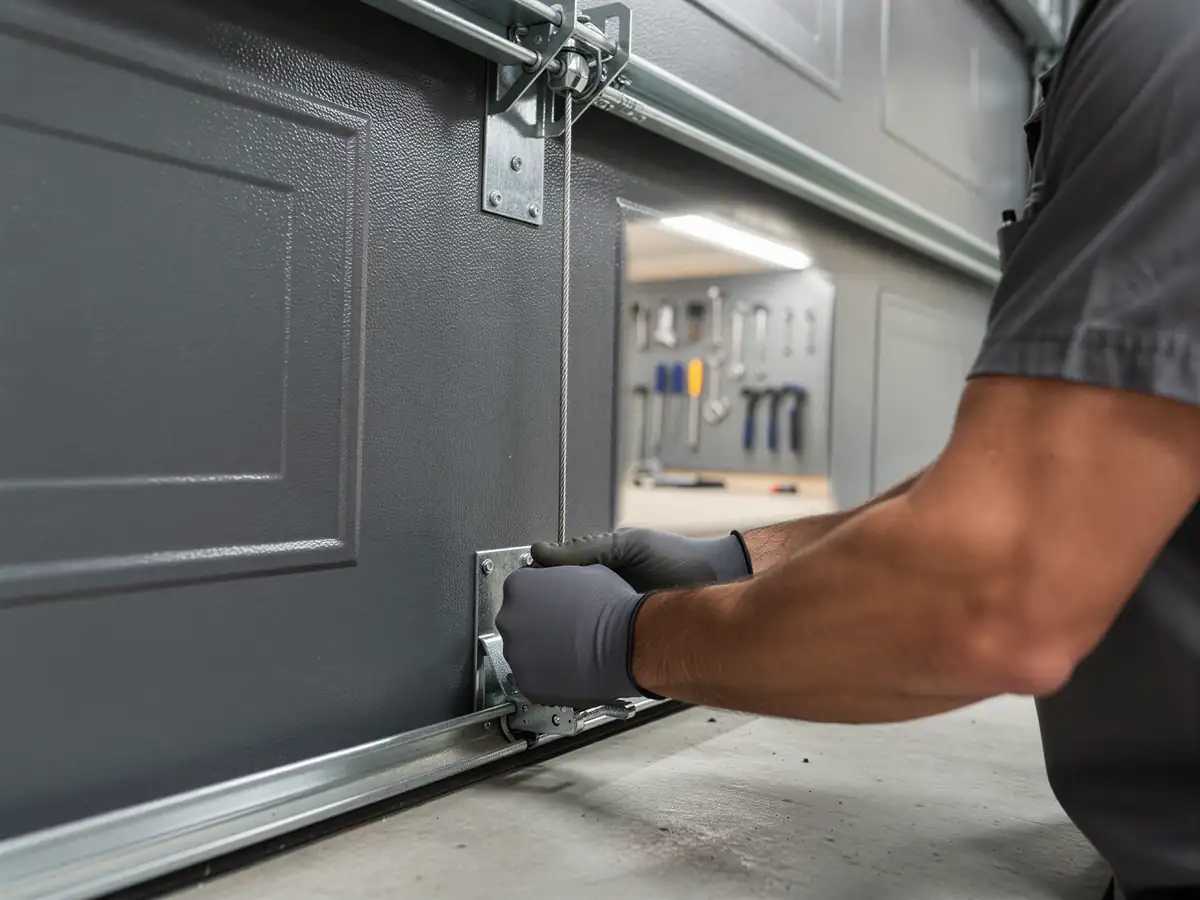
Which puts most garages here a few years ahead of the wider service area's 1976 median. That gap matters more than it sounds. A door and opener installed in 1970 is working with an extension-spring setup more often than the torsion conversions that started showing up on houses built later in the decade. If your house hasn't had the door replaced since it was built, you're likely looking at an extension spring system with a side pulley and a pull-cord emergency release that predates the safety cable most codes require now.
The practical upshot
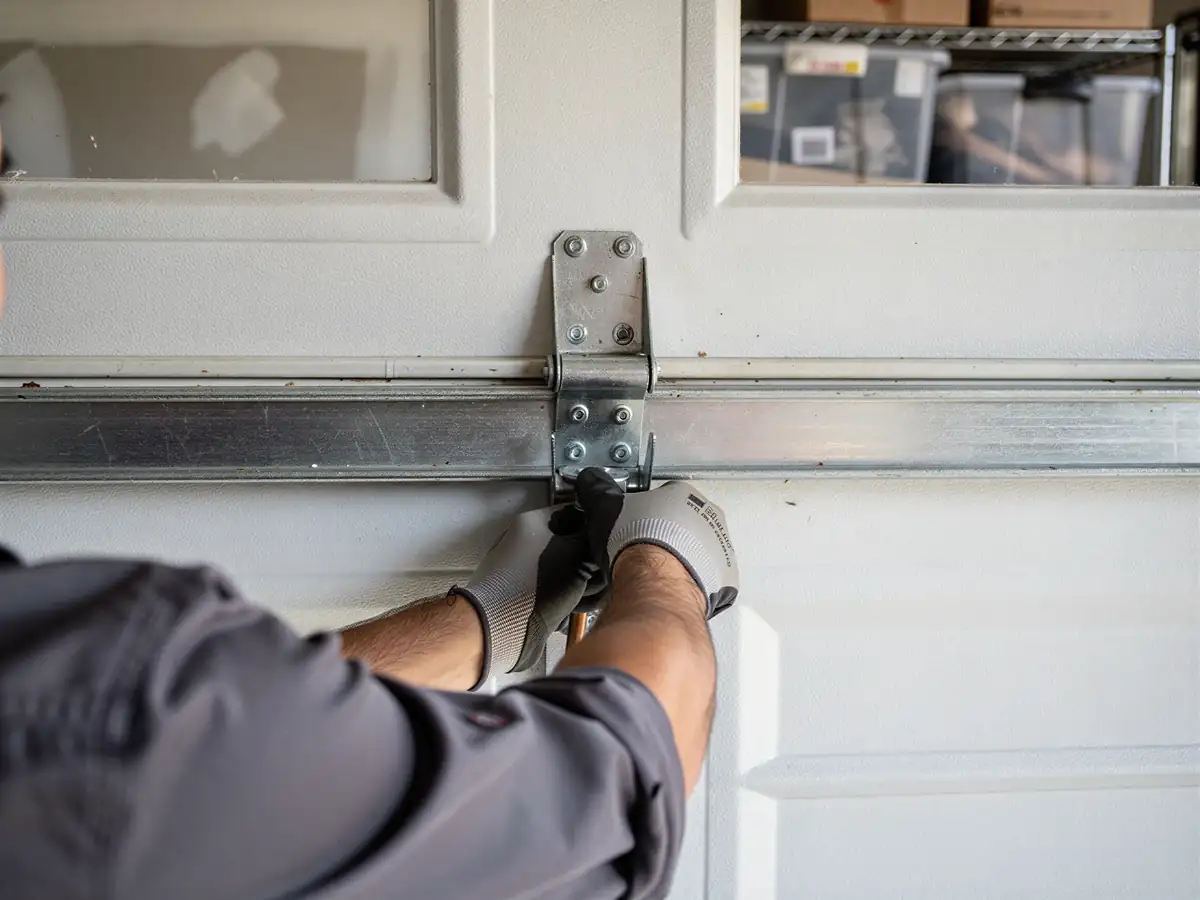
When one of those springs lets go, there's no cable to catch it, and the door can drop hard or the cable-less hardware can whip loose panel hinges on its way down. We see this pattern often enough in homes from this era that it's one of the first things we check before touching anything else. If your opener still has the older chain-drive with a metal arm bracket rather than a reinforced one, that's another 1970-era tell worth mentioning when you call.
The Drive Over
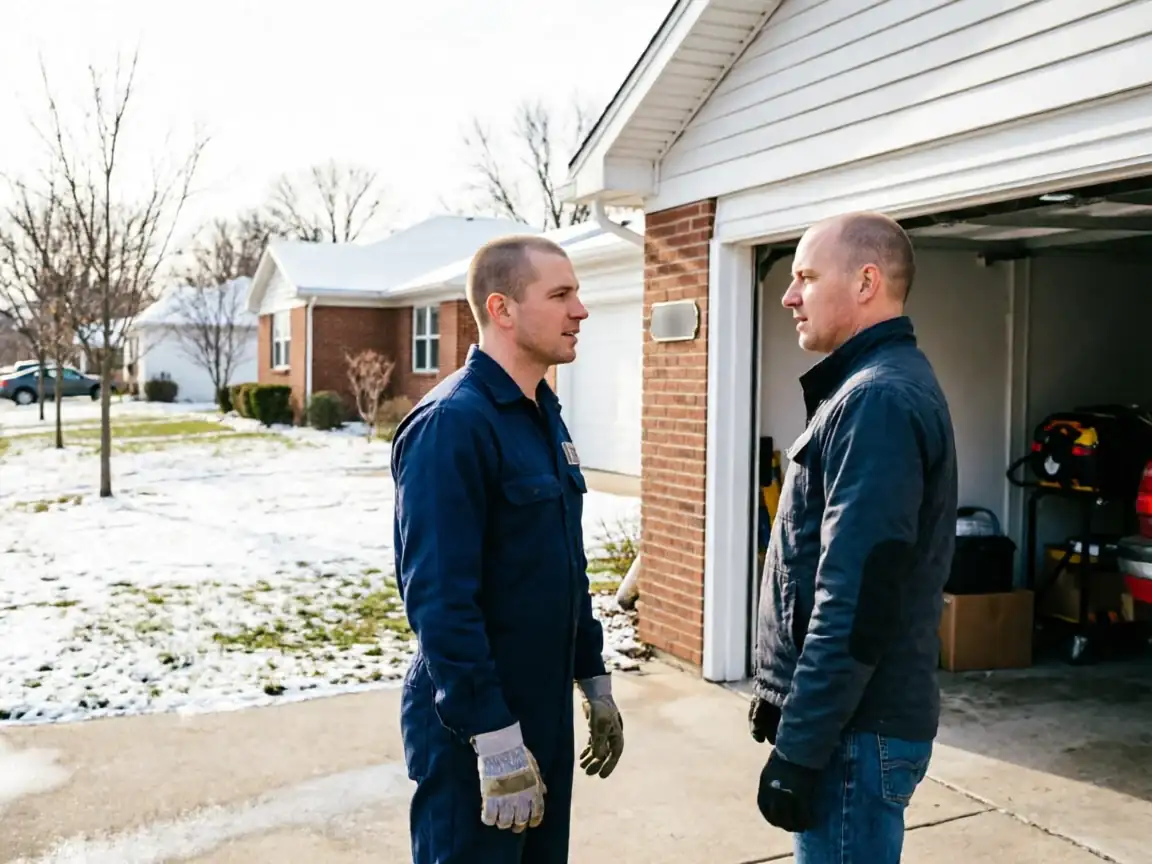
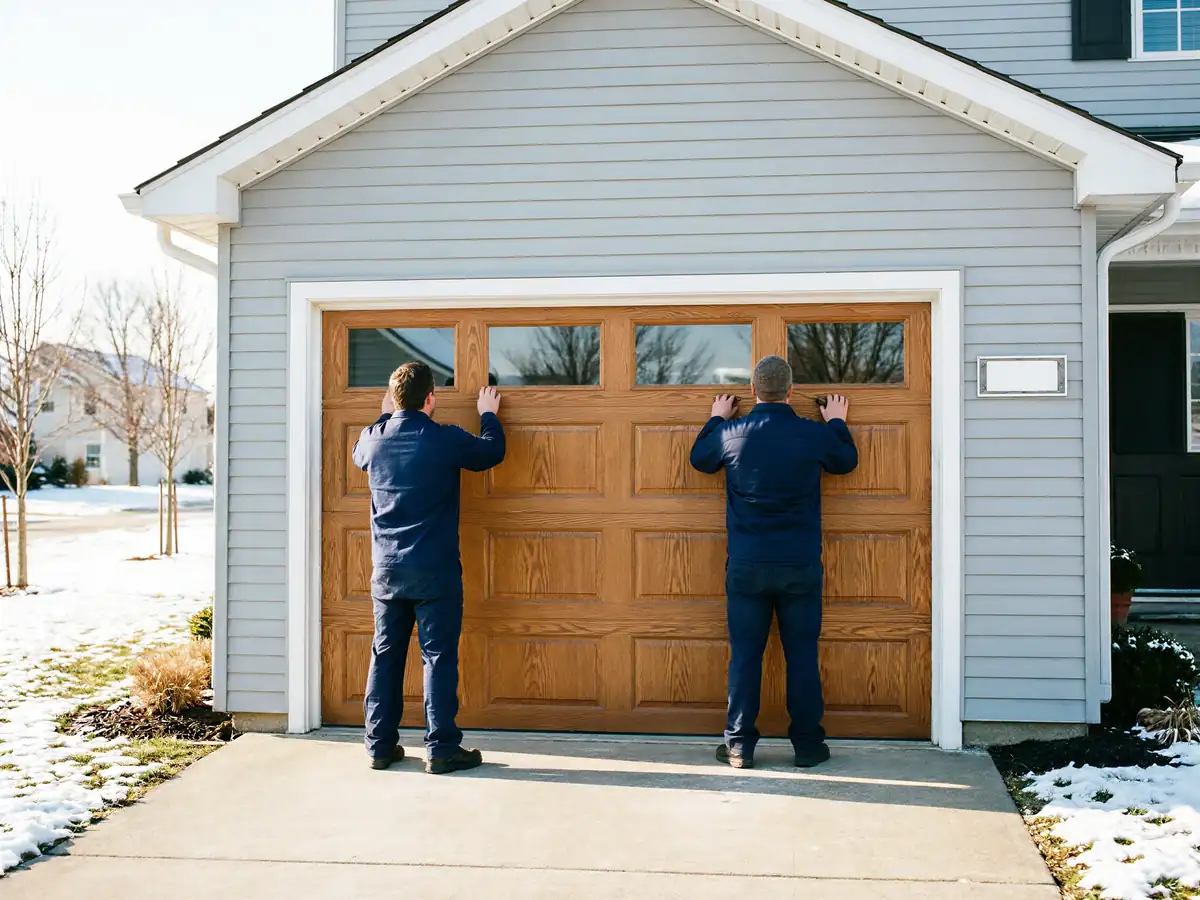
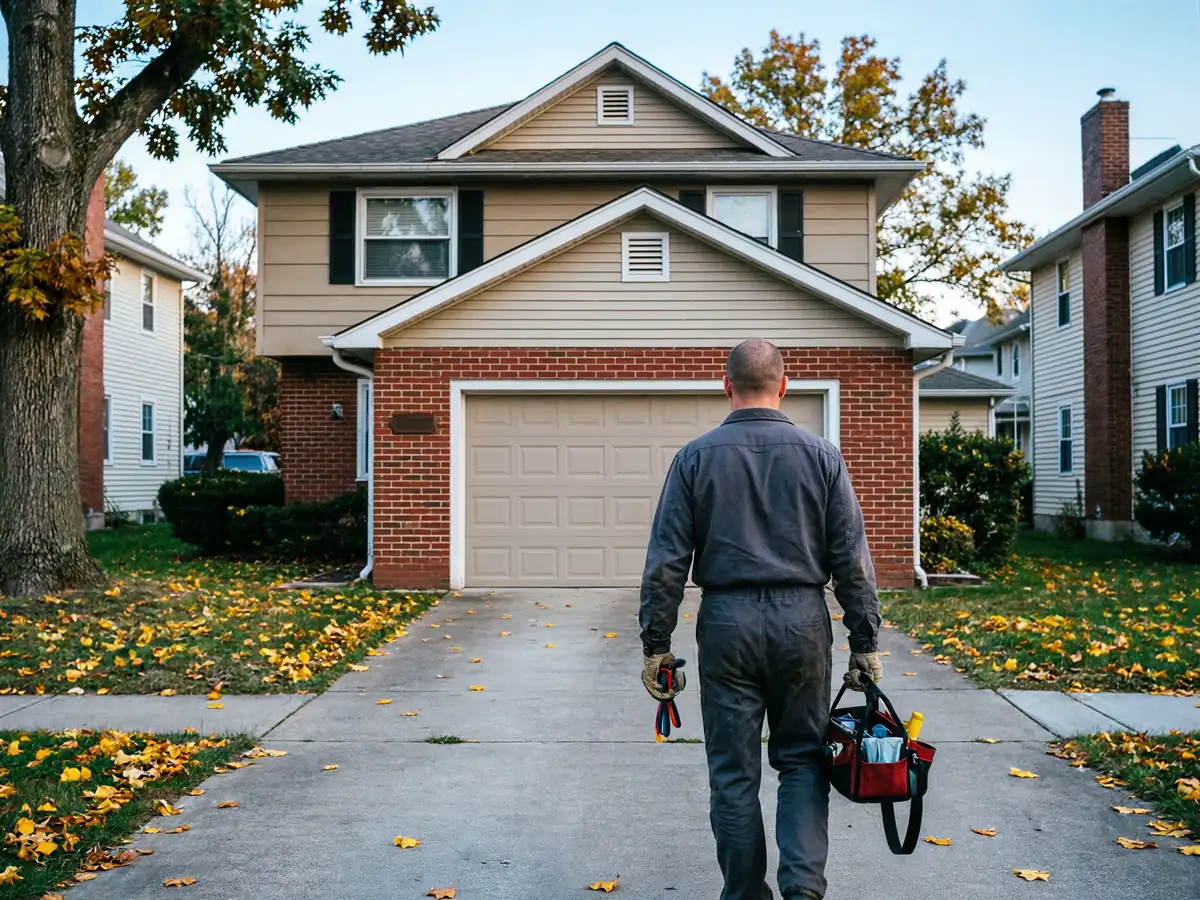
We run out of Menomonee Falls, and Brown Deer sits about 8 miles from our shop - not a stop on a route, just a straightforward drive we make regularly. We don't keep a depot or a counter in Brown Deer itself, so if you're picturing a storefront nearby, there isn't one. What you get instead is a truck stocked for the kind of jobs this area actually produces, which matters more than a sign on a building.
That 8 miles means we're not guessing at drive time the way a company based further out might. It's close enough that a same-day call doesn't turn into a logistics problem, and far enough that we're honest about it rather than pretending we're already down the block. If timing is tight for your situation, say so when you call and we'll tell you straight whether it works.
Common Jobs Here
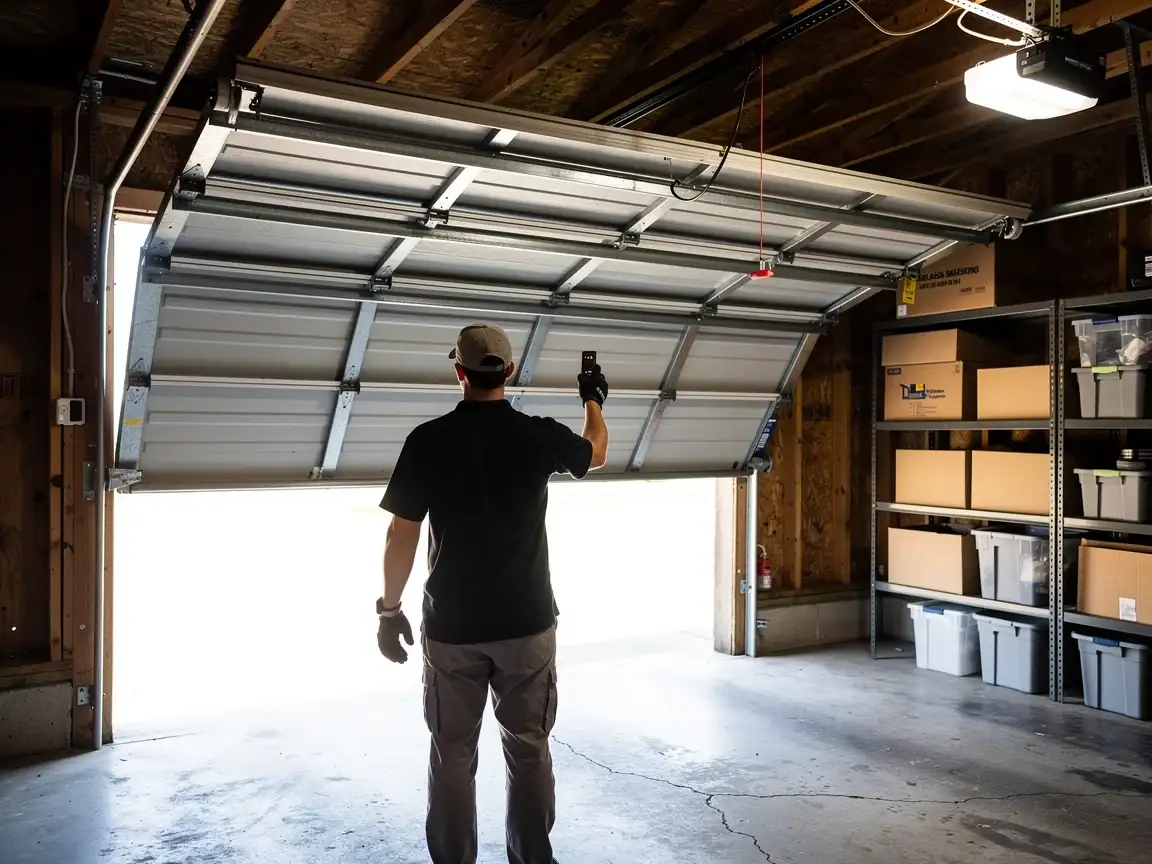
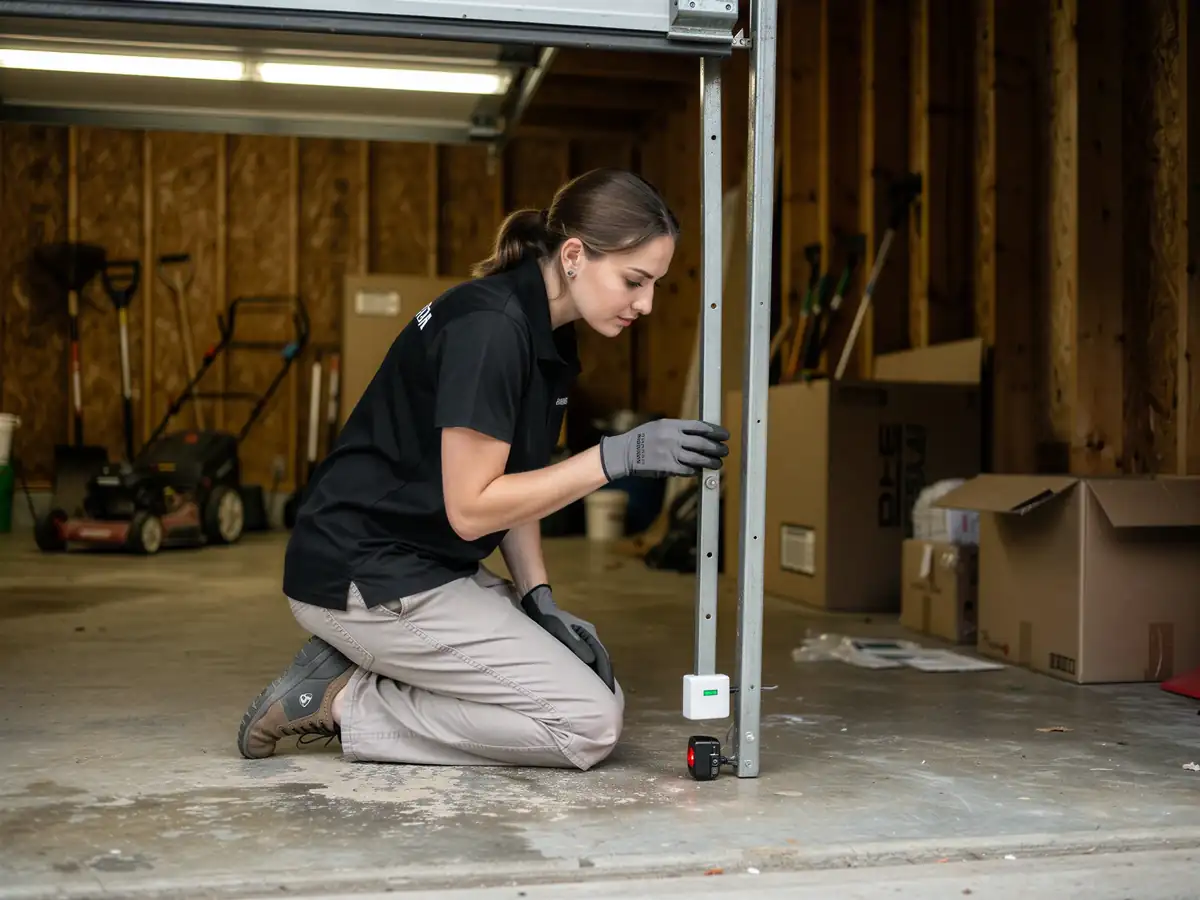
The 1970 median build year shows up directly in the service calls. Extension springs that have never been replaced are a steady source of work - they don't fail gracefully, and a frayed or snapped one on a door without a safety cable is a job we treat as urgent. Garage door openers from this vintage also tend to lack the modern photo-eye sensors, which is less a comfort issue and more a safety one if there are kids or pets around the garage.
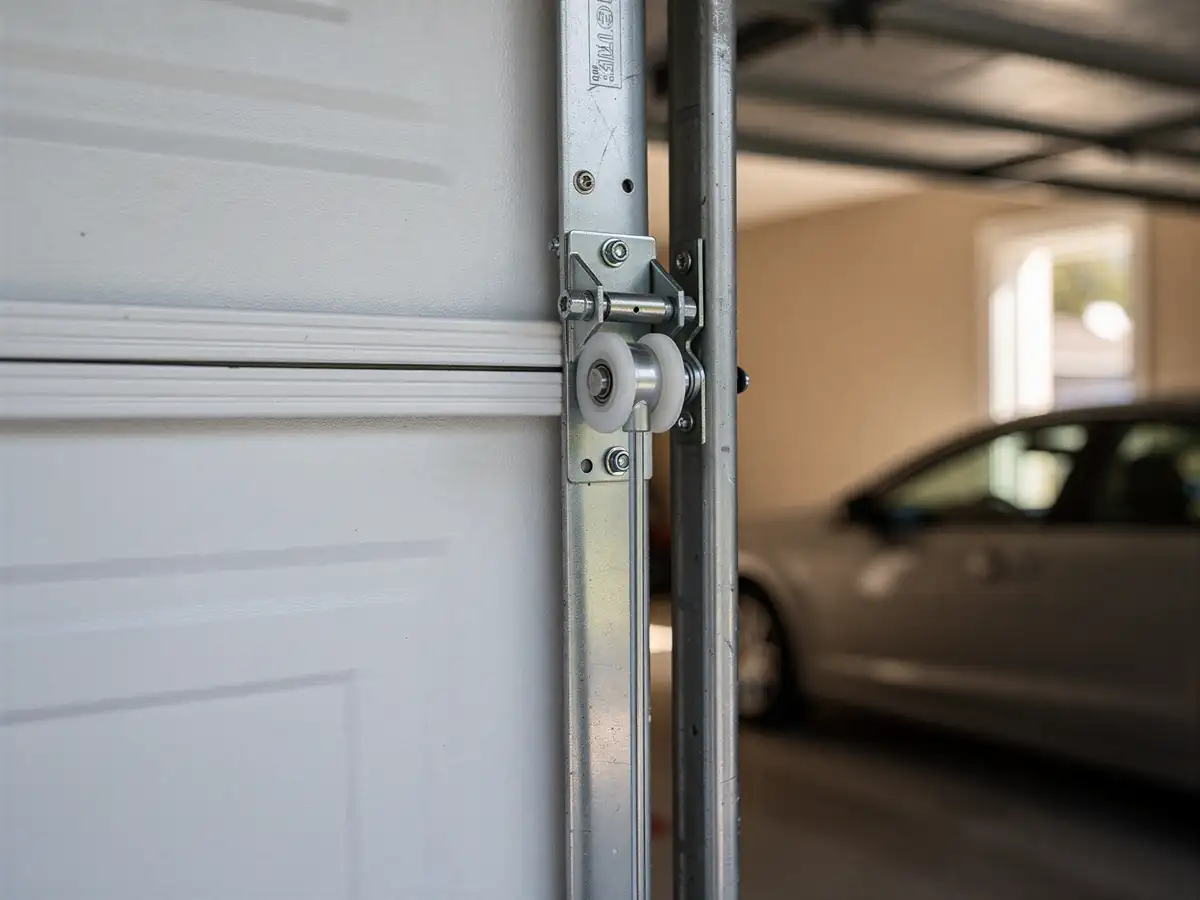
COLD climate stress plays into this too. Winters here put real load on hardware that's already fifty-plus years old - rollers go brittle, tracks pull out of alignment when a slab heaves slightly, and steel panels with worn weatherstripping let in enough cold to stiffen the spring tension further. We also get calls on panel sections that have surface rust from decades of road salt tracked in off the driveway, which is a cosmetic fix sometimes and a structural one other times depending on how far it's spread.
We don't push full replacement when a repair holds up. If your extension springs and cable are sound and the opener runs quiet, a tune-up is the right call, not a new door.
The Houses Here
With 5,712 households in Brown Deer and a median income of $91,567
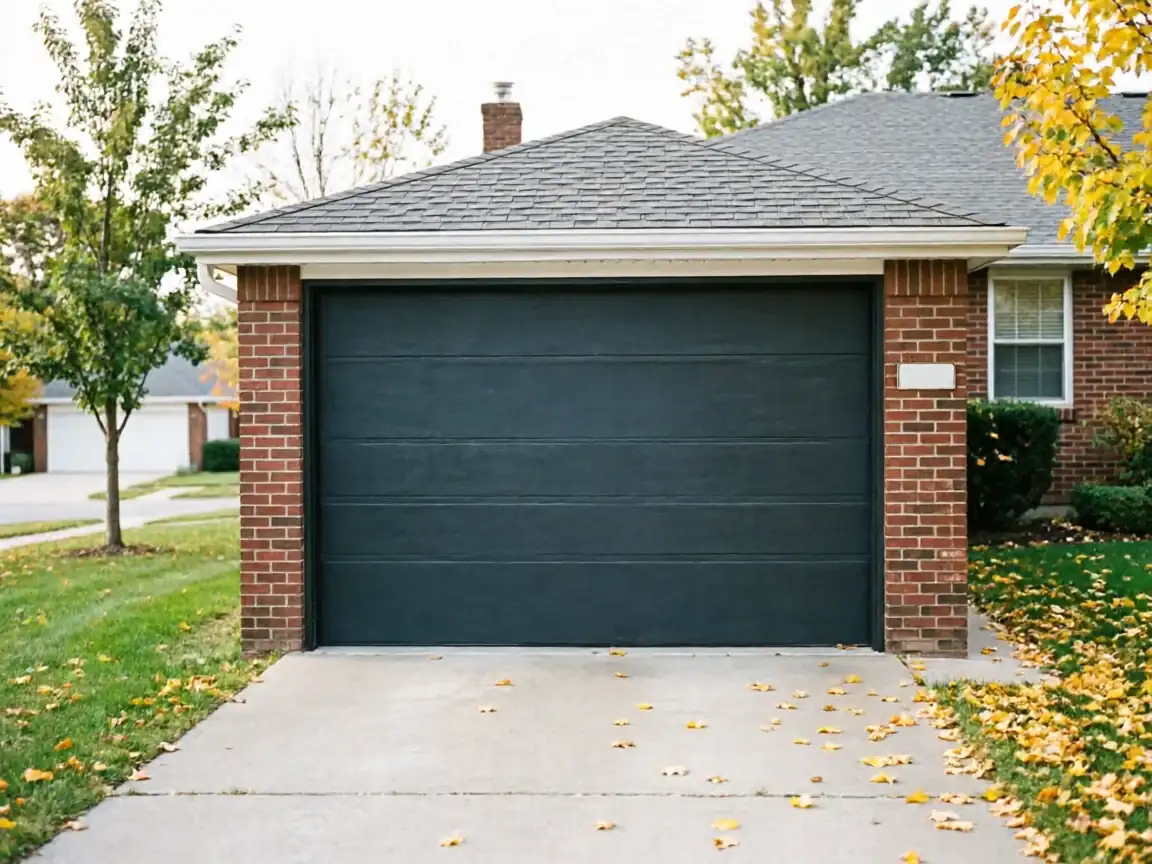
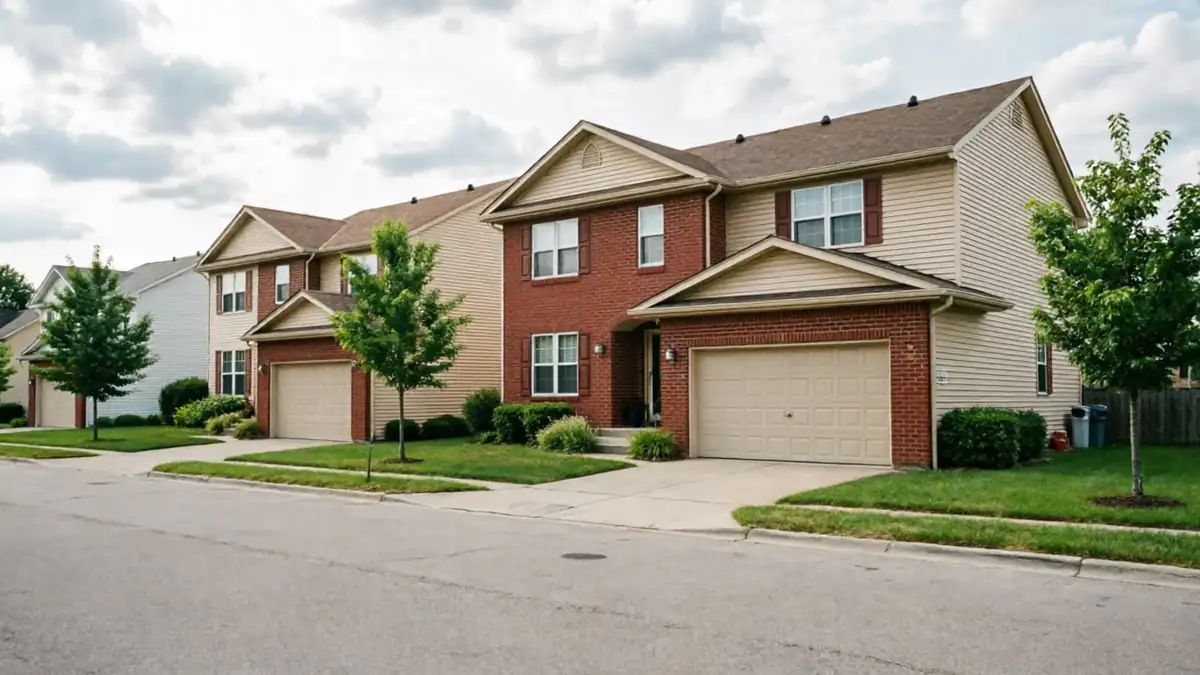
This is a community of established, mid-century homes rather than new construction - there's not much here built after the 1970 median tipped the scale. That income level tends to track with owners who'd rather repair solid original hardware than replace it outright, and for doors from this era, that's often the right instinct: steel panels from 1970 were built heavier than a lot of what's sold today.
- 5,712 households
- $91,567 median household income
Where it gets tricky is parts
Original hinges, rollers, and some spring sizes from that period aren't something every supplier stocks off the shelf, so a repair on an untouched 1970s door can mean a short wait on a part rather than a same-day fix. We'll tell you upfront if that's the situation rather than make you wait to find out. For openers specifically, if yours predates the mid-1990s safety-reversal mandate, replacement usually makes more sense than trying to source obsolete control boards.