Why This Fails Locally
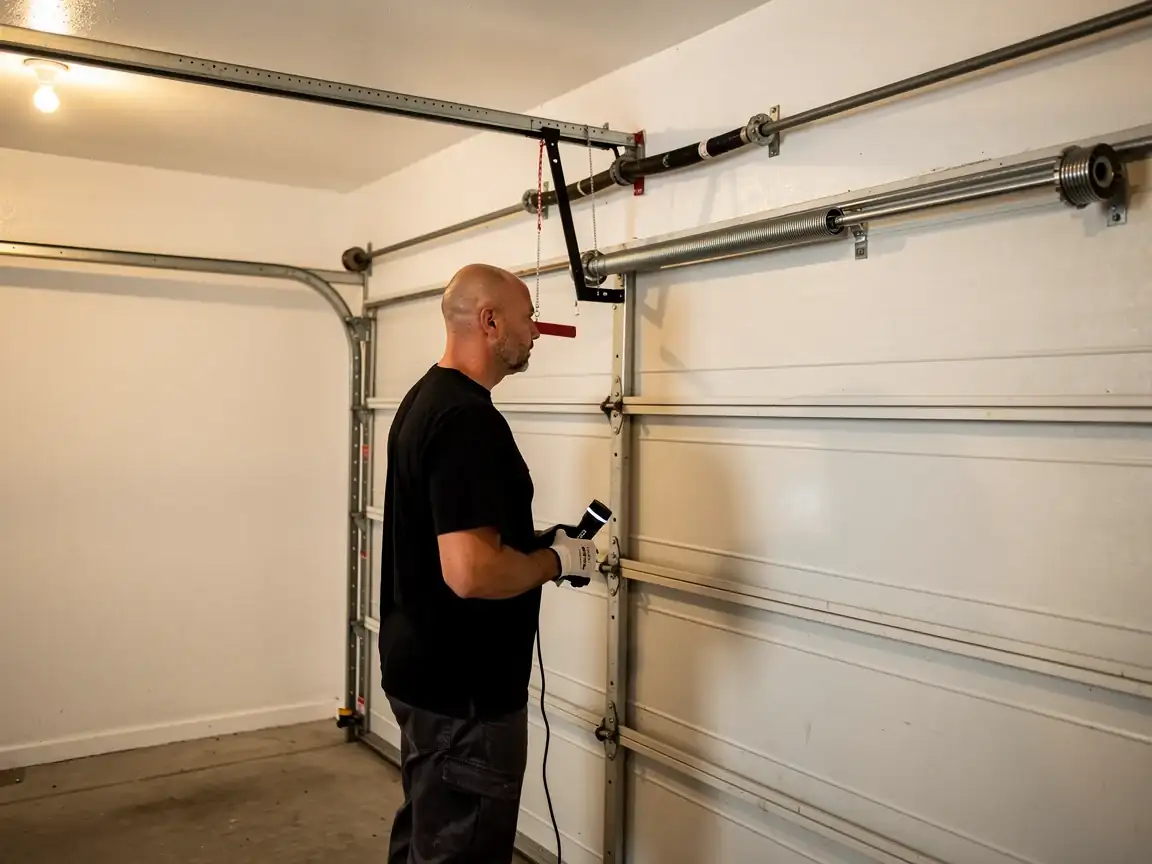
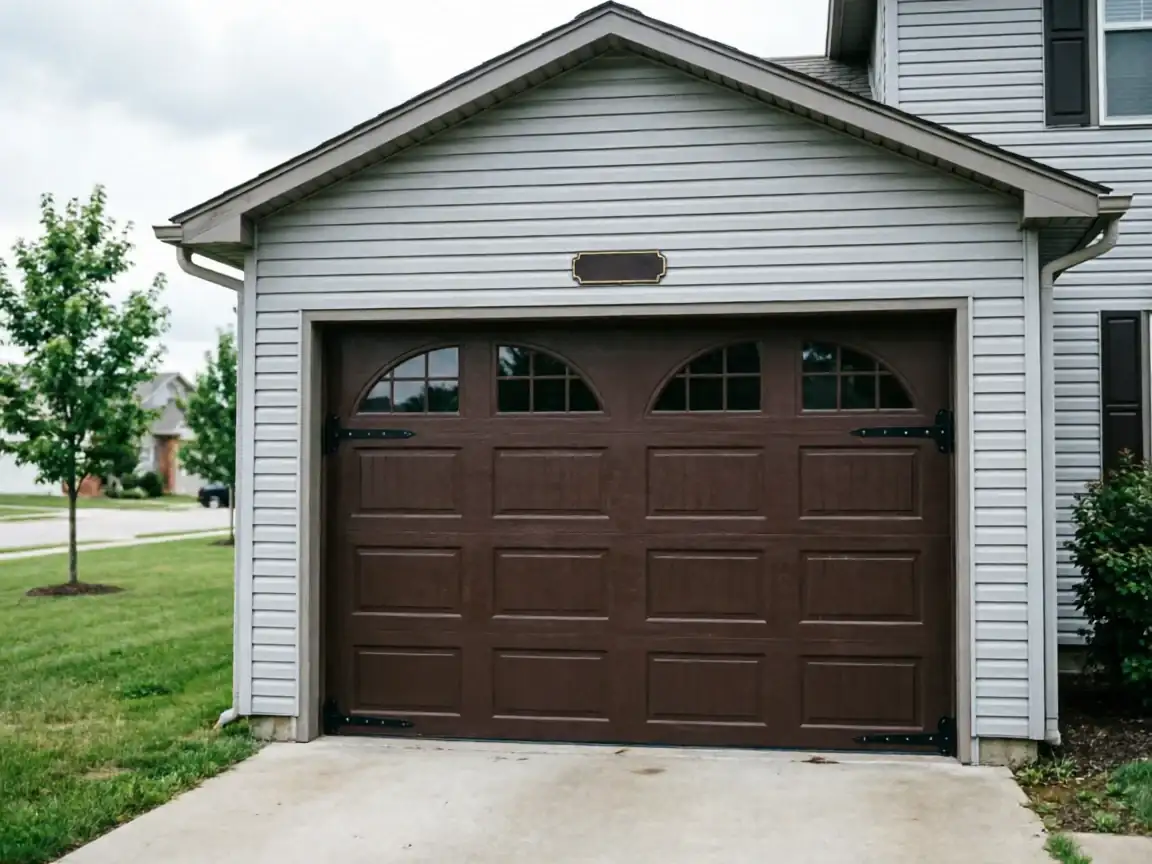
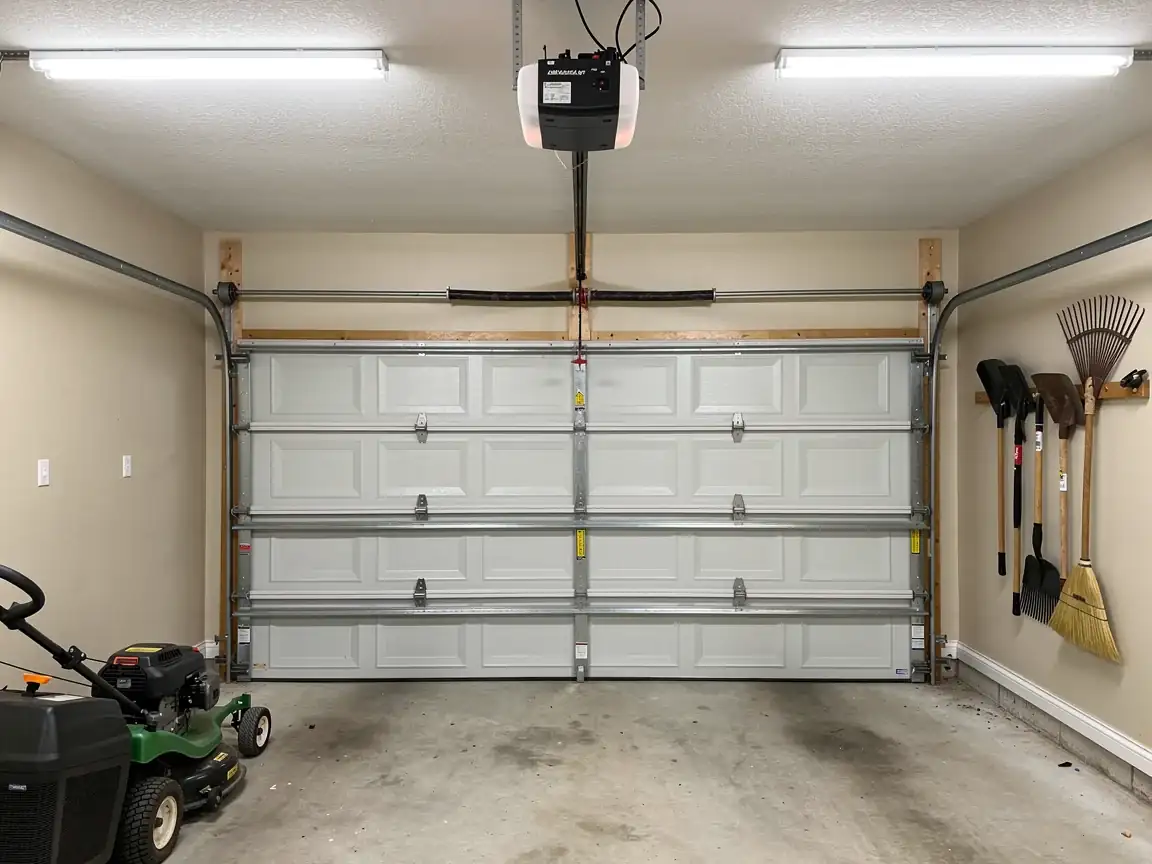
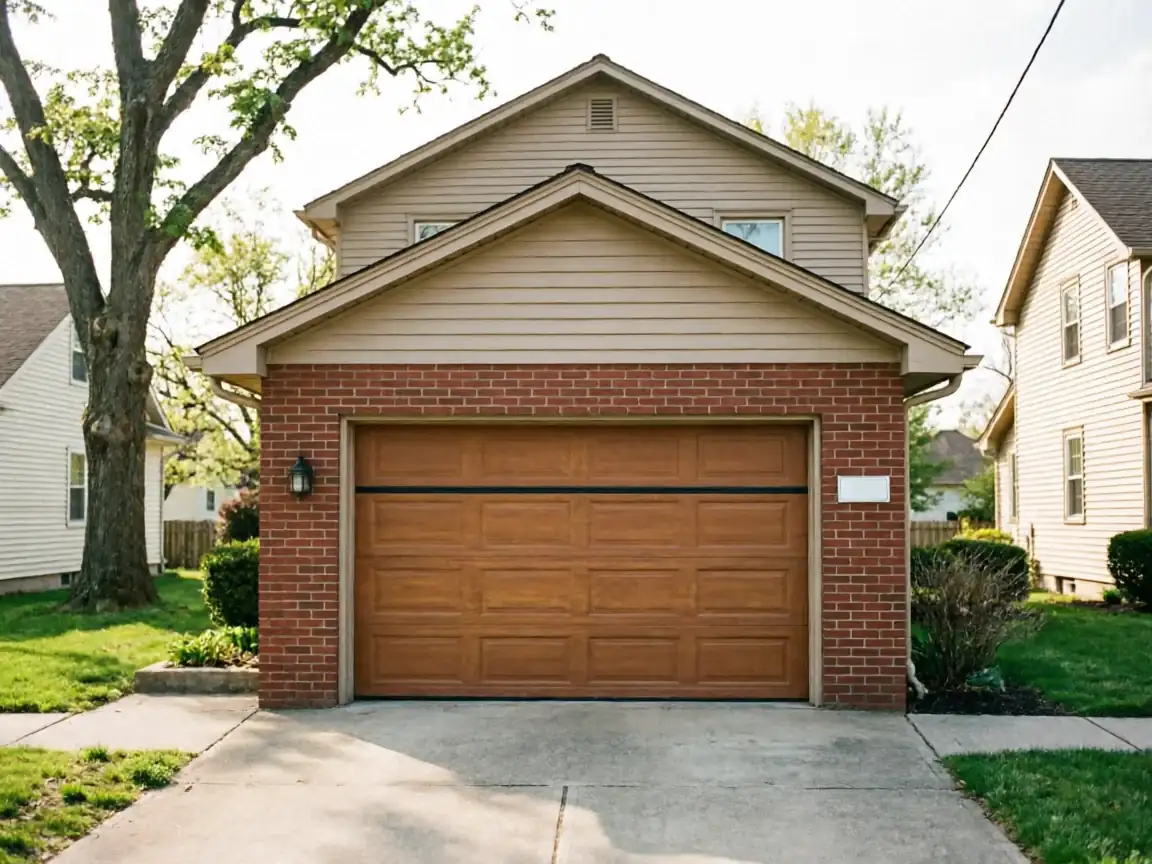
A door installed when a house was built around 1970 is now more than fifty years into a cold-climate service life it was never rated for over that span. The original steel sections on homes from that era in this area were single-layer, with no foam core - fine for the build standards of the time, useless against the kind of sustained cold this region gets most winters. Cold contracts steel and stiffens lubricant, so a track that's a quarter-inch off plumb in July becomes a binding track in January. On a door this age, the torsion spring has usually already outlived its cycle count once or twice over, and nobody's replaced it with anything matched to the original opening - they've bolted on whatever was on the truck that day. That mismatch is what actually fails: not the door itself, but hardware swapped in without accounting for the headroom and drum size the 1970 opening was built around.
What You Are Seeing
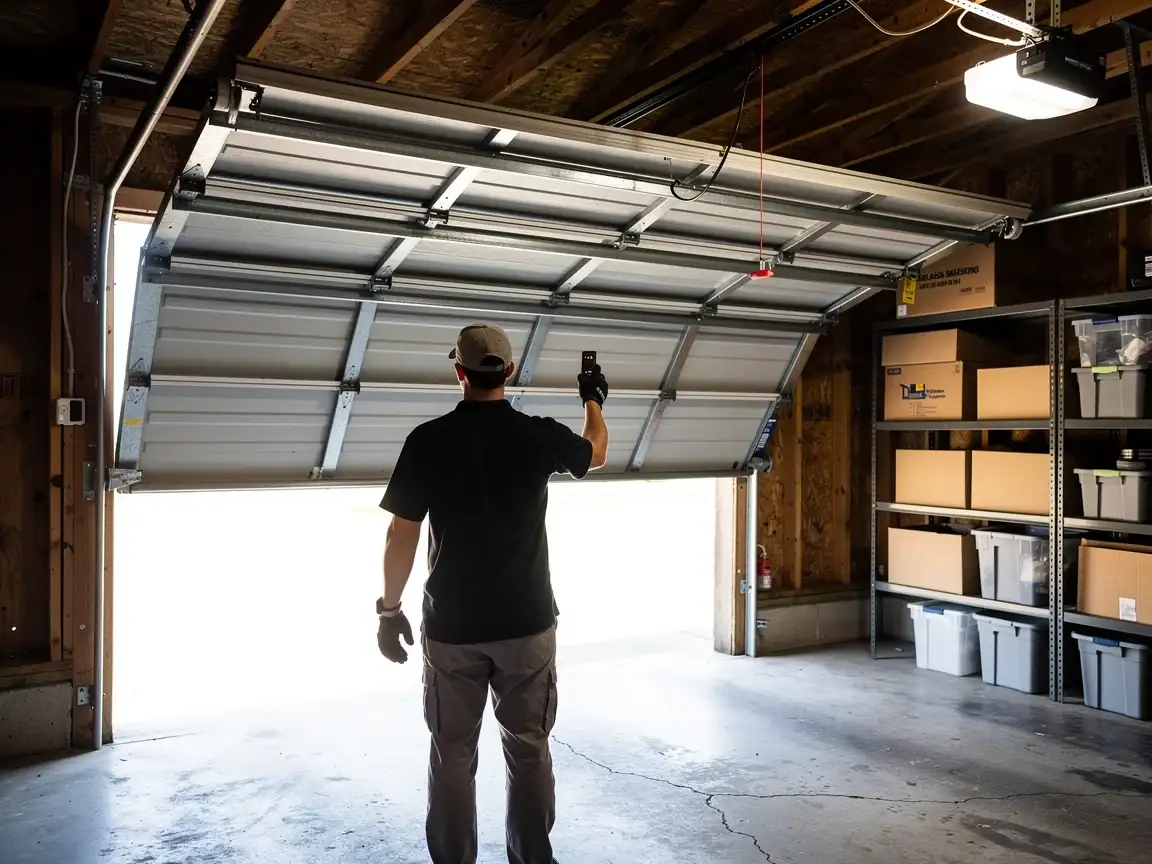
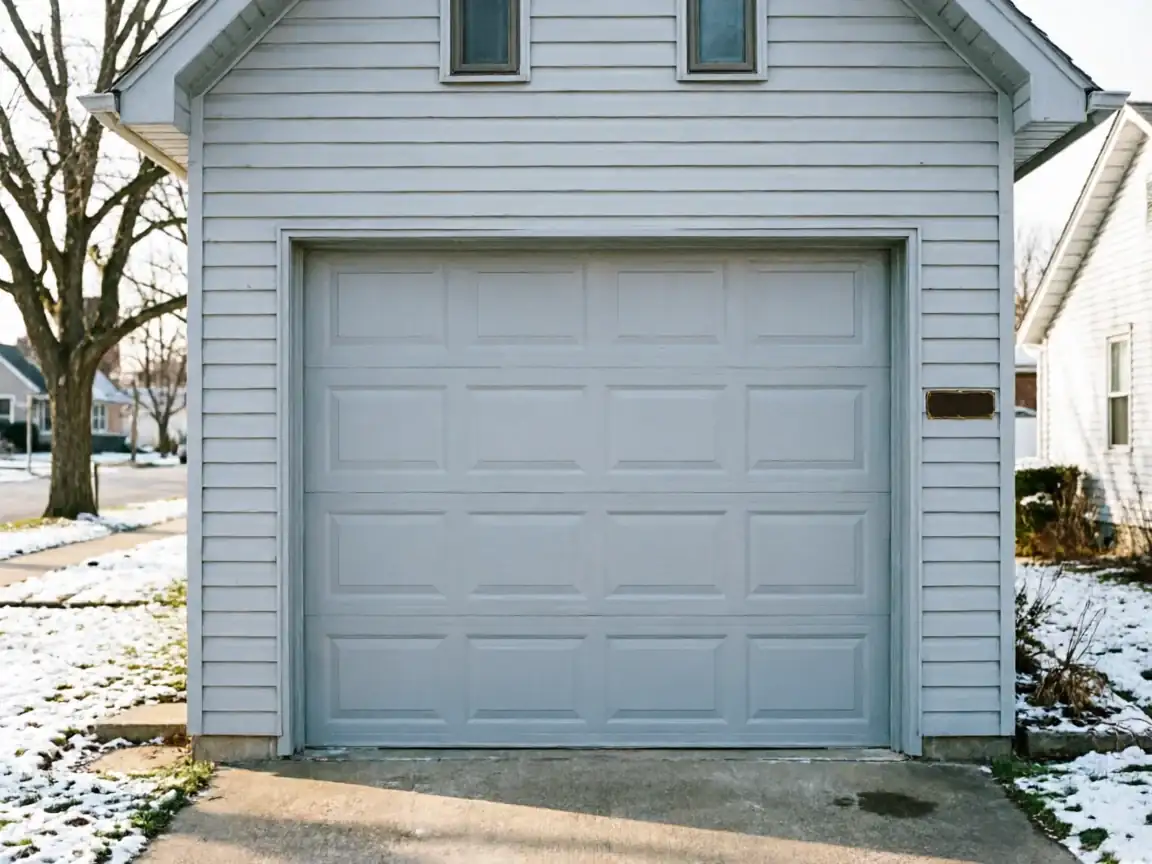
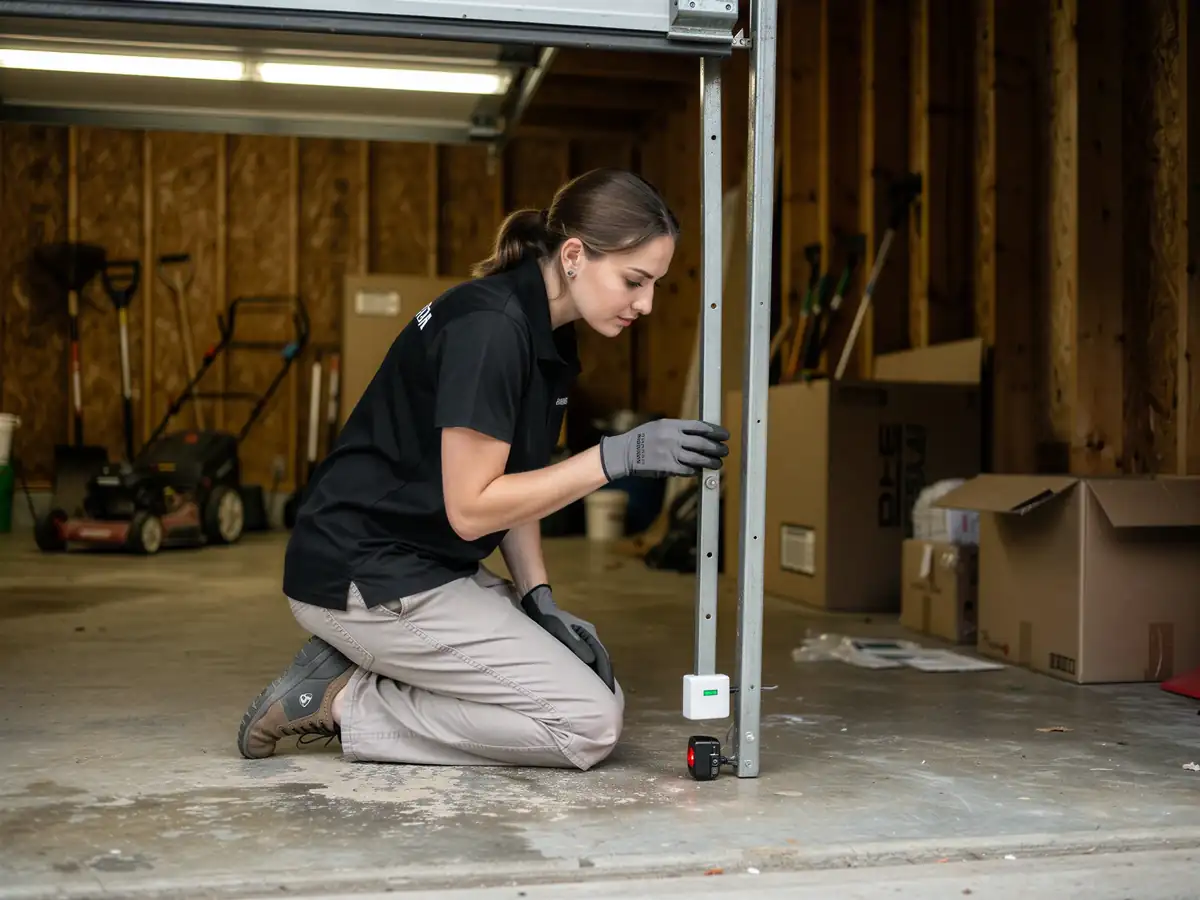
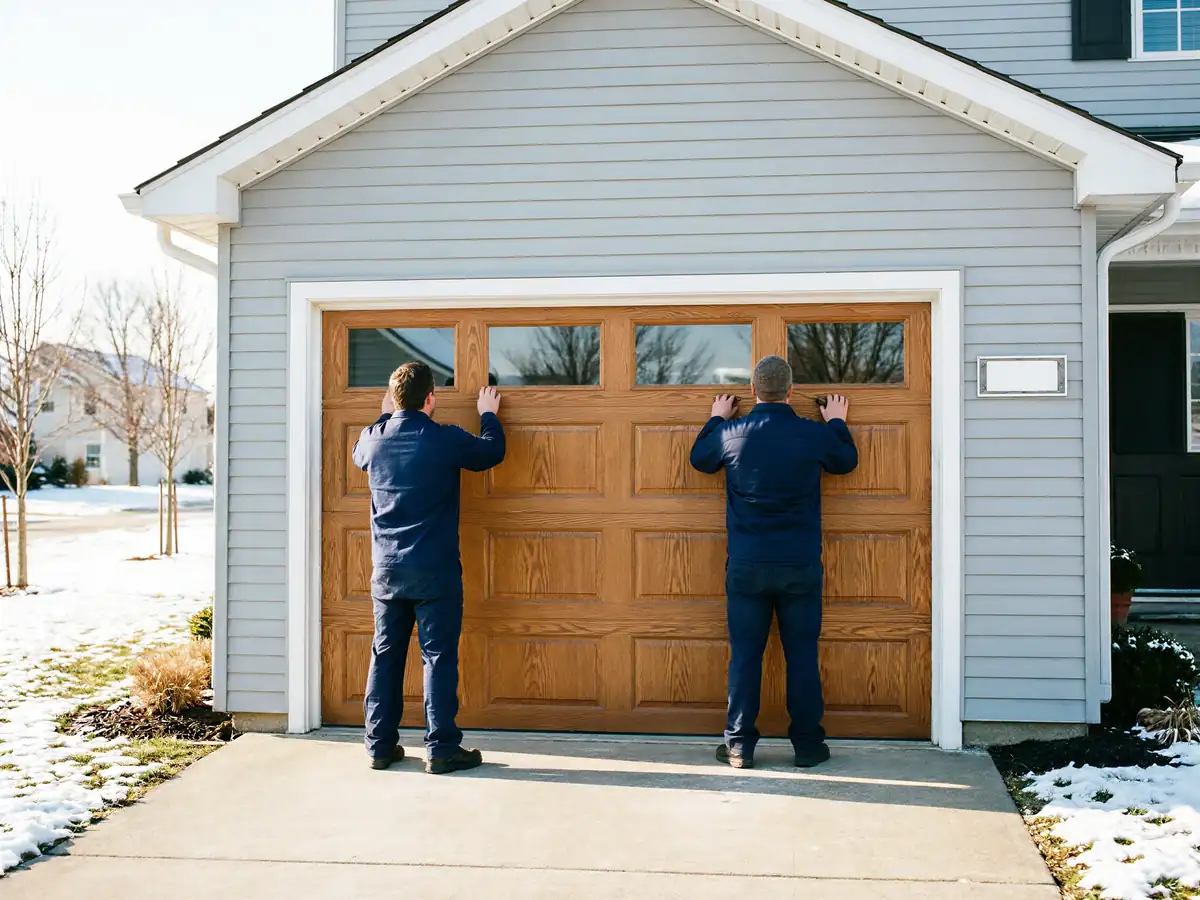
On a house from this era, the first sign is usually a door that shudders or hesitates a few inches off the floor - that's a spring losing tension, not a motor problem. You'll also see daylight at the bottom corners even when the door looks closed; on original framing from around 1970, the jamb has often shifted enough that factory weatherstrip no longer seals square. Cold makes this worse: a gap that's barely noticeable in August lets a real draft through once temperatures drop into the range this area gets most winters. Some owners notice frost forming on the inside of the panels - a sign the original door has no insulation value left, if it ever had any. If the door is still the single-layer steel it shipped with, there's no amount of weatherstrip or lubricant that fixes the core problem. That's a replacement conversation, not a repair one.
Doing It Yourself
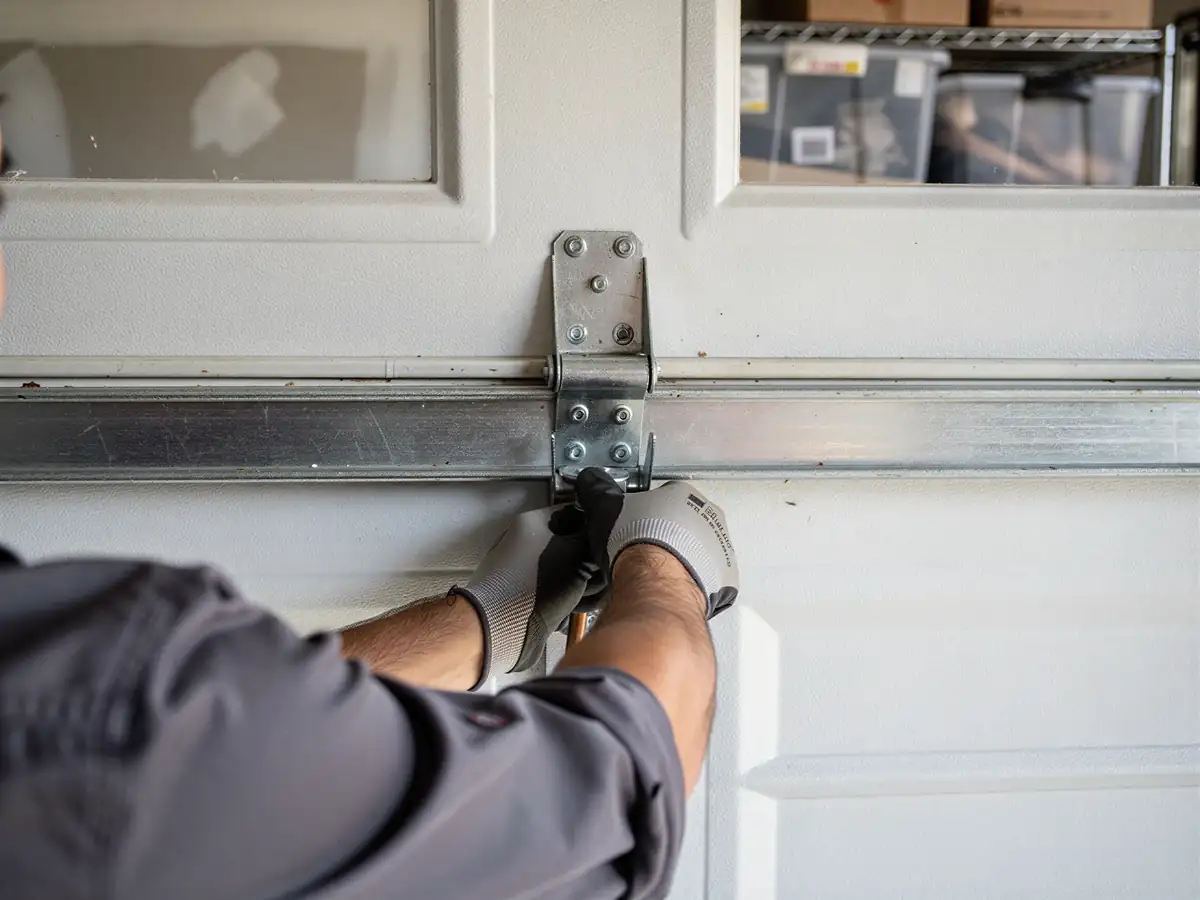
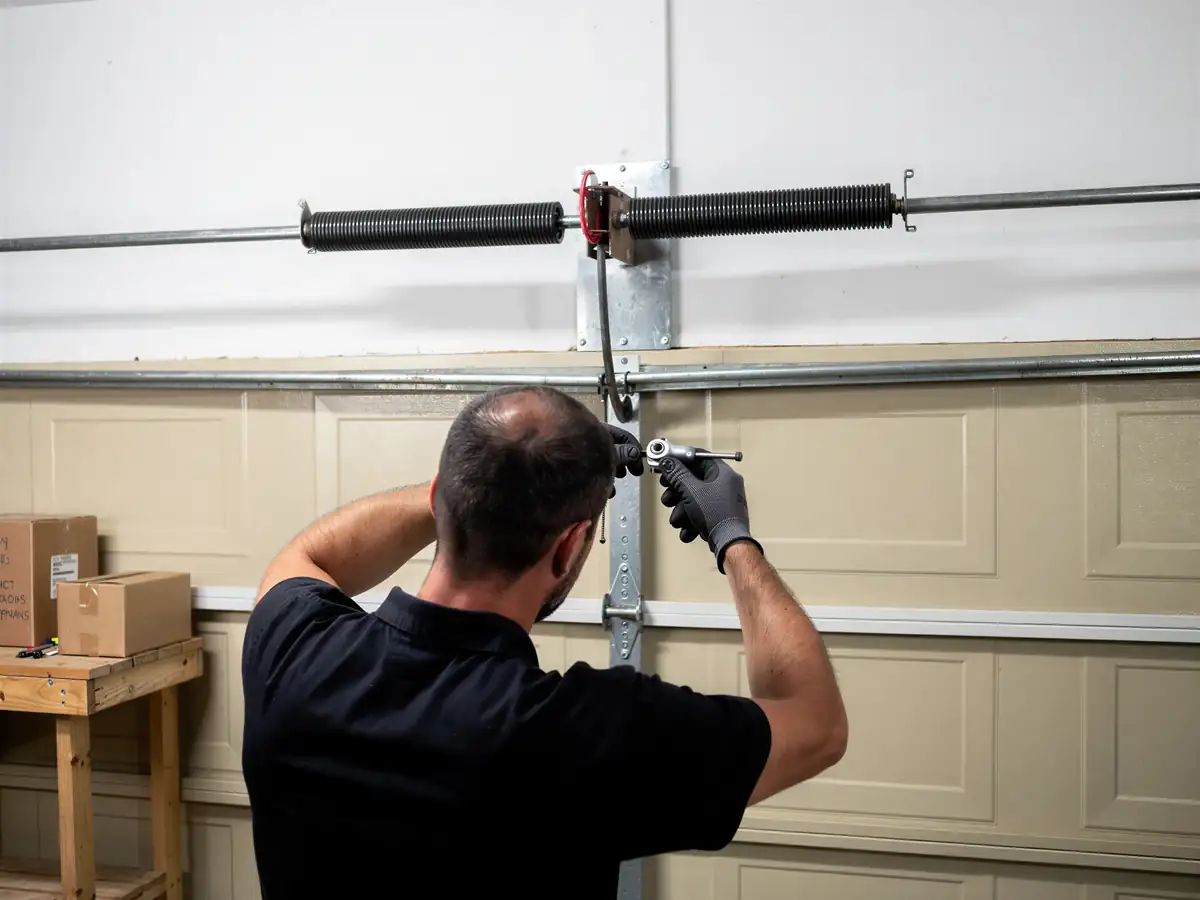
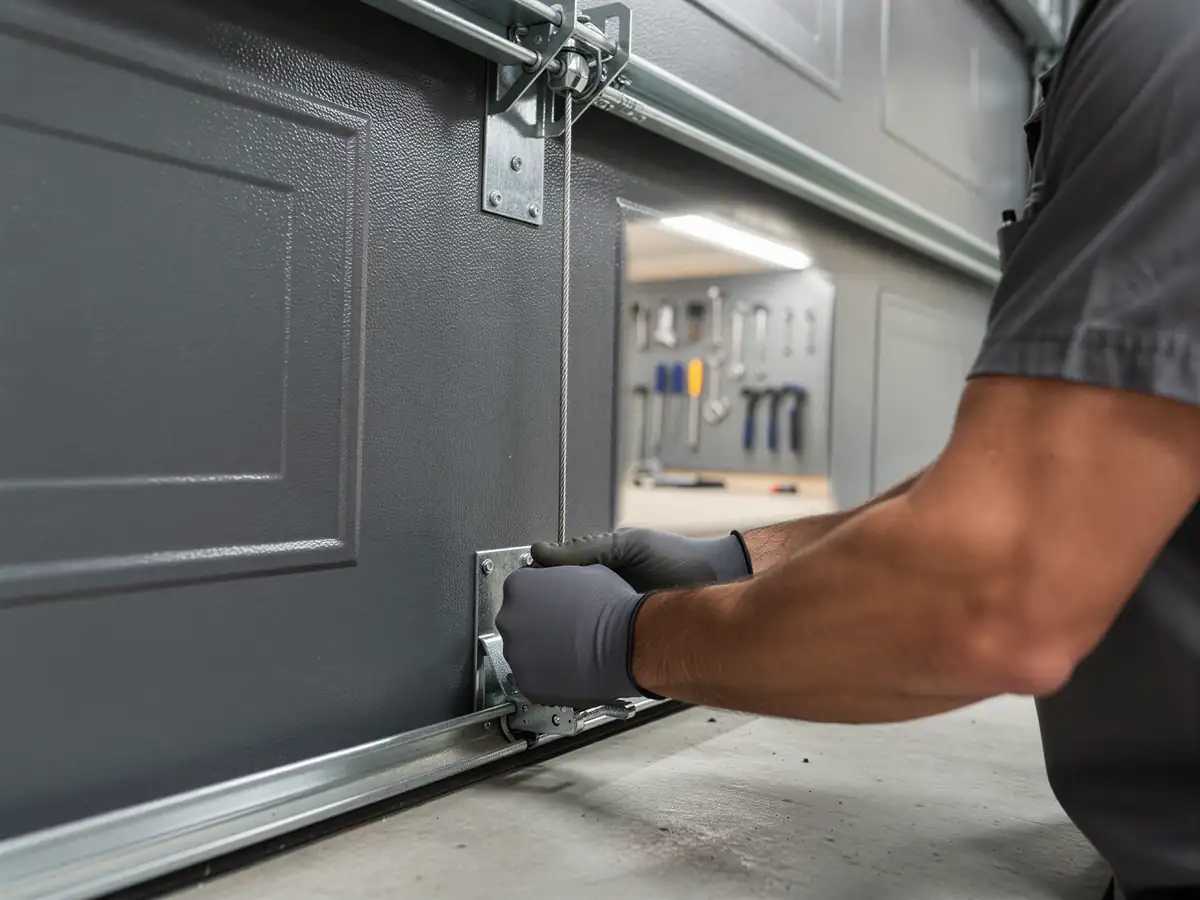
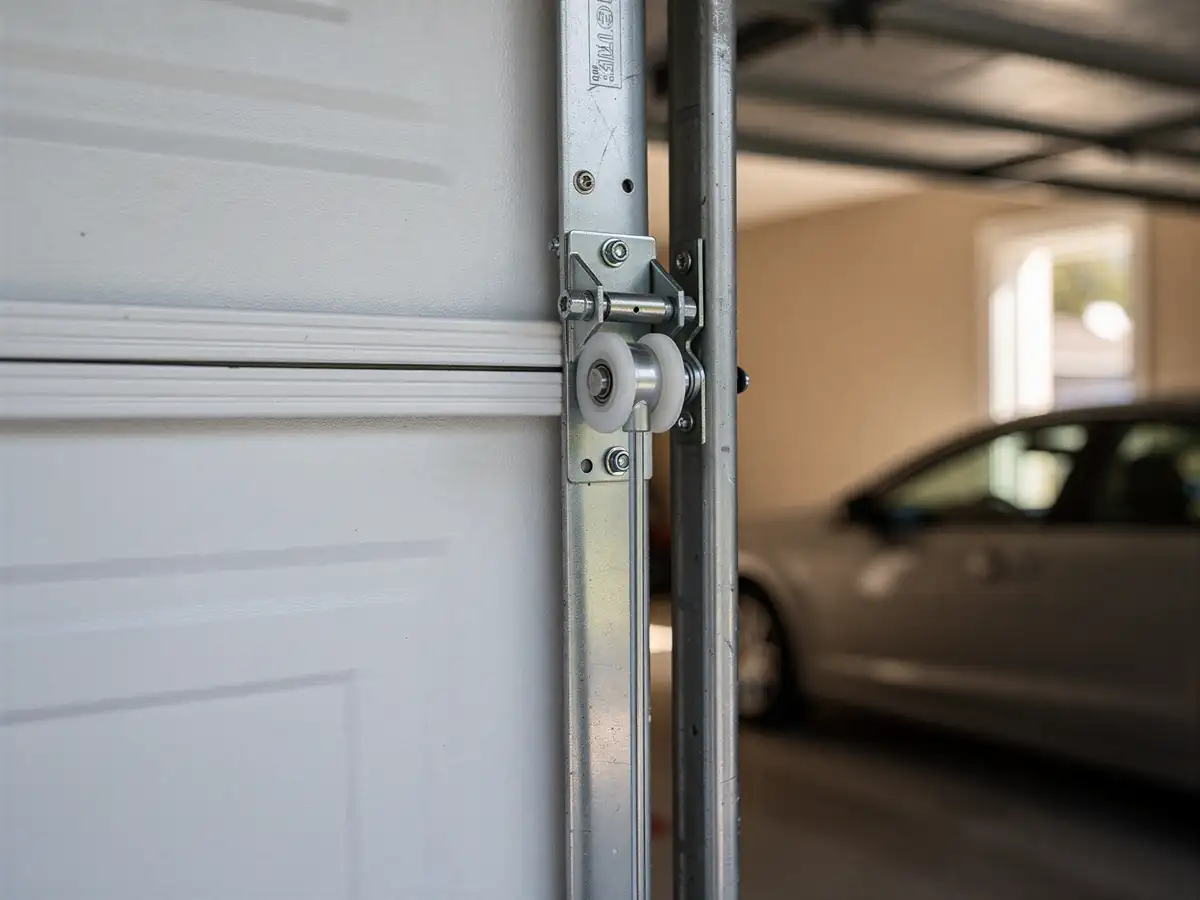
Swapping rollers, lubricating hinges, or tightening loose track bolts on a 1970-era door - a homeowner can do that safely, and it's worth doing before you call anyone. What you shouldn't touch is the torsion spring. A spring sized for an opening this old stores enough force to break bone if it releases wrong, and the drum sizing on these older openings isn't always what a hardware-store kit assumes. We also won't talk anyone into a full teardown-and-reframe on a Saturday afternoon - if the original jamb from around 1970 has shifted enough to need reframing, that's a job that takes longer than a day and needs to be scheduled, not rushed. Our honest limit here: we don't carry parts for every obsolete hardware pattern from that era on the truck, so some jobs mean a short wait on a specific part rather than a same-visit fix.