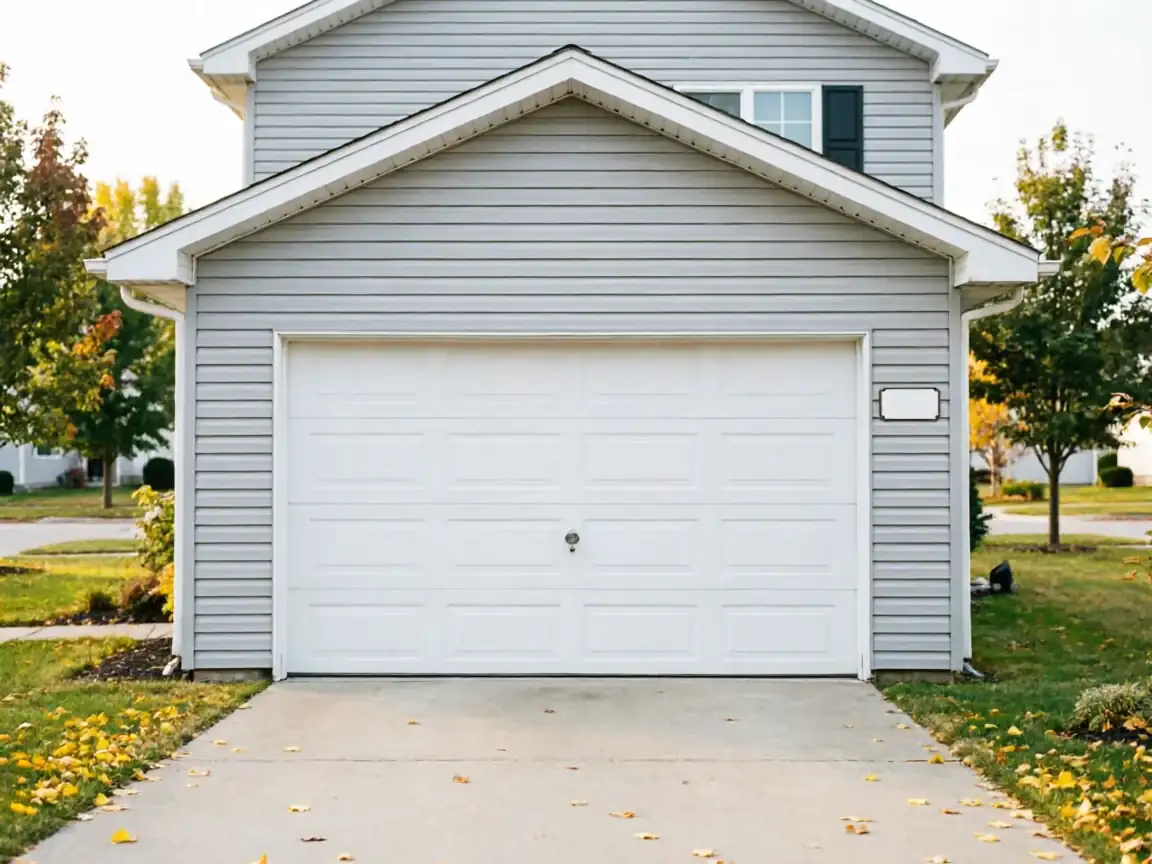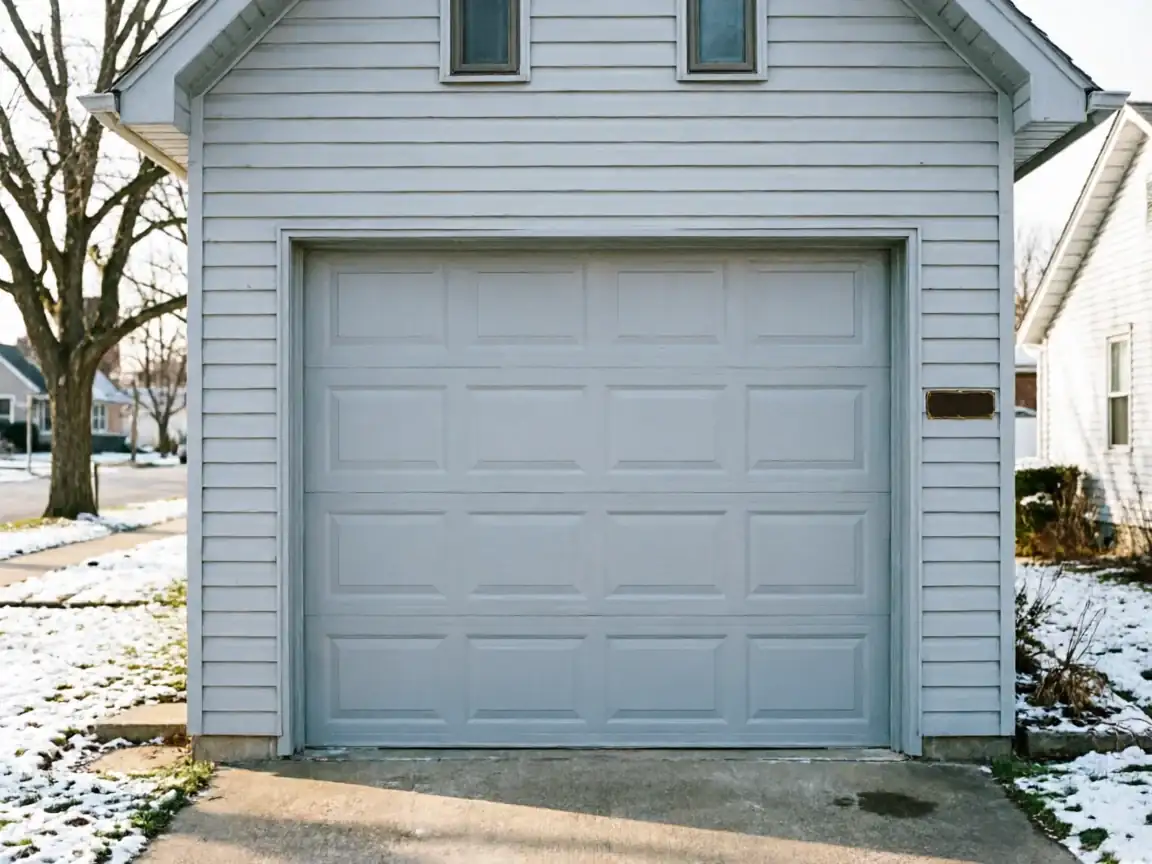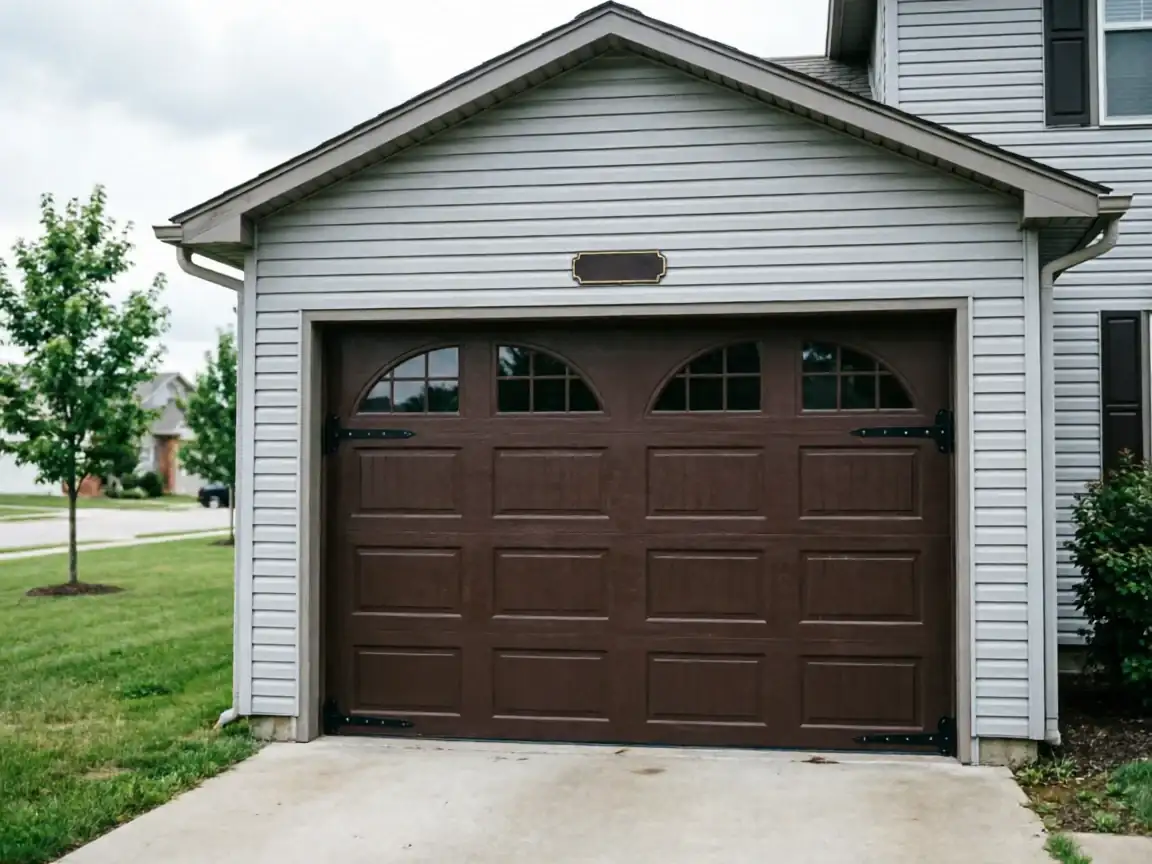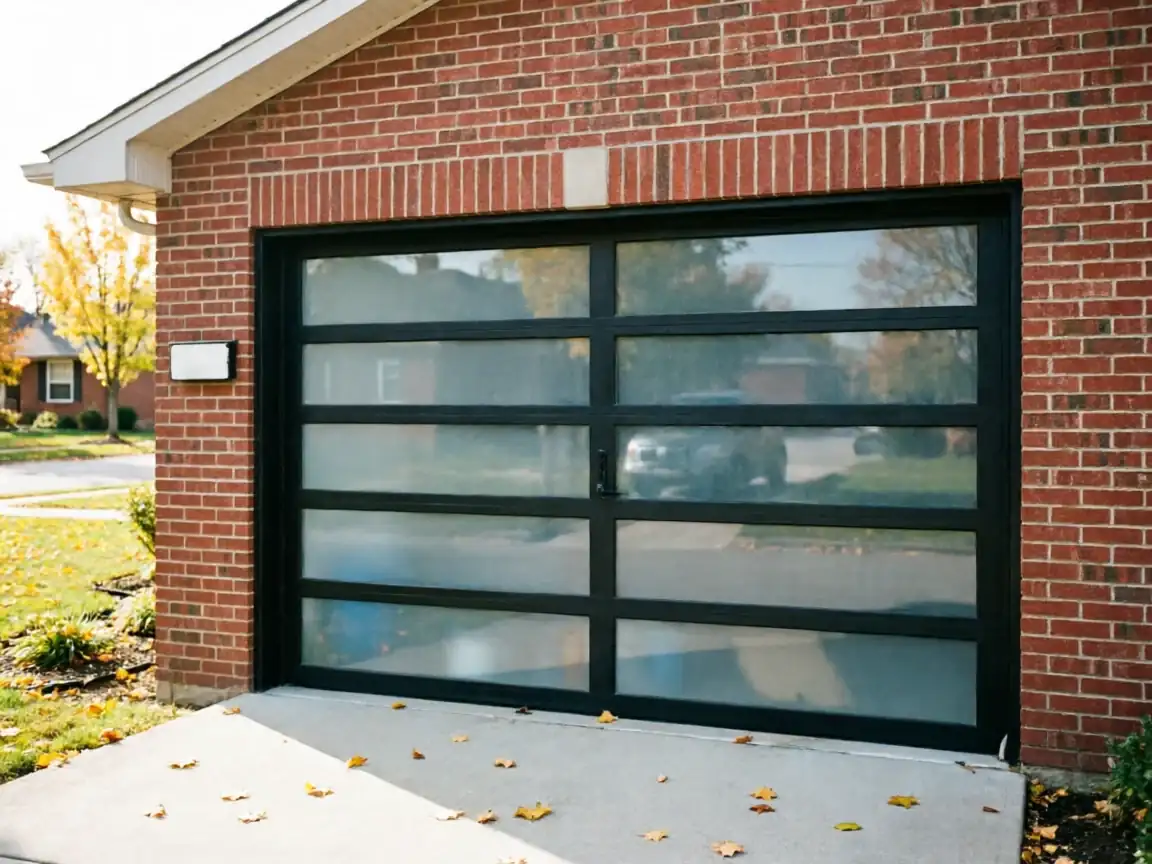
Why This Fails Locally
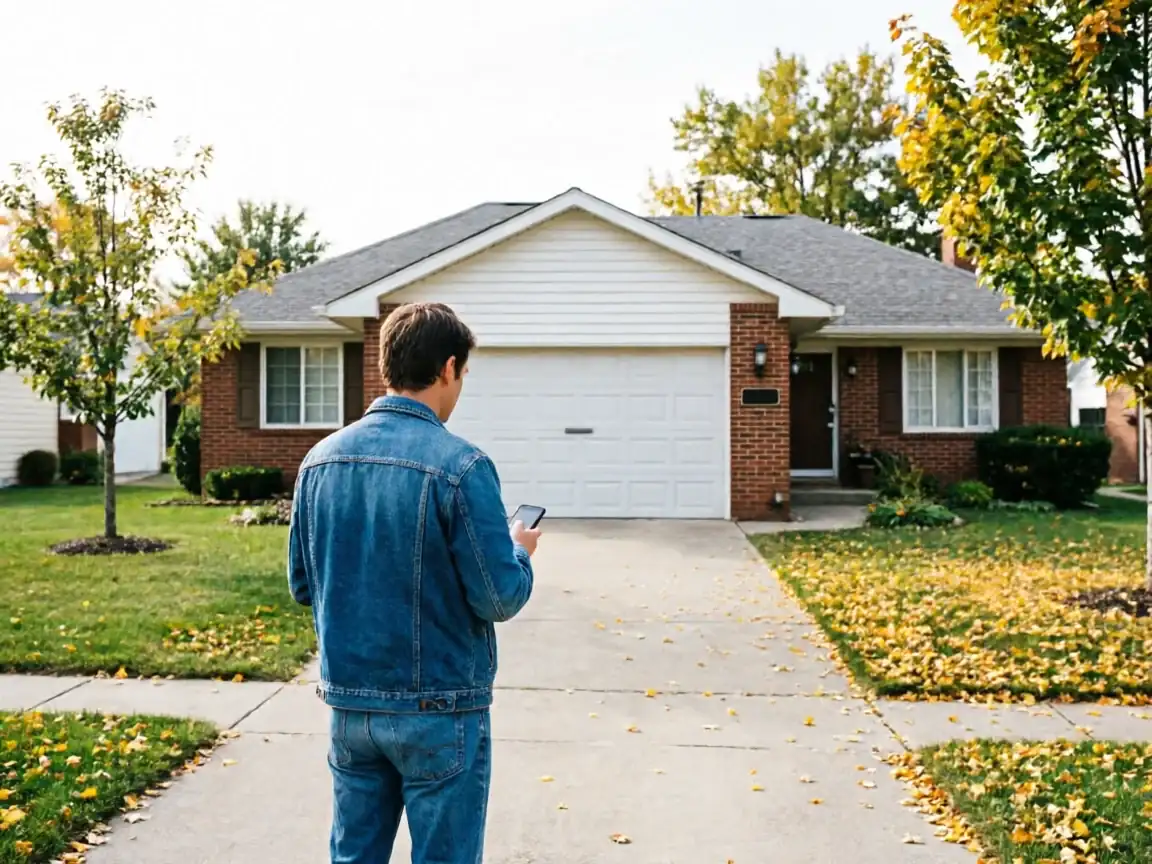
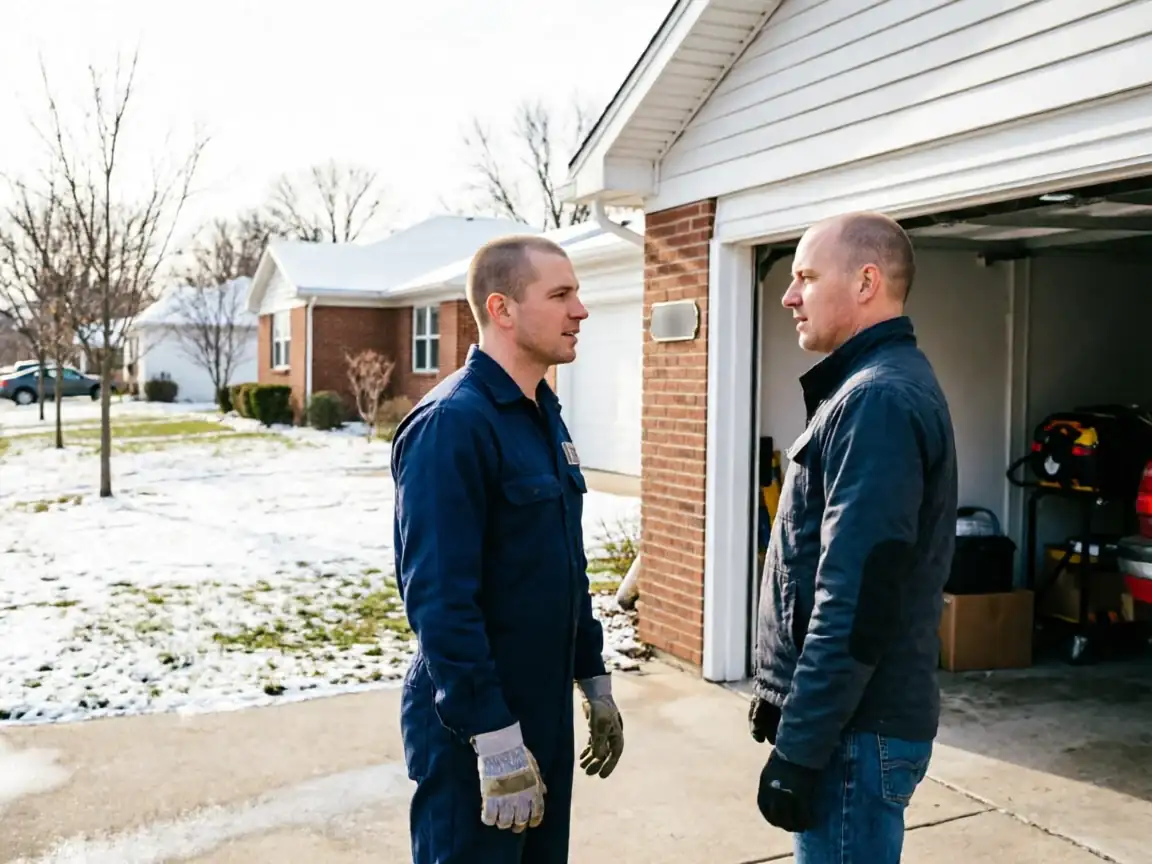
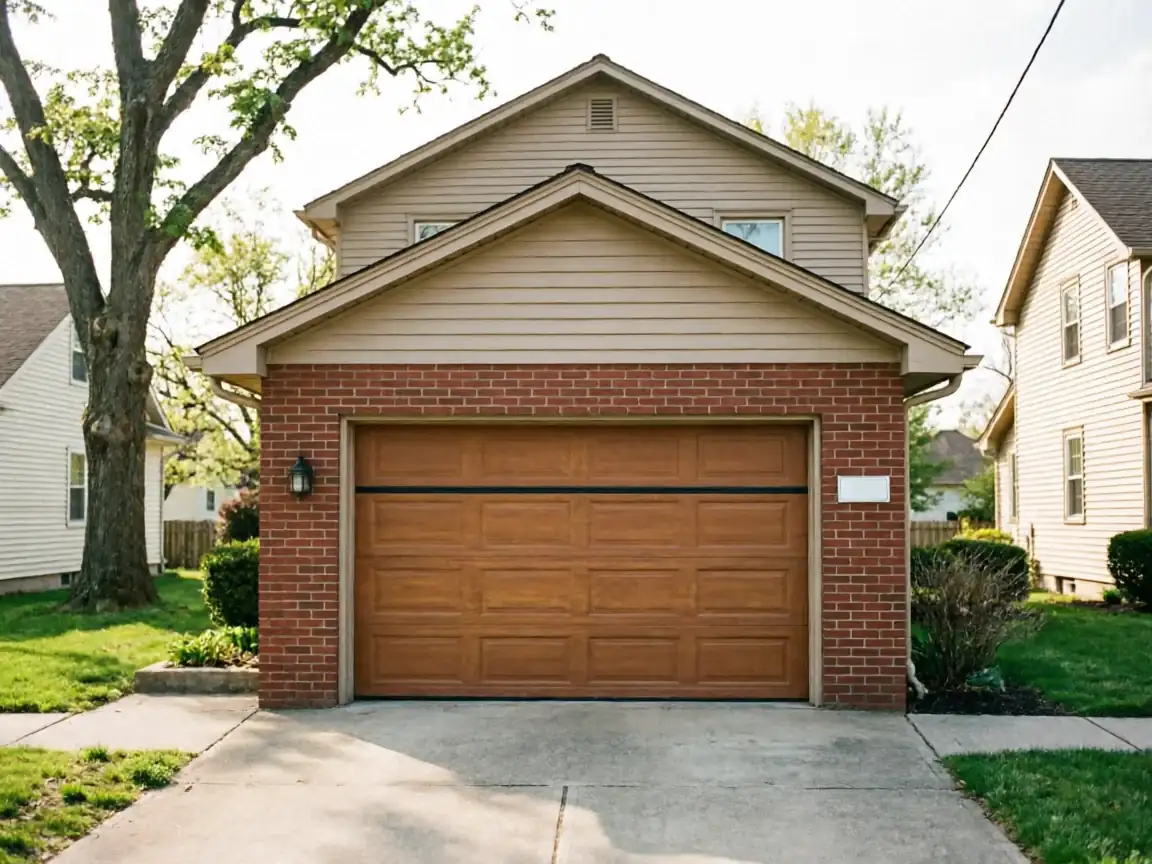
A door installed around 1970 was built to a different set of expectations than a door installed in 2000. Spring cycle counts were lower, track gauge was thinner, and openers from that period weren't matched to today's heavier insulated panels if a homeowner upgraded the door but kept the old opener. That mismatch is common across Brown Deer's housing, where median build year sits ahead of much of the broader 49-area service region. The other factor is the cold. This area sits in a severe cold climate band, and a door that cycles through a 60-degree swing from garage interior to outside temperature twice a day puts more stress on hardware than a moderate-climate equivalent. Steel contracts, lubricant thickens, and a spring that was already near the end of its rated cycles snaps on a January morning instead of a mild October afternoon. None of this is unique to one house. It's a pattern tied to when Brown Deer was built out and what the winters here do to steel and grease year after year. Maintenance doesn't stop the aging process, but it catches the warning signs, a slow roller, a frayed cable strand, a track bolt working loose, before they turn into a spring that lets go while someone's car is halfway under the door.
What You Are Seeing
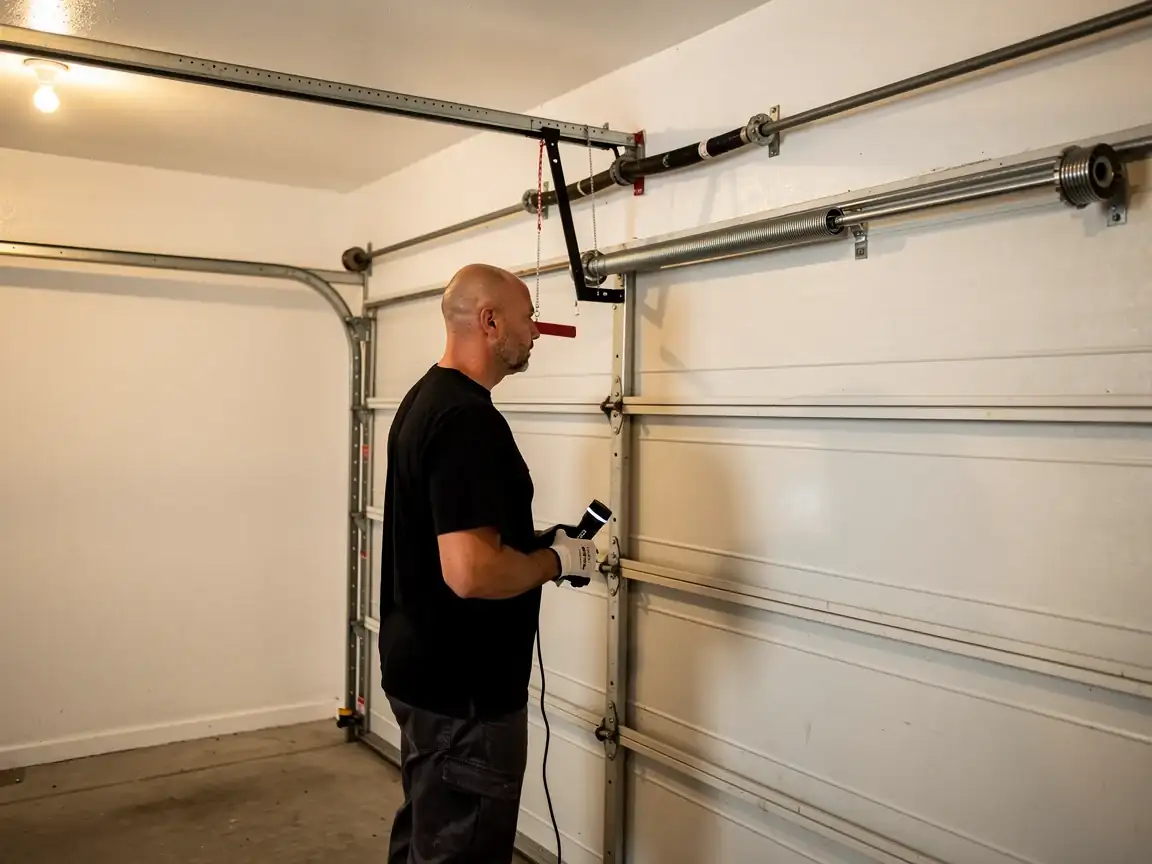
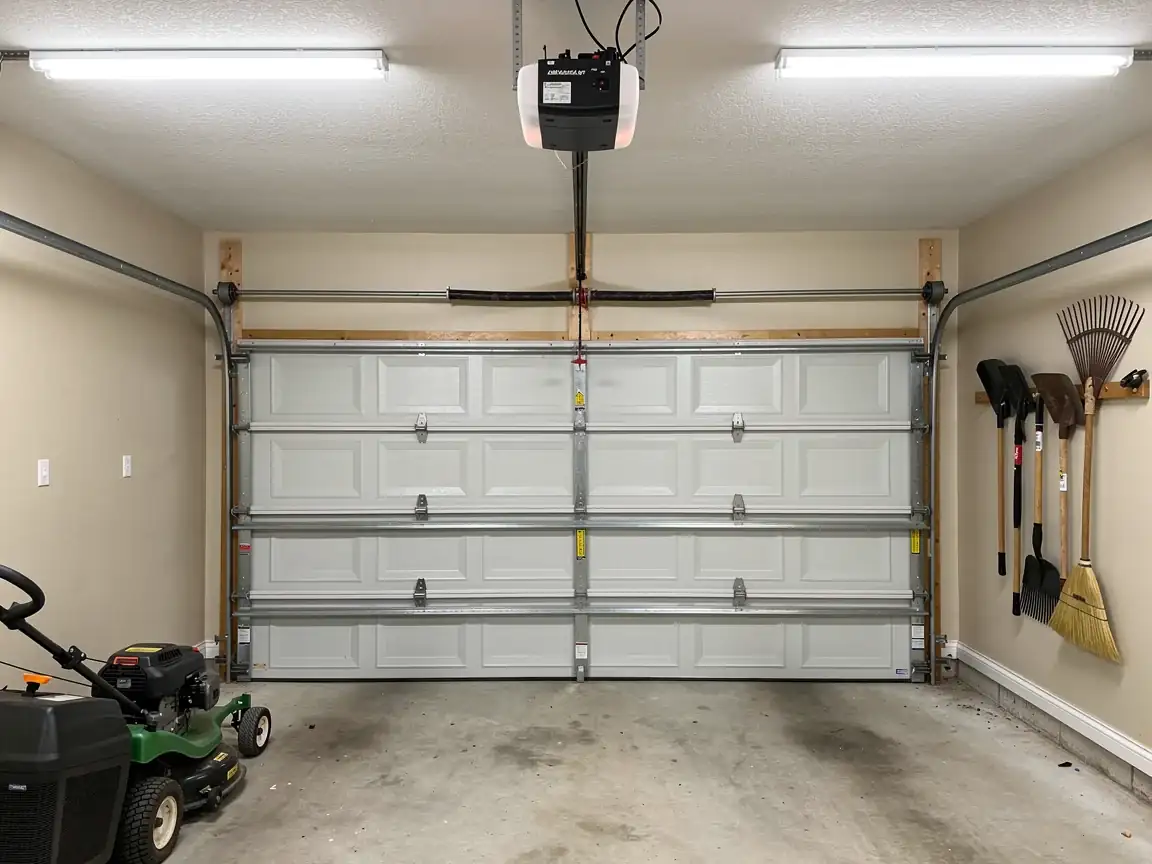
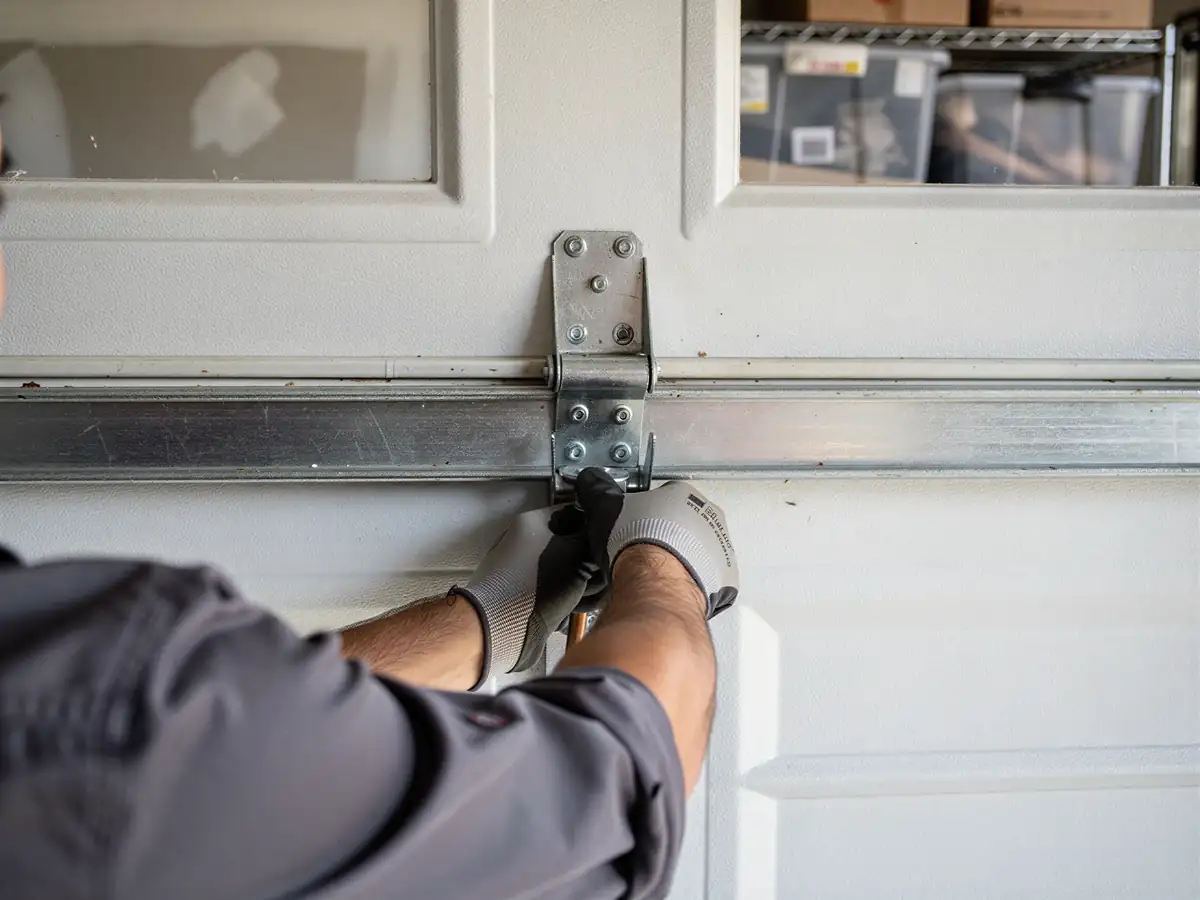
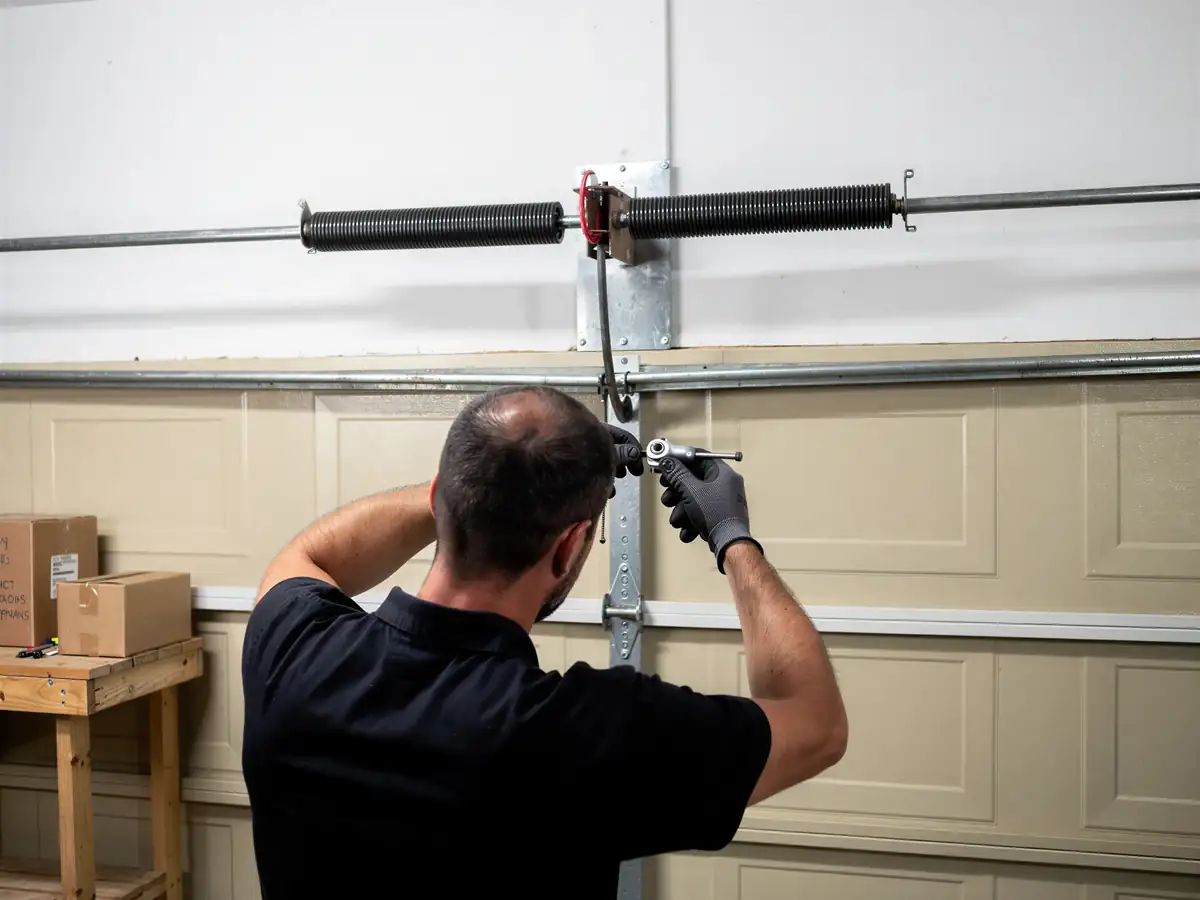
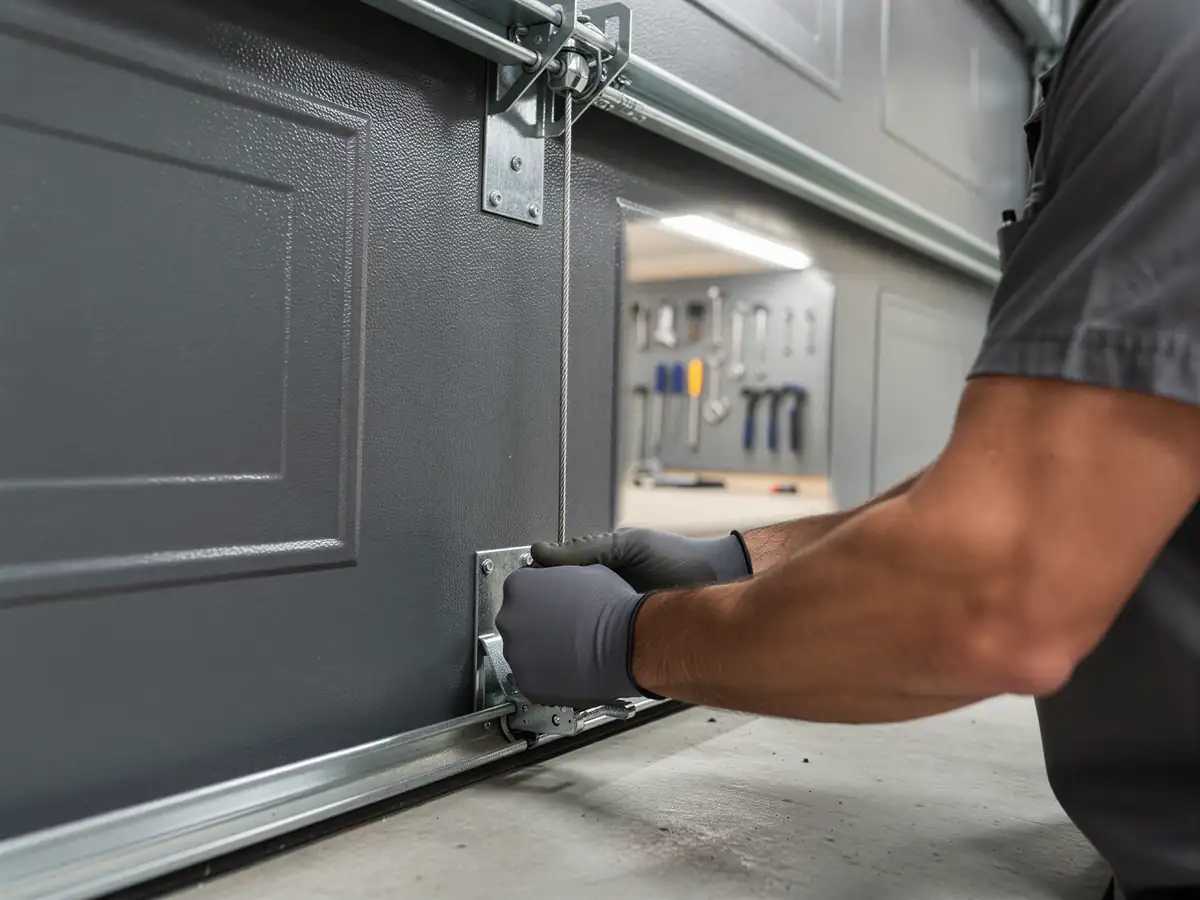
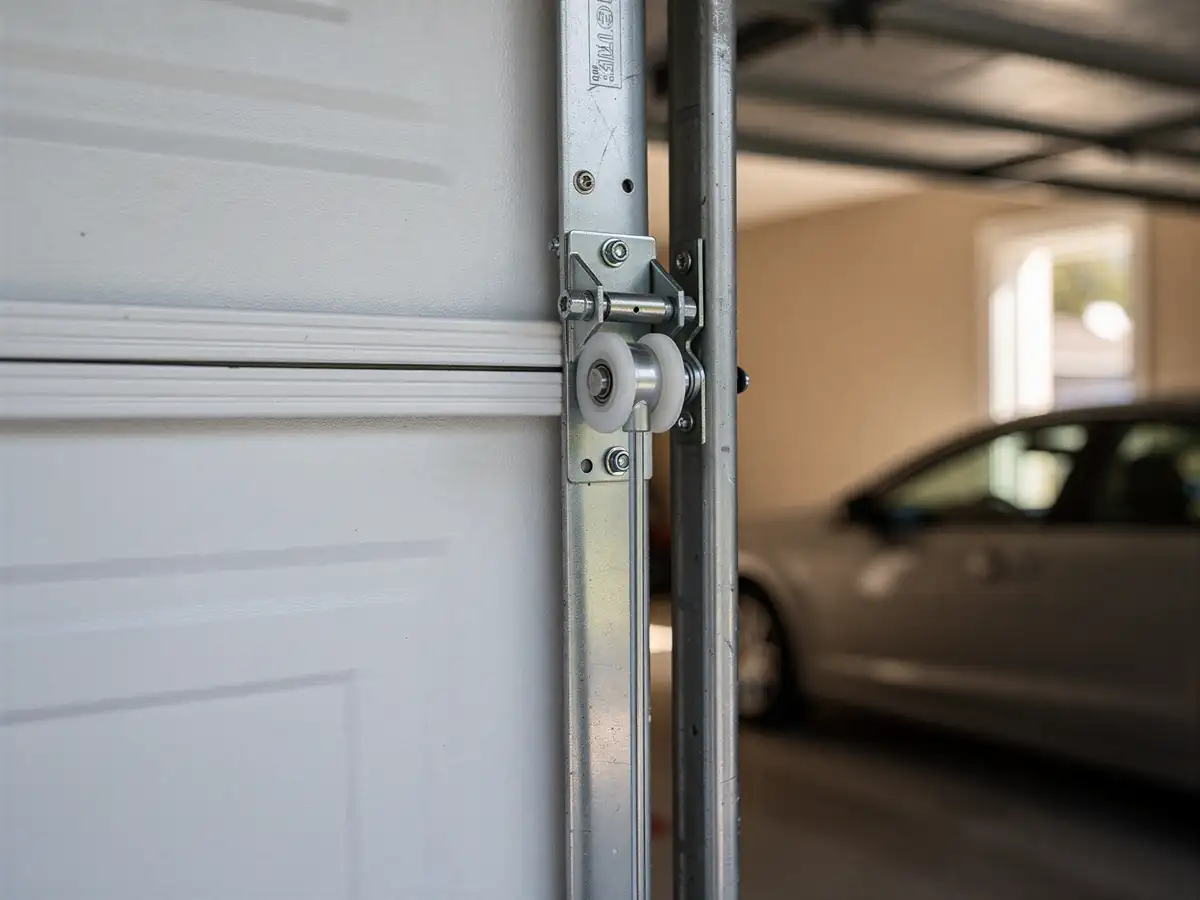
If your door is noisier than it used to be, or it hesitates for a second before it starts moving, that's usually a roller or a spring losing tension, not the opener failing outright. On a house built around 1970, we also check whether the track hardware was ever replaced; original side-mount brackets in this area are often still in place, and the bolts that hold them loosen over decades of thermal cycling. A door that drifts to one side as it closes is telling you one cable or one spring is carrying more load than its partner, which is common once a system passes the midpoint of its rated life. Rust on the bottom bracket or flaking paint on the spring coils is a cold-climate symptom specifically, moisture that gets trapped in a cold garage doesn't evaporate the way it would in a warmer region. None of these signs mean the door is about to fail tomorrow, but they're the kind of thing a maintenance visit is built to catch before a Saturday morning with a dead door and a car trapped inside.
Doing It Yourself
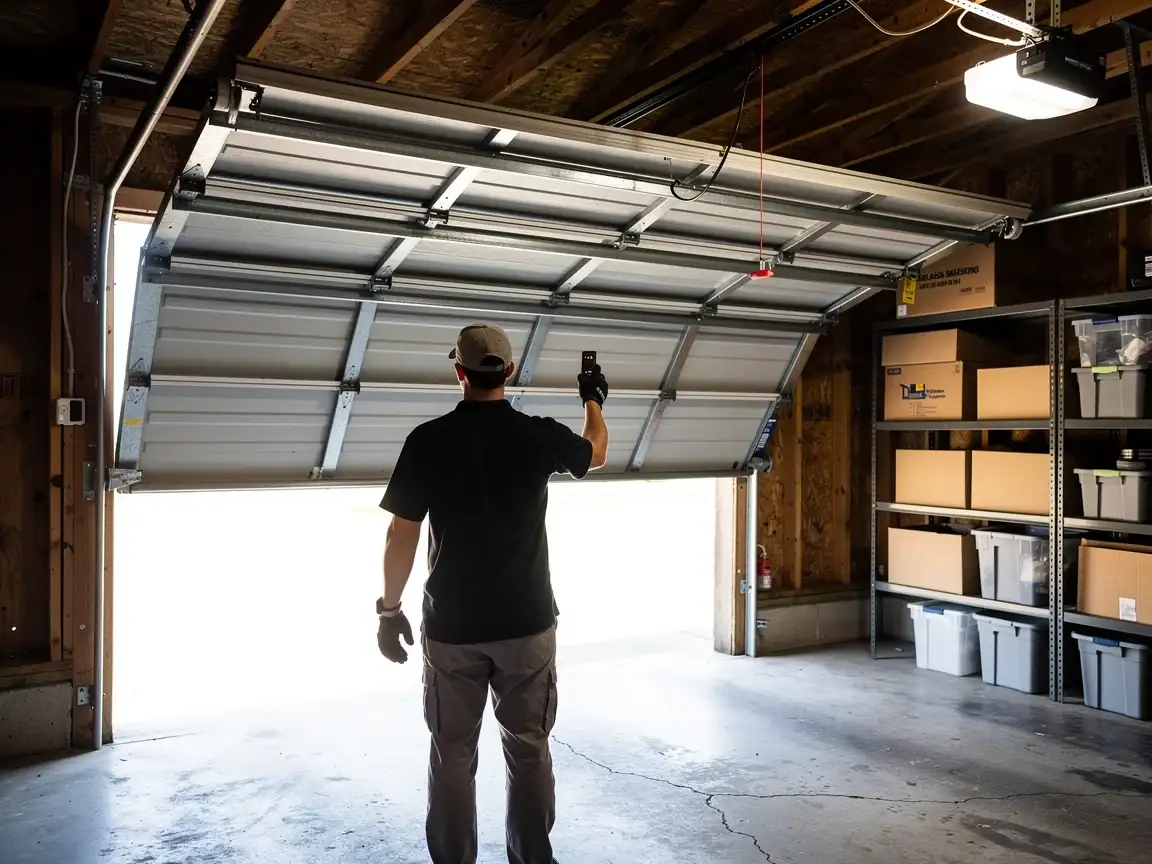
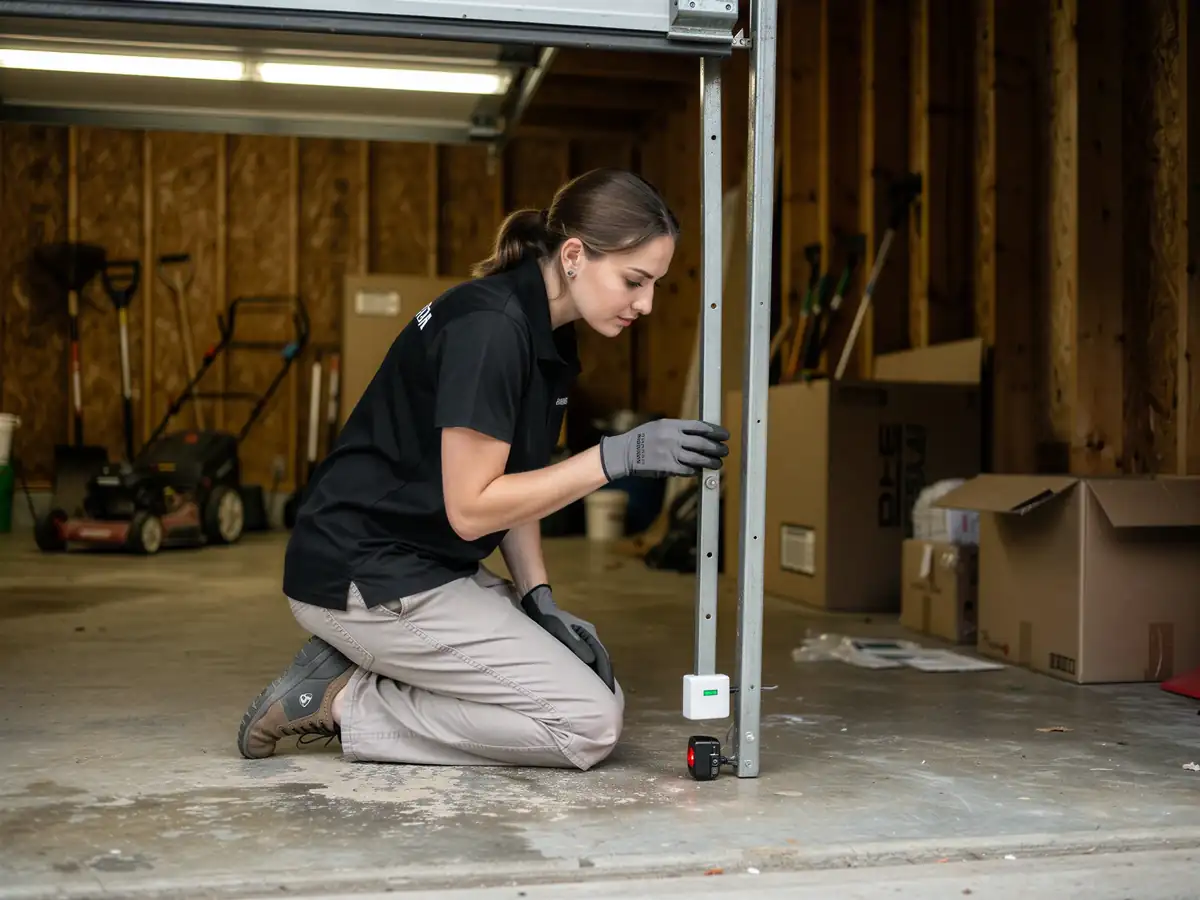
Lubricating rollers and hinges with a garage-door-rated silicone or lithium spray is something any homeowner can do twice a year, and in a severe cold climate it matters more than in milder regions because grease stiffens fast. Checking that the photo-eye sensors are clean and aligned takes two minutes and solves a surprising number of false