Why This Fails Locally
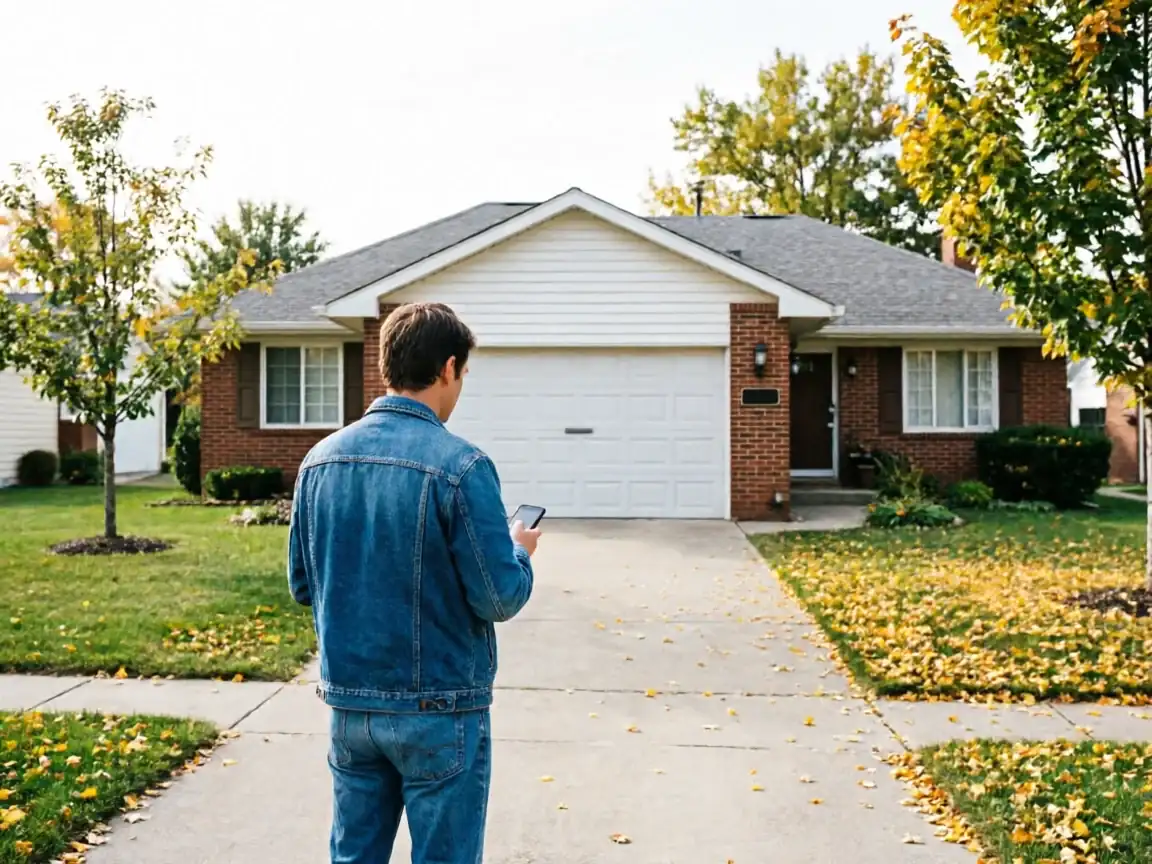
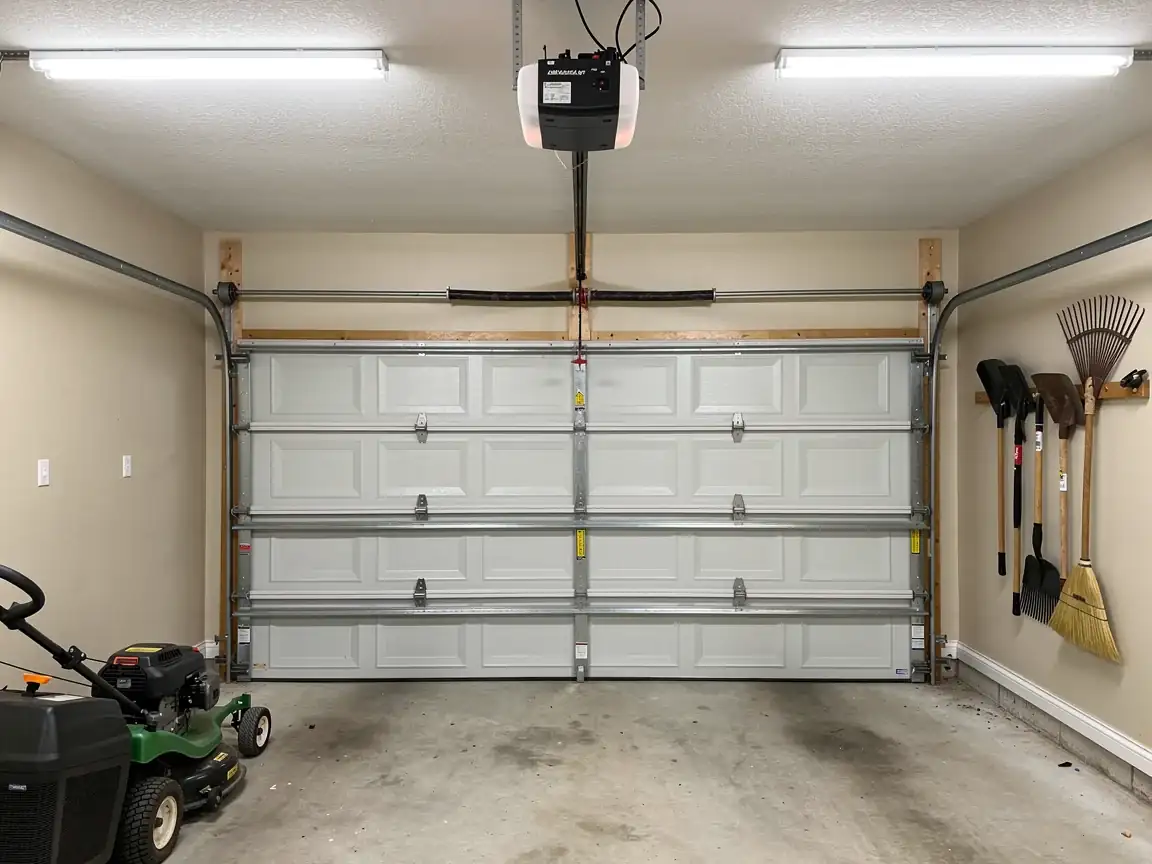
Brown Deer's housing stock centers on 1970, a few years ahead of the wider service area's 1976 median and squarely inside the 1960s-70s band that makes up most of the 49 communities we cover. Doors from that run were built with heavier wood or early steel panels on torsion springs that were never rated for the cycle counts we ask of a door now opened twice a day for forty-plus winters. Add the cold-severe climate this whole region sits in, and steel fatigues faster than it would somewhere milder - a spring that's held for decades can let go on the one bitter morning when the metal contracts and loses the little flex it had left. Extension springs on the older single-panel setups are the other common failure: the pulley systems they ride on were never meant to run this long, and once the cable starts to fray in a cold garage, it goes quickly. None of this is particular to Brown Deer's weather alone - it's the same cold that sits over the rest of the area - but it is particular to how old the doors are here, which is the part that actually drives the call.
What You Are Seeing
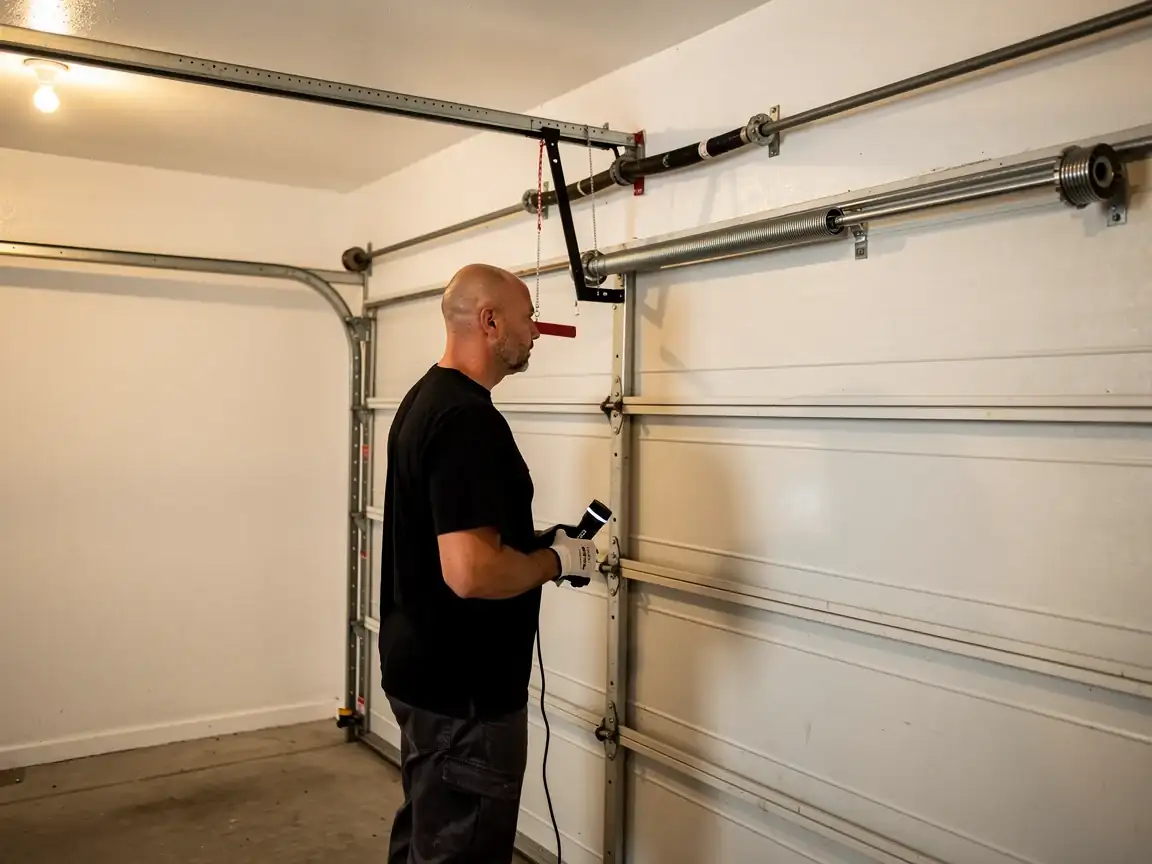
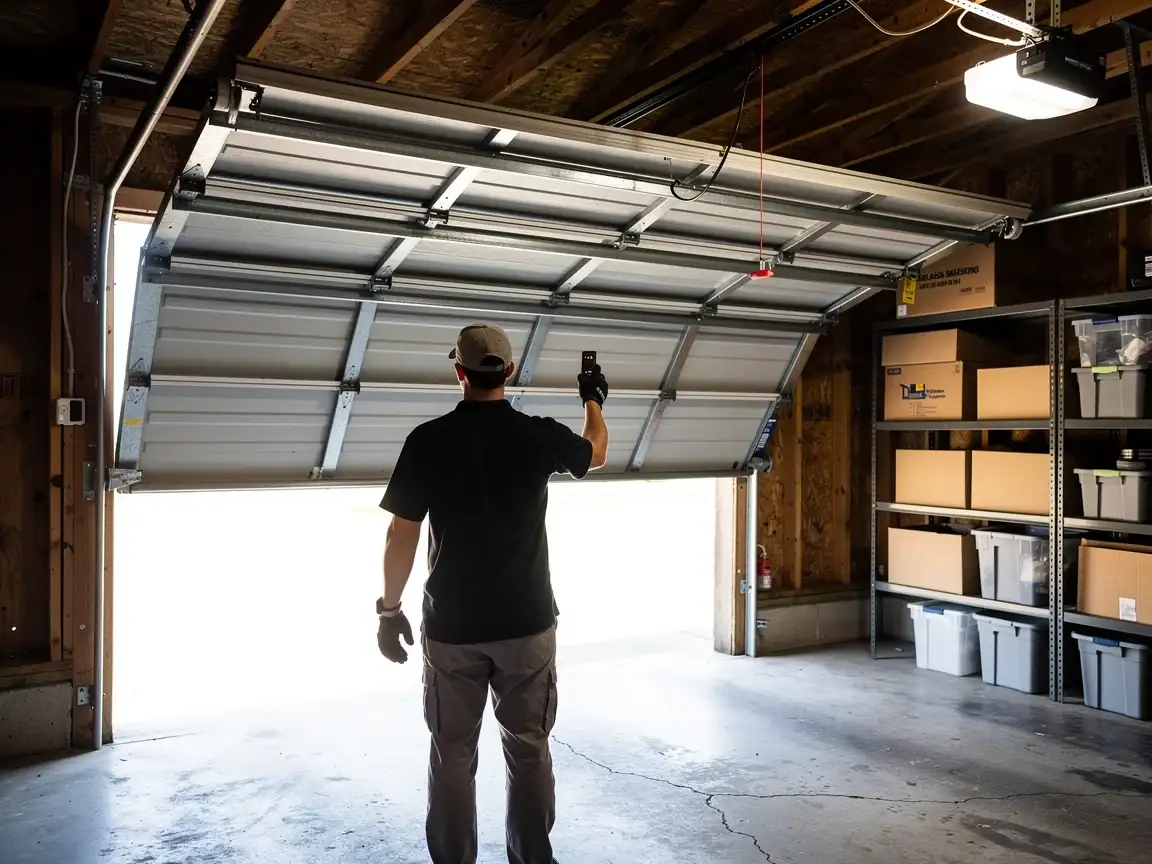
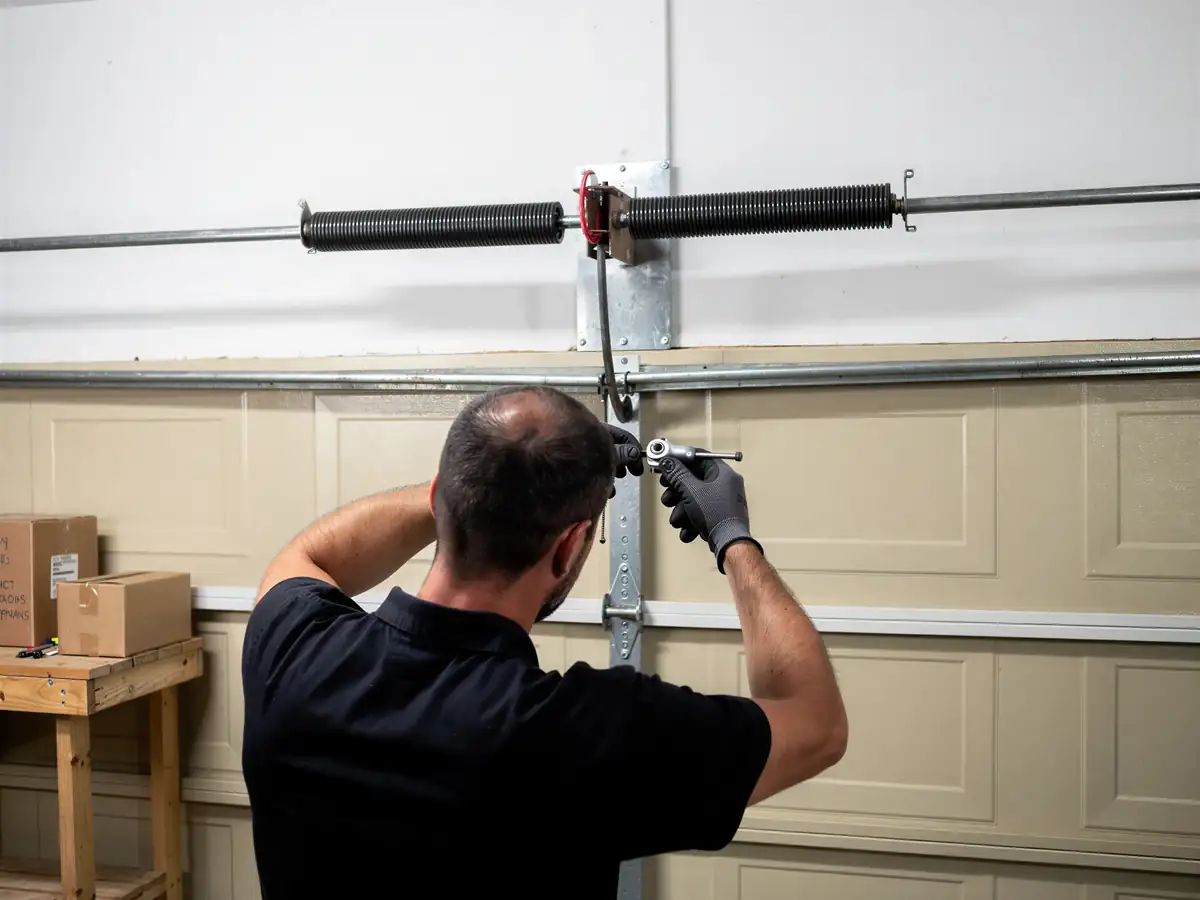
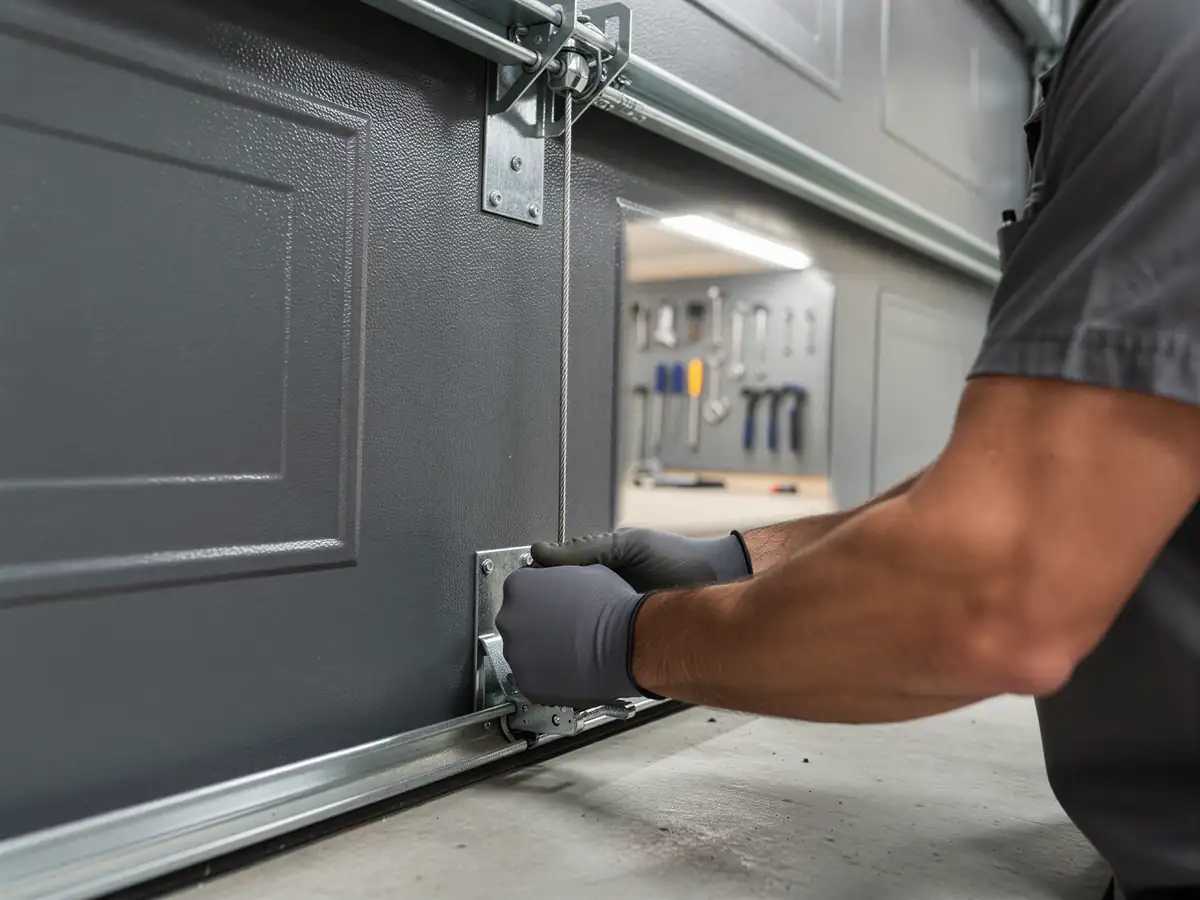
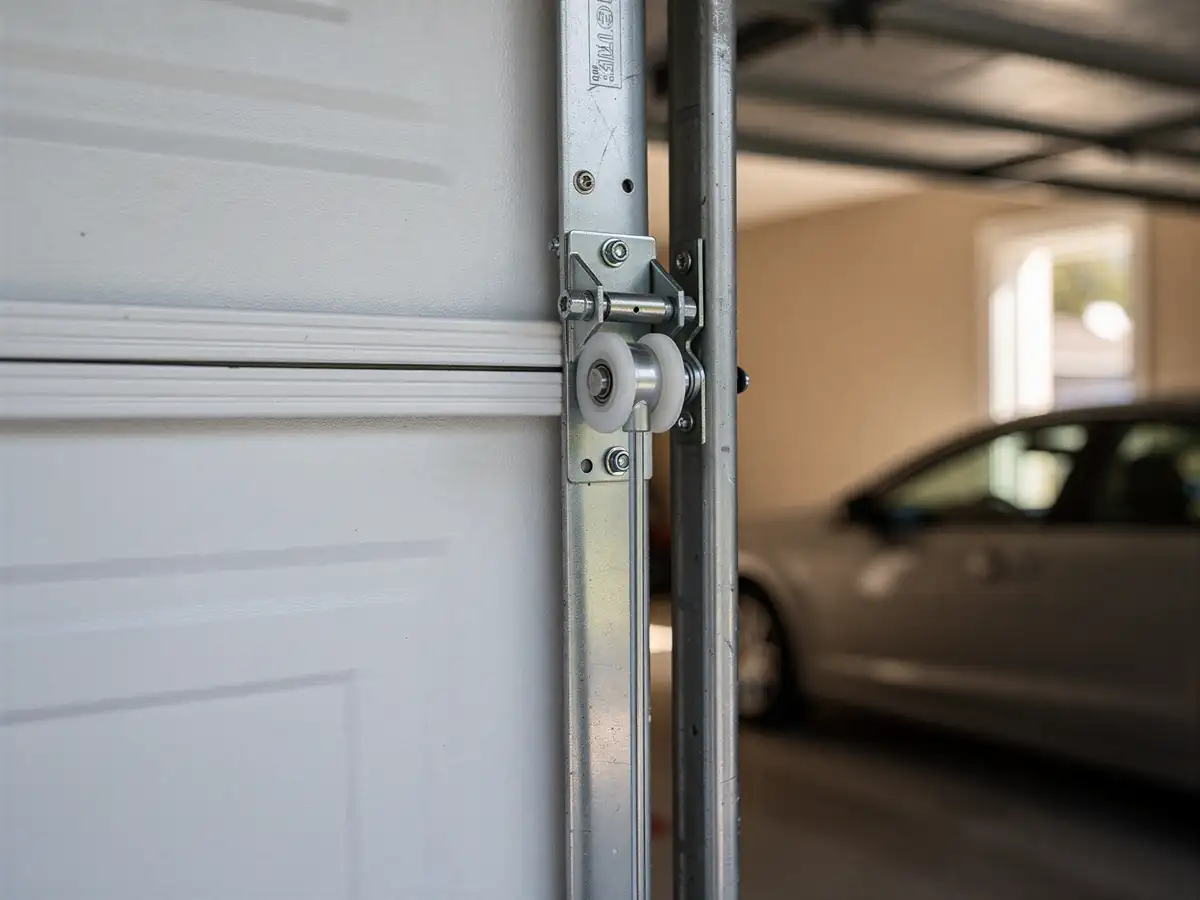
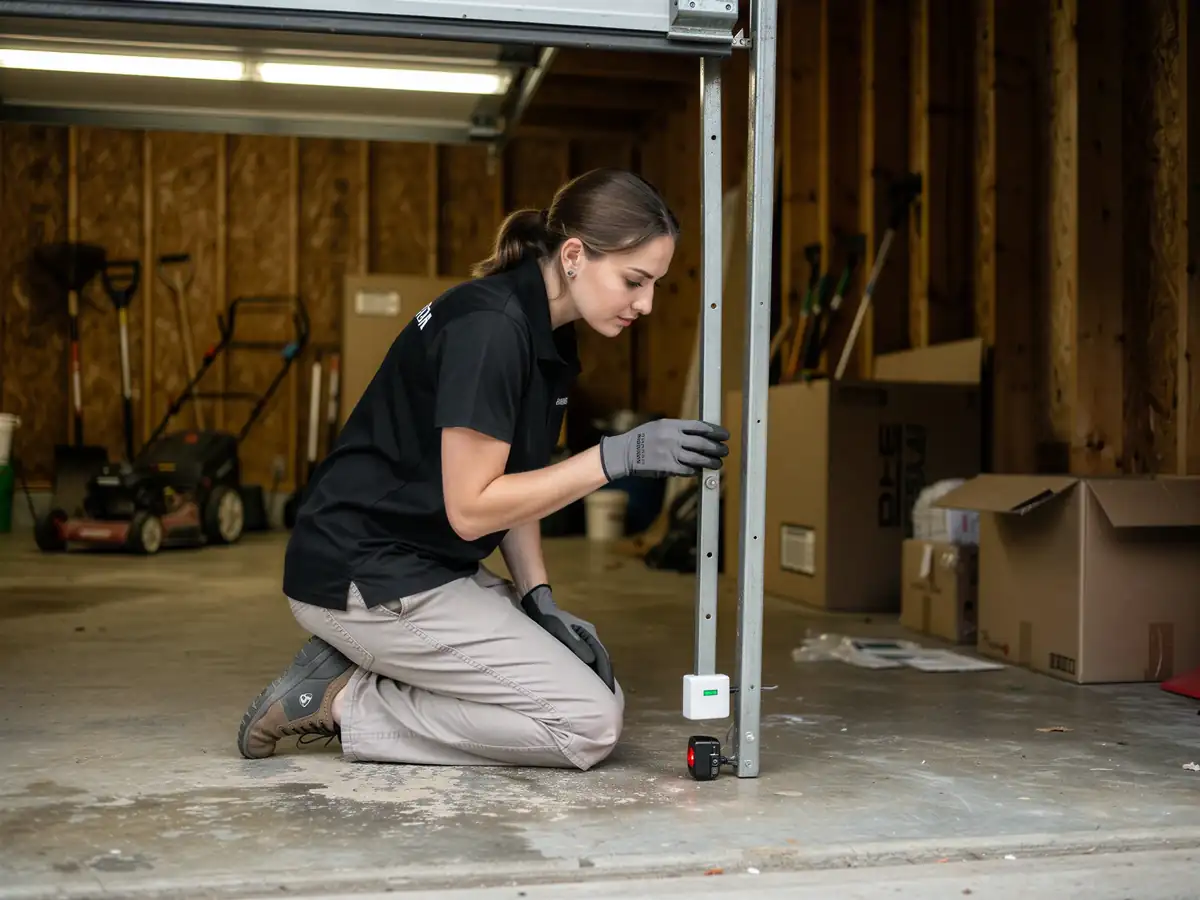
A door that drops the last foot on its own, a loud bang followed by a gap where the spring used to sit, or a door that opens fine but won't stay up without a hand under it - these are the torsion and extension spring failures that show up most in a 1970-era house. Rollers that have gone from steel to the cracked nylon common in that period grind and catch rather than roll, especially once cold tightens the track. A panel that's bowed in the middle on an older one-piece door usually means the door itself, not just the hardware, is past the point of a clean fix. What you're less likely to see here than in a newer subdivision is an opener logic board failure as the first call - most of what shows up is the mechanical side: springs, cables, rollers, and the track alignment that forty-plus winters of expansion and contraction have worked loose. If the opener itself is original to the house, it's worth asking about - not because every one is dying, but because a unit that old wasn't built with the safety reversal sensors that are standard now.
Doing It Yourself
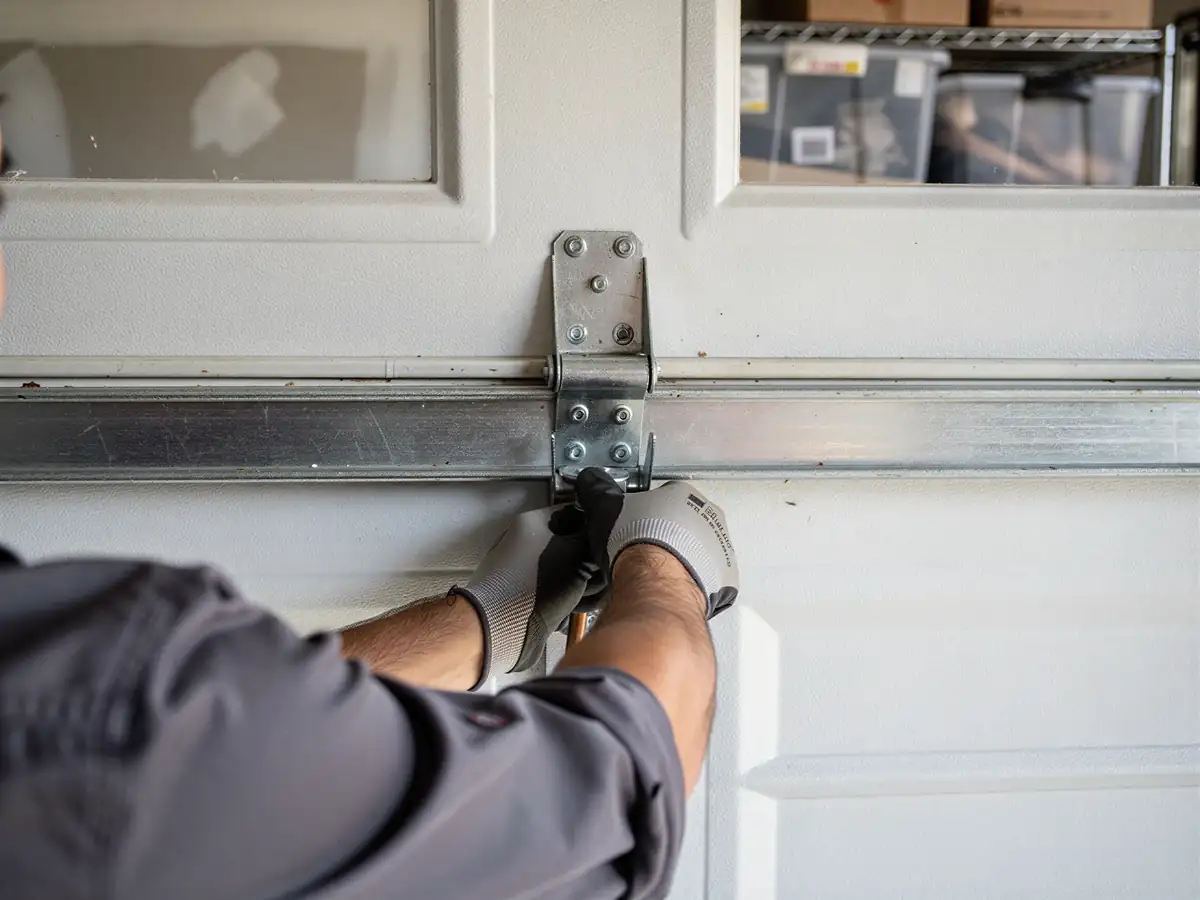
A torsion spring under tension can break a hand or worse, and that doesn't change because the door is in Brown Deer instead of anywhere else - this is the one job on the truck we won't walk a homeowner through over the phone. Rollers, weatherstripping, and tightening loose hinge bolts are reasonable to handle yourself, and on a 1970-era door those are often the first things worth checking before assuming the spring is the problem. What we won't do is pretend every repair is quick: parts for a door this old sometimes take longer to source than a part for something built last year, since the sizing and gauge aren't what manufacturers keep stocked in volume anymore. If your door is sagging, catching, or making a new noise, the safest DIY move is to stop opening and closing it and make the call before a cable finishes fraying or a spring finishes fatiguing - both get worse, never better, waiting.