What Is Going On
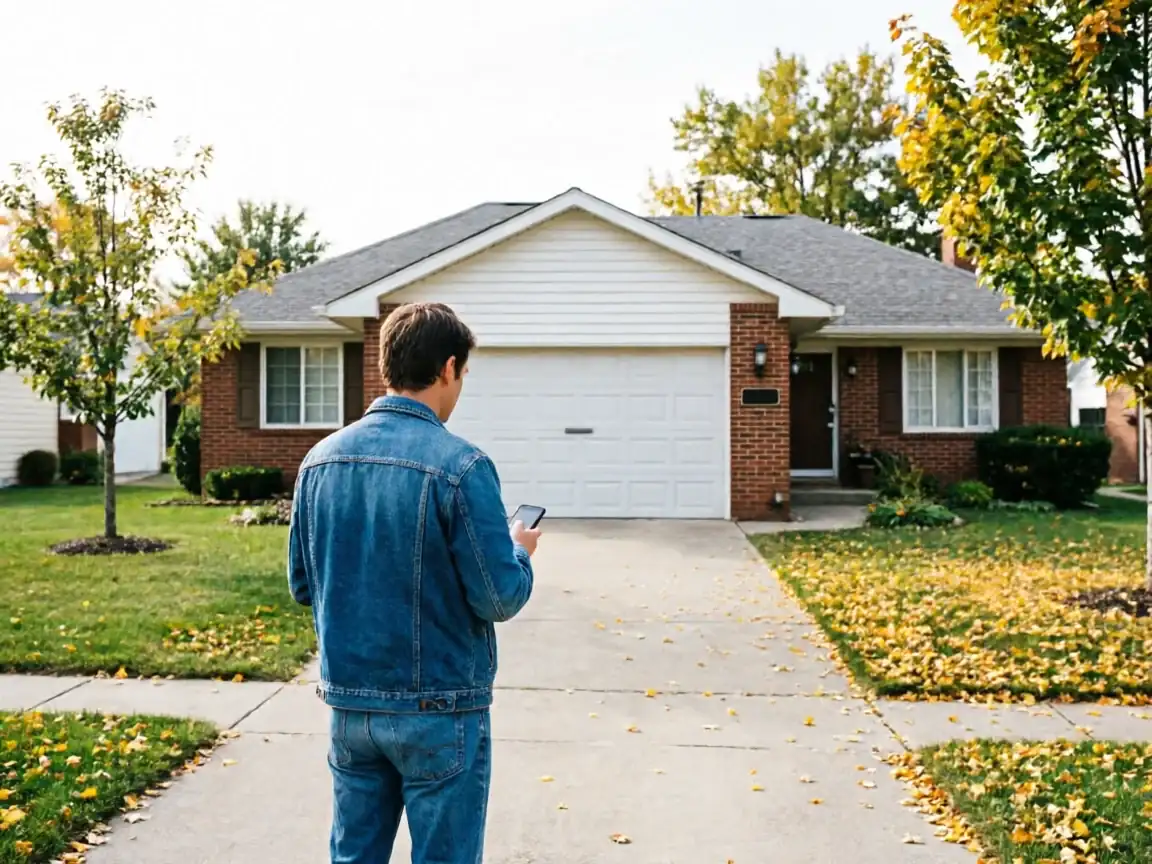
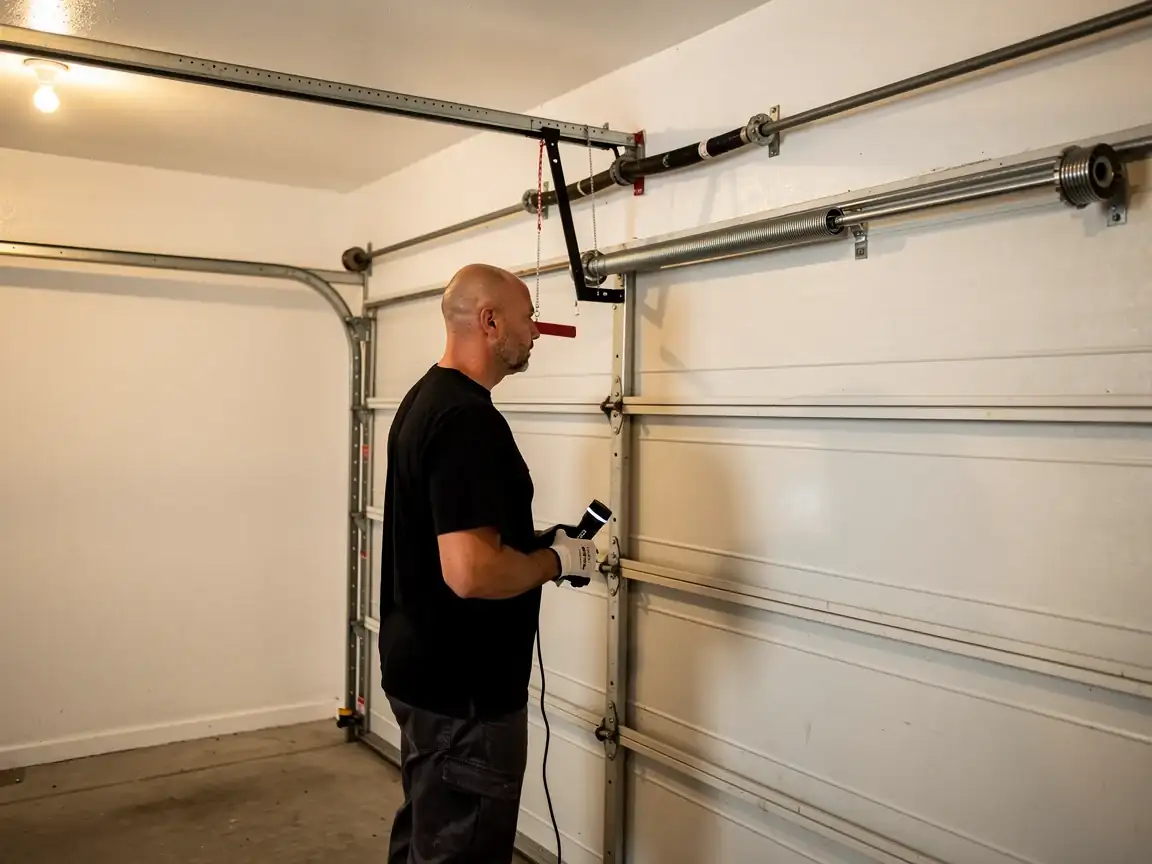
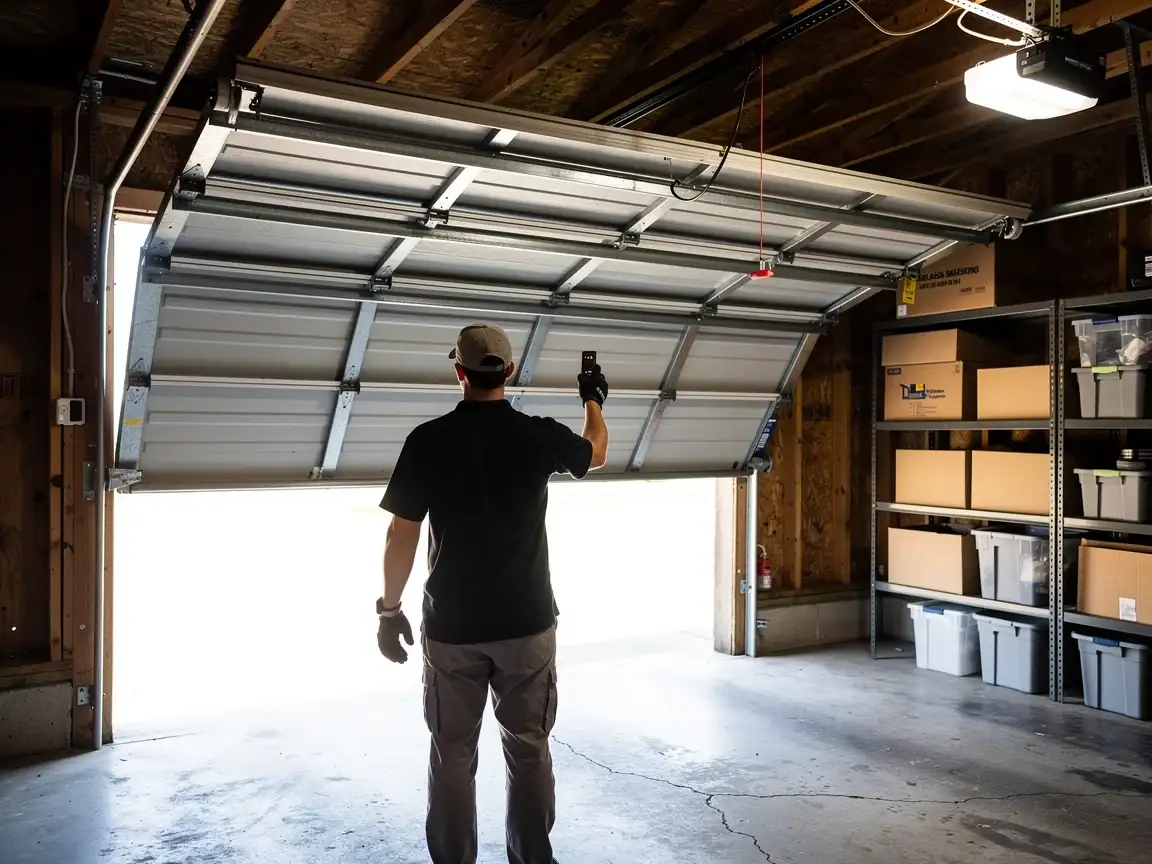
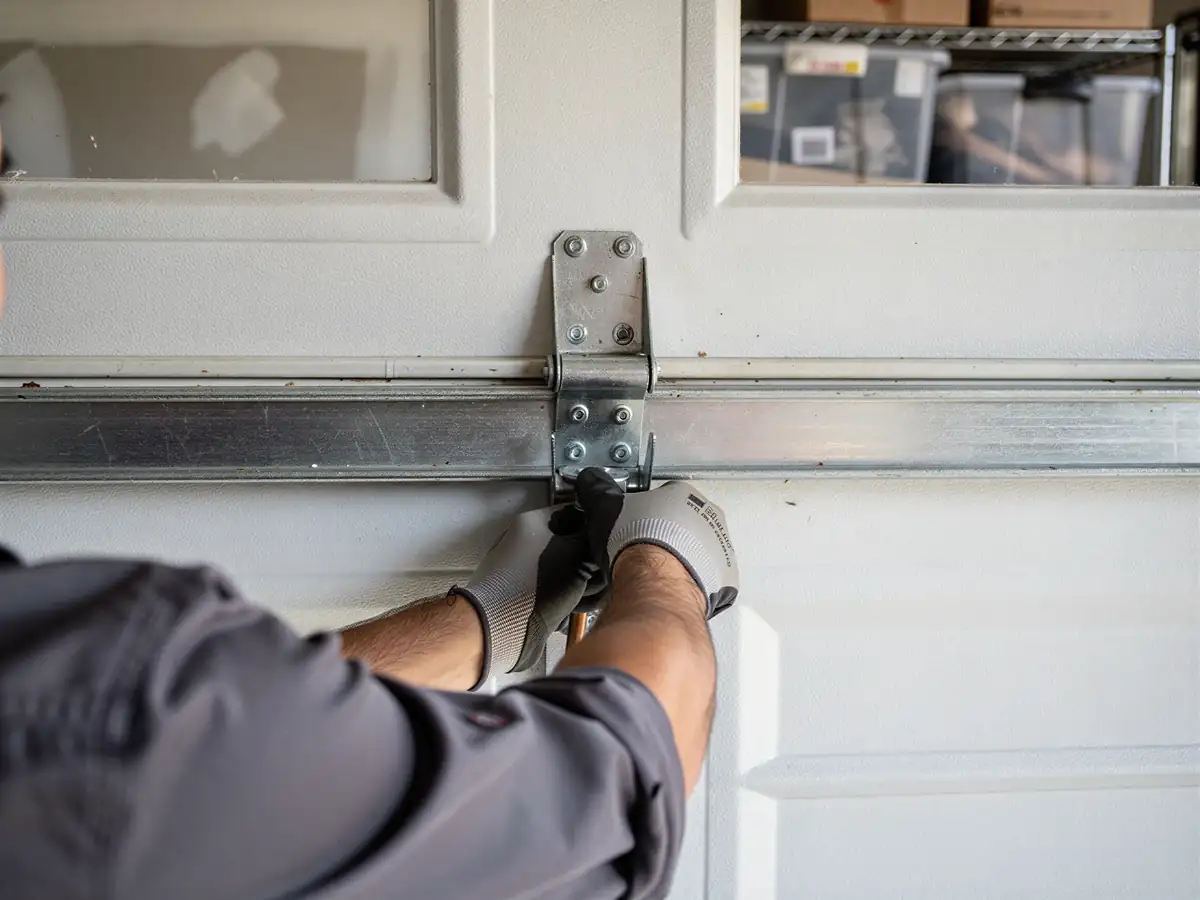
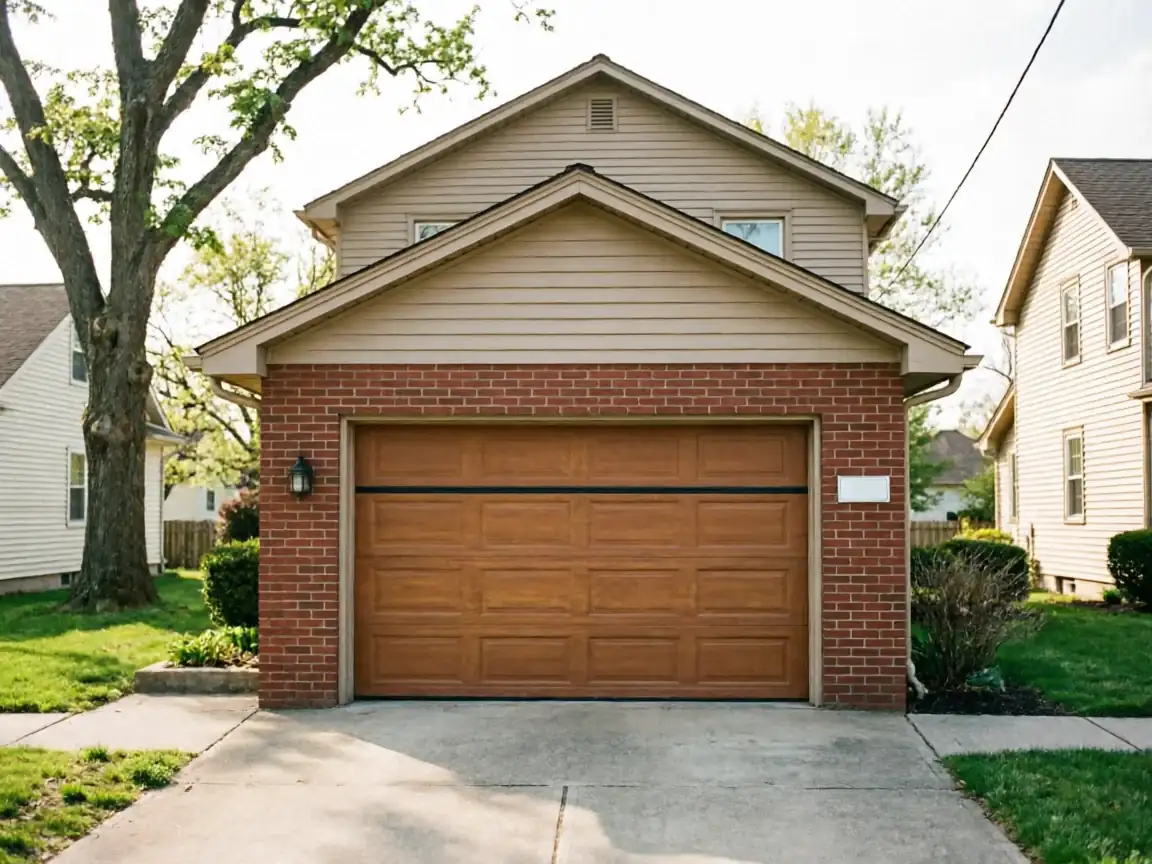
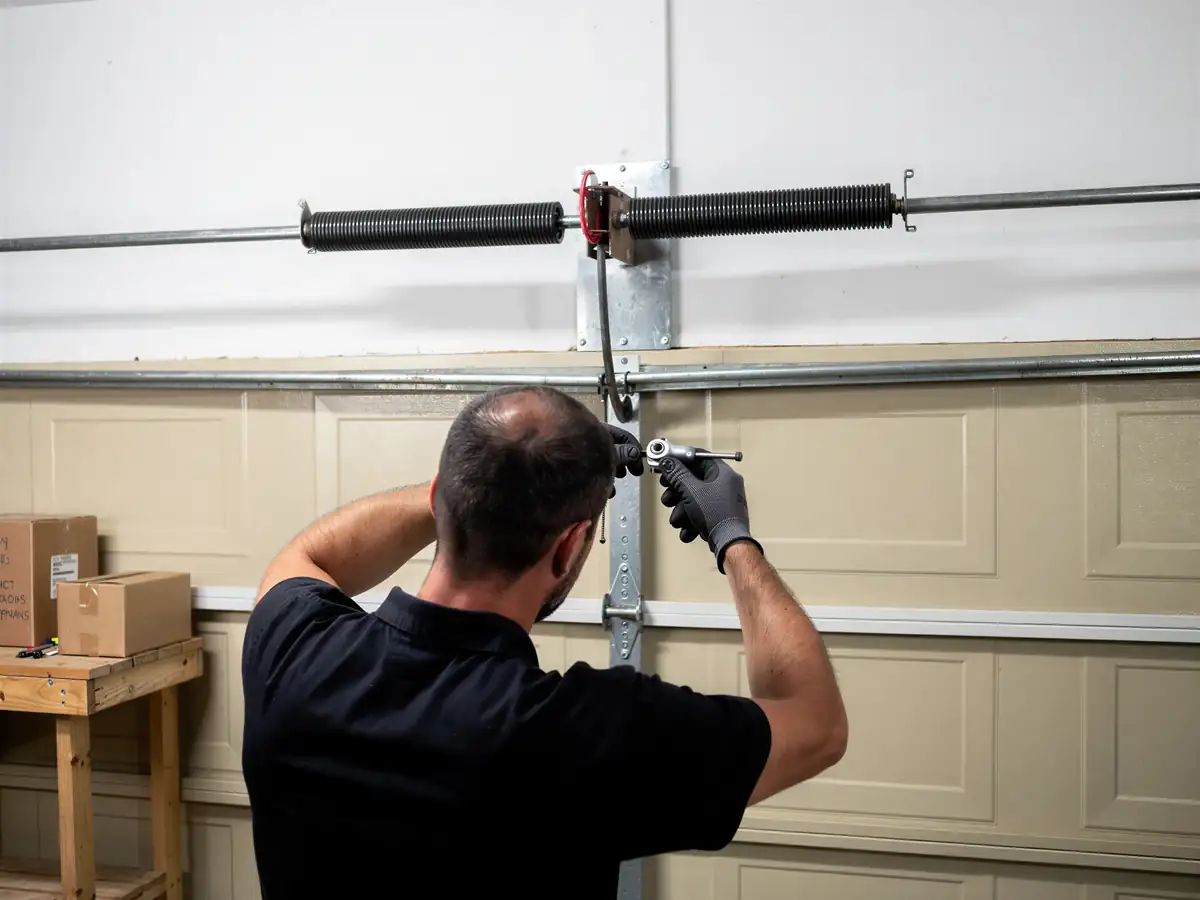
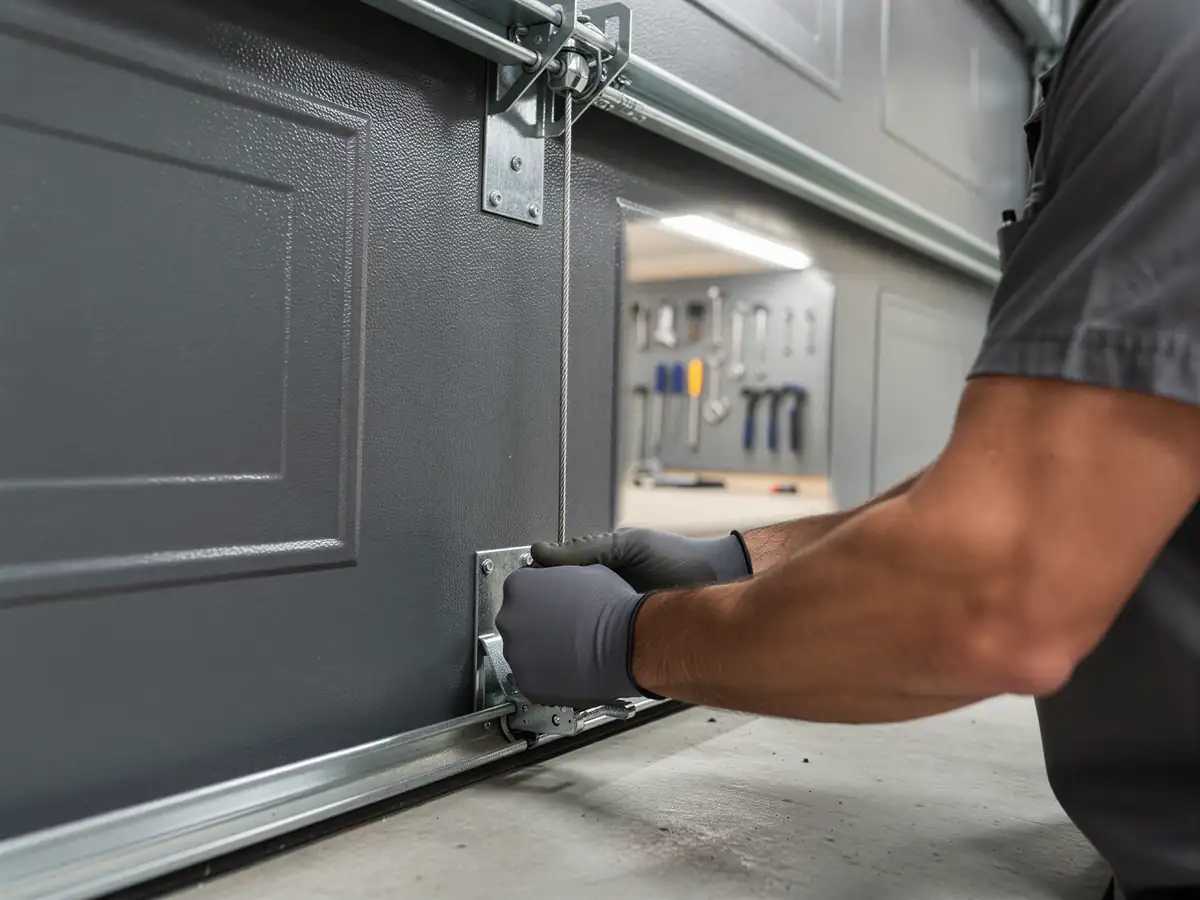
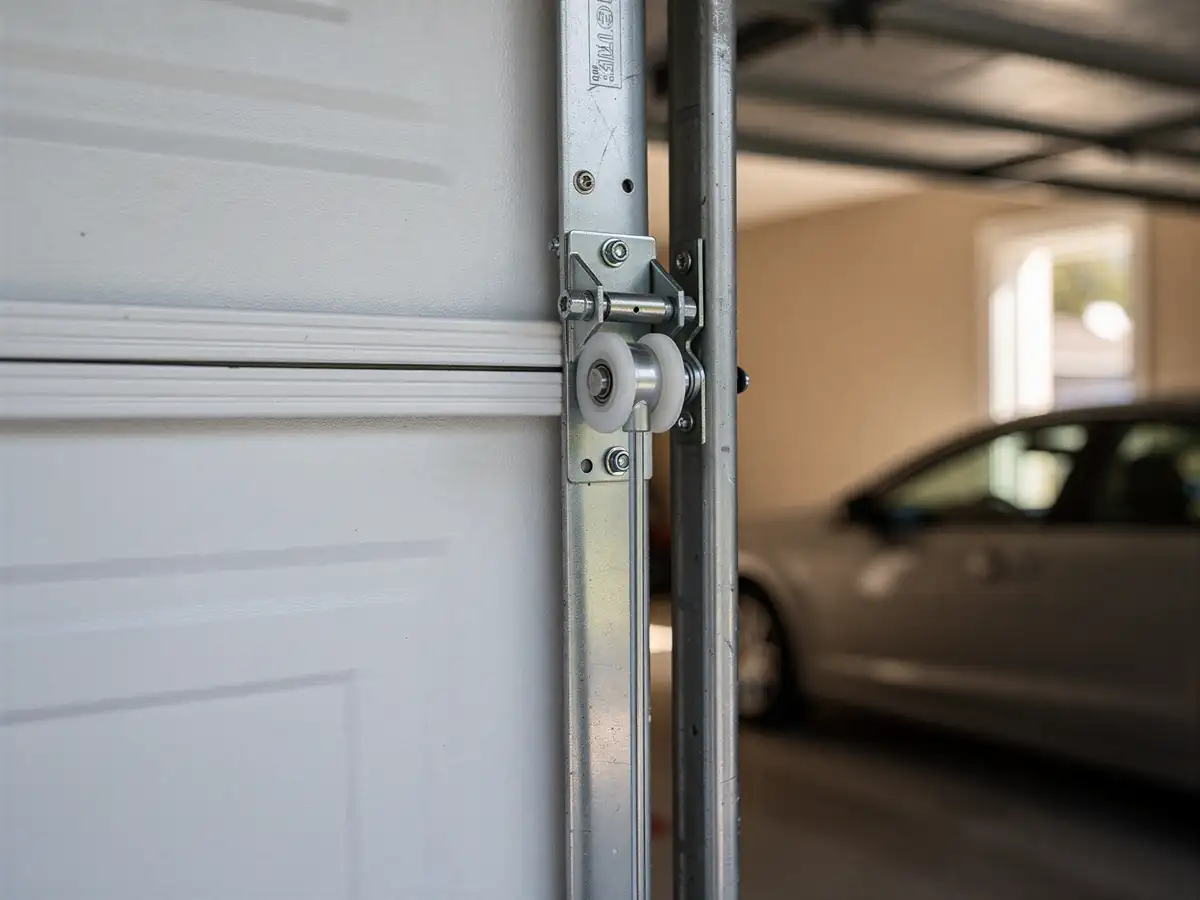
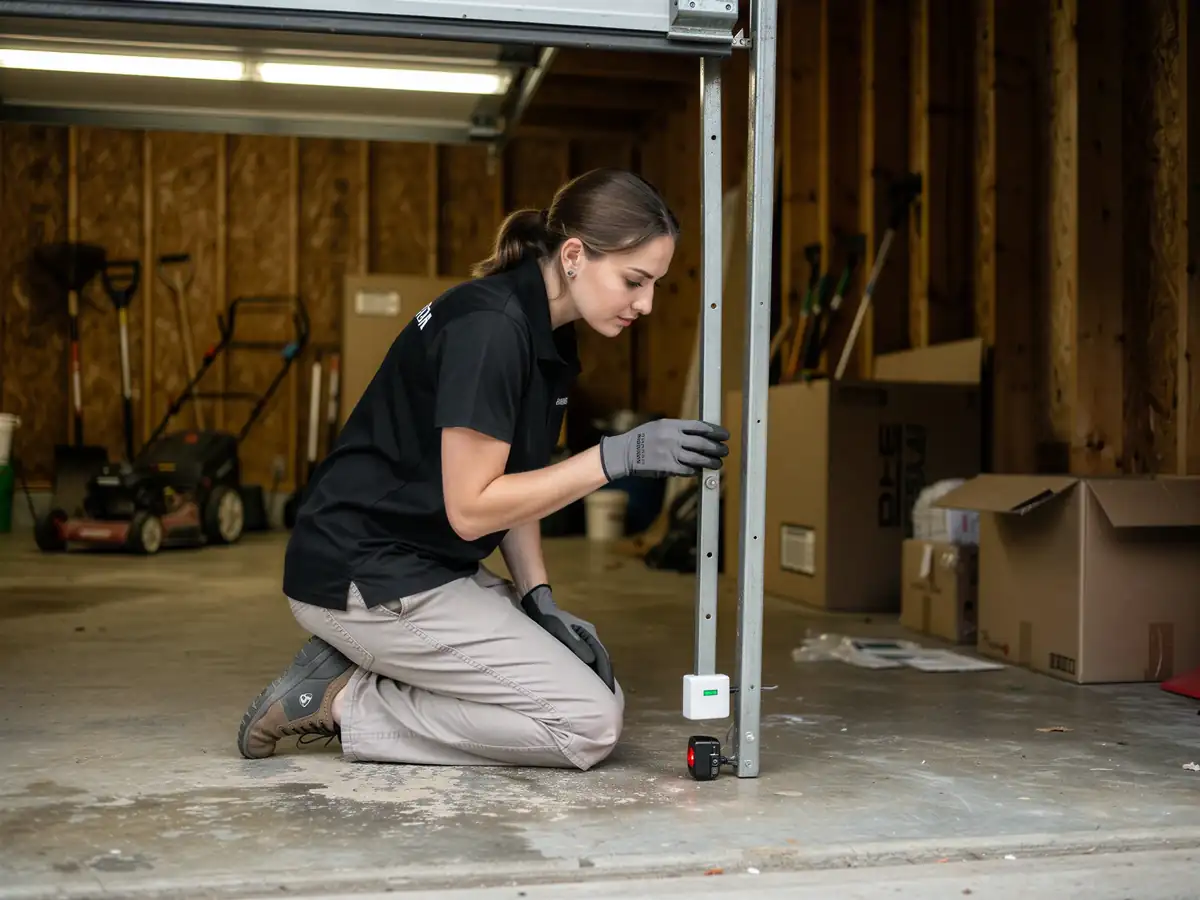
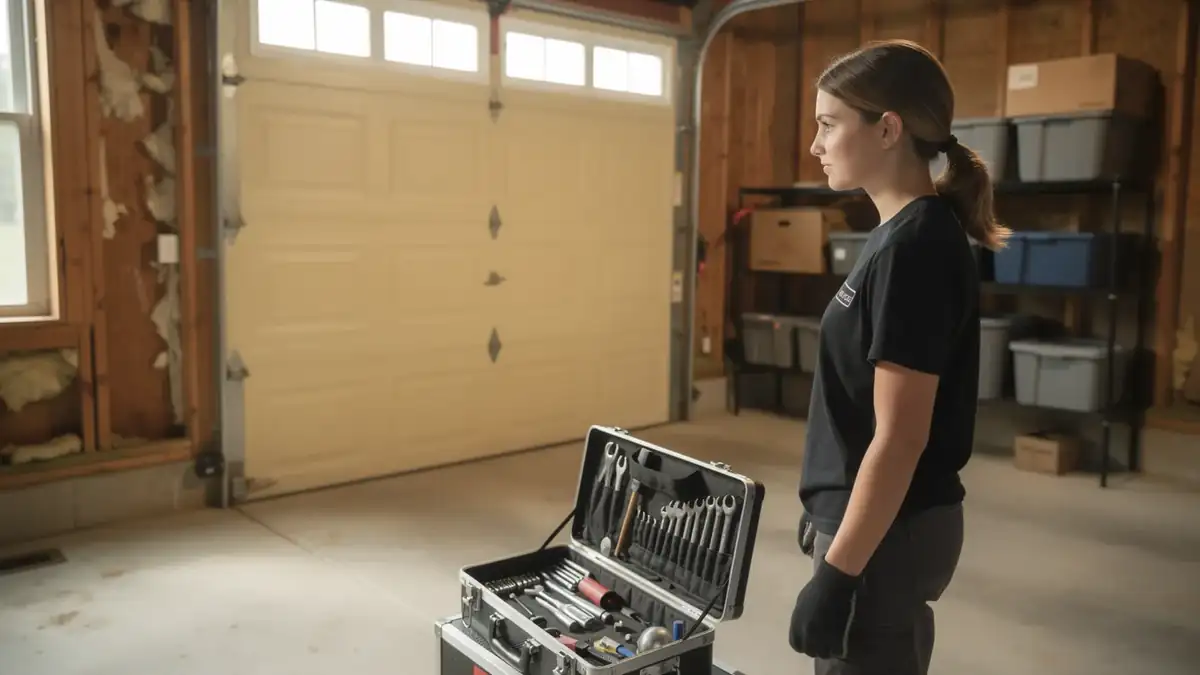
A service call starts with the door itself, not the opener - that's where people usually point first, but it's rarely where the problem starts. On houses built in the 1960s and 70s, which make up most of the stock in this area, we're looking at torsion springs rated for a specific door weight that's often been changed over the decades - a heavier insulated replacement door hung on 50-year-old spring hardware is a common mismatch. We check cable fray at the drum, track alignment (which shifts as the slab settles over decades), and roller wear. Rollers that were fine on a lighter door start grinding once a heavier panel goes up. Only after that do we get to the opener - the gear, the sensors, the travel limits. On a property with original 1970s-era hardware still running, a call usually turns up more than the one symptom the owner called in about, because the parts have been working together, unevenly, for a long time.
What the Weather Here Does to It
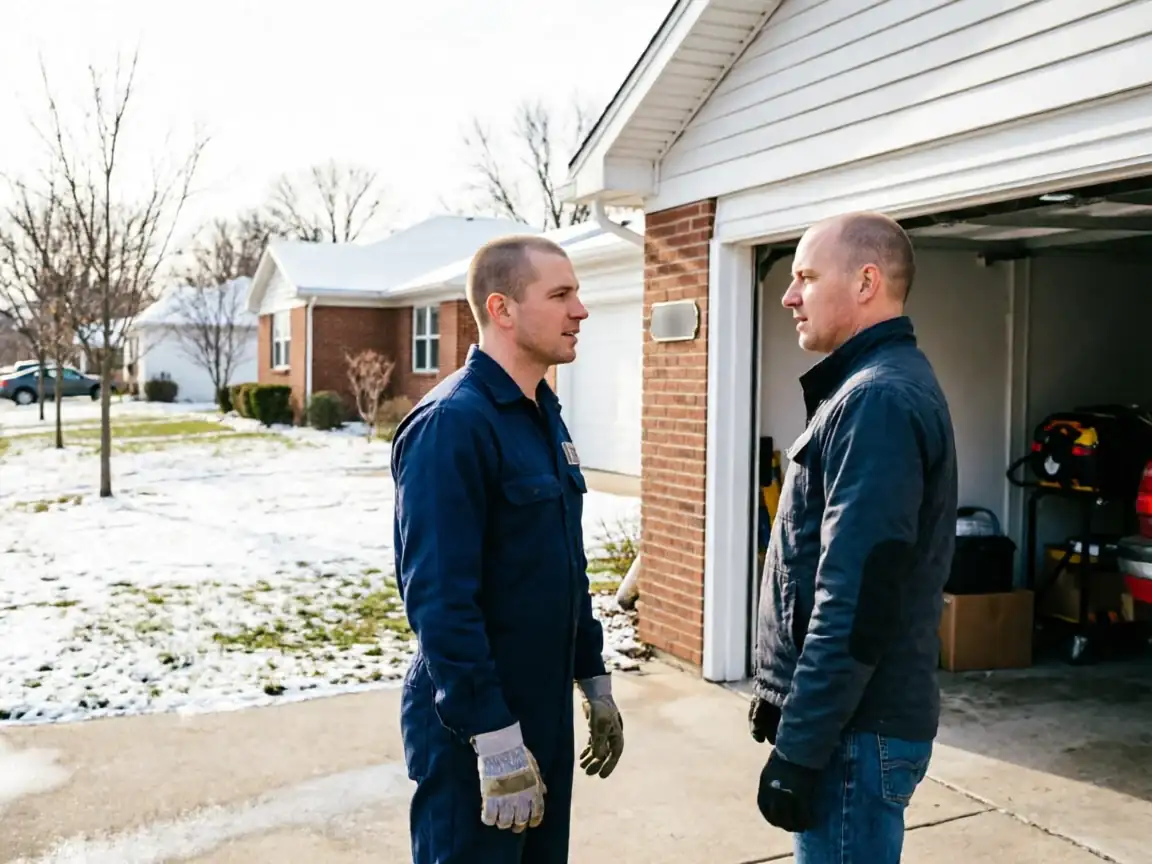
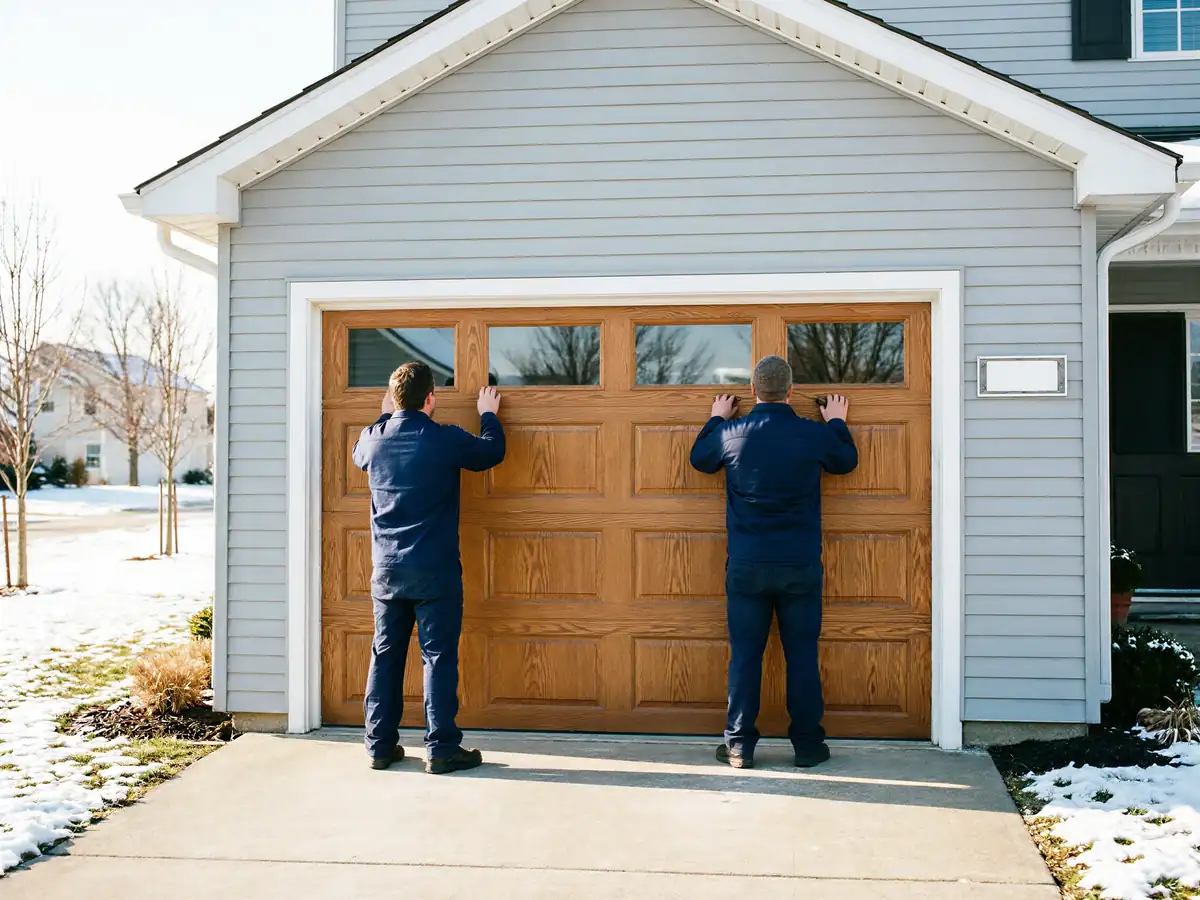
This area sits in a cold-and-severe climate band, and that shows up directly in spring and hardware performance. Steel contracts in deep cold, which changes spring tension and can make a door that closes fine in July bind or reverse itself in January. We see this most on doors with original torsion springs from the 1960s-70s building wave - the metal's fatigued enough already that winter cold pushes it past its working range. Track lubrication also behaves differently in cold; grease that's fine in warm months stiffens up and slows roller travel, which the opener reads as resistance and shuts down on. None of this is unique to one house - it's a function of the climate band this whole area sits in, not an isolated bad part. We check tension and lubrication type as part of a cold-weather call, not just whether the door moves.