Serving Menomonee Falls, WI & nearby
(262) 216-2782
Menomonee Falls, WI

What a Technician Checks First on a Service Call Here

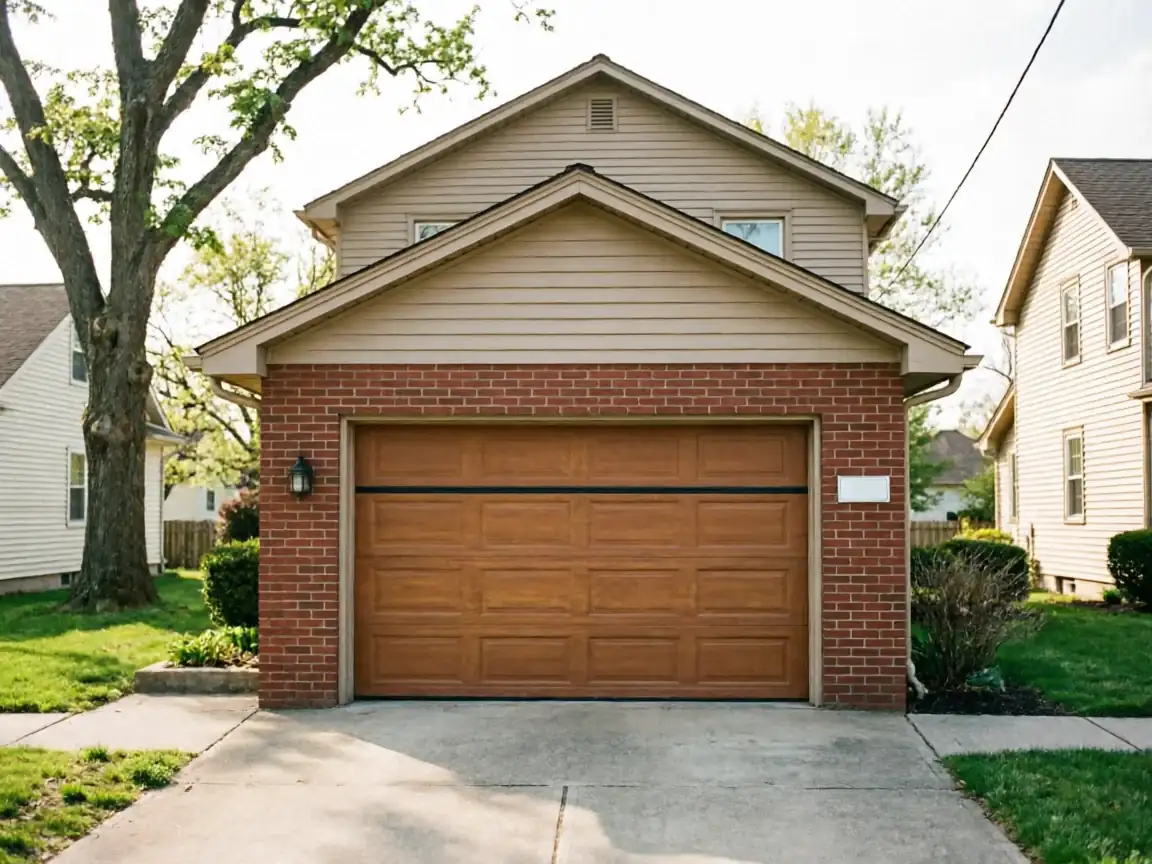
A look at what a Menomonee Falls Garage Door Pros tech checks first, tied to the area's 1938-2000 housing stock and severe cold winters.

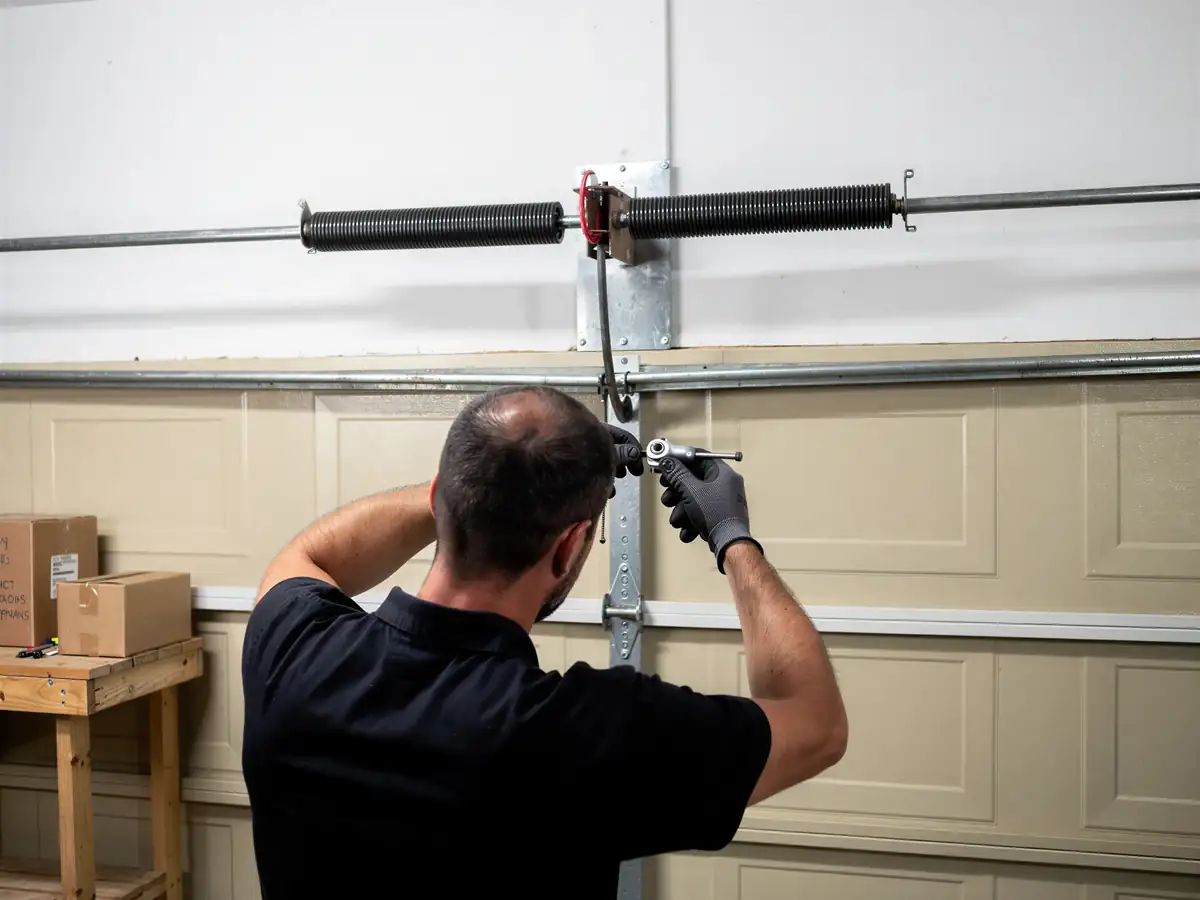
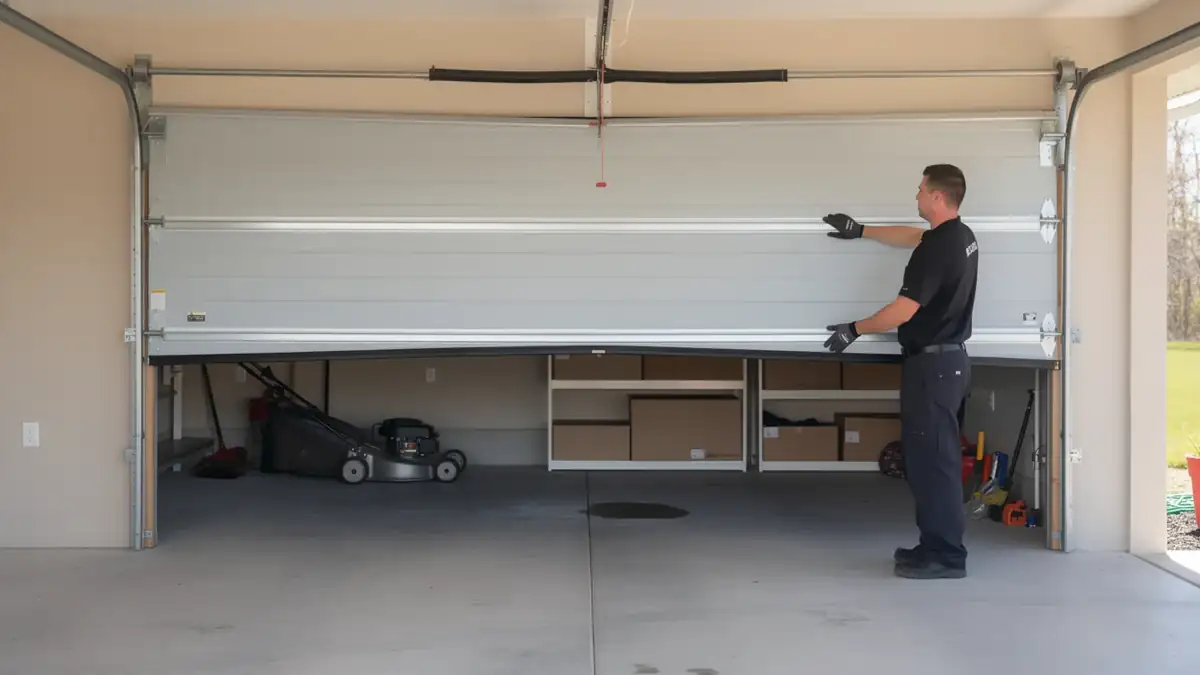
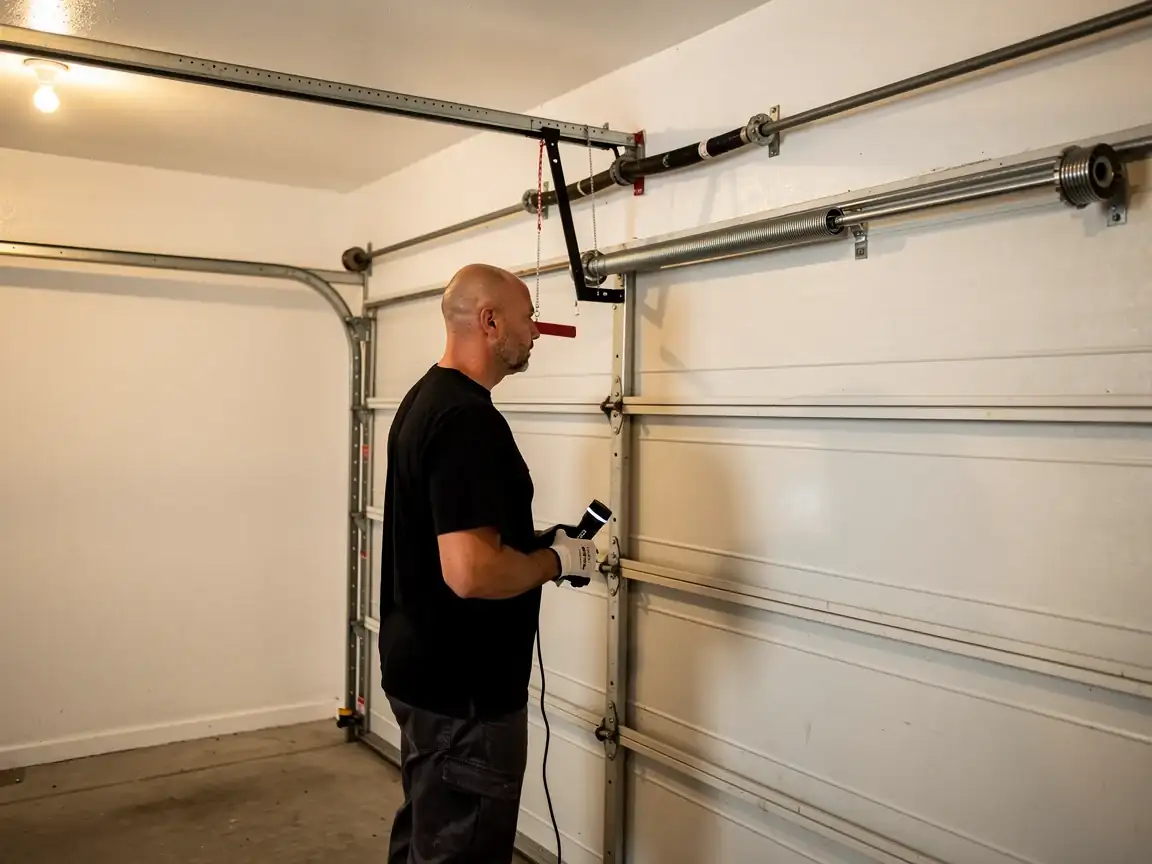
A technician in a black shirt and gloves adjusts a partially open garage door.

The Cost of This Job

We can't quote a number without seeing the door, so we won't pretend to here. What we can tell you is what drives the cost on most calls in this area: age of the hardware and how long the problem sat before someone called. A lot of houses in Menomonee Falls and the surrounding townships went up between 1938 and 2000, with the median landing around 1976. That means a tech is as likely to be pulling a spring size that hasn't been stocked on the truck in years as a common modern one. Older galvanized torsion springs and single-point cable drums take longer to match, and that time shows up in the bill more than the part itself does. If your door is original to a house built in that 1960s-70s wave that makes up most of the stock across the 49 named areas we work in, expect the tech to spend real time just identifying what's actually on your header before touching a wrench. That diagnostic time is part of the job, not an add-on.

What Is Going On

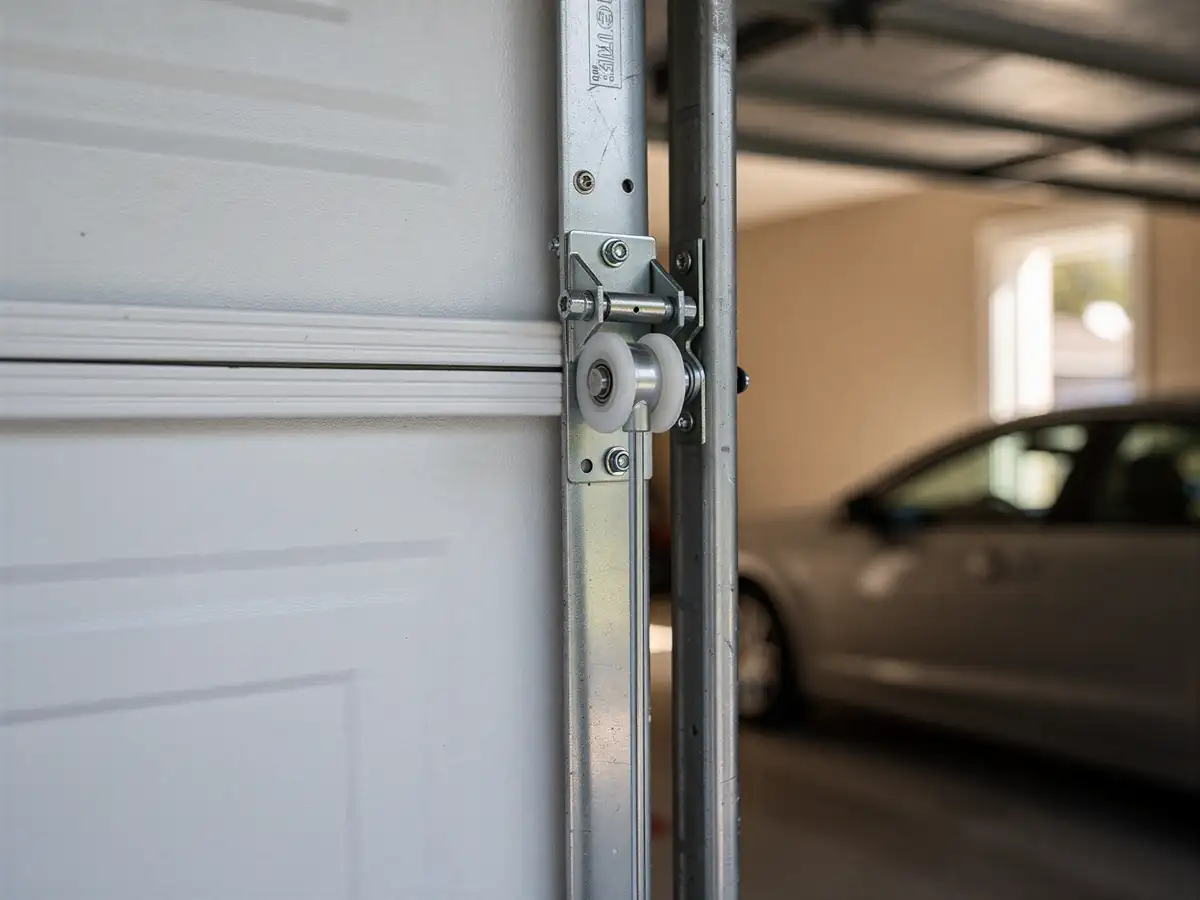
First thing a tech does on arrival is figure out the decade, not just the symptom. A door that won't open could be a snapped spring, a stripped opener gear, or a track that's walked out of alignment - and which one it is tends to track with when the house was built. Homes from the earlier end of that 1938-2000 range often still run original extension springs or early torsion setups that were never upgraded, and those parts behave differently under stress than anything made in the last fifteen years. On the mid-century end, the 1960s-70s stock that dominates most of the named areas around here commonly has steel sectional doors with rollers and hinges that have simply outlived their rated cycles. The tech's first real check is a visual: rust pattern on the spring coils, slack in the cables, and whether the track bolts have backed out of the jamb. None of that is guesswork once you know the house's era - it narrows the list fast.

What the Weather Here Does to It

This area sits in a severe cold climate band, and that changes what a tech looks for before anything else. Cold doesn't just stiffen a spring - it shrinks metal tolerances enough that a door balanced fine in July can bind or drag in January. The first physical check on a winter call is almost always the torsion spring's coil gap and the track's plumb line, because both move slightly as temperatures swing hard across a Wisconsin winter. Lubricant matters too: anything not rated for low temperatures turns to paste in the rollers and hinges, which a tech can usually hear before they see it - a grinding instead of a roll. On older doors from that 1938-2000 build range, the steel itself has had decades of expansion-and-contraction cycling, which is exactly the kind of fatigue that shows up as a crack at the bottom panel seam in a hard freeze, not in July.
The Seasonal Bit

The honest limitation here: we don't recommend chasing every seasonal noise with a service call. A door that groans on the first 20-degree morning of the year and then quiets down once it's cycled a few times is usually just cold hardware working itself loose, not a failure. What's worth a call is a noise that doesn't go away, or a door that's visibly off-balance - it drifts open or shut on its own when disconnected from the opener. Given the severe cold band this area sits in, the heaviest seasonal checks fall right at the hard freeze-thaw transitions, not mid-winter when everything's just stiff and consistent. A tech checking a door in late fall will look at weatherstripping compression first, since gaps there let cold air hit the spring and hardware directly, accelerating the stiffening that causes most of the calls we get once temperatures drop for good.

How it works

From “it’s stuck” to “it’s fixed”

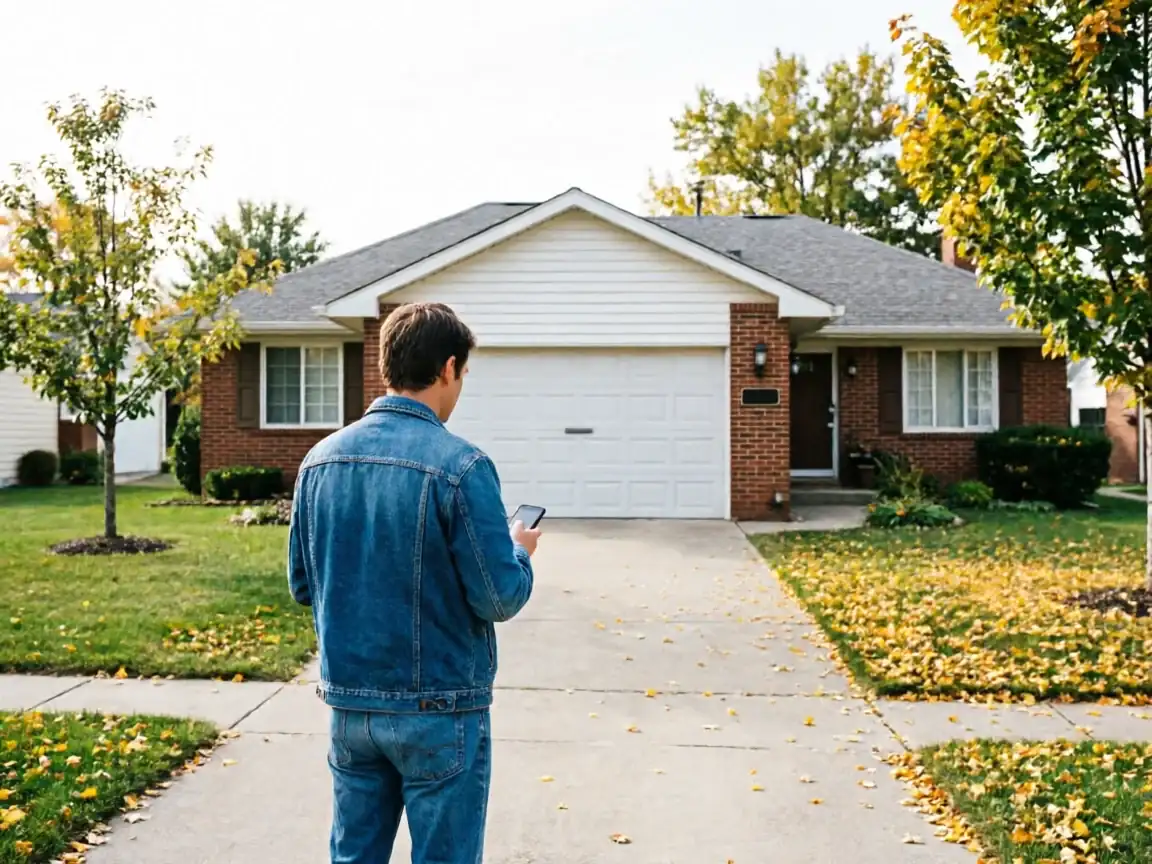
A man in a denim jacket stands in a driveway looking at his phone.

Tell us what’s wrong

Describe the symptom - won’t open, loud bang, opener runs but the door won’t move.

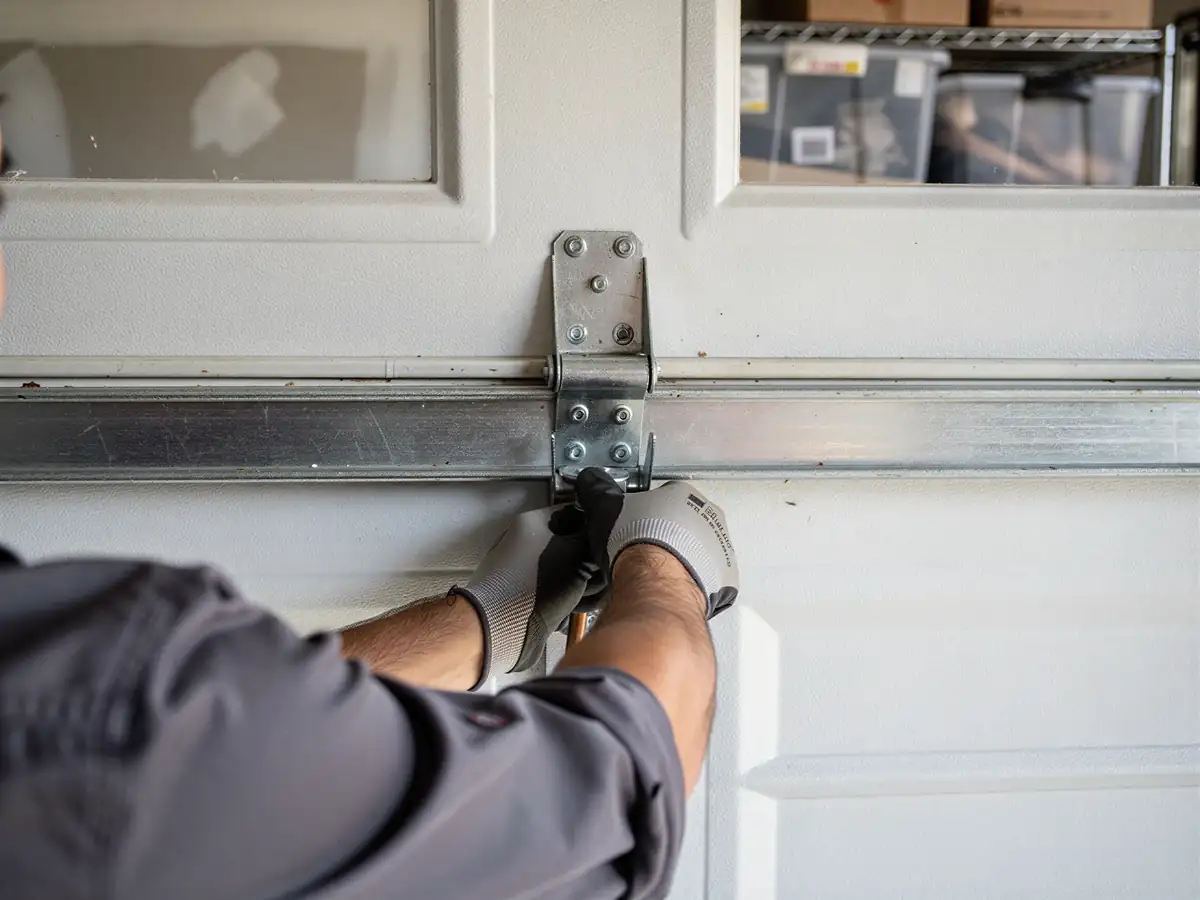
A technician works on a white garage door with visible springs and tracks.

On-site diagnosis

A technician tests the door under power and by hand and finds what actually failed.

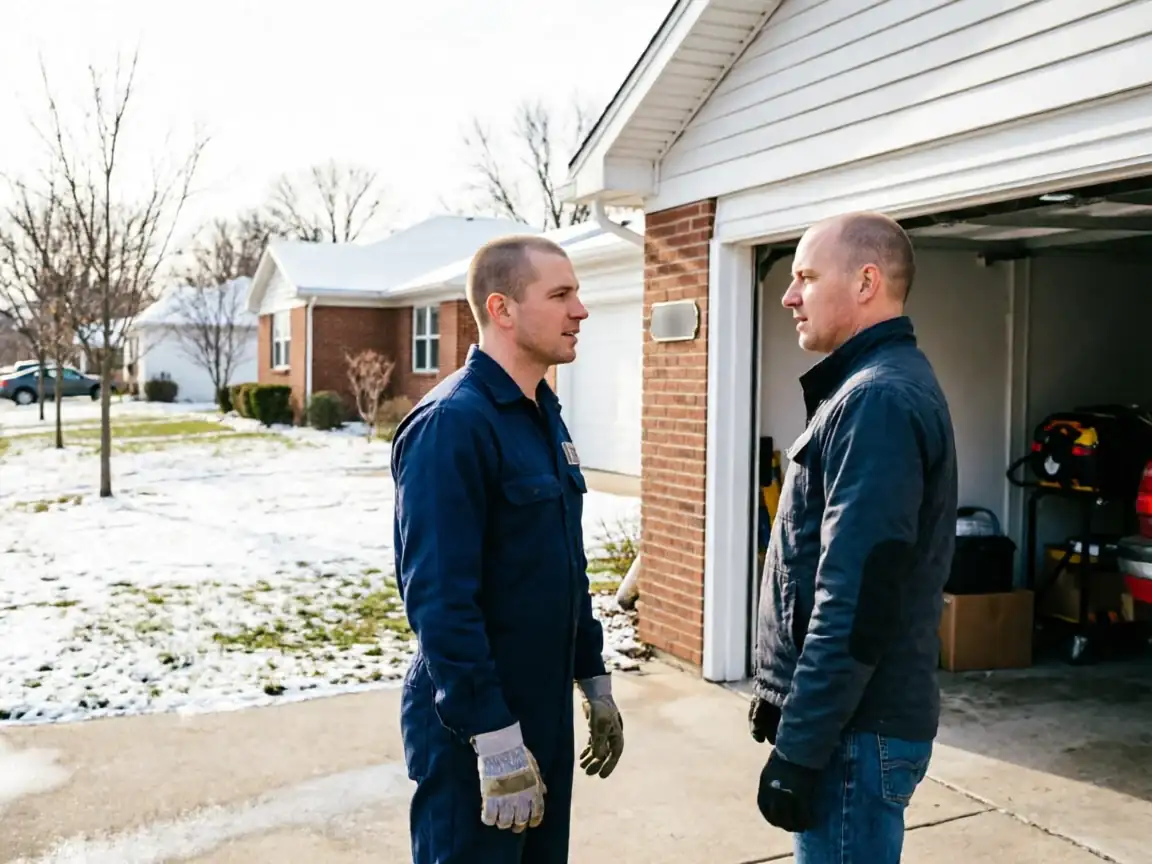
A technician in a blue jumpsuit talks to a man in front of a garage.

Clear, up-front plan

You get the fix that’s needed and what drives the cost - before any work starts.

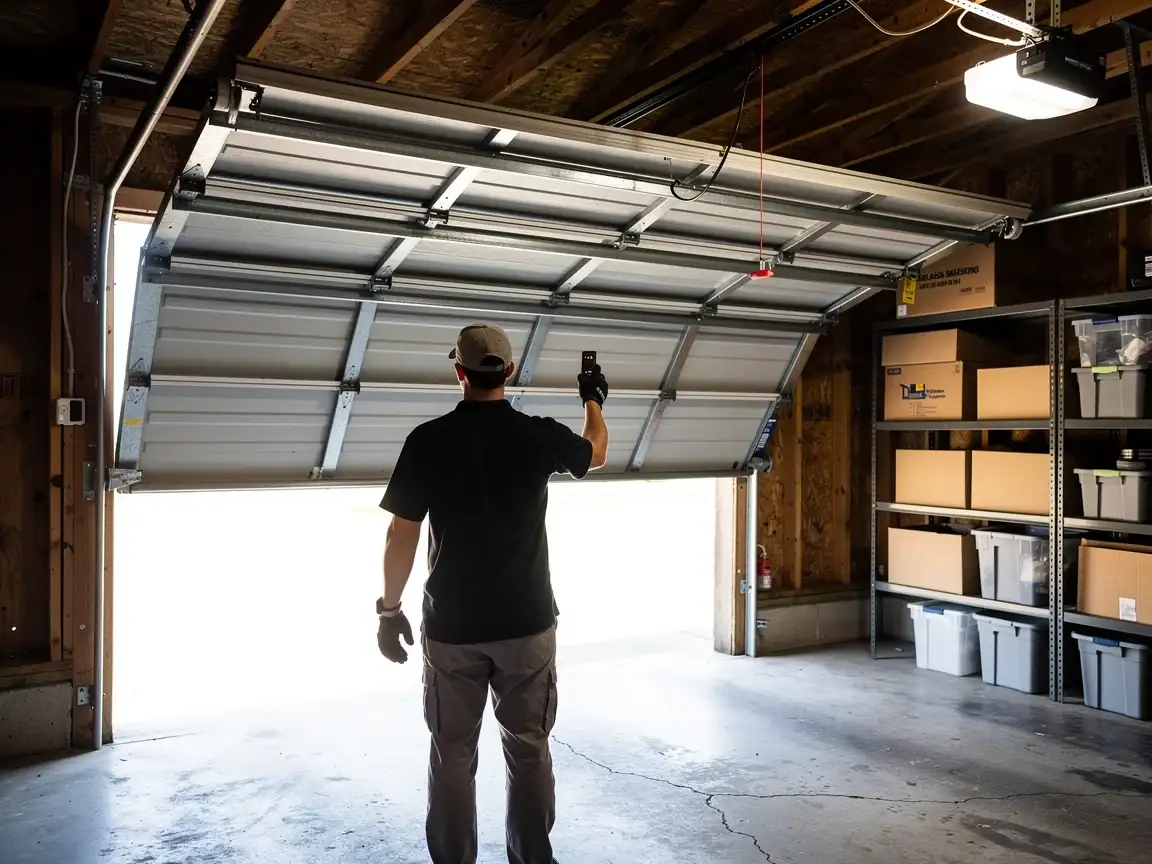
A technician operates a partially open garage door with a remote control.

Repaired & tested

The repair is done, the door is set true and tested, and the work area left clean.

Not sure which repair your door needs in Menomonee Falls, WI? Describe what it’s doing - every job starts with a diagnosis.

How we work

What to expect

A straight, honest approach on every Menomonee Falls job - diagnosis first, the right parts, and clean work.

01

Diagnosis first

Every visit starts by finding what actually failed - not a pre-written parts list.

02

The right part for the door

Springs and openers matched to the door’s weight and age, so the fix holds up.

03

Straight answers

When a repair makes more sense than a replacement - or the reverse - you hear it plainly.

04

Clean, careful work

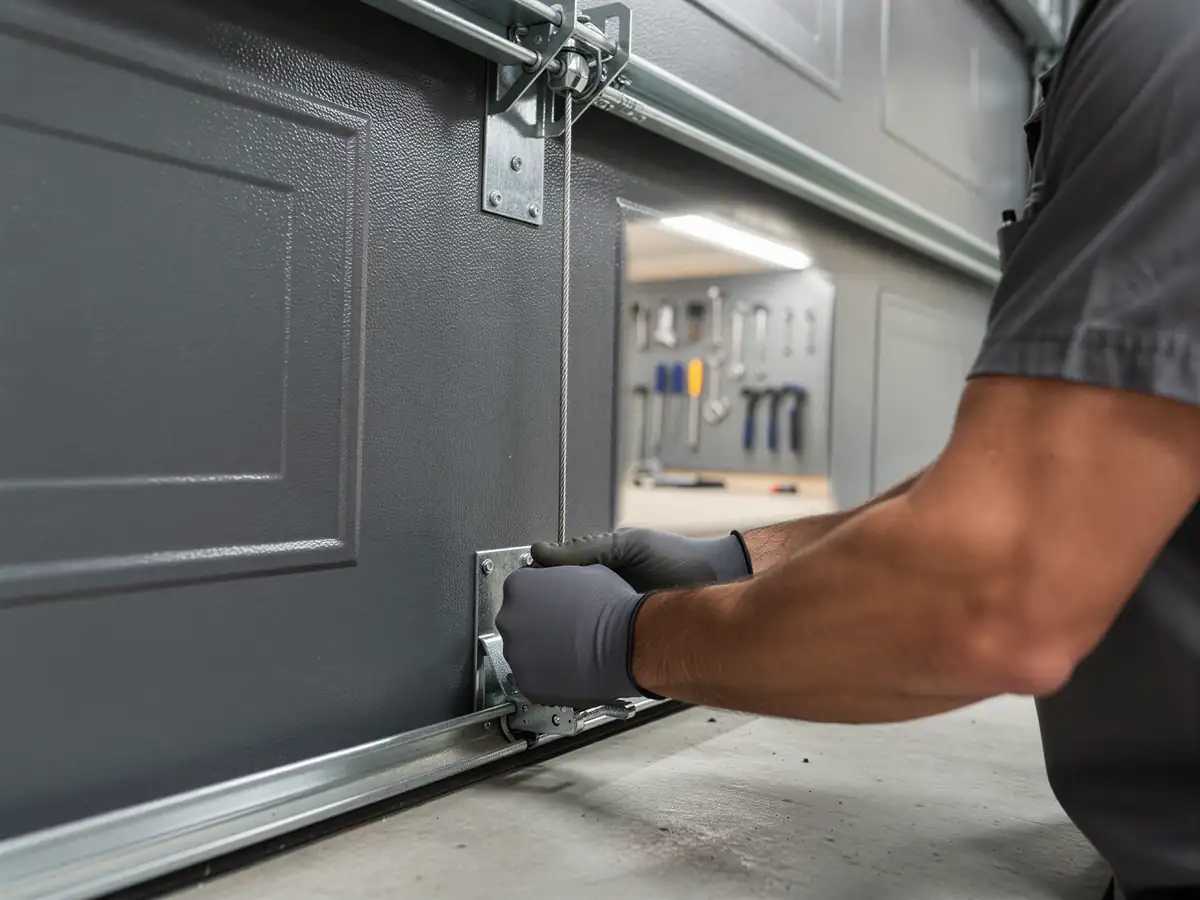
Tension released safely, hardware set true, the door tested under power before we leave.

What we do

Garage Door Services

Repair and installation work for Menomonee Falls homes and businesses.

Questions

Frequently asked

Straight answers about garage door repair in Menomonee Falls. Still unsure? Ask us directly.

Why does my garage door get louder in the winter?

Cold makes metal contract and lubricant thicken, so rollers and hinges that were quiet in summer start grinding. In this severe cold climate, that's one of the most common calls we get once temperatures drop hard. It's usually hardware stiffening, not a broken part, but a tech should confirm the spring tension is still correct.

Is my door's age actually a factor, or is that just a sales pitch?

It's a real factor here. Housing in this area was built mostly between 1938 and 2000, median around 1976, so a lot of doors still run original torsion or extension hardware that's decades past its rated cycle count. A tech checks the build era first because it tells them what parts to expect before opening the panel.

Do you serve areas outside Menomonee Falls?

We work across the surrounding area, including places like Butler, Germantown, Sussex, and Lannon. Distance and the age of the housing stock in each area factor into what a tech expects to find on a call.

Ready to get your garage door sorted?

Tell us what it’s doing and where you are in Menomonee Falls - we’ll take it from there.

Request a QuoteCall