What the Housing Means for Your Door
Sussex sits newer than most of the area we cover
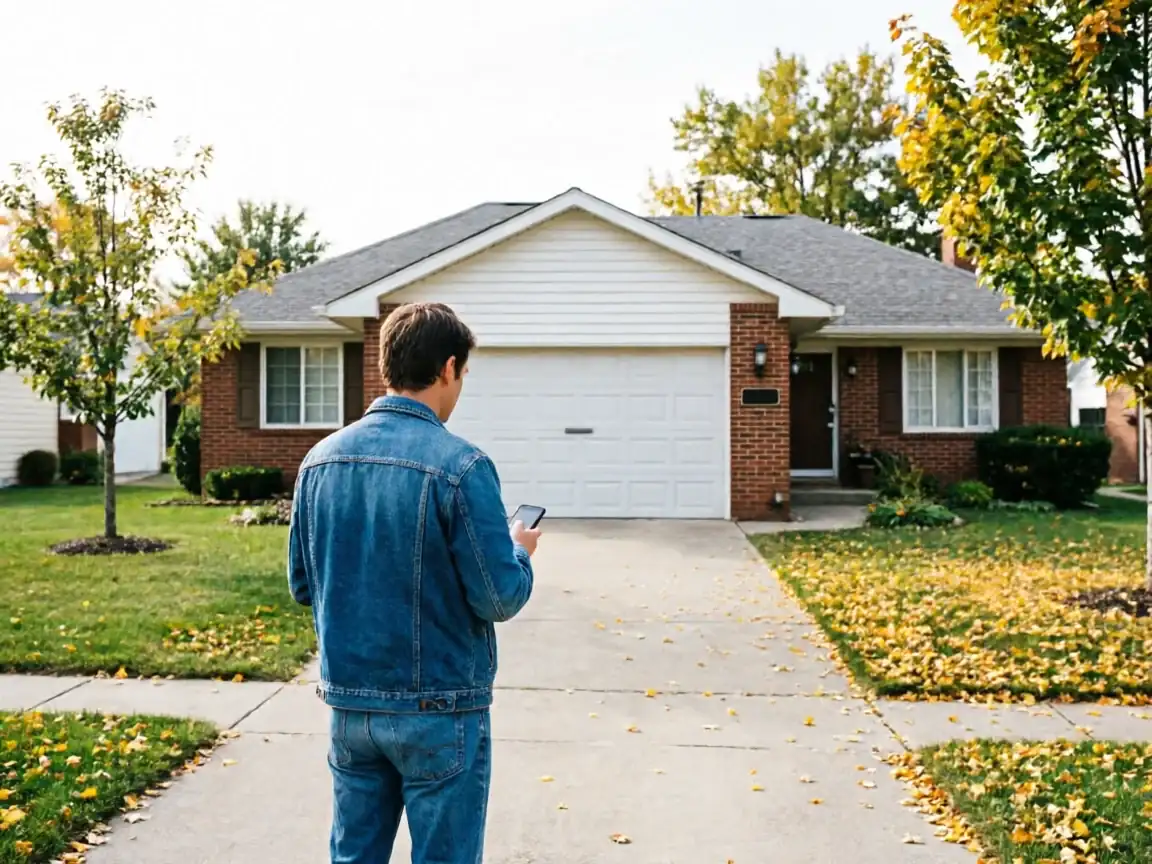
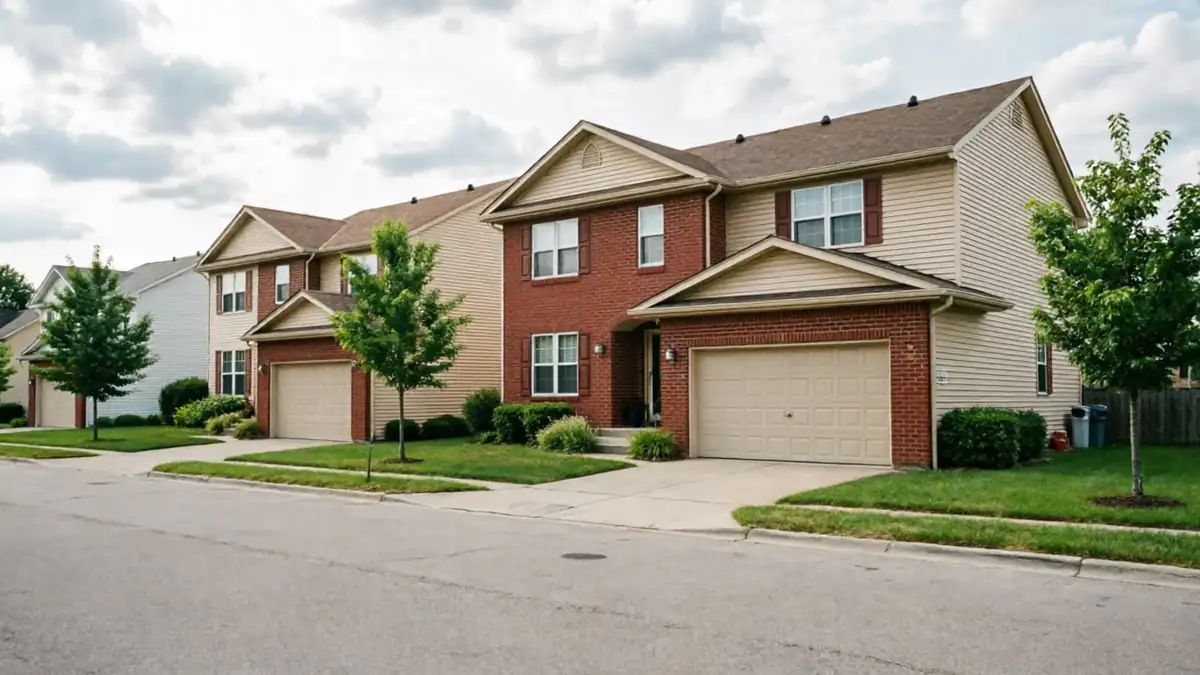
Across our wider service territory the typical house dates to 1976, with stock stretching back to 1938 and a lot of it concentrated in 1960s and 70s builds. Sussex doesn't match that pattern. A big share of homes here went up closer to 1993, which puts the typical garage door and opener a full generation ahead of what we see in the older pockets of the territory.
That matters for the actual hardware
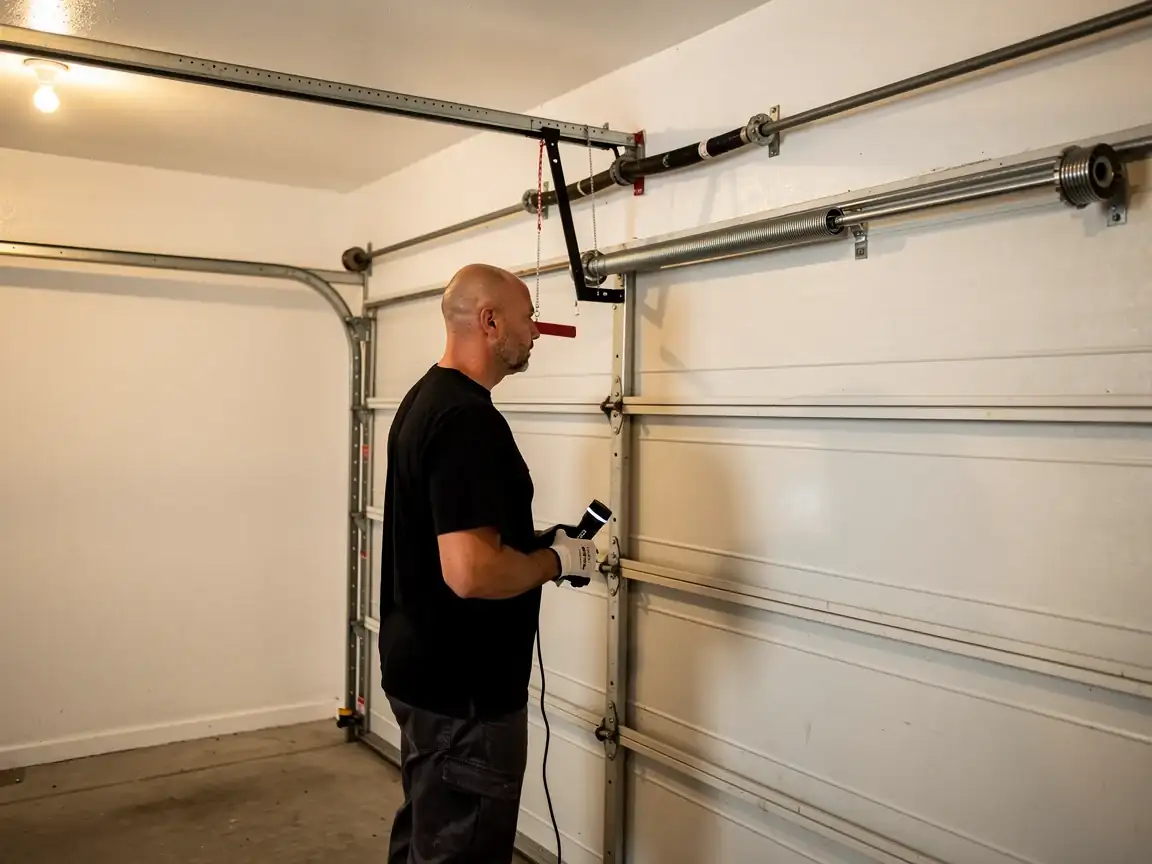
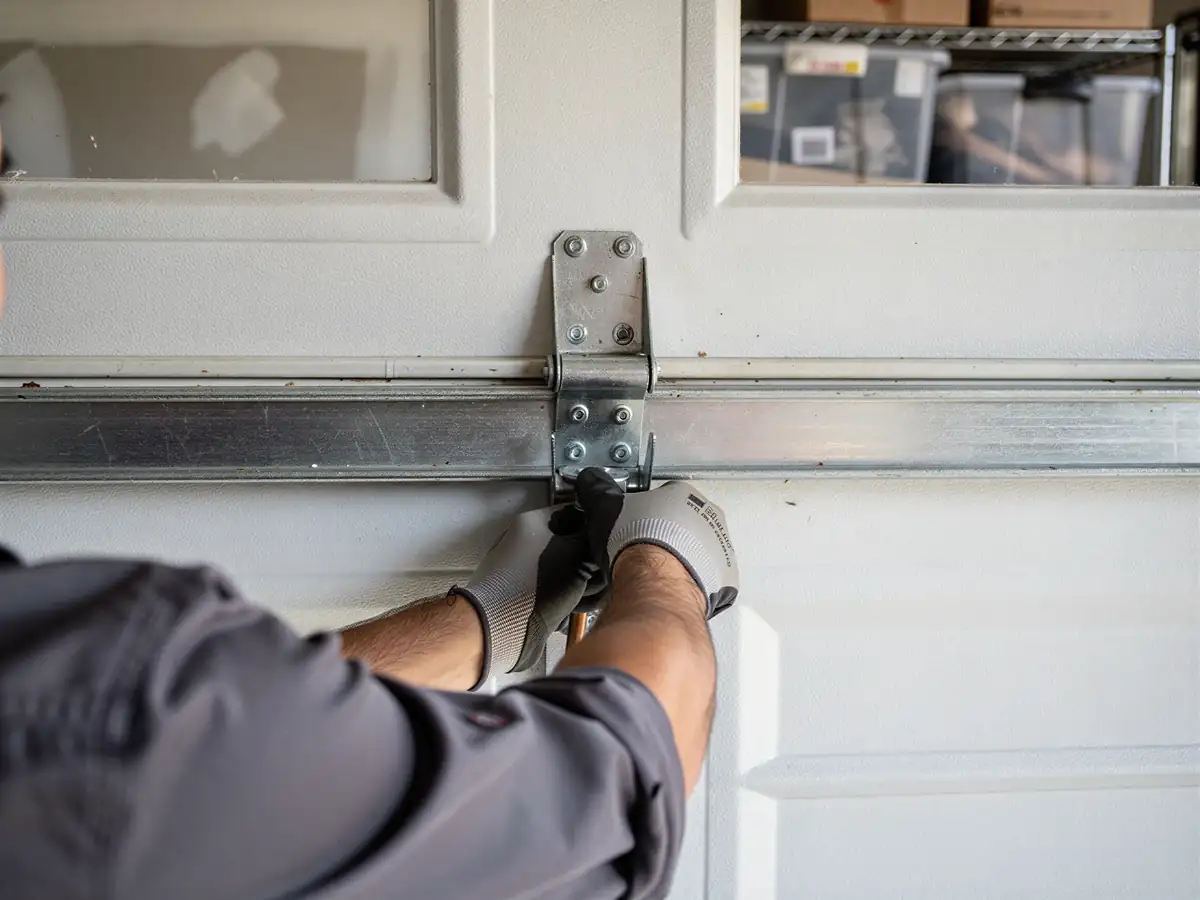
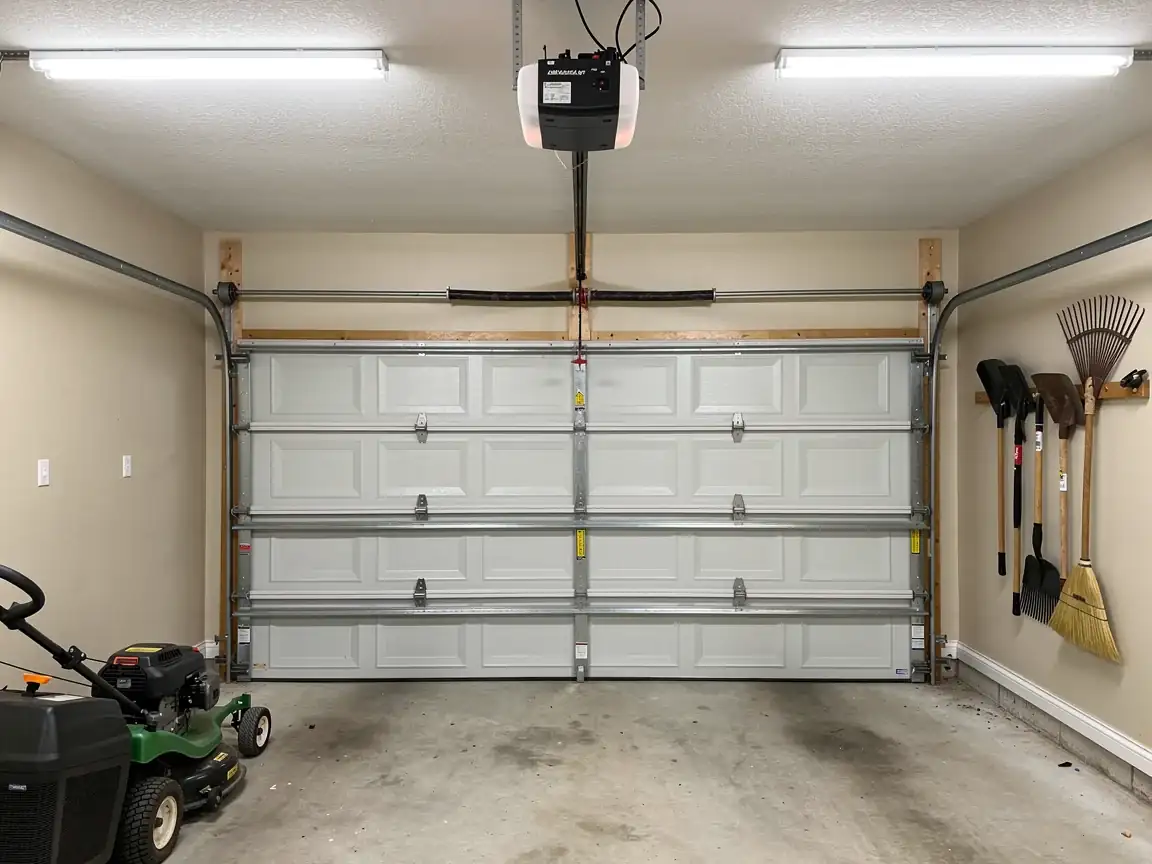
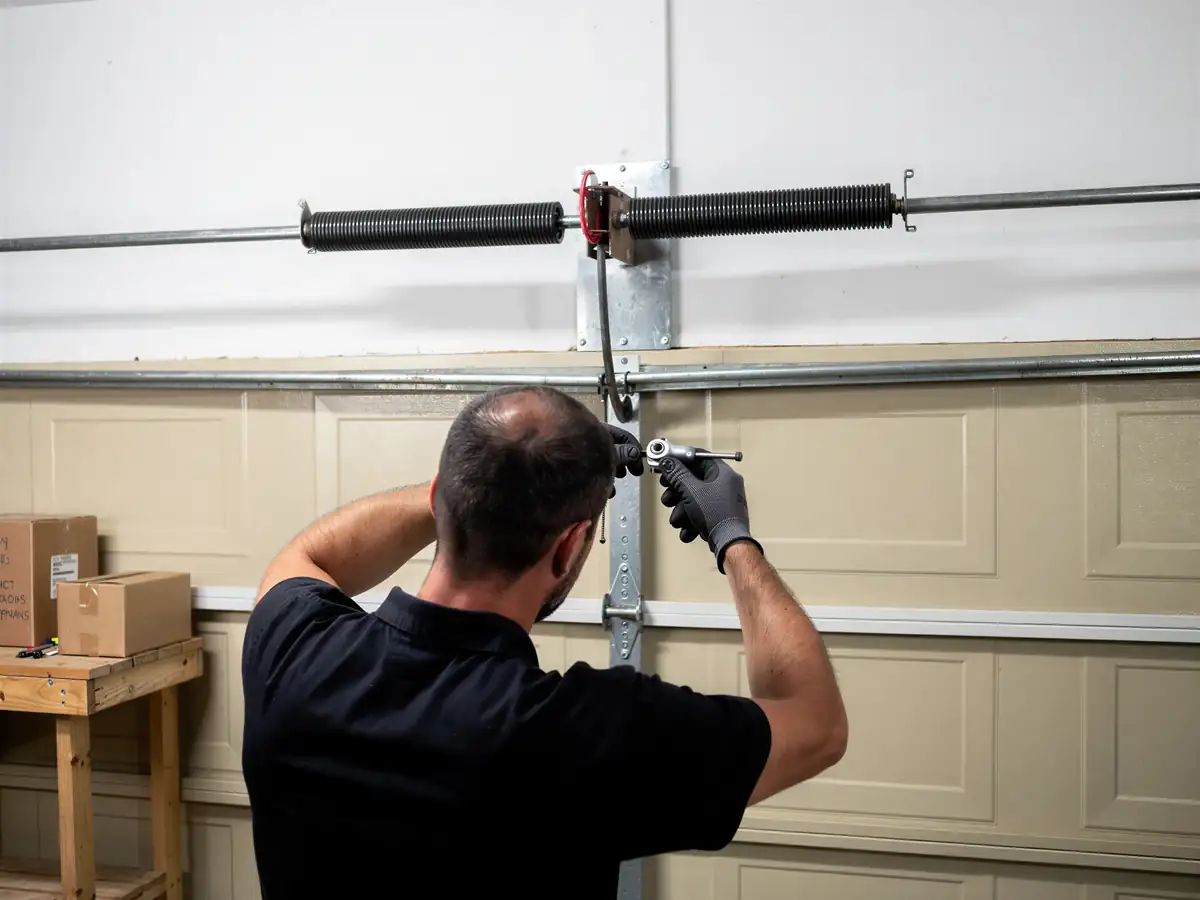
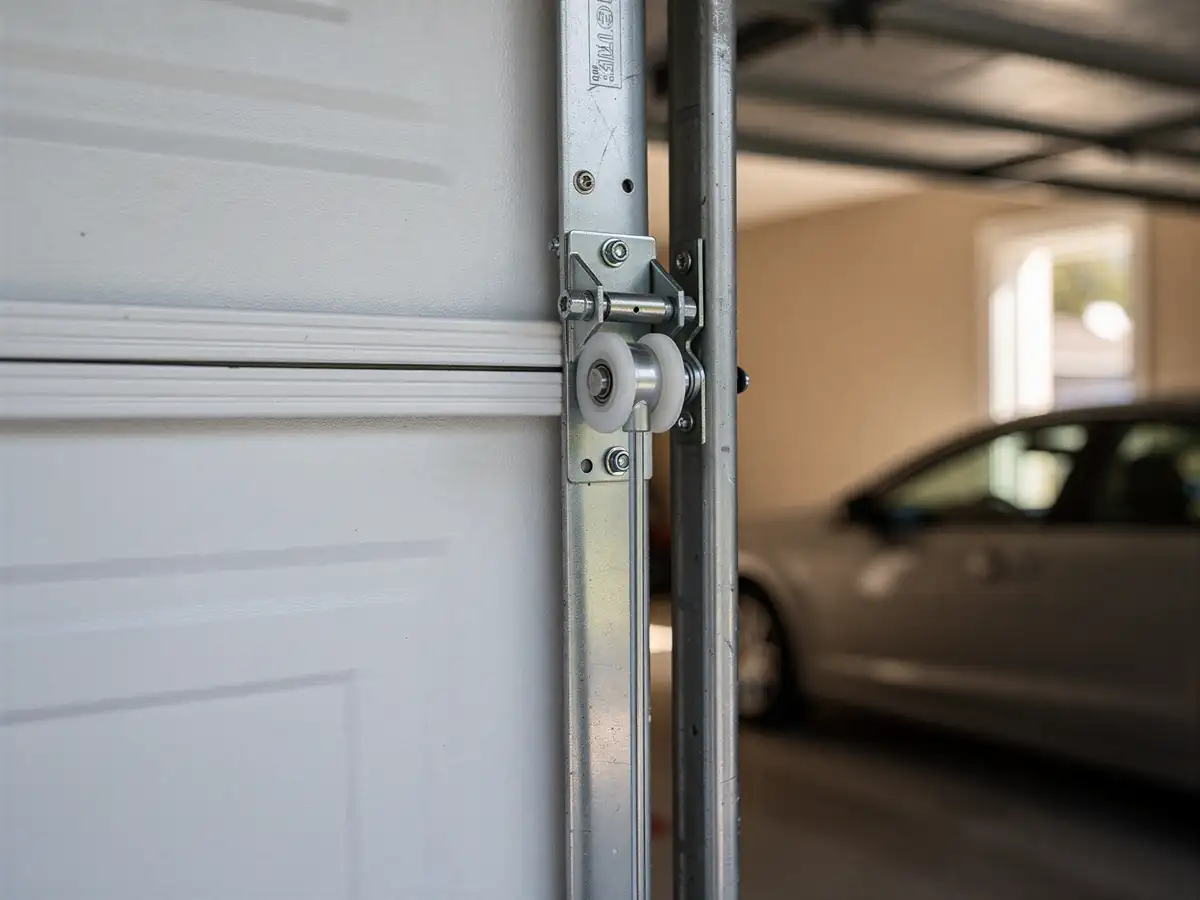
A 1993-era house is more likely to have a steel sectional door on extension springs or an early torsion setup, plus a chain-drive opener that's since been swapped once or twice by a previous owner. You don't see as much of the old one-piece tilt-up hardware here that still turns up in the 1960s neighborhoods. The failure points shift too - in a newer build, we're usually dealing with worn rollers, a stretched cable, or an opener logic board that's finally quit, rather than the obsolete torsion drums and reversed-wind springs that come with pre-1970 construction.
The honest limitation
A 1993 door frame and track are standard sizing, so parts are easy to source. If your house is one of the older outliers built before that wave, tell us the age when you call - it changes what we bring on the truck.
The Drive Over
Sussex is about 6 miles from our shop in Menomonee Falls. That's a short run, and it means we're not guessing at drive time or padding a window to cover distance - it's a straightforward trip up the road, not a cross-county haul like some of the farther towns we reach.
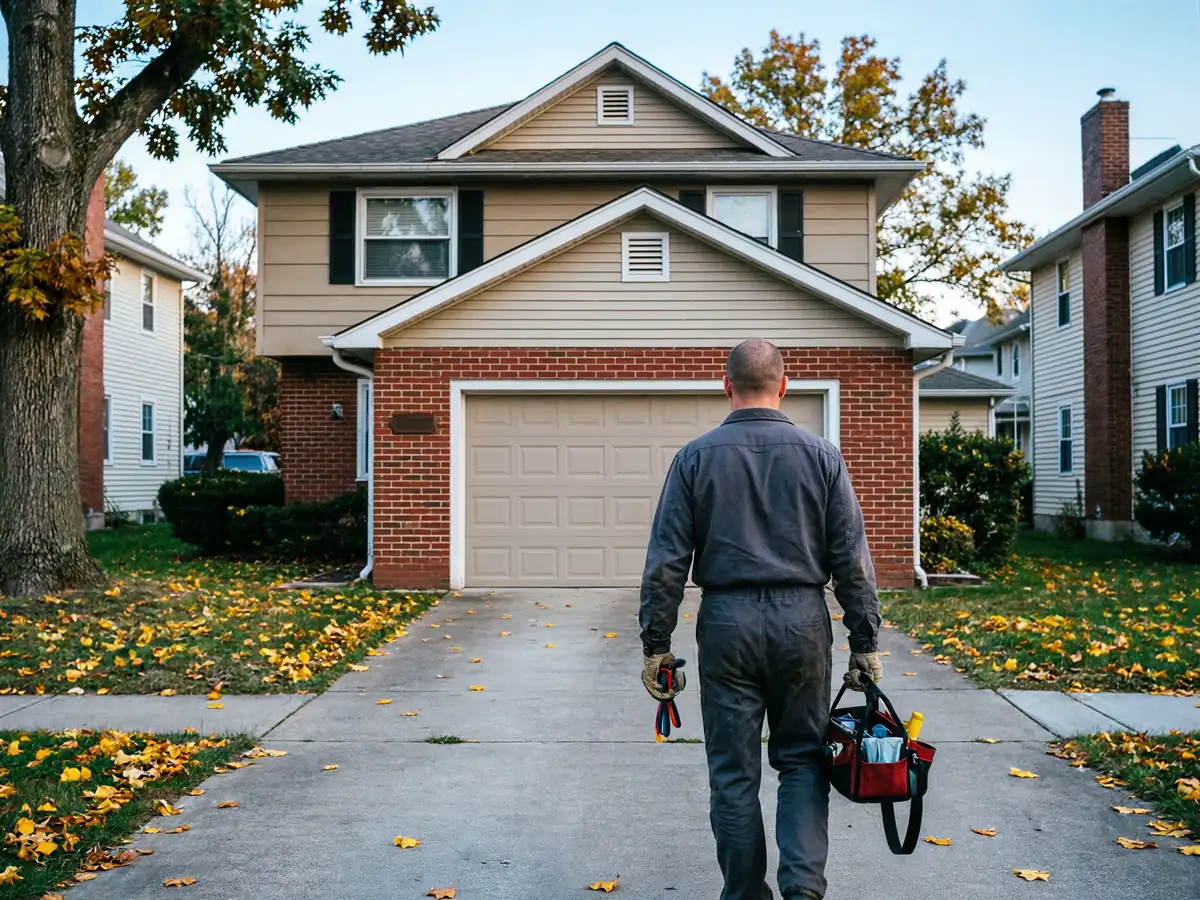
We don't keep a second location or a drop point in Sussex. Every job here starts with a truck leaving Menomonee Falls, stocked for the call based on what you tell us on the phone. For a spring job or opener swap that's rarely an issue, but if you need an unusual panel size or a rare door hardware set, let us know in advance so we can bring the right parts rather than making a second trip.
Common Jobs Here
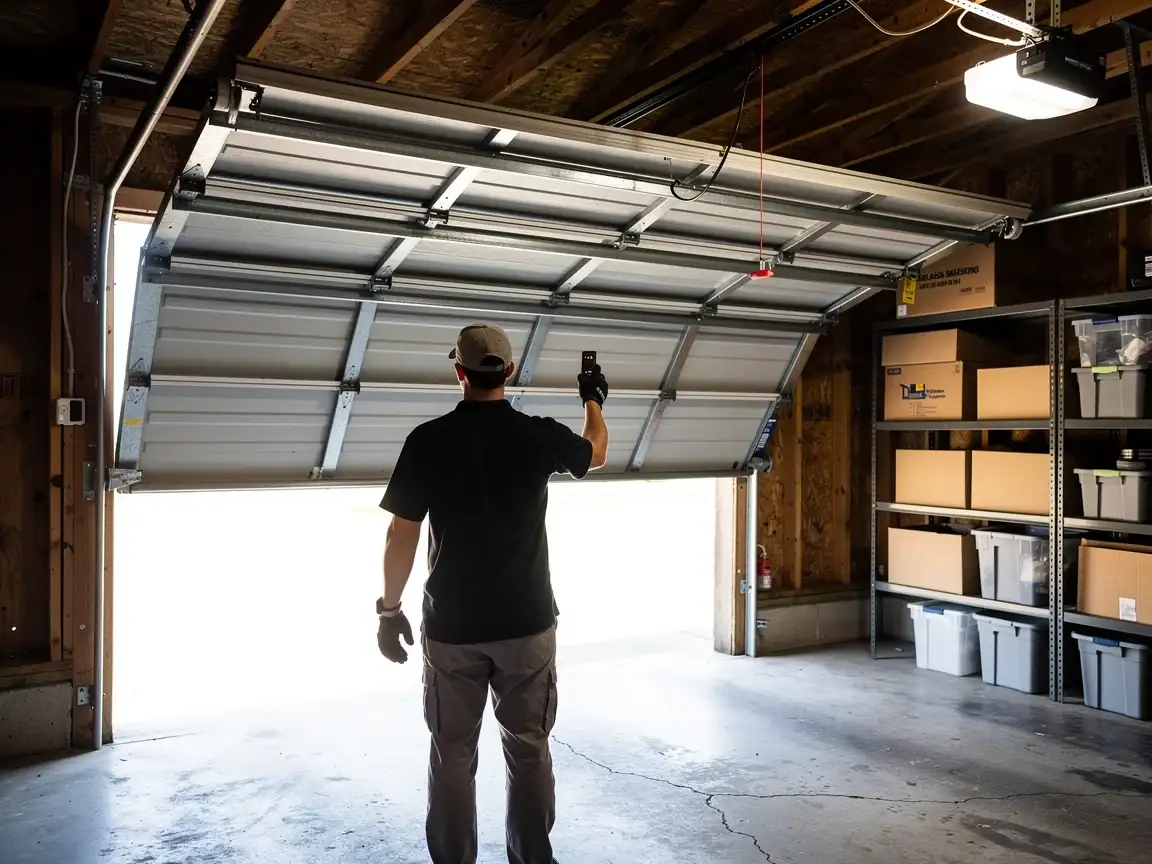
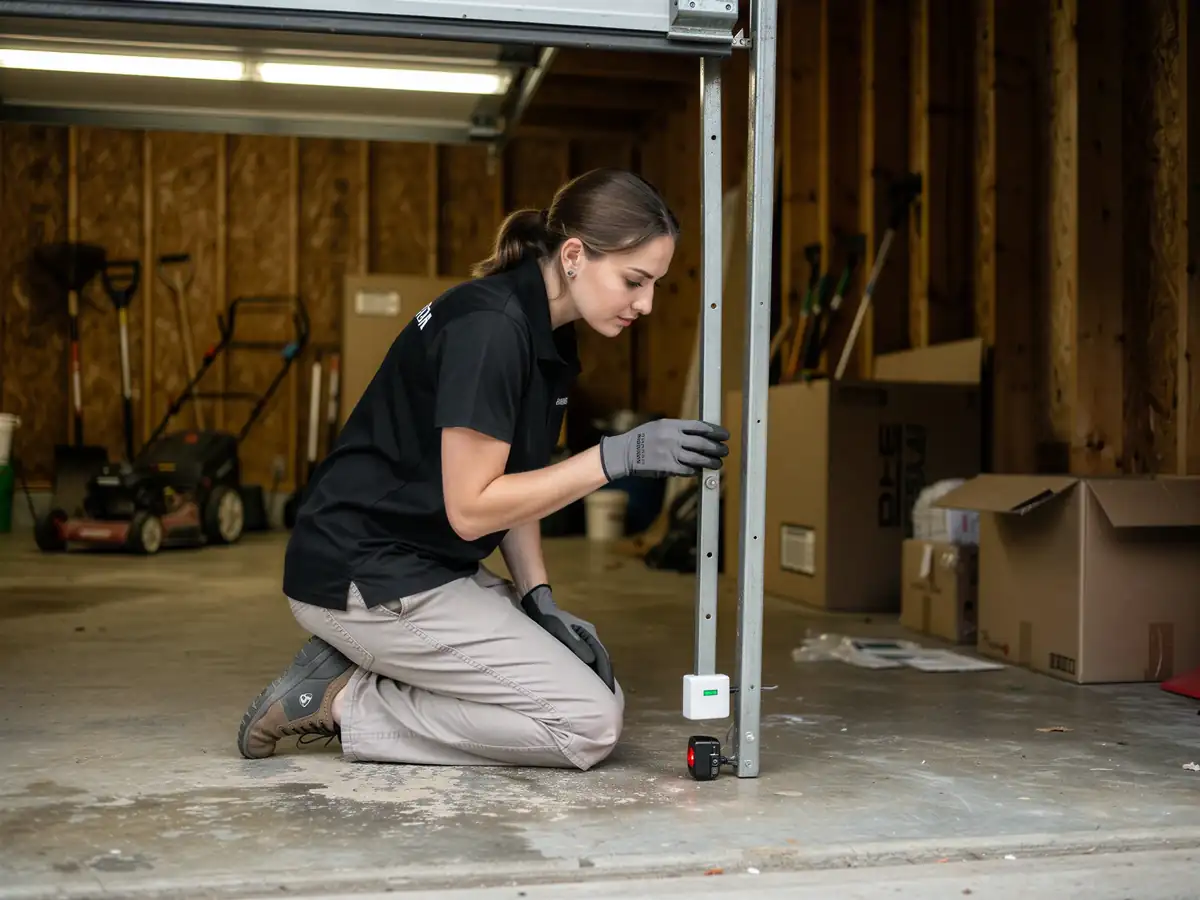
Given the 1993-median build year, the most common calls we get from this area are broken extension or early-generation torsion springs, worn nylon rollers, and opener failures on chain-drive units that are reaching the end of their service life. We also see a fair number of safety-sensor and circuit board issues - openers from that era are old enough now that the original electronics are the weak point, even when the door itself still tracks fine.
Winter changes the job mix. The area sits in a cold, severe climate zone, and in Sussex that mostly shows up as hardened grease in older rollers and springs that lose tension faster in sustained cold, not structural damage to newer doors. We get more no-start opener calls after a hard cold snap than we do broken panels.
We don't do cosmetic refinishing or custom architectural door builds - if a 1993-era steel door is still sound, we'll tell you straight that a repair beats a full replacement, rather than selling you a door you don't need.
The Houses Here
With roughly 4,679 households in Sussex and a median household income of $112,031
This is a higher-income pocket relative to the service area median of $104,337. That tends to mean owners who replace an opener before it fully dies rather than running it into the ground, and who are more likely to ask about insulated doors or quieter belt-drive openers when something finally needs swapping.
- 4,679 households
It also means fewer of the original builder-grade doors are still in service here than in older
Lower-turnover parts of the territory. We still find the occasional holdout - a 30-year-old door that's been maintained well enough to outlast its opener twice over - but replacement work in Sussex skews toward upgrades homeowners choose, not emergency fixes on doors nobody's touched in decades.