Why This Fails Locally
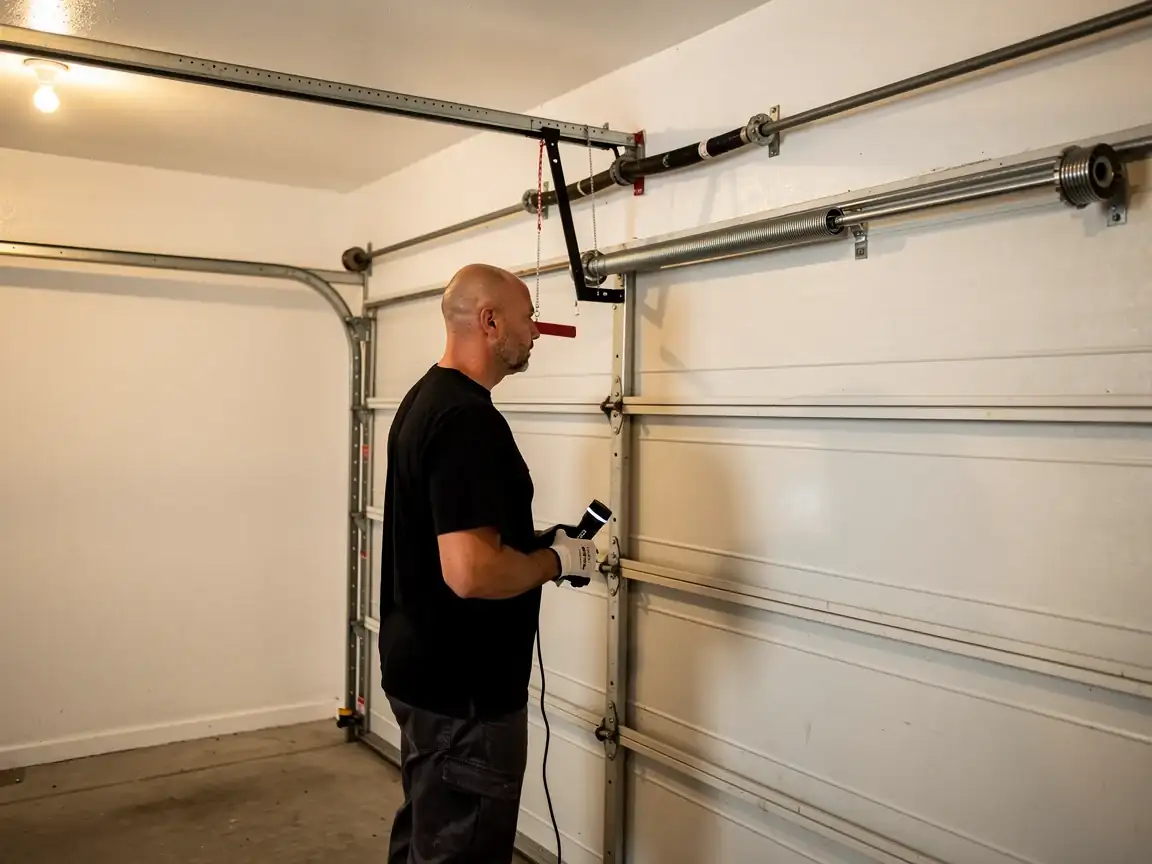
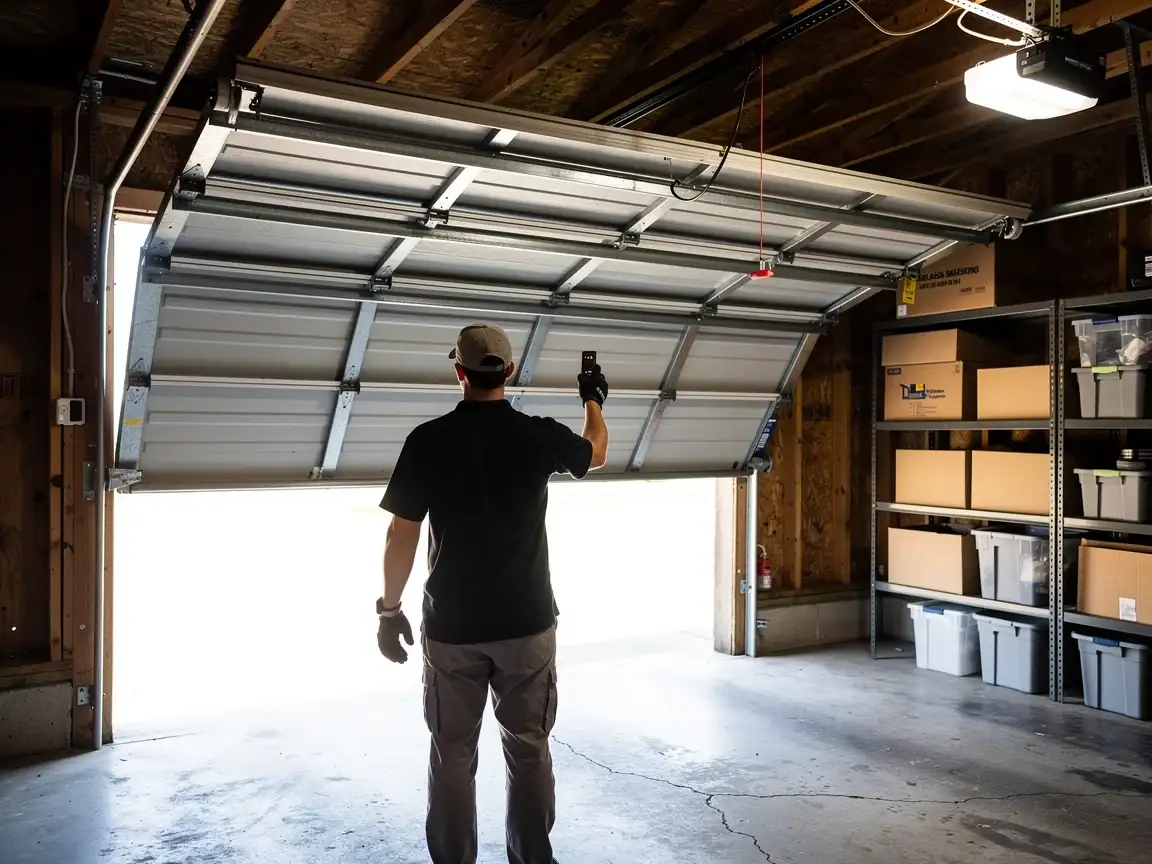
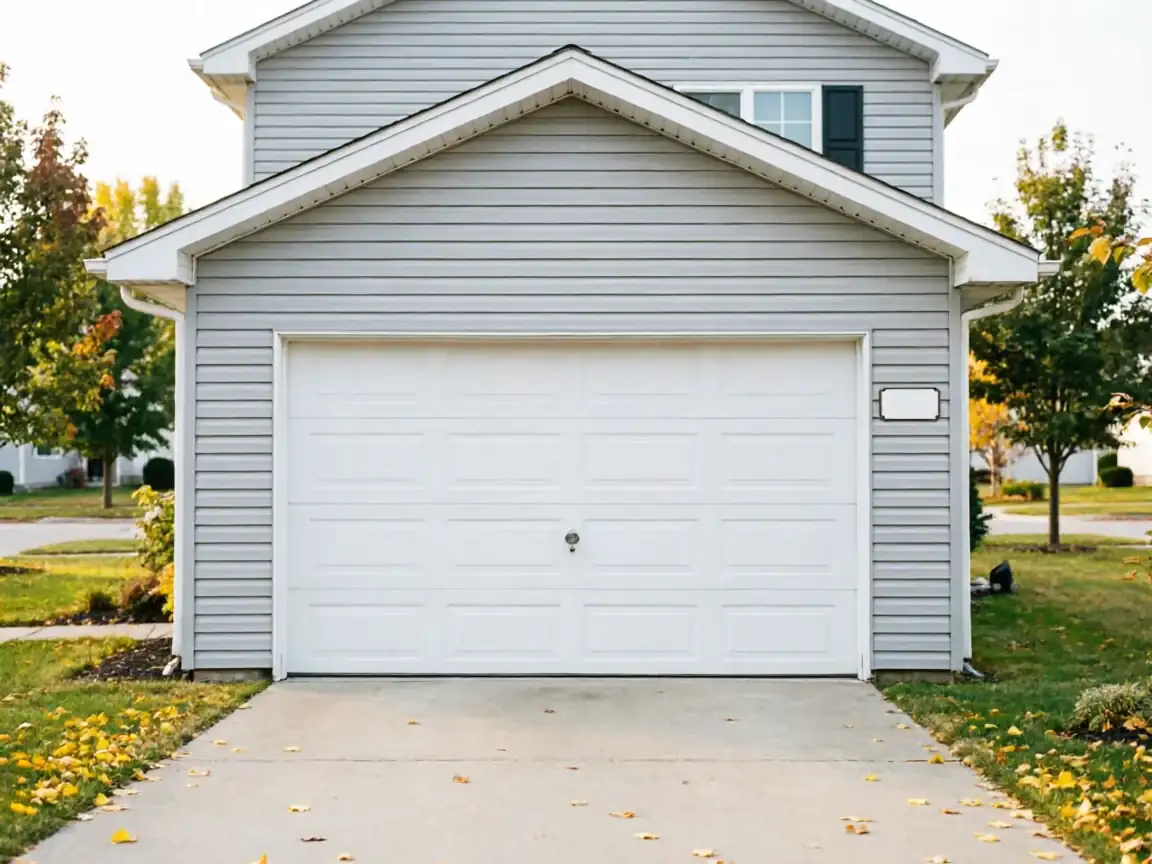
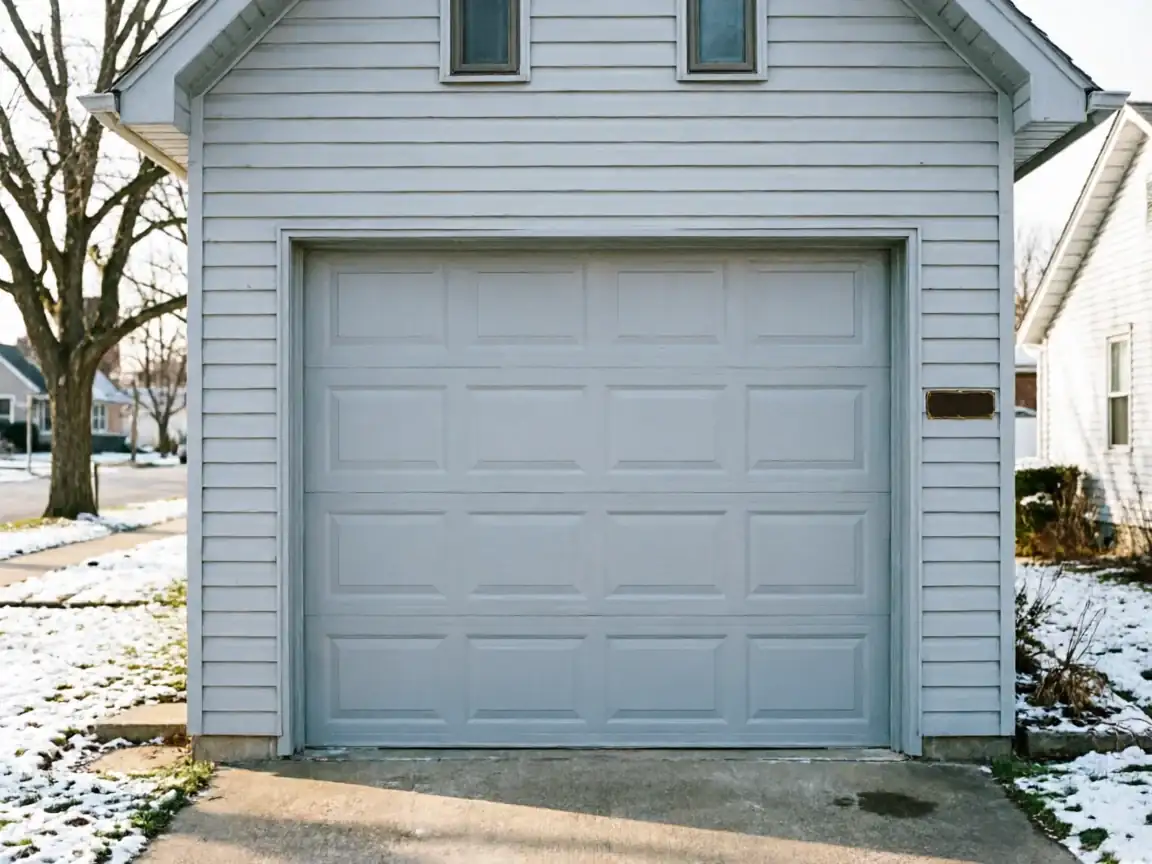
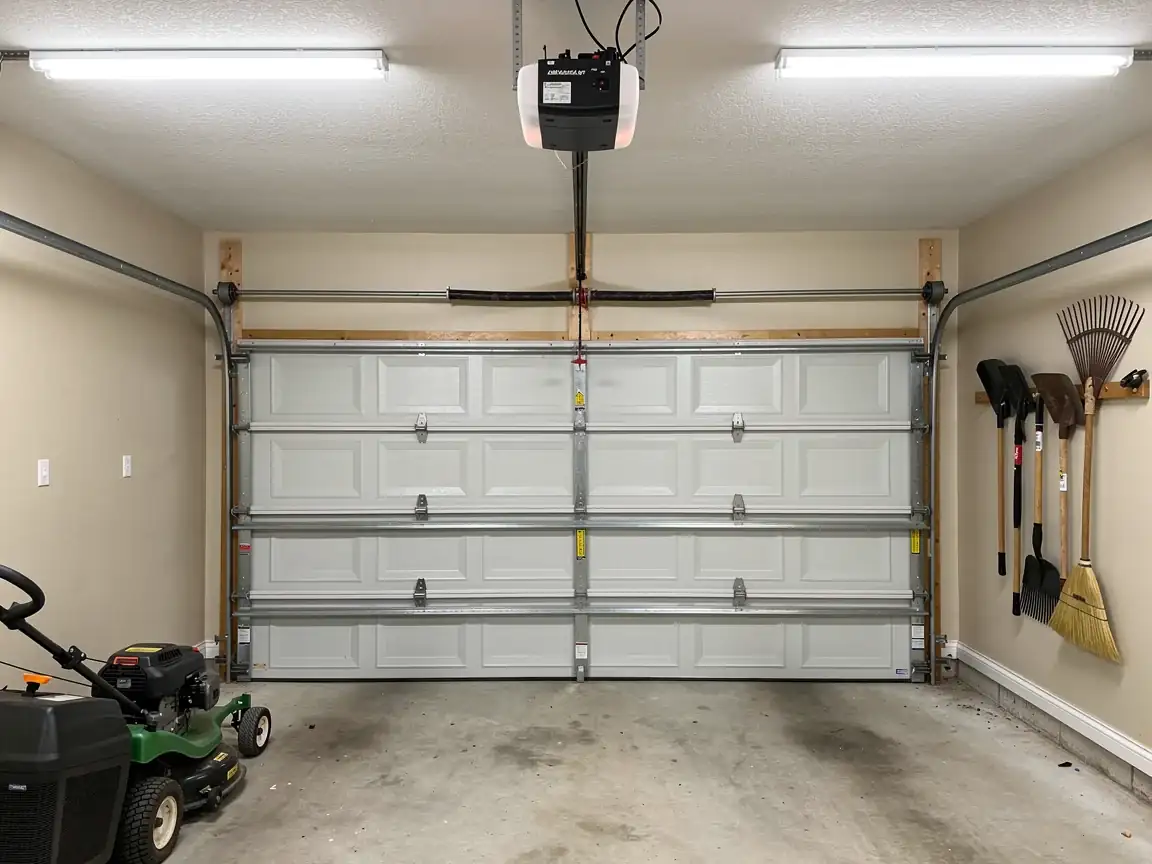
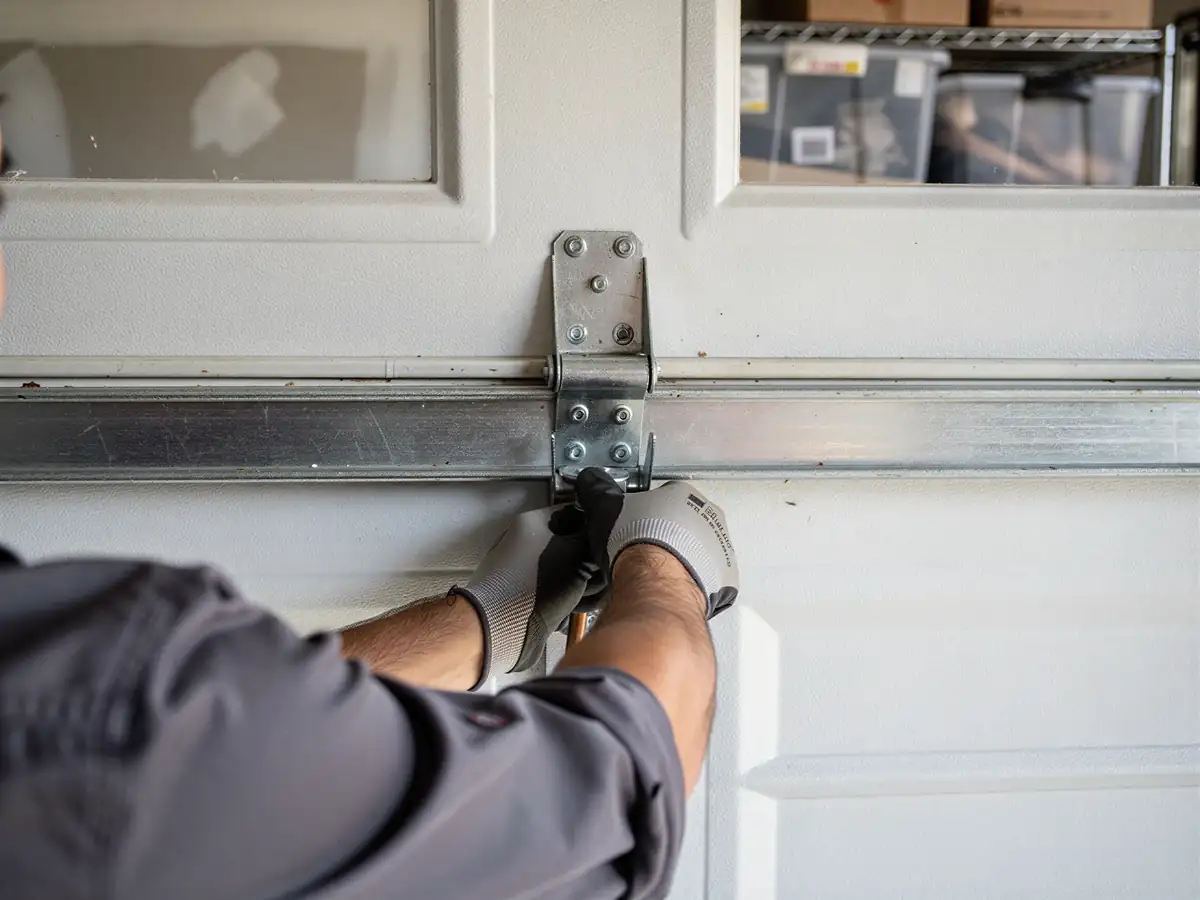
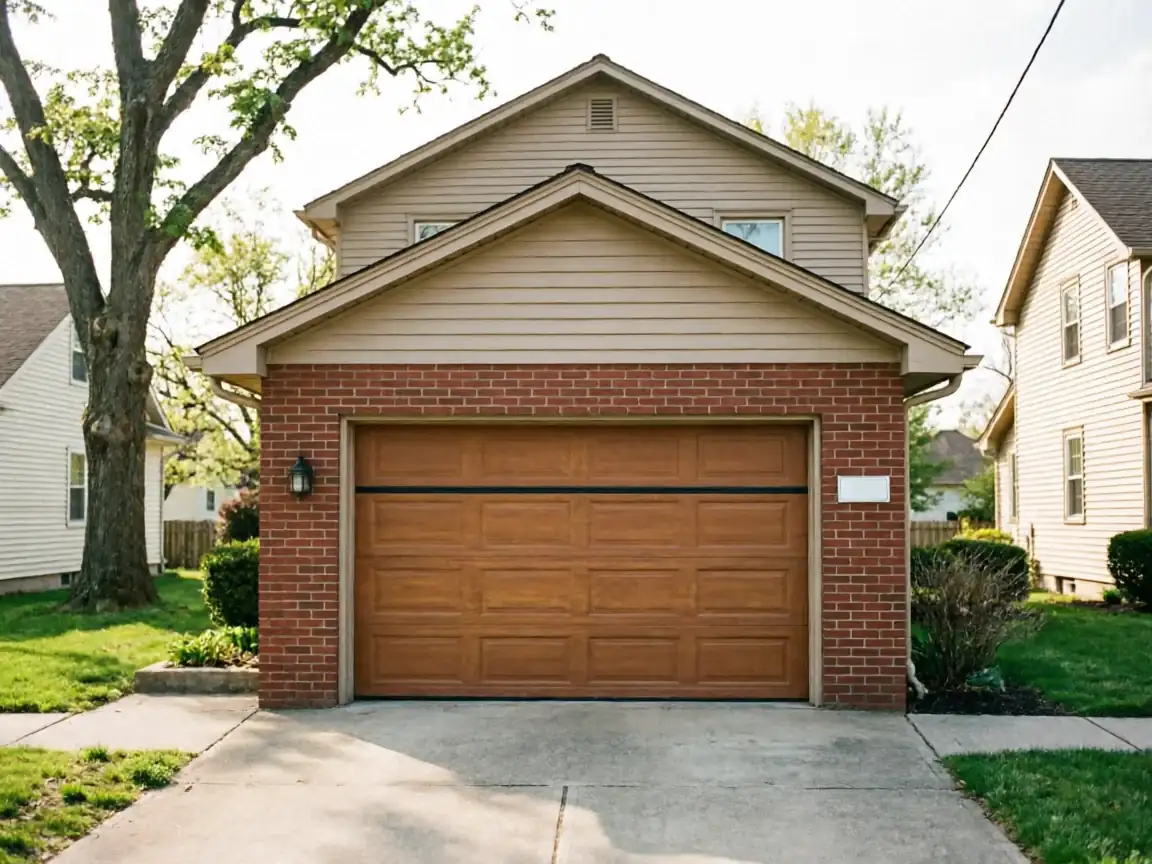
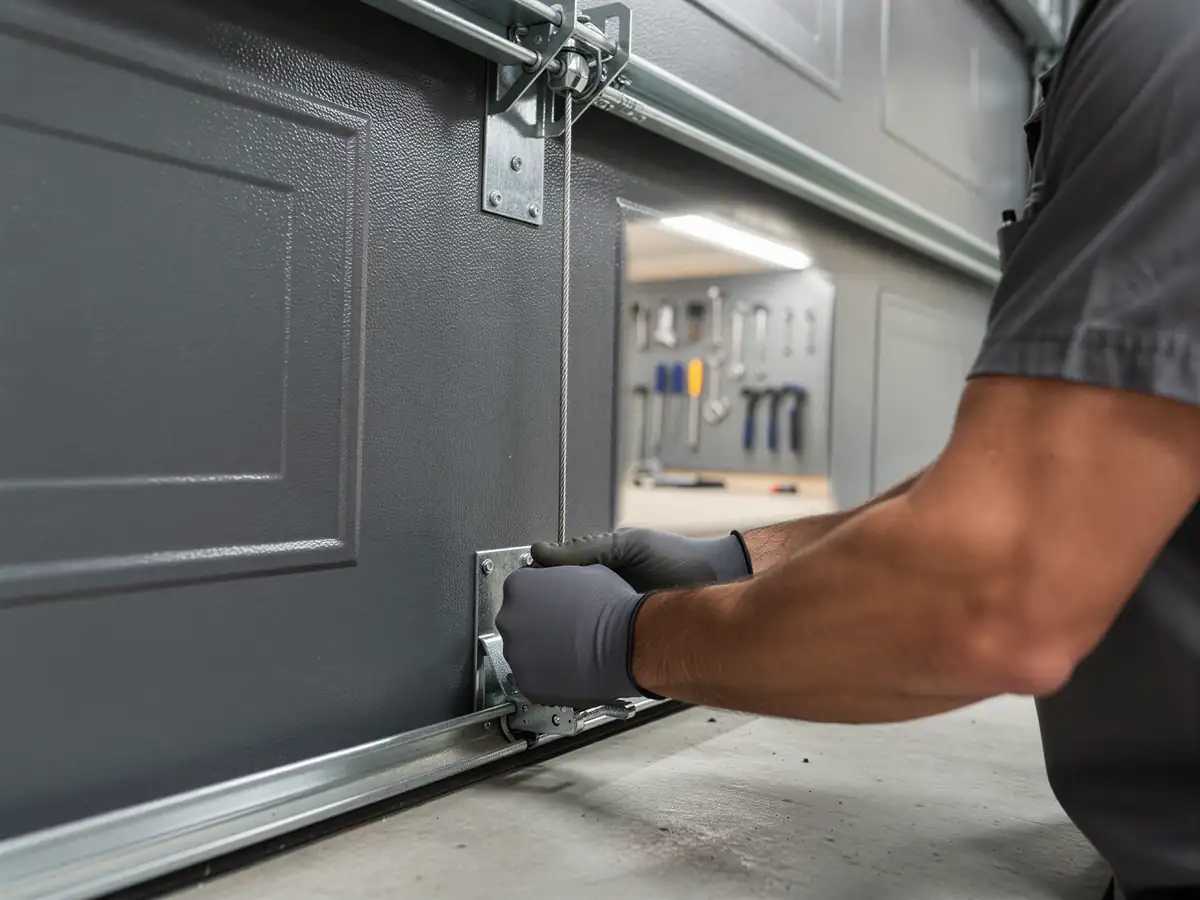
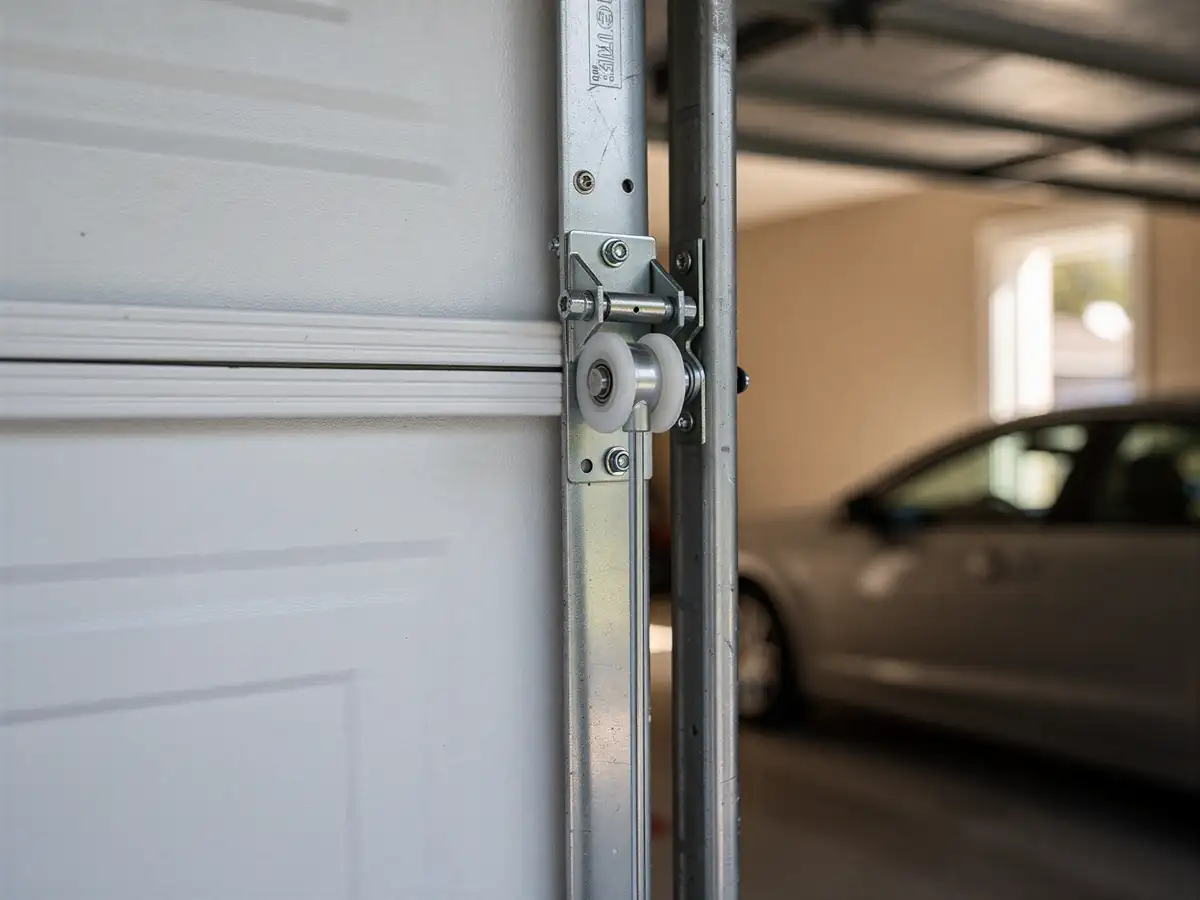
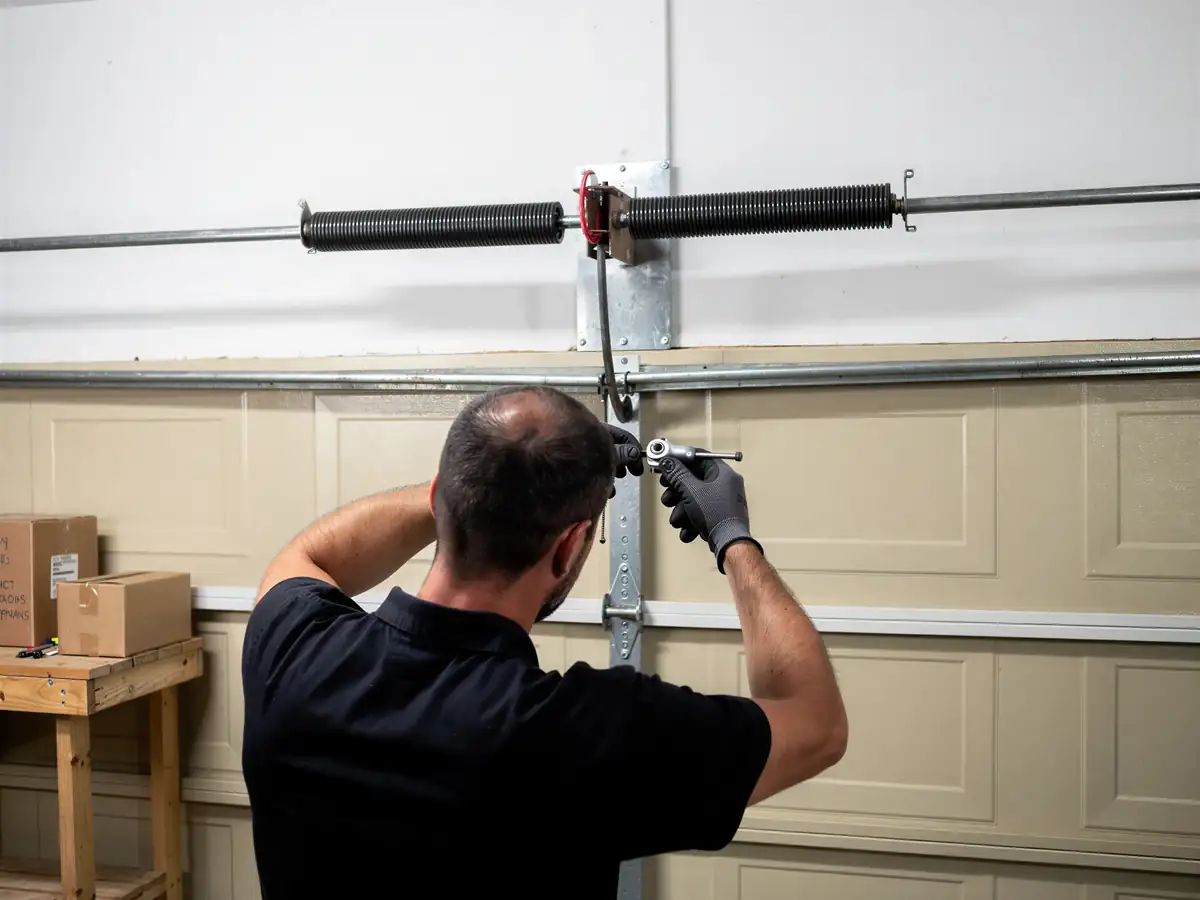
Torsion springs are rated in cycles, not years, and winter is what burns through cycles fastest. This area sits in a cold, severe climate band, and a spring that's already near the end of its life gets pushed over the edge by a stiff, cold morning when the steel has less give in it. On 1990s-built Sussex garages, that usually means a single torsion spring mounted above the header - sized for the door's original weight, not for whatever heavier insulated replacement panel might have gone in since. We also see the cable drums wear unevenly when a spring is left to fail slowly instead of getting replaced at the first sign of sag, which turns a spring job into a spring-and-cable job if it sits too long. None of that is unique to Sussex, but the timing of it is: newer torsion hardware fails more predictably by cycle count than the mixed bag of extension and torsion systems you'll find on older stock a few miles over.
The Cost of This Job
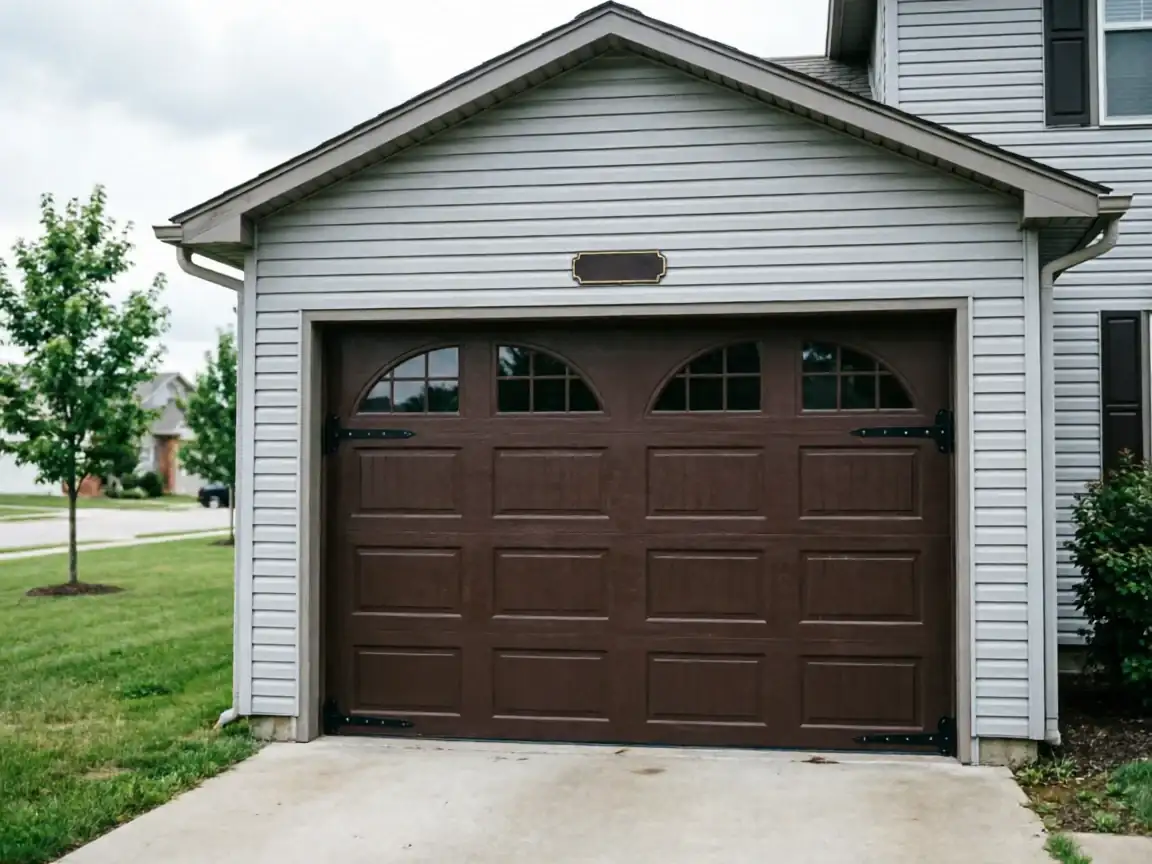
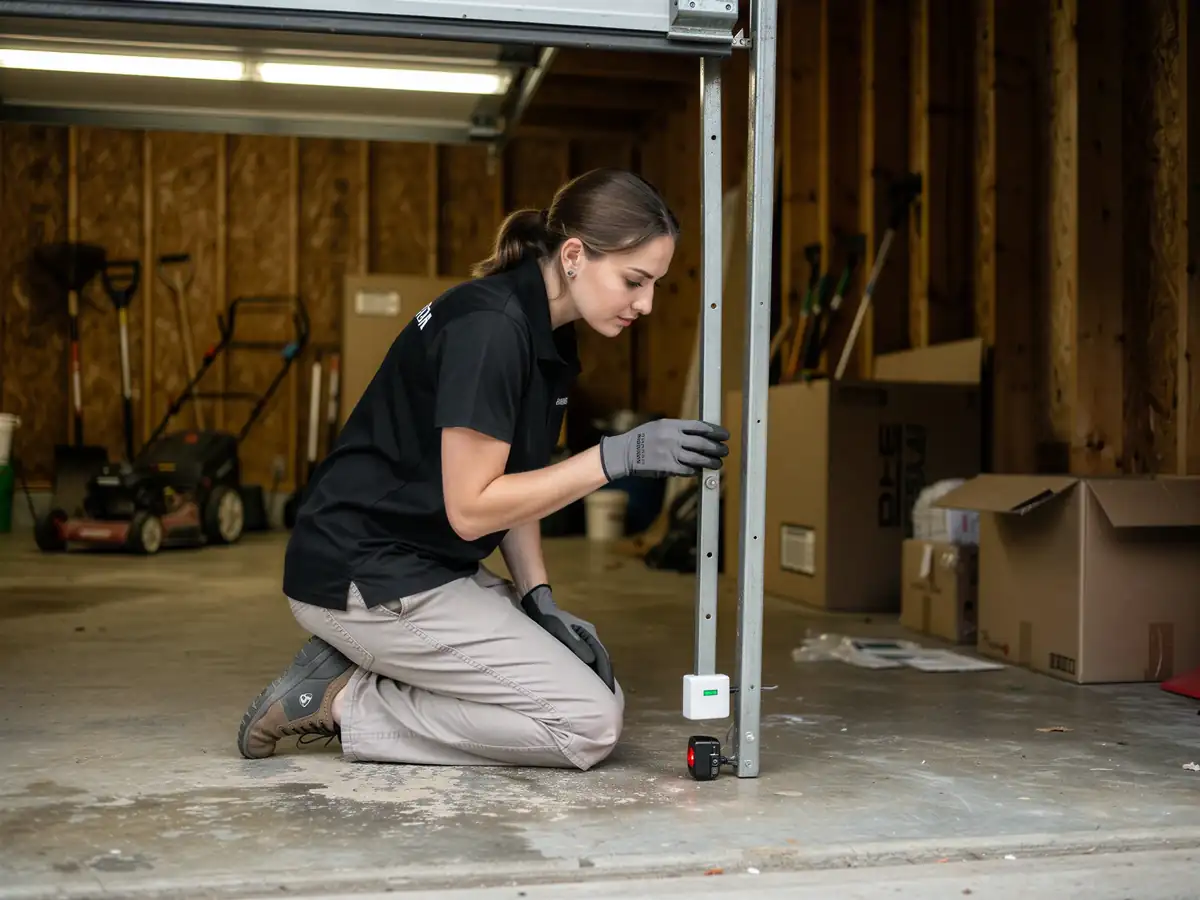
We don't post a flat price here because spring jobs vary by door weight, spring size, and whether one spring has failed or both are close behind it. What we can tell you is that Sussex households have a median income of $112,031, noticeably above the roughly $104,337 median across the wider area we cover - and in practice that shows up as more two-car, insulated doors with heavier springs, which cost more to replace than the single lighter spring you'd find on an older single-car door. We price the job once we see the spring size and door weight in person, not off a phone guess. One honest limit: if your opener is also failing, we're not going to sell you a new spring and call it done - we'll tell you if the opener's circuit board is the real problem, because a new spring won't fix a dying opener.