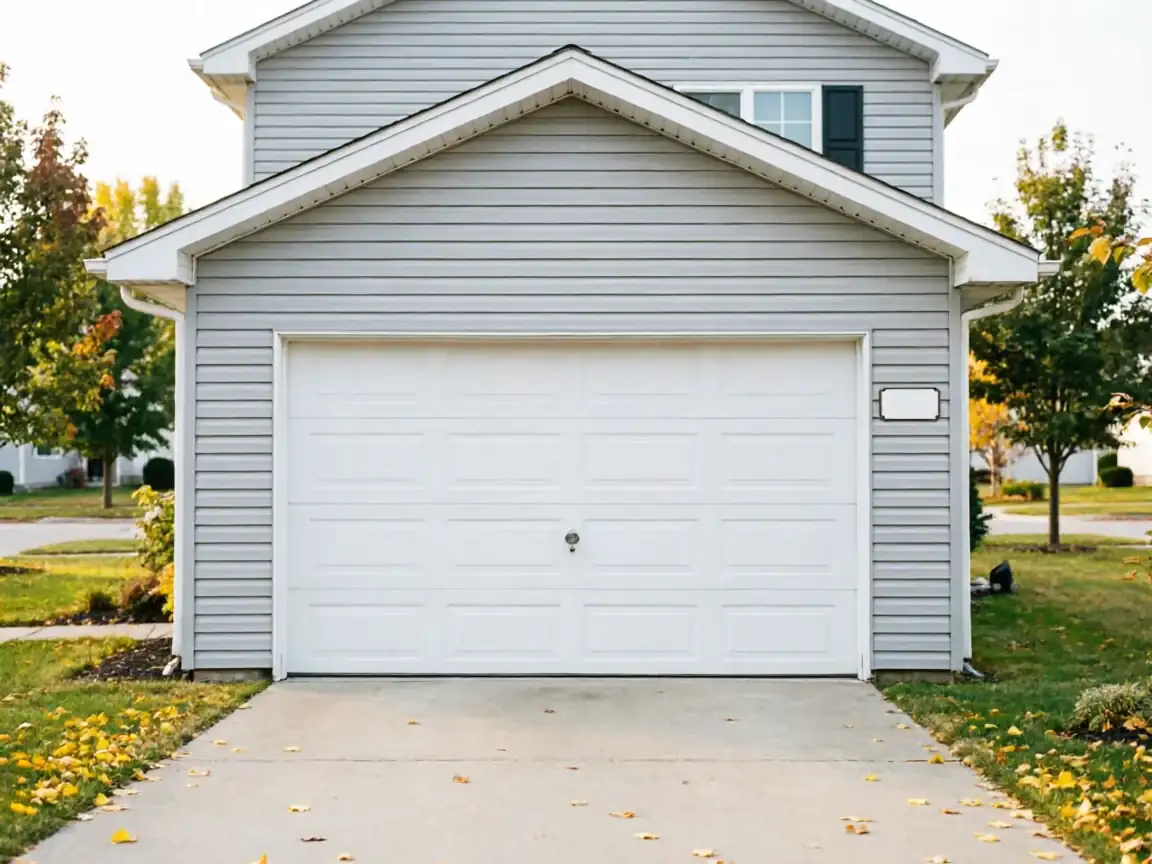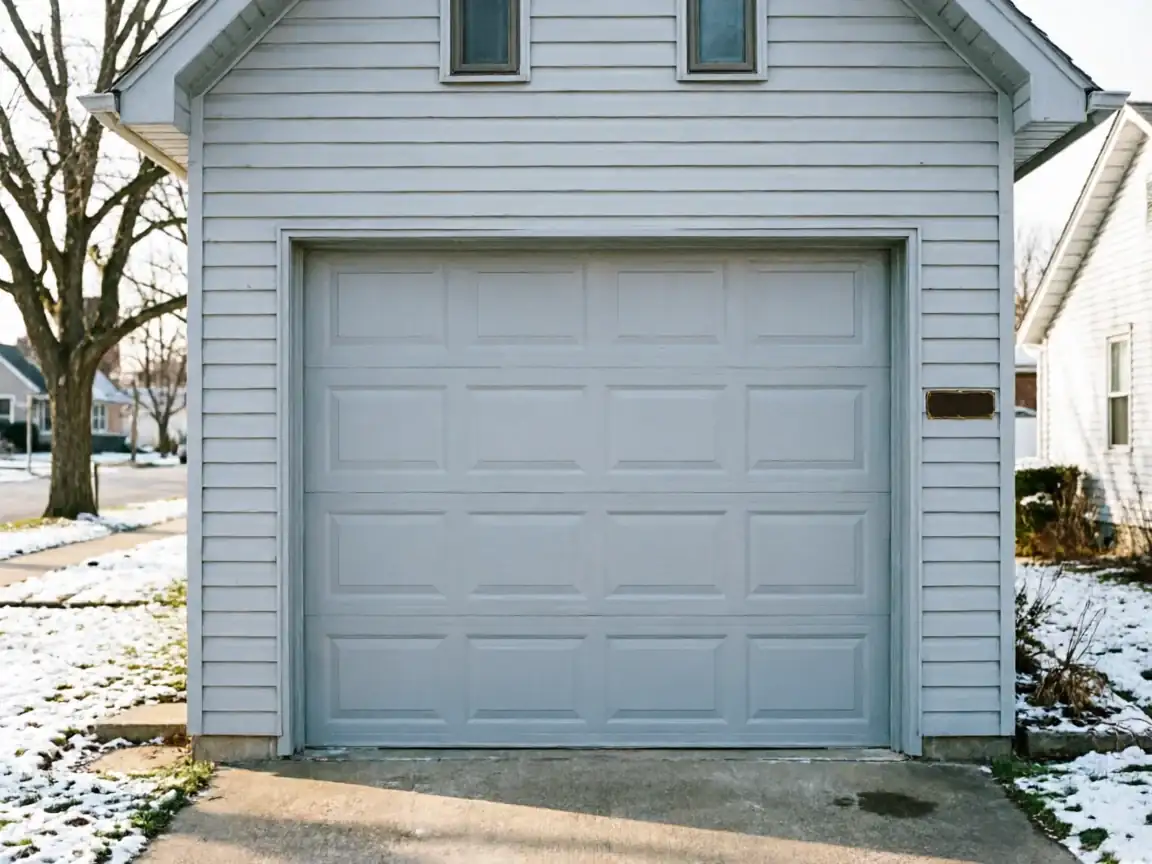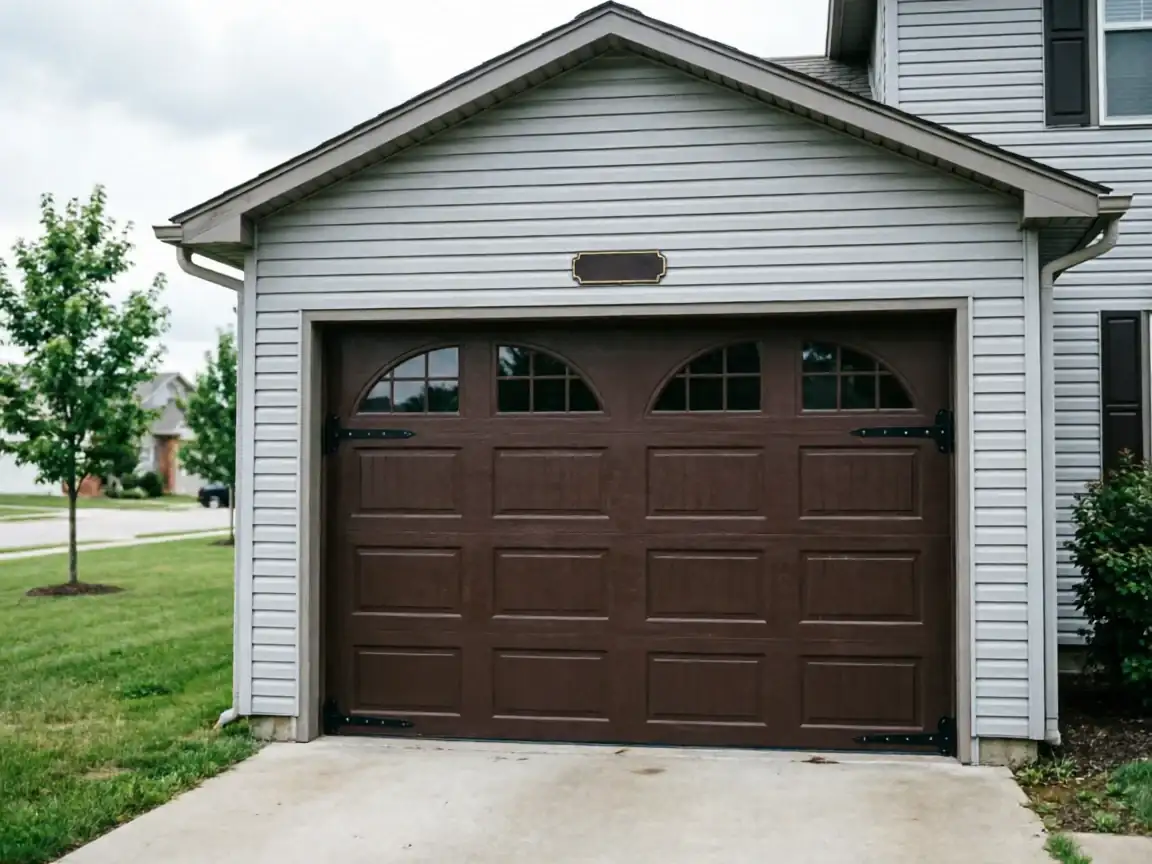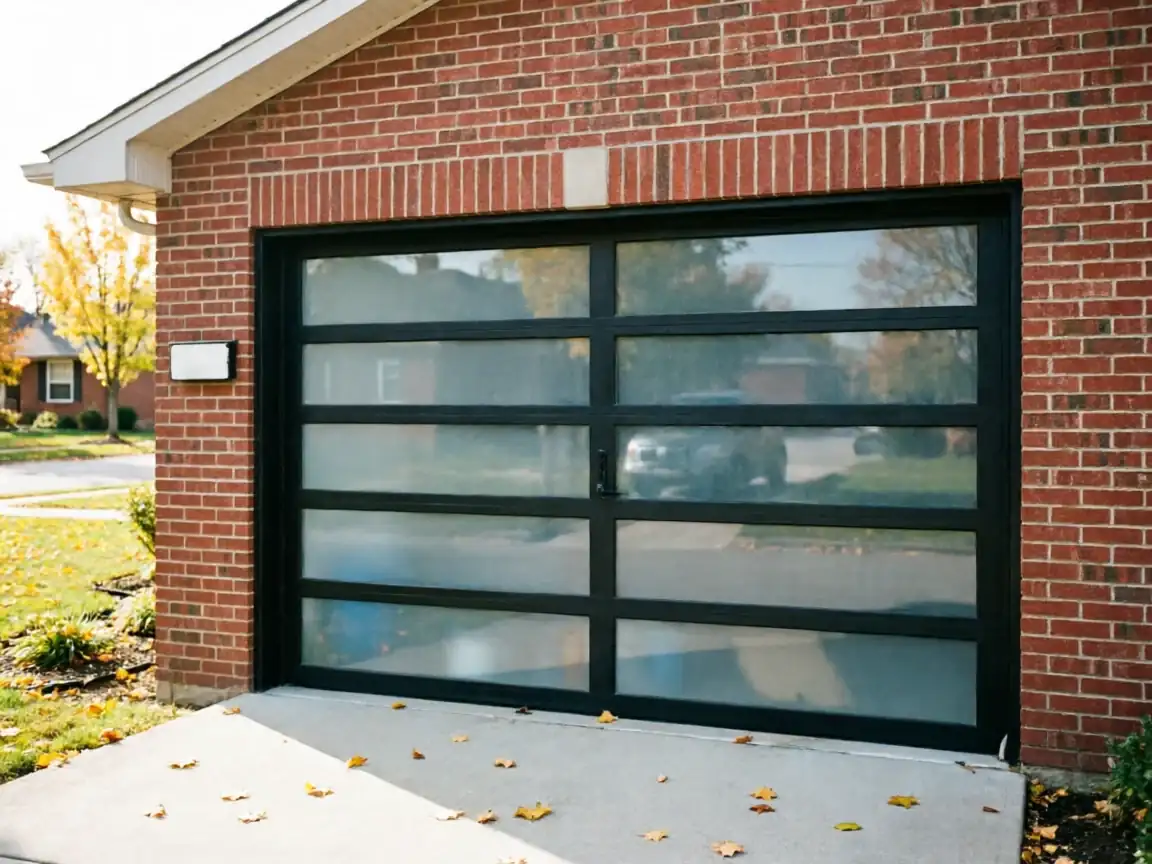
What You Are Seeing
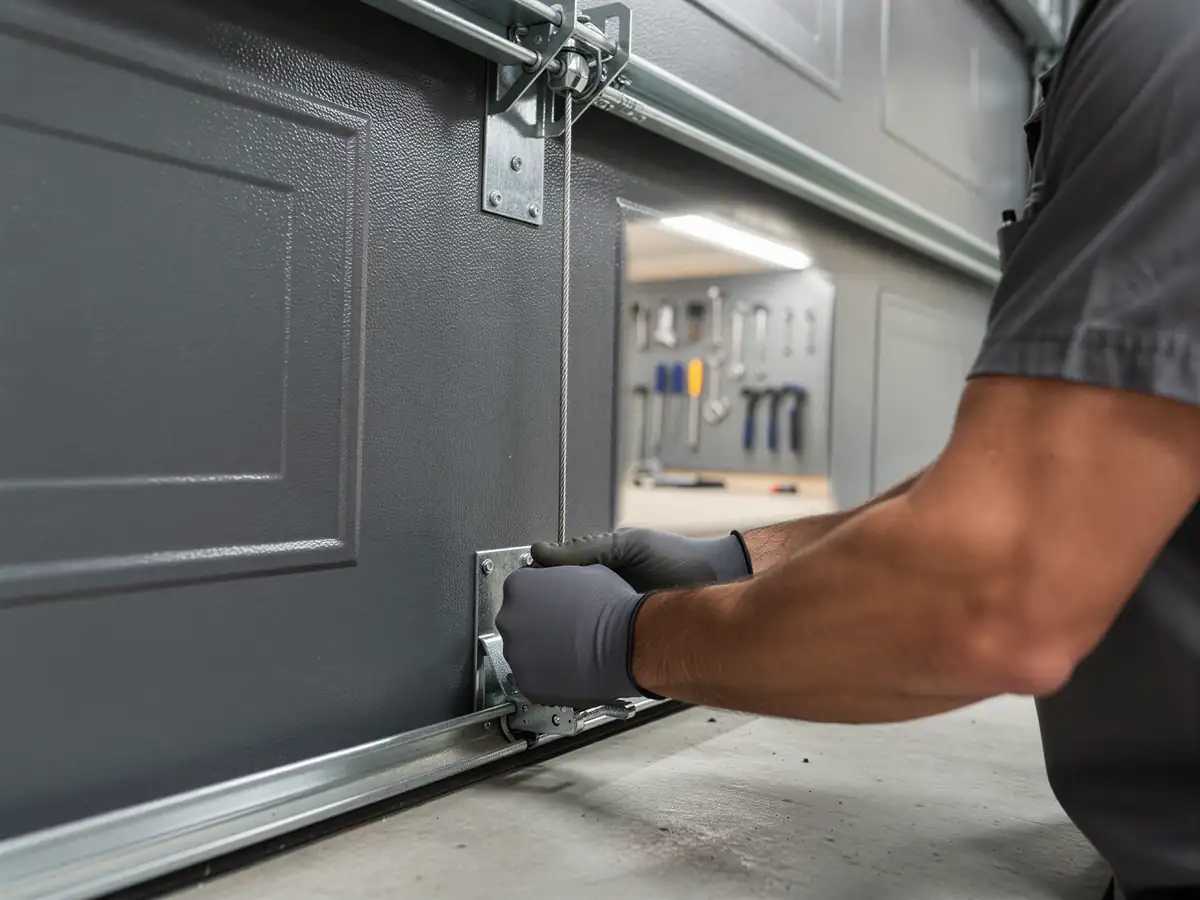
A cable that's frayed at the bottom bracket, a strand or two sticking out like a bad wire brush
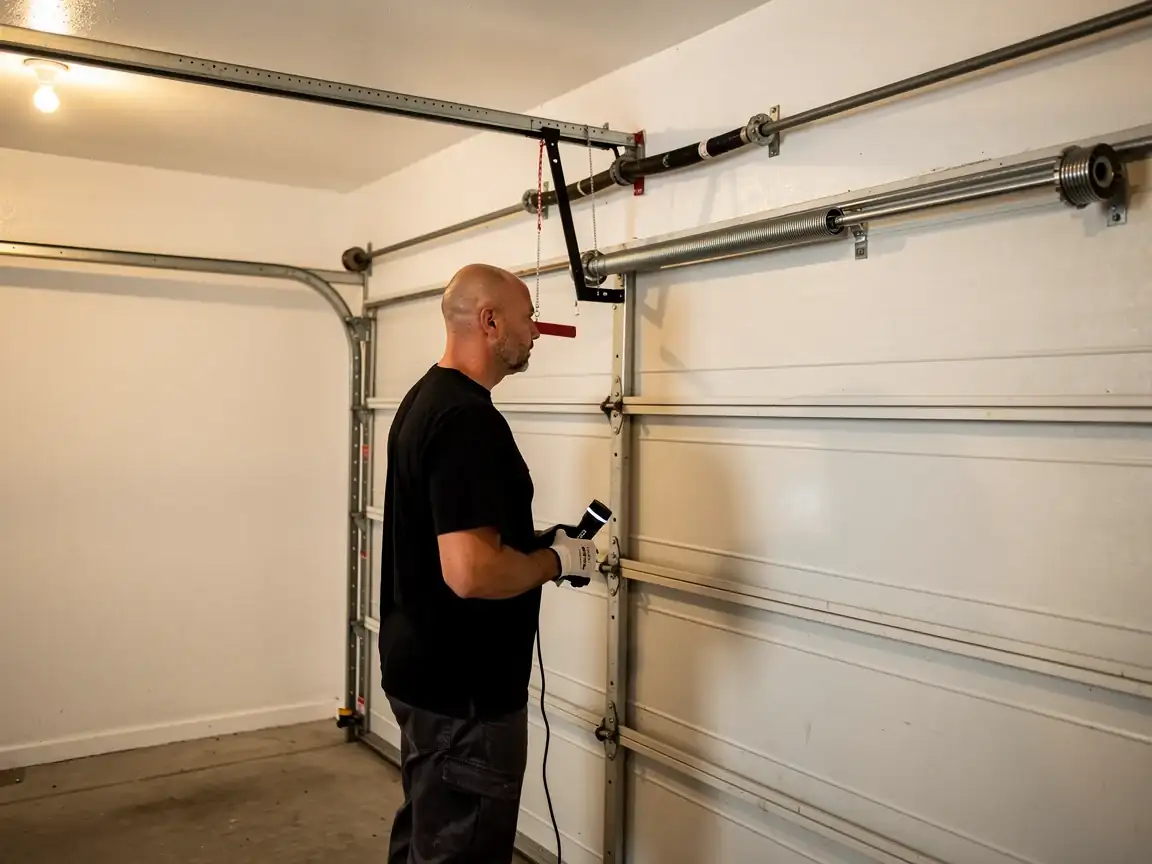
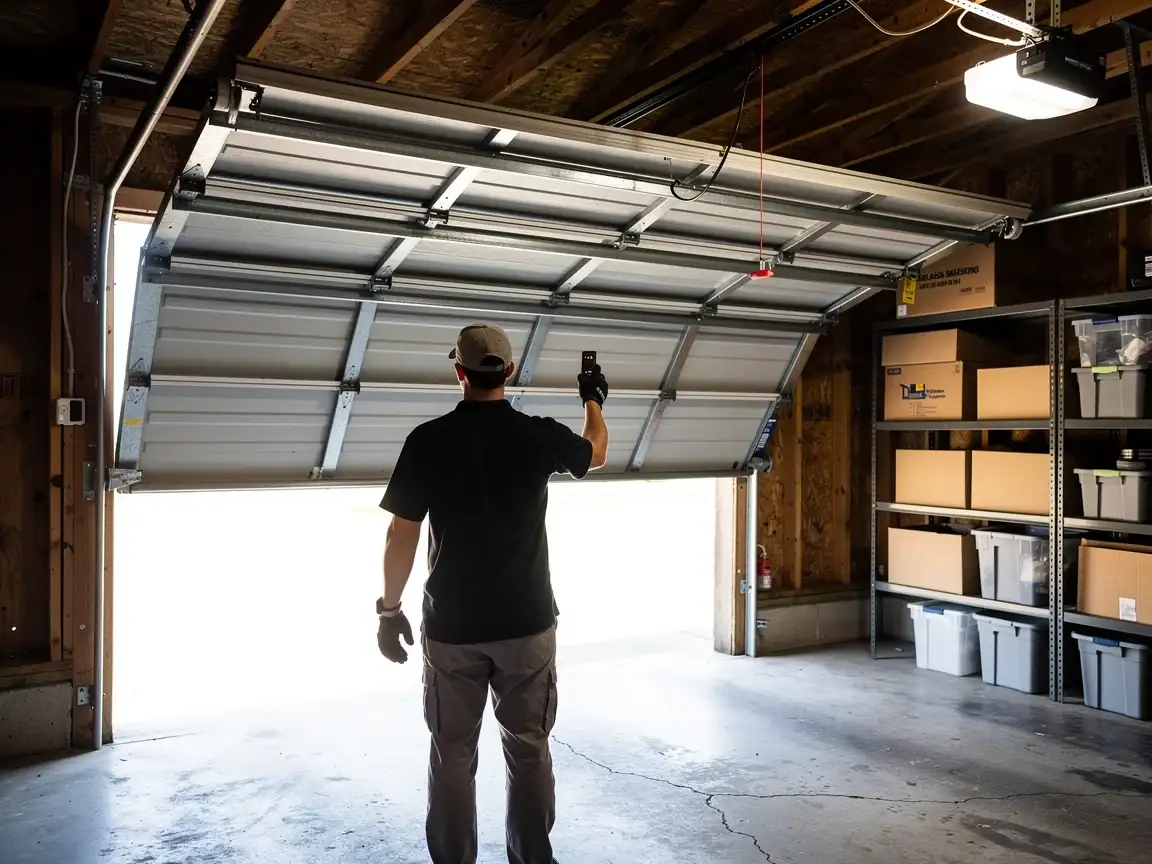
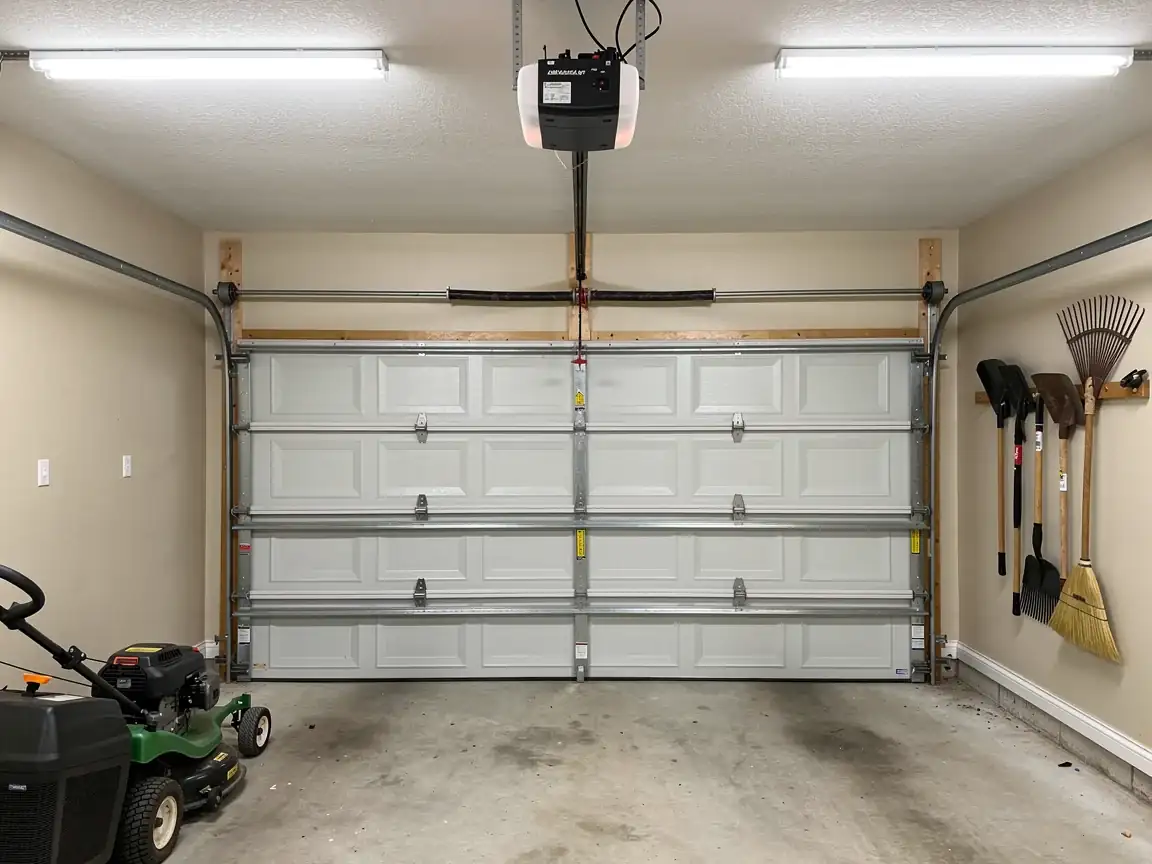
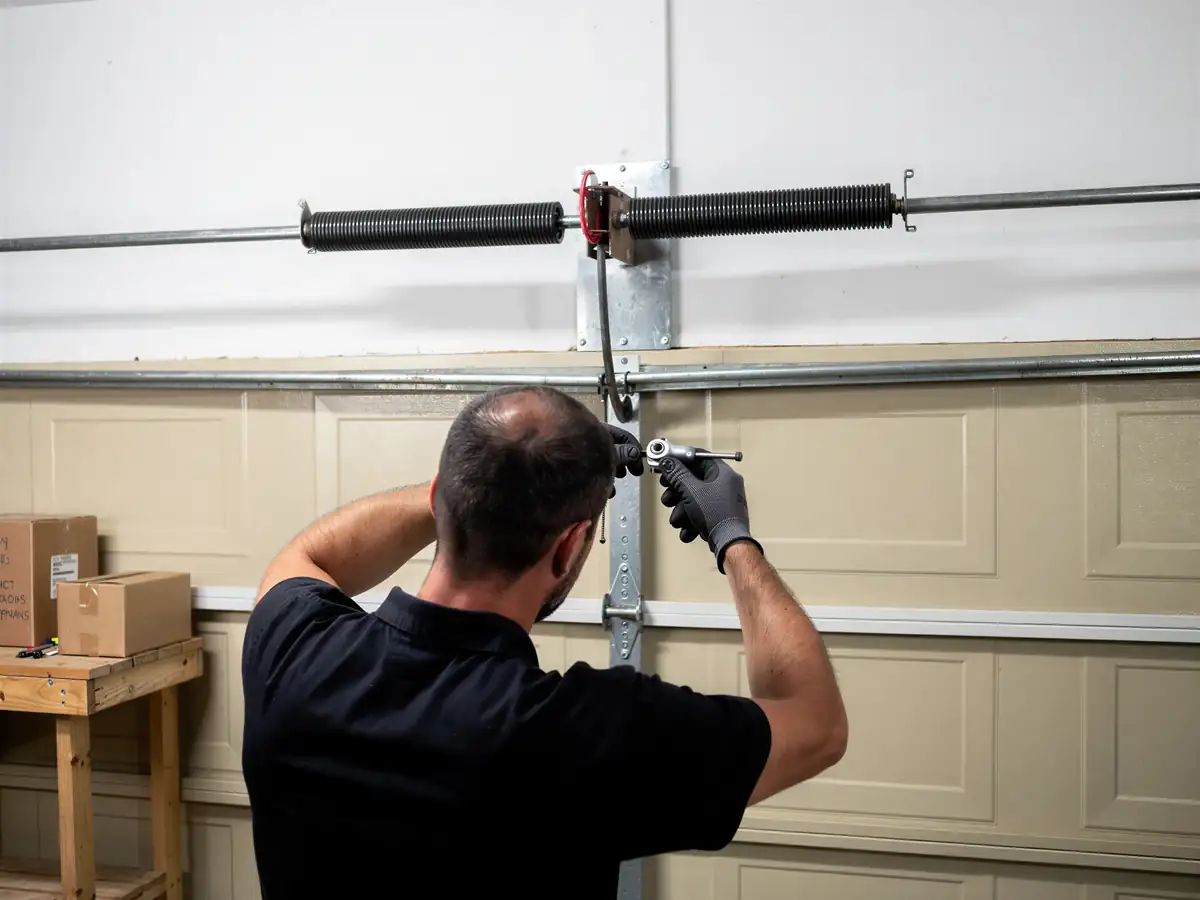
Or a door that drops crooked on one side and jams in the track. On a lot of Sussex garages that's an extension-spring door, not torsion - the cable runs up from the bottom corner, over a pulley, and back to the spring along the horizontal track. When one of those cables lets go, the door comes down unevenly and can bind hard enough to bend the track.
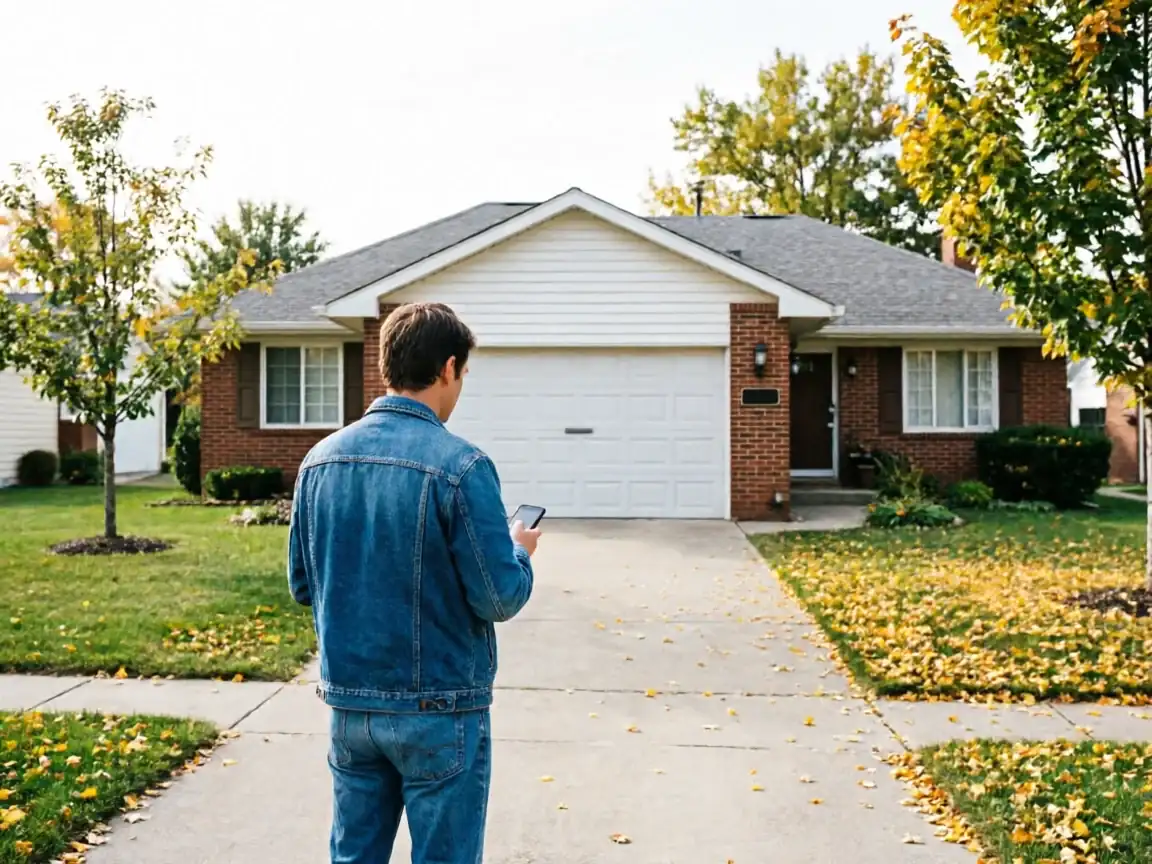
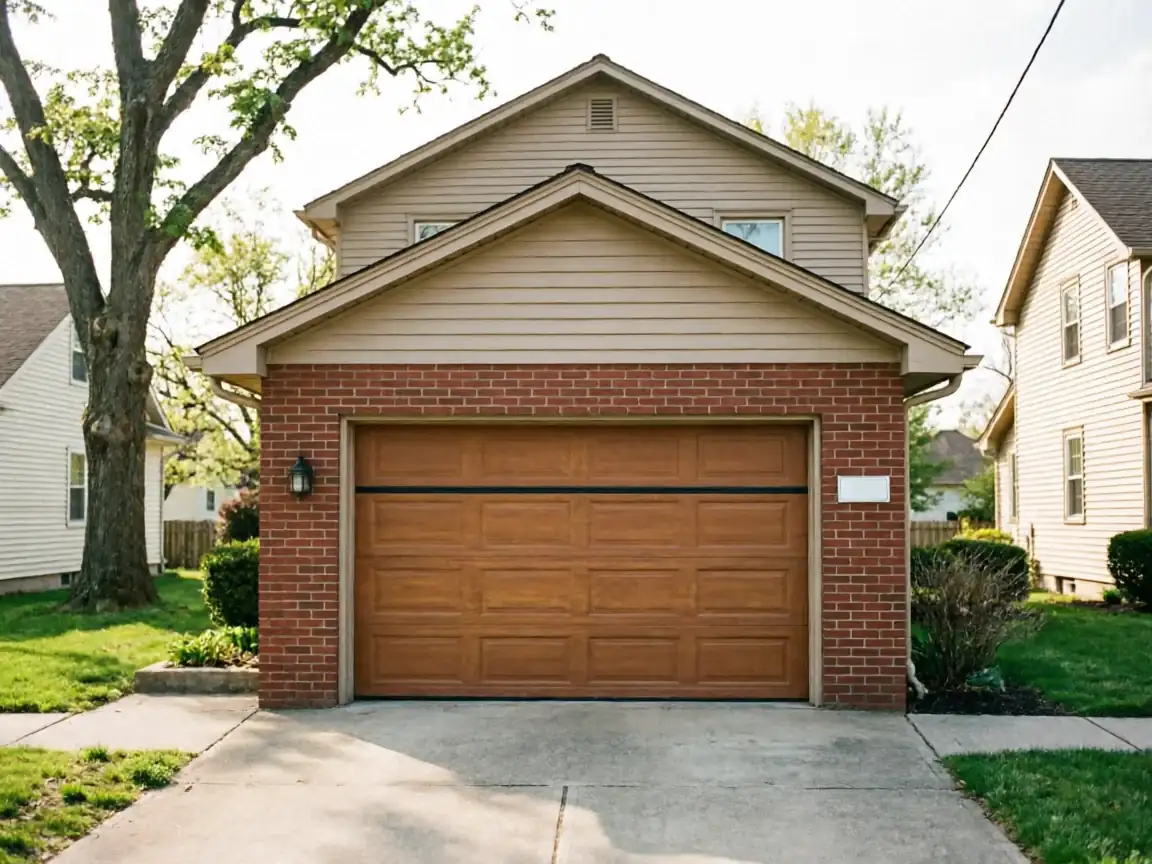
The median home in Sussex went up around 1993
Which puts a lot of the housing stock here a full generation newer than what we see on older streets closer to Menomonee Falls. That later build date means more extension-spring setups with stamped steel pulleys and standard galvanized lift cable - hardware that was common through the 90s but isn't built to last forever, especially once it's been through 30 winters of flexing in the cold.
Why This Fails Locally
This is a cold-climate problem before it's an age problem. Wisconsin's winter band is severe enough that galvanized cable stiffens in the cold, and a stiff cable doesn't bend smoothly around the drum or pulley the way it does in July - it kinks, a strand catches, and over a few seasons that kink turns into a frayed spot that eventually snaps. On a 1993-era extension door, the pulley brackets also tend to be lighter gauge than what you'd find on a torsion setup, so the cable takes more direct wear at the bend points.
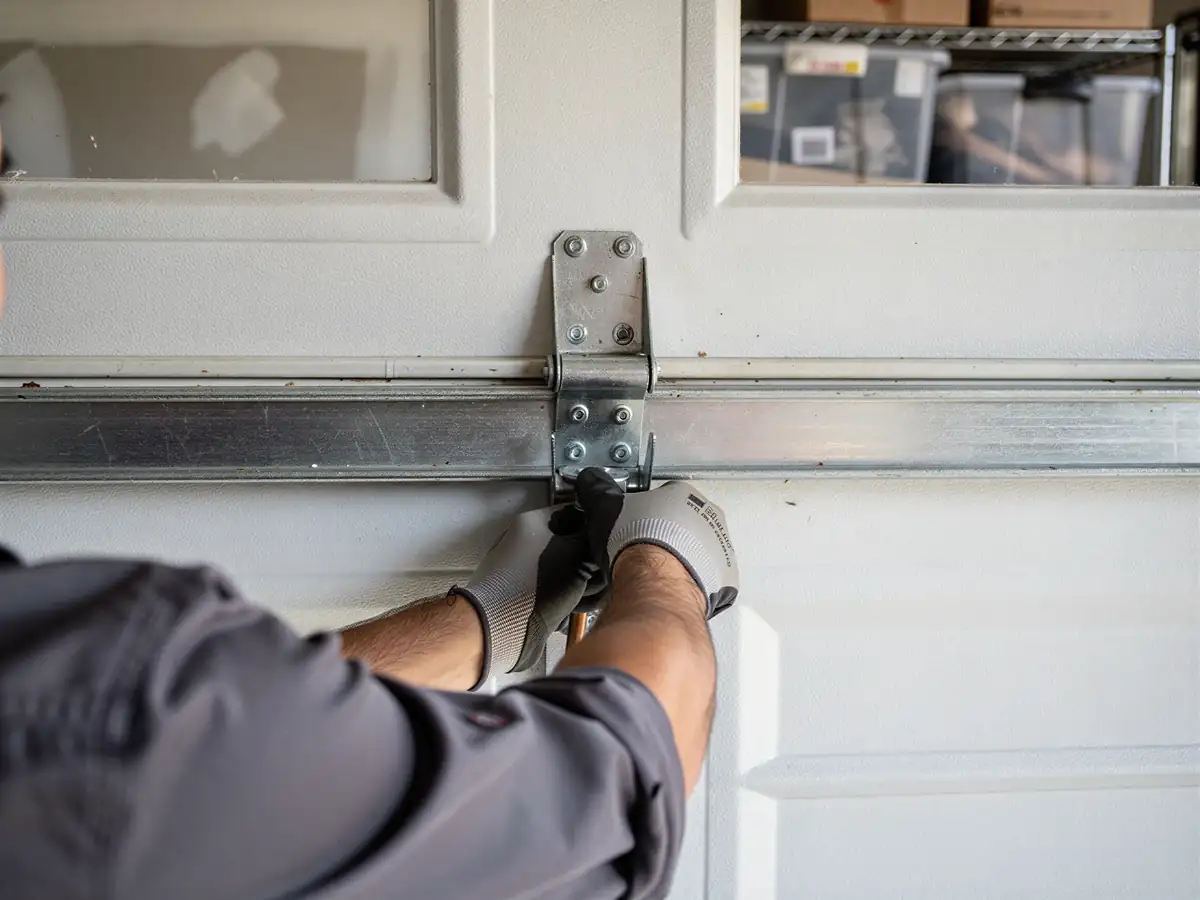
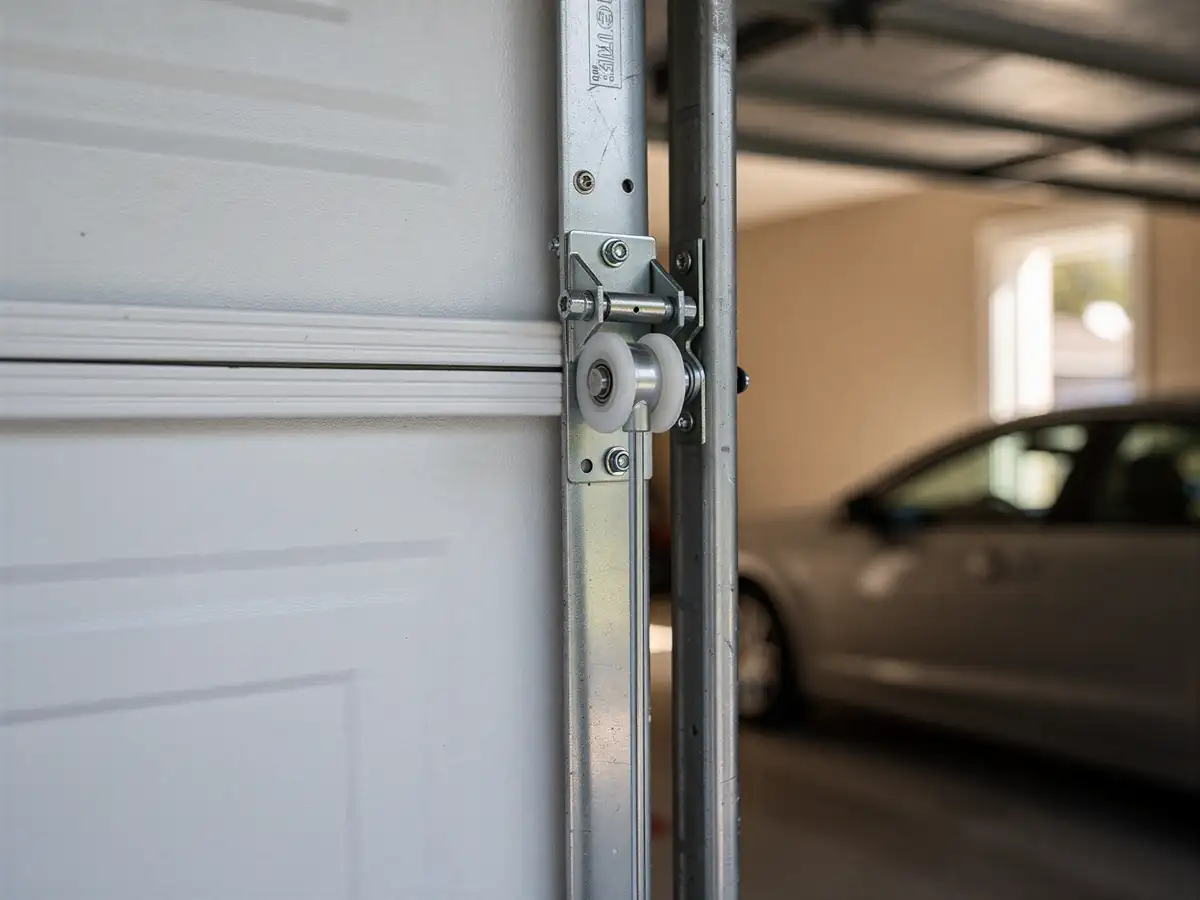
Salt and slush thrown up from a driveway don't help either - the zinc coating on the cable wears thin right where road grime collects, usually near the bottom roller bracket. That's the spot we check first on a service call out here, because it's where the wire shows damage long before the rest of the cable looks worn.
Households in this part of the service area report a median income noticeably above the wider area average, which we mention only because better-maintained original hardware sometimes means a cable has outlived its spring, not the other way around - the failure isn't always a cheap fix.
The Cost of This Job
We can't quote a number here without seeing the door, and we're not going to make one up. What we can tell you is what drives the cost: whether one cable failed or both need replacing (we usually do both on extension-spring doors since they wear at the same rate), whether the drop bent the track or just the bracket, and whether the opener's travel settings need resetting afterward.
One honest limitation: if the cable snapped while the door was down and it's been sitting crooked for a few days, the track is more likely to need straightening or replacing too, and that adds labor. If you catch the fraying before it snaps, the job is simpler and cheaper almost every time - that's the main reason to call at the first sign of a frayed strand instead of waiting for the drop.
Income levels in Sussex run above the broader service-area median, but that doesn't change what the hardware costs - a cable is a cable whether the house behind it is worth more or less.
How We Fix It
We come out from Menomonee Falls, about 6 miles away
So there's no local branch or depot in Sussex - just a truck that makes the drive. On site, we release spring tension safely, pull the old cable and pulley if it's worn, and run new galvanized cable sized to the door's weight and drum or pulley diameter, matching what the door was built with rather than guessing at a generic size.
- 6 miles
We check the track alignment at the same time
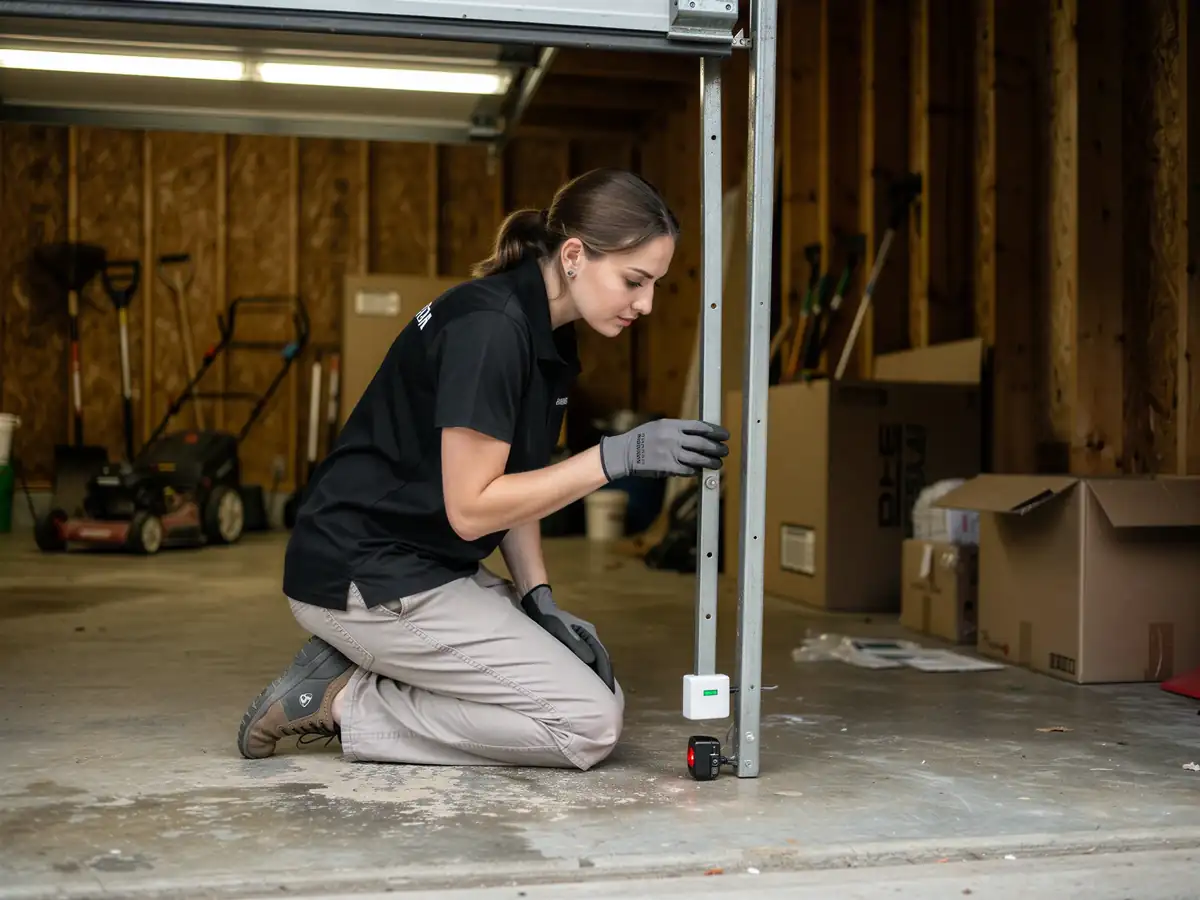
Since a cable failure almost always knocks the rollers out of true on one side, even if only slightly. Once the new cable is on, we balance the door and run it through a full cycle before we call it done, checking that the opener isn't straining against uneven tension - a common aftereffect on 1990s extension systems that never gets caught unless someone looks for it.