What You Are Seeing
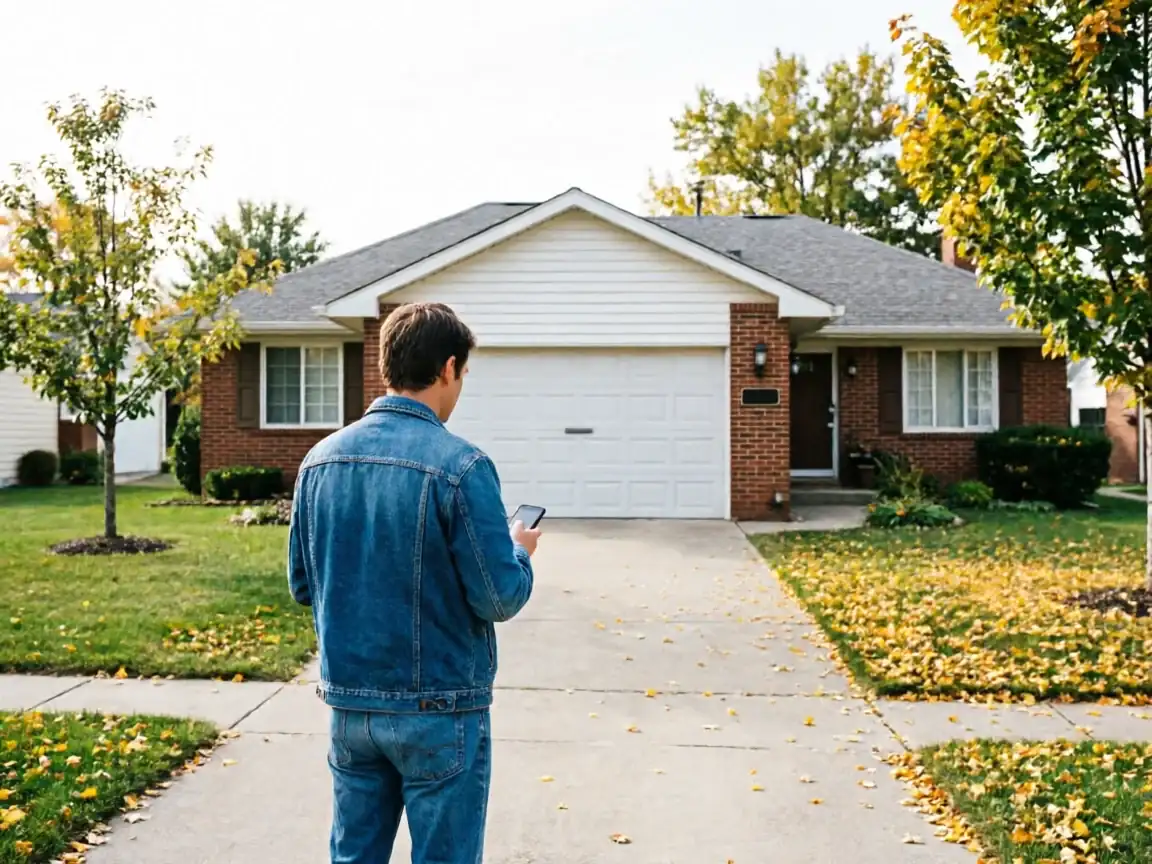
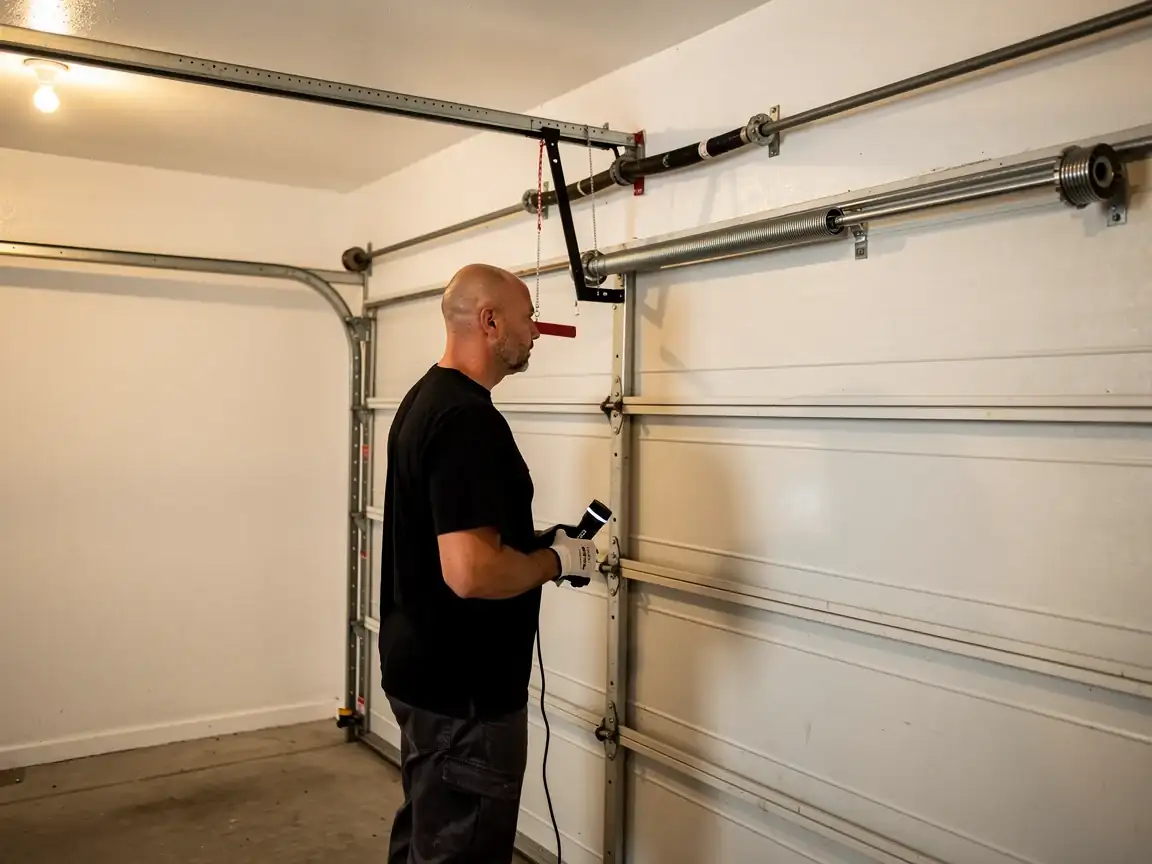
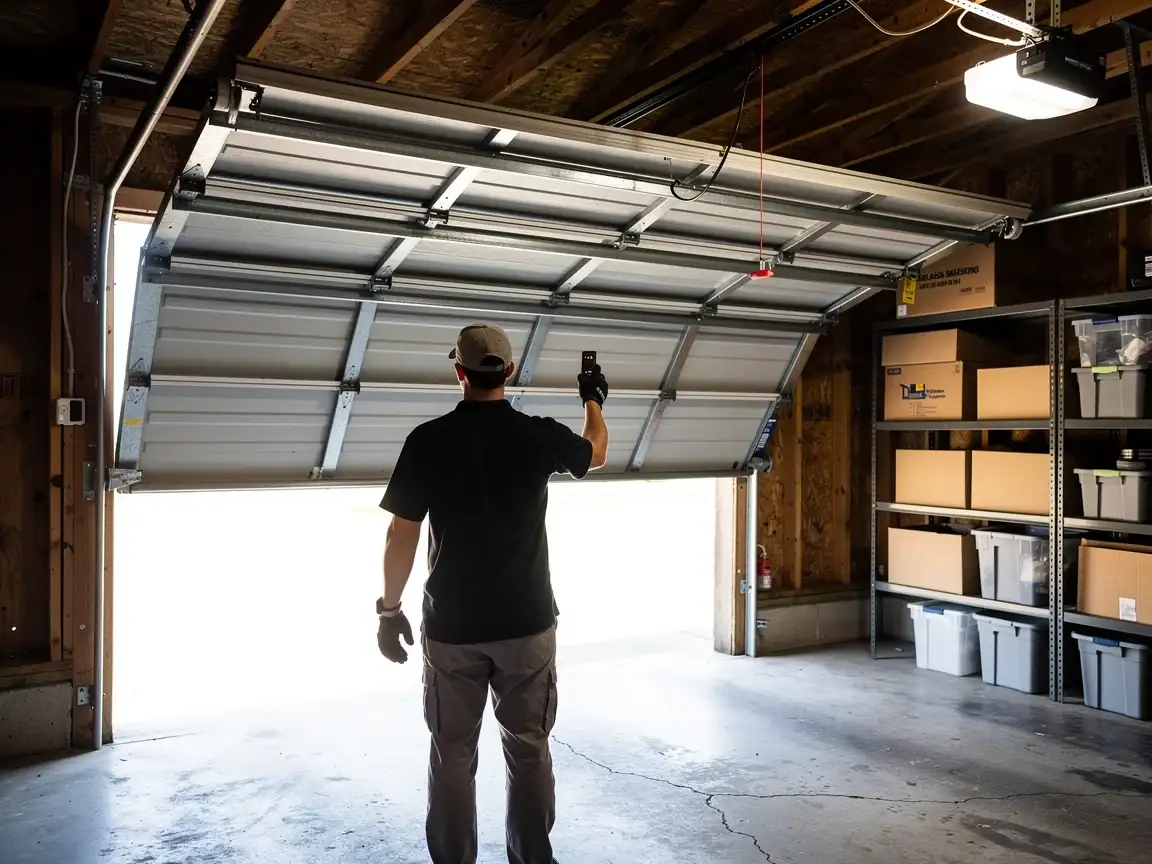
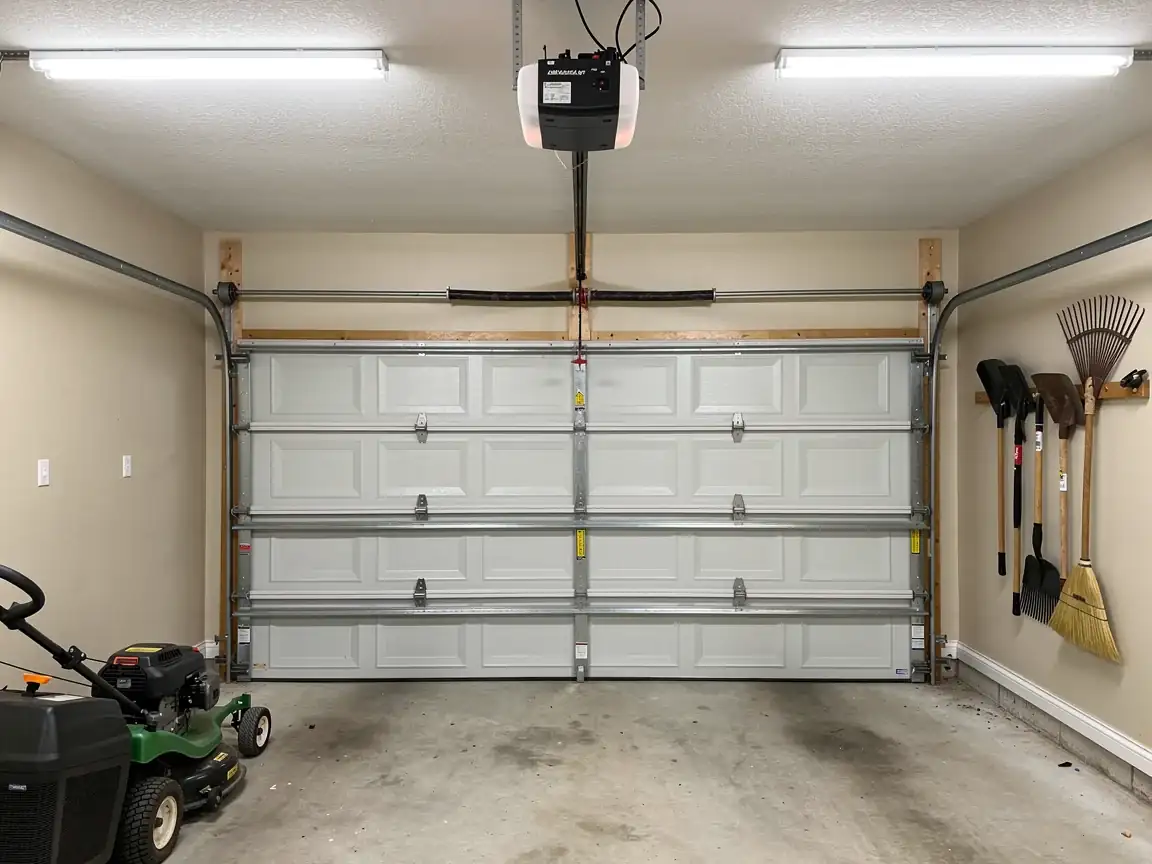
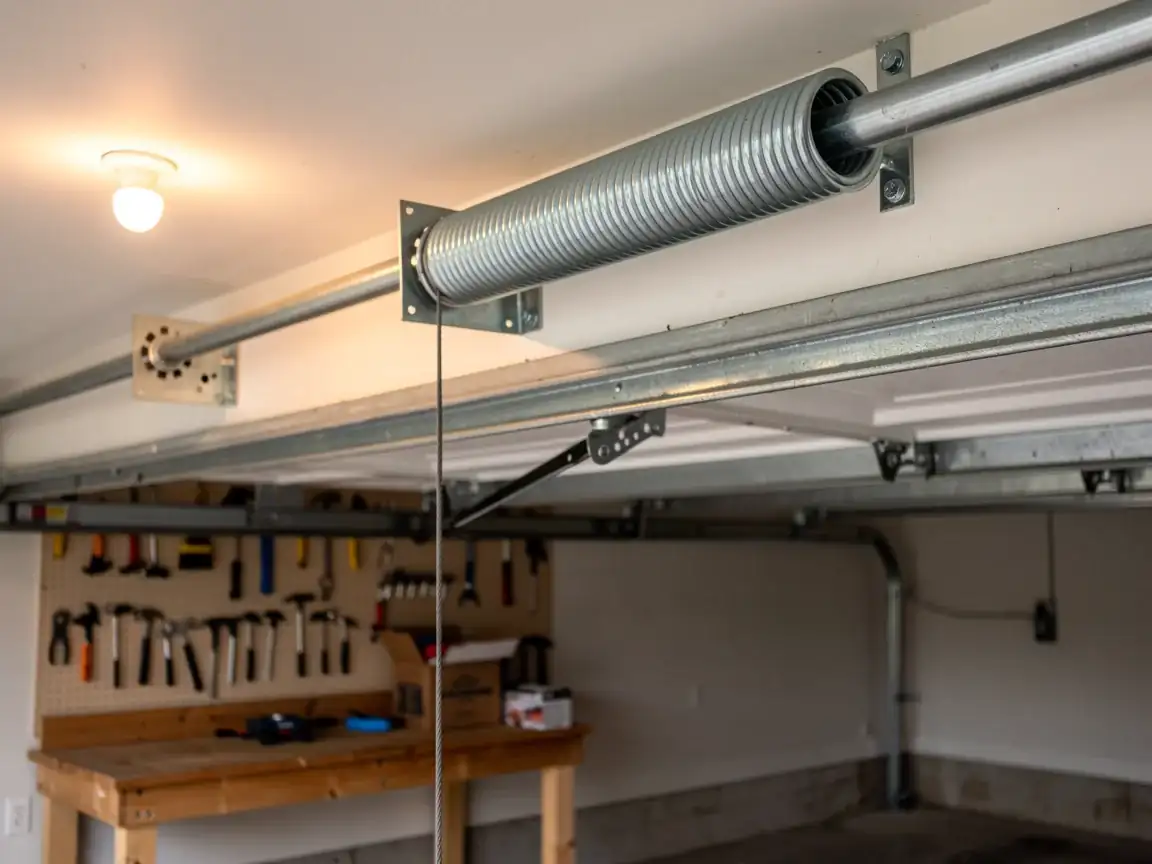
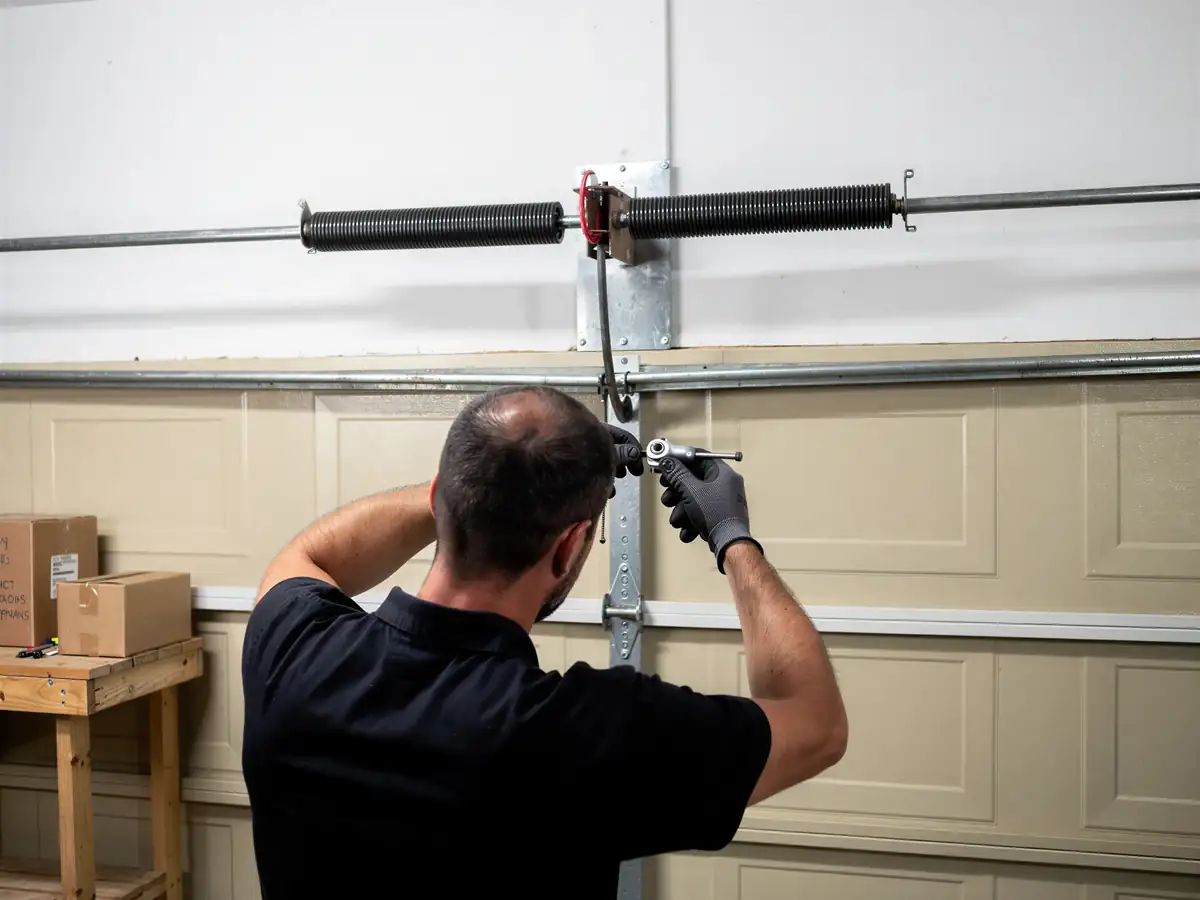
A torsion spring usually goes with a loud crack, often first thing in the morning when the garage has sat cold overnight. The door looks fine until you try to open it - then it's dead weight, or the opener strains and reverses. An extension spring failure looks different: one side of the door hangs lower than the other, or a cable goes slack and the door tilts as it travels the track. Both faults are common here because a large share of the housing stock in this service area dates to 1938-2000, with the median build year around 1976 - meaning a lot of original or first-replacement springs are decades past their cycle life and were never rated for the cold-climate swings this region sees. Across the 49 named areas we cover, the stock runs mostly 1960s-70s, which puts a huge number of homes in the same aging-spring window at roughly the same time.
How We Fix It
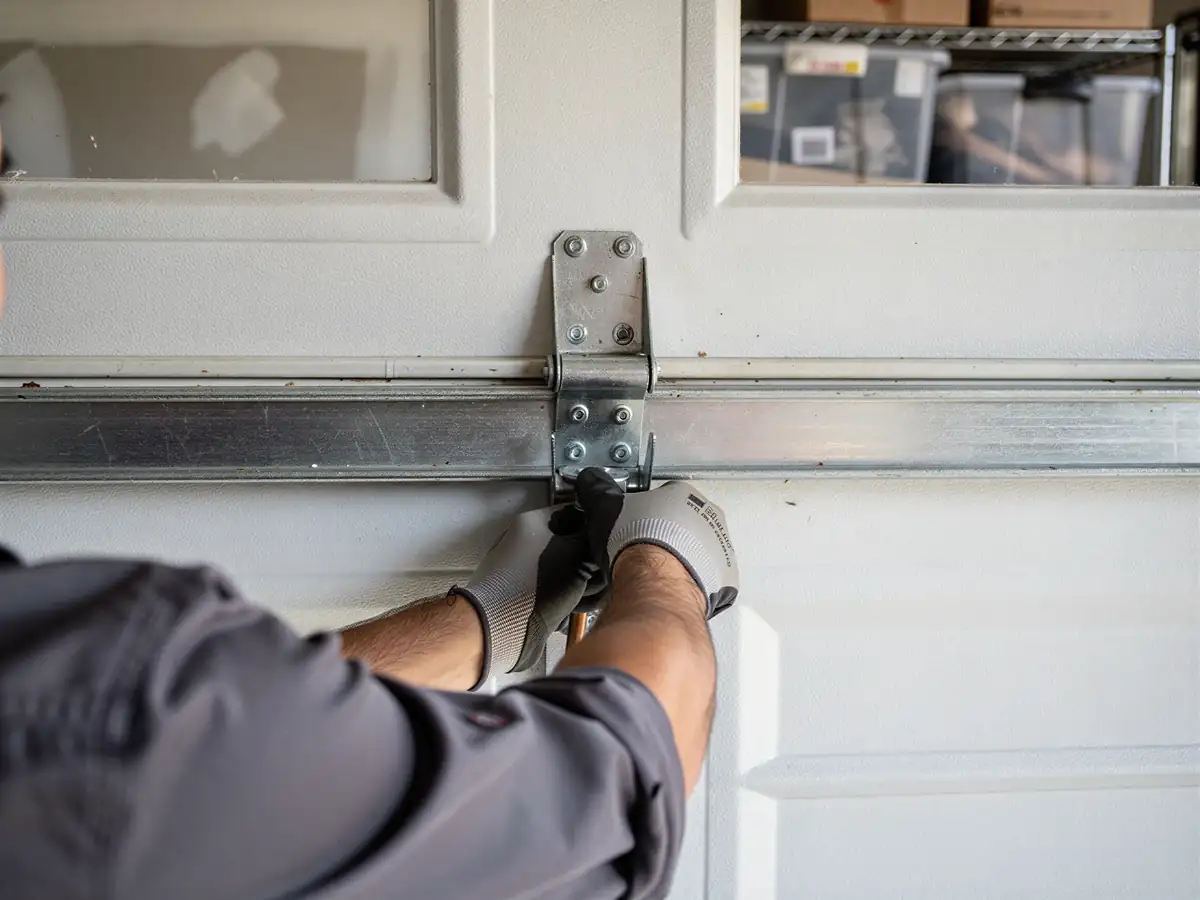
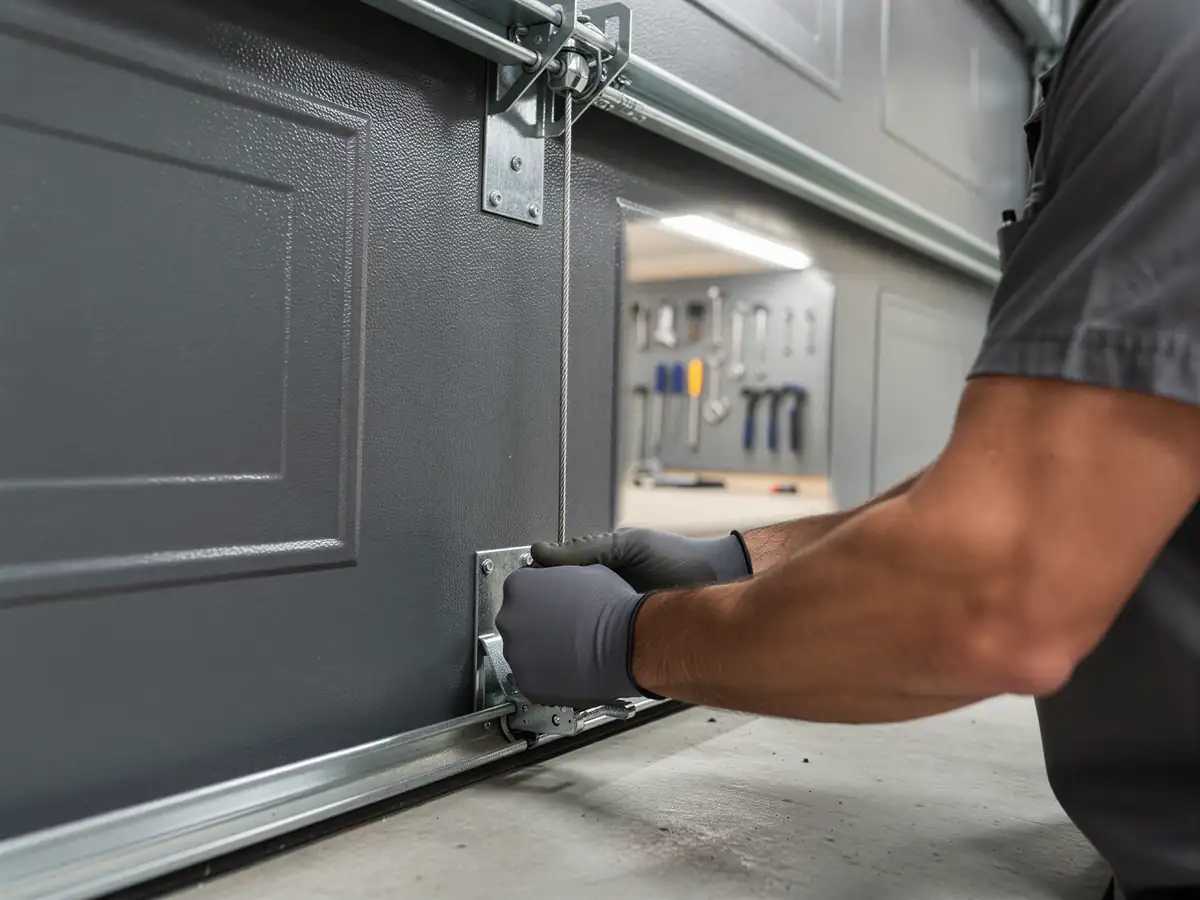
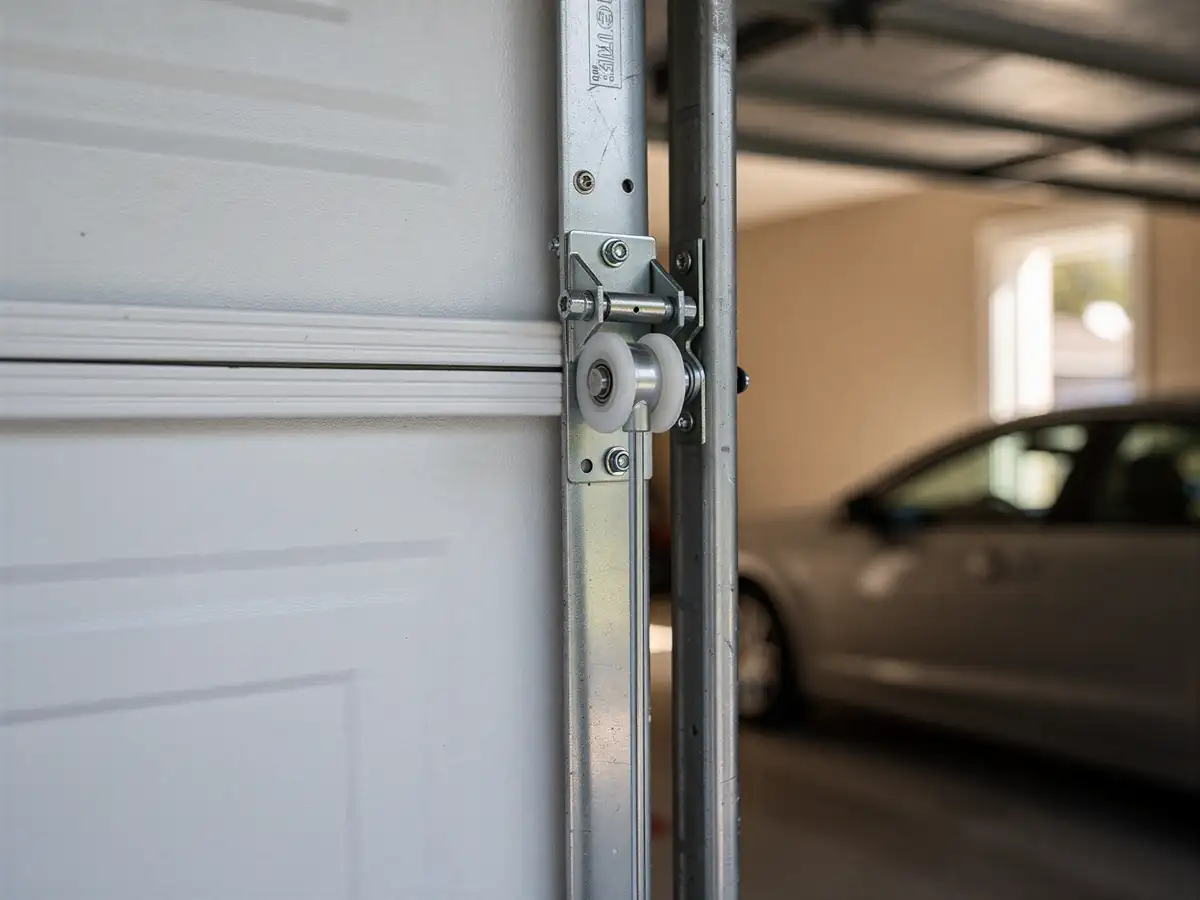
We size the replacement spring to the door's actual weight and cycle rating, not just to whatever was on it before - a mismatched spring is the single most common reason a repair fails again within a year. For torsion setups we replace in pairs even if only one has broken, since the surviving spring is usually close behind on cycle count. For extension systems we check the cables and pulleys at the same time, since a spring failure often stresses those parts too. One limitation worth saying plainly: if the door itself is warped, the track is badly bent, or the opener is failing alongside the spring, a spring swap alone won't fix the door, and we'll tell you that before we start rather than after. We carry common torsion and extension spring sizes on the truck for same-visit work; uncommon or discontinued sizes on older doors can mean a short parts wait.