What Is Going On
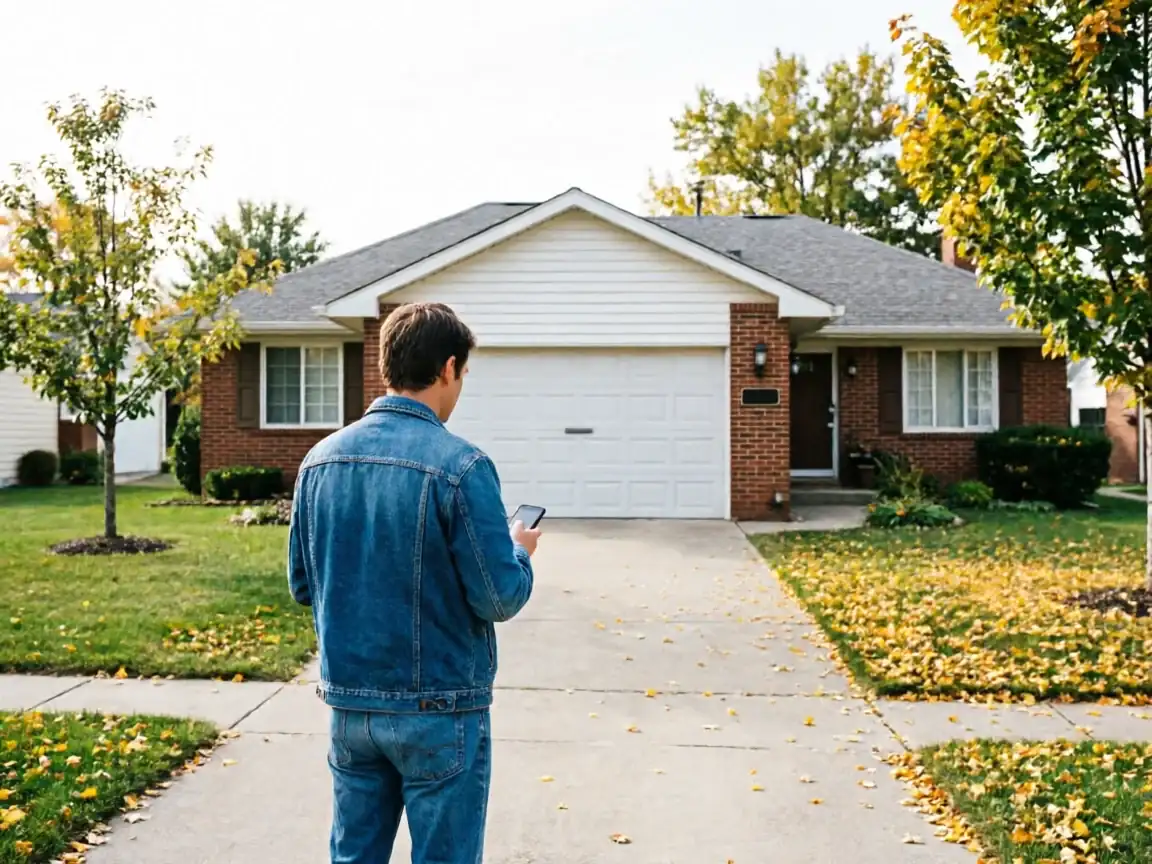
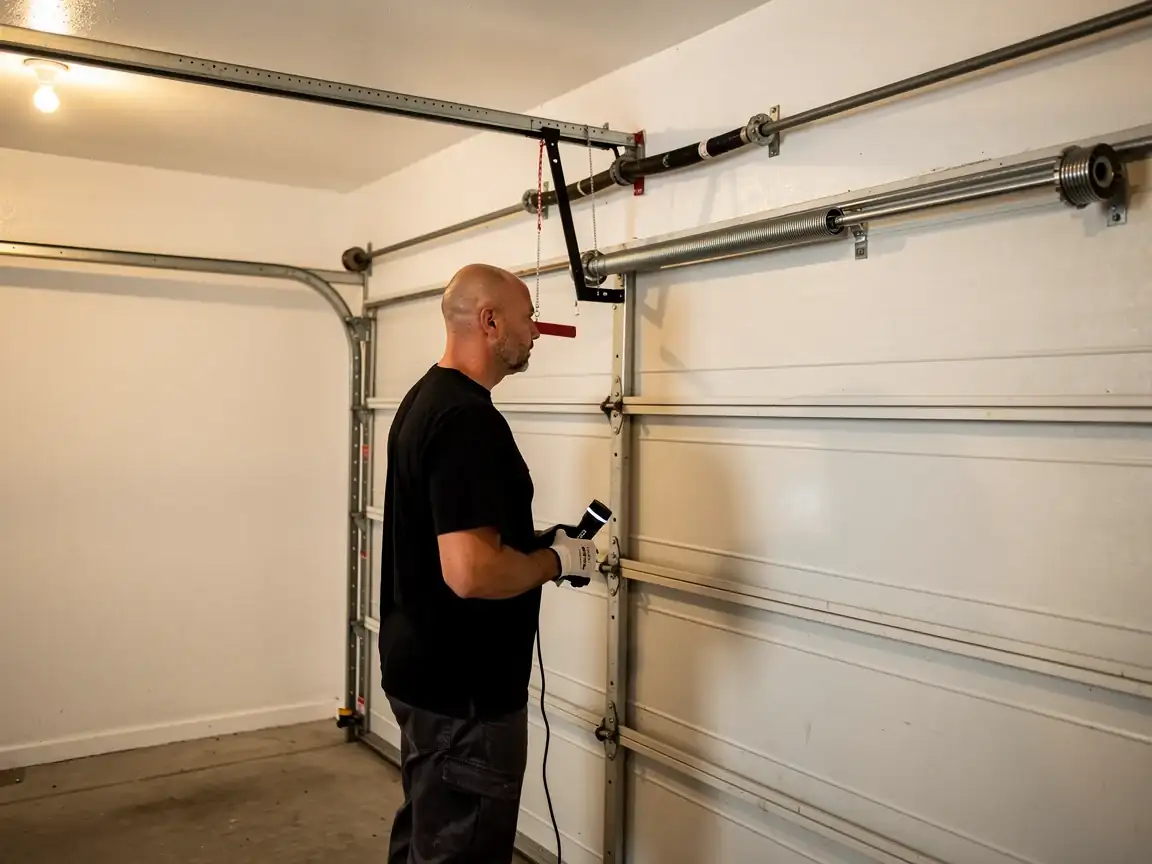
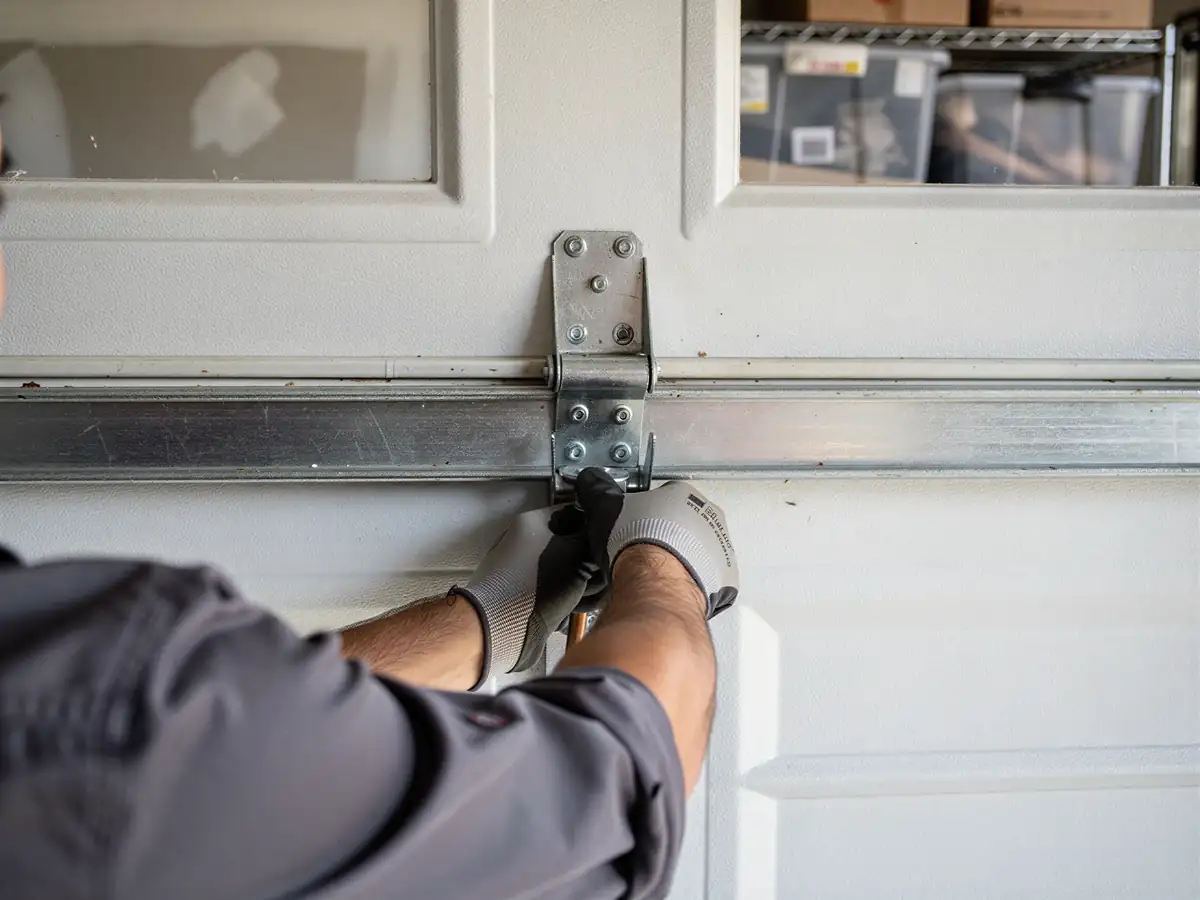
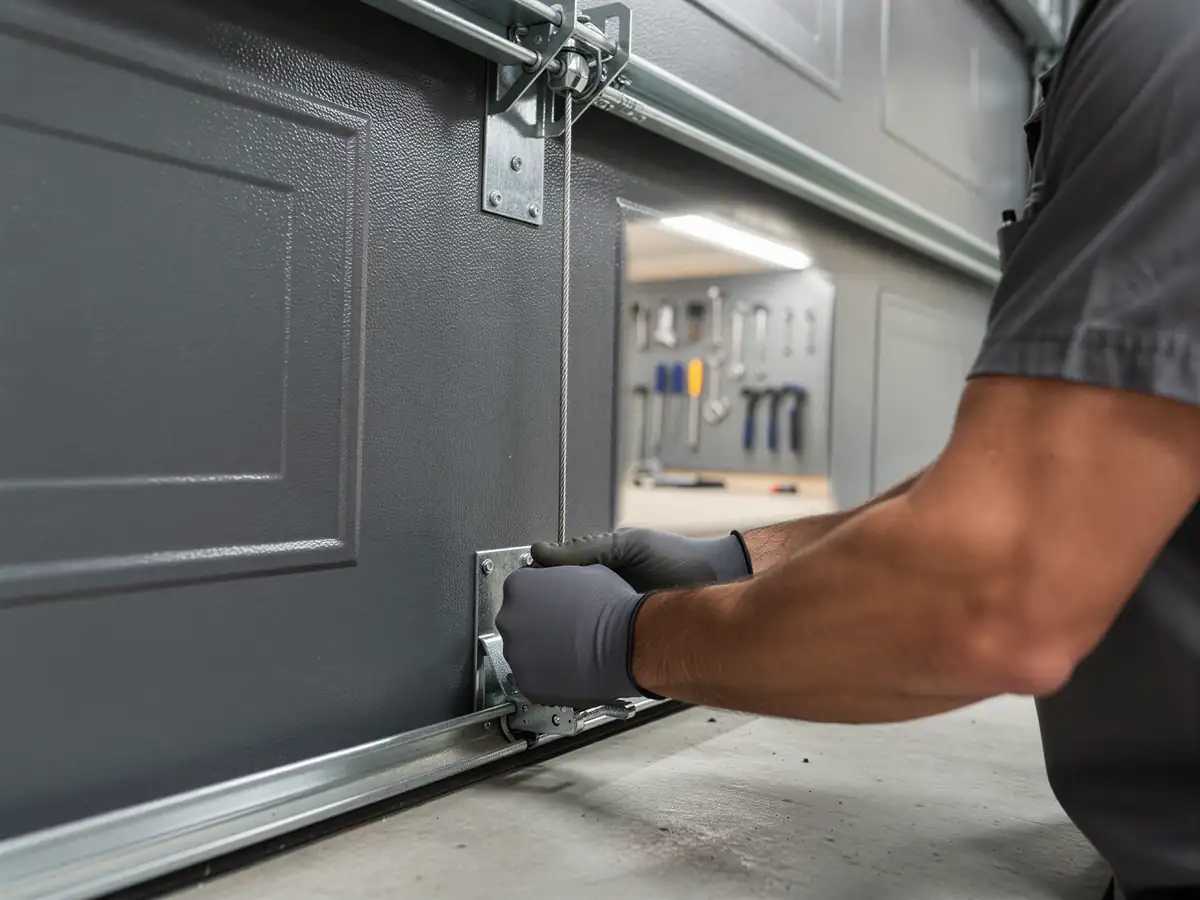
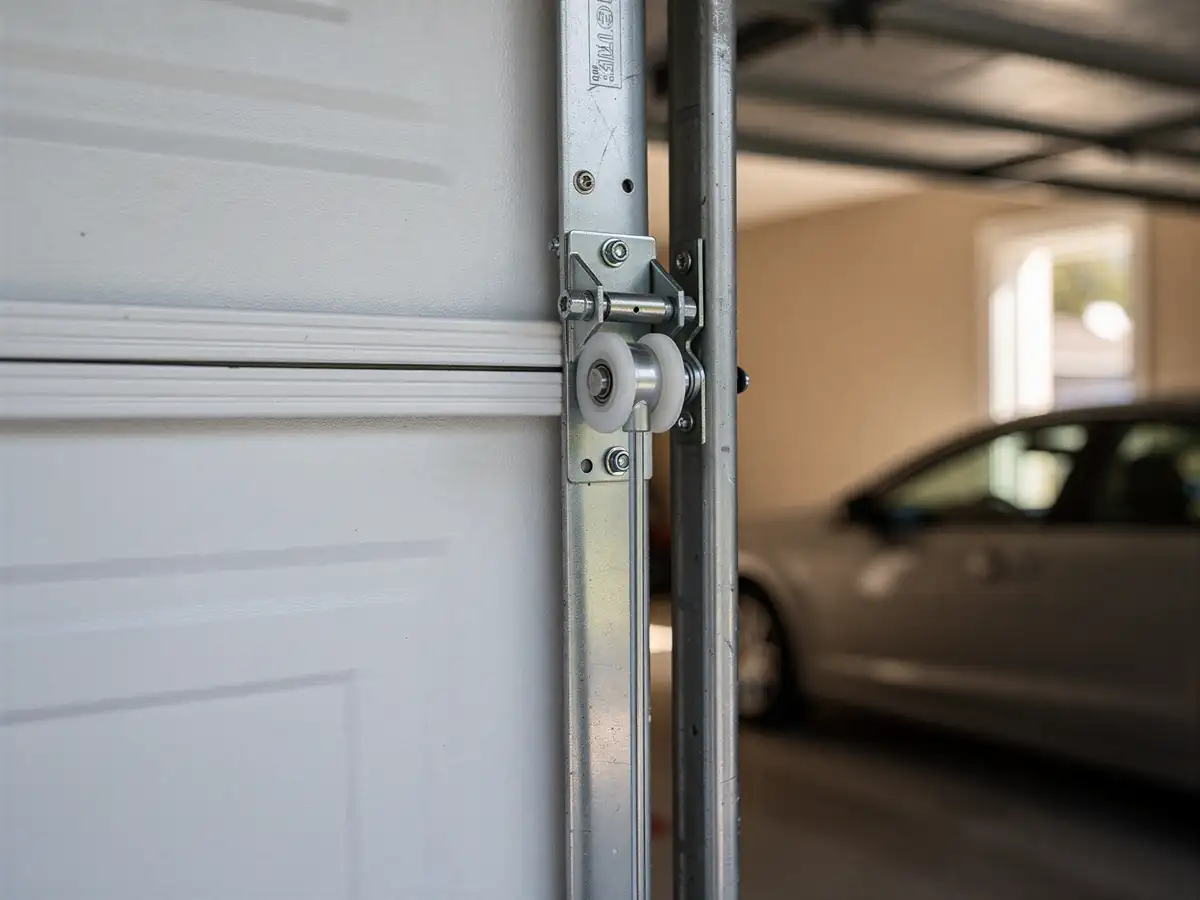
A door built for a house from the 1960s or 70s was never meant to stop heat loss - it was meant to keep rain and raccoons out, full stop. Insulation requirements for garage doors came later, which means a huge share of the original doors still on Menomonee Falls garages are single steel skin with an air gap behind them, or in some cases just steel with no backing at all. Over fifty-plus years that steel has flexed through thousands of freeze-thaw cycles, and the hardware - hinges, rollers, the torsion spring - has worked harder than it would on a modern insulated door because there's nothing dampening the vibration. What looks like a worn roller or a noisy opener on one of these older doors is frequently just the door doing exactly what an uninsulated 1970s panel does after five decades: it's loose, it's thinner than it was, and it's not holding its shape the way a new door would.
What the Weather Here Does to It
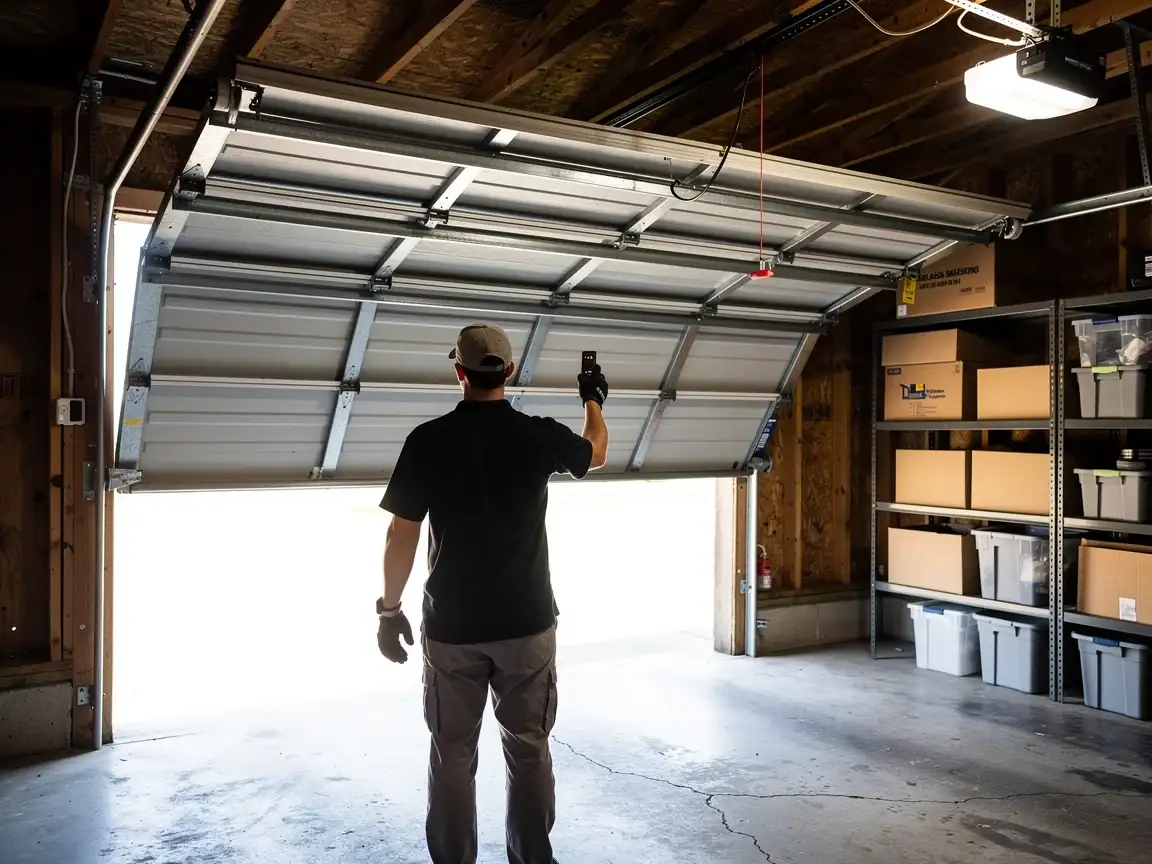
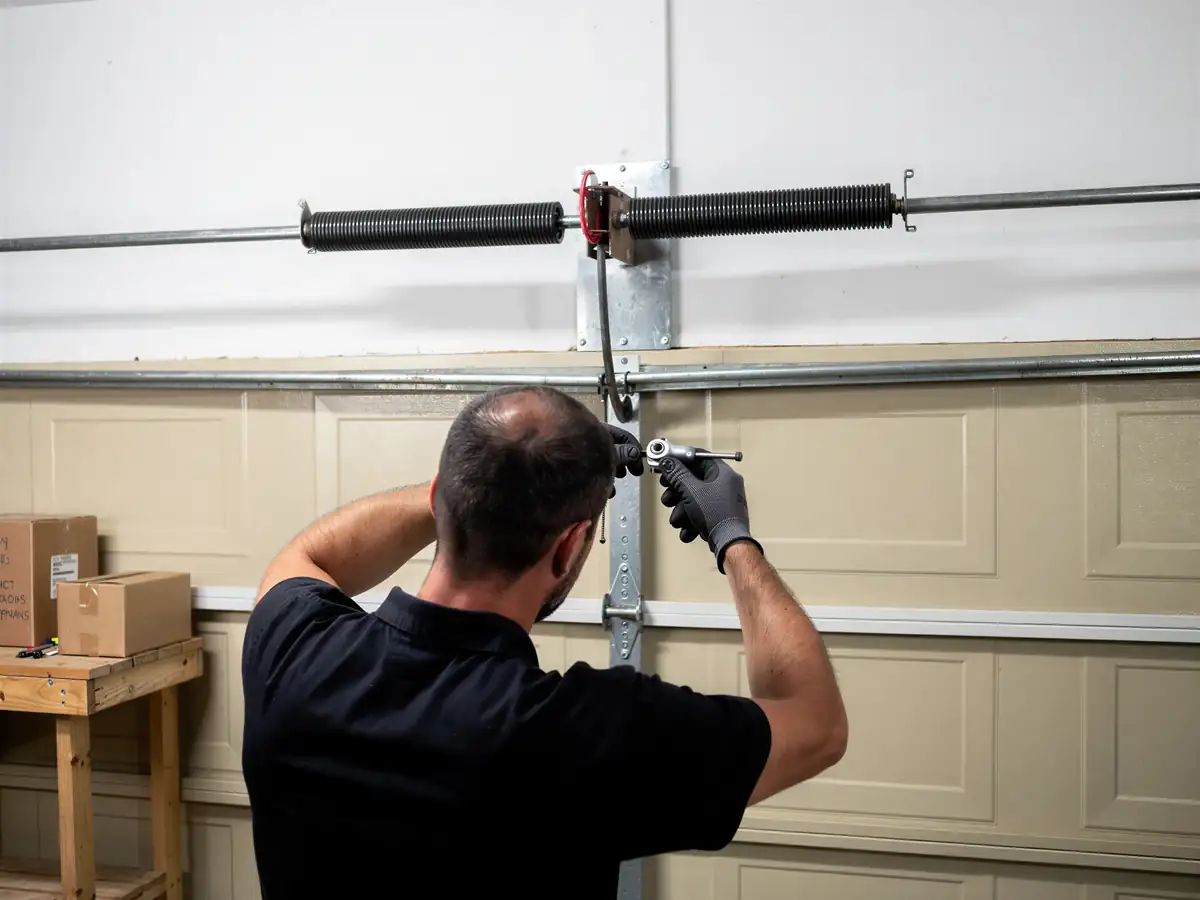
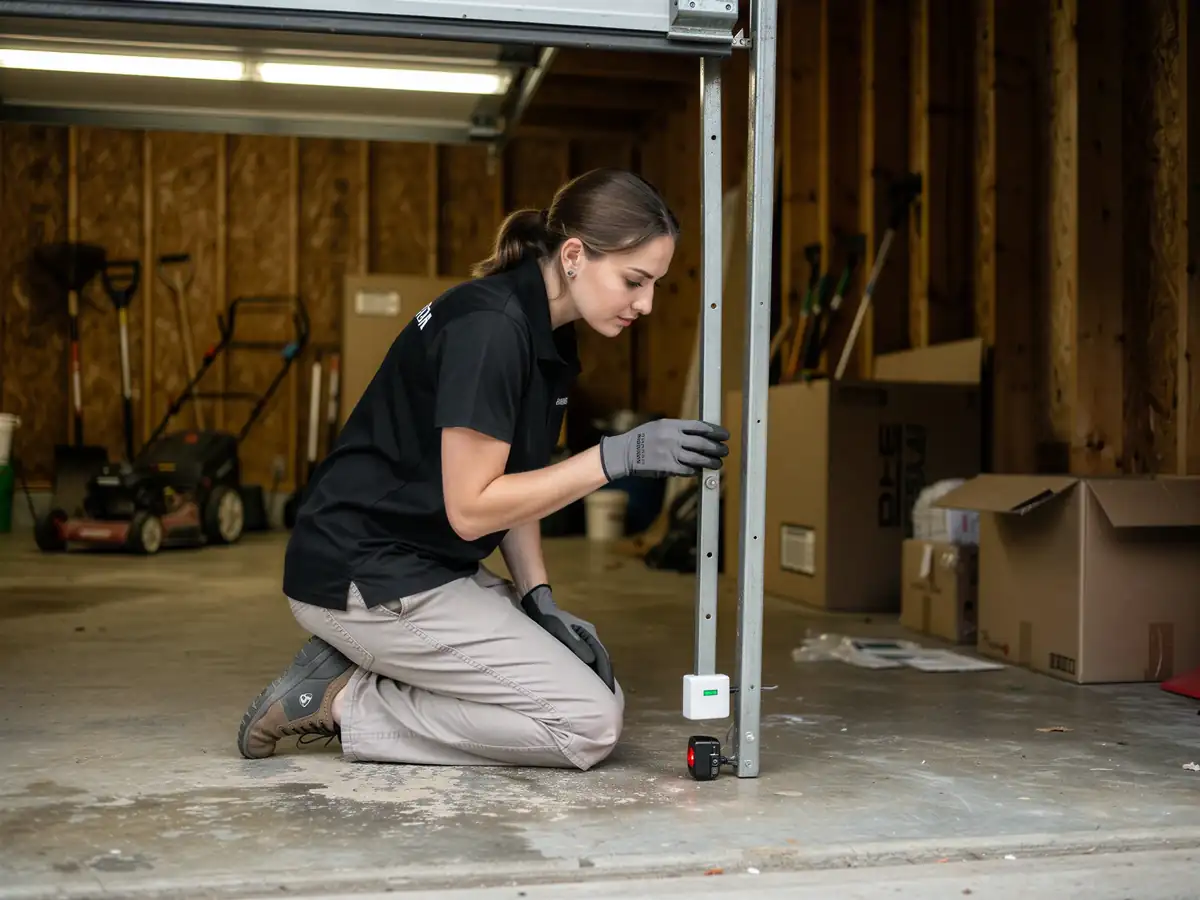
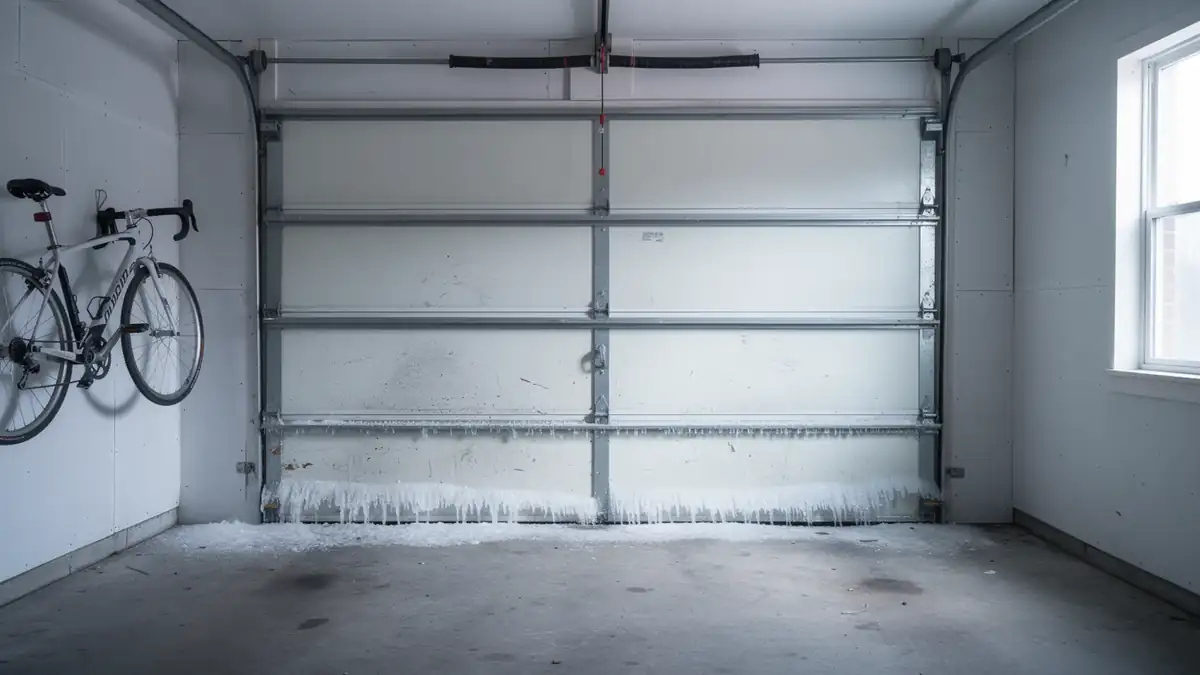
This area sits in a cold climate zone with severe winter conditions, and an uninsulated door is the part of the house least equipped to handle that. Steel contracts in deep cold, and on a door with no foam core, that contraction shows up as gaps along the bottom seal and at the panel joints - gaps that let wind straight into the garage. If you've got a torsion spring original to the house, cold makes the steel more brittle right when the door gets used the most, which is exactly backwards from what you want. We see this pattern over and over on the older stock around Menomonee Falls: a door that worked fine in October seizing up or snapping a spring in January, because nothing about that door was built with a severe winter in mind. It wasn't designed wrong - it was designed for a building code that didn't ask the question.