What the Housing Means for Your Door
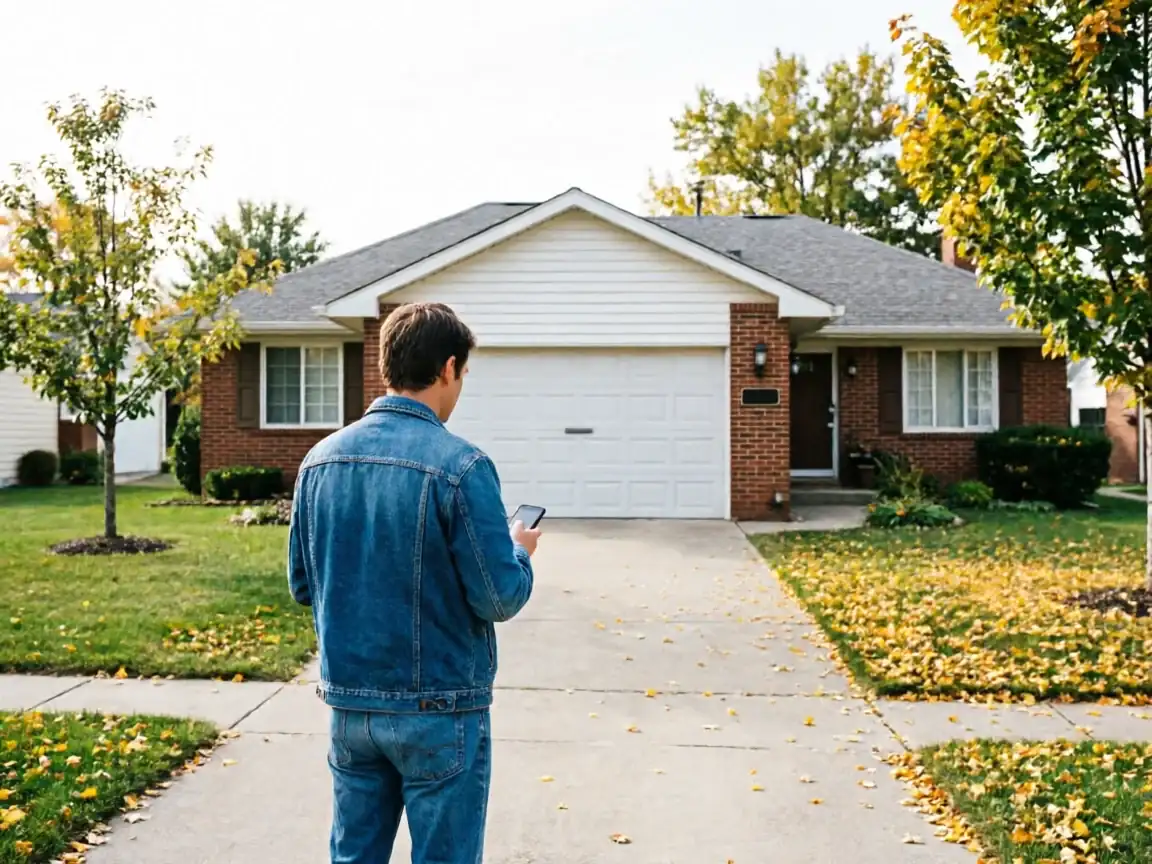
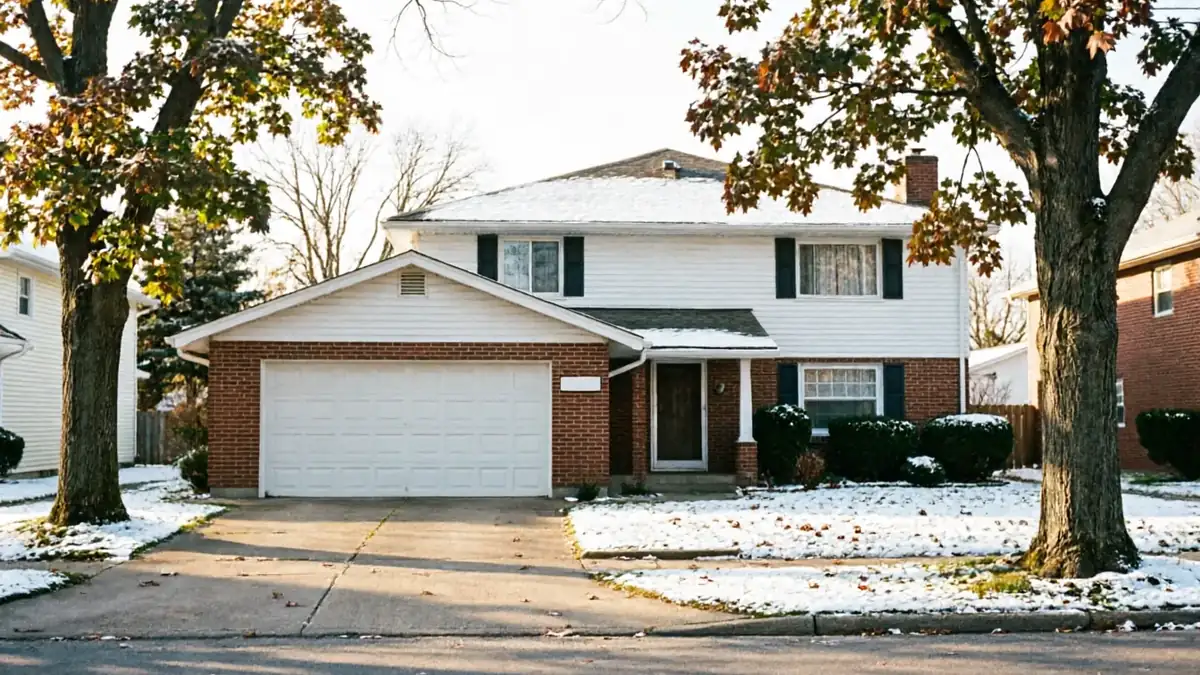
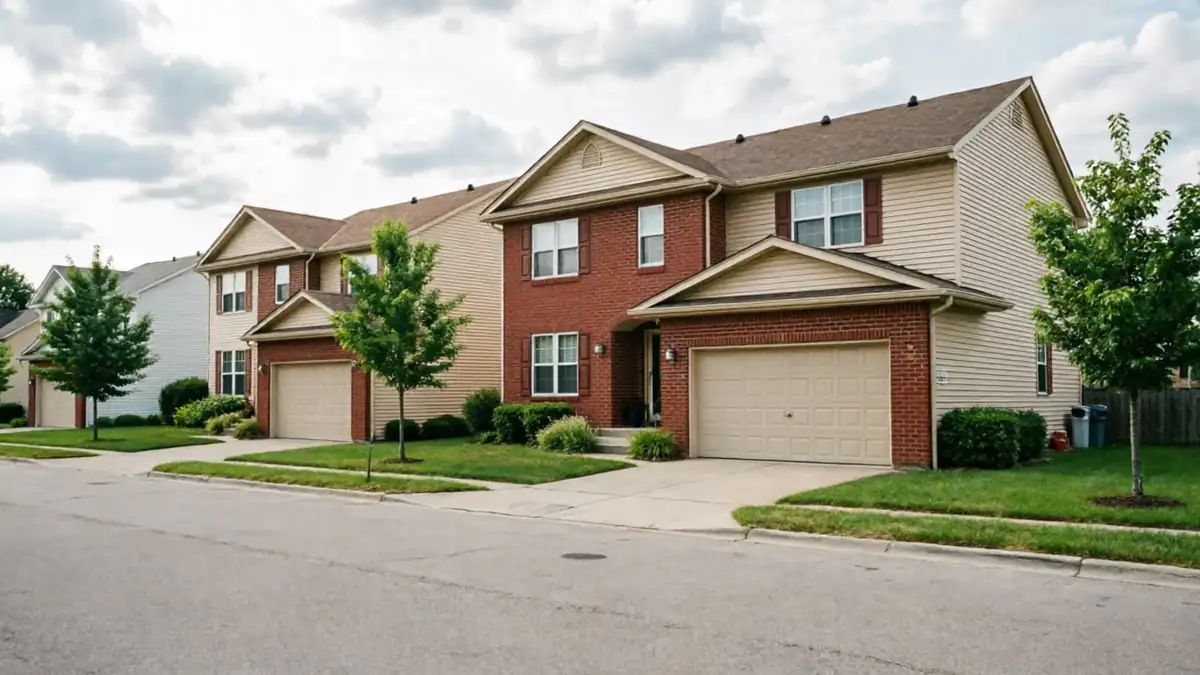
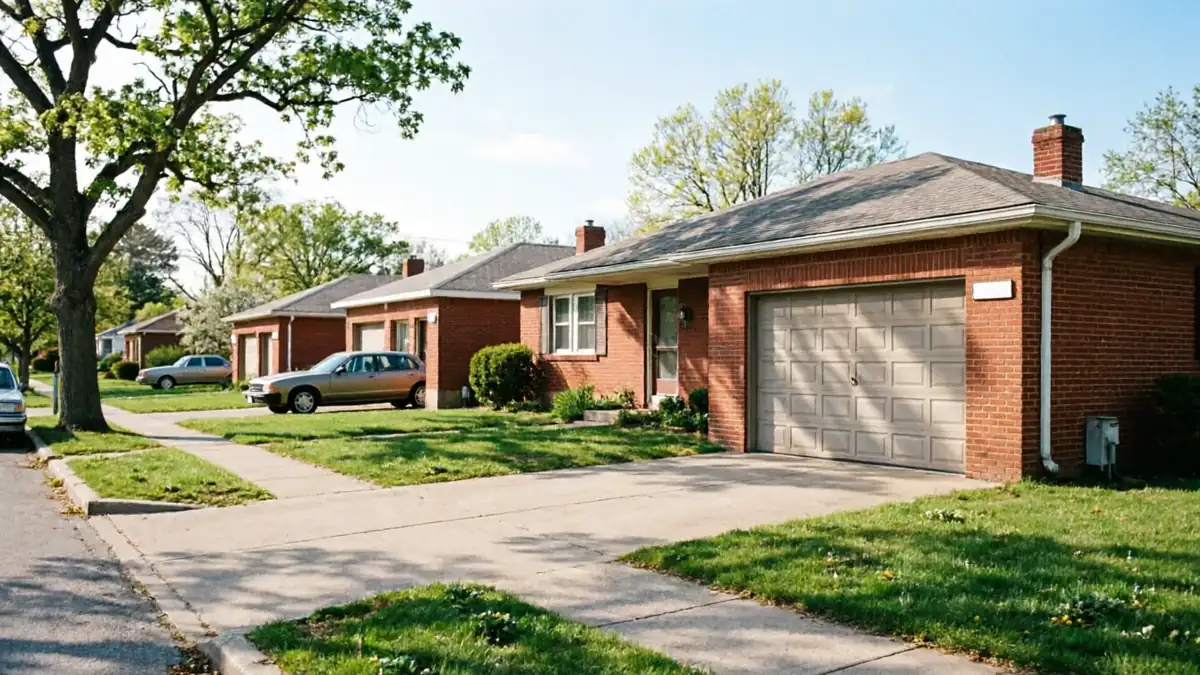
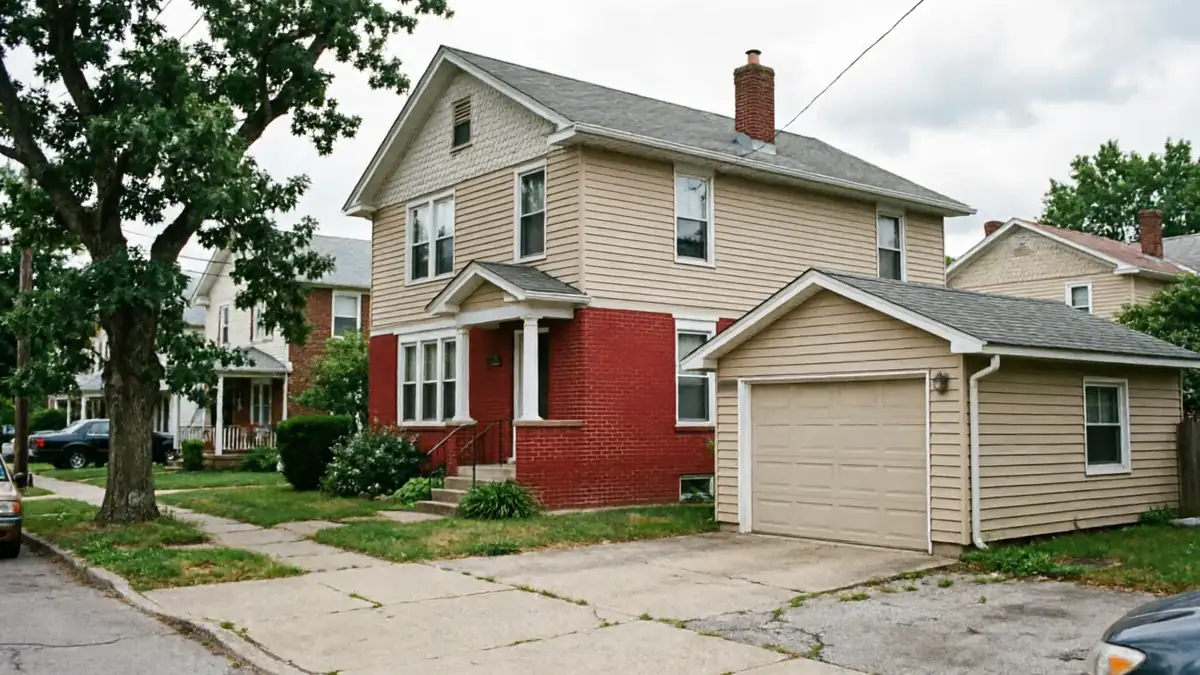
Richfield's housing stock runs newer than most of the areas we cover out of Menomonee Falls
The median build year here is 1988, a solid decade or more past the 1976 median across the wider service territory. That matters because it changes what we find when we lift the panel off the track.
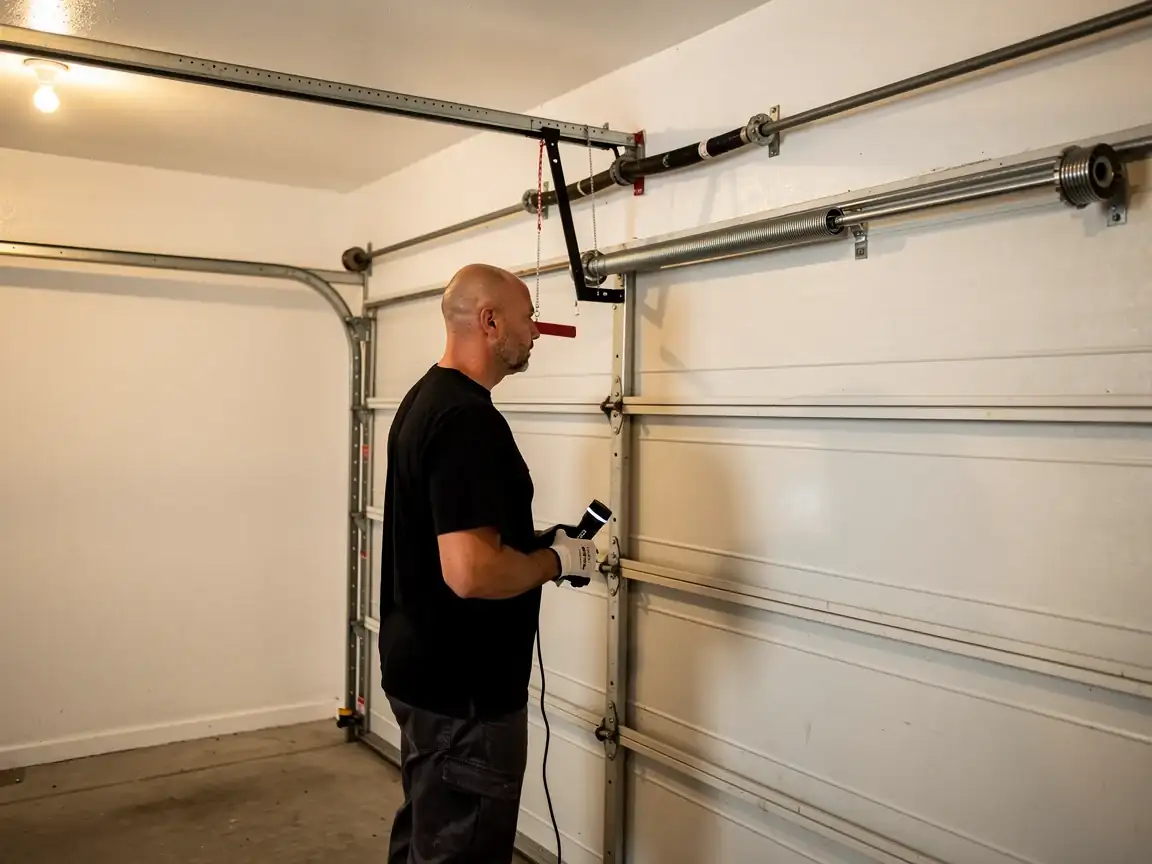
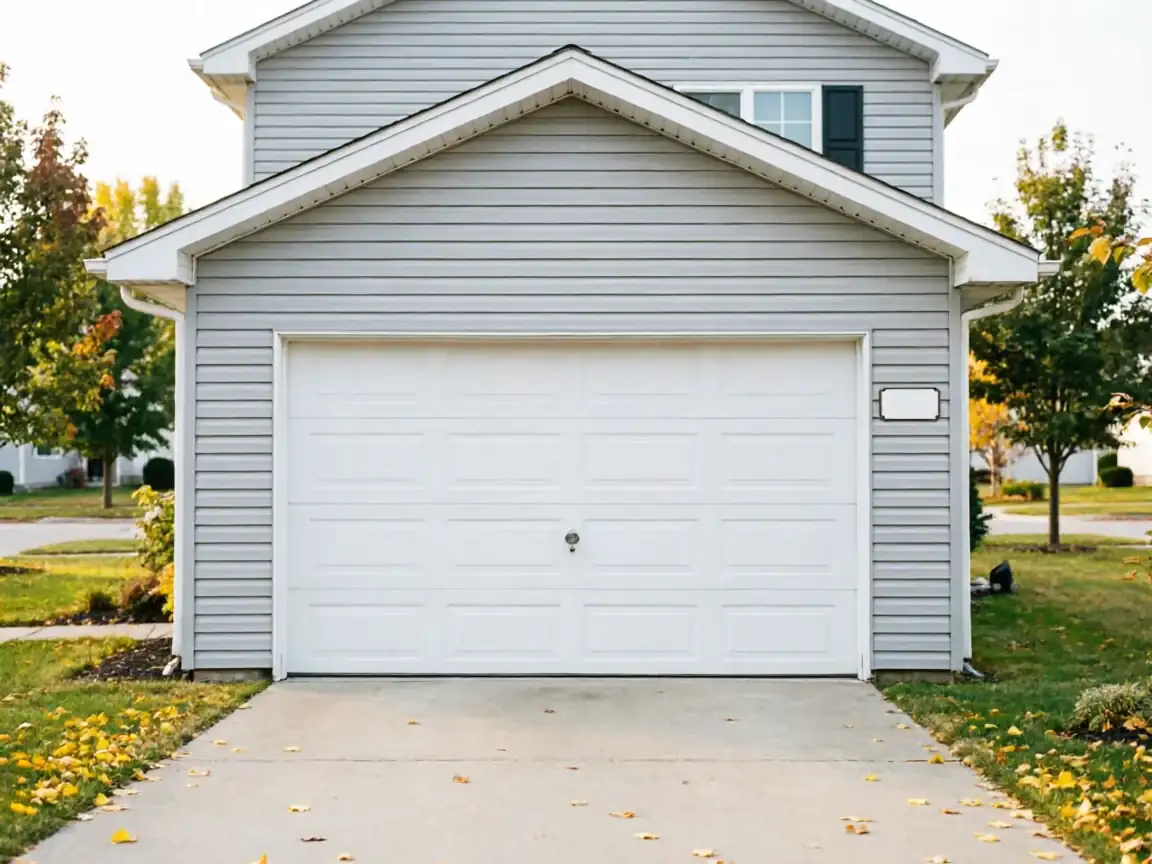
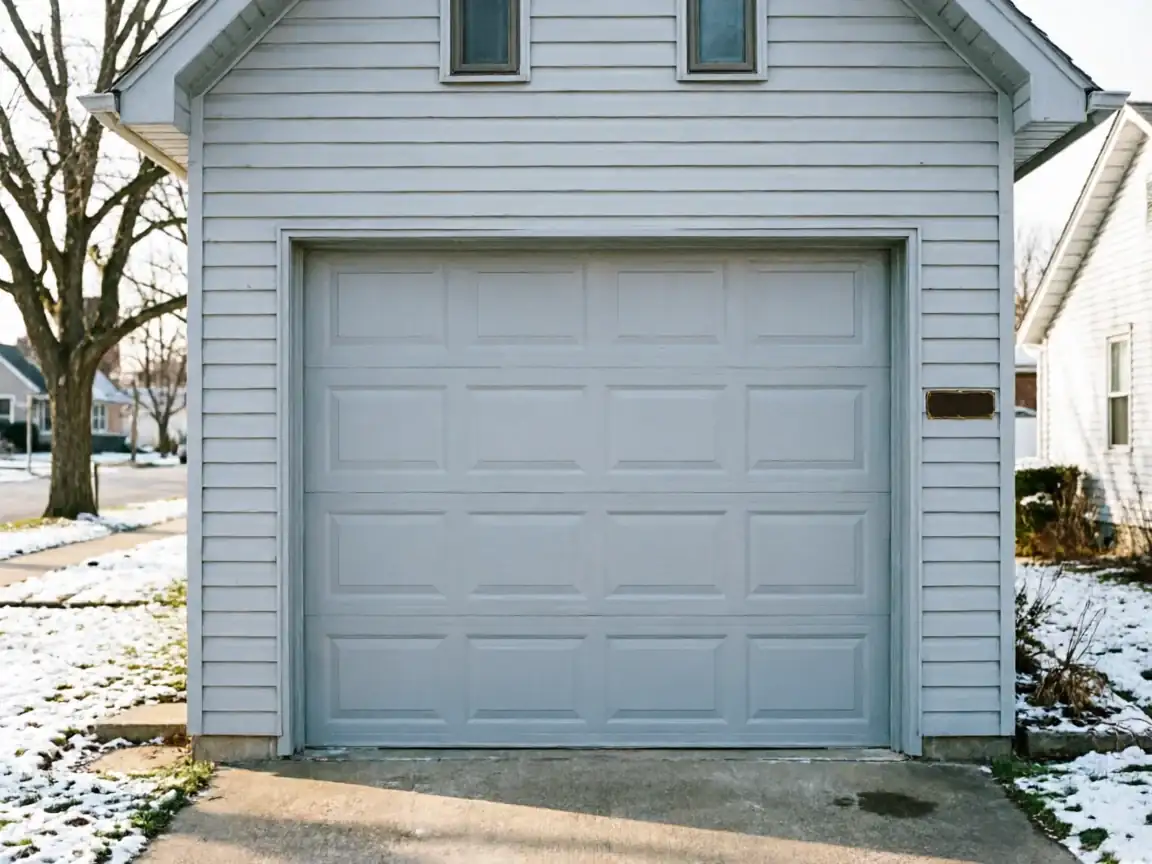
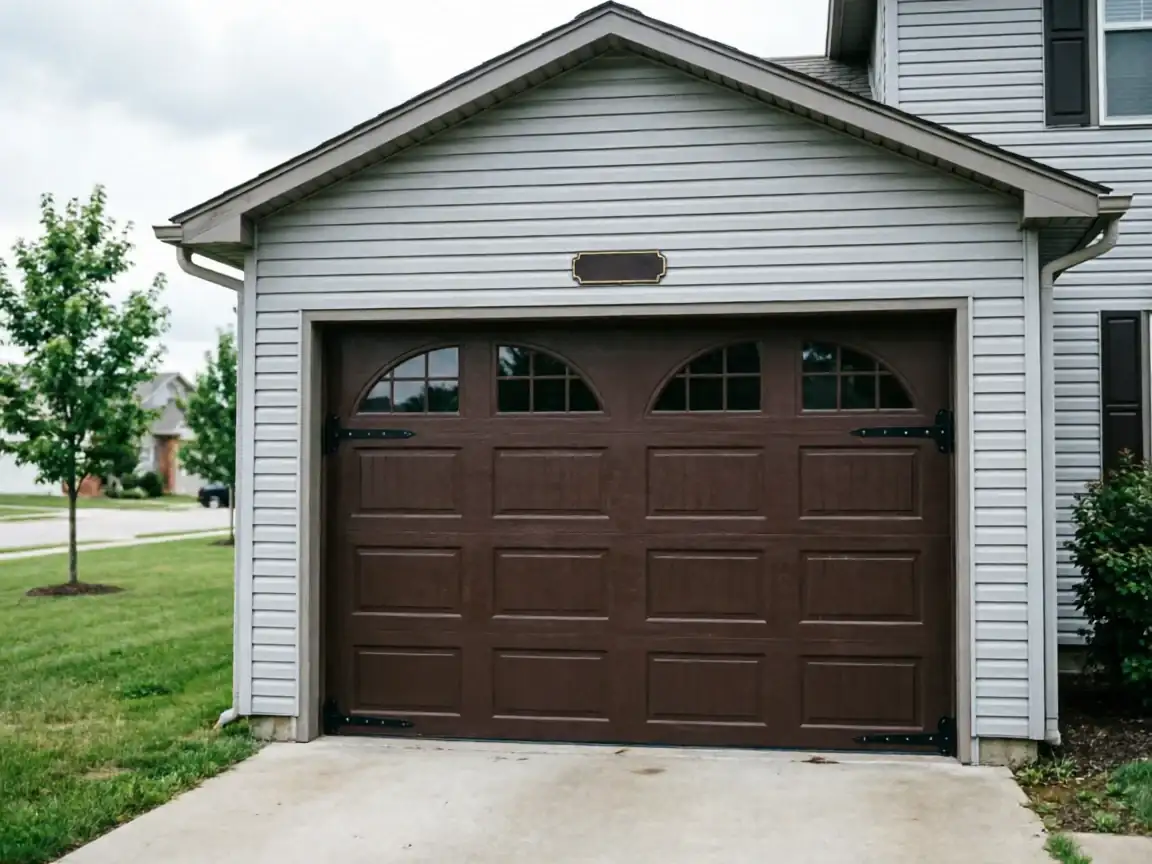
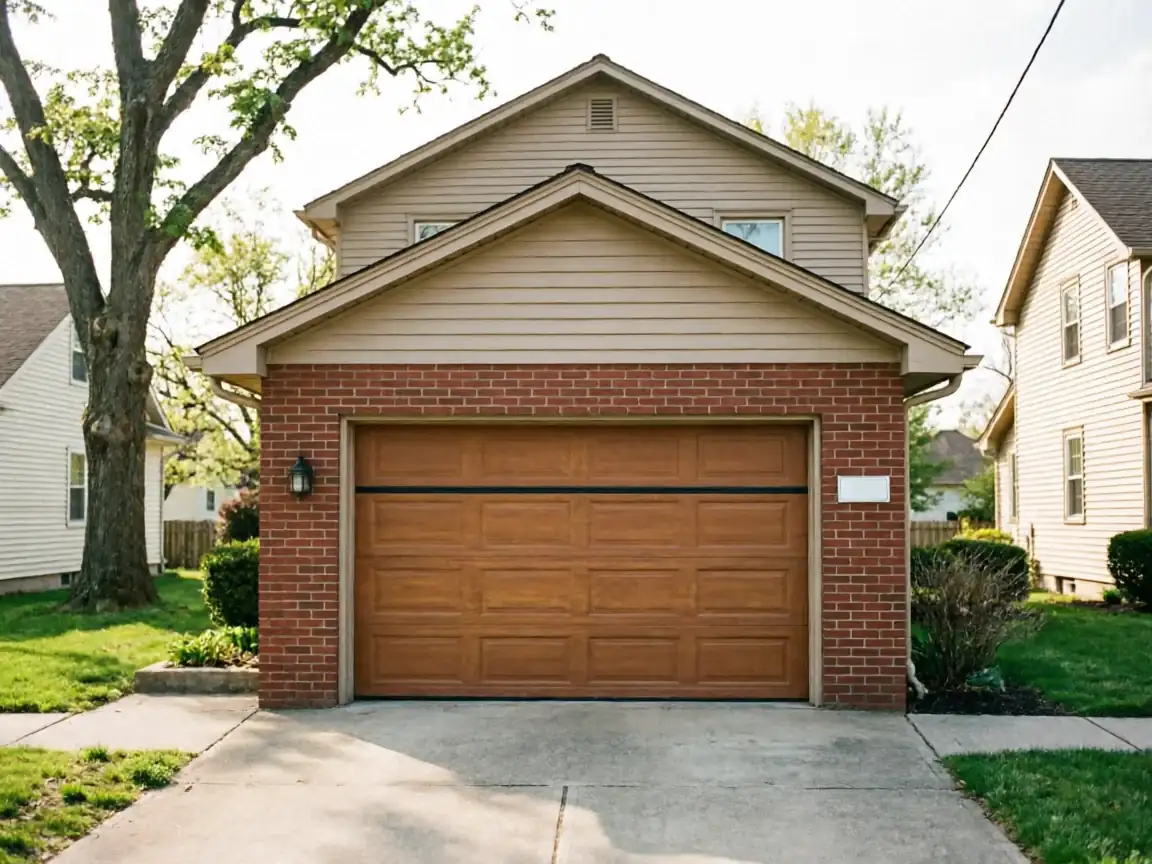
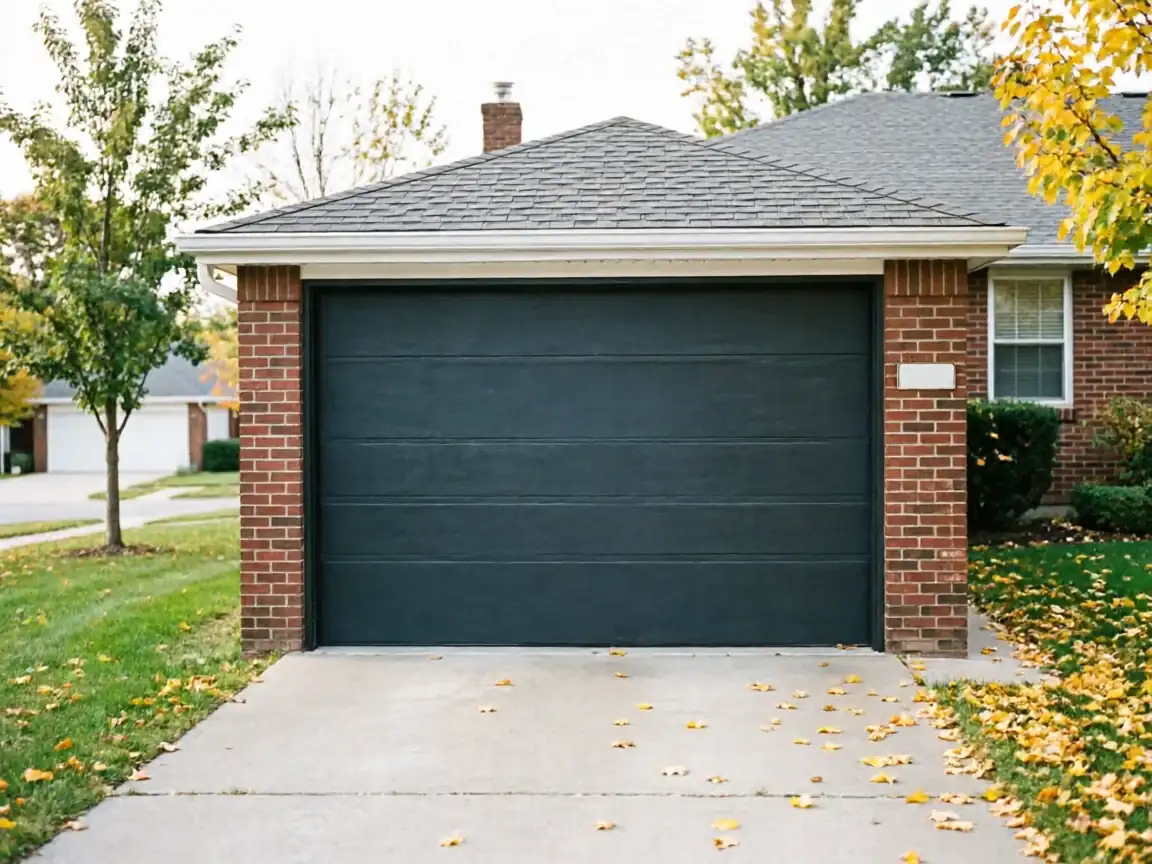
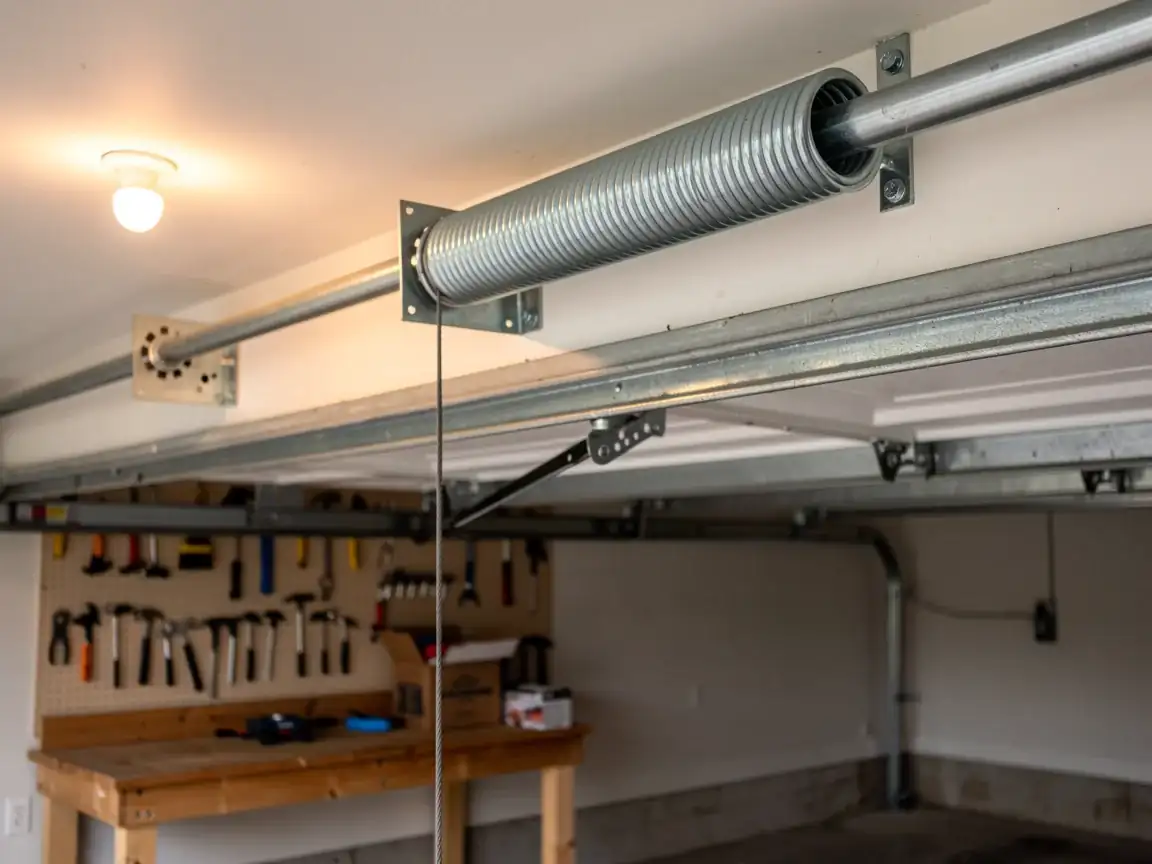
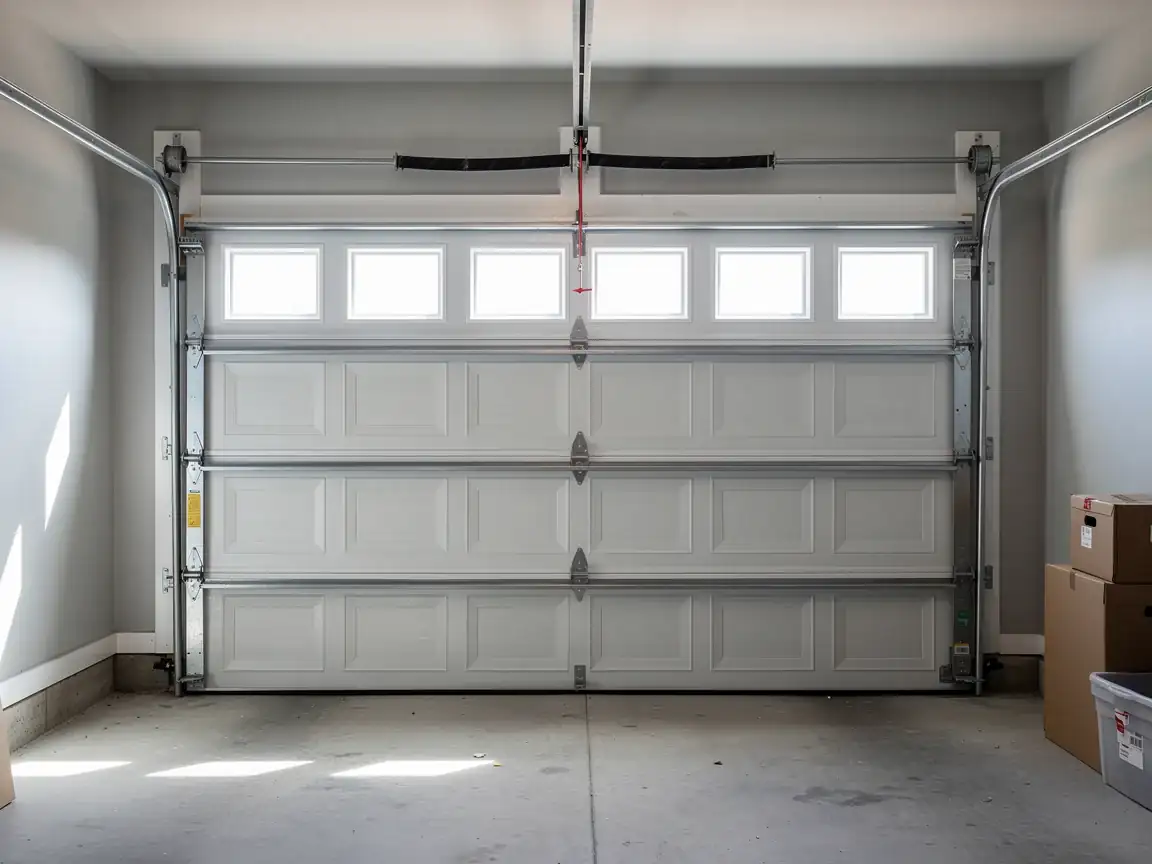
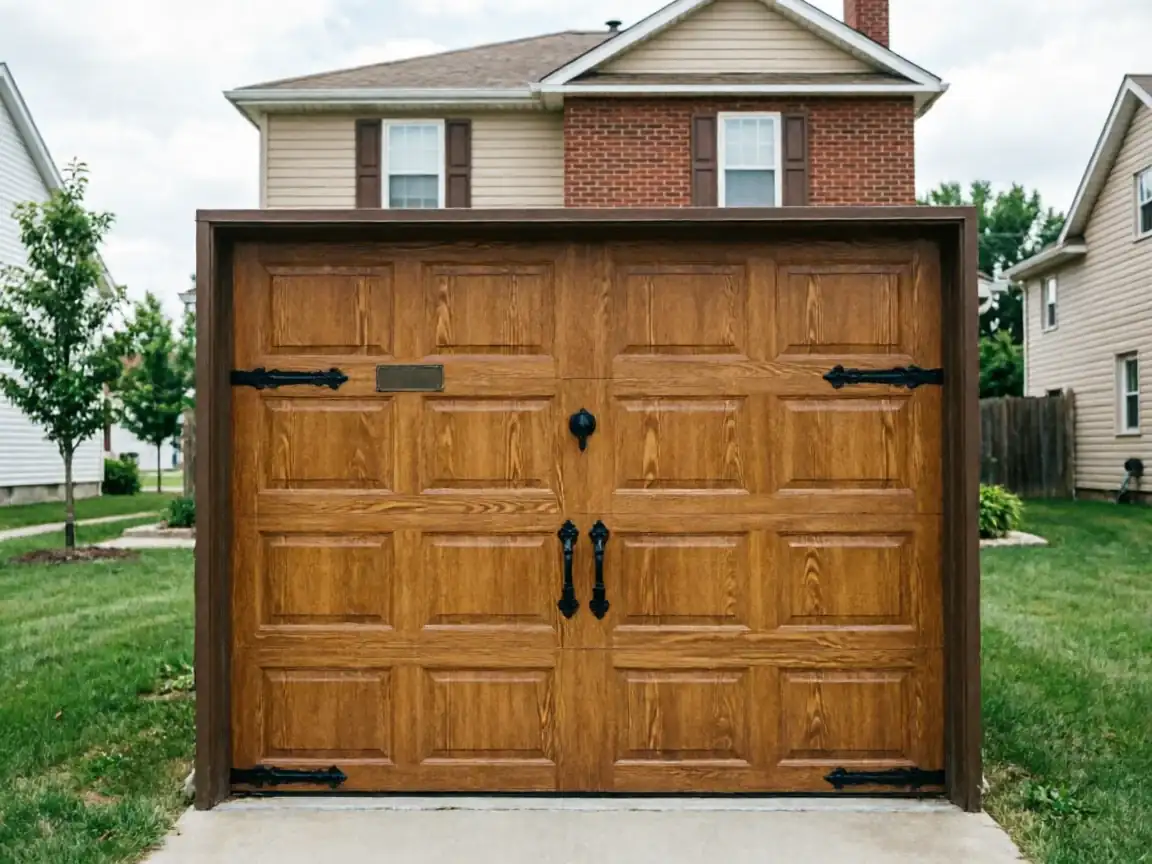
A house built in the late 1980s typically came with a steel sectional door on a factory torsion system
Not the older extension-spring or one-piece doors still common in the 1960s and 70s pockets nearby. The openers from that era are usually chain-drive units that have either been swapped once already or are nearing the end of their second decade of service. Springs on these systems are sized for lighter insulated panels than what you'd see on an older heavy wood door, so when a spring breaks here, it's rarely because someone put the wrong size on - it's closer to normal fatigue after 10,000-plus cycles.
We're not guessing at this
The build-year pattern tells us what to expect before the truck even leaves Menomonee Falls, which is why a Richfield call usually takes one trip, not two.
The Drive Over
Richfield sits about 8 miles from our shop in Menomonee Falls. That's a straightforward run, not a detour, and it's close enough that we don't treat it as an outlying stop tacked onto the end of a route. We don't keep a depot or staff stationed in Richfield - every job starts from Menomonee Falls - but the distance doesn't change how we price or schedule the work.
Worth saying plainly: we don't promise a same-hour arrival just because the drive is short. Weather, parts on the truck, and whatever job is ahead of yours on the board all factor in. What we can say is that 8 miles doesn't add the kind of delay that a 15-mile run to somewhere like Delafield or Nashotah might on a bad traffic day.
Common Jobs Here
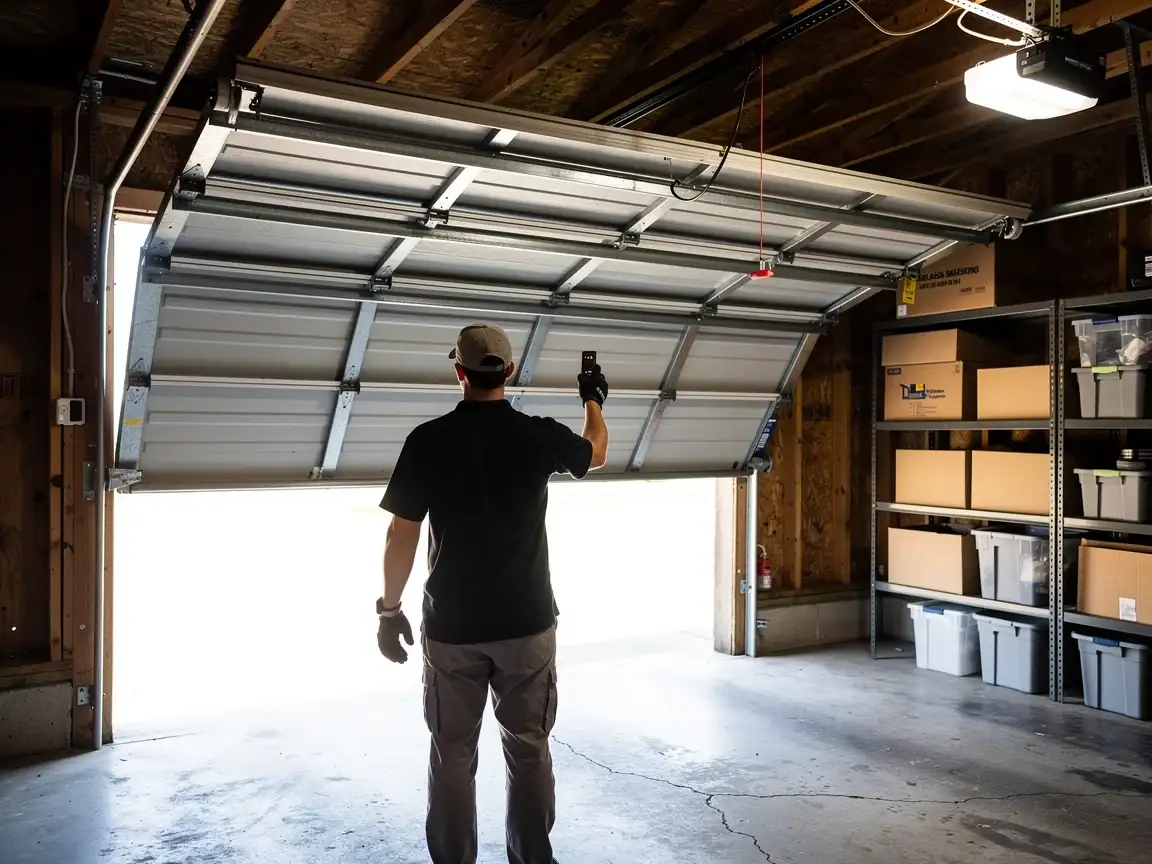
Given the late-1980s median build year, the jobs we get called out for in Richfield skew toward wear, not design flaws. Torsion springs that have simply run their cycle count. Nylon rollers that have gone brittle and started chipping the track. Chain-drive openers from the original install or the first replacement, now grinding or slipping a gear.
We also see more opener circuit board failures here than in older housing stock - houses from this era were among the first wave to get wired openers with safety-reversal sensors, and after 30-plus years those sensor eyes and the boards behind them are a common failure point, especially after a cold snap.
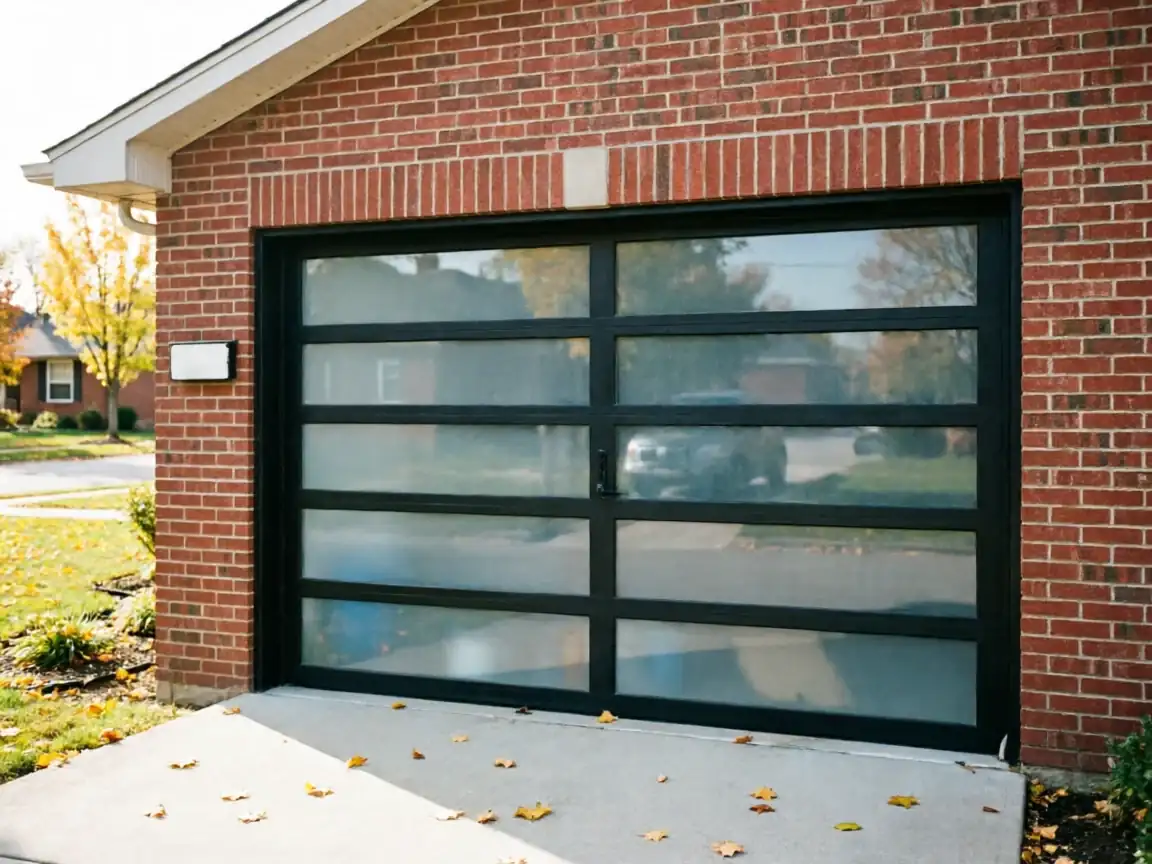
What we don't typically find much of here: the one-piece wood doors and side-mounted spring setups that are still common in older sections of the service area. If your door predates 1988 by a wide margin, it's probably not original to the house, and that's worth telling us when you call - it changes what parts we bring.
The Houses Here
With a median household income of $135,774
Well above the $104,337 median across the broader area we serve, Richfield's roughly 4,578 households tend to invest in keeping a door system running right rather than letting it limp along. We see more owners who replace an opener before it fully fails, and fewer doors held together with a mismatched spring from a previous owner's quick fix.
- 4,578 households
The winters here are the same cold-climate conditions as the rest of our coverage area
The severe cold band doesn't stop at a township line. That means insulated panels and weatherstripping that actually seals matter as much here as anywhere else we drive to, even with newer housing stock. A door built right in 1988 still needs its seals checked once that rubber starts to crack, and cold makes brittle rubber crack faster, not slower.