Why This Fails Locally
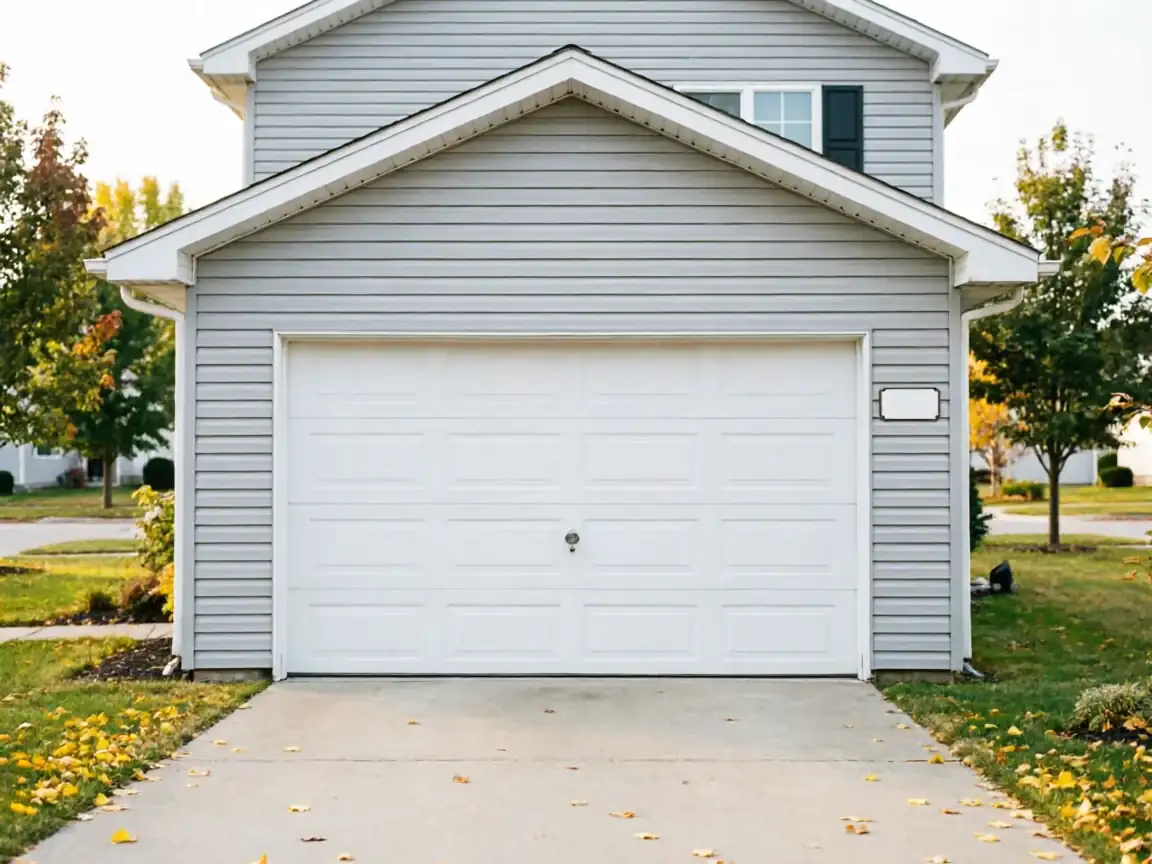
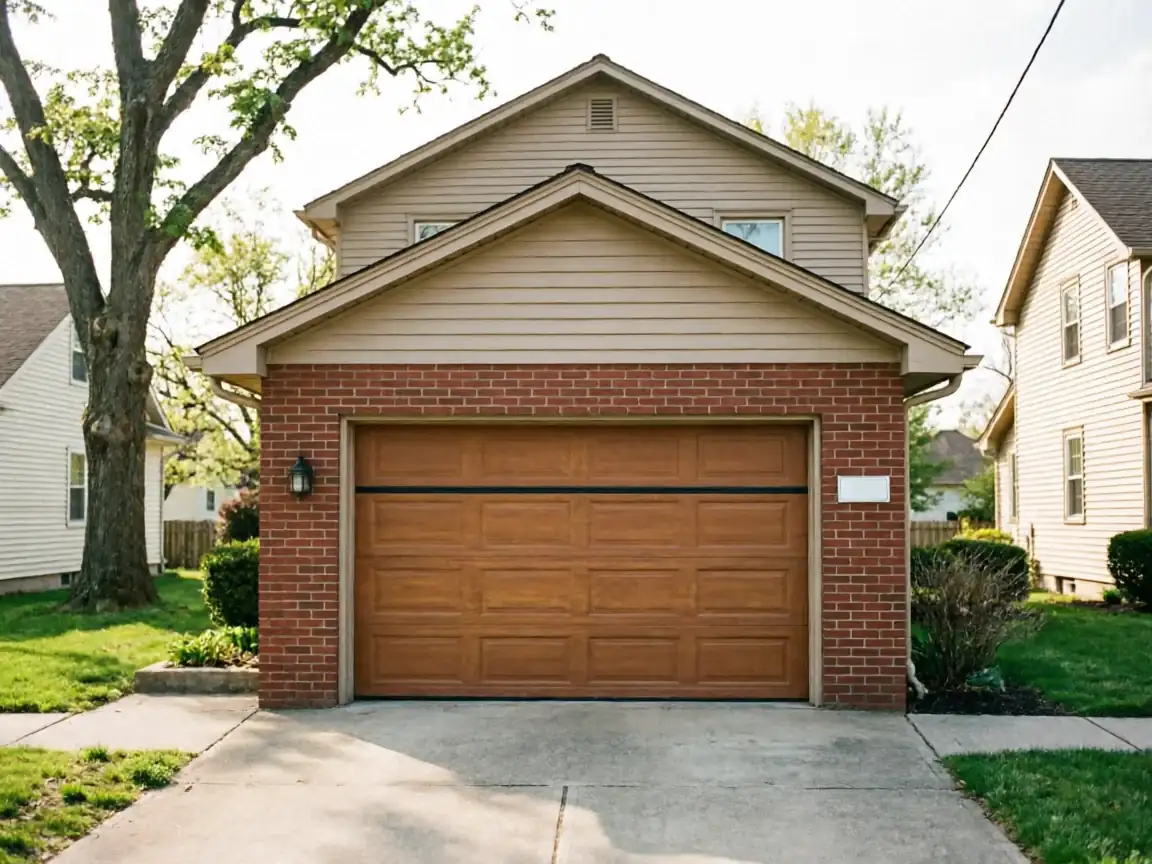
Richfield's housing stock runs newer than most of the towns we cover - the median build year here is 1988, a good decade-plus past the 1976 median across the wider service area. That means most doors we see on these jobs are original or second-generation torsion systems from the late '80s through the '90s, not the older side-mounted extension setups common in older pockets nearby. Those newer torsion springs are rated for more cycles, but they still fatigue and snap, usually on the coldest mornings of the year - the area sits in a cold, severe winter climate, and steel contracts and gets brittle right when you're leaning on the opener hardest. With household income here running well above the area median (Richfield's median sits around $135,774 against $104,337 across the broader service area), we also see more upgraded, heavier doors - insulated, multi-layer panels - which means a bigger spring, a bigger failure, and a job that isn't a stock swap.
Doing It Yourself
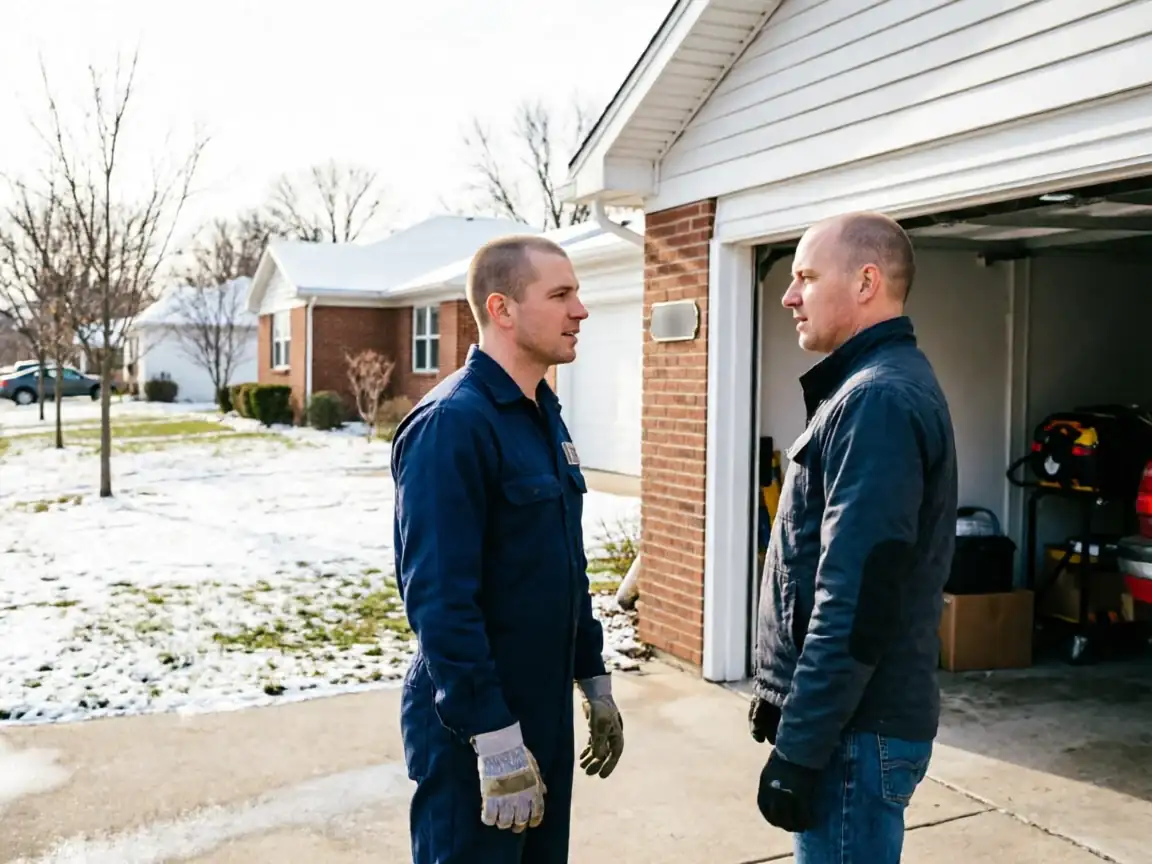
A torsion spring holds enough stored energy to break fingers or worse, and that doesn't change because your house is newer or your door is nicer. If you've got a broken spring, the right move is to leave the door down, disconnect the opener if you must get the car out, and not try to wind or unwind anything yourself. We won't talk you through DIY torsion spring replacement over the phone - that's the one thing we flatly won't do, because the people who get hurt on these jobs are almost always doing it for the first time with borrowed tools. If your door is newer and under a manufacturer warranty on parts, check that before paying for a spring out of pocket; we can tell you what we're replacing, but we can't speak to coverage we haven't seen.
What You Are Seeing
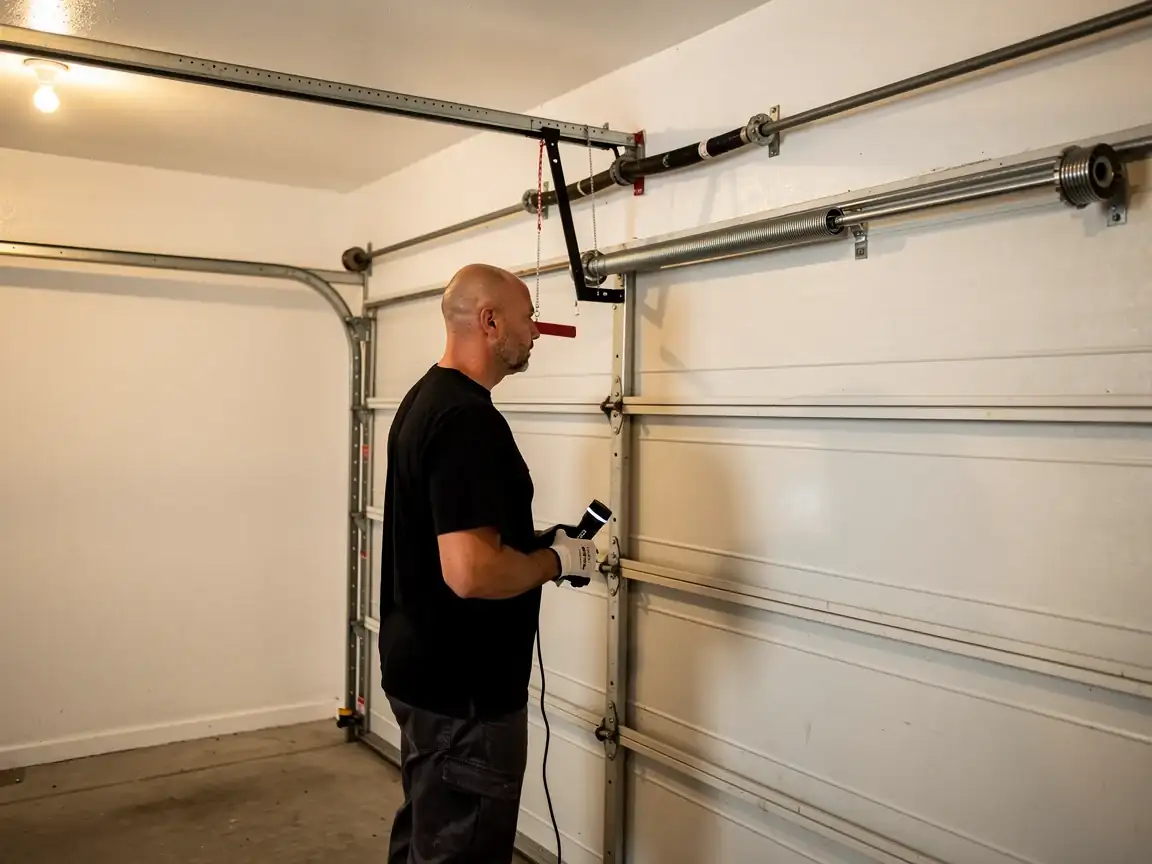
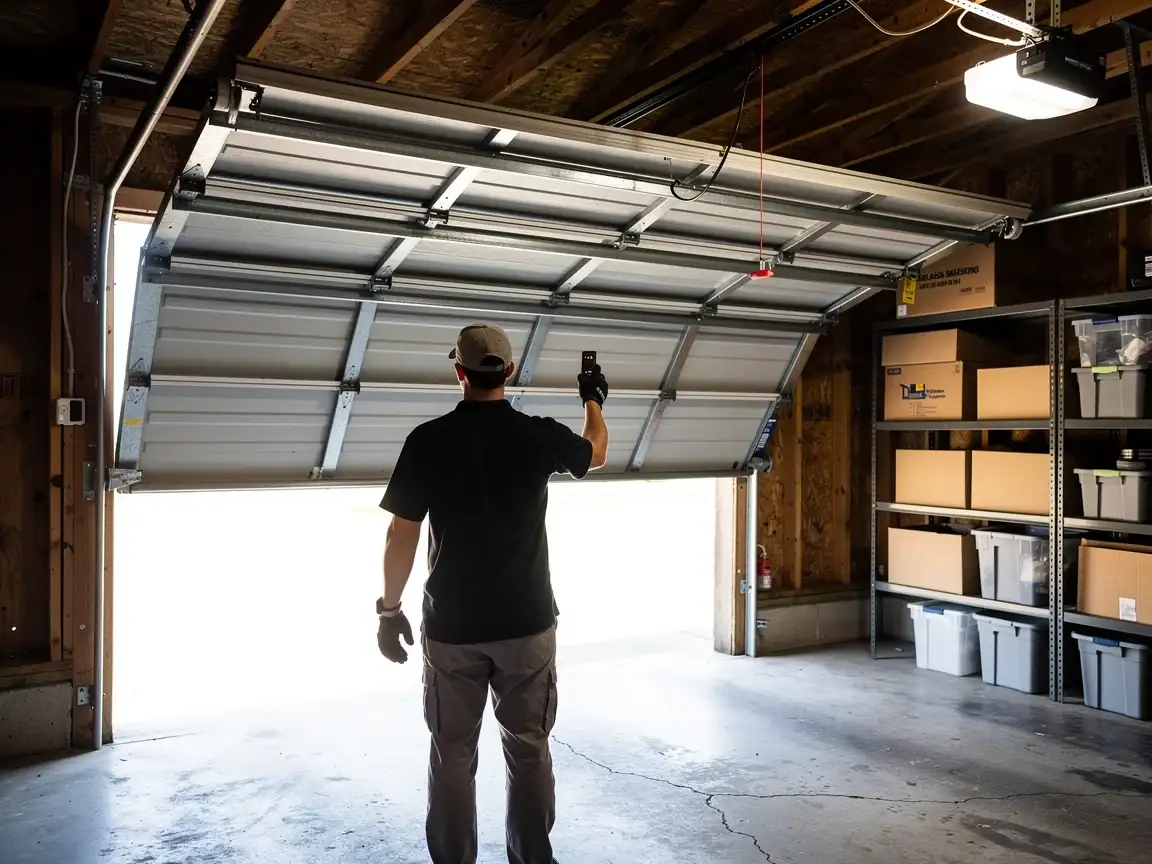
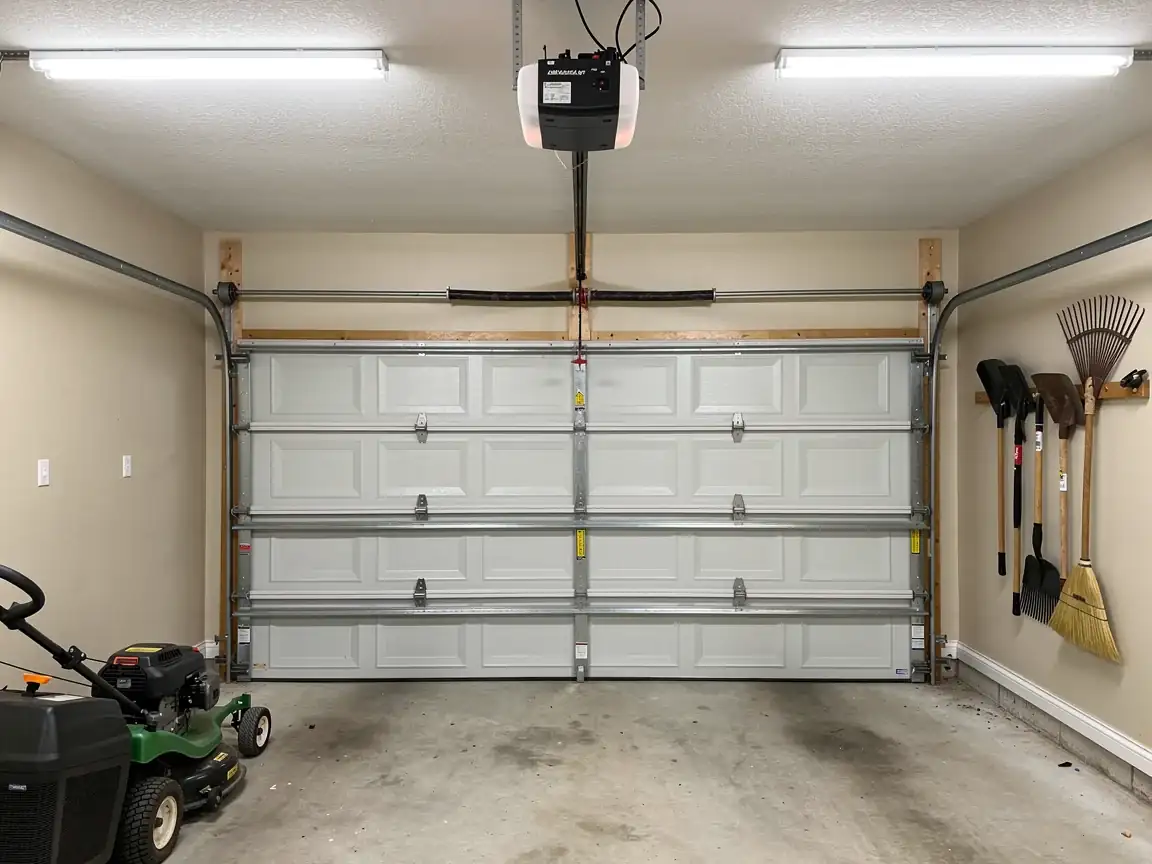
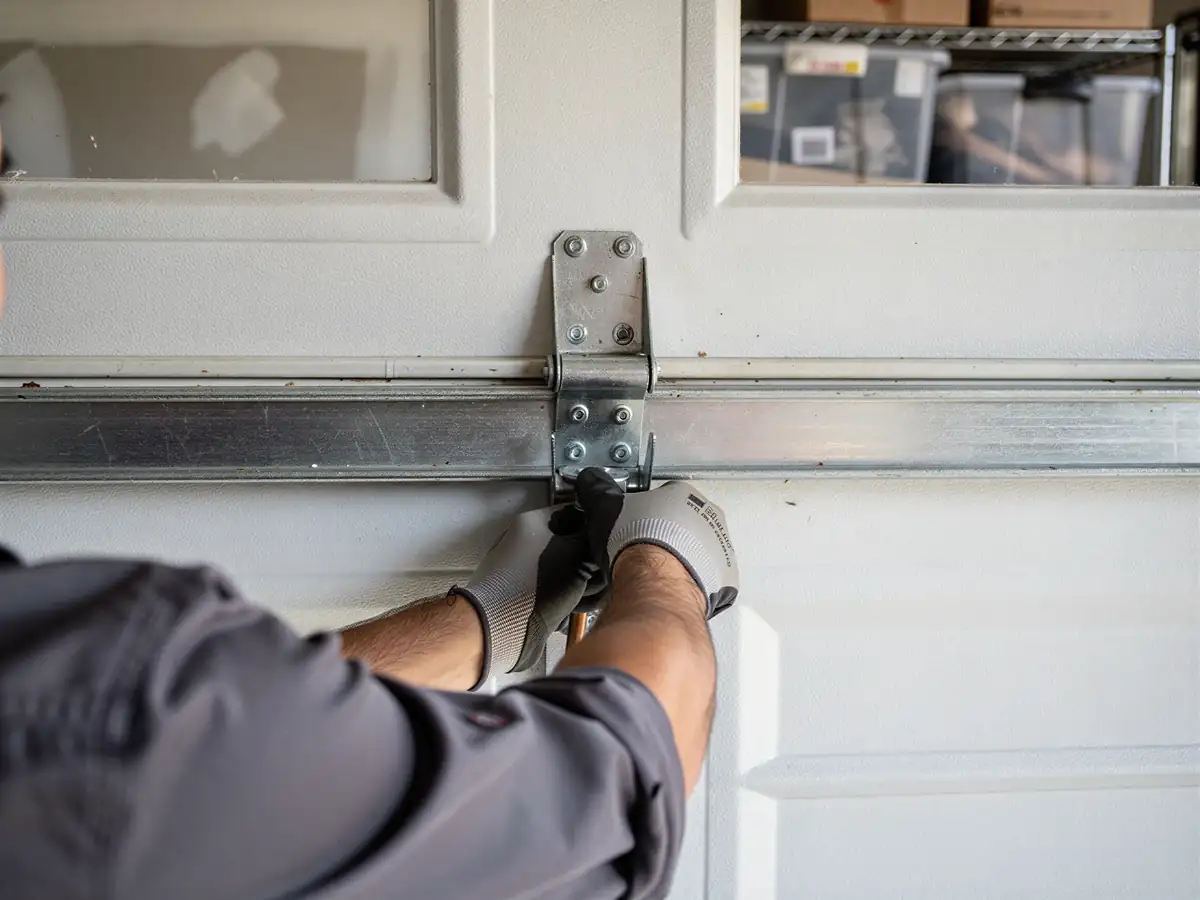
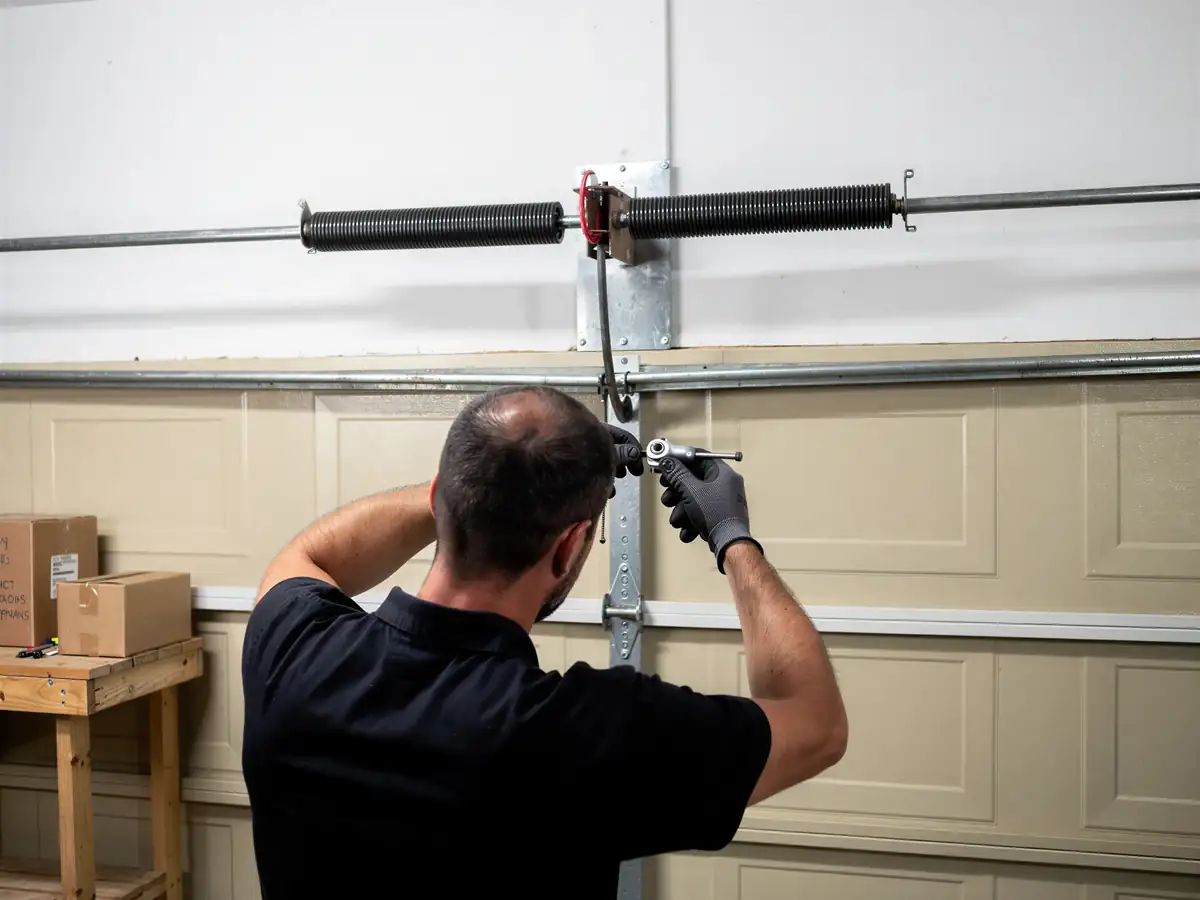
A snapped torsion spring looks like a clean gap in the coil above the door, usually on one side, sometimes both if the second spring was already weak and took the extra load. The door won't lift on the opener - you'll hear the motor strain or the opener will just hum - and by hand it feels like dead weight, not the usual counterbalanced lift. Sometimes it's not a full break: a spring stretched and loose, or one cone split, which still means the door is unsafe to run. With Richfield's housing running mostly late-'80s and '90s builds, we're usually looking at a standard torsion bar setup rather than the older extension-spring hardware you'd find on an original 1960s door elsewhere in the area - different parts, different fix.