How Long You Are Without the Door
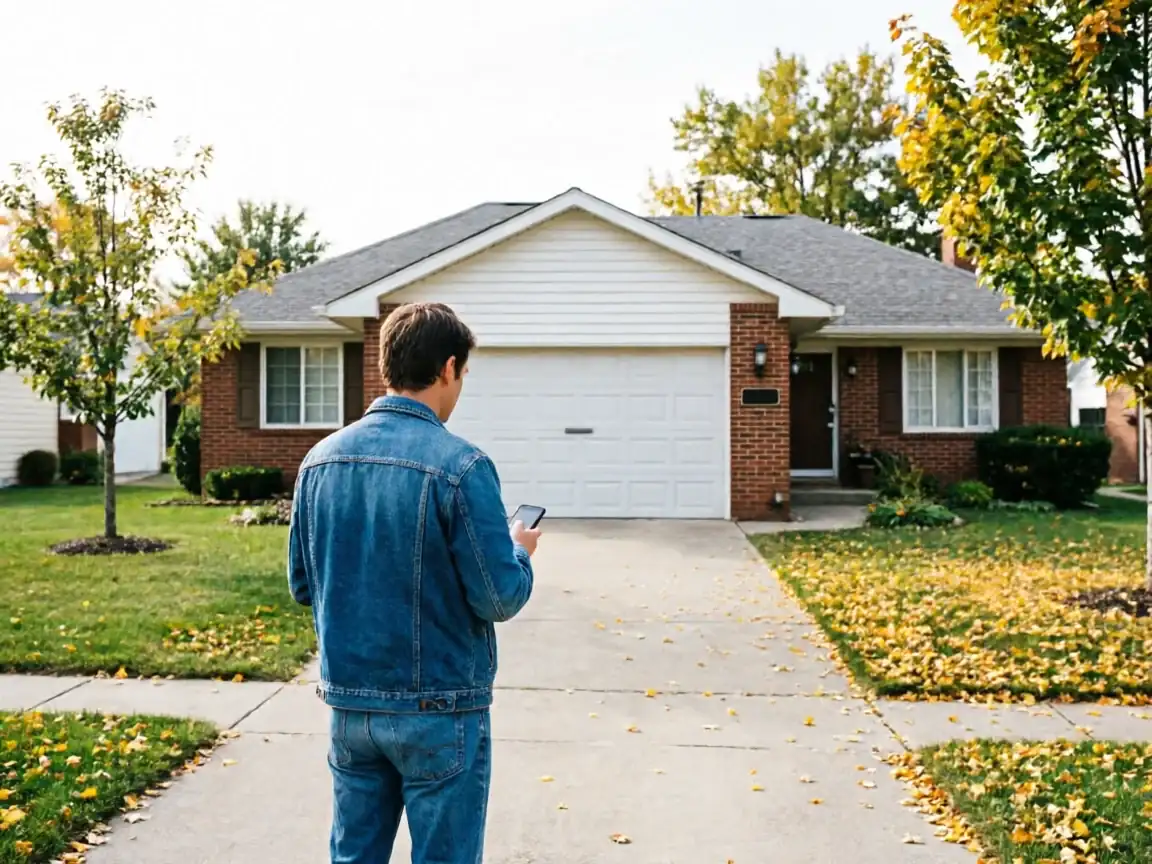
We run this service out of Menomonee Falls, about 8 miles from Richfield
So maintenance visits here get scheduled rather than walked over on short notice. That's fine for the kind of work maintenance actually is - lubrication, balance checks, hardware tightening, track alignment - none of which is an emergency repair. If your door is stuck shut or the opener's dead, that's a different call and a different urgency. Maintenance is the visit you book before that happens, not after.
- 8 miles
Because Richfield's housing stock is newer than a lot of the surrounding area
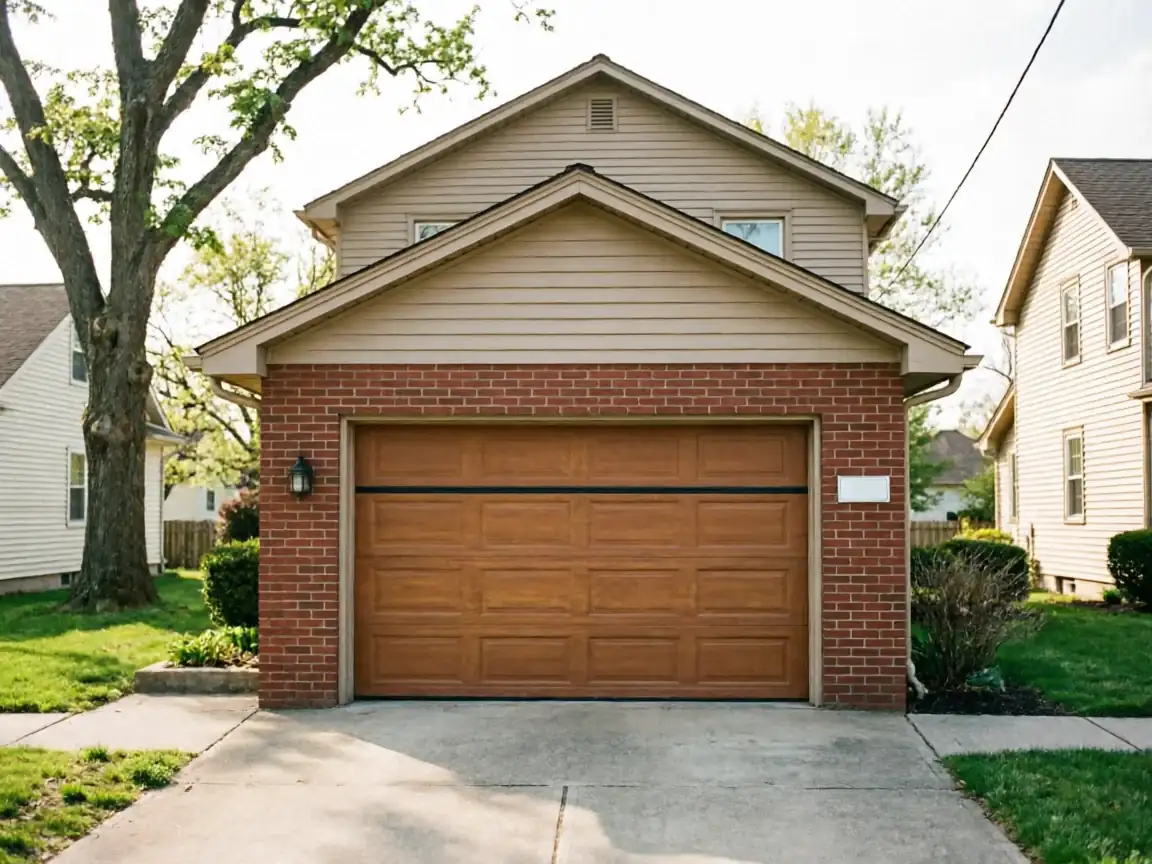
Median build year 1988 versus the 1976 median across the wider service area - the doors we're checking here are typically steel sectional units on standard torsion springs, not the older one-piece or side-hinge hardware you still find closer to the lake towns. That means the maintenance list is shorter and more predictable: roller wear, spring lubrication, and weatherstripping are the usual culprits, not obsolete parts.
Why This Fails Locally
A door built around 1988 is old enough now that its original torsion spring is well past typical cycle life, even if it's never broken. Springs don't fail on a schedule - they fail on cycle count, and a 35-plus-year-old spring under daily use in a cold-climate zone like this one has usually seen more open-close cycles than it was rated for. That's the quiet failure mode: nothing looks wrong until the spring snaps on a January morning.
The other local factor is winter. This area sits in a severe cold climate band, and steel panels from that era don't flex the same in deep cold as newer insulated doors do. Hardware that's slightly out of lubrication grabs harder when it's 10 below, which is exactly when a homeowner doesn't want to find out the hard way. Maintenance here is mostly about getting ahead of cold-weather stress on parts that are old enough to be tired but not old enough to look it.
Doing It Yourself
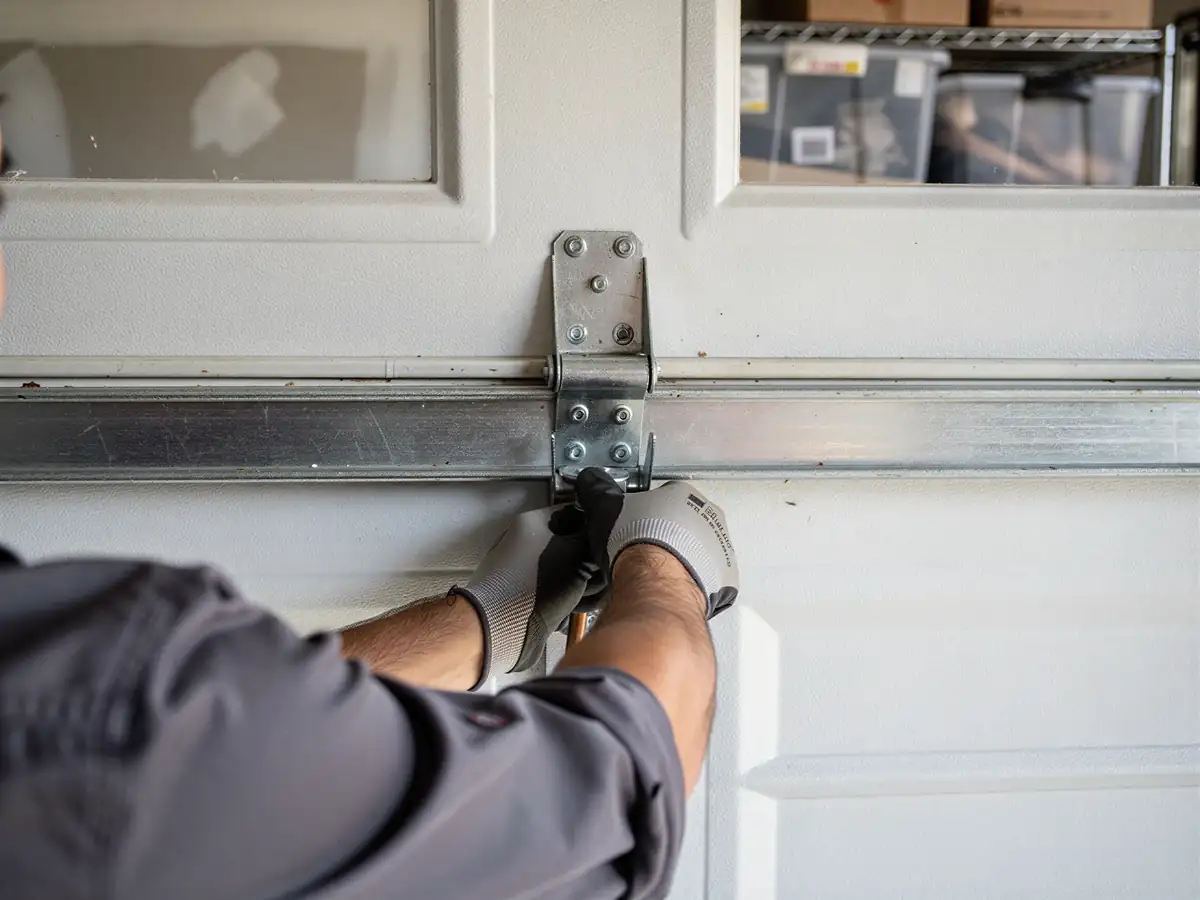
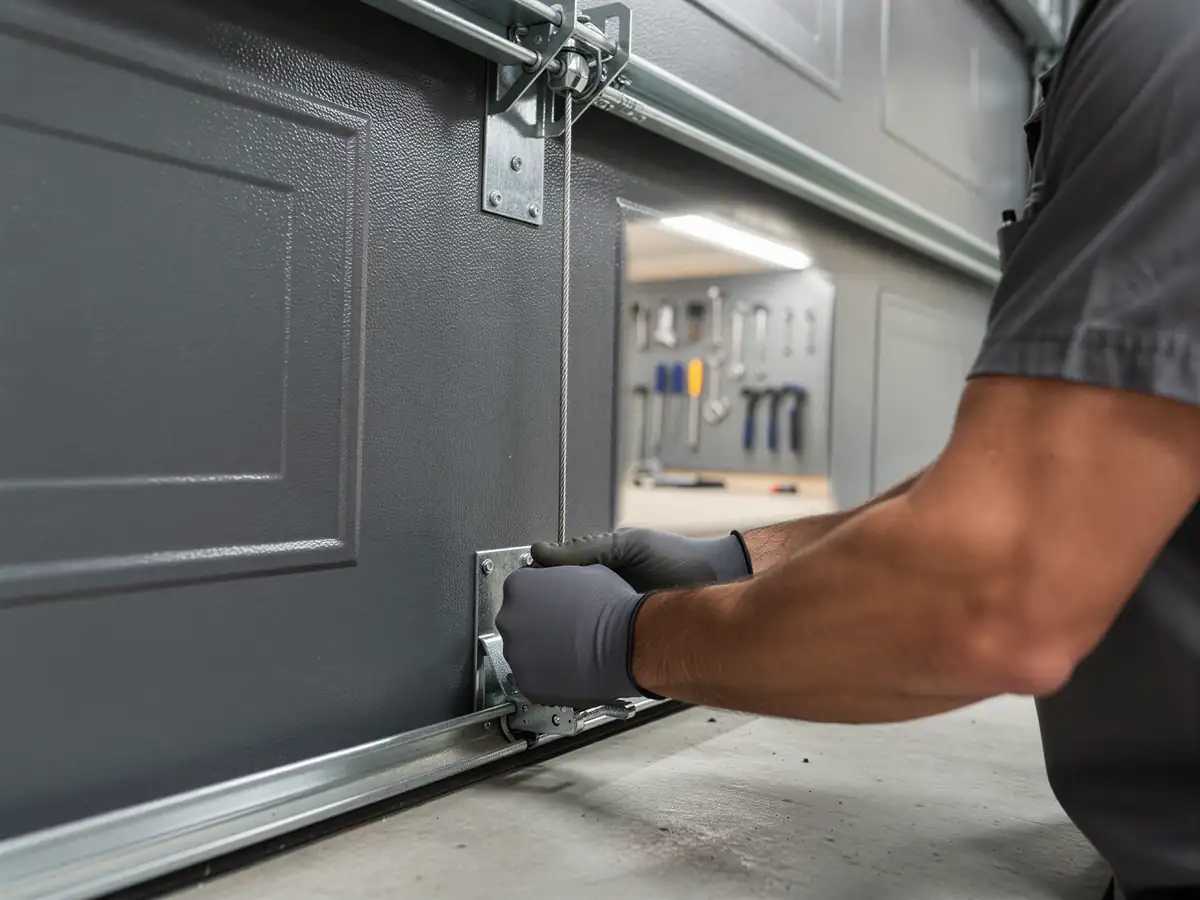
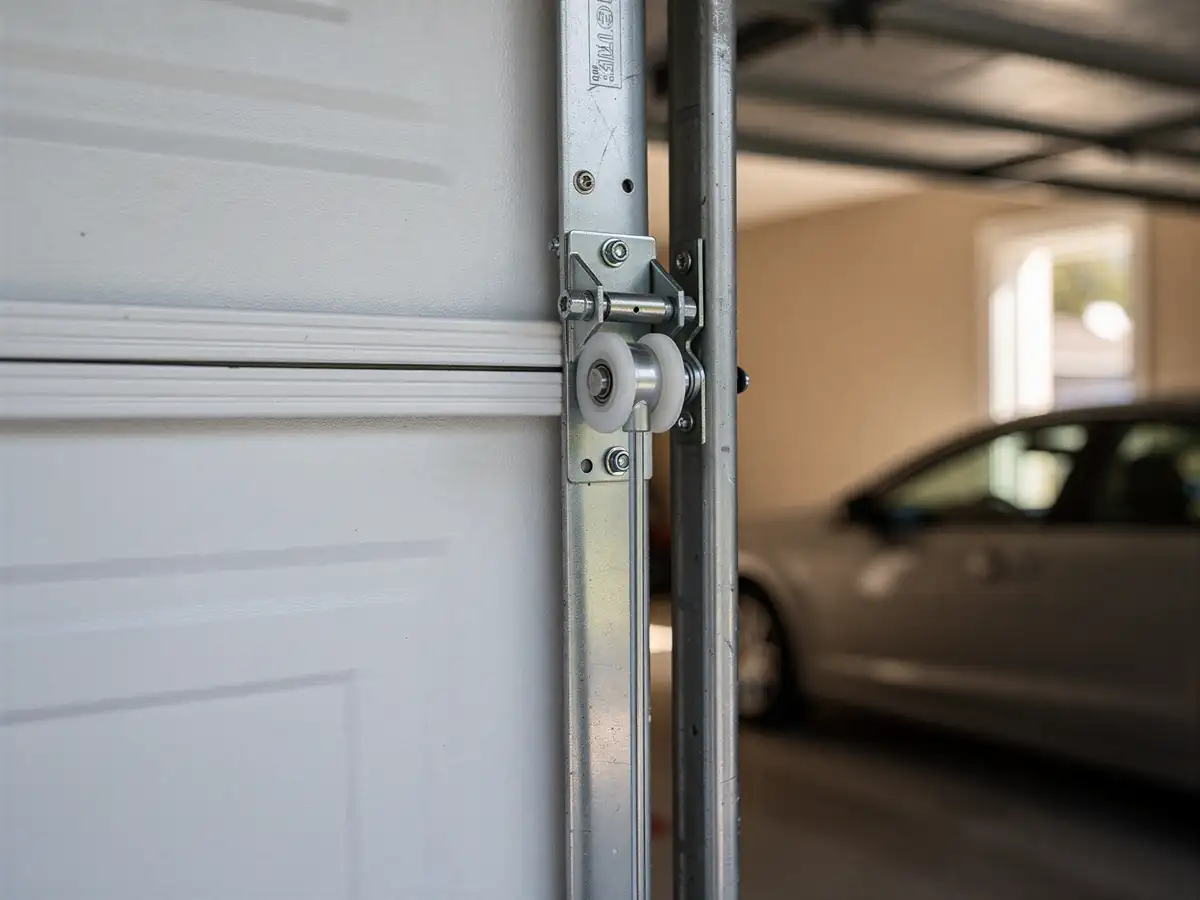
You can do some of this yourself. Wipe down the tracks, check that the rollers spin freely instead of dragging, and put a door-rated lubricant on the hinges and springs once or twice a year - not WD-40, which washes out and attracts grit. Look at the weatherstripping along the bottom panel for cracking, since a gap there lets cold air and meltwater into the garage all winter.
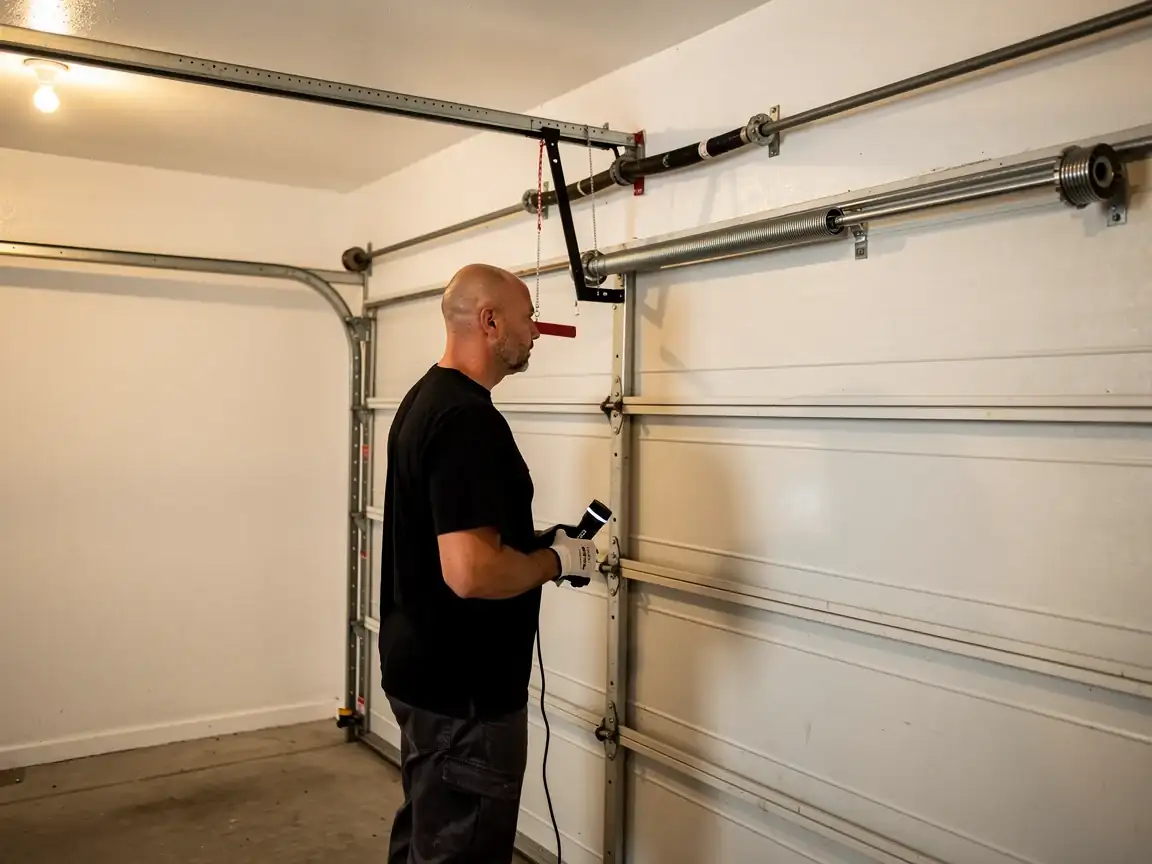
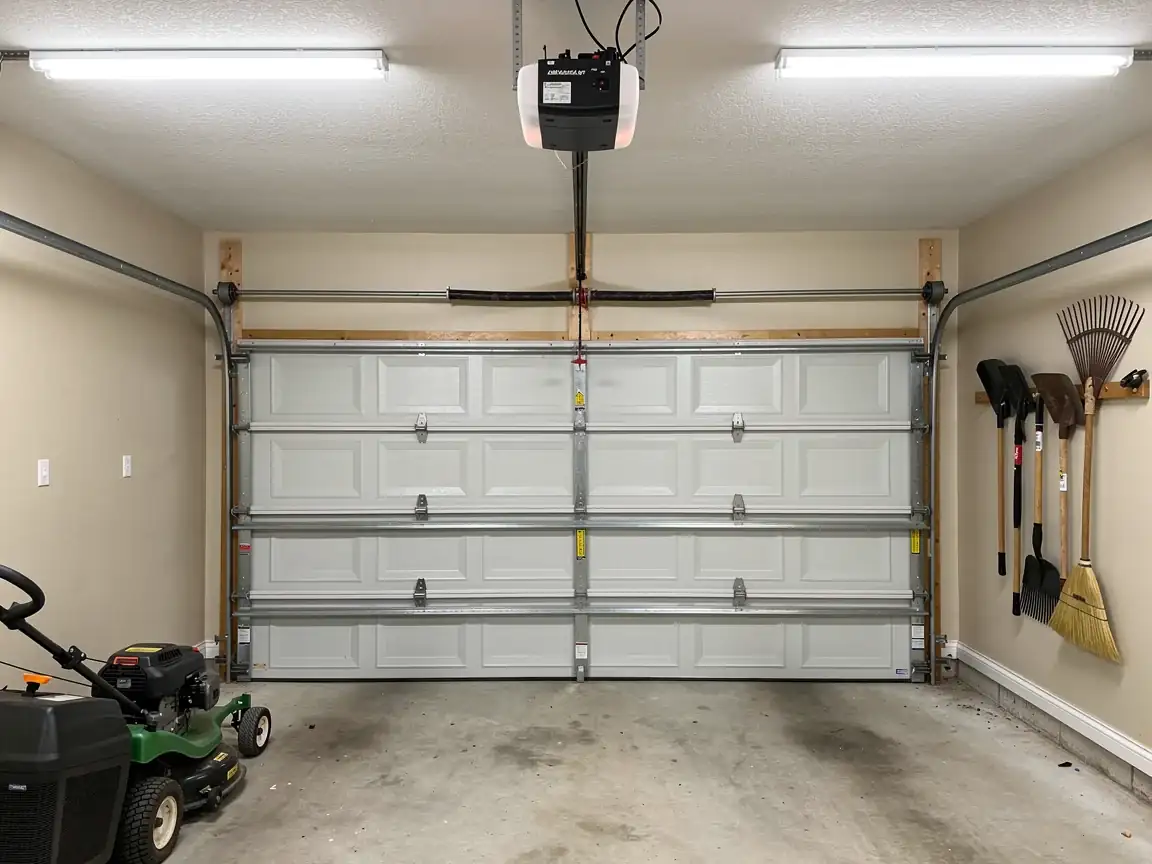
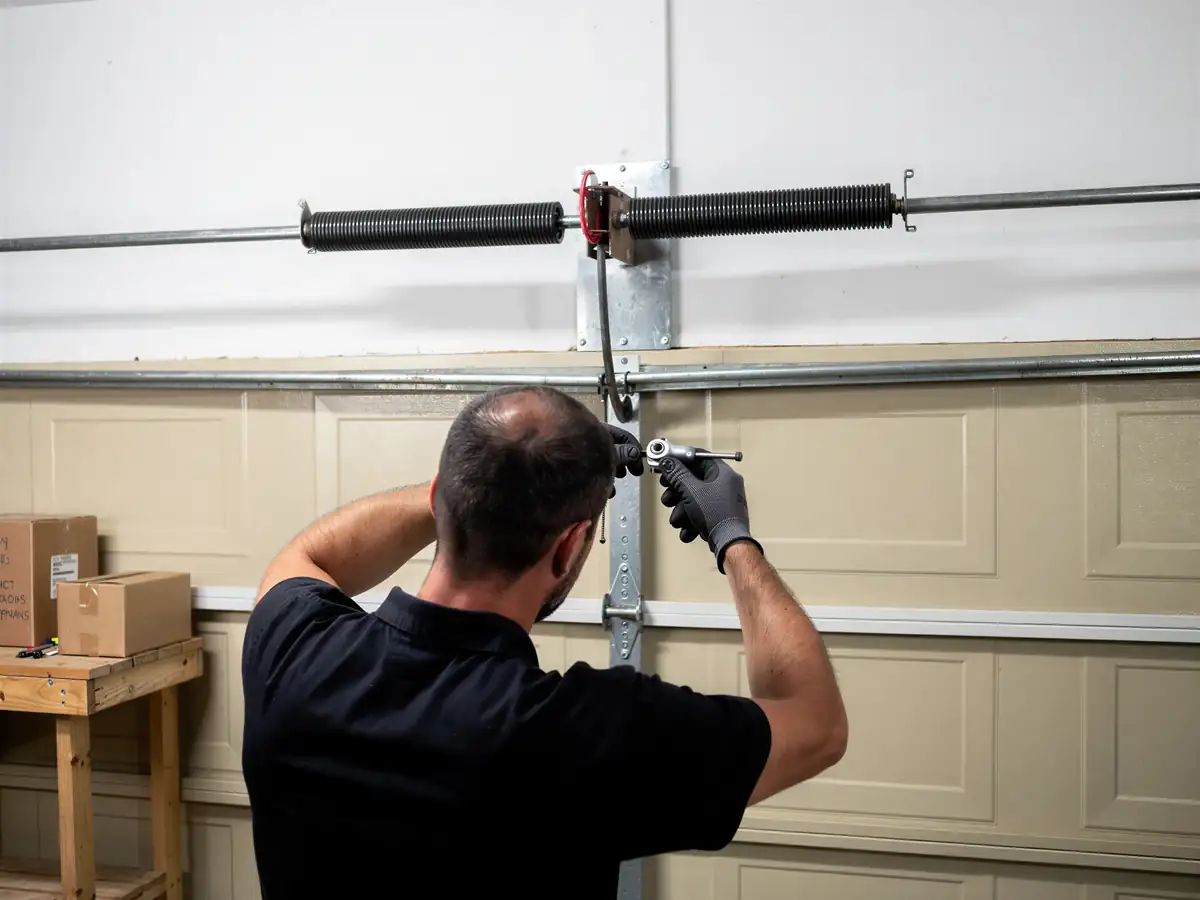
What you shouldn't do yourself is touch the torsion spring. It's under enough tension to cause real injury, and on a door from the late 1980s, the spring and the cable drums are usually original. If you're hearing a loud bang from the spring area, or the door feels heavier to lift by hand than it used to, that's a sign the spring is weakening - not a DIY adjustment, a call.
What You Are Seeing
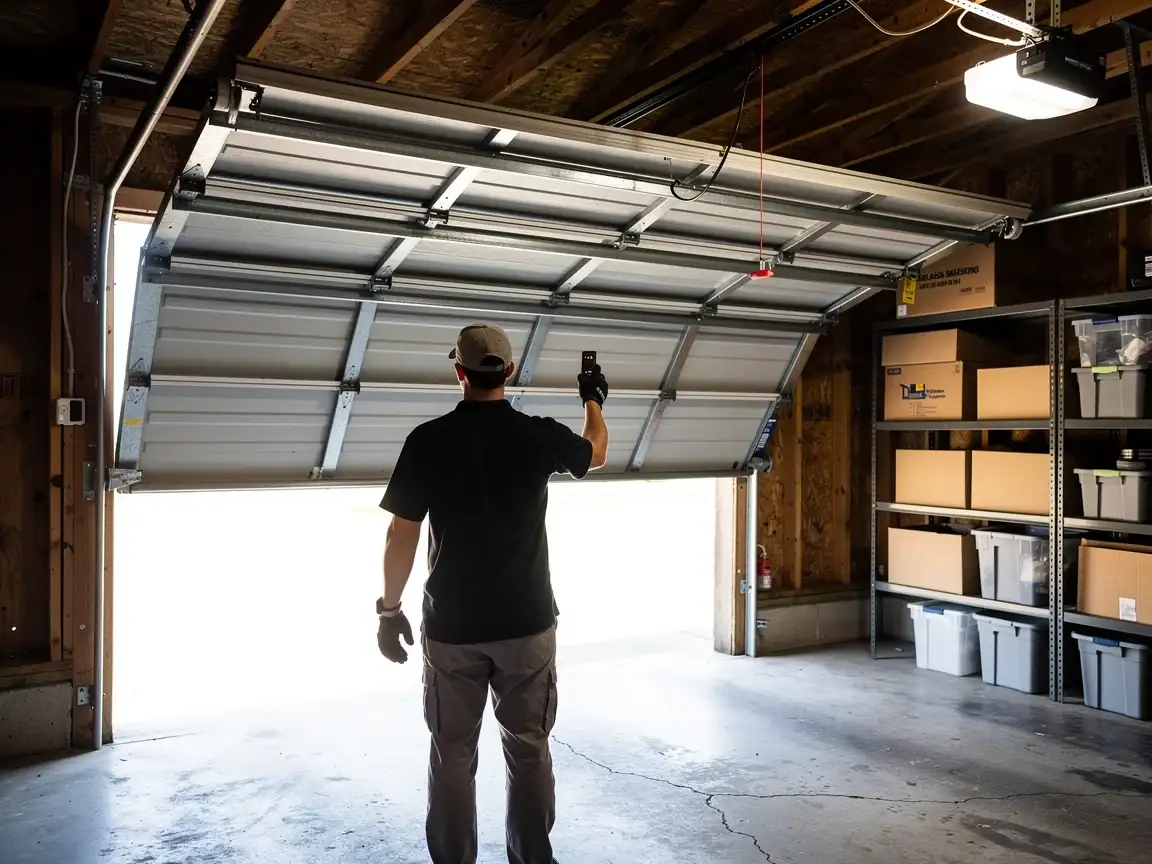
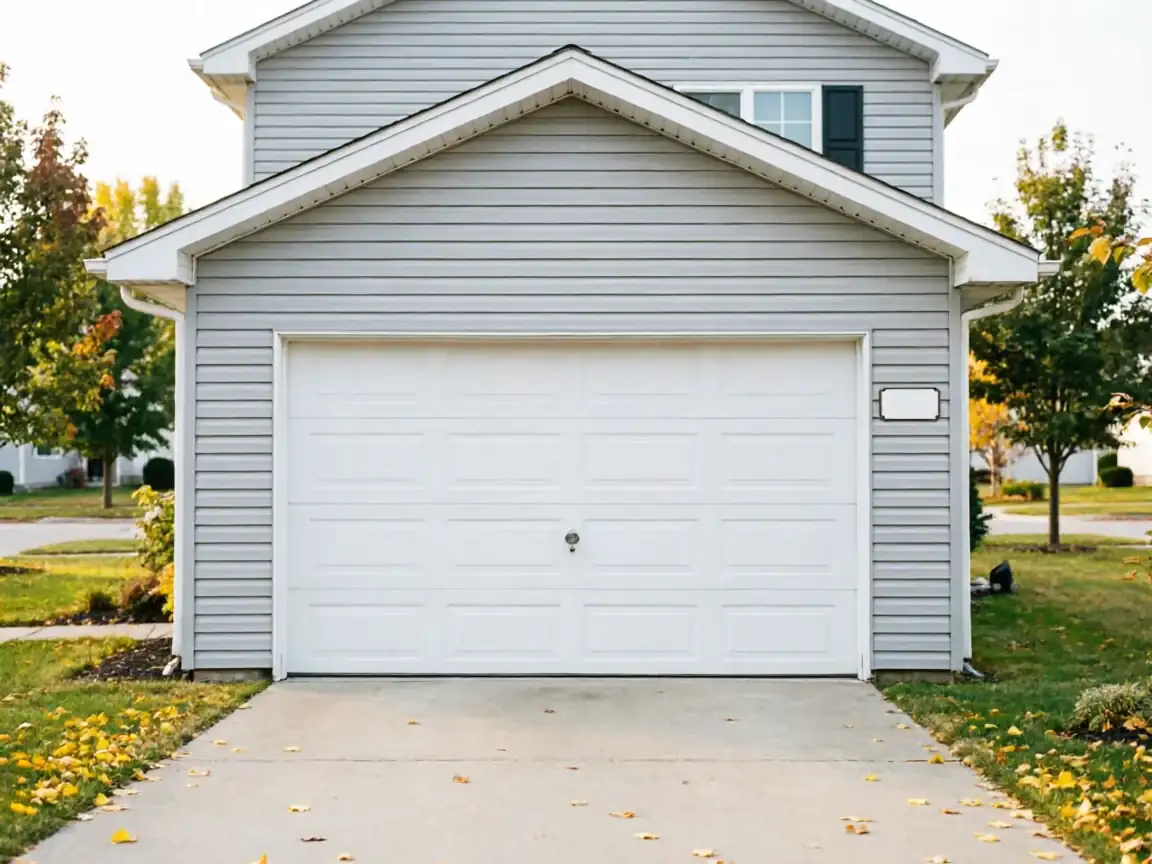
With roughly 4,578 households in Richfield and a median income above $135,000, a fair number of these garages hold two cars and a double-wide door - heavier than a single, and harder on an aging spring set. If your door is sagging slightly at the bottom corners, binding partway through its travel, or the opener strains and reverses before fully closing, those are balance and spring-wear signs, not opener problems, even though the opener usually gets blamed first.
One honest limit: if the spring has already failed or the cables have jumped the drum, that's a repair, not a maintenance visit, and we'll tell you that on the phone rather than send a truck out for the wrong job.