How Long You Are Without the Door
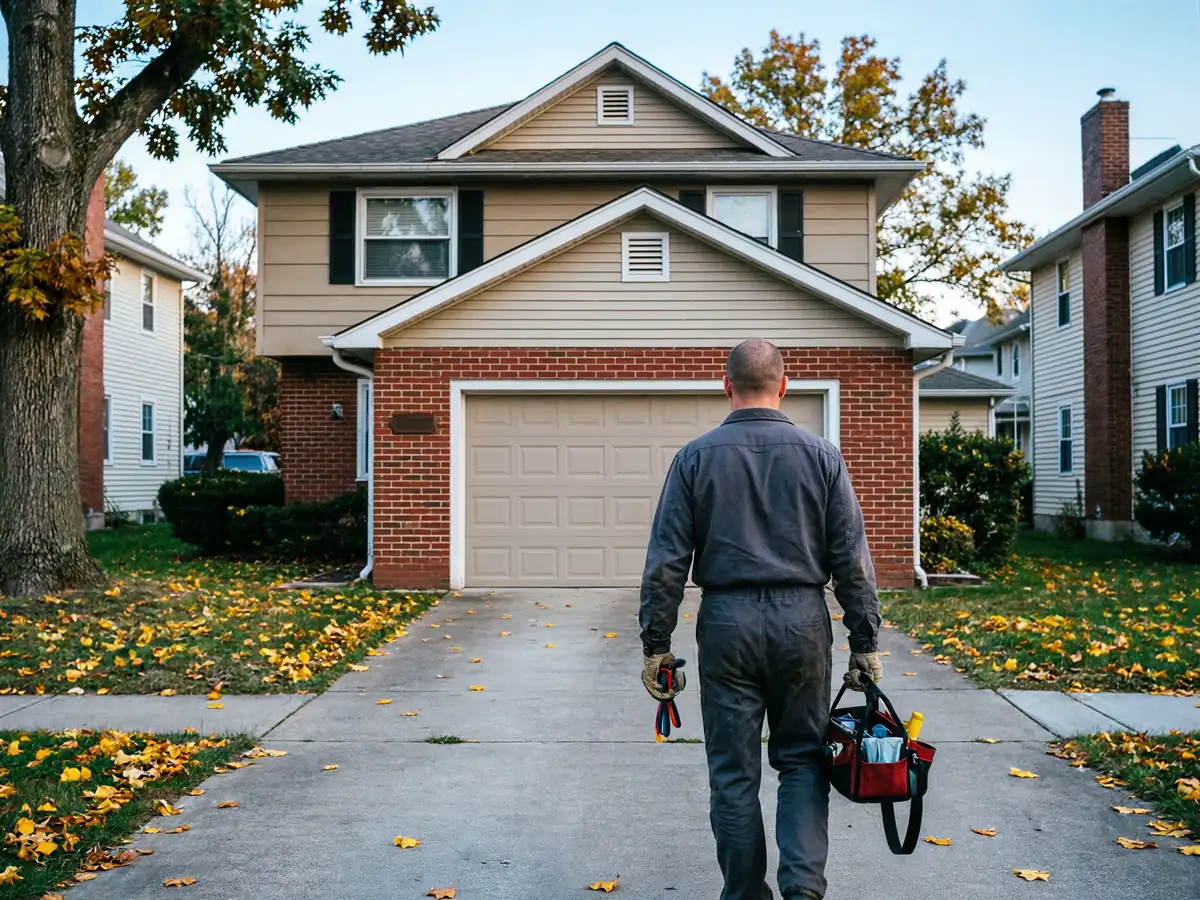
We run out of Menomonee Falls, about 8 miles from Richfield
So the first thing to settle on the phone is whether the door is stuck down, stuck up, or hanging crooked on one side. A snapped lift cable usually drops the door hard on one corner and jams it in the track - that's not a door you drive out from under in the morning, and it's not safe to force by hand. We won't quote you a same-day window we can't back up from this distance, but we do want to know right away if the car is trapped inside, since that changes how we route the truck.
- 8 miles
Most of Richfield's housing dates to the late 1980s
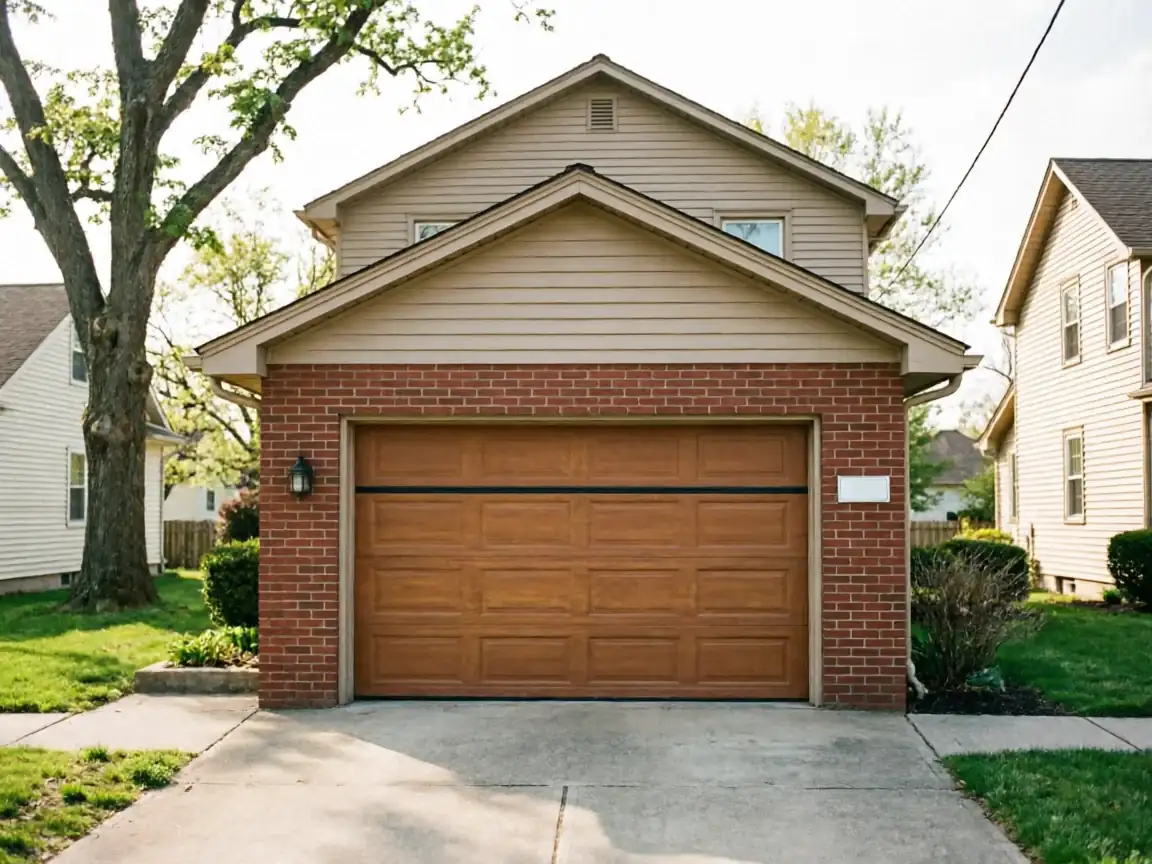
The area's median build year runs around 1988, noticeably newer than the 1976 median across the wider service territory. That matters here because it tells us what's behind the cable before we arrive: standard torsion-spring systems with steel roller tracks, not the older extension-spring setups you'd find on a house from the 1950s or 60s. Newer doesn't mean the cable lasts forever - it means we already know roughly what hardware we're bringing parts for.
Why This Fails Locally
Garage door cables fail from two things: cycle count and cold. Richfield sits in the same severe cold climate band as the rest of the area, and that matters more for cable than most owners expect. Steel aircraft cable doesn't snap from cold alone, but the galvanized coating on a 30-plus-year-old cable gets brittle in deep cold, and the fine wire strands start to fray right where the cable wraps the drum. On a door built around 1988, that cable has had three decades of winters to work on it.
The other local factor is household income and what that tends to mean for garage use. Richfield's median household income runs well above the wider area's $104,337 figure - households here are more likely to run two vehicles through that door daily, sometimes with heavier doors or added insulation retrofitted onto original 1988 panels. More cycles per week on original-era cable is a straightforward wear equation, and it's one reason cable failure shows up here on doors that otherwise look fine.
Doing It Yourself
Don't. A lift cable is under tension from the spring system the whole time the door is closed, and a cable that's already frayed can let go while you're standing under it. If you can see broken strands sticking out of the cable near the bottom bracket or the drum, that door is one cycle away from coming down uncontrolled - leave it where it is and call it in, don't try to run the opener to "test" it.
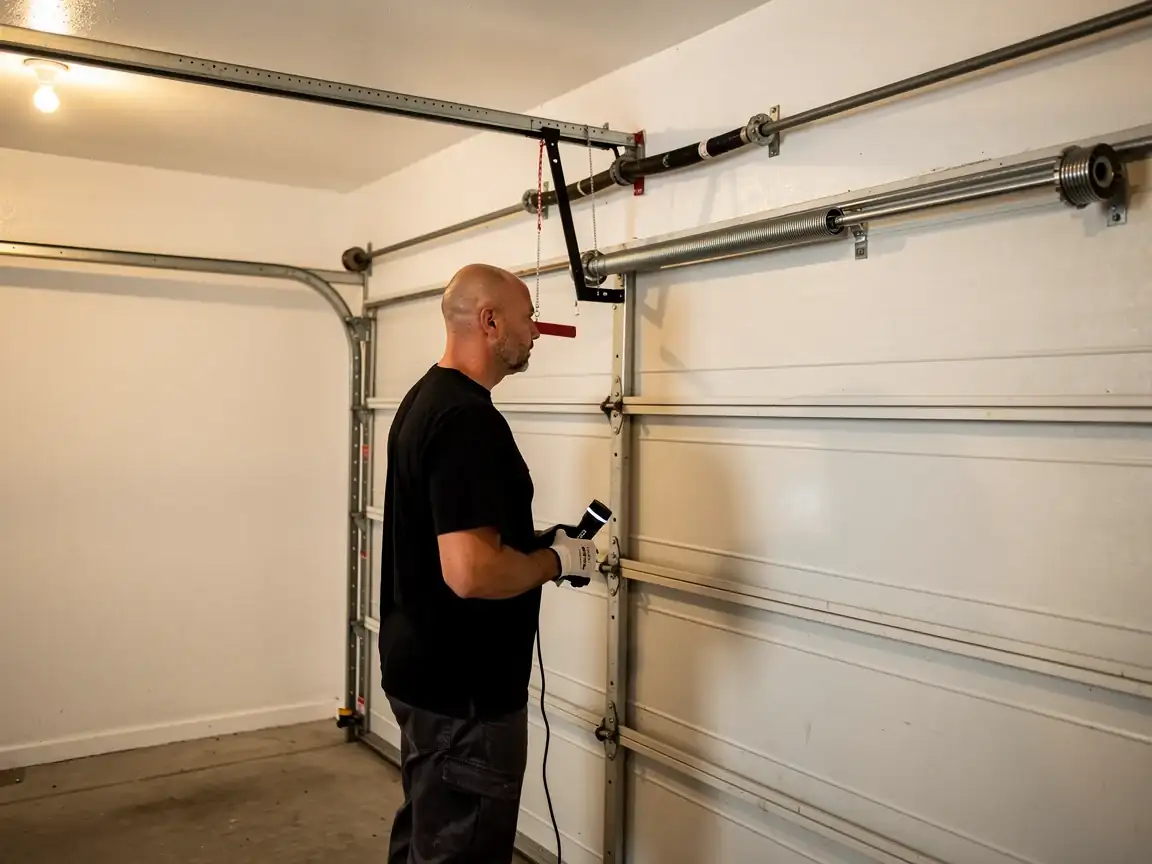
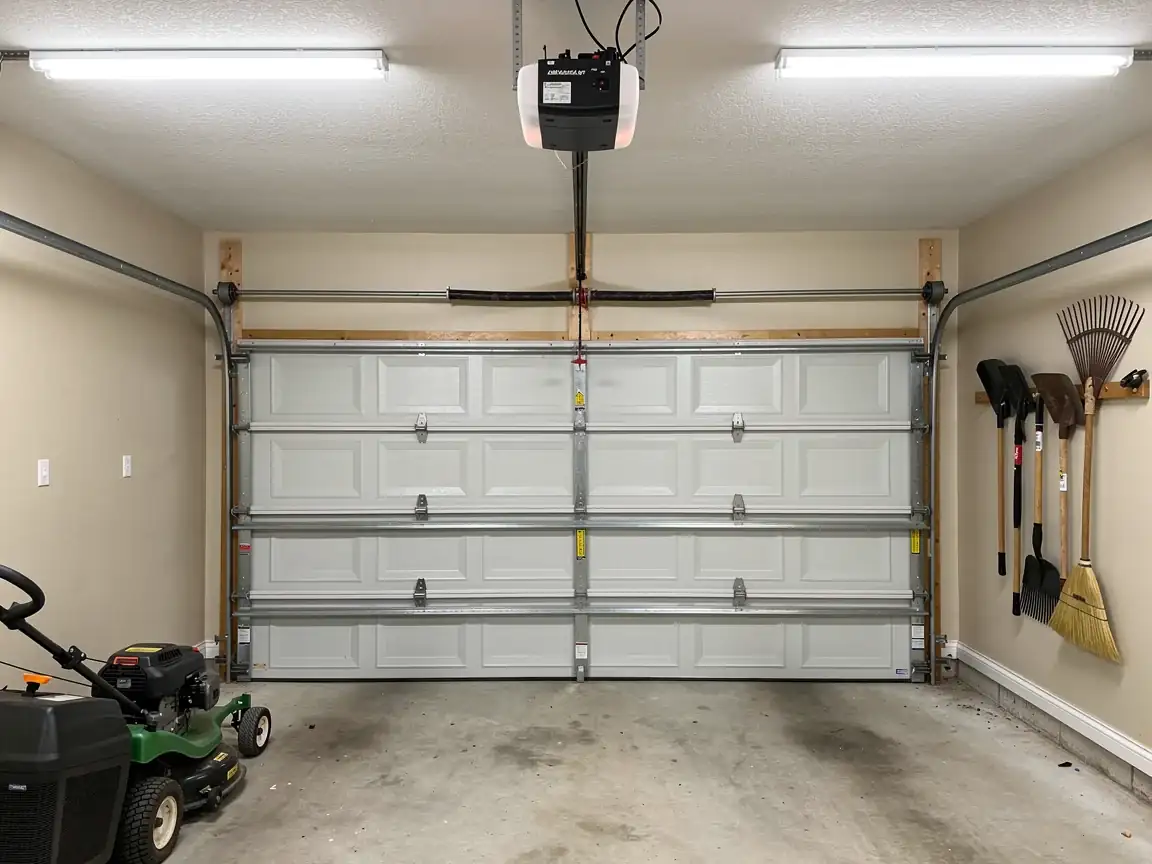
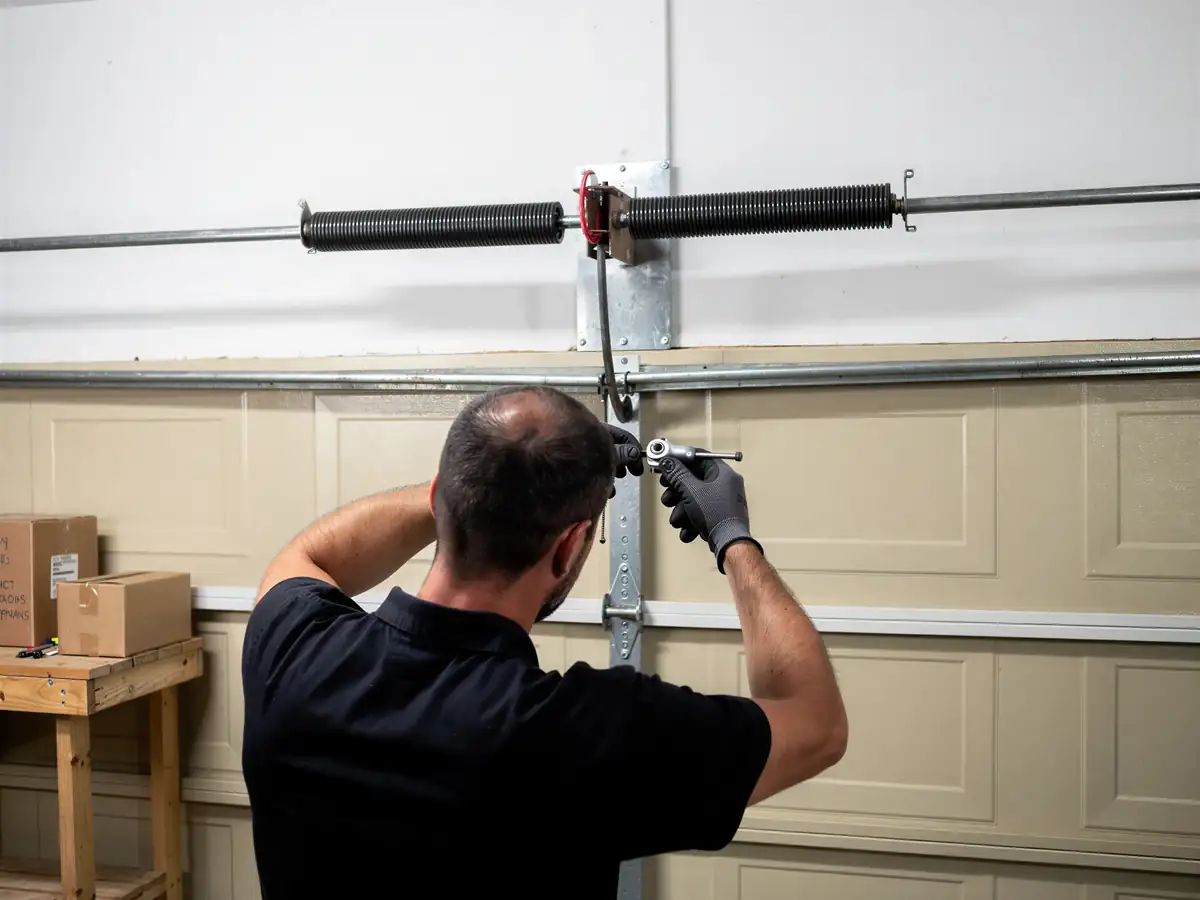
What you can safely do: look at the cable without touching the door. Pull the emergency release cord so the opener can't fire while you're near it. Check whether the cable is still seated in the drum groove at the top, or if it's unspooled and bunched - that tells us a lot before we even get the truck moving from Menomonee Falls. If one cable looks fine and the other is frayed, replace both anyway; they wear at the same rate, and we won't put a new cable next to a thirty-year-old one.
How to Book
Call and tell us it's a cable
Broken, frayed, or slipped off the drum - and give us the door's approximate age if you know it. For a Richfield house, 1988 is a reasonable default if you don't have the exact year, and that's enough for us to bring the right drum and cable length rather than guessing on site.
We'll ask if the door is currently stuck open or stuck shut
Since an open door over a running car is a different priority than a shut door that's just inconvenient. Have the make of the opener handy if you know it - not required, but it saves a trip back to the truck. You can also start from our Richfield service page for the fuller list of what we cover out here, separate from the general cable repair page.
What You Are Seeing
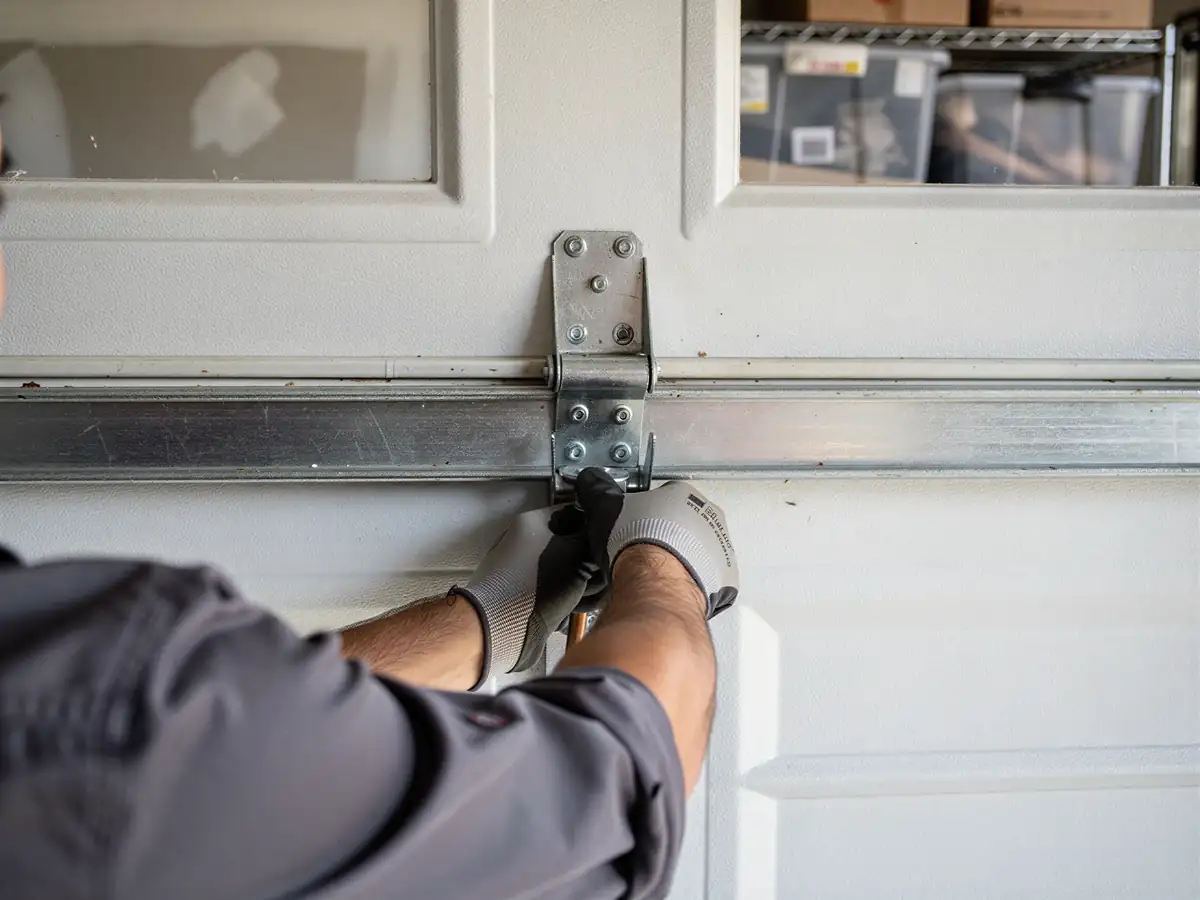
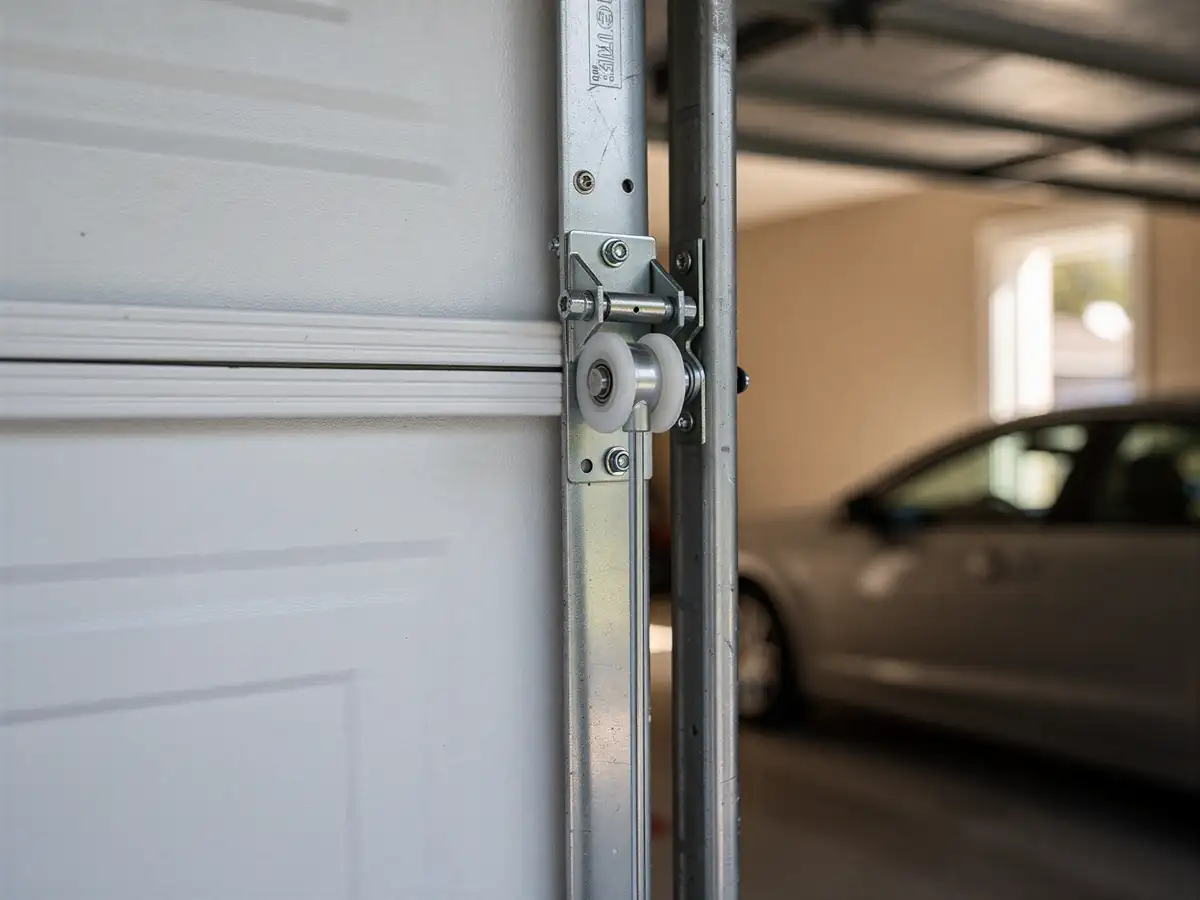
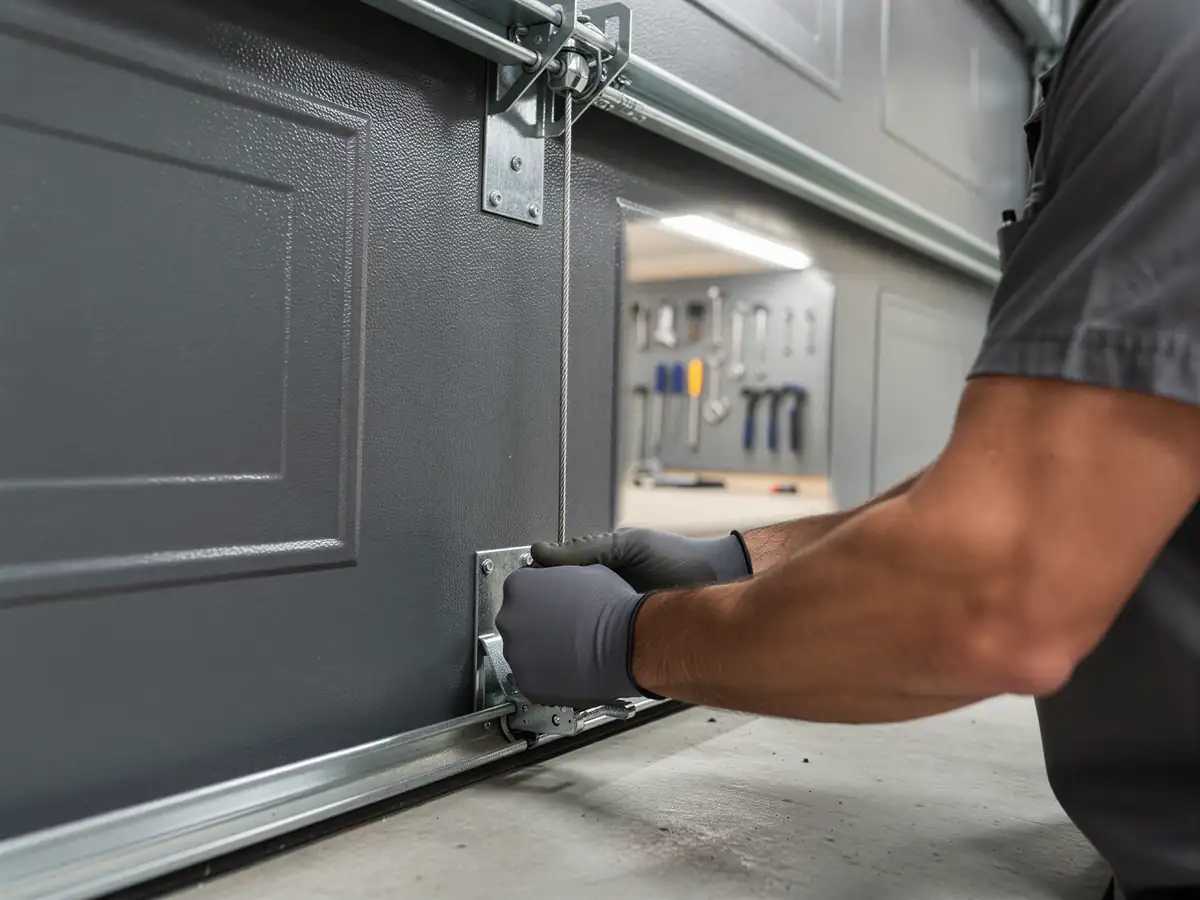
A frayed cable looks like a broom bristle - thin wire strands sticking out from the main cable, usually near the bottom roller bracket or where it loops around the drum at the top. A fully snapped cable drops one side of the door, so it sits crooked in the track, sometimes with the door jammed diagonally and refusing to move either way.
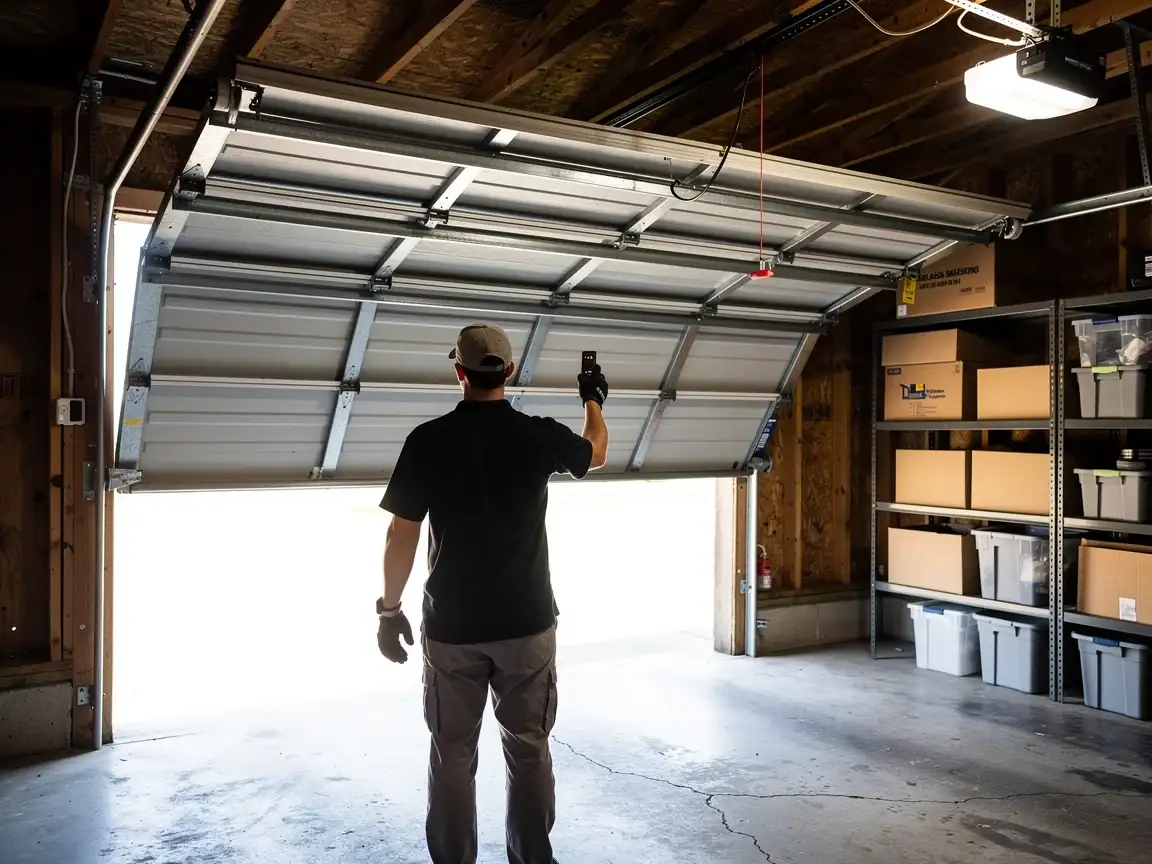
If the door came down fast and loud and now won't budge, that's consistent with a cable letting go under spring tension rather than a spring failure itself - springs usually make the door feel heavy and slow before anything breaks. If you see the cable has come off the drum entirely, with loose coils instead of a frayed end, that's a slipped cable, not a broken one, and it's a different fix. Either way, don't run the opener again until someone's looked at it.