Why This Fails Locally
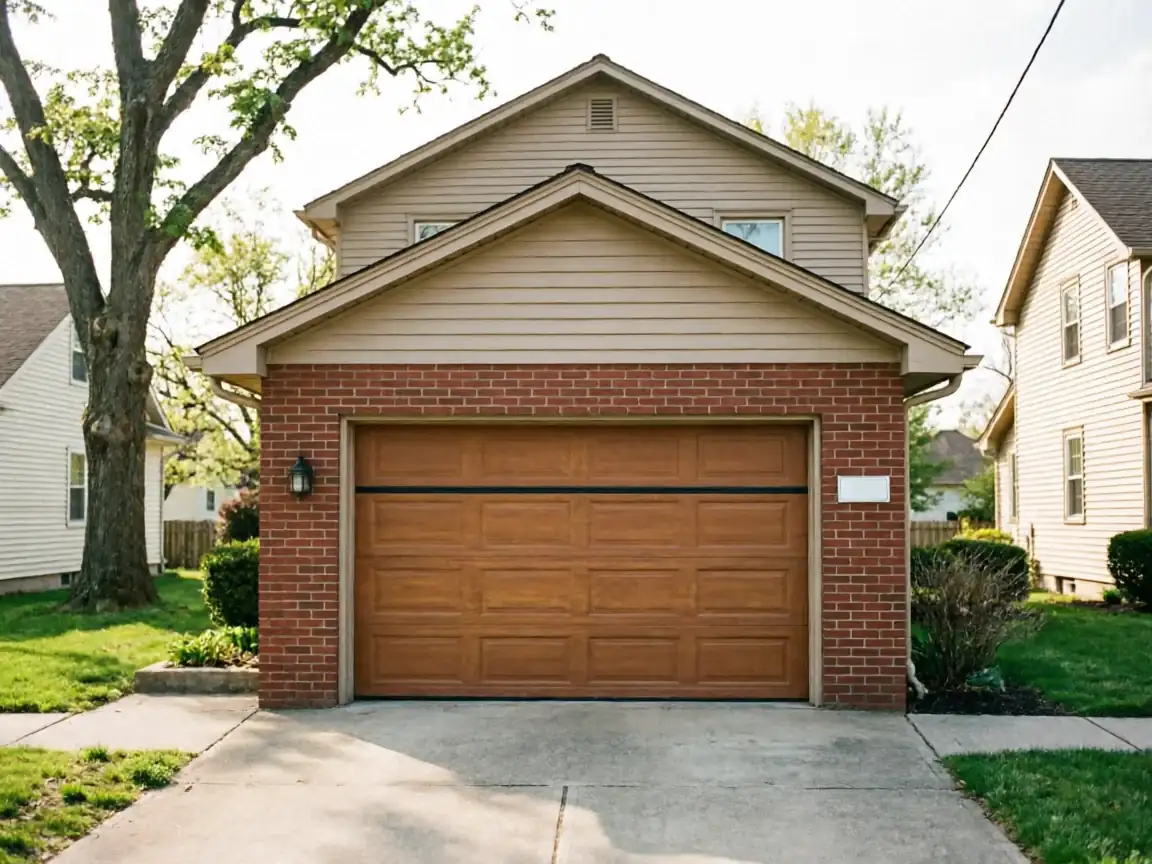
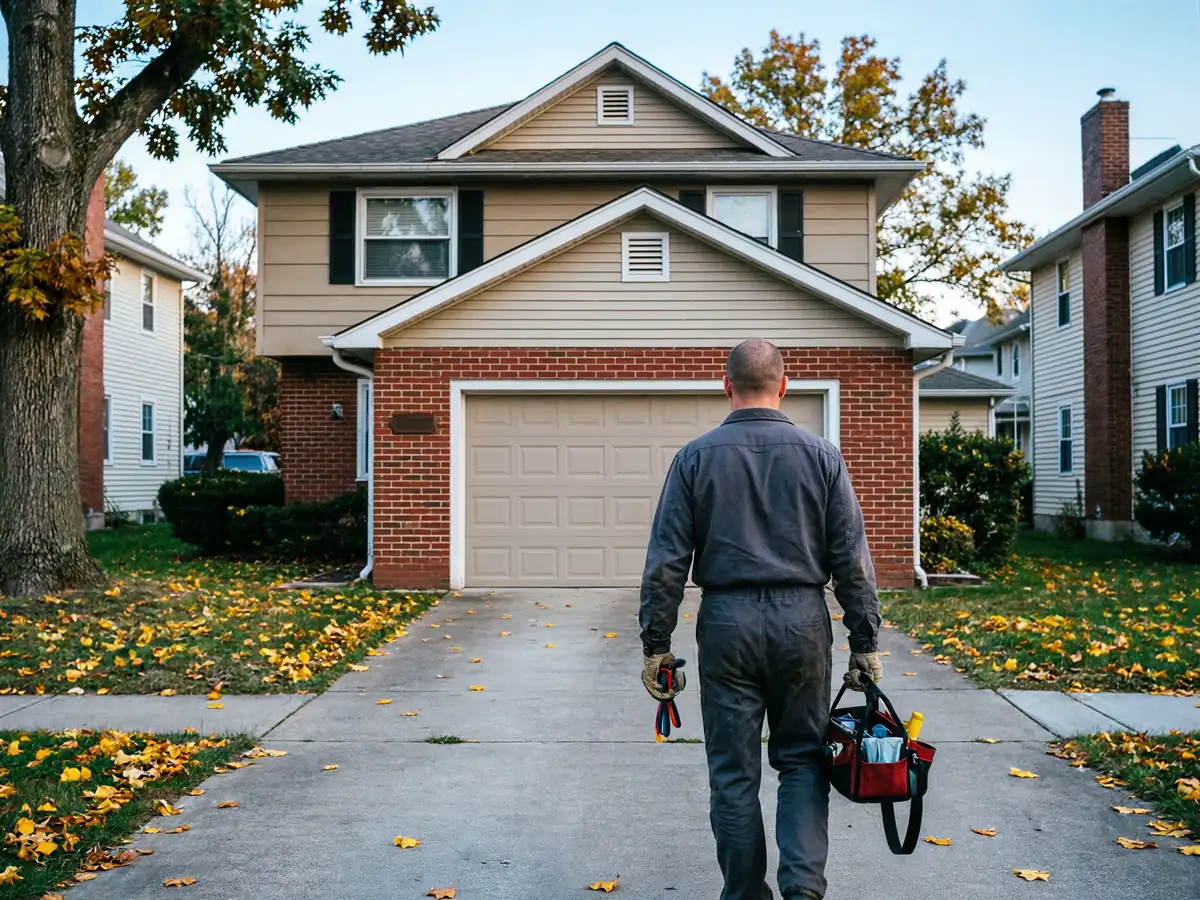
Houses built around 1988 in this part of Wisconsin were framed to a different opening standard than the 1960s and 70s stock that dominates closer to Menomonee Falls. That means the track and spring sizing on a Richfield replacement more often matches current door manufacturer specs without an adapter plate or a custom header - good news for install speed, but it also means a homeowner here is more likely to be replacing a door that's only 25-35 years old rather than one pushing 60. The failure mode is different too: it's less about a warped original panel from decades of settling and more about an opener or spring system that was never upsized when insulated doors got heavier. Climate is the constant - this is a cold, severe-winter region, and any new door and opener combination has to handle freeze-swell on the slab and cold-start torque on the spring, regardless of when the house was built.
Doing It Yourself
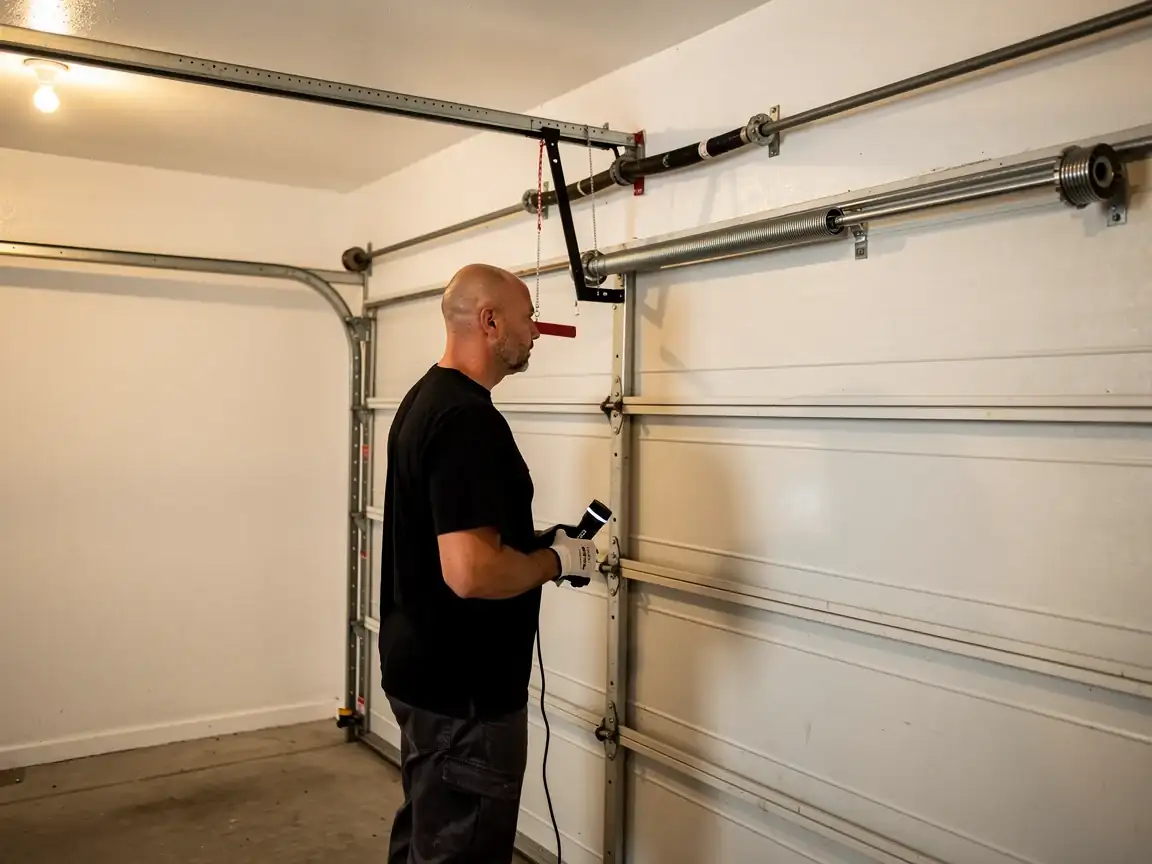
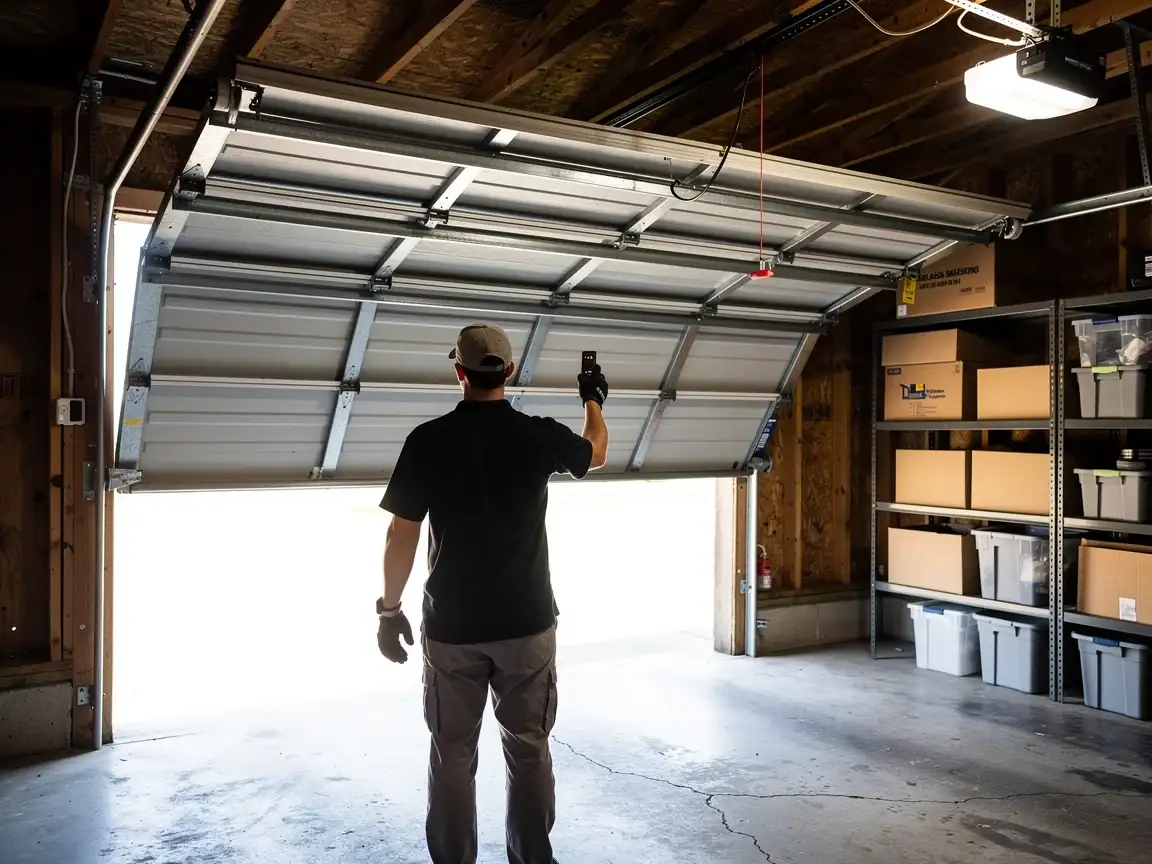
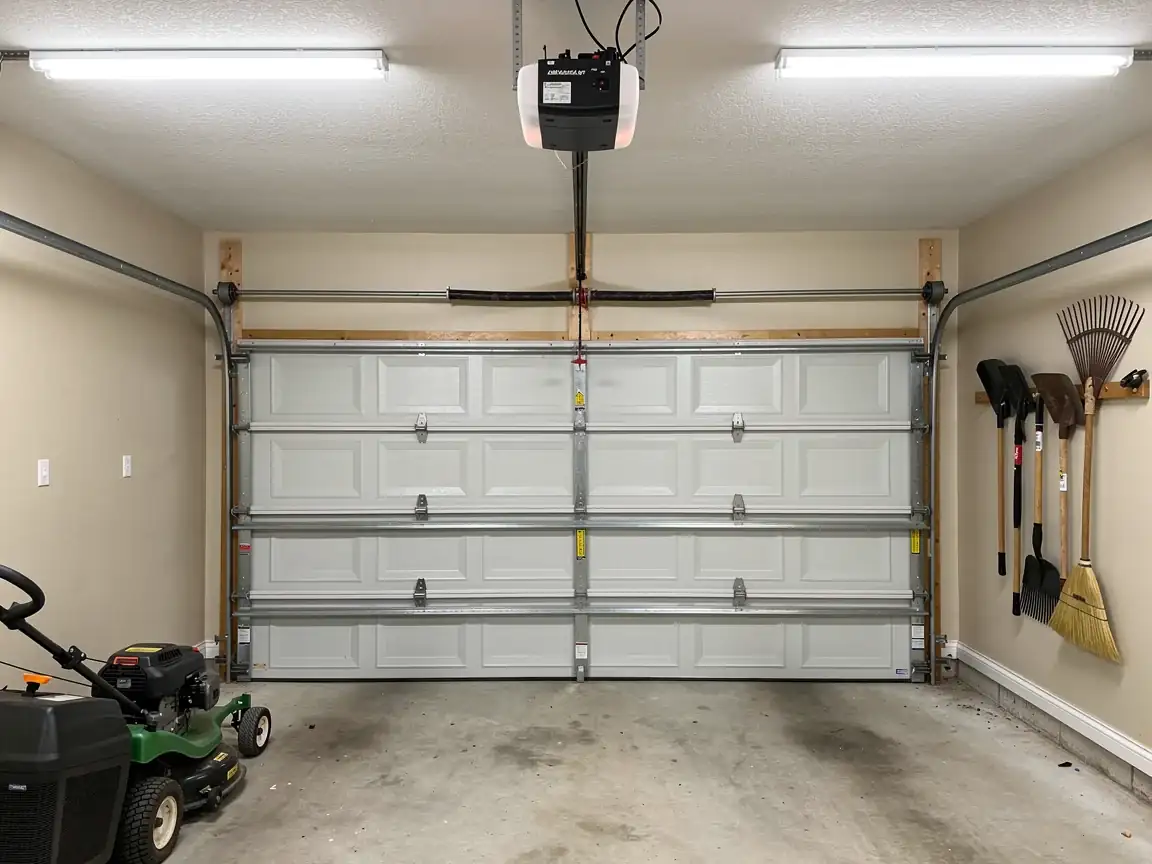
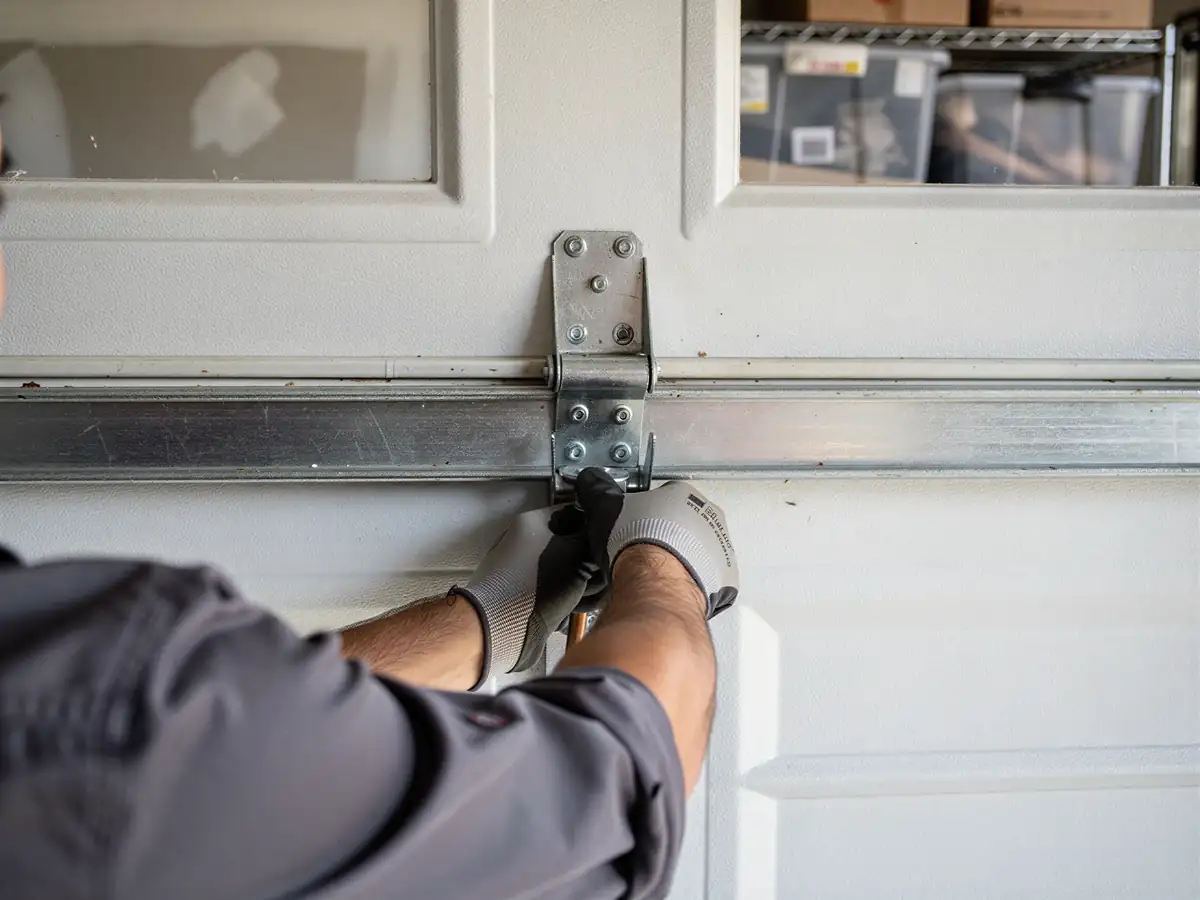
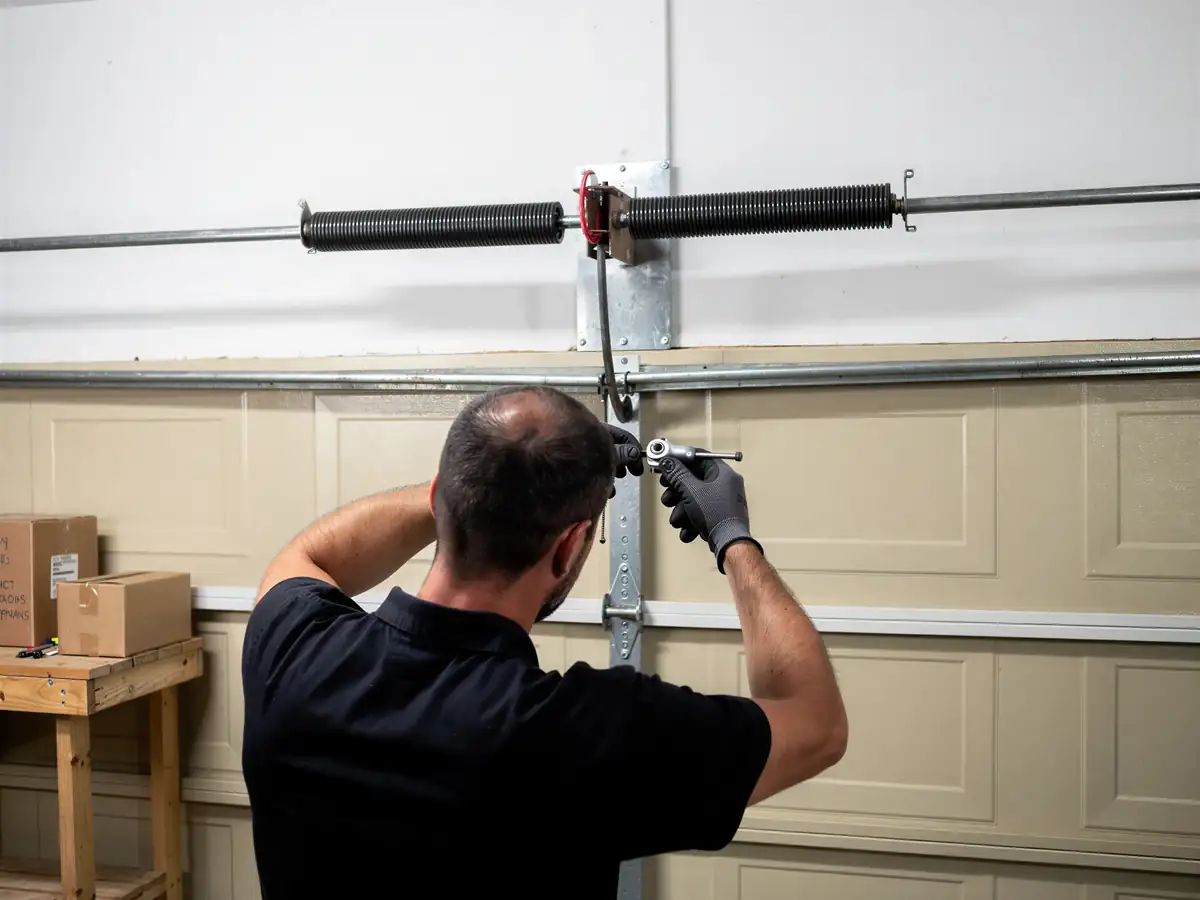
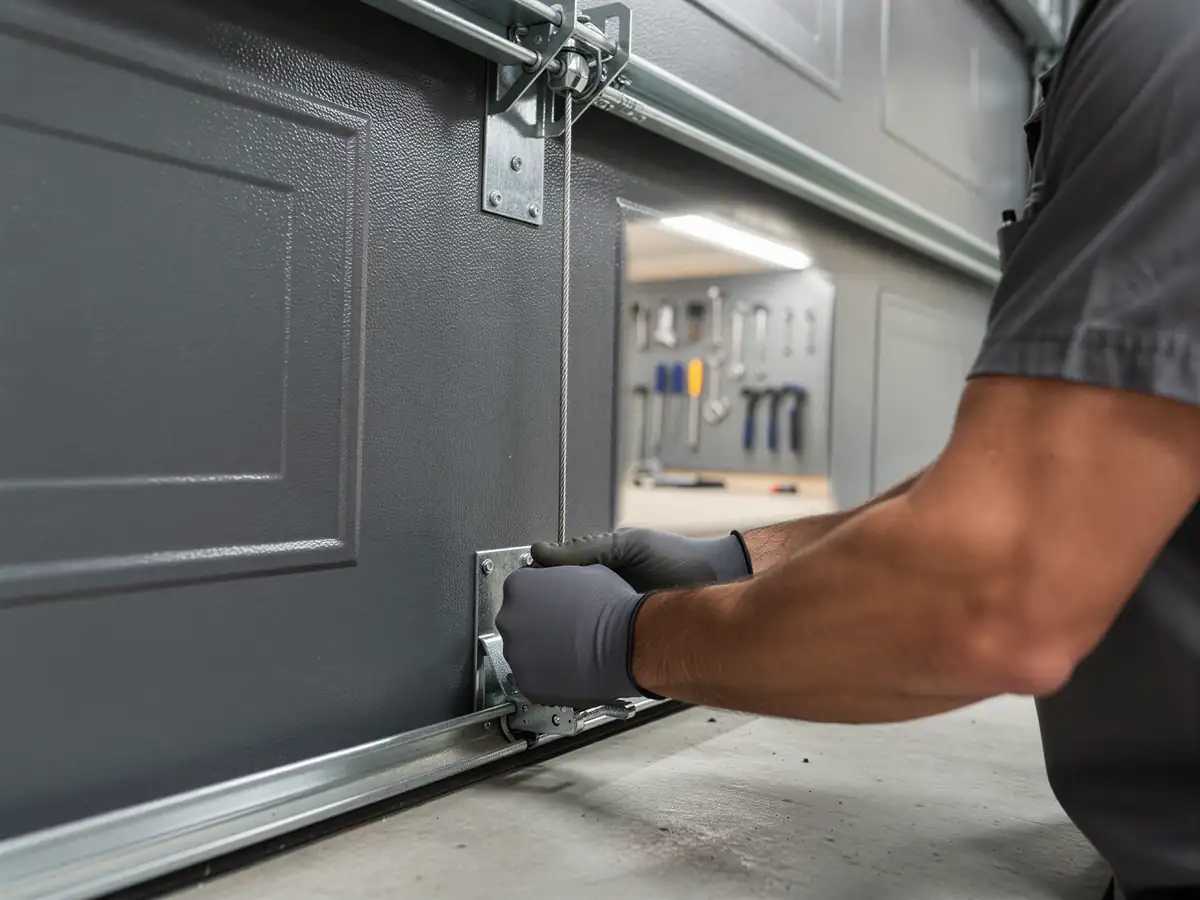
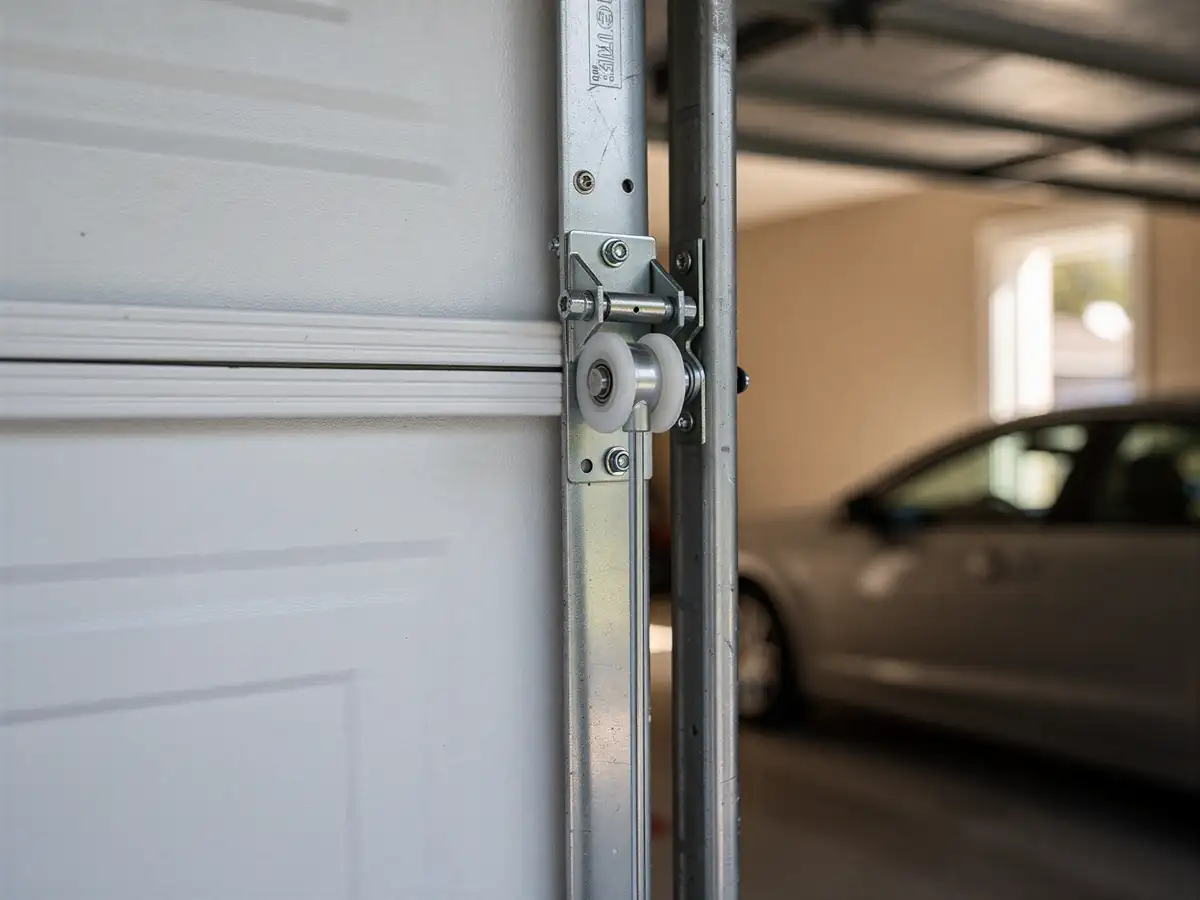
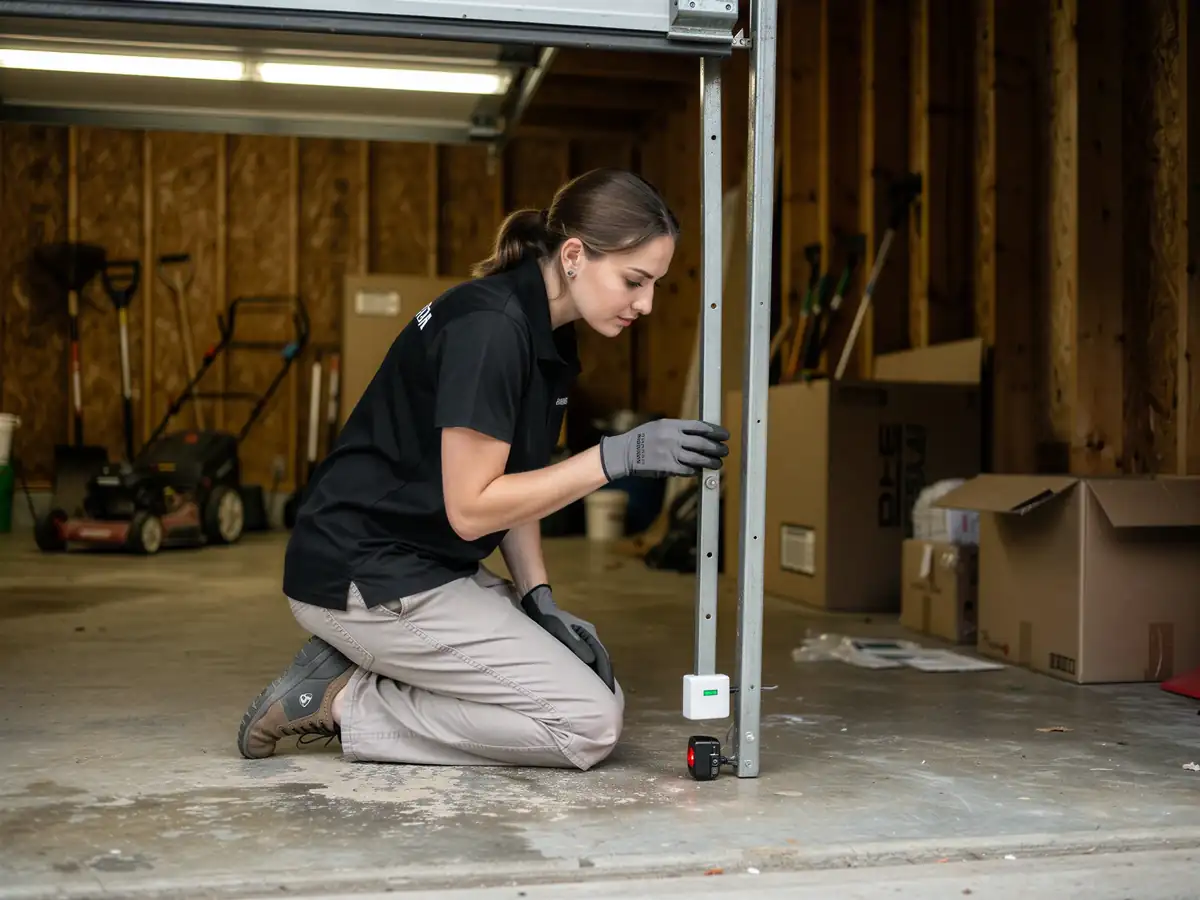
A new install is not a repair job, and it's not a good first DIY project. Setting torsion spring tension on a double door track is the single most common way a homeowner gets hurt on this kind of work - the spring stores enough energy to break a bone if it lets go while you're winding it. Panel alignment and header bracket placement also need to be right the first time; a door that's slightly out of square will bind the opener within a year. If you're handing an old opener off to a new door, we can tell you in five minutes whether it's worth keeping or whether the combined cost of reusing a tired unit outweighs just replacing both. That's the honest answer more often than not on a 25-plus-year-old opener.
What You Are Seeing
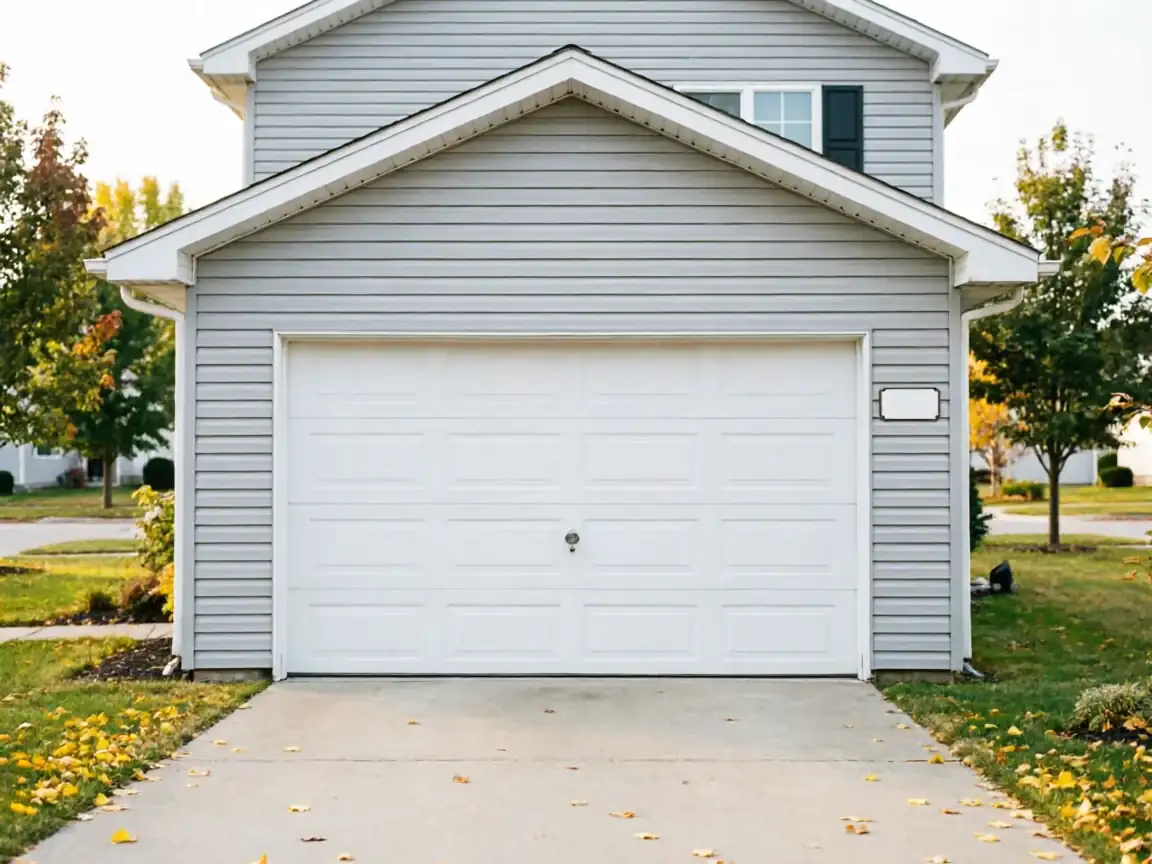
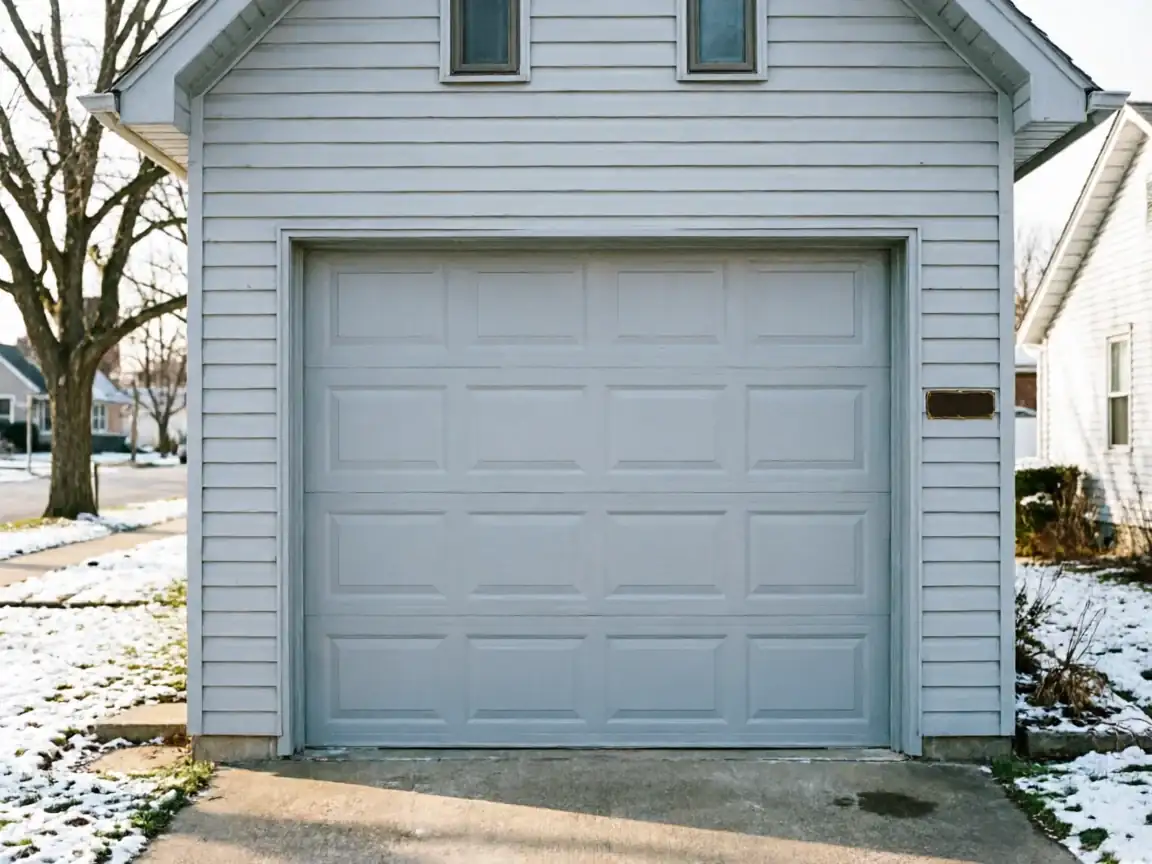
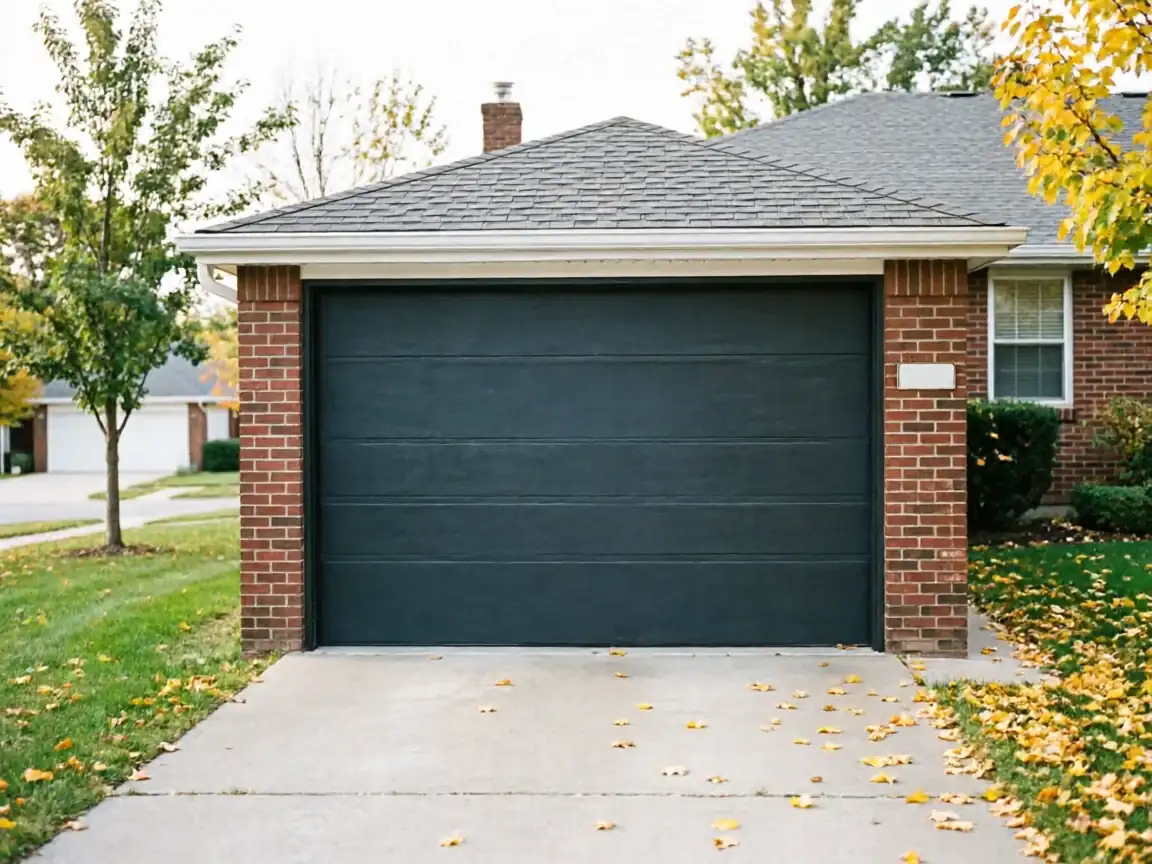
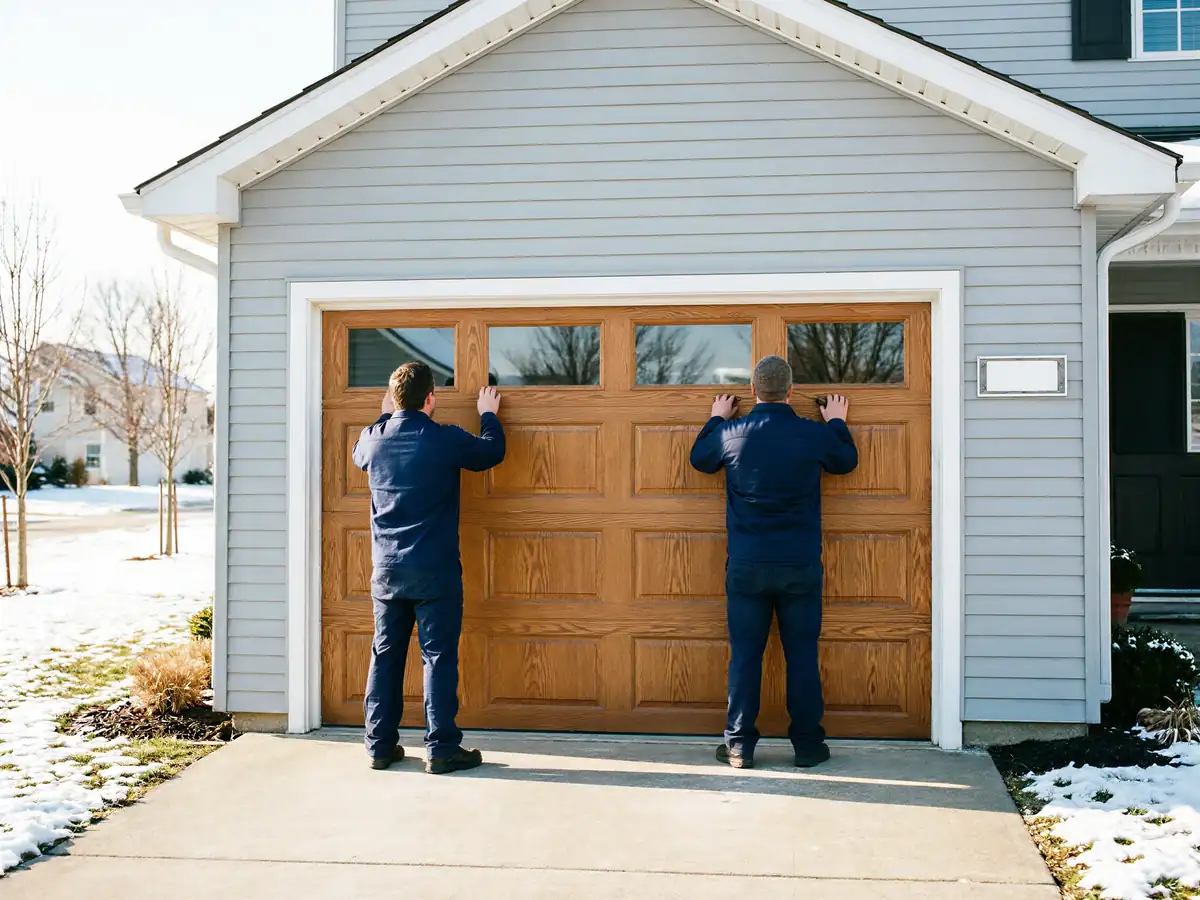
If your current door is an original from the late 1980s build-out, you're likely seeing a thin steel panel with minimal or no insulation, a single-stage opener on a straight rail, and hardware that was adequate for that decade but undersized by today's wind-load and insulation expectations. Dents along the bottom panel from years of plow snow and road salt are common on doors that face a driveway with any slope. Sagging in the middle of a non-insulated panel during a cold snap is also typical - the steel contracts and the door doesn't sit flush in the track anymore. None of that means the opener is bad; it often means the door was never matched to the opener's lift capacity in the first place, which is worth checking before you replace either one alone.