Why This Fails Locally
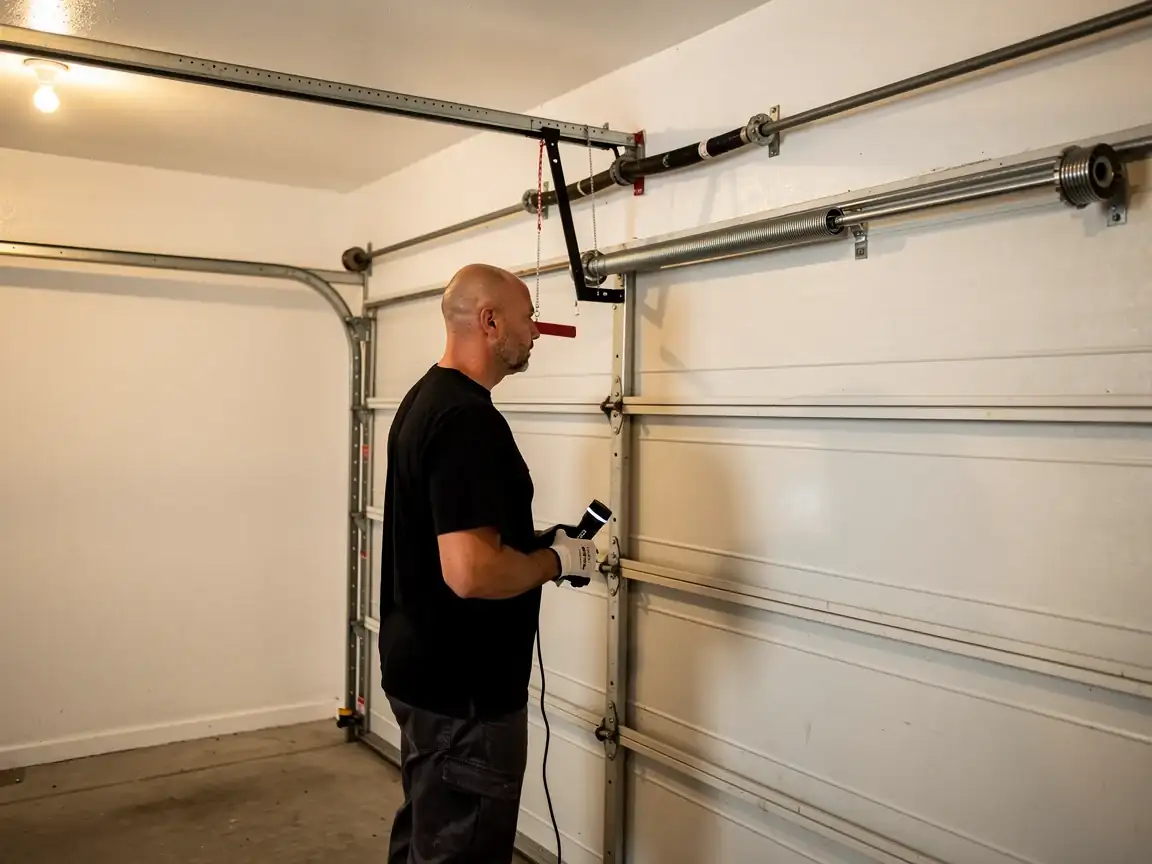
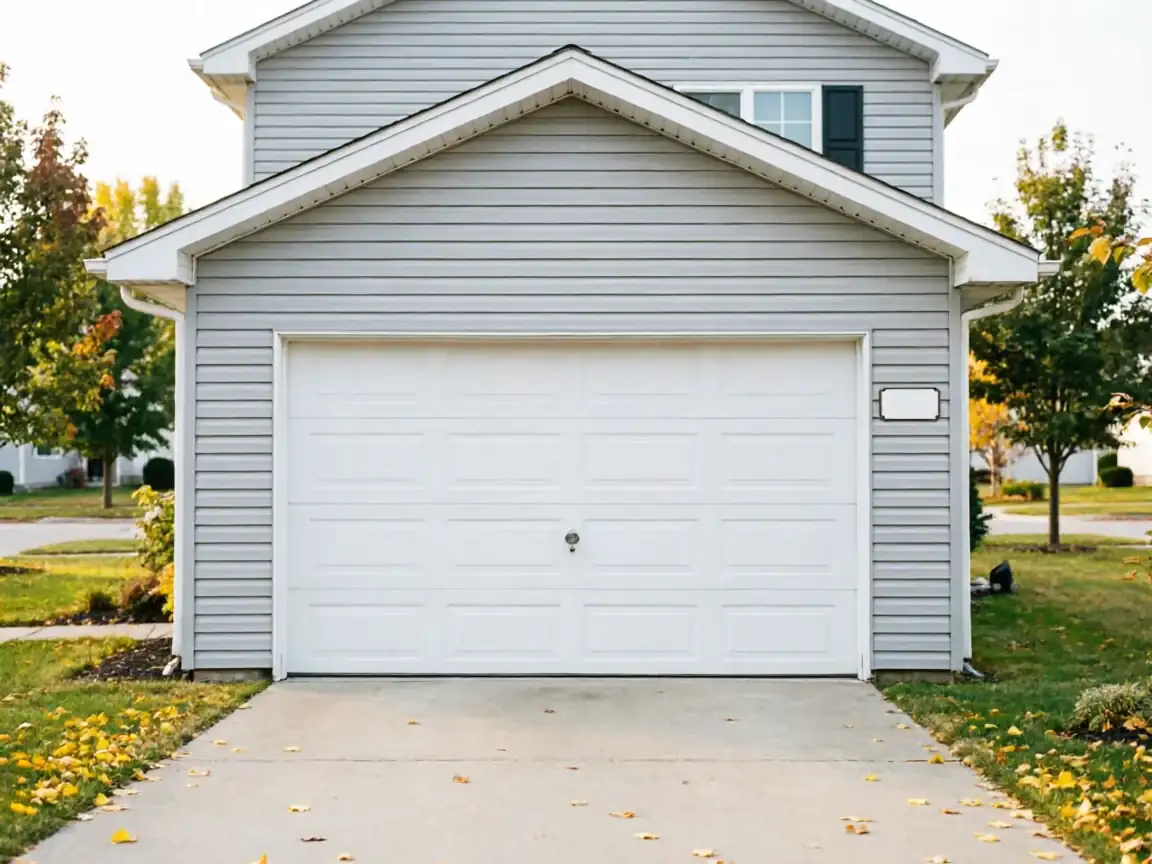
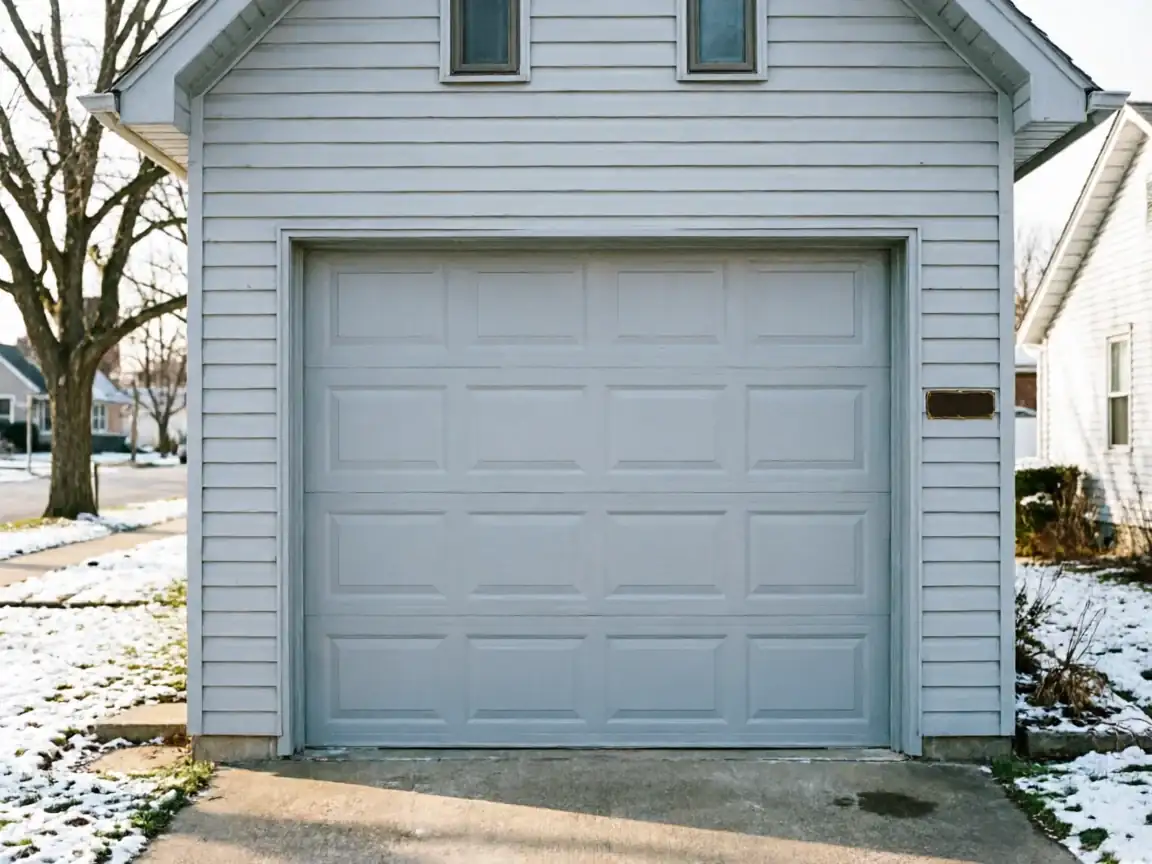
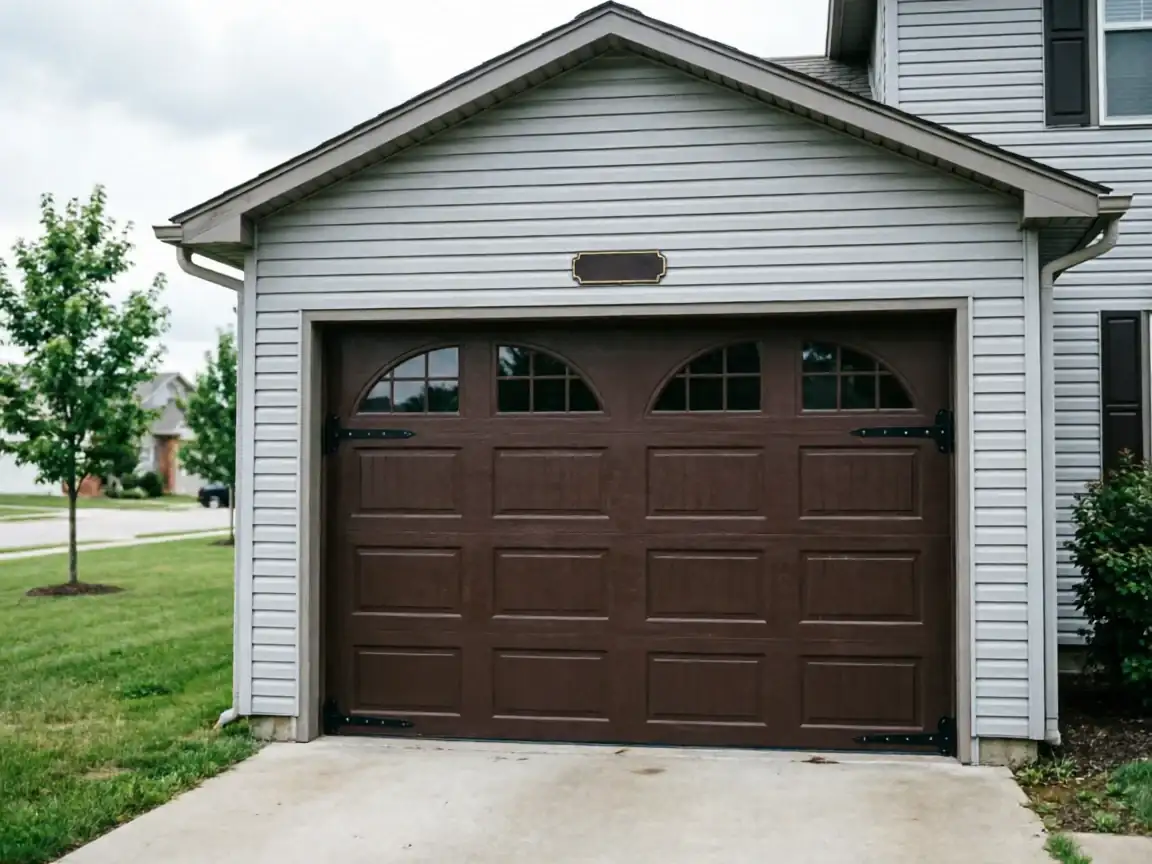
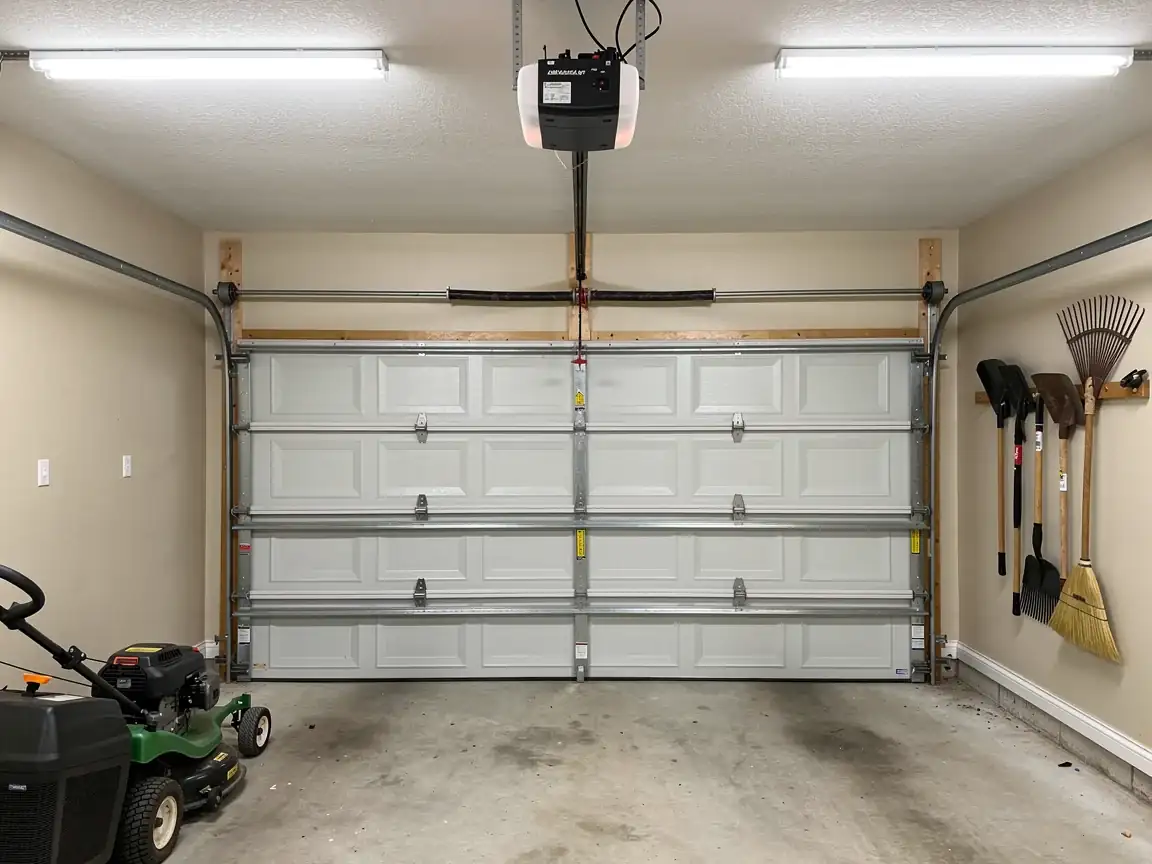
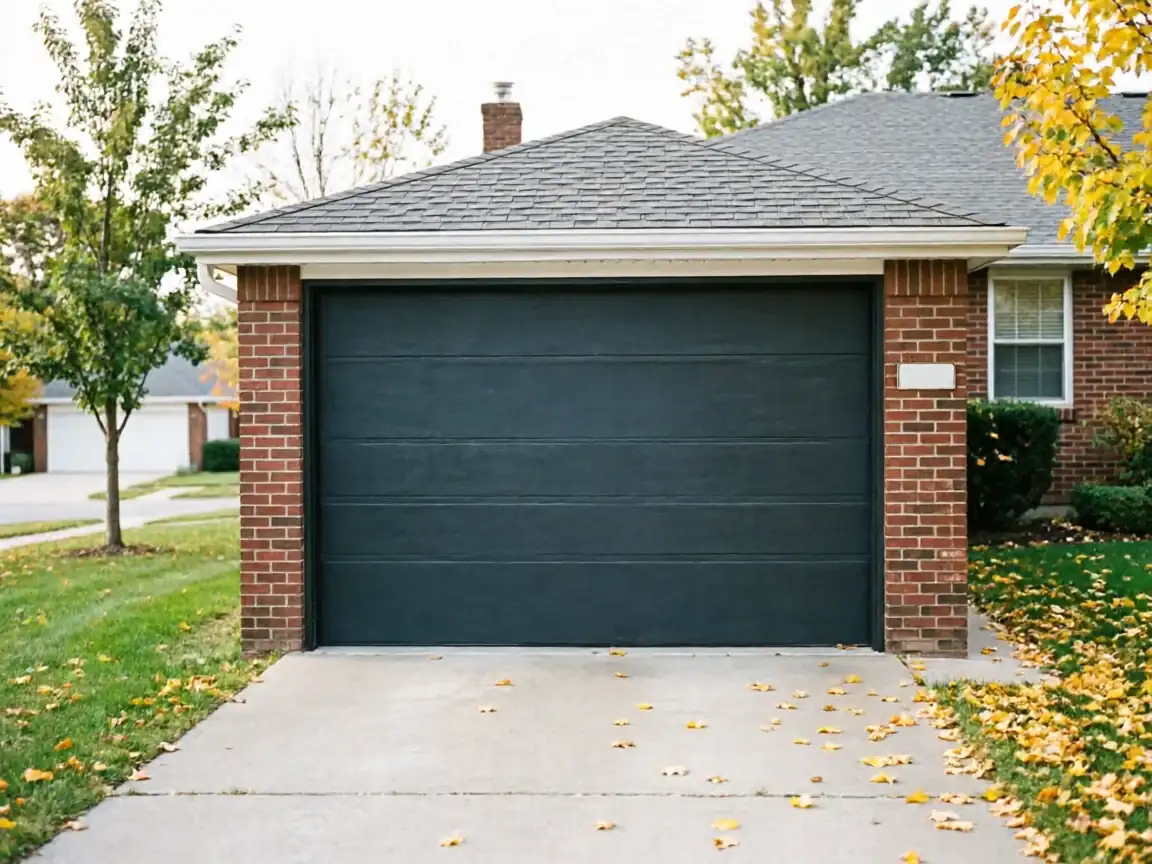
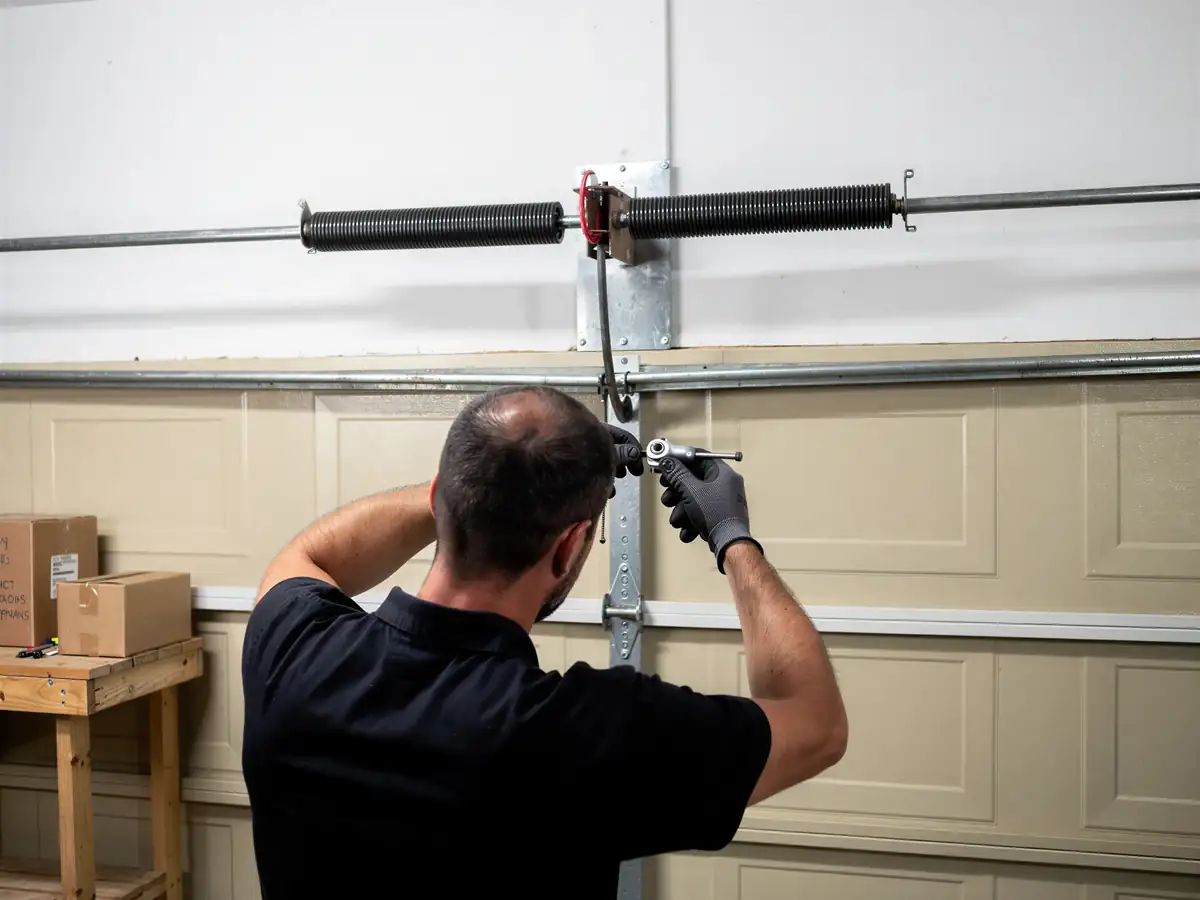
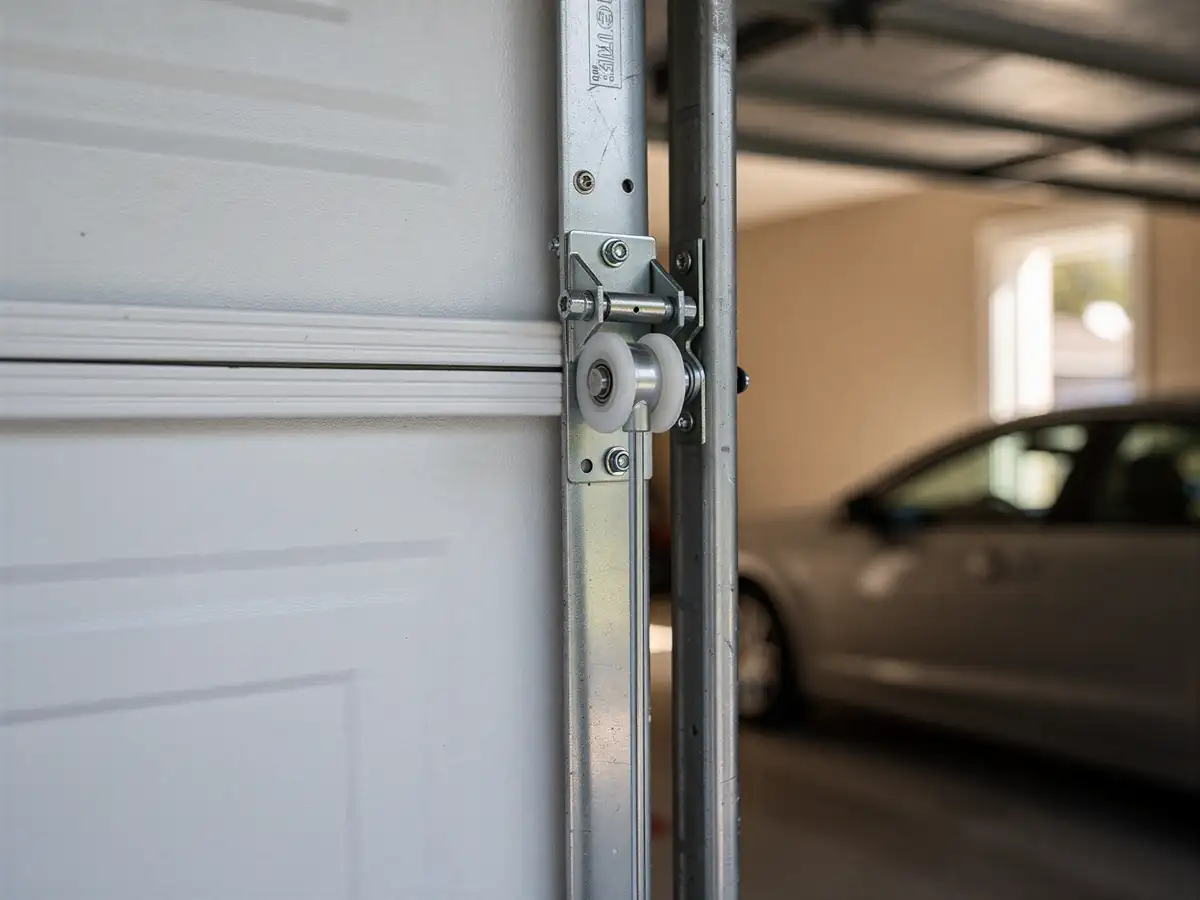
Richfield's housing stock skews newer than the rest of the area we cover. Median year built here is 1988, against a service-area median of 1976 and a housing range that stretches back to 1938. That gap matters on the specific failure we see: doors from the late 1980s and early 90s came with steel rollers on nylon-sleeved hinges and lighter-gauge torsion springs than what went into the 1960s and 70s builds that dominate the rest of our territory. Those springs are rated for a certain cycle count, and a lot of them are hitting the end of that count right about now, three-plus decades in. Add a Wisconsin winter - this is a COLD severe climate band, and cold-stiffened grease on an aging spring is a common way a cable snaps instead of just the spring. It's a different failure point than the one-piece doors and side-mount hardware you find on the older stock nearer the center of our service area, and it's why a tech who doesn't know the difference ends up ordering the wrong spring the first trip out.
Doing It Yourself
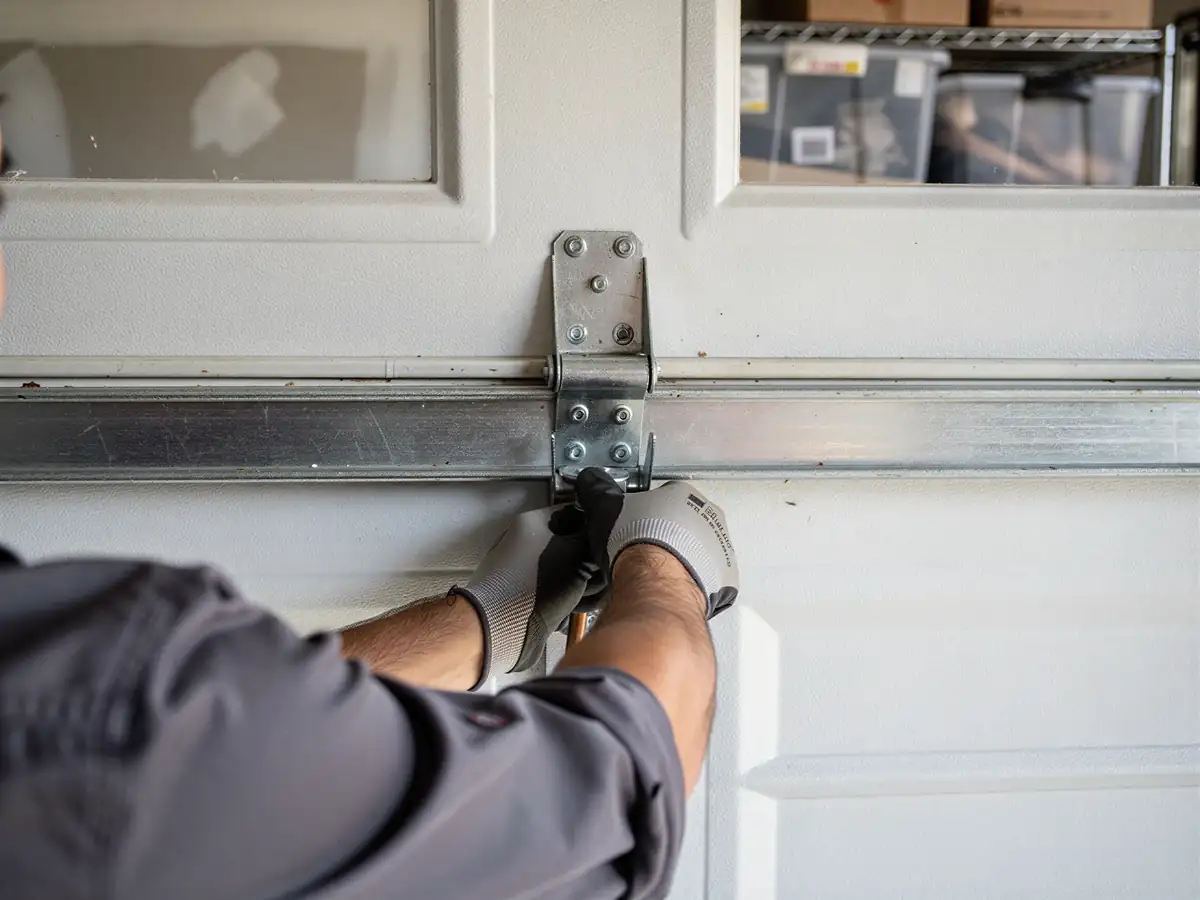
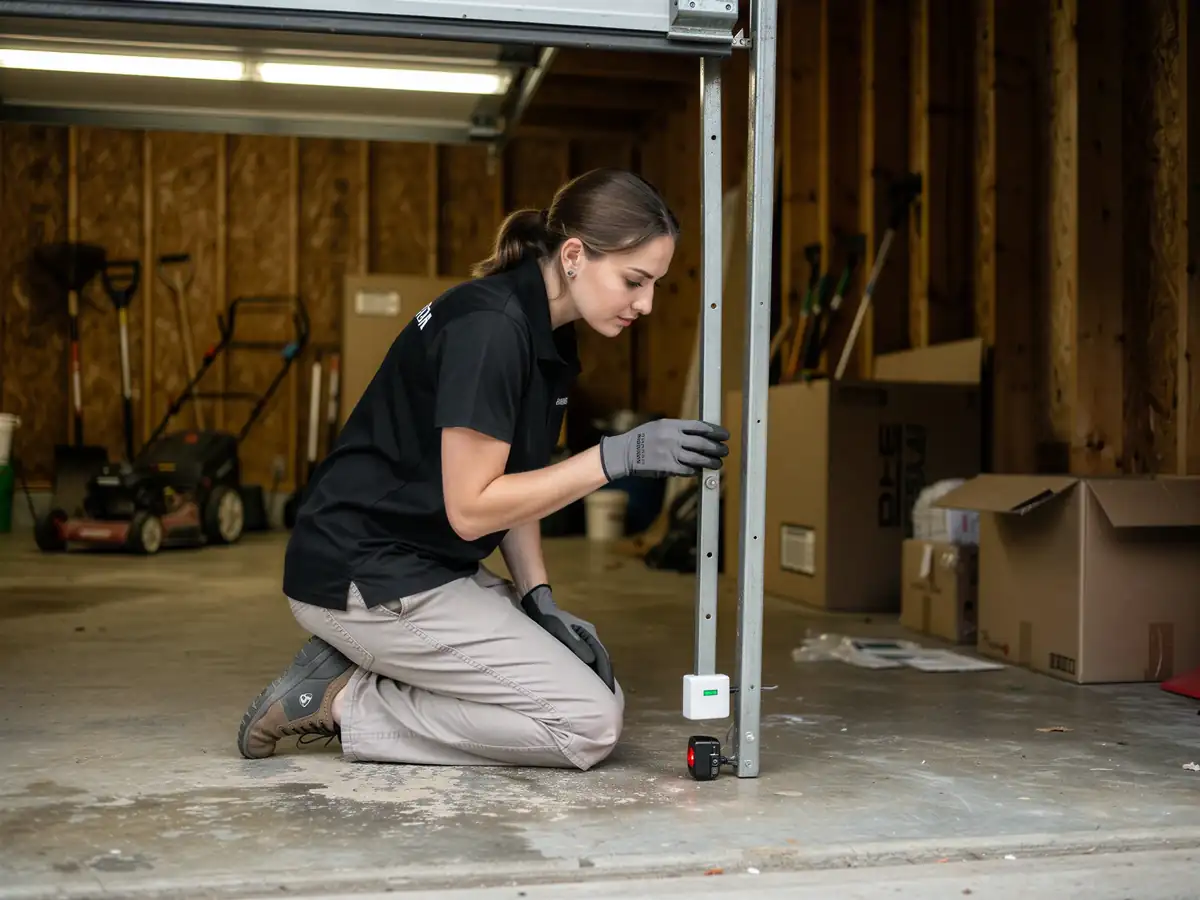
A torsion spring under tension can take a finger or worse, and we won't talk anyone through swapping one over the phone. Where a Richfield owner can safely do their own work: lubricating rollers and hinges before winter, checking that the photo-eye sensors aren't knocked out of alignment, and tightening loose lag bolts on the track brackets. Those take ten minutes and no special tools. What we don't recommend doing yourself is adjusting spring tension, replacing a cable, or pulling the bottom bracket off a door under load - that's where most ER-trip garage door injuries happen. If your opener is from the original 1988-era build and still running, parts for it may be obsolete; at that point a service call to confirm whether it's repairable is worth more than an hour on a ladder guessing.
What You Are Seeing
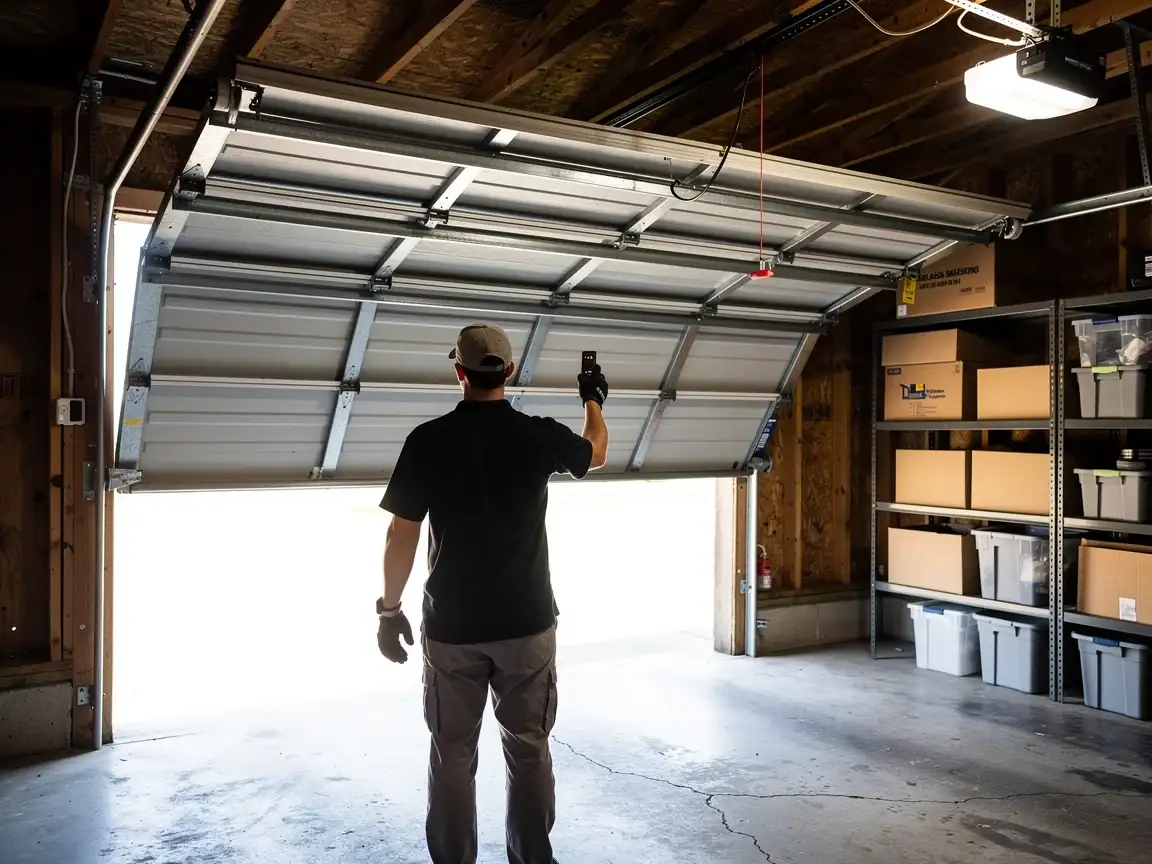
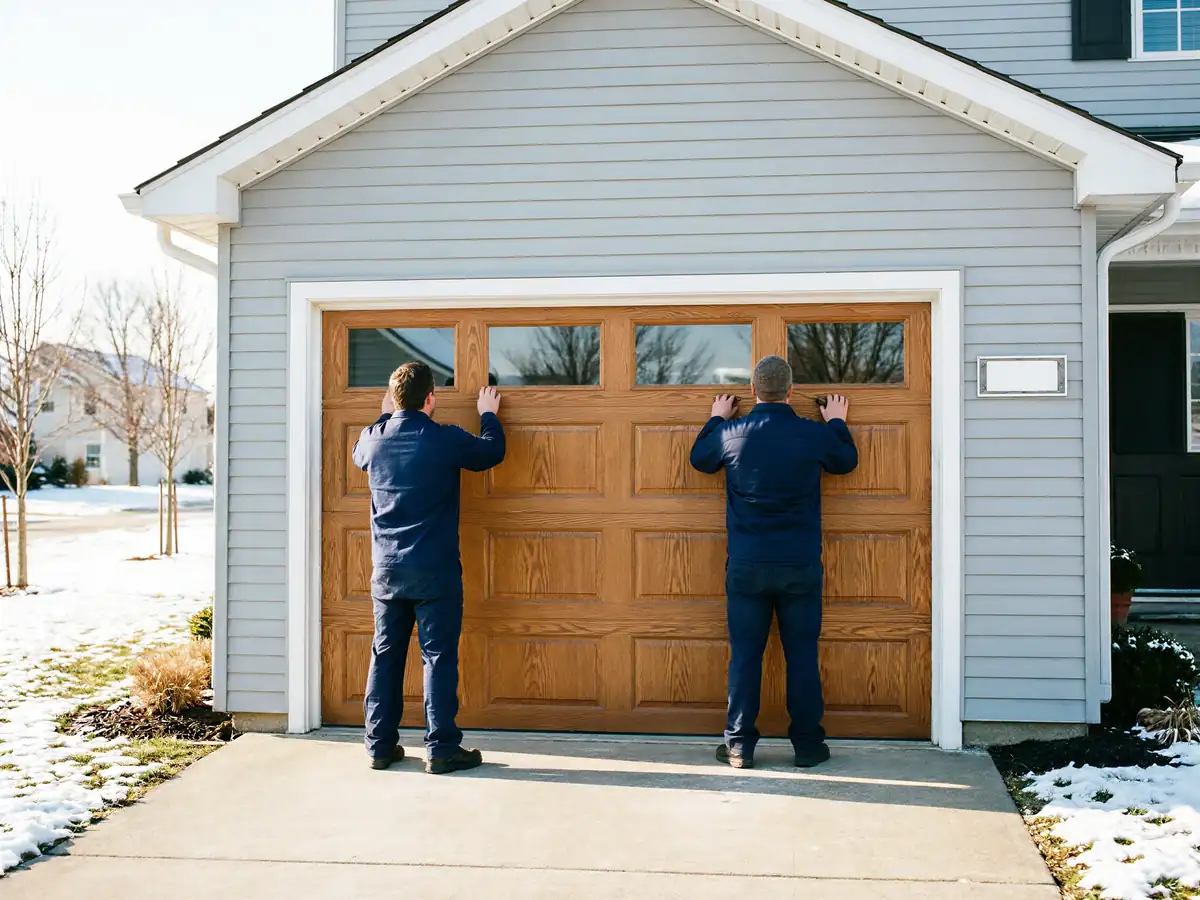
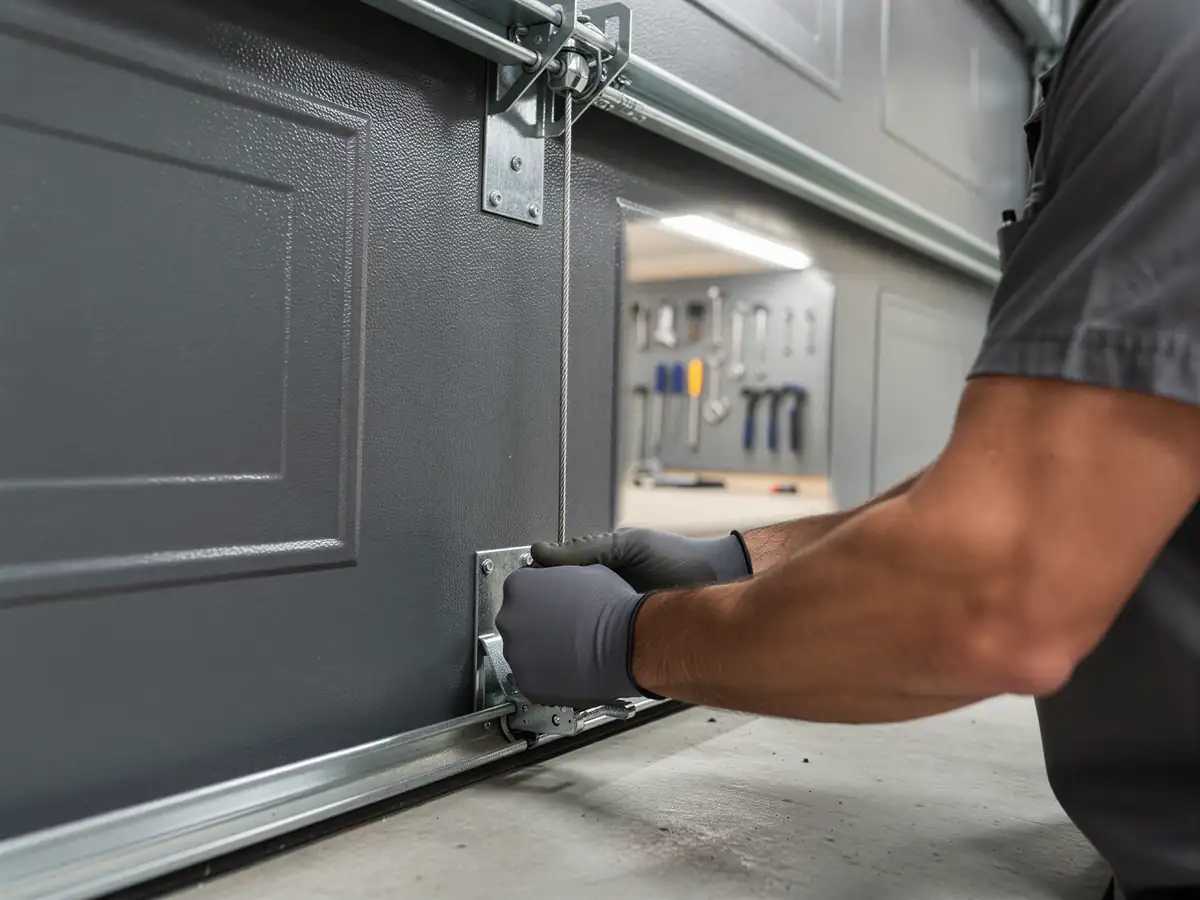
If your door is sticking partway up, reversing without touching anything, or the spring has visibly separated at the winding cone, that's consistent with the age range common on Richfield's late-80s and early-90s builds - original hardware nearing the end of its rated cycles. A door that's loud going up but quiet coming down usually points to a roller issue, not the spring. A door that won't move at all and the opener motor hums is almost always the capacitor or the gears inside the unit, not the door itself. None of that is a Richfield-specific defect - it's what 30-plus-year-old hardware does on schedule - but it's useful to know which symptom you've got before we're on site, because it changes what's on the truck.