Stopping the Draught Coming Under Your Garage Door
Why garage door seals fail fast on the 1960s-70s housing stock around Menomonee Falls, what it costs to fix, and how the cold-severe winter here wrecks a worn bottom seal.
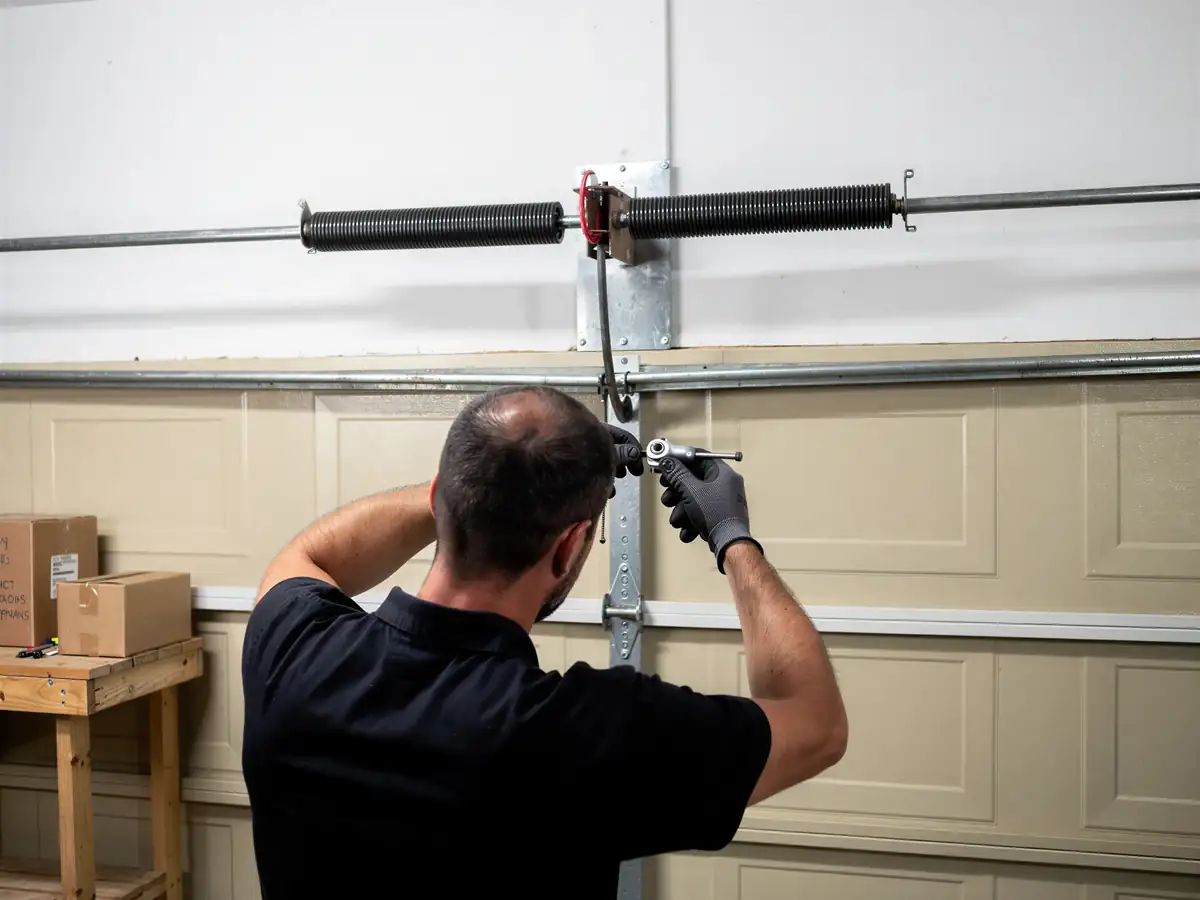
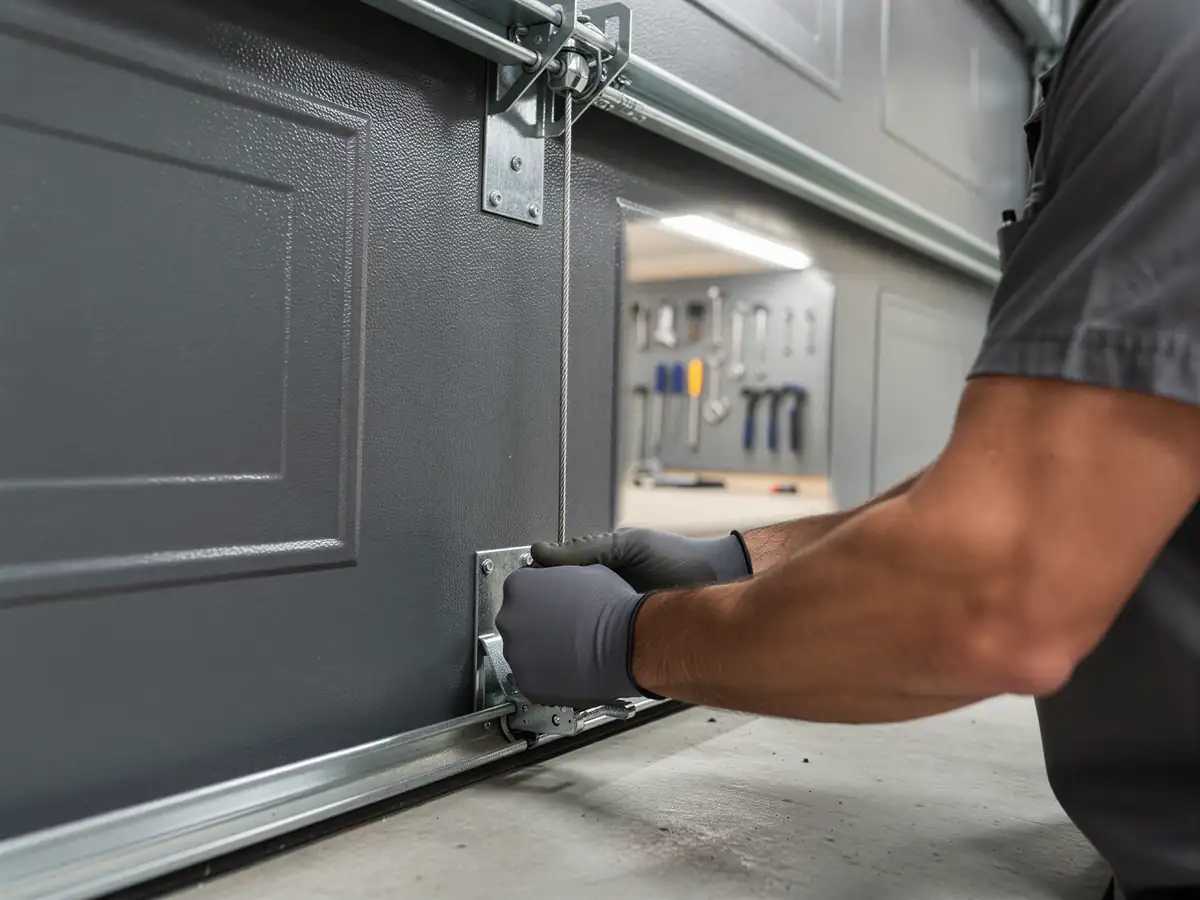
We don't have a fixed number to hand you here, and we're not going to make one up. What drives the cost on a seal job is almost always the same three things: what's actually worn (bottom seal, header seal, or the vinyl astragal between panels), whether the track the seal sits in is bent or just dirty, and whether your door is a standard width or one of the odd sizes that showed up in garages built through the 1960s and 70s. A lot of houses in this area still have the original steel door from that build wave, and those doors sometimes take a seal profile the big box stores don't stock. That means a same-day fix on a common door, or a short wait on parts for an older one. If the track itself is bent from years of a dragging seal, that's a different job than just swapping rubber, and we'll tell you which one you're looking at before we start, not after.
What Is Going On
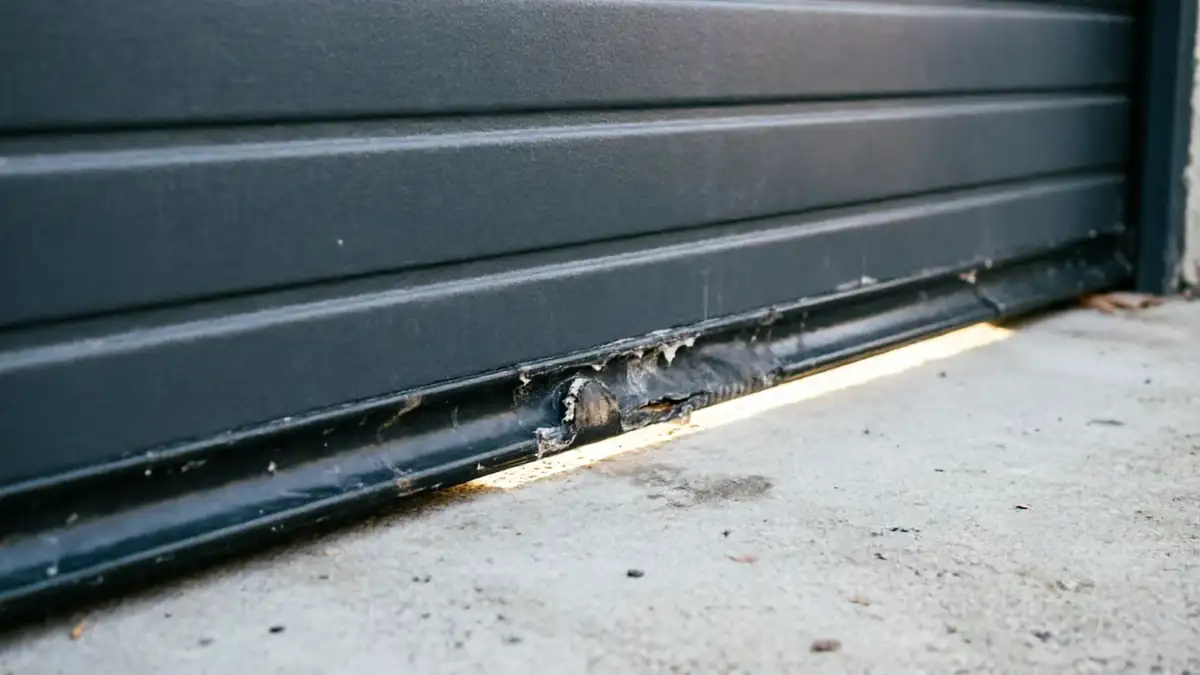
Housing in this area runs from 1938 up through 2000, with the median sitting around 1976, and that matters here more than people think. A garage door seal is rubber or vinyl, and rubber has a lifespan - it hardens, cracks, and shrinks away from the slab over years of sun and cold. On a door that's original to a house built in that 1976 window, the seal has had decades to give up. You'll see it as a gap at the bottom corners first, usually the side that takes more sun or more wind, then along the whole bottom edge. The draught you feel isn't usually the door itself failing - it's that strip of rubber no longer touching the concrete the way it did when it was new. Across the bulk of the service area, which is mostly 1960s and 70s stock, this is the single most common reason someone calls us about a cold garage, more than openers, more than springs.
What the Weather Here Does to It
This area sits in a cold-severe climate band, and that's not a small detail for a rubber seal. Freeze-thaw cycling is hard on anything that's supposed to stay flexible and keep contact with concrete - the seal gets cold enough to stiffen, the slab shifts slightly with frost, and the gap that opens up in January doesn't always close back in March. Road salt and melting snow tracked in off the driveway also break down vinyl faster than plain rain would. If your garage is attached to the house, that draught isn't staying in the garage - it's pulling cold air against the wall that backs your mudroom or laundry, and your furnace is working to make up the difference. We see more seal failures reported in late winter than any other time, which tracks with a full season of hard freezes finishing off a seal that was already thin going into November.
The Seasonal Bit
The right time to deal with this is before the first hard freeze, not during it. Rubber seal replaced in October seats and settles while temperatures are still moderate; the same job done on a ten-degree morning means wrestling stiff material that doesn't want to bend into the track. If you're noticing daylight under the door or a cold draft along the garage floor right now, in the dead of winter, that's a sign the seal gave out a while back and you're just feeling the result of it. We'd rather schedule that work in fall for anyone we can, but a failed seal in February still gets fixed in February - it just takes a little more care getting the material to sit right in the cold. Either way, catching it before spring means you're not losing heat and running up the furnace bill for another season on a part that's inexpensive to replace.
Why is cold air coming under my garage door even though it looks closed?
The door closing fully and the seal actually touching the concrete are two different things. On older doors, the bottom seal has often hardened or shrunk enough that it no longer makes full contact, especially at the corners. That gap is where the draught comes from, not from the door standing open.
Do I need a new door or just a new seal?
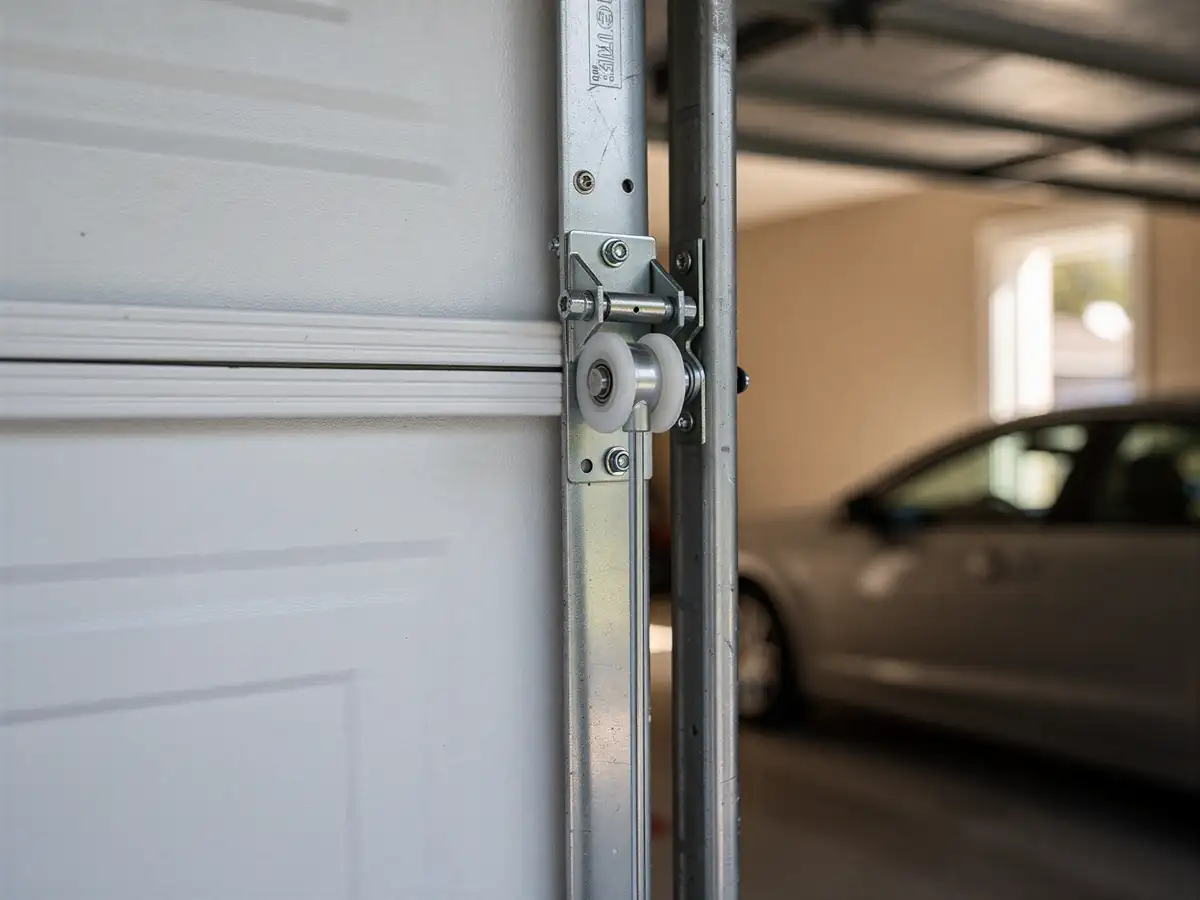
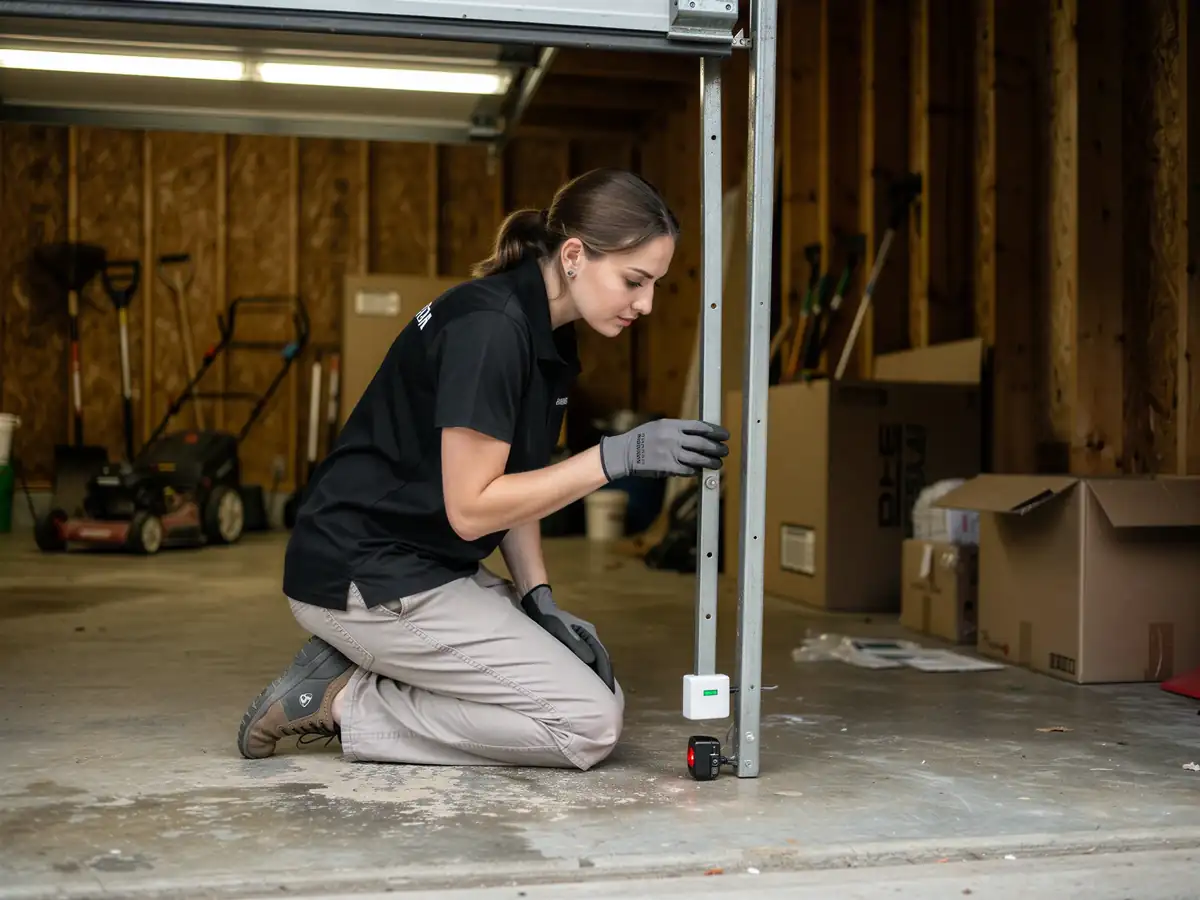
Most of the time it's just the seal, the vinyl or rubber strip along the bottom and sides. If the panel itself is rusted through, warped, or the track is bent from years of dragging, that's a bigger job - we'll tell you plainly which situation you're in rather than upsell a door you don't need.
How often do these seals need replacing around here?
It depends on the door's age and sun exposure, and we don't have a universal number for every house. What we do know is that this area's cold-severe winters put real stress on rubber seals through freeze-thaw cycling, so they wear faster here than they would in a milder climate.
Ready to get your garage door sorted?
Tell us what it’s doing and where you are in Menomonee Falls - we’ll take it from there.