What Is on the Truck
Brown Deer's housing stock centers on 1970
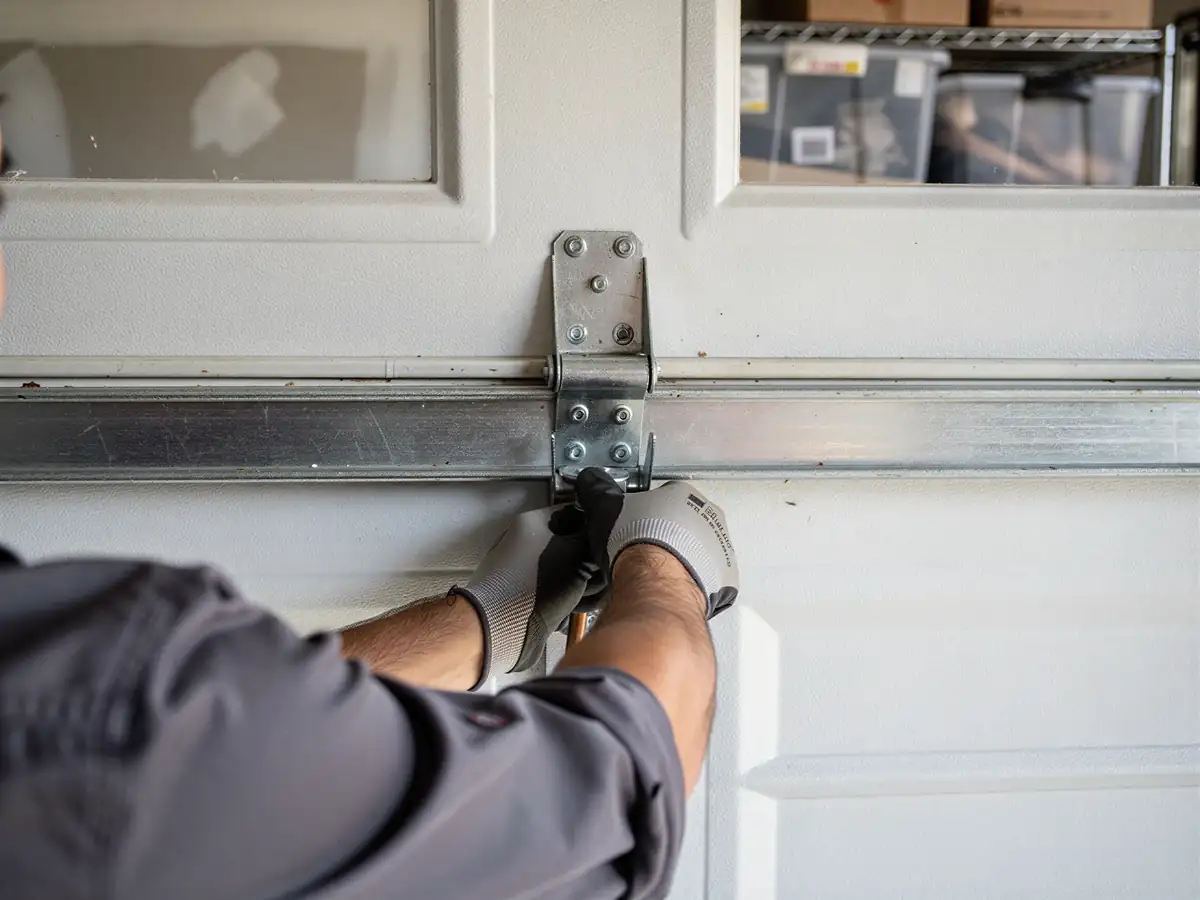
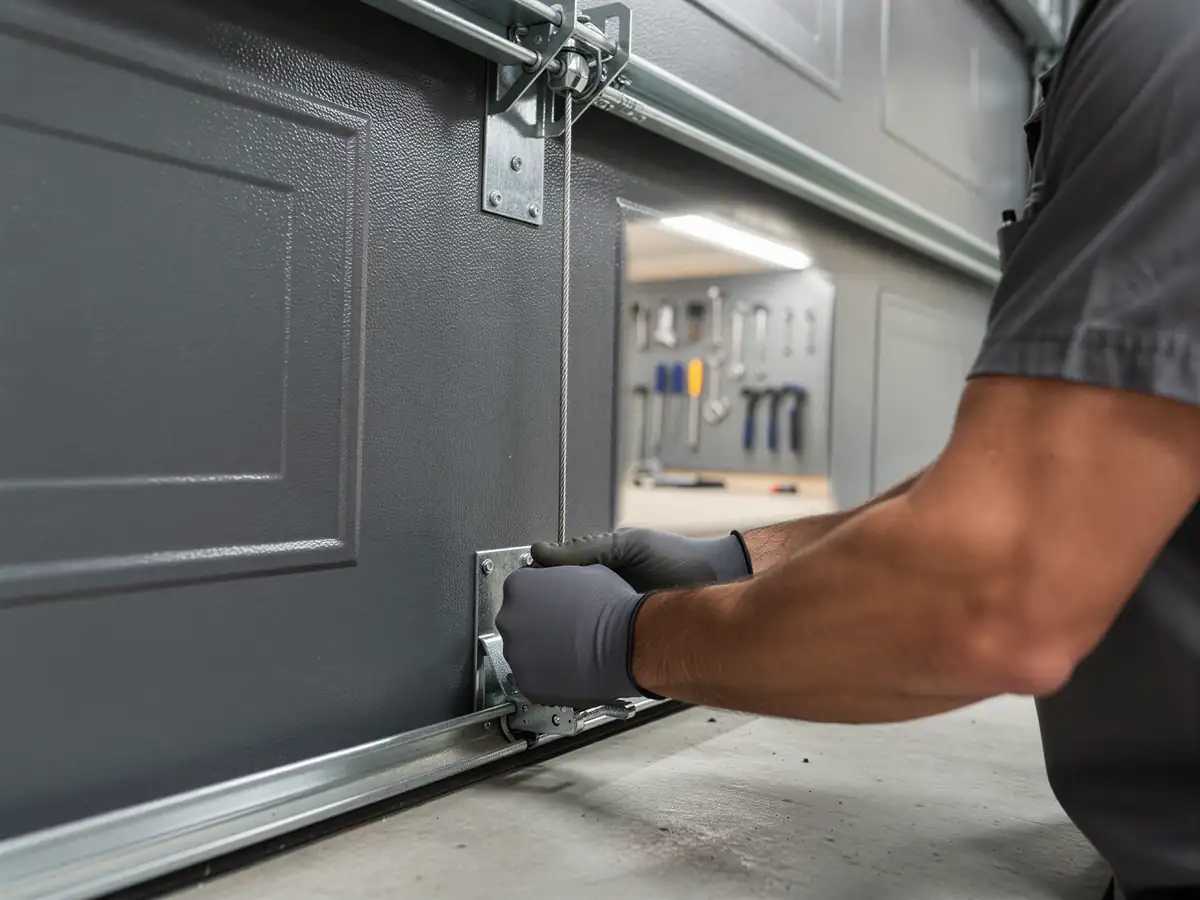
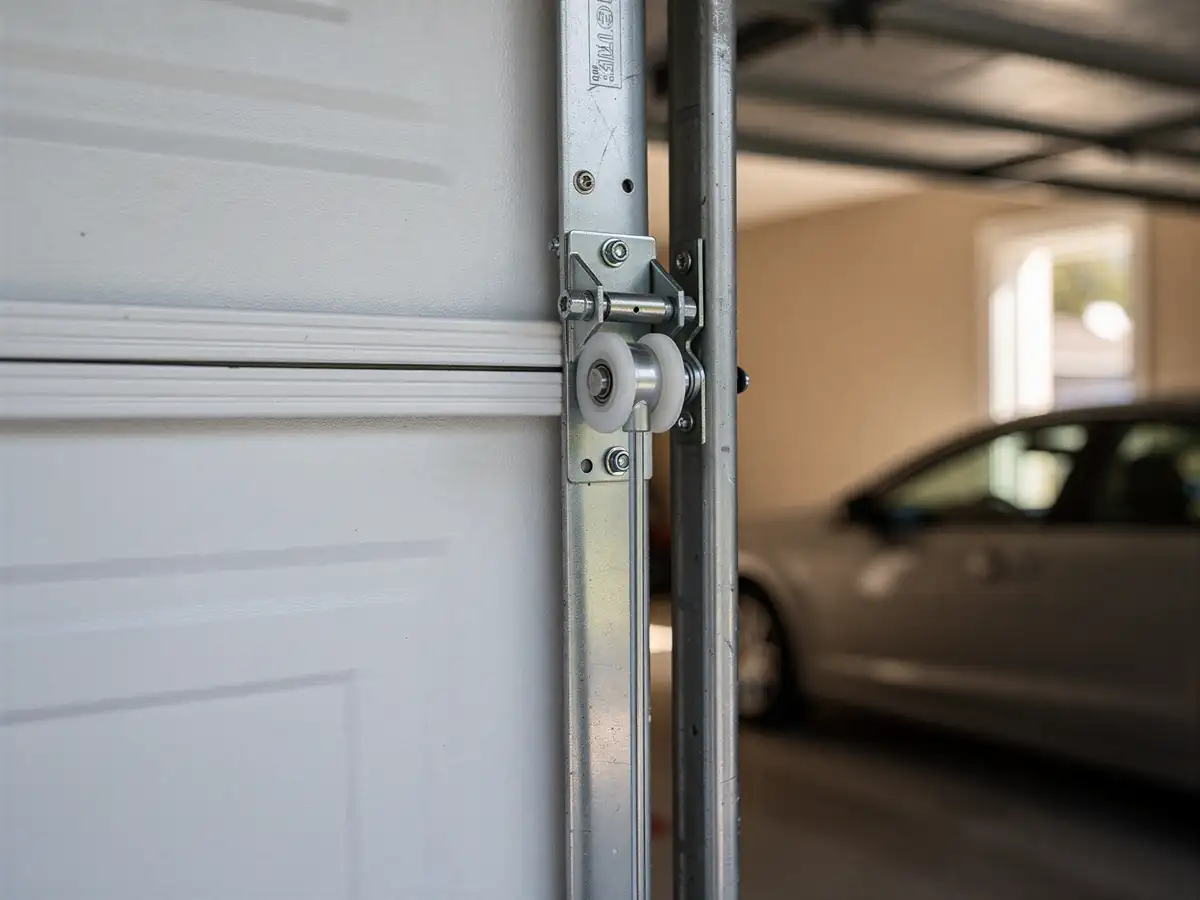
Which means most garages here were built with steel rollers riding in steel track, no nylon, no sealed bearings. If the door hasn't been touched, those original rollers are still in it. A truck built for this stretch carries 10-ball nylon rollers in a couple of stem lengths, because the stem length that matches 1970 track hardware isn't always the same as what a house built in 1990 takes. We also carry the sleeve bearings and the short coil springs that hold a roller bracket to the hinge, since on a door this old those usually need replacing at the same time as the roller itself, not after.
We don't stock every oddball stem length on the truck
If a door has been modified over the years, or someone swapped in a replacement panel with different hardware spacing, that can mean a second trip once we've confirmed what the bracket actually needs. That's the one part of this job that isn't same-visit, and we'd rather say so than guess at your door over the phone.
Why This Fails Locally
Steel-on-steel rollers wear from friction and from cold. In this climate band, winter cold makes steel track slightly more brittle and grease slower to do its job, so a roller that's been grinding quietly for years picks up speed in January and February. On a door built around 1970, you're looking at roughly five decades of opening and closing on the same ball bearings, most of which were never lubricated past the first year or two. That's not a guess about your specific door - it's what happens to steel rollers left in place that long, full stop.
The other factor is track wear. A roller riding in a track for decades grooves the track slightly as it degrades, so by the time a roller is bad enough to replace, the track itself may already be scored. We check that on every call, because putting a new roller into worn track just means you're back out here in a year.
What You Are Seeing
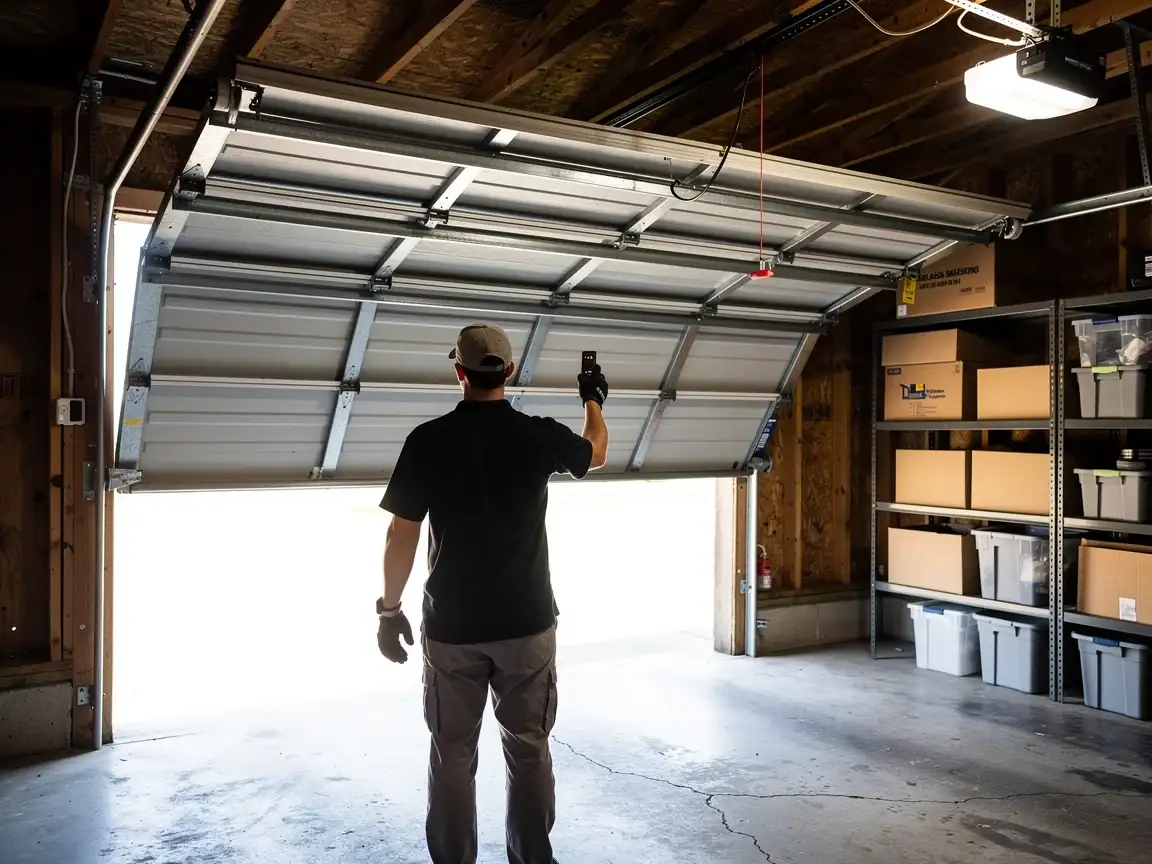
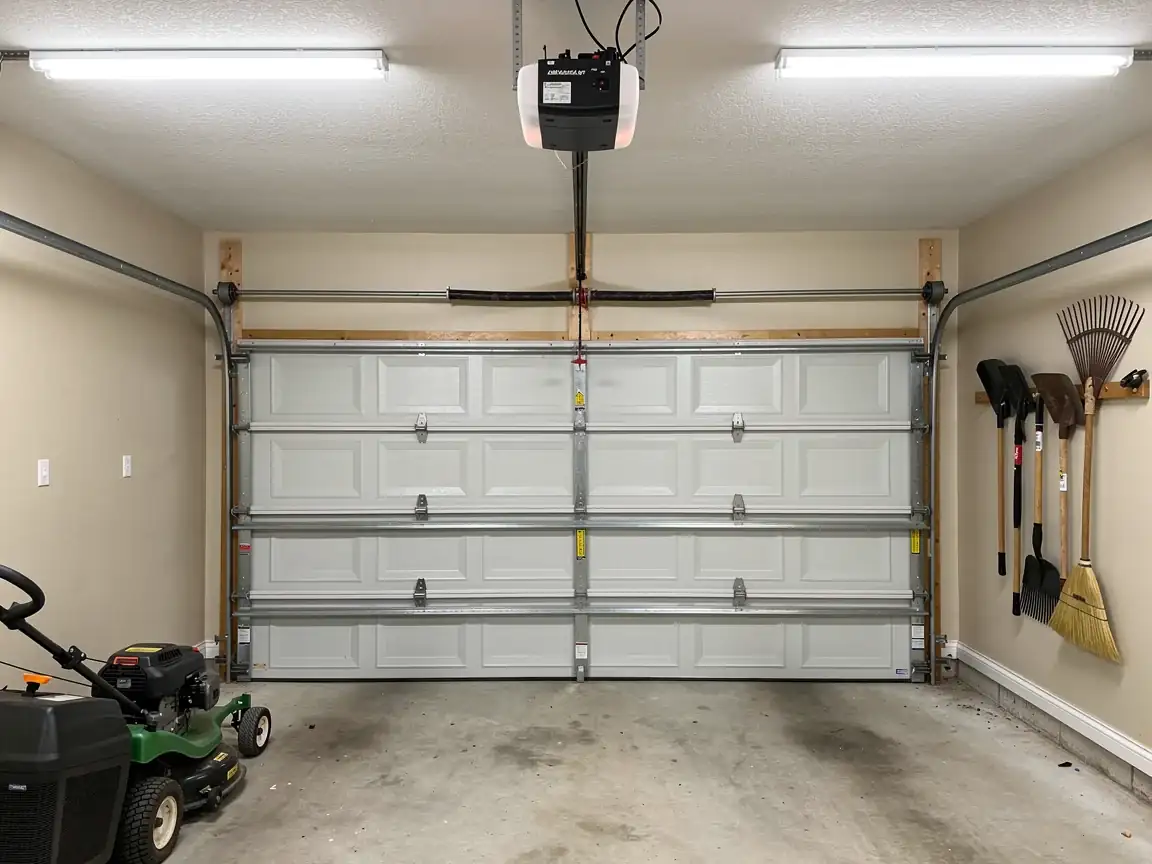
Rollers failing on a door this old don't usually snap outright. More often you get a grinding or clicking sound right as the door clears the bend into the horizontal track, a door that hesitates or jumps at that same spot, or a roller that's visibly worn down to a smaller diameter than the ones next to it. Sometimes a bracket has worked loose and the roller is sitting slightly crooked in the track, which throws the whole door off-square as it travels.
If the door is binding only near the top of its travel, that's usually the rollers closest to the horizontal track, since they carry the tightest curve. If it's binding the whole way up, you may have more than one roller gone, or track that's bent rather than just worn.
The Cost of This Job
Brown Deer households have a median income of $91,567, noticeably below the wider service area's $104,337
And that's worth naming because it changes what we recommend here more than it would elsewhere. On a door with original 1970 hardware, a full roller set replacement is usually the better call than replacing one or two rollers at a time, since the rest are the same age and will fail the same way within a year or two. We price the full set as one job rather than a string of return visits, which tends to come out cheaper over time even though the single invoice looks bigger.
We don't have a posted price to quote here without seeing the door and confirming the stem length and whether the track needs attention too
Doing It Yourself
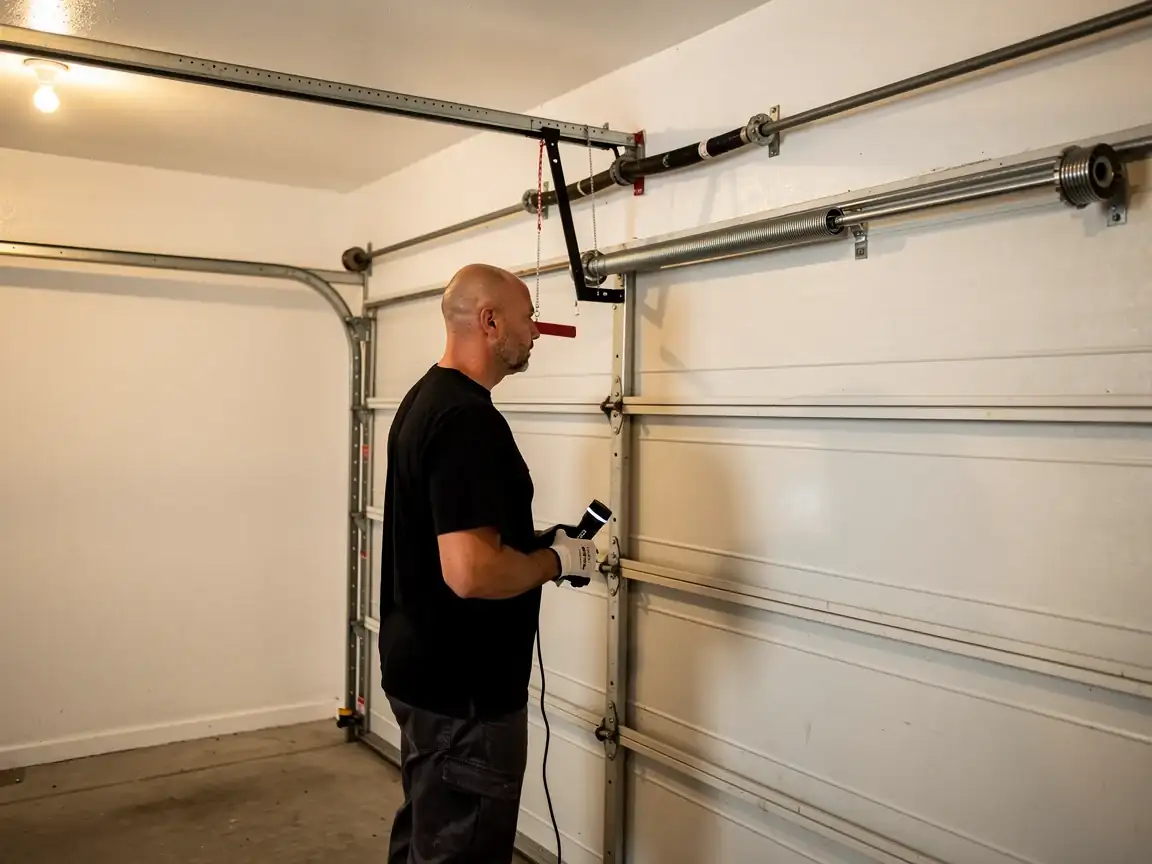
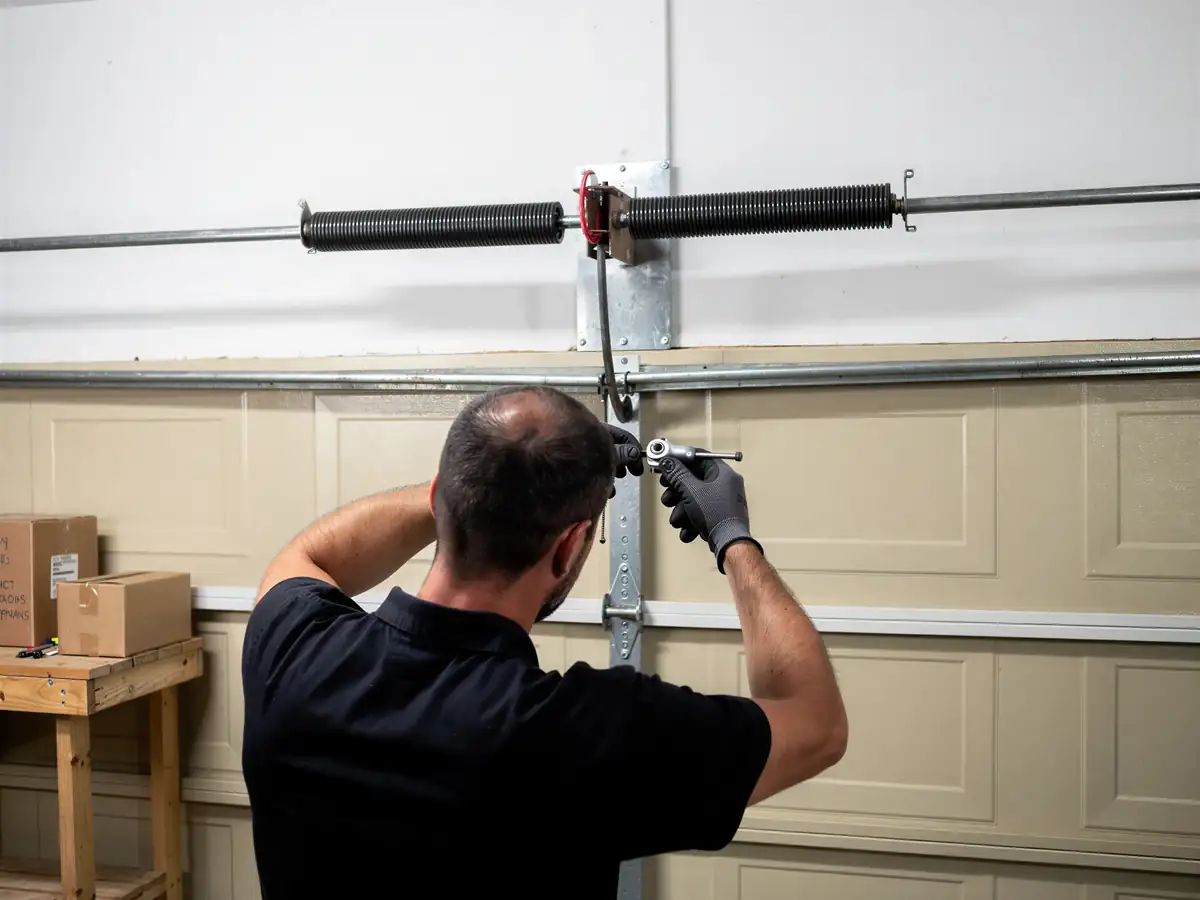
Swapping a single roller on a door that's open and the opener disconnected is within reach for someone comfortable with hand tools - it's a bracket, a bolt, and a few minutes. Where it goes wrong on a door this old is the spring tension. A 1970-era door that's never had its springs serviced is carrying decades-old tension in hardware that wasn't built to today's standards, and loosening a roller bracket near a loaded spring is where people get hurt. If your door has a torsion spring across the top, or you're not sure which kind it has, that's the point where we'd tell you to stop and call rather than finish the job yourself.