Why This Fails Locally
A torsion spring is rated for a set number of open-close cycles, and in a cold-climate service area like this one, the metal fatigues faster. Severe winter cold makes the steel brittle, and a spring that's already near the end of its cycle count is far more likely to snap on a sub-zero morning than in July. Brown Deer homes built around 1970 are now in year fifty-plus on original or first-replacement hardware, which puts a large share of these springs well past the point where failure is a matter of when, not if. Add in the daily cold-to-warm swing of a heated house against an unheated garage, and you get metal that's constantly contracting and expanding at the point of highest stress - right where the spring coils.
What You Are Seeing
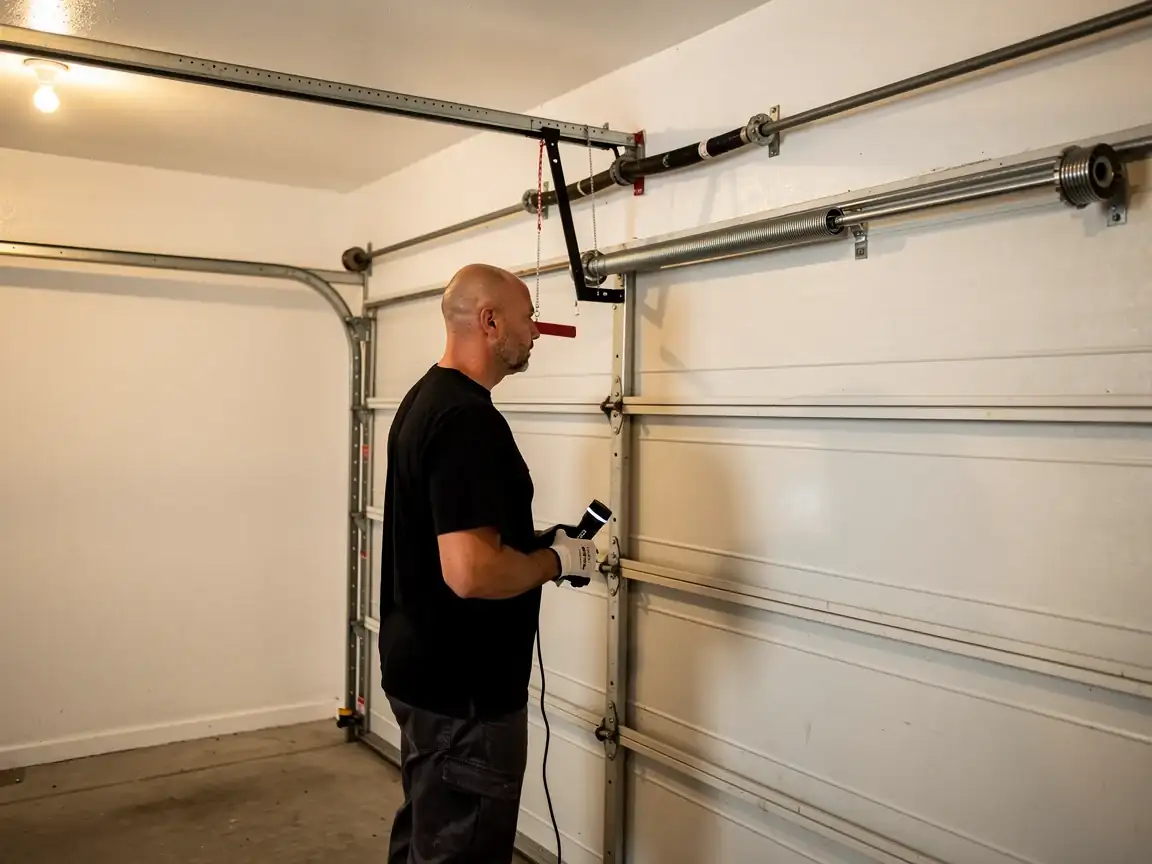
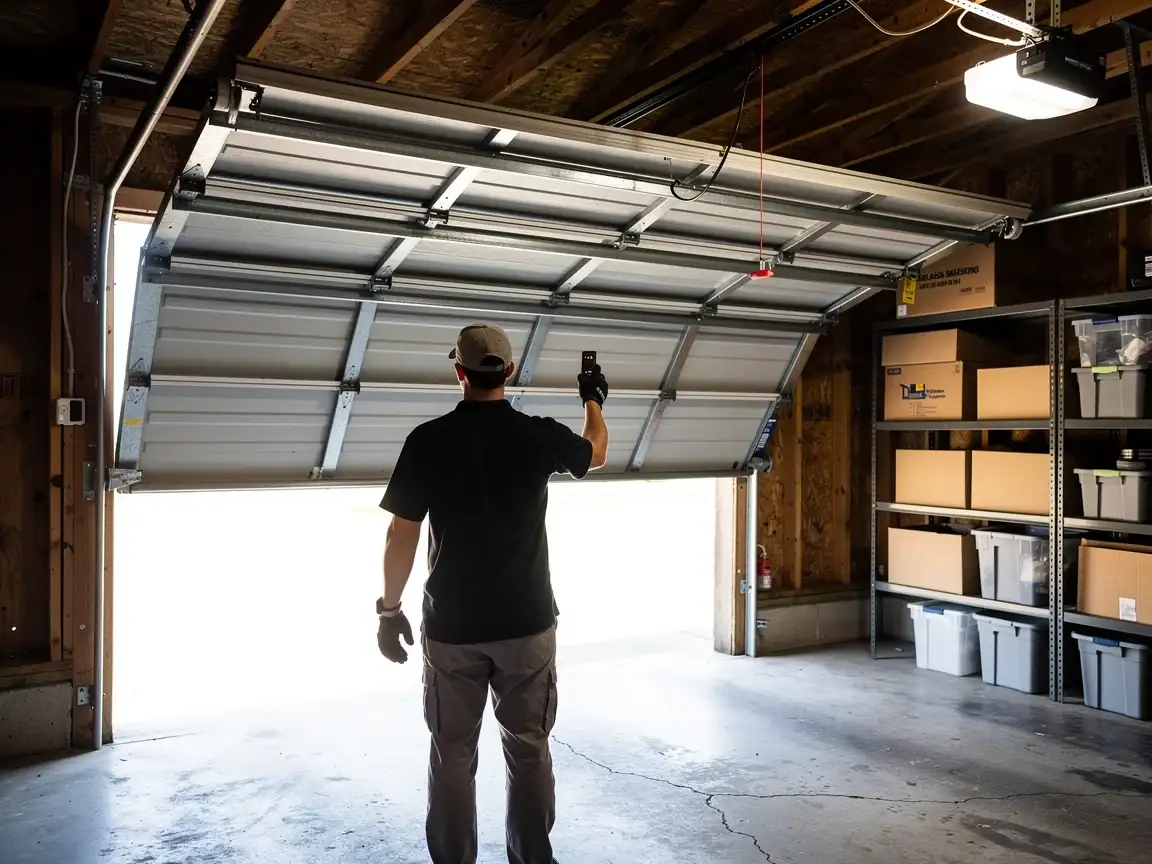
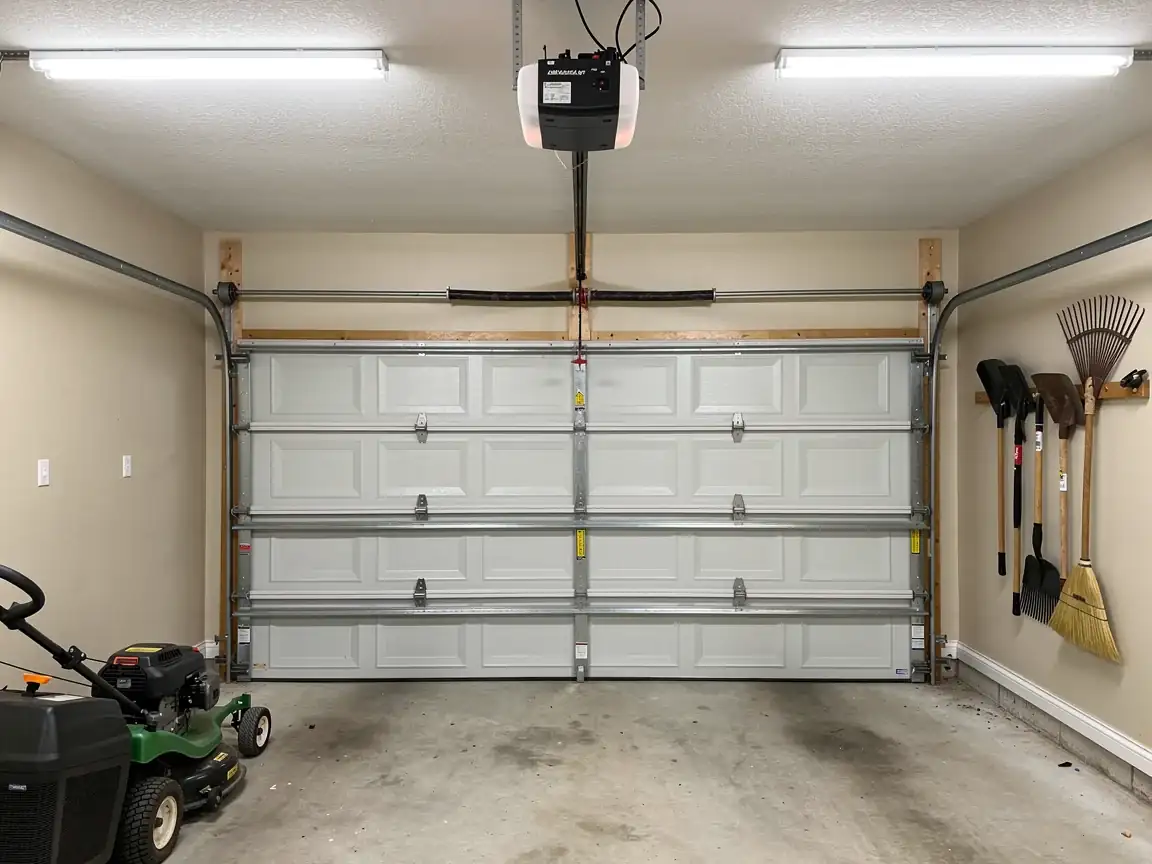
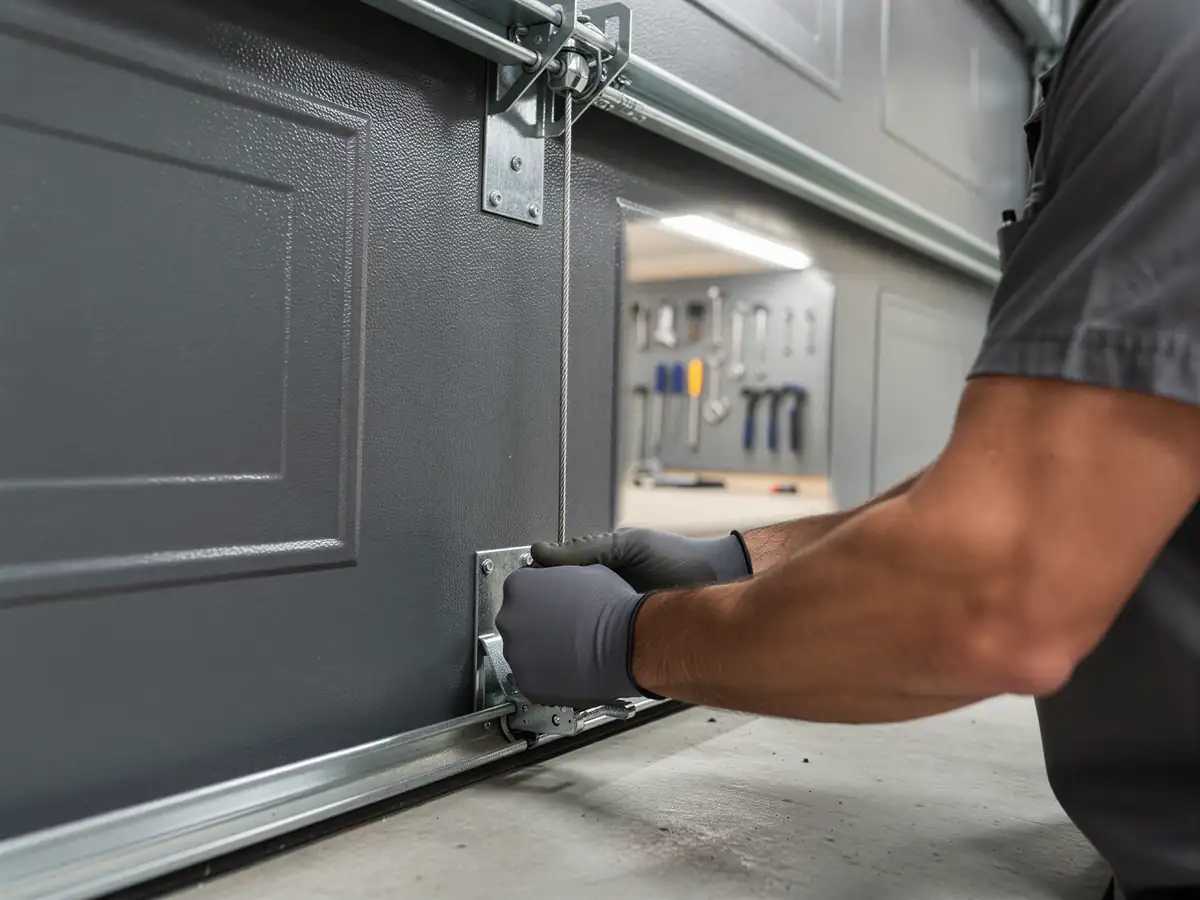
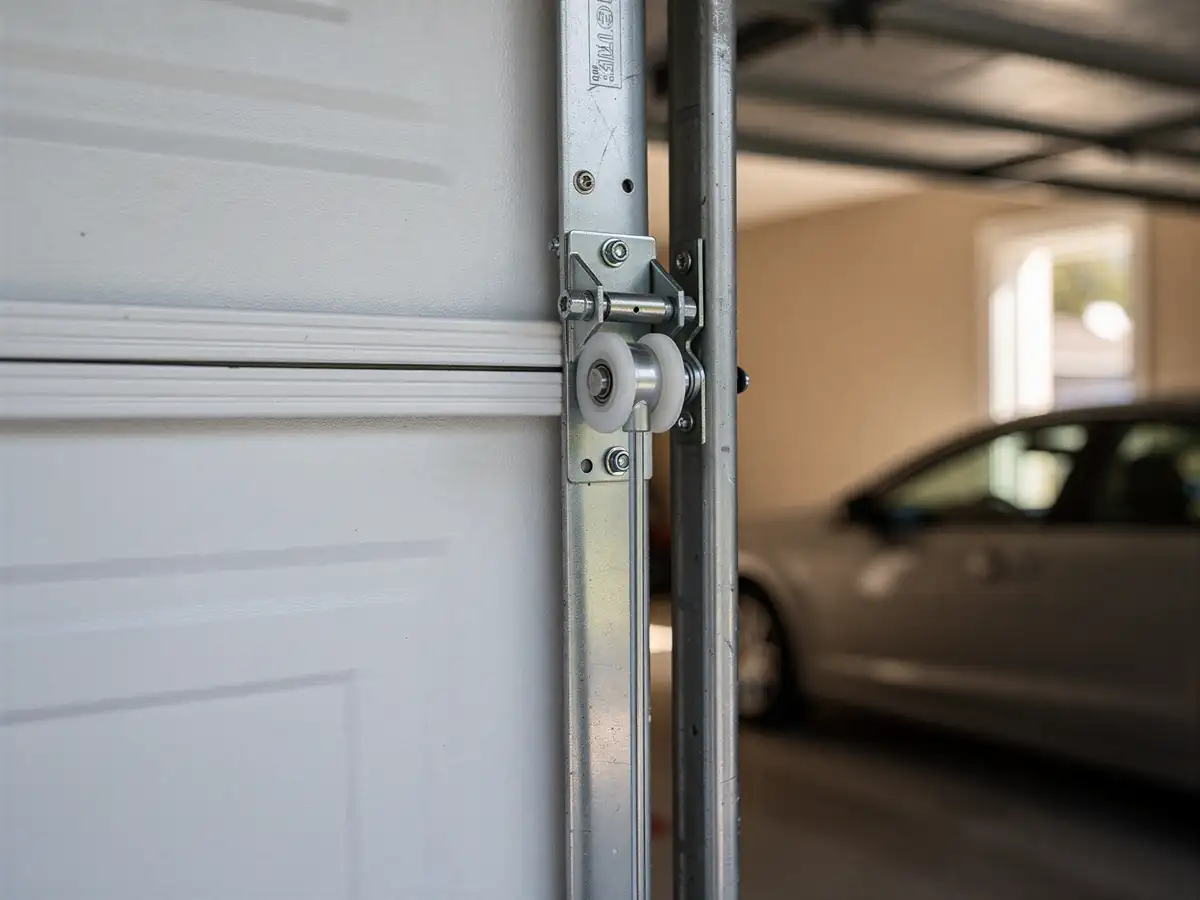
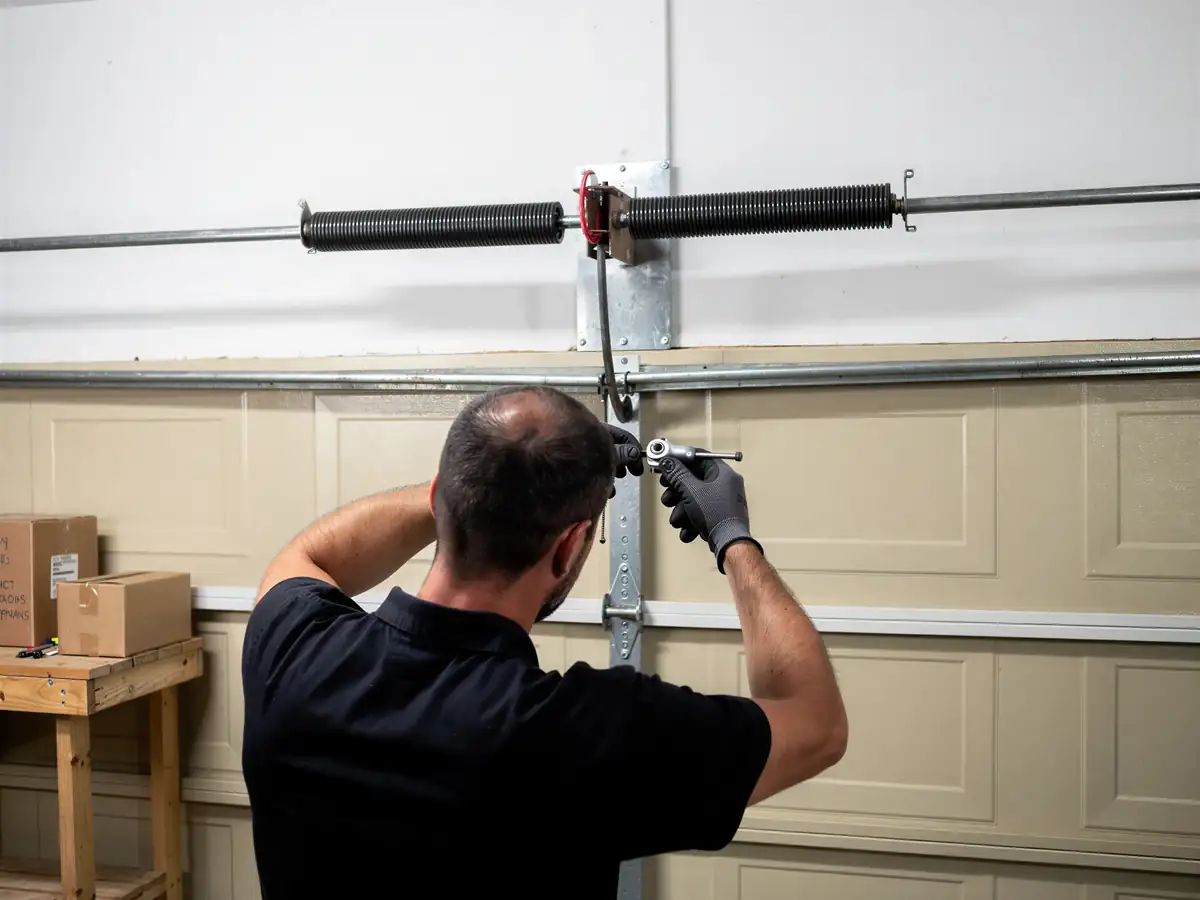
The classic sign is a door that won't budge, or one that slams down fast instead of lowering under control - that's a broken spring no longer carrying the weight of the sections. On the older single-spring setups common to 1970-era doors here, failure is usually total and immediate: one loud bang, then the opener strains and stalls. You might also notice the door sitting crooked in the track, cables hanging loose at one side, or a gap where the spring coil has visibly separated. If the opener runs but the door barely lifts off the floor, don't keep hitting the button - that's the motor fighting the full weight of the door with no spring assist, and it will burn out the opener gears faster than it'll free the door.
Doing It Yourself
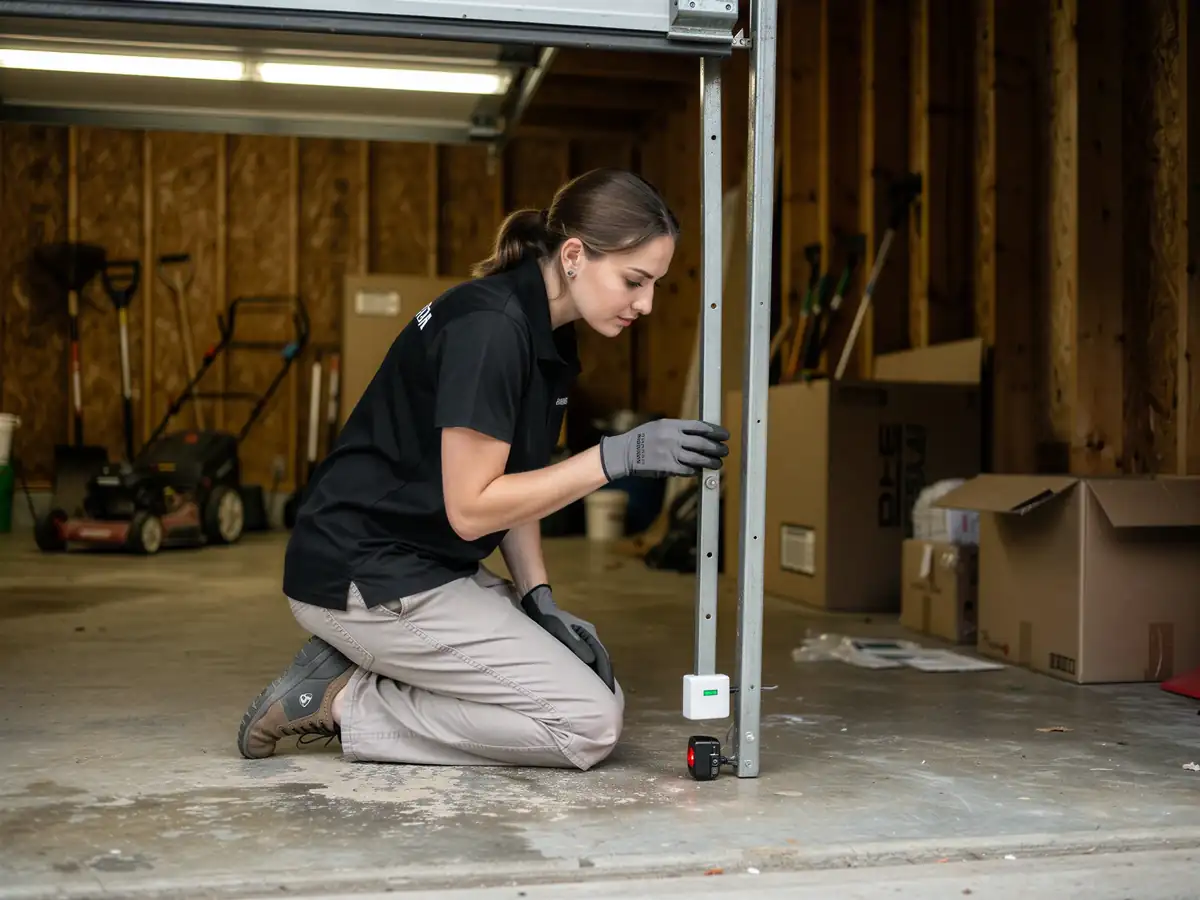
A torsion spring holds enough stored energy to break fingers, fracture a skull, or worse, and that risk doesn't change with the age of the door. We'd rather lose the job than see someone winding a spring with the wrong bar or no bar at all. Where a homeowner can help themselves is in the diagnosis: check whether it's one spring or two, look for visible gaps in the coil, and note whether the cables are still seated in the drums before you call. That saves time on the visit. But the winding, unwinding, and tensioning itself is not a weekend project, and on a door built to 1970s wind counts, the stored force is no smaller just because the house is older.