How We Fix It
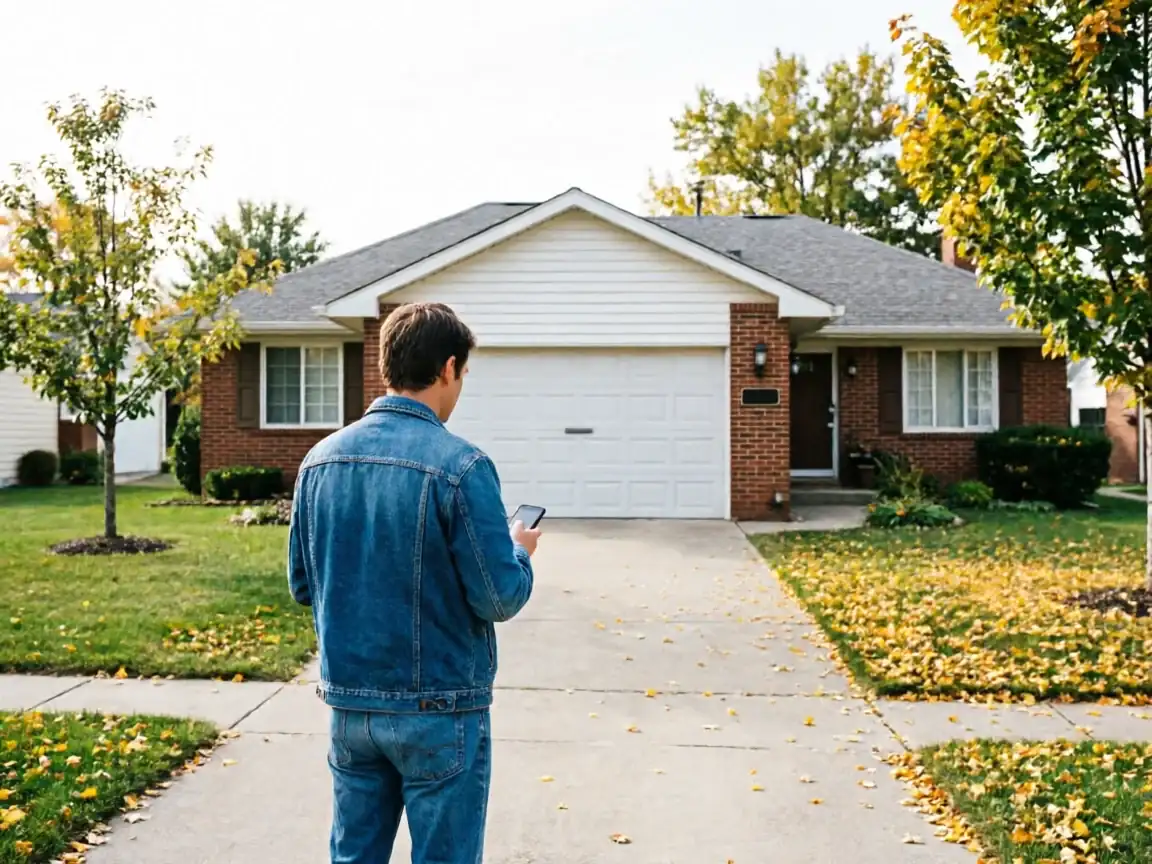
The call we get most from Cedarburg isn't a dead opener
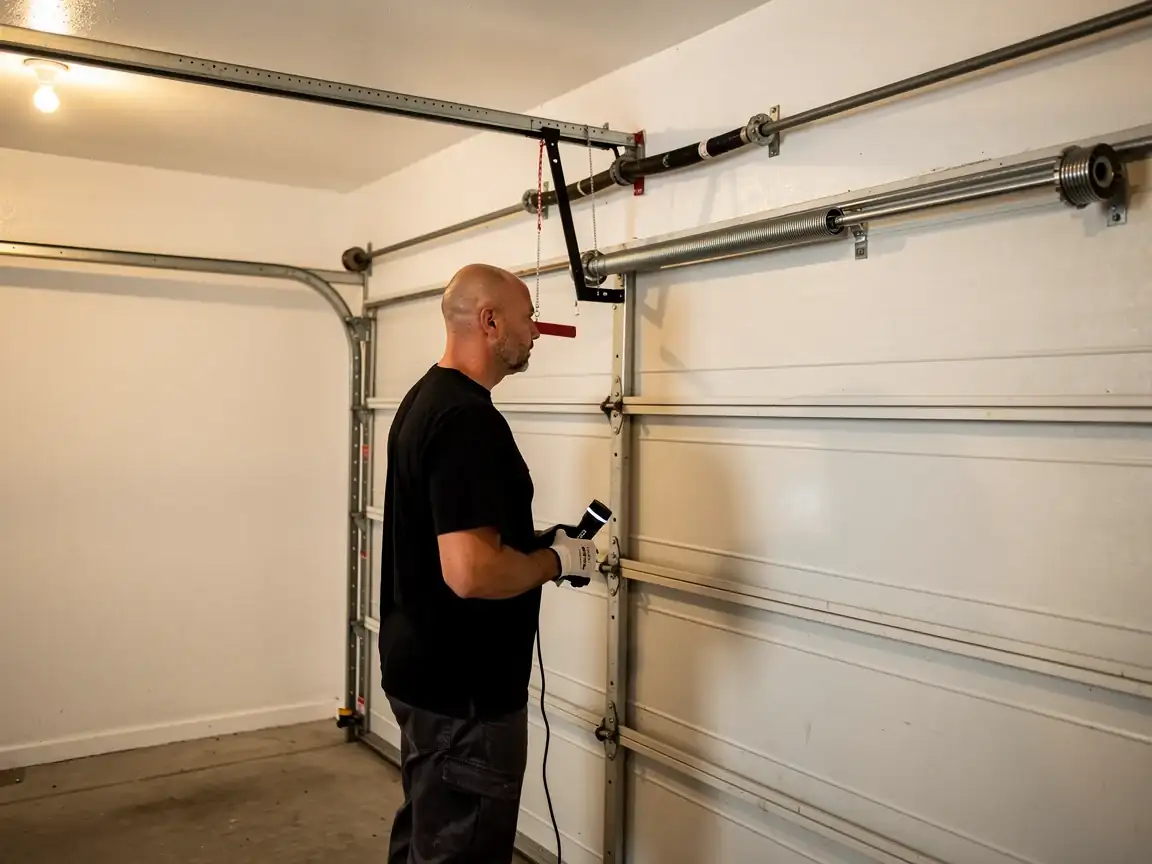
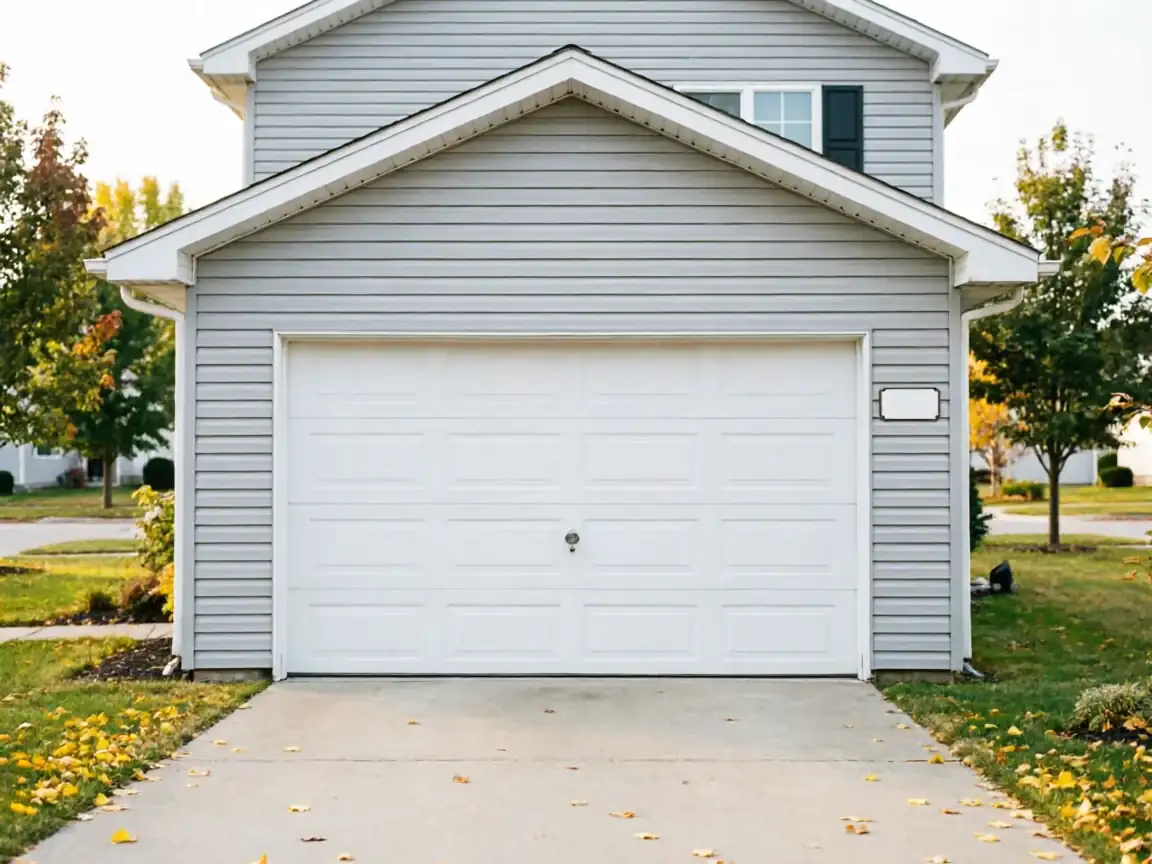
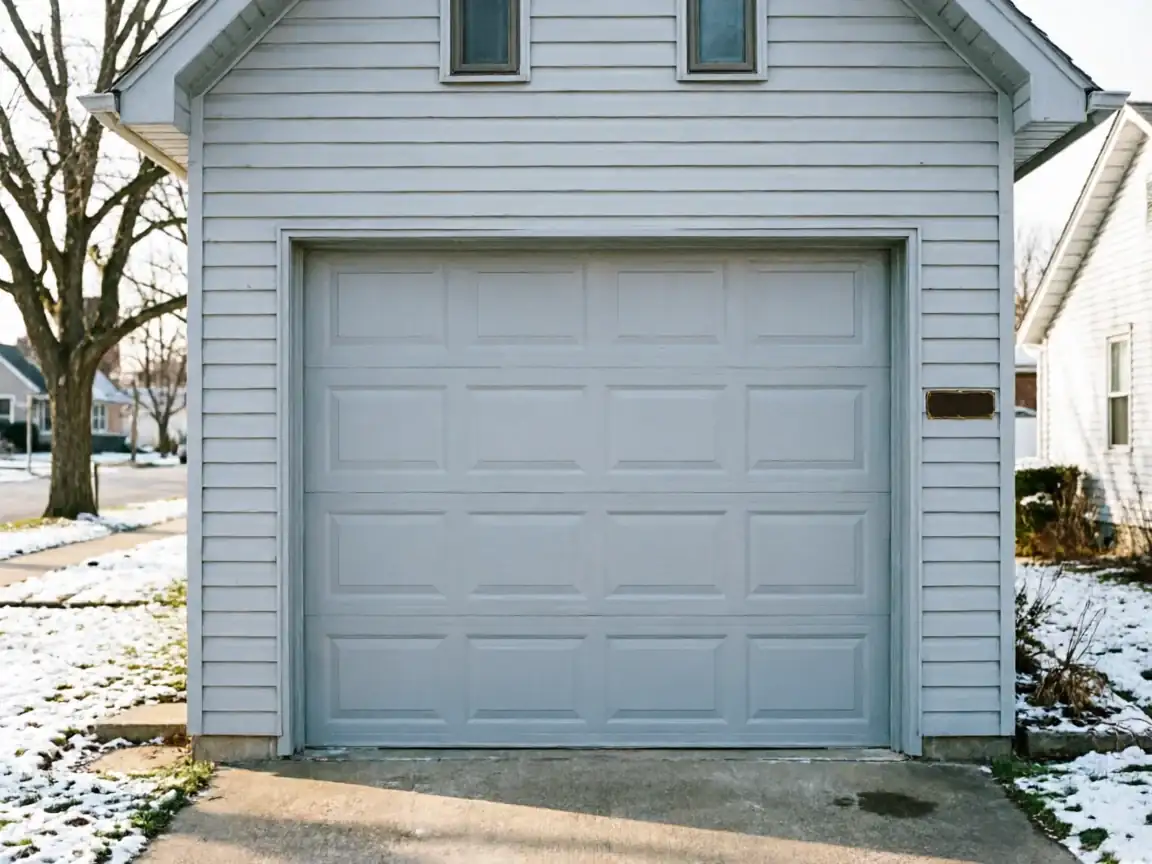
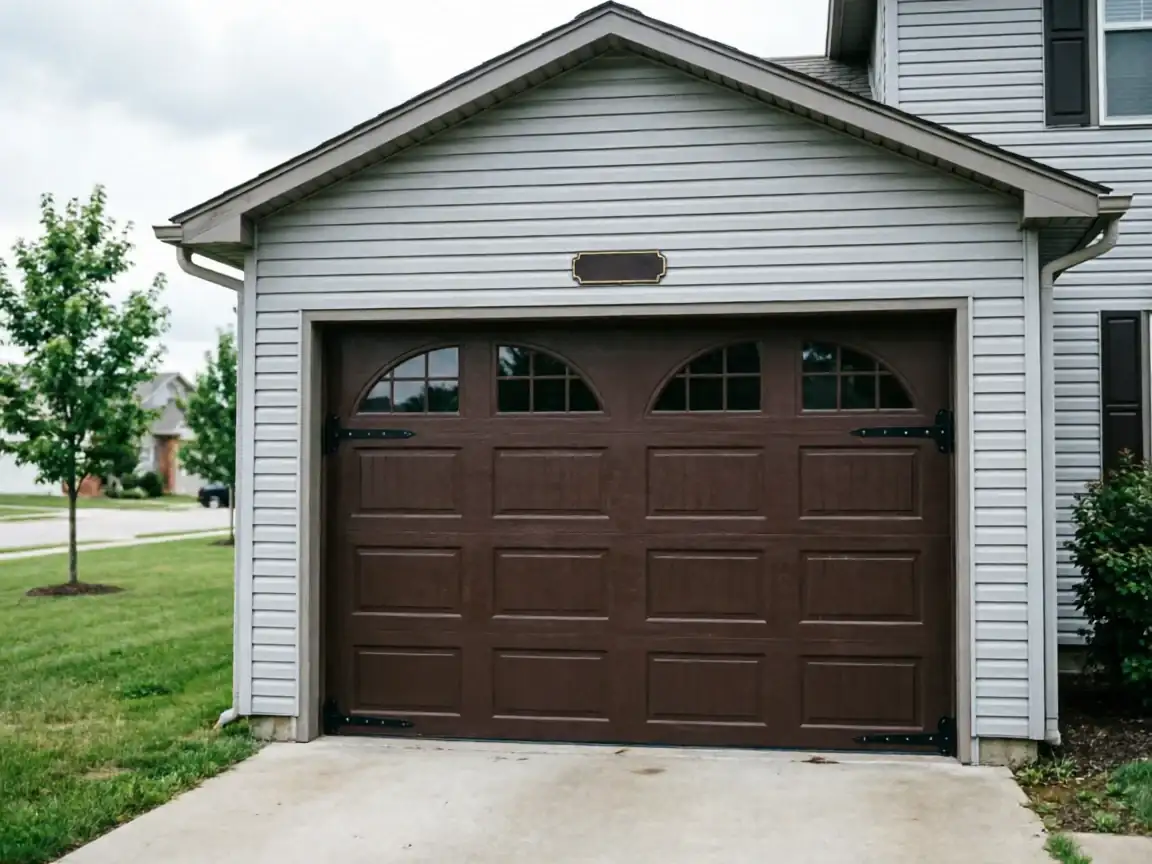
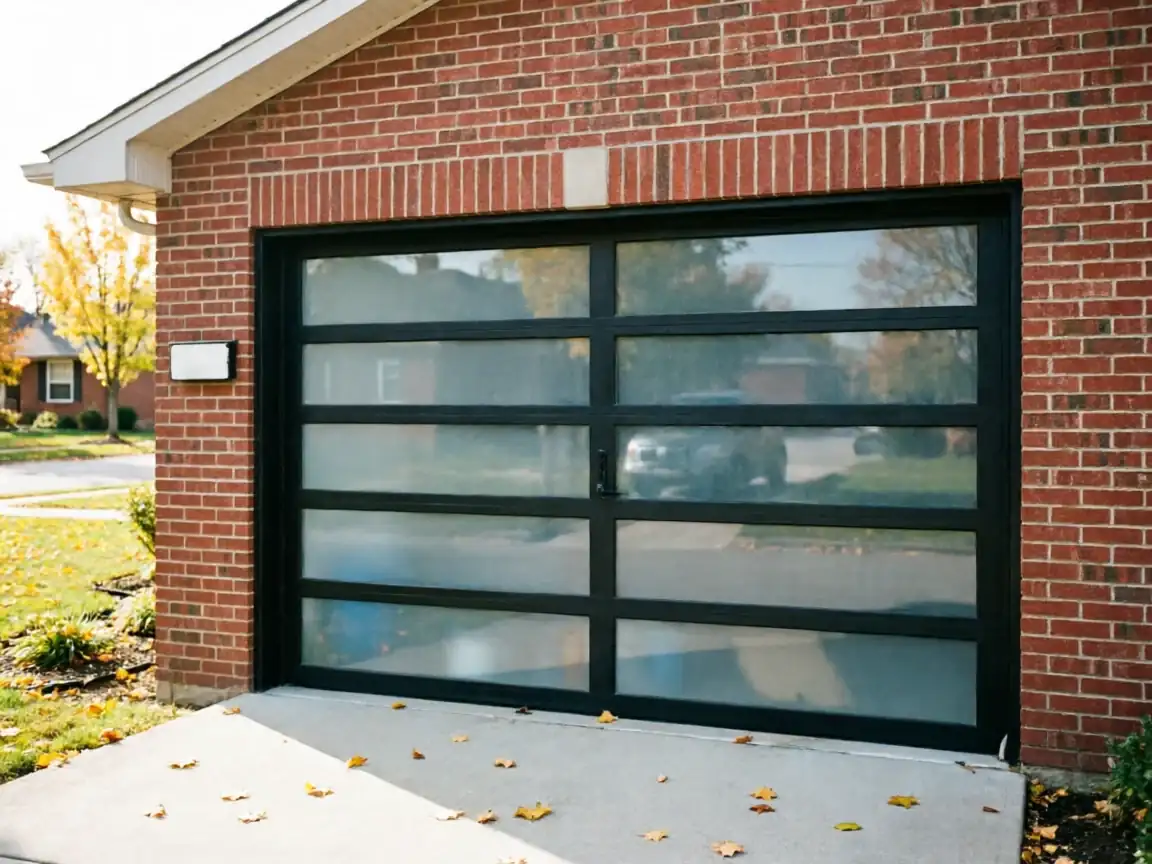
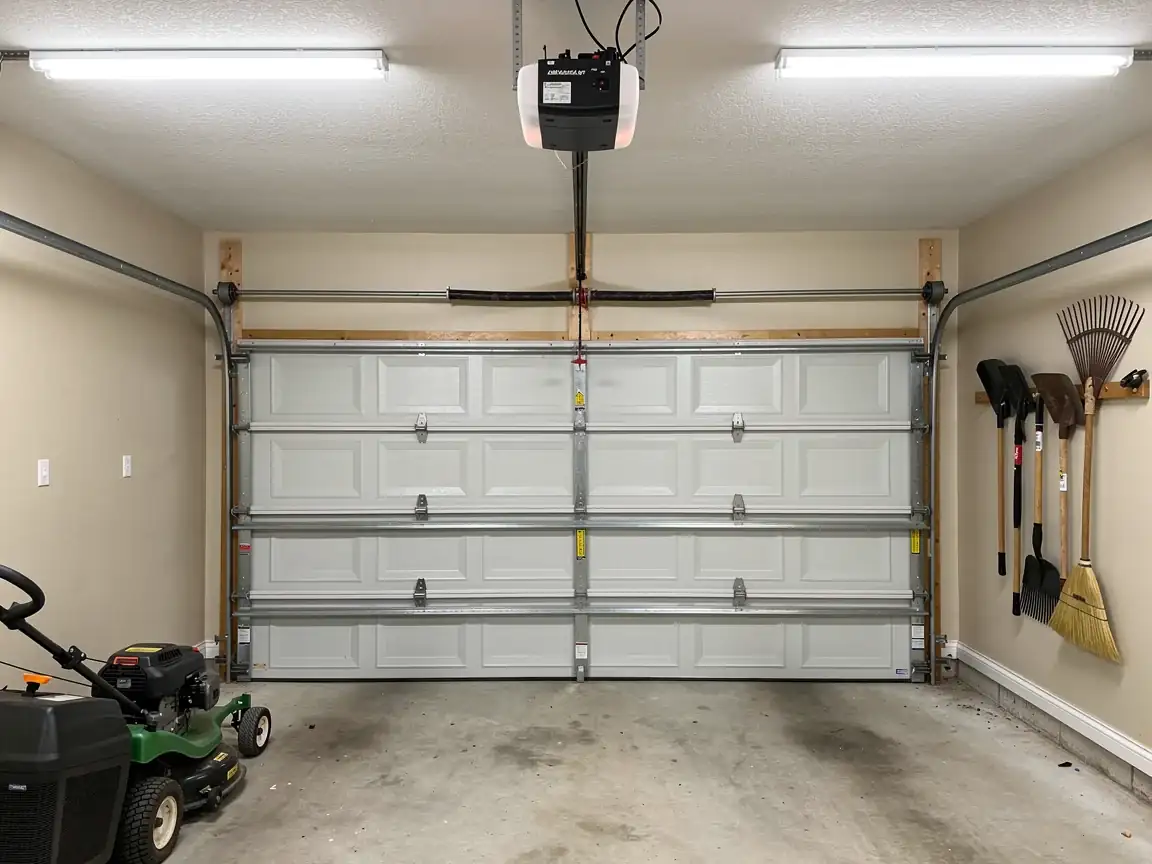
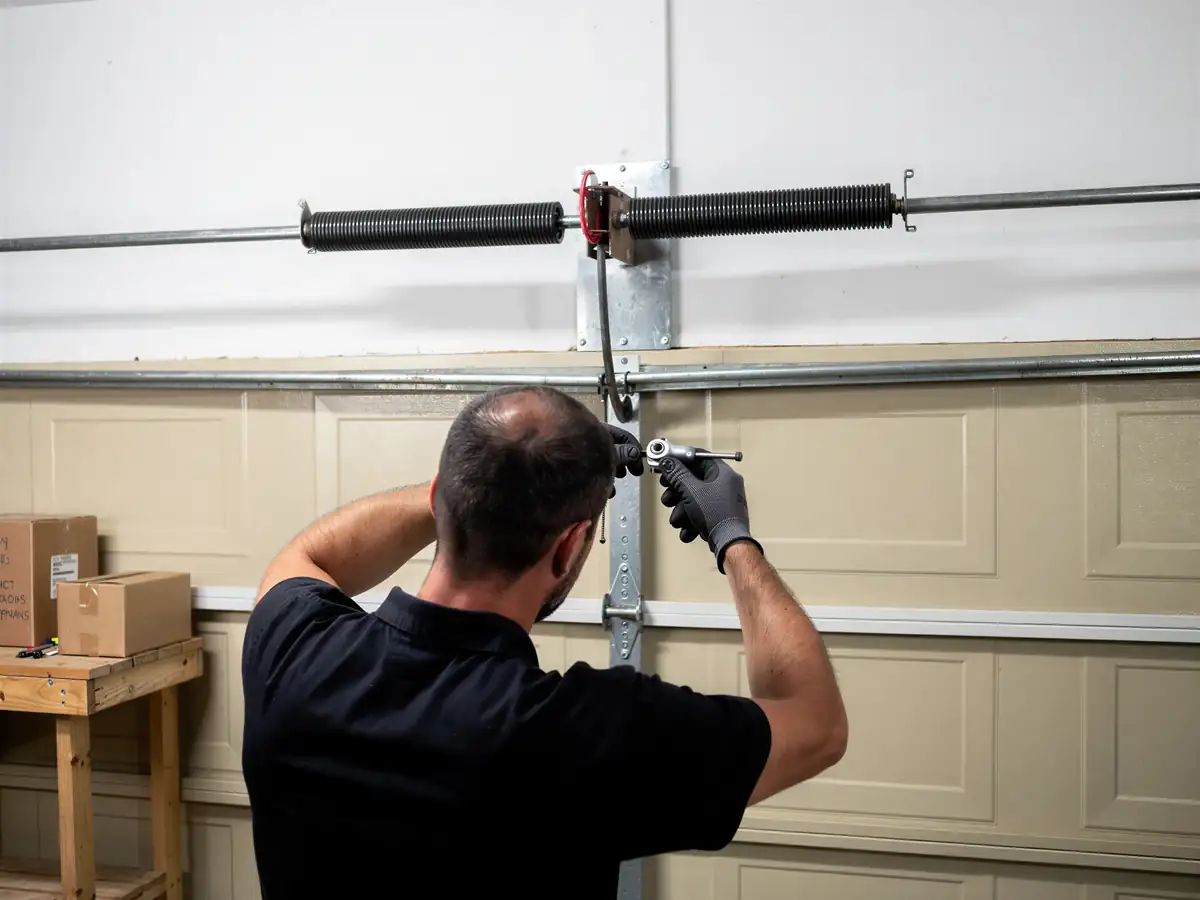
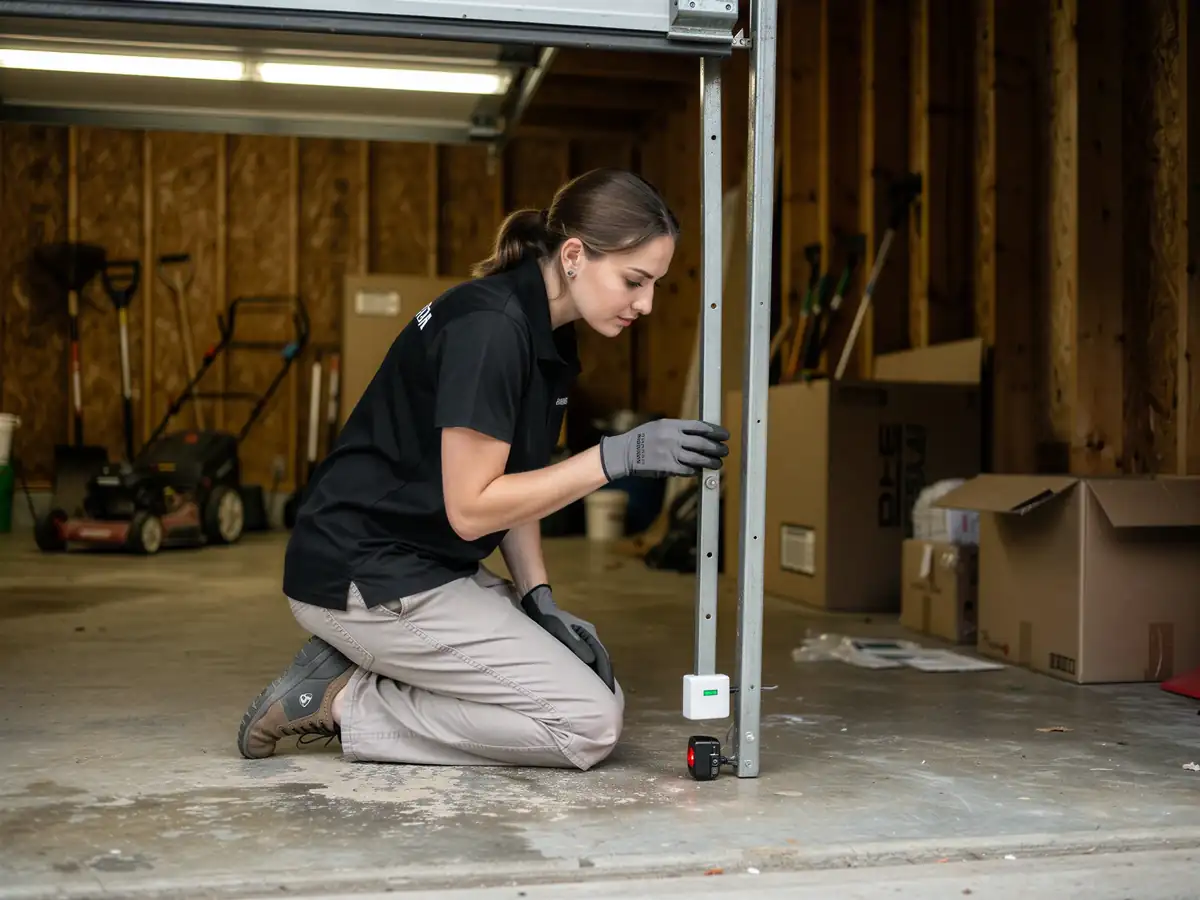
It's a snapped extension spring, usually on a door that's been opening and closing the same way since the house was built. Most houses in this town went up around 1975, right in the stretch when builders here were putting extension springs on side rails instead of torsion bars overhead. Those springs have a service life measured in cycles, not years, and a house that's had the same door for fifty years has usually burned through two or three sets already without anyone noticing until the day it lets go.
We replace the spring pair, not just the one that broke
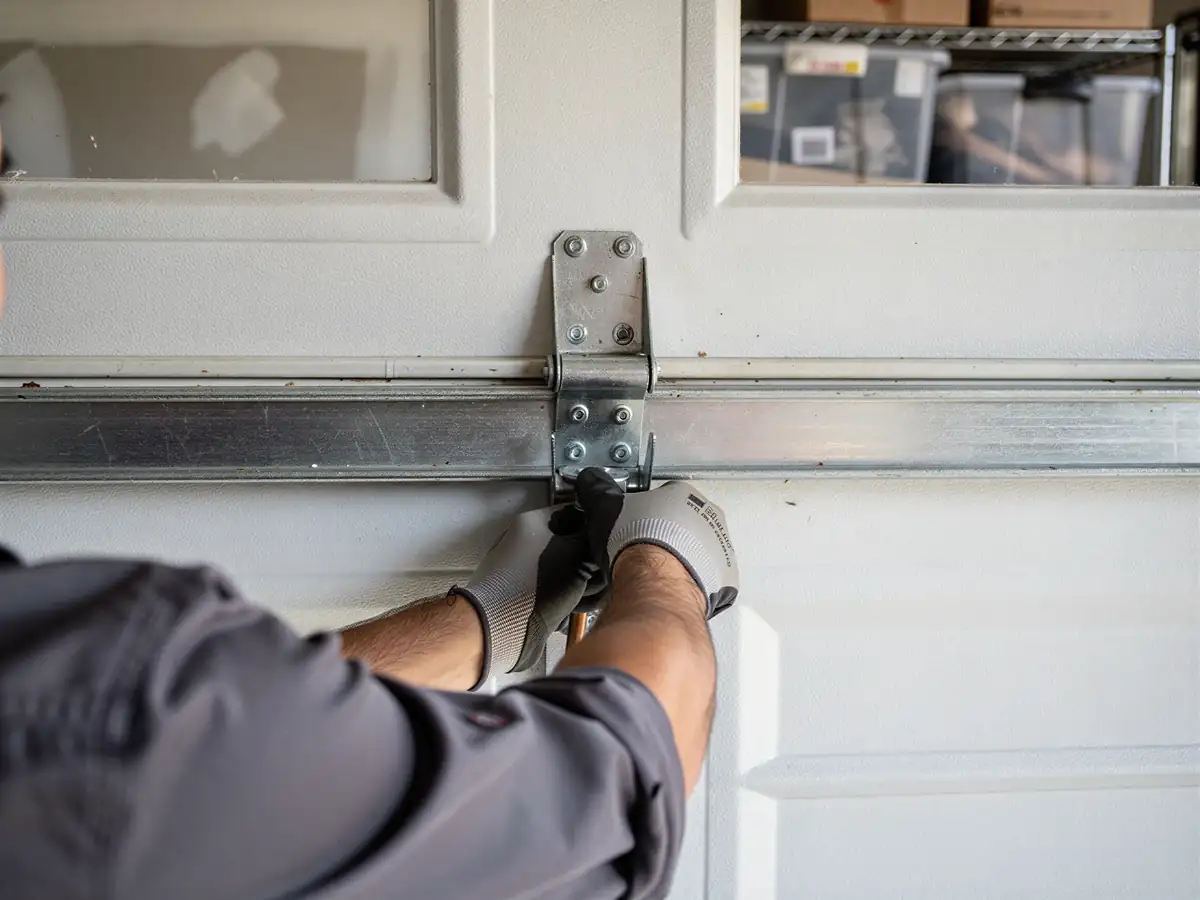
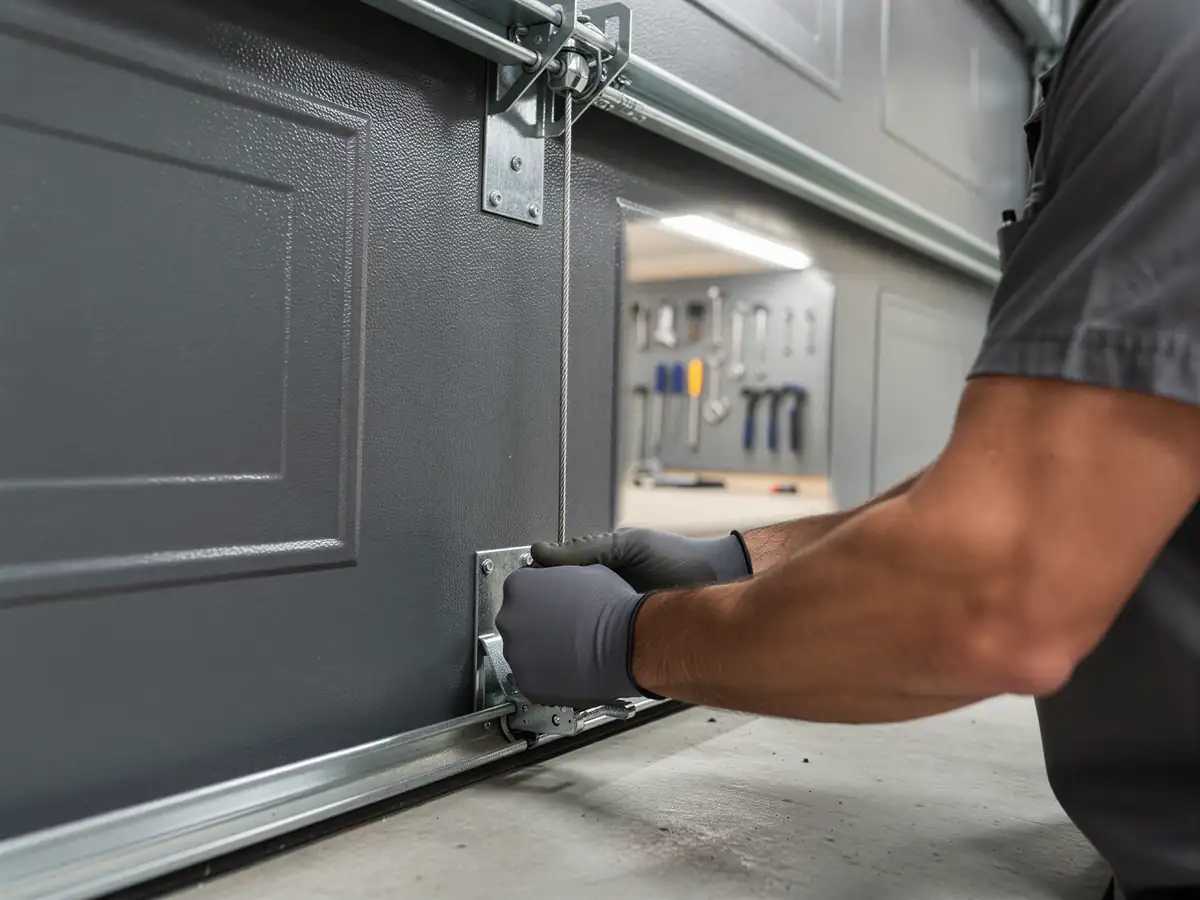
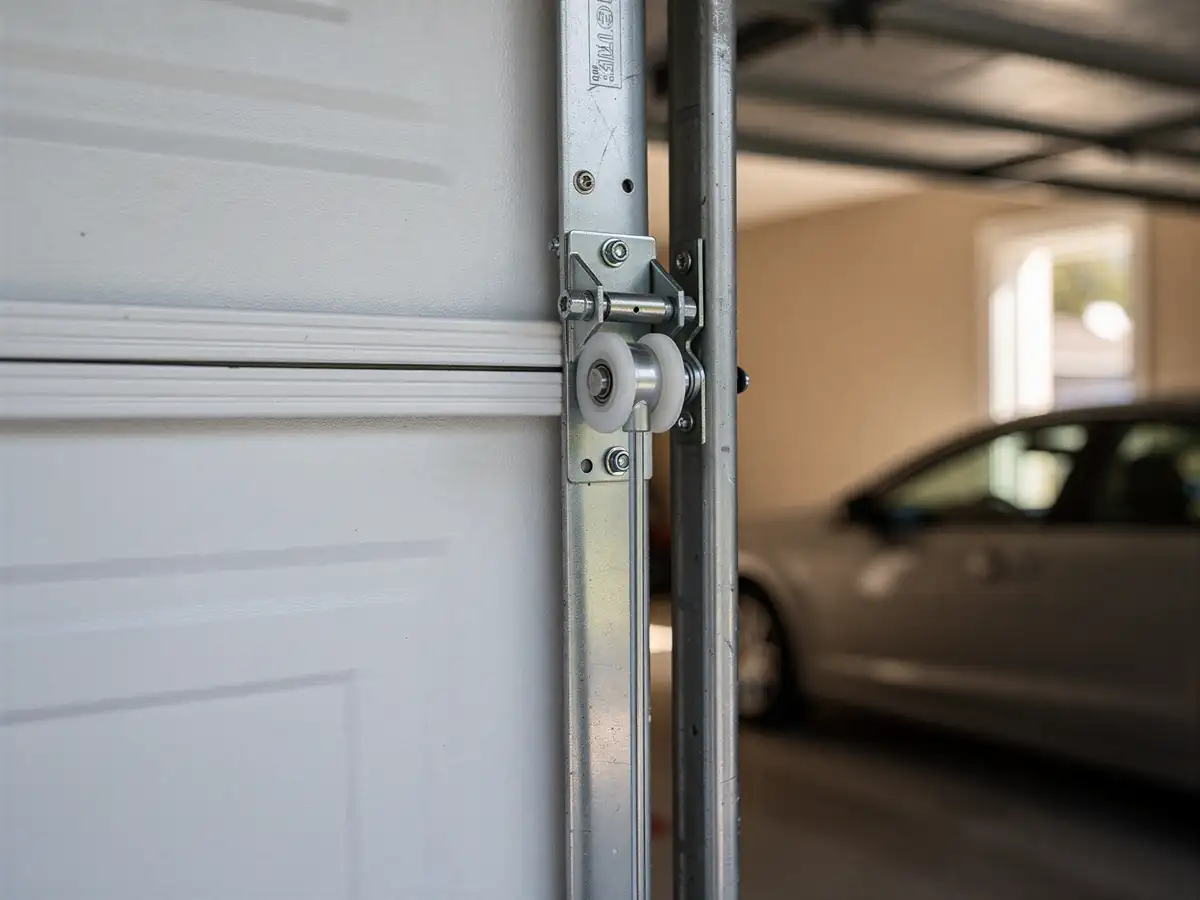
The other one is close behind it on the same clock. On doors from that era we're also checking the track alignment and the roller bearings, because the steel used then wasn't galvanized the way it is now, and corrosion along the bottom bracket is common once the original finish has worn through. If the opener is the original single-switch unit with no safety reversal, we talk about swapping it out rather than patching around it.
Why This Fails Locally
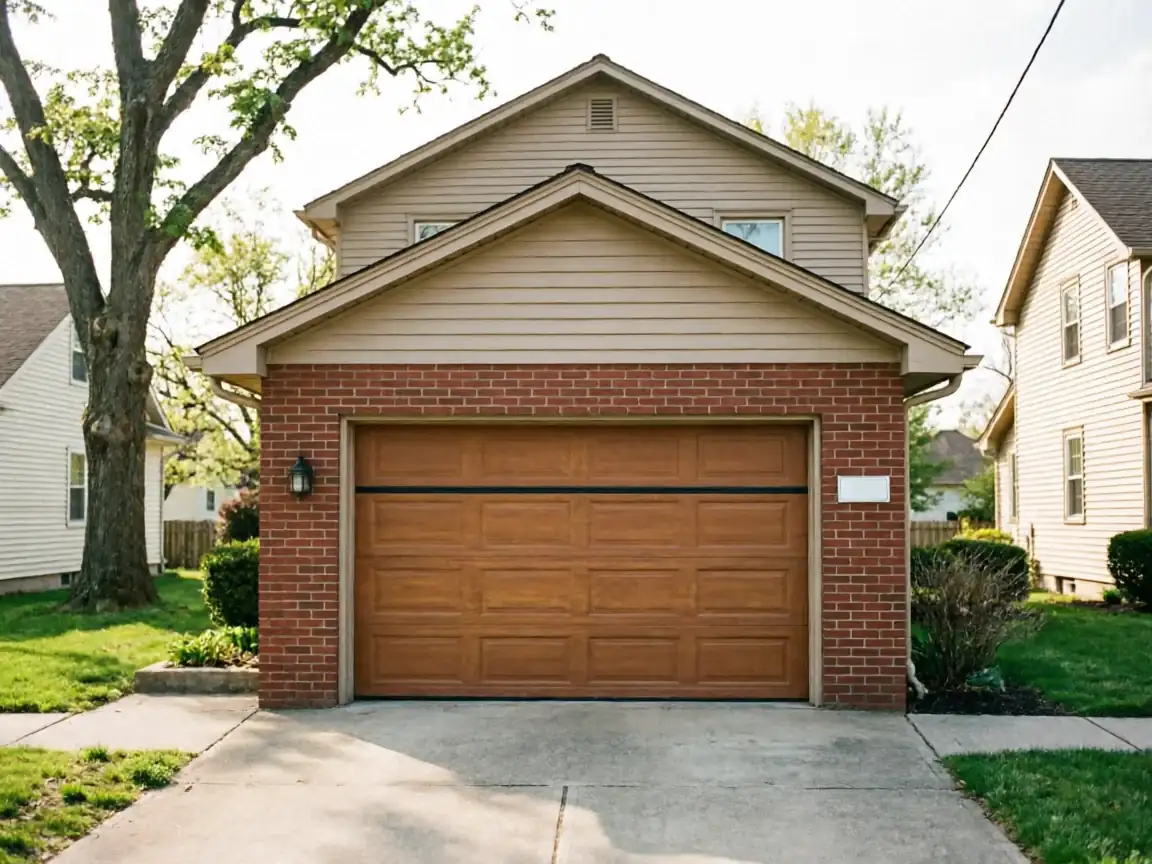
Cedarburg's median build year of 1975 puts a lot of its housing stock in the window F1 and F2 describe for the broader area - 1938 to 2000, with the heaviest concentration in the 1960s and '70s. That's not a coincidence of timing; it means the hardware problems repeat house to house in a way that's predictable if you know the build era. Extension-spring setups, single-switch openers with no photo-eye, and steel panels without foam backing are the default, not the exception.
The climate band for this part of the state is classed cold and severe, and steel contracts hard in a deep freeze. A spring that's already fatigued from forty-plus years of cycling is the one that goes on the morning the temperature drops fast. We see the pattern every winter: a run of spring failures that tracks the cold snap, not random bad luck spread evenly across the year.
Doing It Yourself
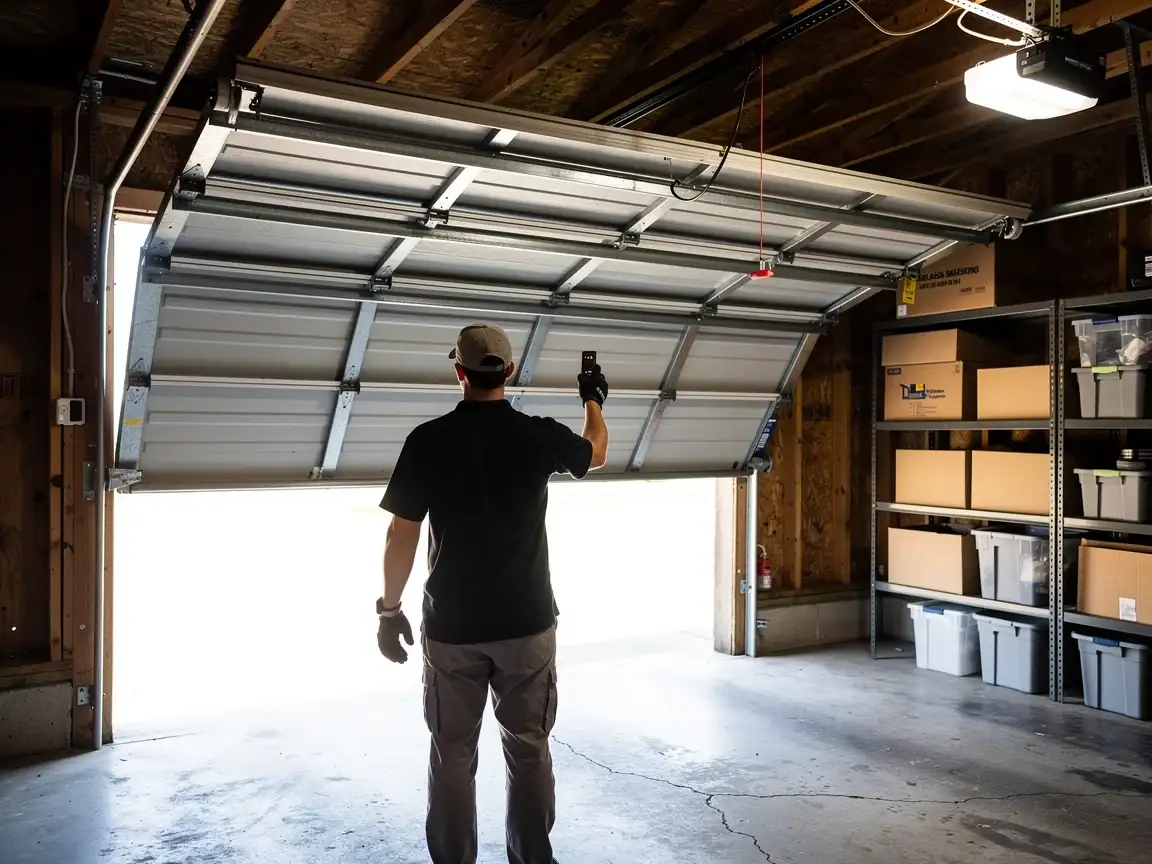
There's a short list of things worth checking before you call anyone. If the door won't move at all, look at the wall switch and the opener's light - if the light is dead too, it's a breaker, not a door problem, and that's a five-minute fix with no truck involved. If the door moves partway and stops, check that nothing is blocking the photo-eye sensors near the floor, assuming the opener is new enough to have them; the 1975-era originals in this town usually don't.
What you should not do is touch the spring. An extension spring under tension can take a finger or worse, and there's no safe way to eyeball when it's about to go. If you can see the spring is stretched, rusted through, or already separated, leave the door down and leave the spring alone. That's the one job on every garage door we won't talk a homeowner through over the phone, and it's not because we're protecting the work - it's because the failure mode is genuinely dangerous.
How to Book
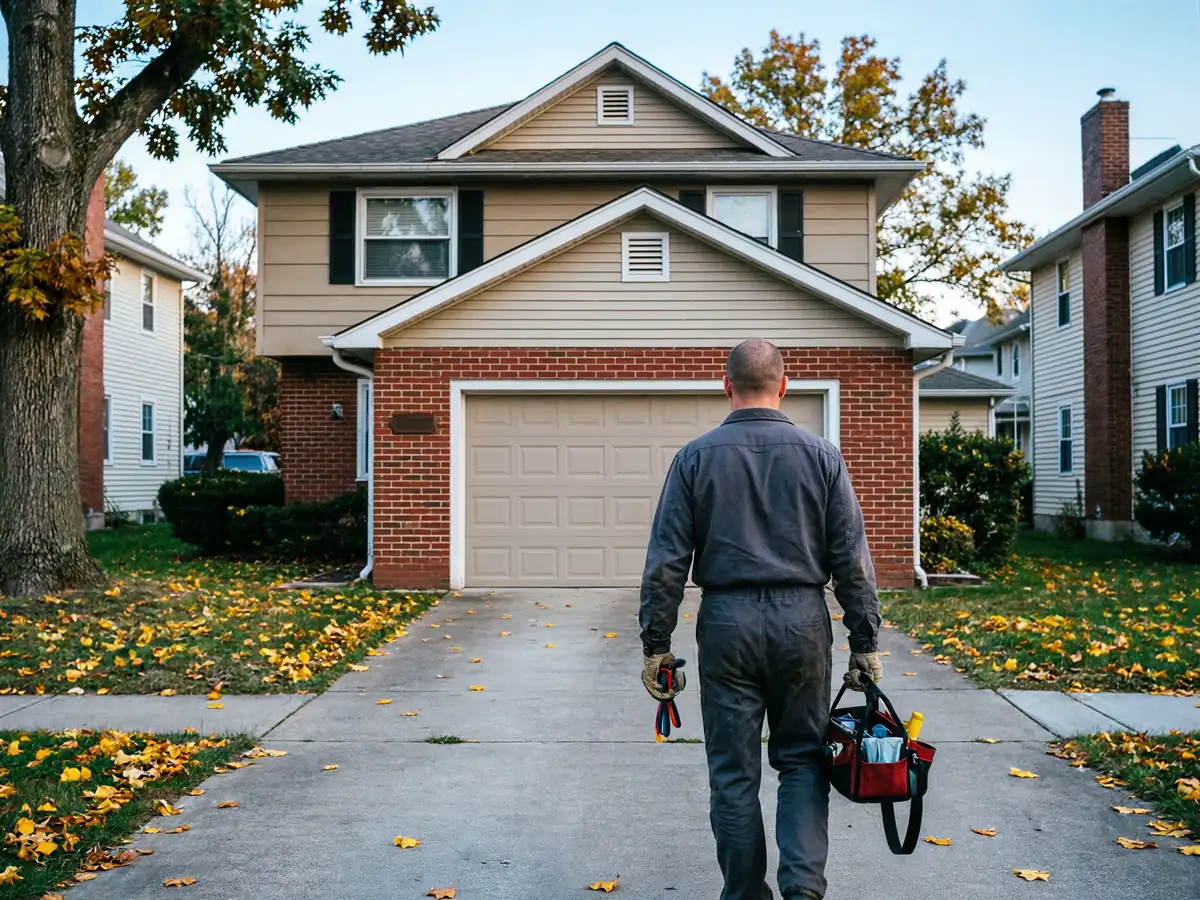
We run calls into Cedarburg from Menomonee Falls, 12 miles out
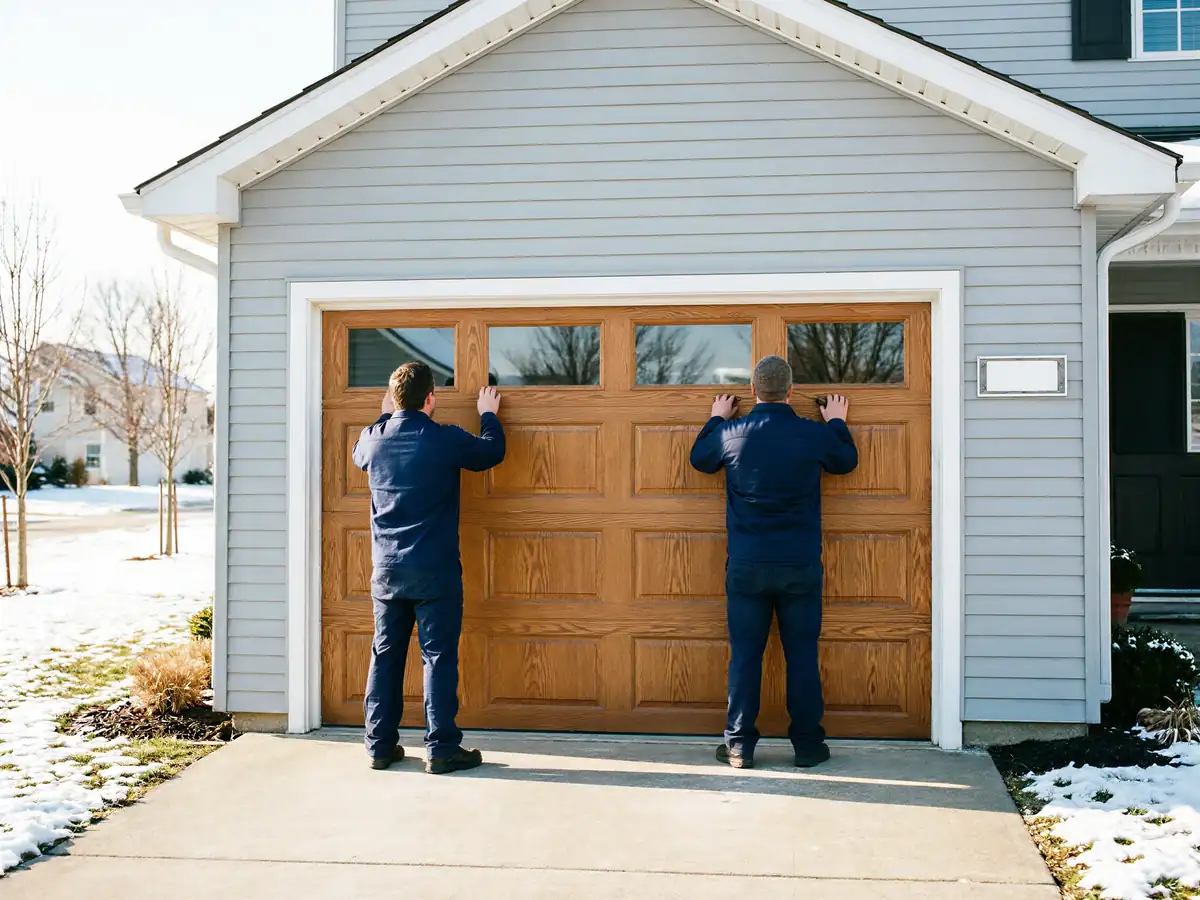
So there's no local branch to walk into - booking happens by phone or through the garage door service page for Cedarburg. Tell us the age of the house if you know it; a door that matches the 1975 median build year narrows down what's likely wrong before the truck even leaves.
- 12 miles
If the job turns out to need a part we don't carry on the truck
Some of the older extension-spring brackets and the original steel panel profiles aren't something every supplier stocks - we'll say so on site rather than guess. For the full range of what we handle beyond emergency calls, that's covered on the Menomonee Falls emergency repair page, not here.
How Long You Are Without the Door
We won't quote a response time for Cedarburg that we can't back up - the honest answer is that a 12-mile drive from Menomonee Falls adds real minutes to the clock compared to a call closer to the shop, and how the rest of the day's route looks matters too. What we can say is that a spring replacement on a standard double door, once the truck is there, is usually the fastest job on the list - it's the parts search that slows things down, not the labor.
With roughly 5,297 households in Cedarburg, a good share still carrying the same mid-1970s hardware, the parts that go bad are consistent enough that we often have them on the truck already. At a median household income of $82,110, most owners here choose a full opener and spring upgrade over a second patch job once a door's been repaired more than once - not because we push it, but because the math on a fifty-year-old panel stops favoring another repair.