The Cost of This Job
Most of the calls we take in Lannon aren't the stuff you'd expect from an older suburb
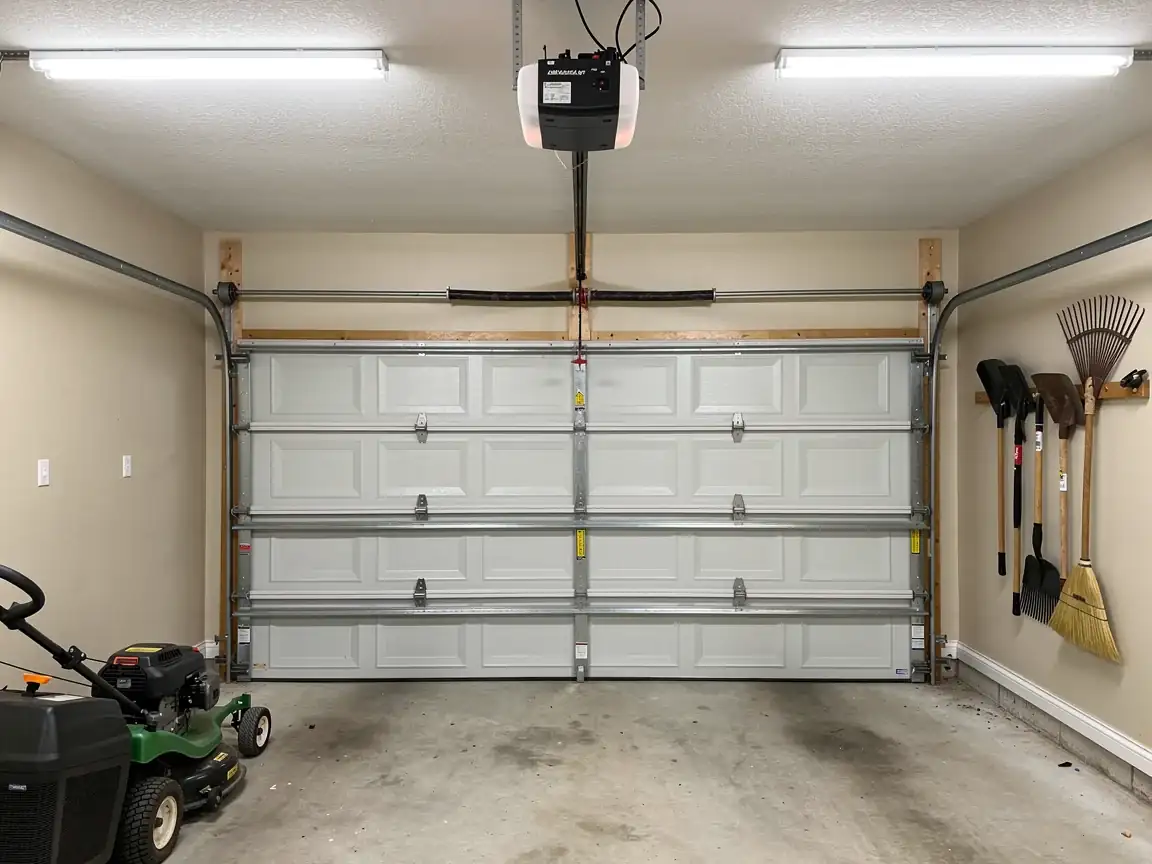
The median home here went up around 1995, which puts the openers and torsion springs in a different generation than what we see two miles away in Menomonee Falls. That means the common failure is a worn drive gear or a dying circuit board on a chain-drive opener that's run twenty-plus winters, not a seized bearing on some obsolete side-mount unit.
Costs split a few ways
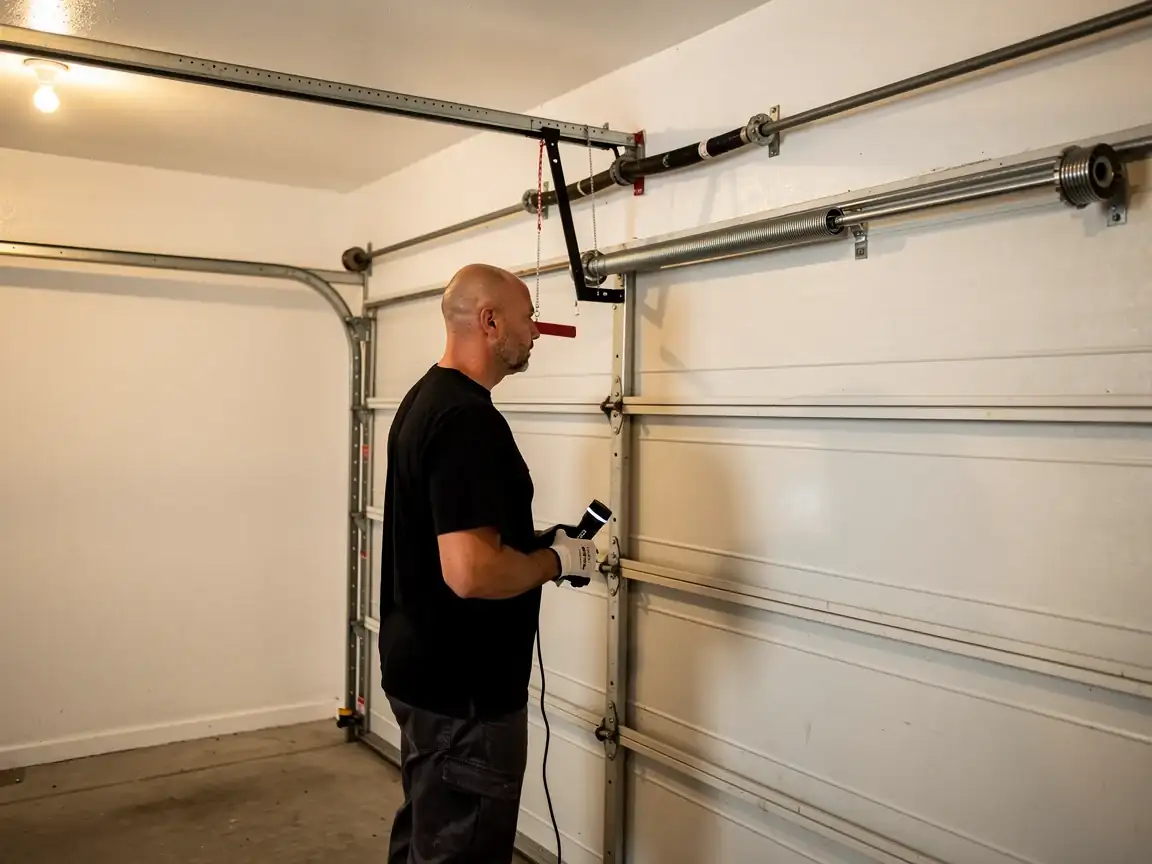
A basic torsion spring swap, a logic board or opener replacement, or a full door changeout when the steel panels have finally rusted through at the bottom section - common once a door passes the 25-year mark in this climate. We quote by the job once we're on site, because the opener brand and spring size vary even among houses built the same year. What we can tell you up front is that a straight spring job runs far less than a full door and opener replacement, and most Lannon jobs we see fall on the lighter end of that range given the age of the housing.
We don't post a flat number here because doing so for a town we visit rather than staff out of would be a guess
Not a quote.
How to Book
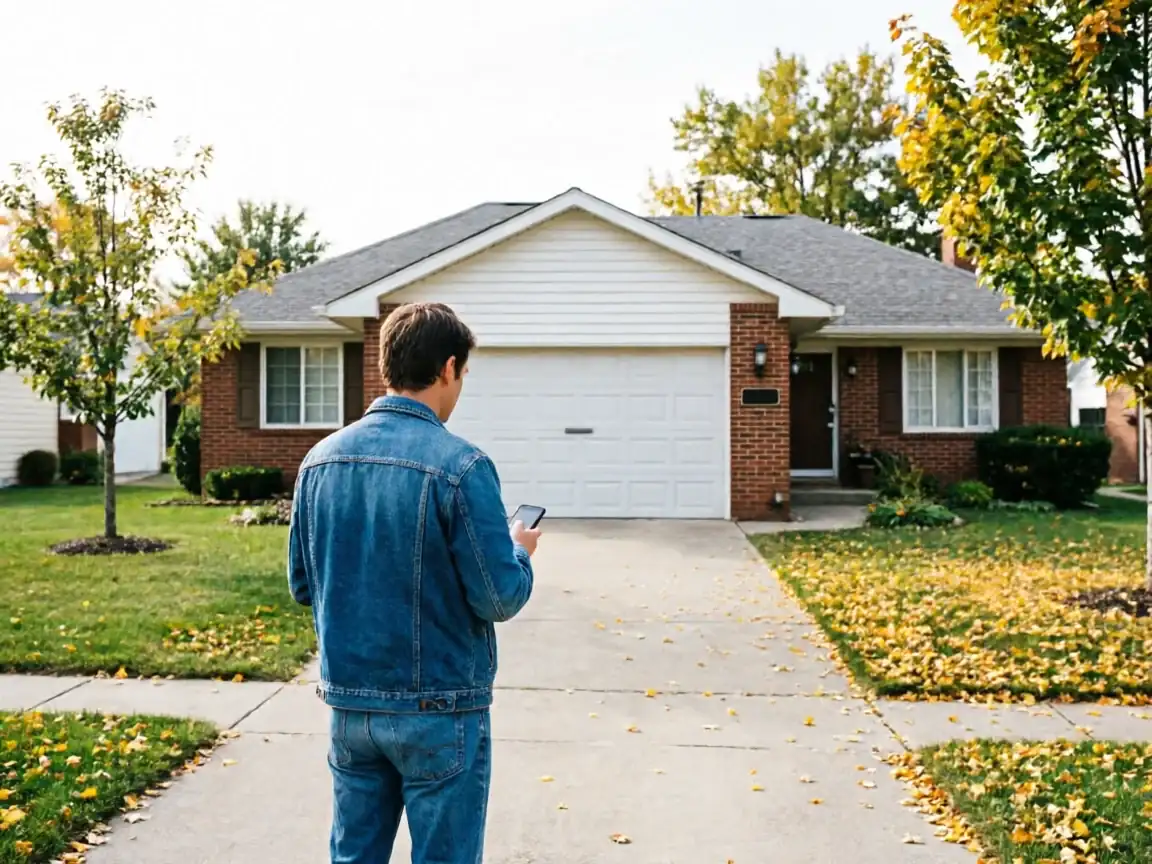
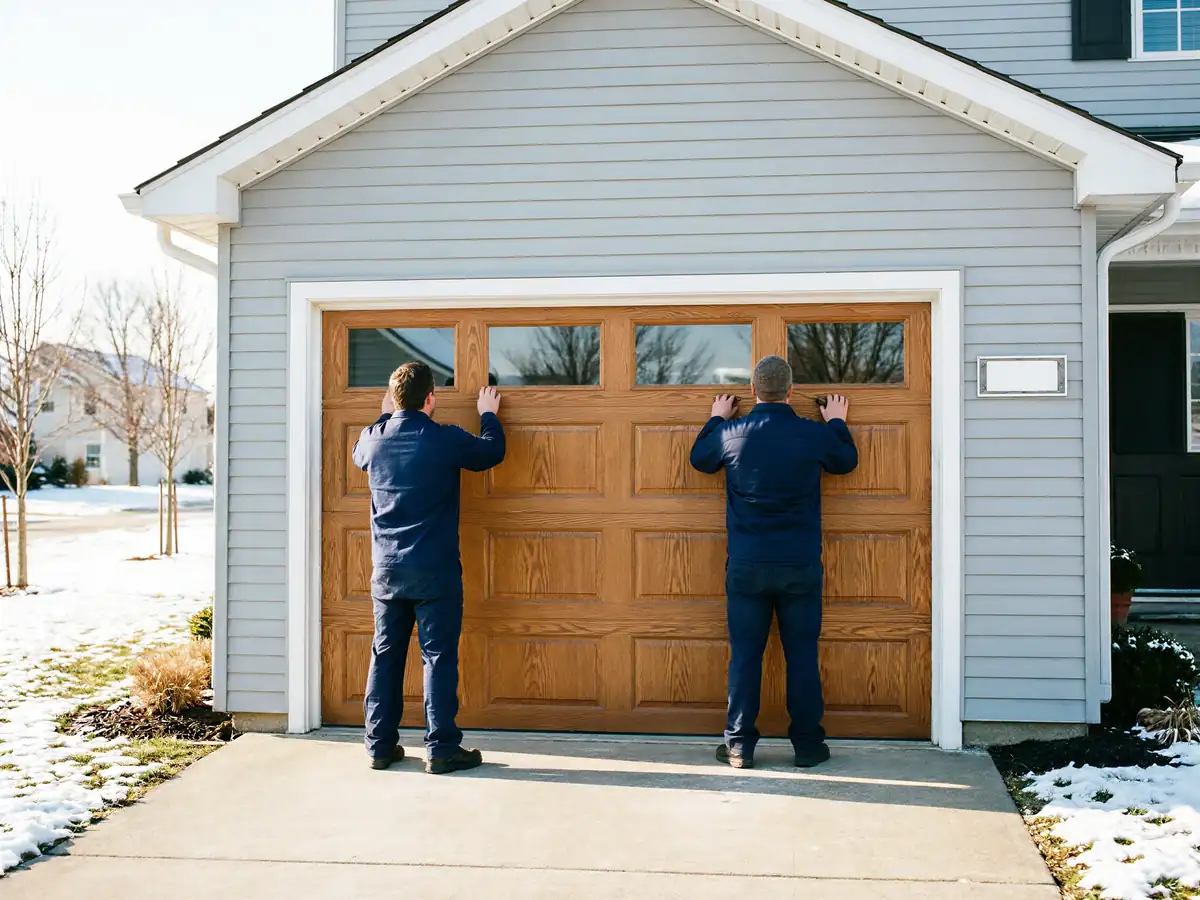
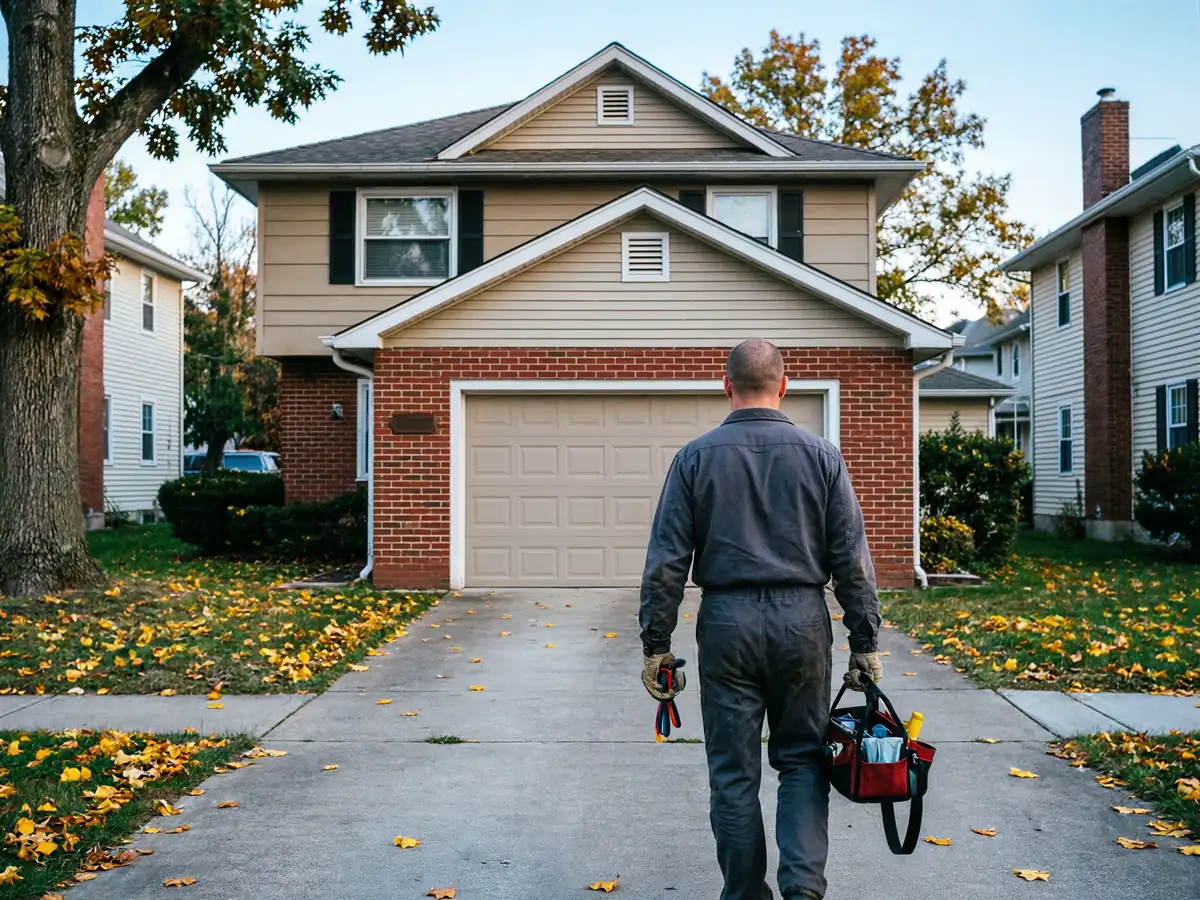
We cover Lannon out of our Menomonee Falls location, about two miles away, so there's no separate branch number to dig up - you call the same shop that runs the rest of the area. Tell us the age of the house if you know it; a 1995-built home almost always points us toward a specific opener generation before we even load the truck, which cuts down on guesswork once we're at your door.
We ask a few quick questions on the phone: does the door move at all, is it making noise before it stops, and is the opener light blinking in a pattern. Those answers tell us whether we're bringing spring stock, a logic board, or both. We don't carry a walk-in counter or a will-call desk in Lannon itself - the truck comes to you.
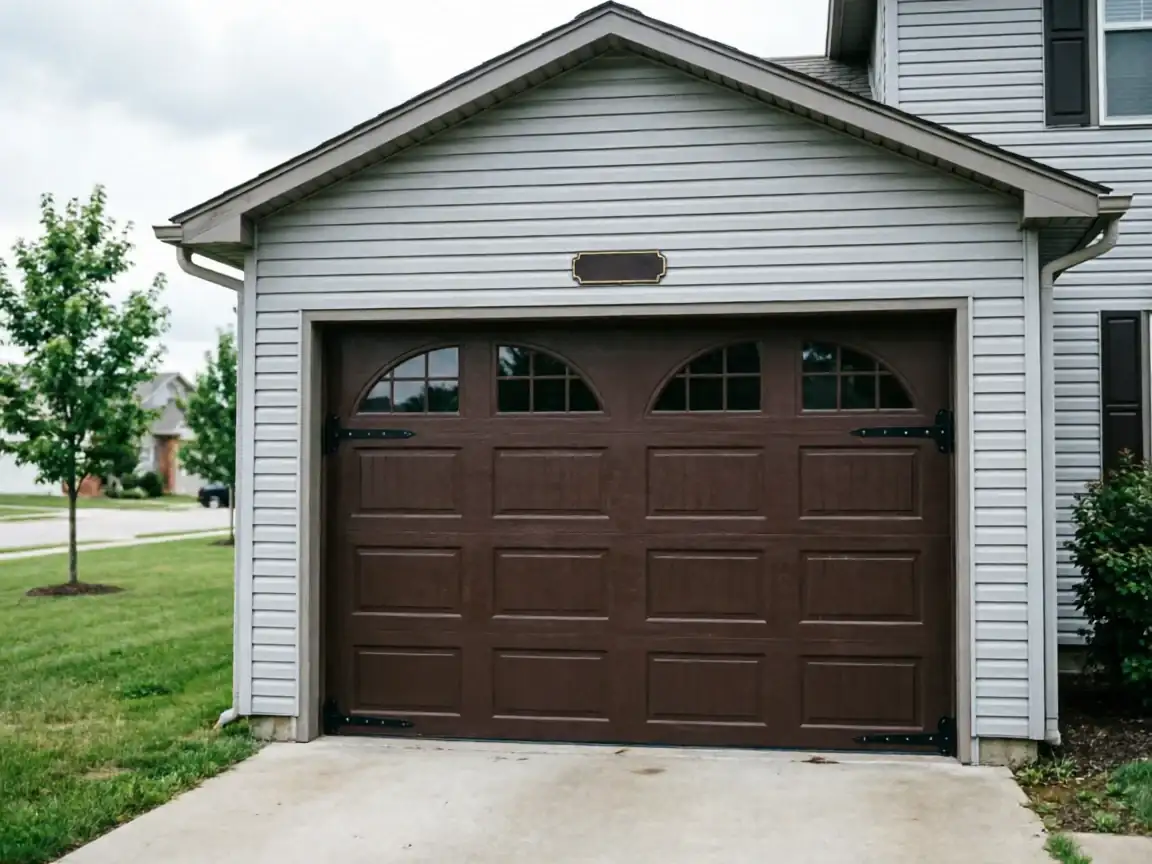
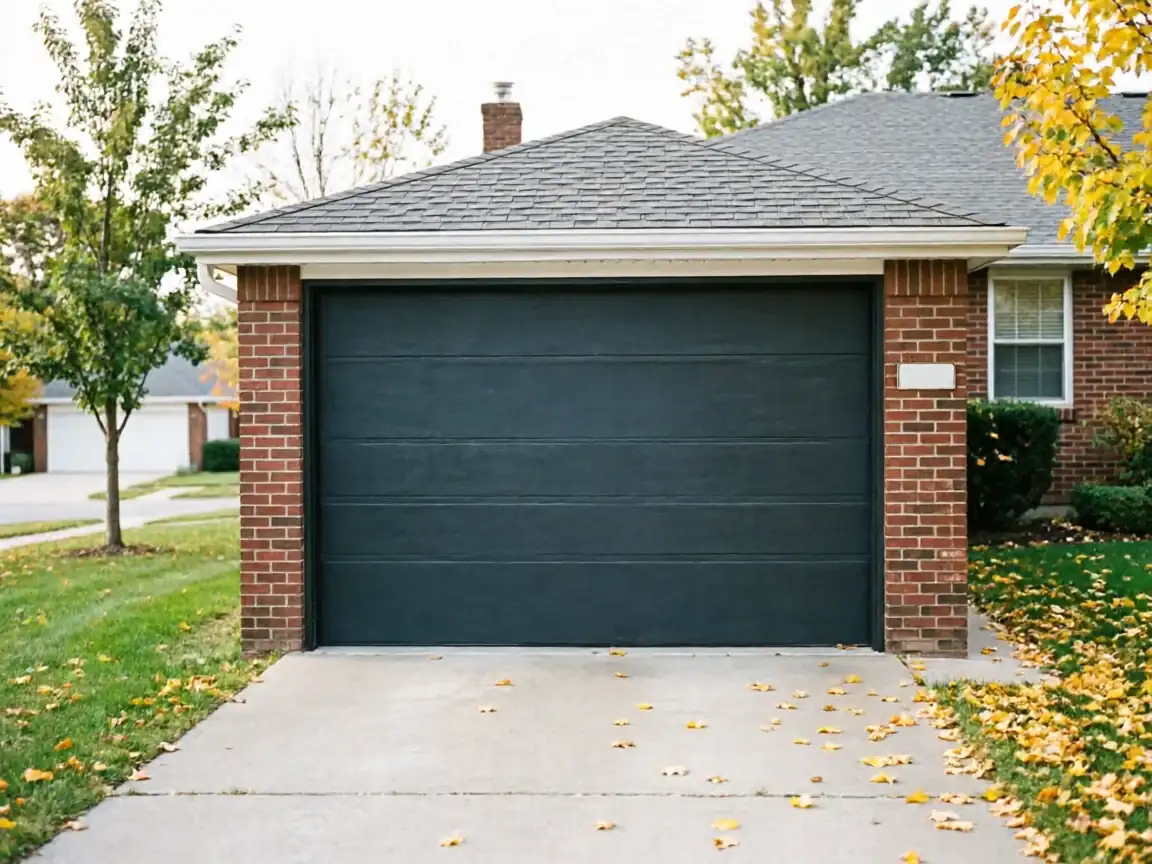
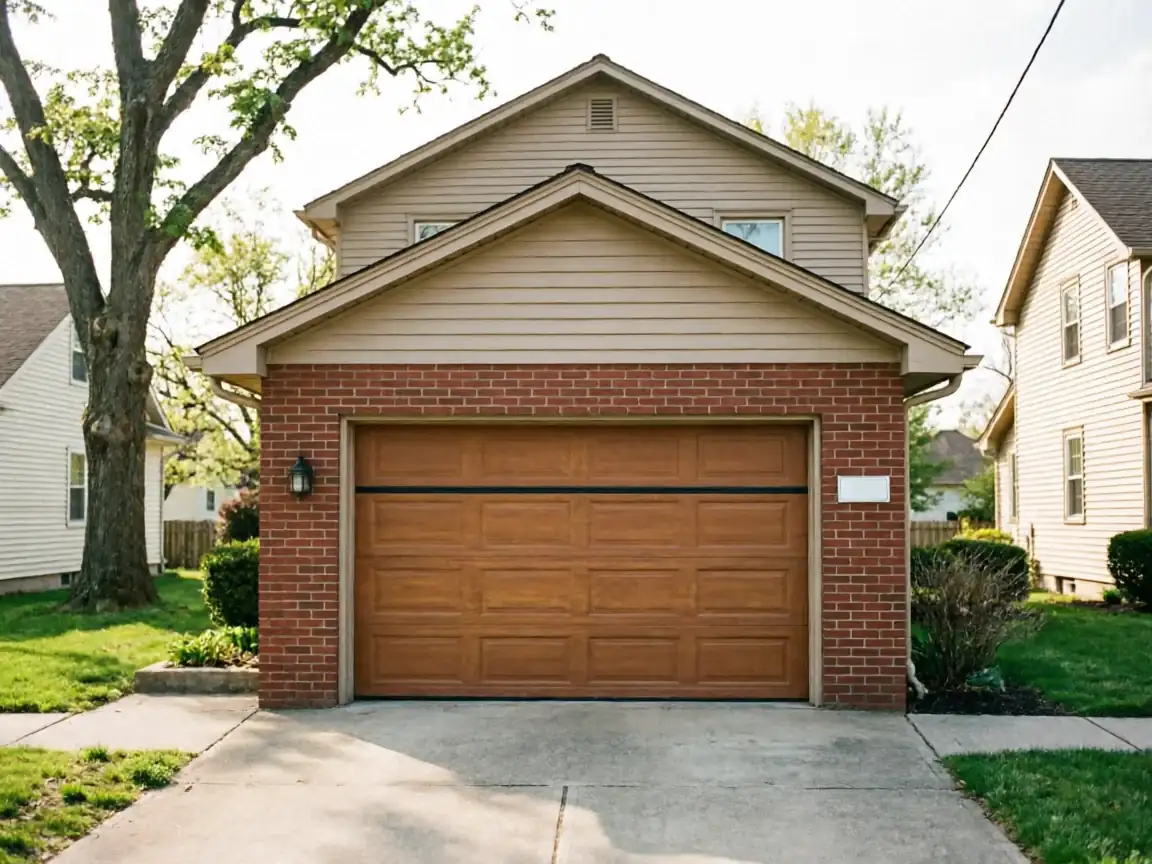
If your garage sits detached from the house, let us know that too; some of the newer Lannon lots have that layout, and it changes what hardware we load before we leave the shop.
Why This Fails Locally
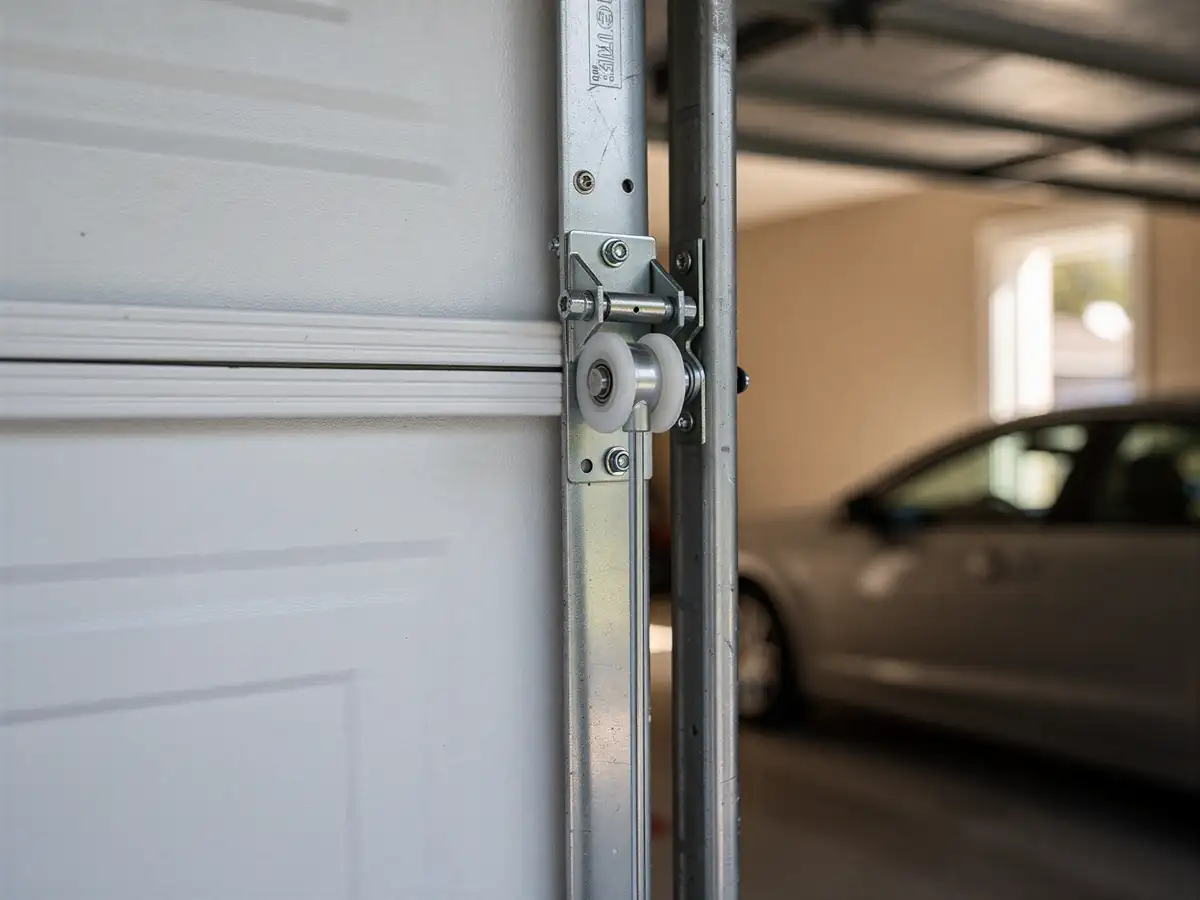
The fault pattern here traces straight back to the build year. Houses from the mid-1990s came with steel doors on galvanized torsion springs and early-model chain or belt-drive openers - decent hardware, but it's now thirty years deep into Wisconsin winters. Cold-band temperature swings stiffen the lubricant in torsion springs and dry out nylon rollers faster than a mild climate would, so the spring wears unevenly and the roller track starts rattling before the door actually fails.
Because Lannon's housing clusters tightly around that 1995 median rather than spreading across decades like the wider service area, we see the same opener models fail in the same order, house after house on these newer blocks: capacitor first, drive gear second, logic board third. That's different from the pre-1970s stock nearby, where the spring itself is usually the first thing to go.
It's a narrow window of housing age, and it makes diagnosis faster once we know the year the neighborhood went up.
How We Fix It
We start by matching the opener's manufacture era to known failure points
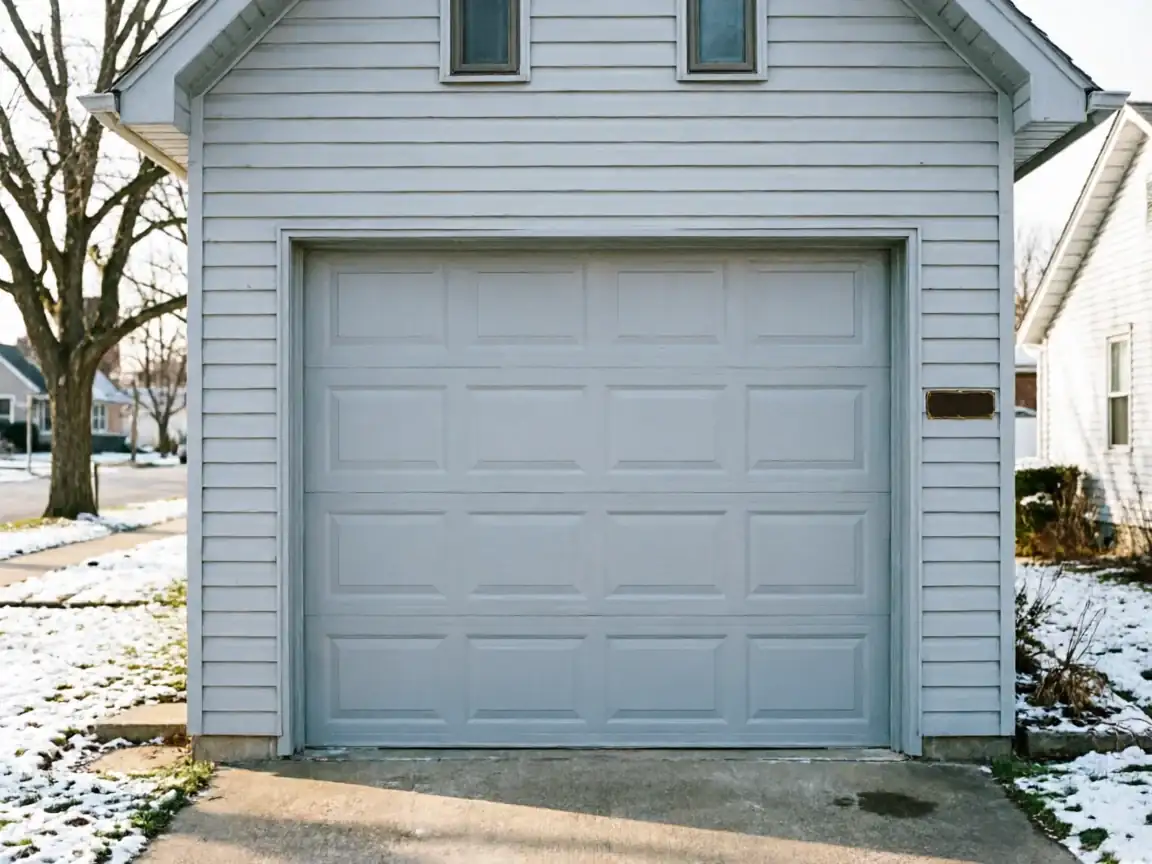
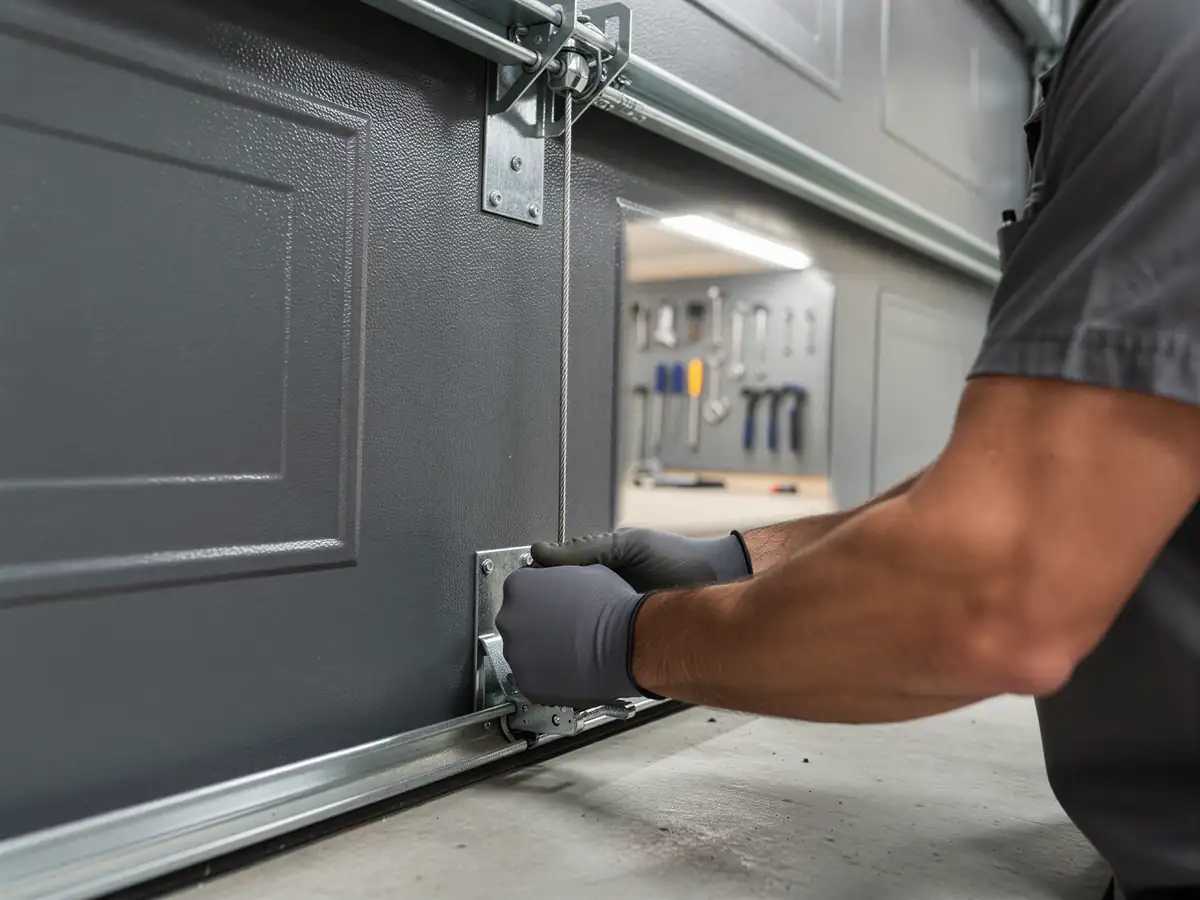
On a mid-90s chain drive, that's almost always the capacitor or the drive gear before the motor itself quits. If the door is original steel from the same build year, we check the bottom panel for rust-through at the weather seal line before we touch the spring, since a panel that's rotted there isn't worth saving even if the spring is fine.
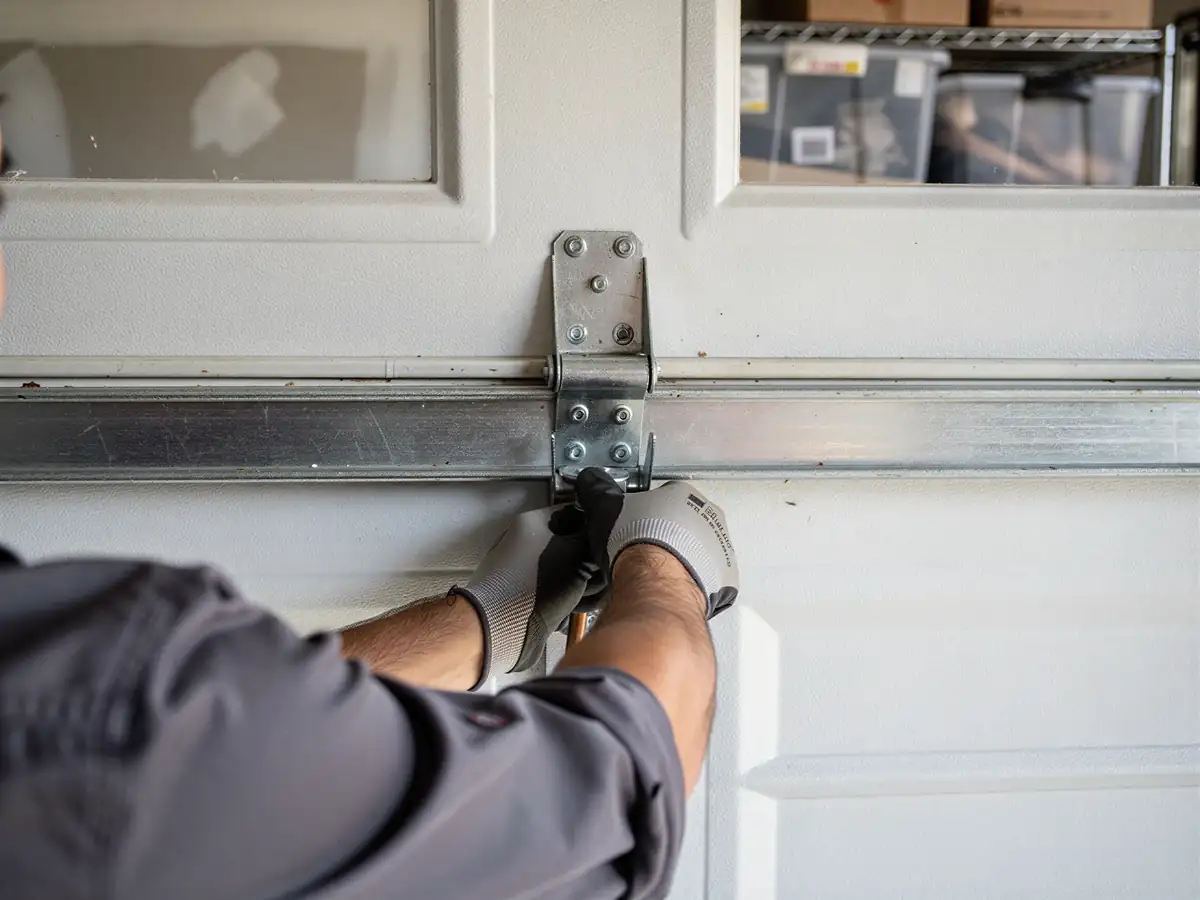
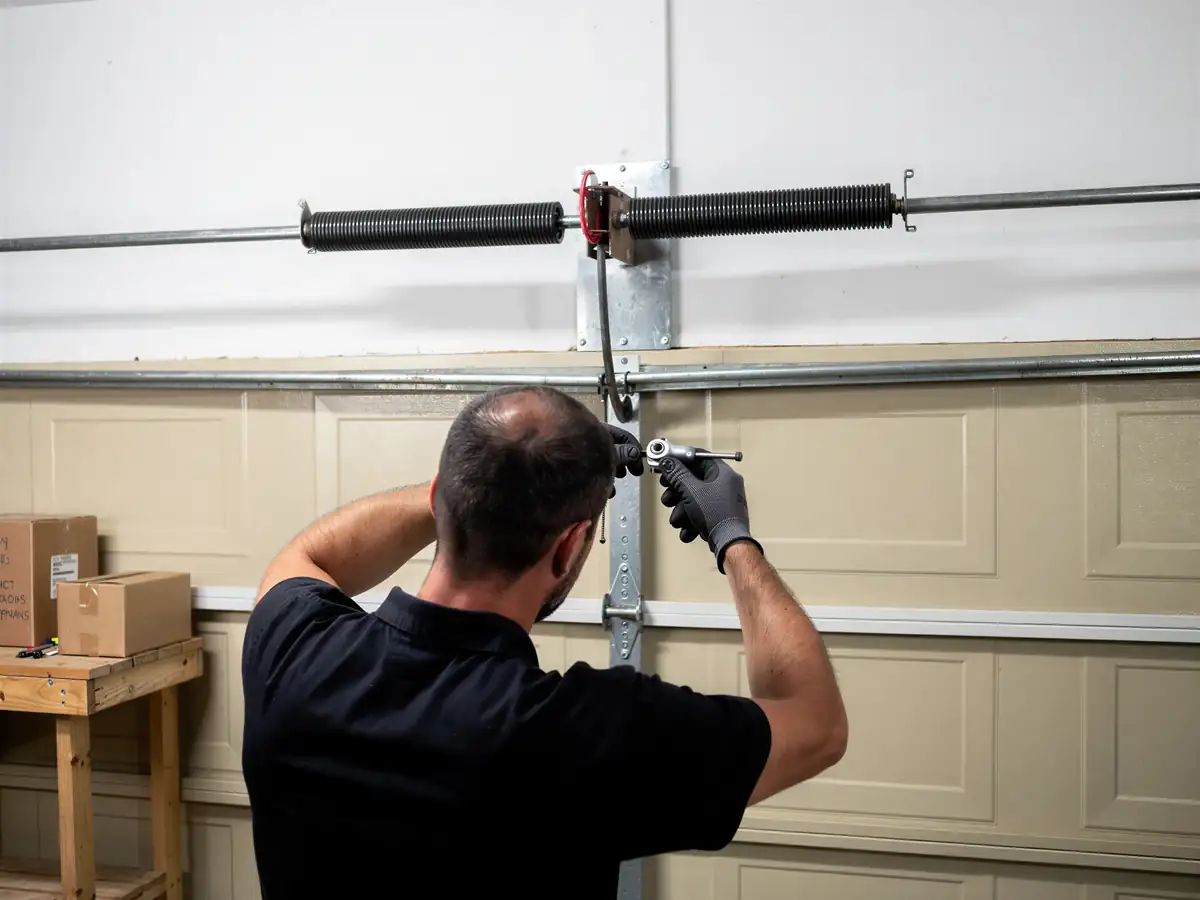
For torsion spring replacement, we size to the door weight and the existing drum, not a universal kit
Undersized springs are a common shortcut that fails again within a year or two. For a logic board swap, we match the opener brand rather than forcing a universal board that half-fits the housing.
If a door's hardware is original to a 1995 build and the springs have gone
We'll usually replace both springs even if only one broke, since the other is on the same clock.
What Is on the Truck
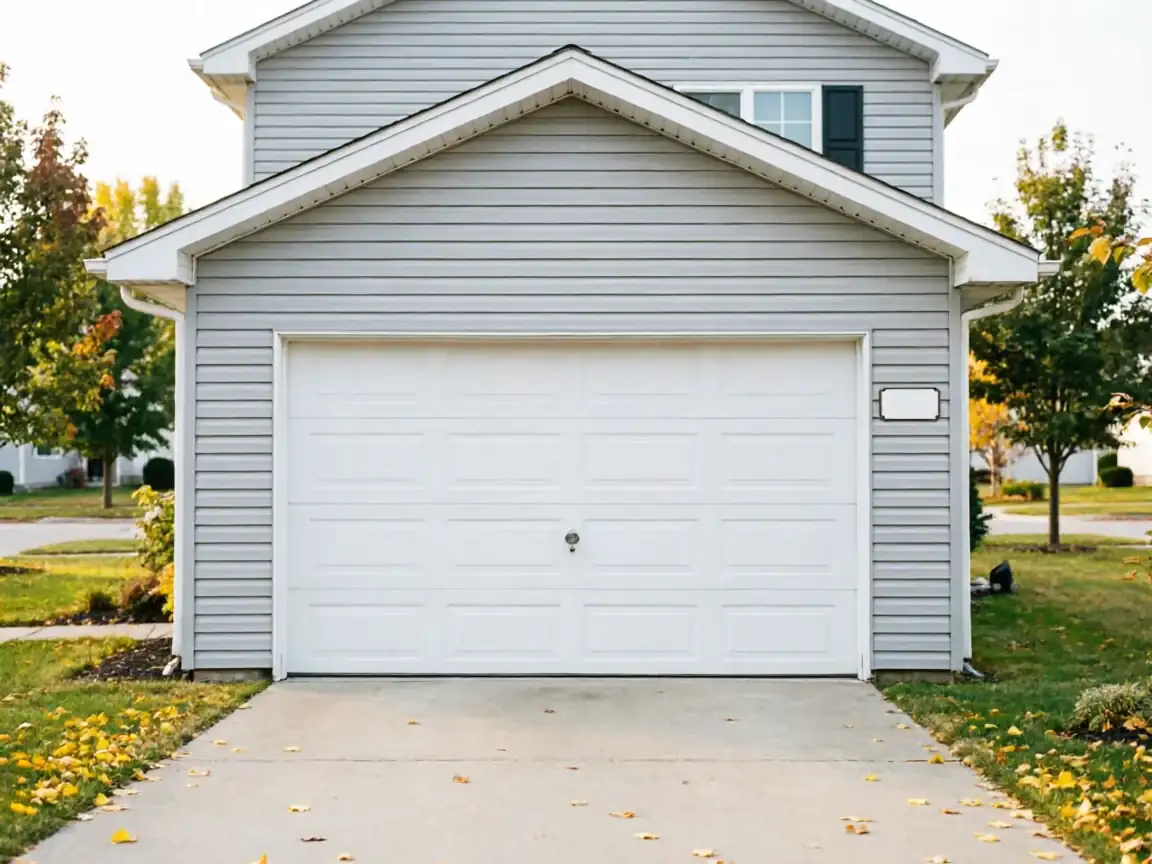
Because Lannon's housing clusters around that mid-90s build year, we load torsion springs sized for that era's standard door weights more heavily than we would for an older or newer suburb - 16x7 steel sectional doors were the standard here, and we stock the matching springs and drums.
We carry logic boards and capacitors for the handful of chain and belt-drive opener brands that were common installs in that build window, along with standard nylon rollers and galvanized cable, since cold-climate wear hits rollers and cable before it hits the opener motor itself.
What we don't load for a standard Lannon call is specialty hardware for pre-war one-piece doors or commercial-grade track - that's not what's on these lots, and carrying it would just be dead weight on the truck.
Doing It Yourself
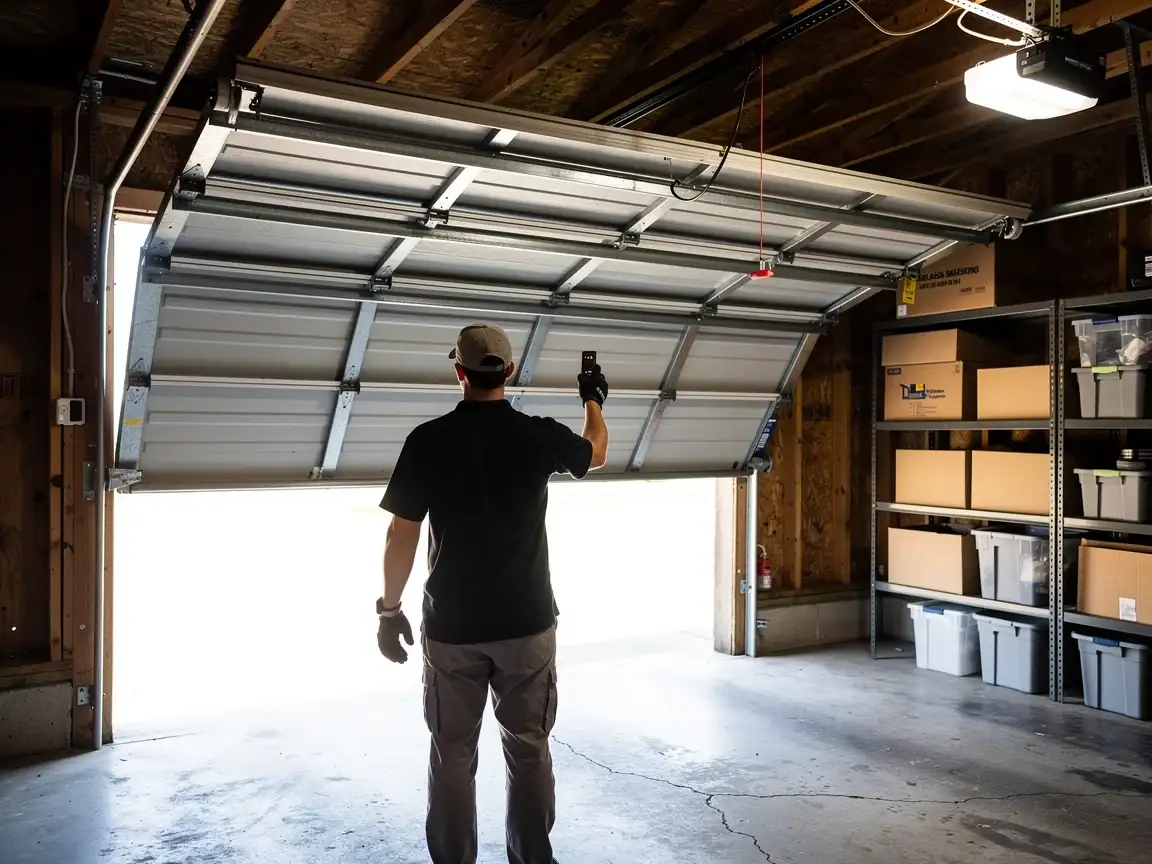
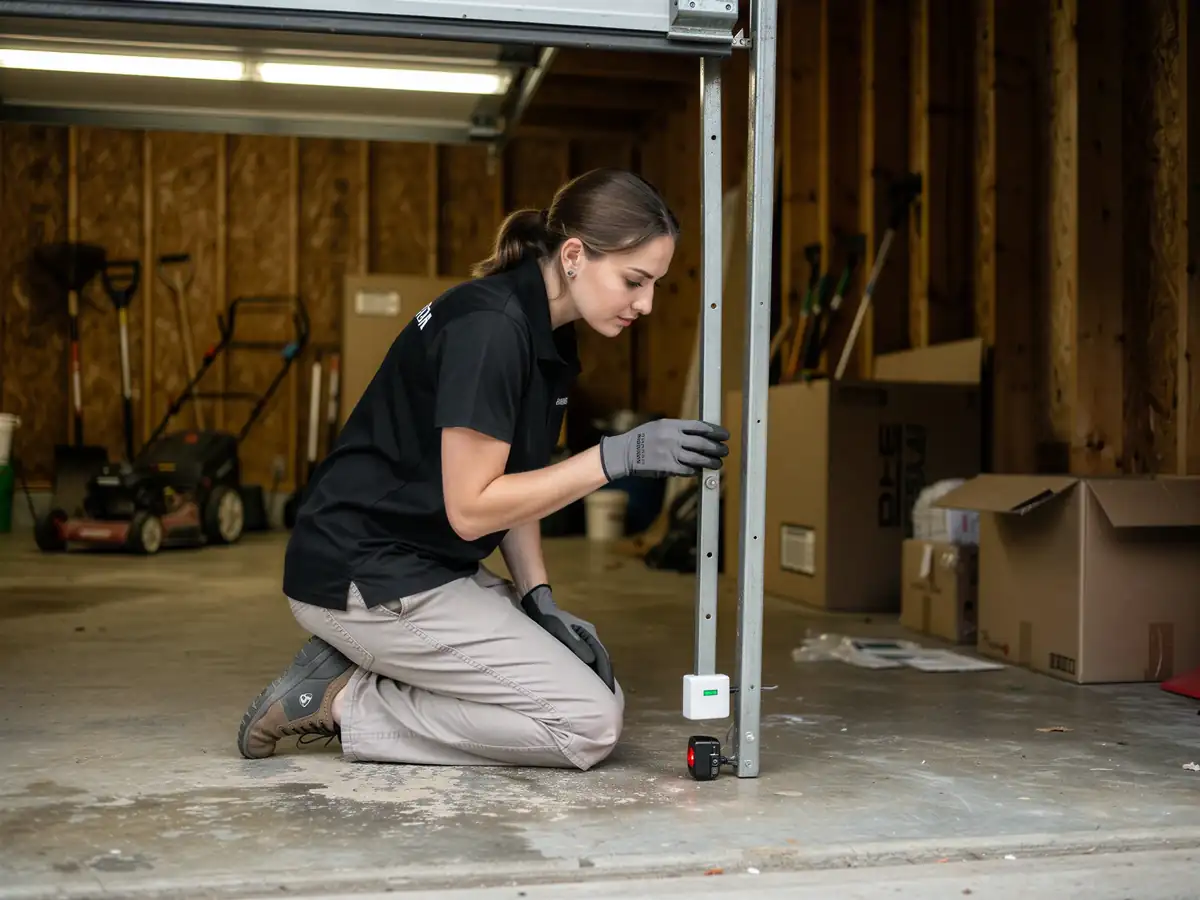
A torsion spring under tension can take a finger or worse, and that doesn't change based on the town - we won't talk anyone through doing that one themselves. What you can check before calling: the opener's wall switch light pattern (a blinking light usually means the safety sensors are misaligned, not broken), and whether the bottom roller track has visible rust or bent rail, which you can sometimes true up with a wrench if it's minor.
If your house is part of that mid-90s Lannon build wave and the opener is original, replacing the capacitor yourself is possible if you're comfortable with basic electrical work, but a logic board diagnosis is hard to get right without a meter and the exact model's wiring chart - guessing wrong there can fry a new board in minutes.
Our honest limit: if a door's track is bent badly enough to bind, don't force it open by hand repeatedly trying to free it. That usually turns a track repair into a full panel replacement, and it's the one DIY move we see backfire most.