How to Book
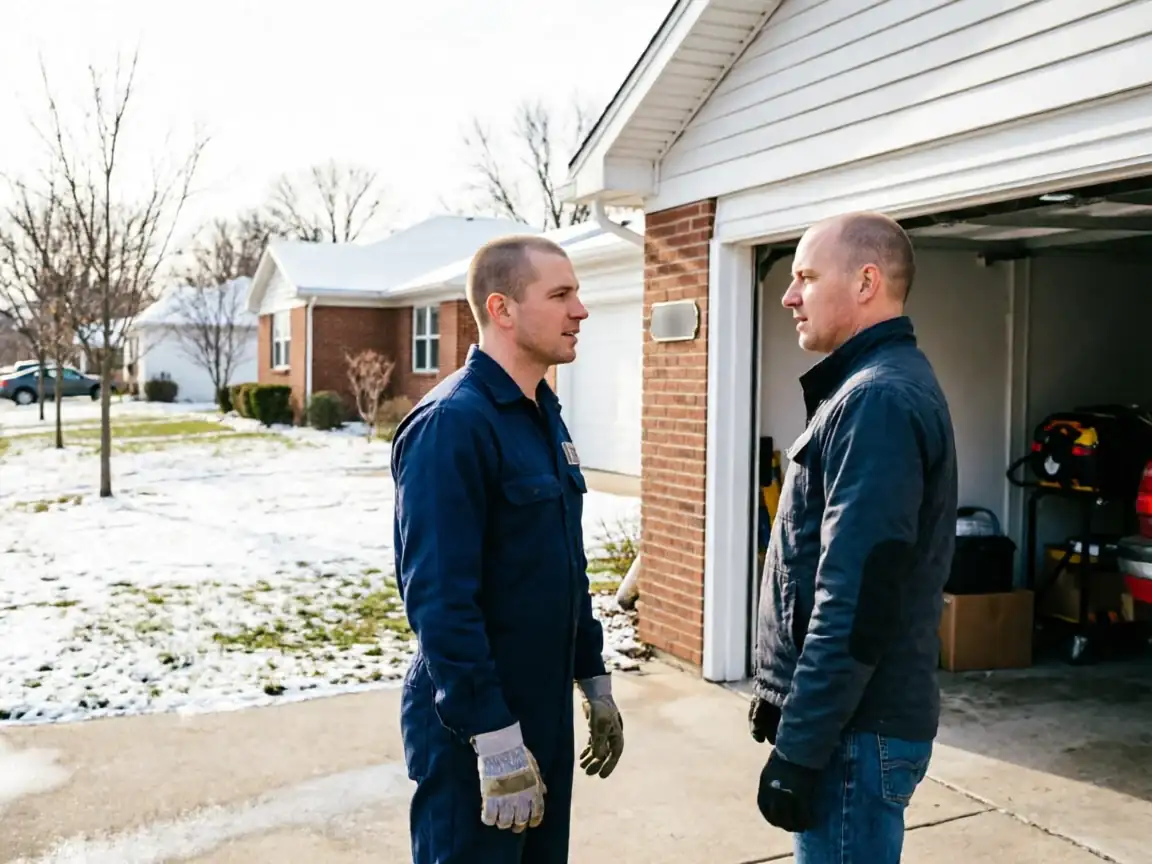
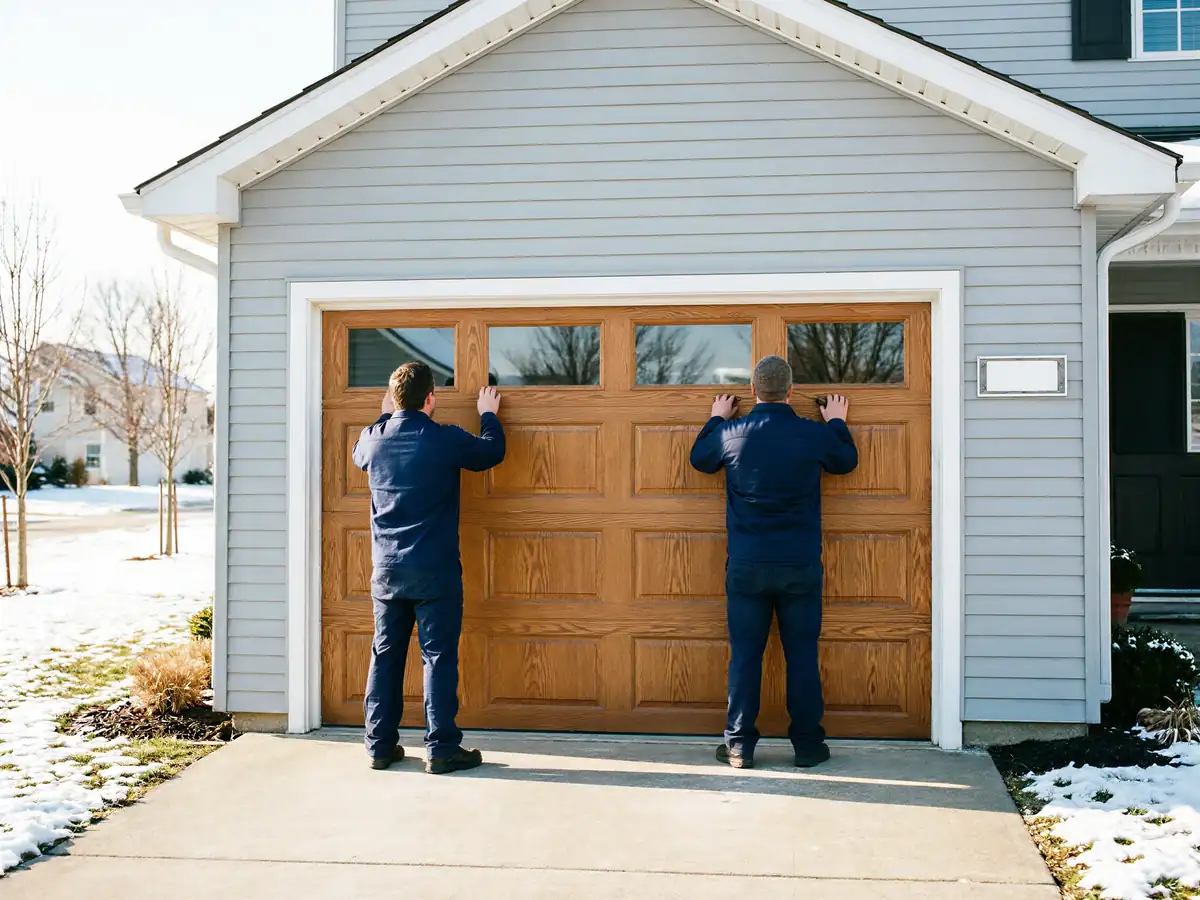
We run this job out of Menomonee Falls, about 2 miles from Lannon. There's no branch office here - the truck comes to you. Call to describe what the door is doing: won't lift, lifts crooked, makes a bang and stops, or the spring is visibly separated at the coil. That tells us which spring size and drum setup to load before we leave. You can also book through our Lannon service page, which covers the full range of work we do in this specific area, not just springs.
Why This Fails Locally
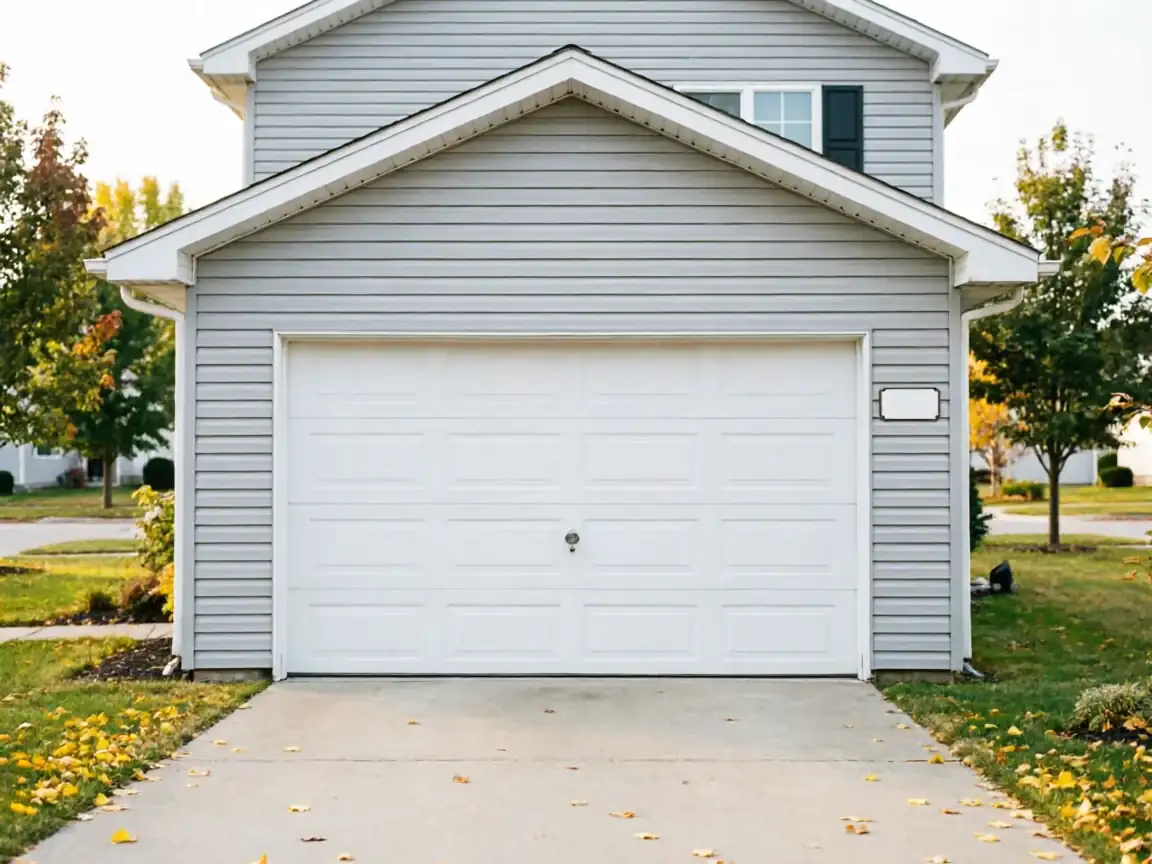
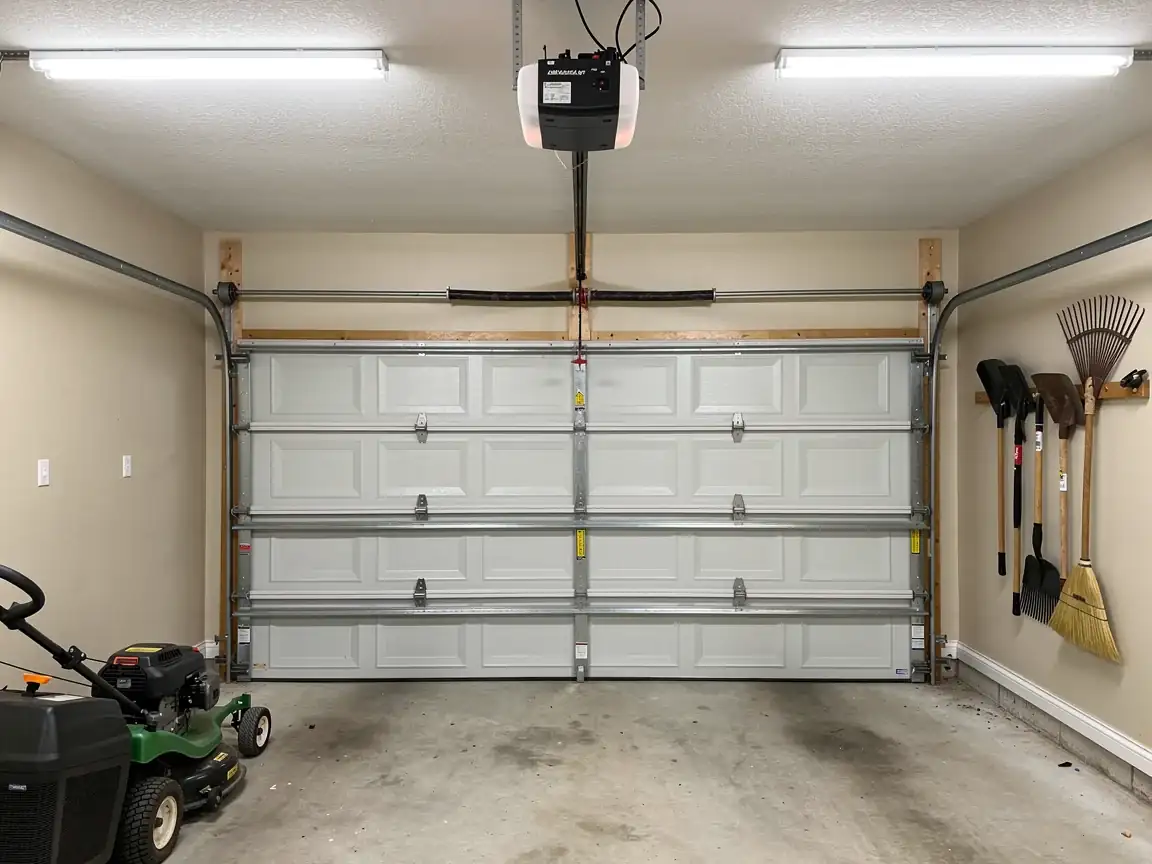
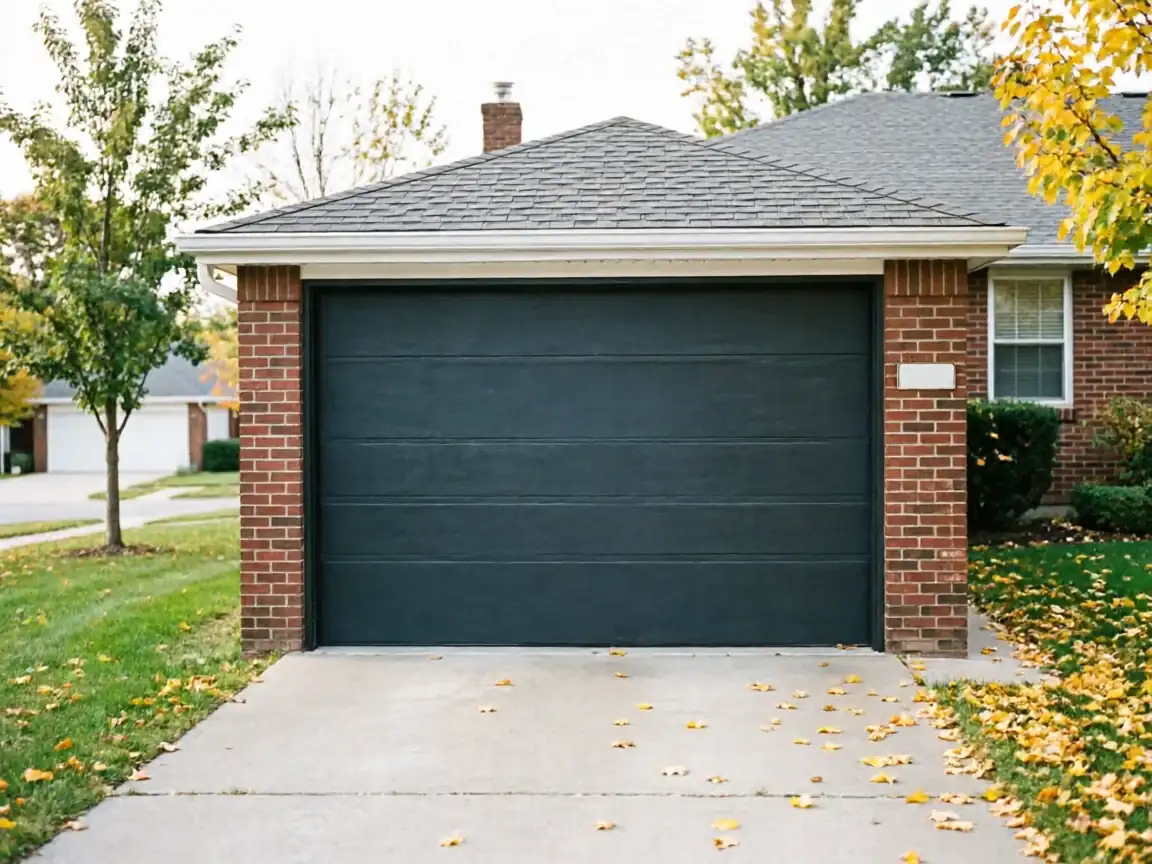
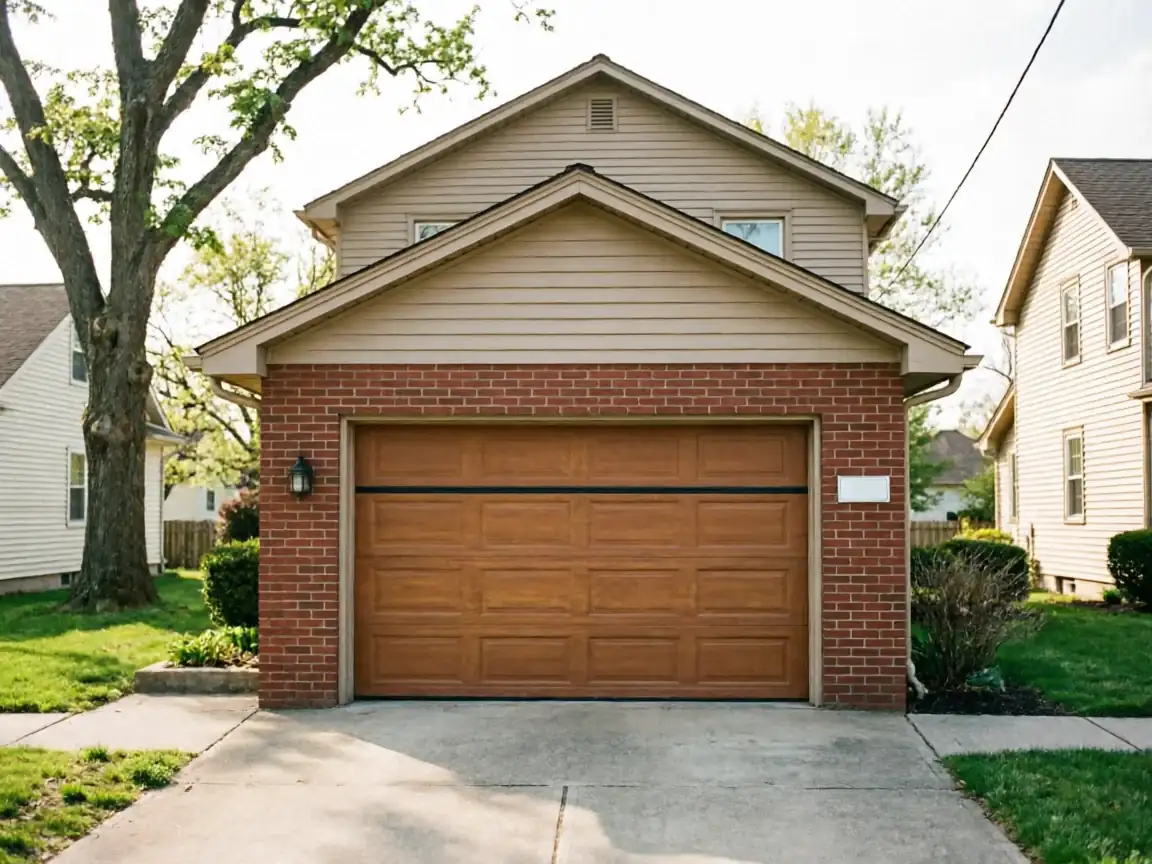
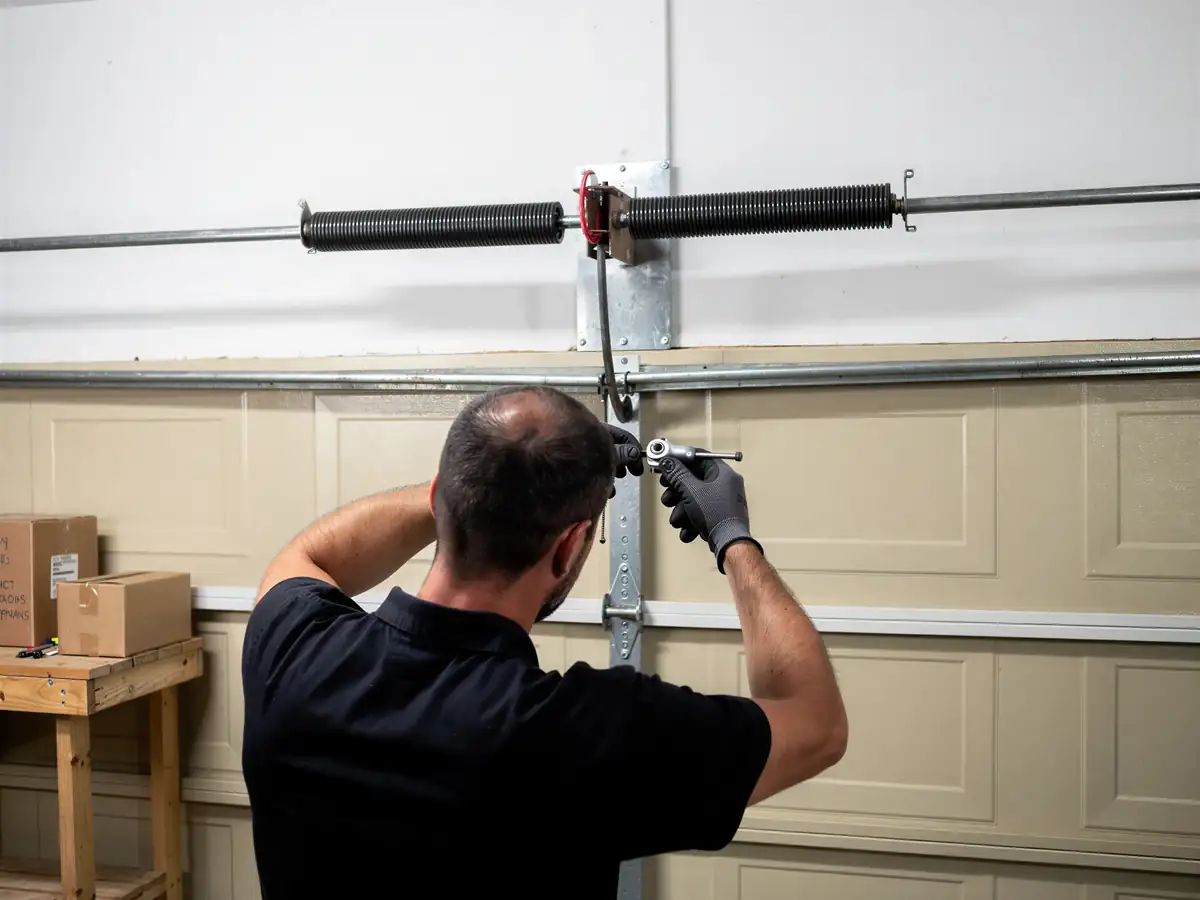
Lannon's housing stock runs newer than a lot of the area we cover - the median home here was built around 1995, while the broader service area's median build year is 1976 with most stock from the 1960s and '70s. That difference shows up in the hardware. A house built in the mid-1990s almost certainly has a torsion spring system, not the older extension-spring setups still common on the 1960s-era houses nearby. Torsion springs are rated for a set number of open-close cycles, typically somewhere around 10,000, and a house that age is now sitting right at the point where that factory spring is due to fail. Add the region's cold, severe winter climate, and steel fatigue accelerates - cold steel is more brittle, and a spring near the end of its cycle life is more likely to snap on a sub-zero morning than a mild one. That's the pattern we see: 1990s-built torsion springs, aging out right on schedule, going in winter.
What Is on the Truck
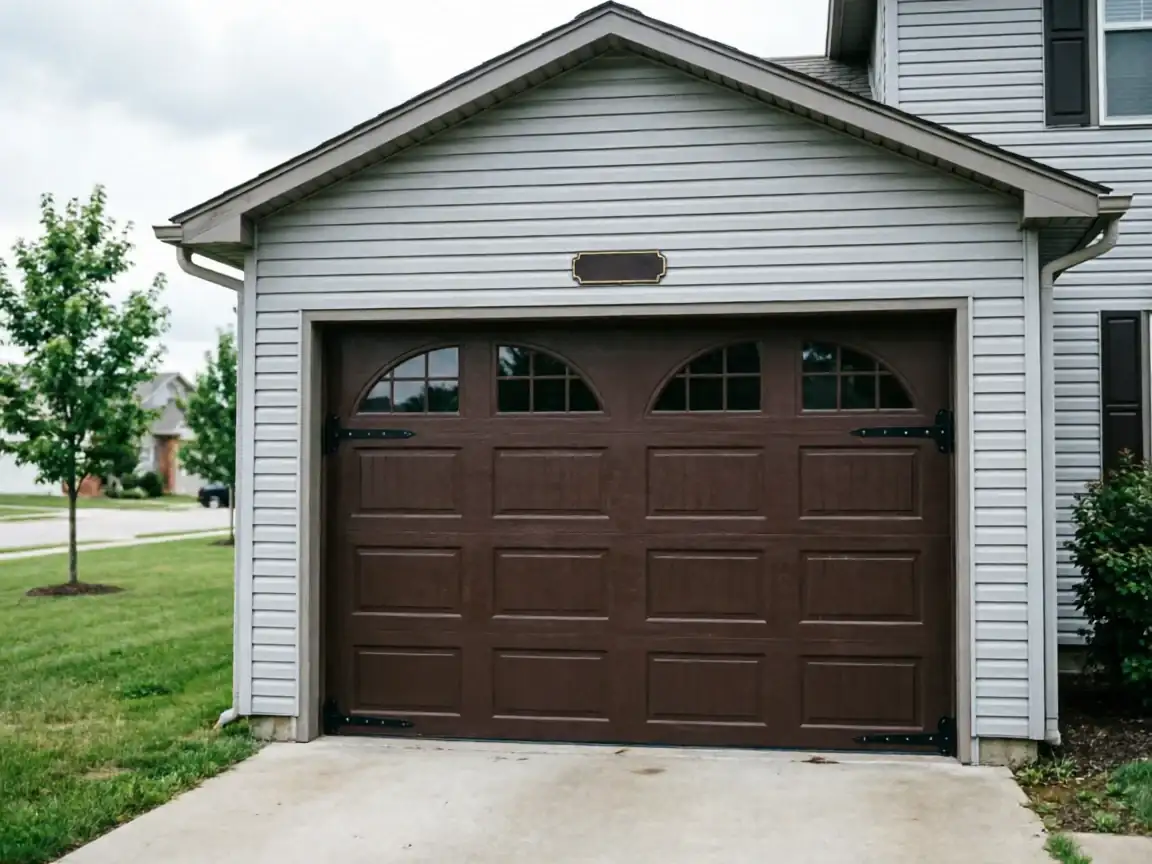
We carry torsion springs sized for the standard residential torsion setups common on houses built from the 1990s through 2000s - the range that fits most of what's in Lannon and the newer pockets of the service area. We also carry springs for the older extension-spring doors still found on 1960s and '70s houses elsewhere in the area, since that stock is still common across the 49 named communities we work in. What we don't always carry is a spring for an unusual or custom door - oversized, carriage-style, or a nonstandard wind pattern - and if that's what's on your house, we may need to order the exact spring rather than fix it same-visit. That's a real limitation, not a sales pitch for a new door; it's just a lead-time issue on uncommon hardware.
Doing It Yourself
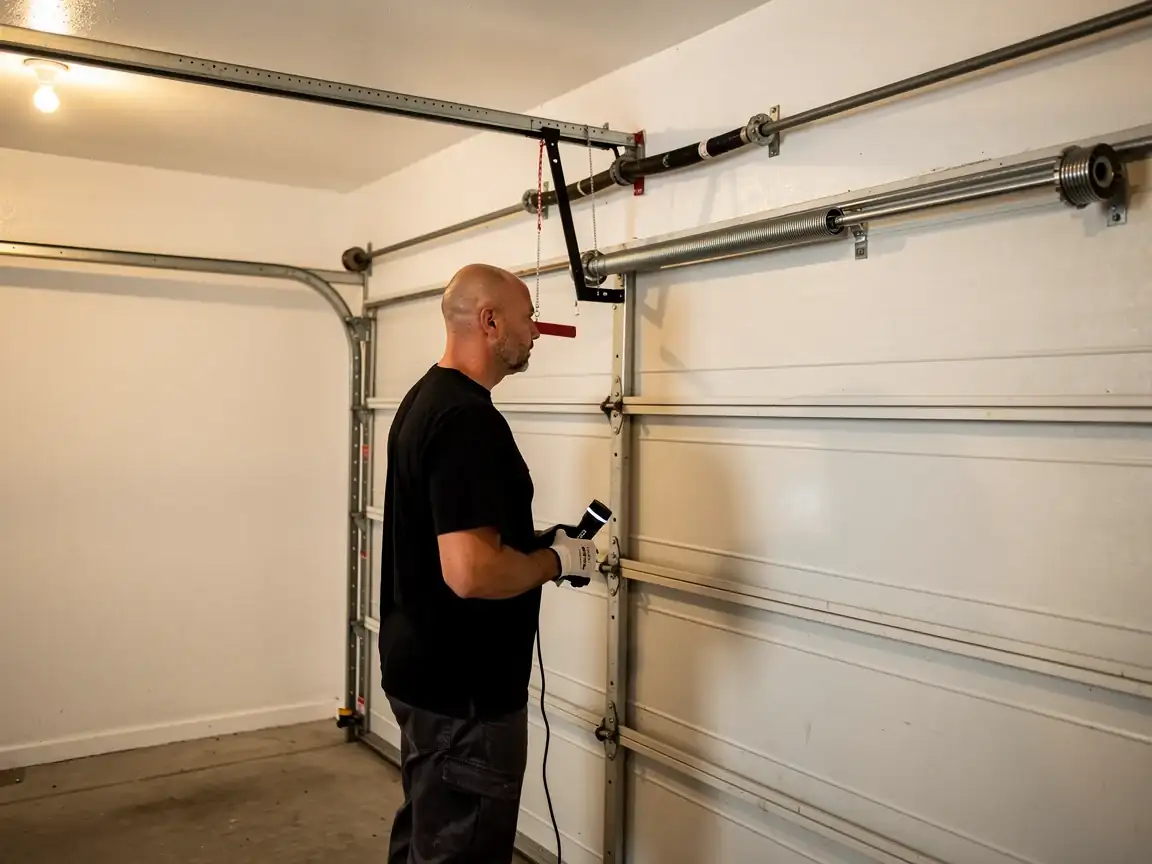
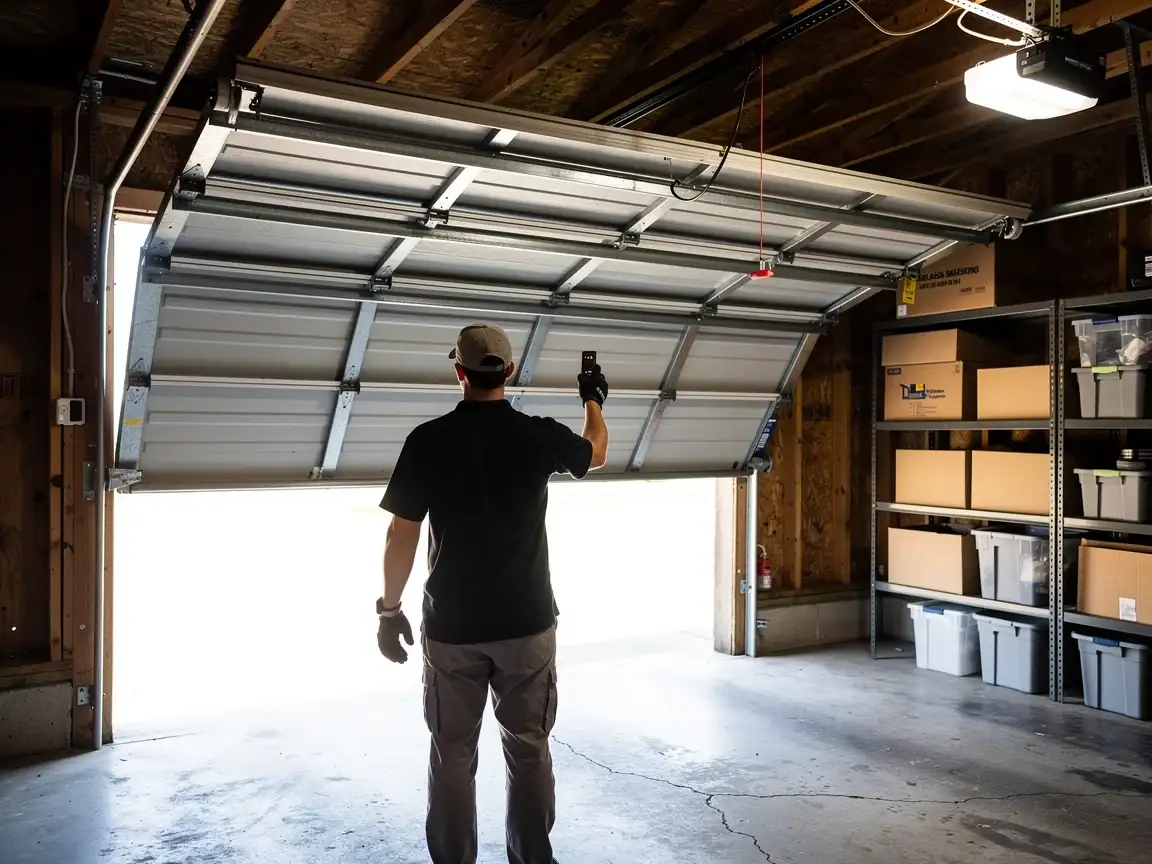
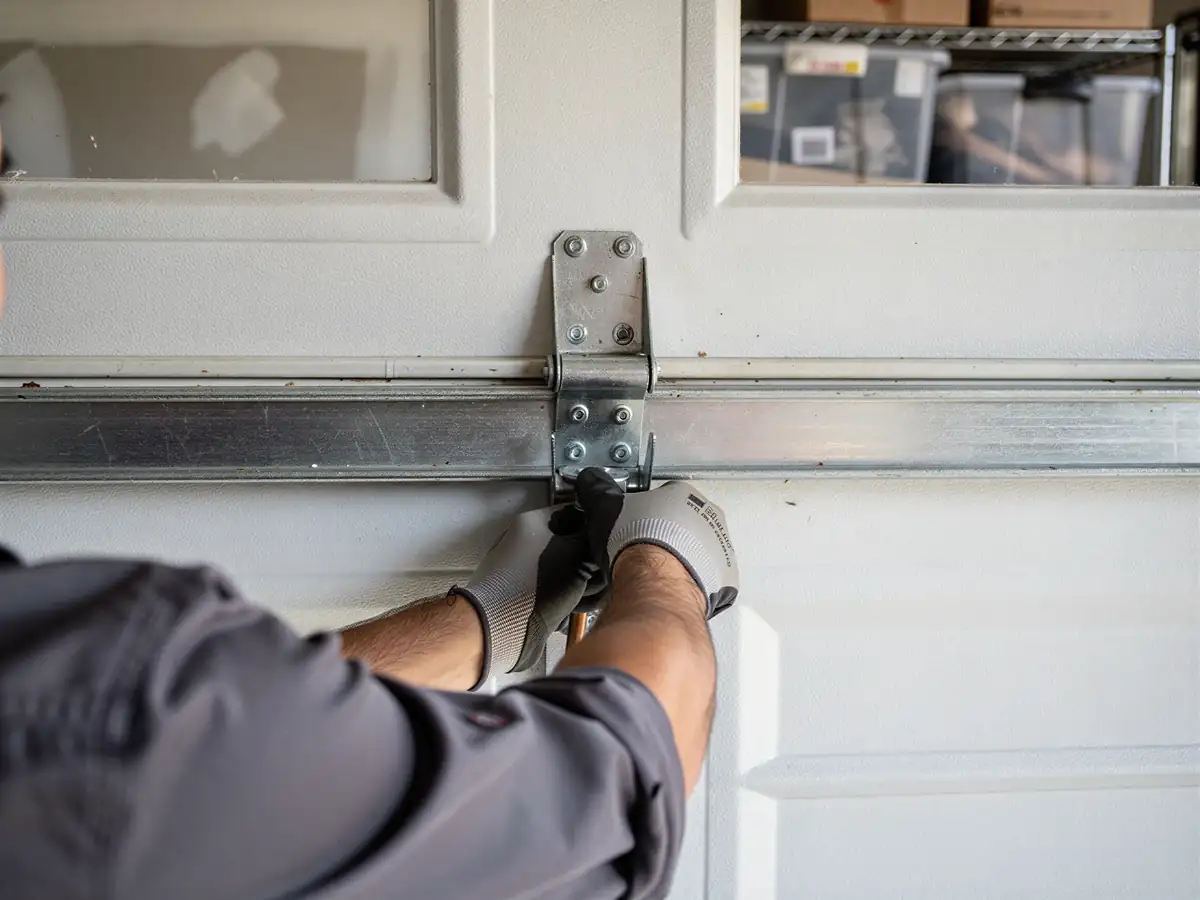
Don't replace a torsion spring yourself. It's wound under enough tension to cause serious injury if the winding bar slips, and the tools for it aren't something most homeowners have sitting in the garage. What you can safely do: look at the spring before calling. If it's visibly separated - a gap in the coil instead of a tight spiral - that confirms the break and saves time on the phone. You can also test whether it's the spring and not the opener by pulling the release cord and trying to lift the door by hand; a healthy spring makes a door that size liftable without much effort, and if it feels like dead weight, the spring's done. Past that point, it's a call, not a weekend project.