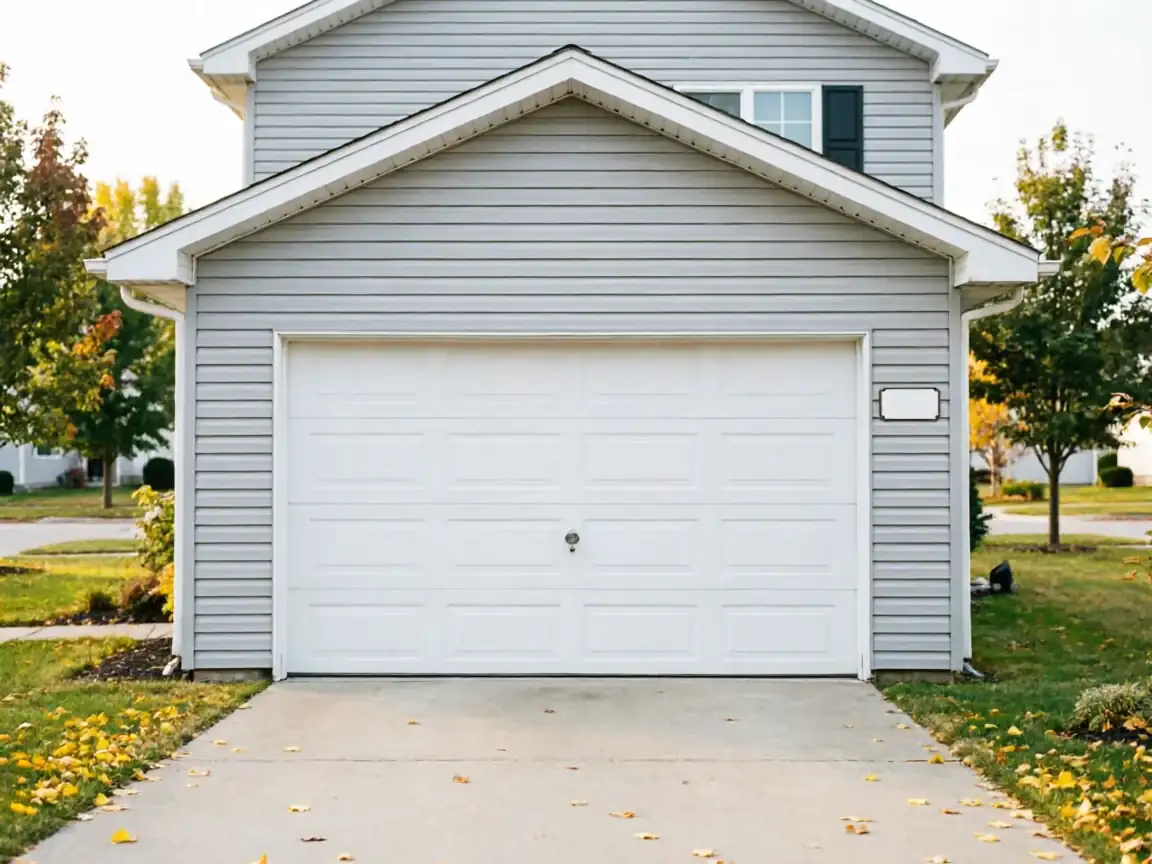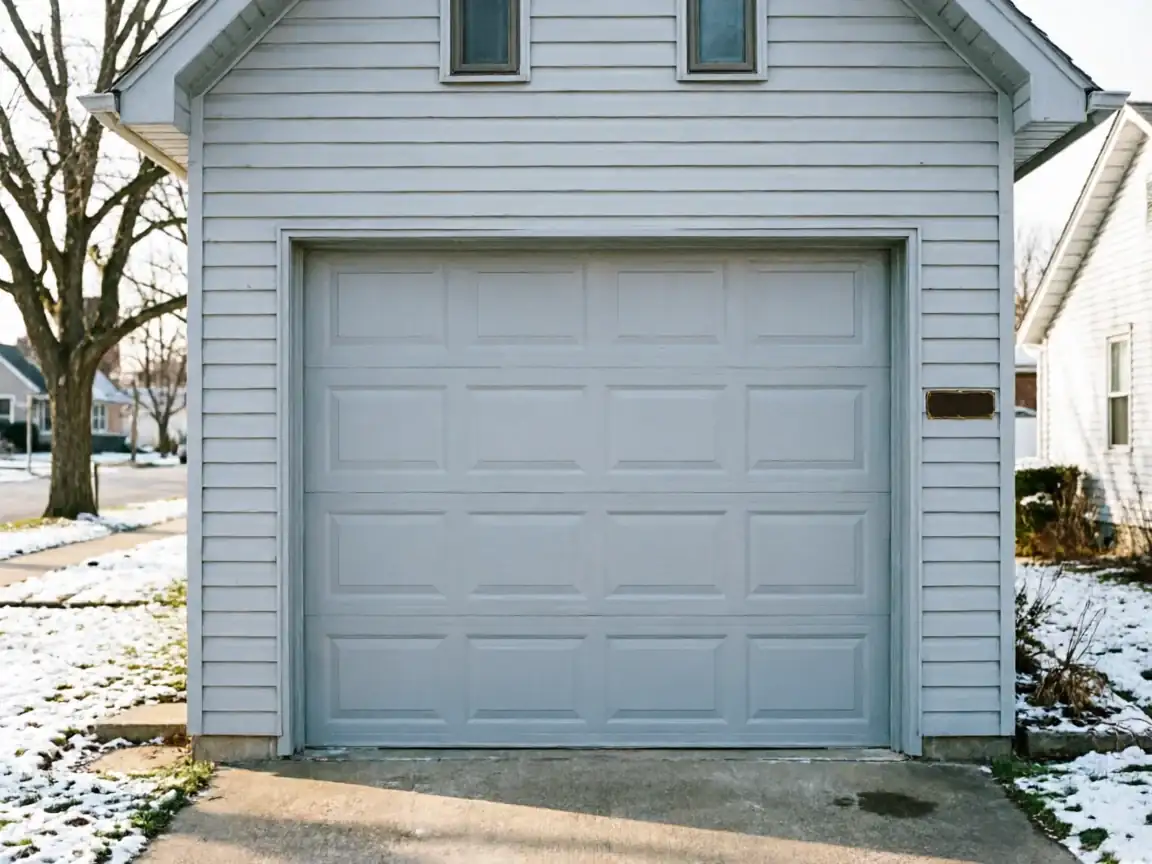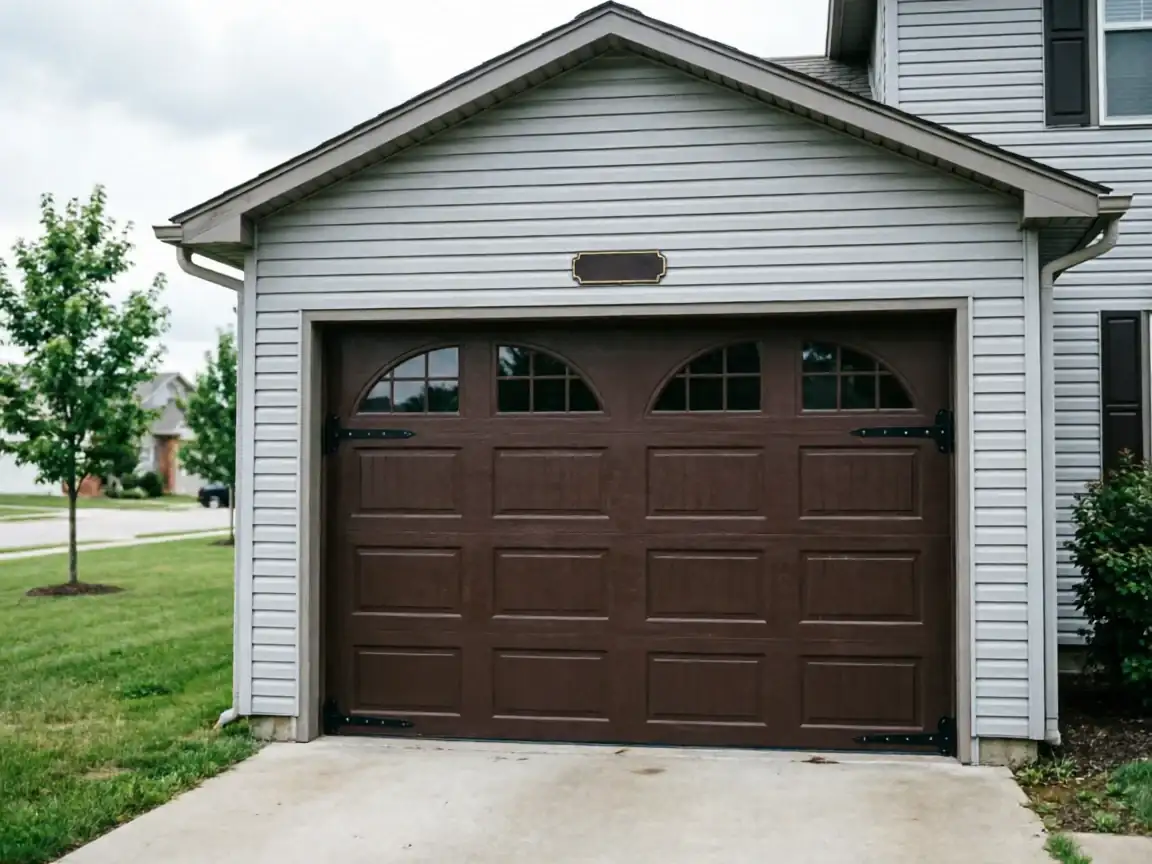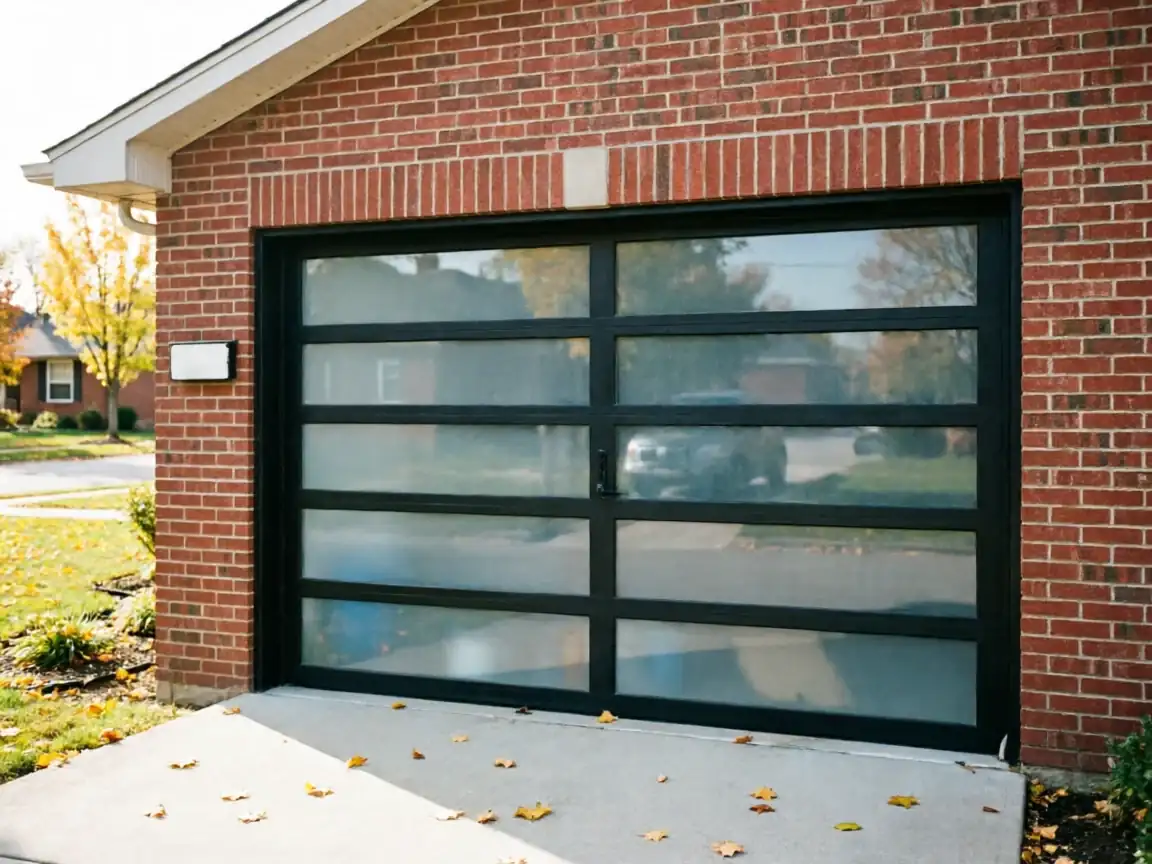
What You Are Seeing
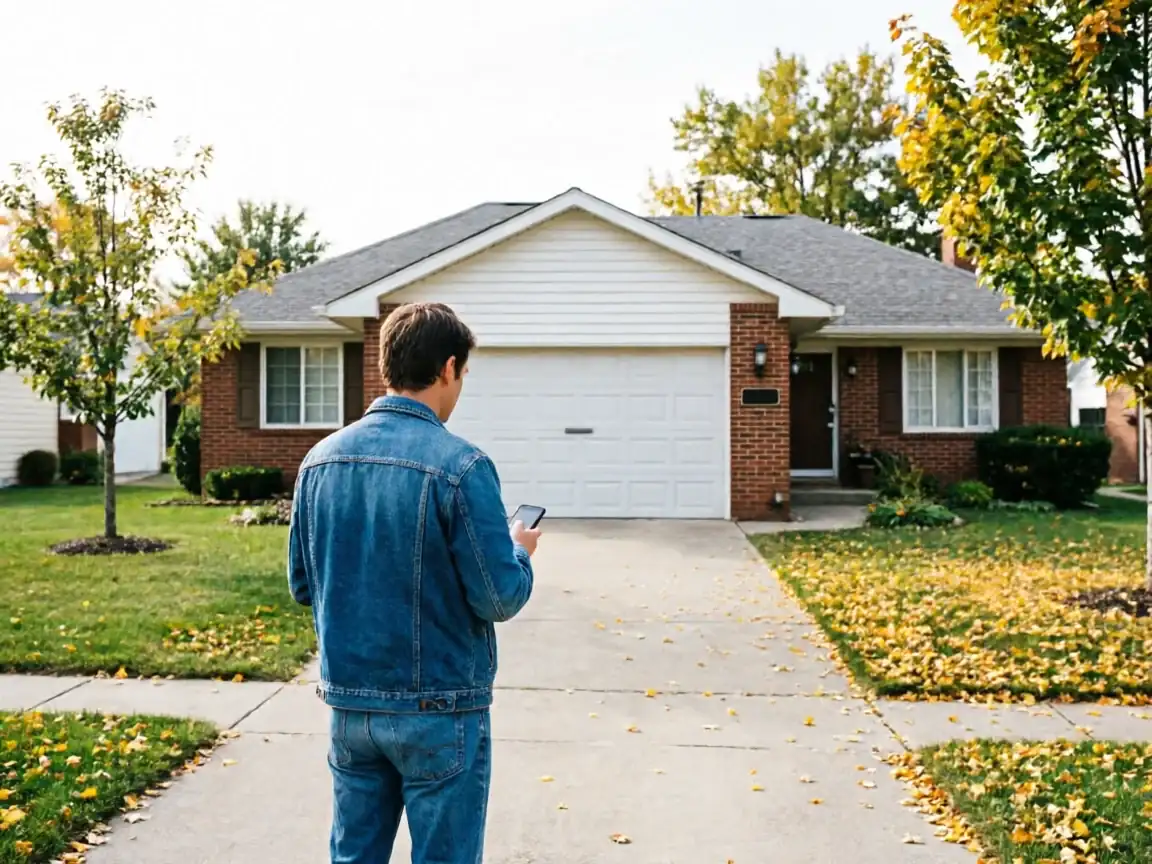
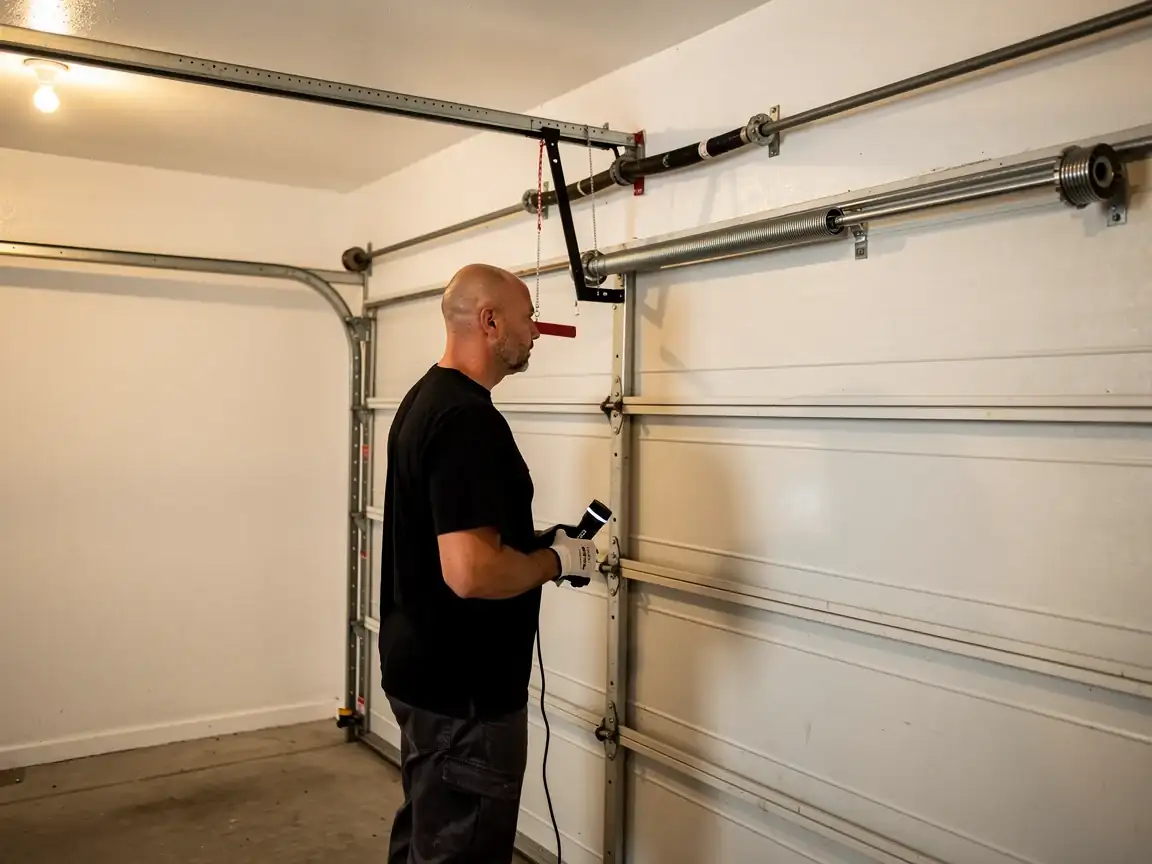
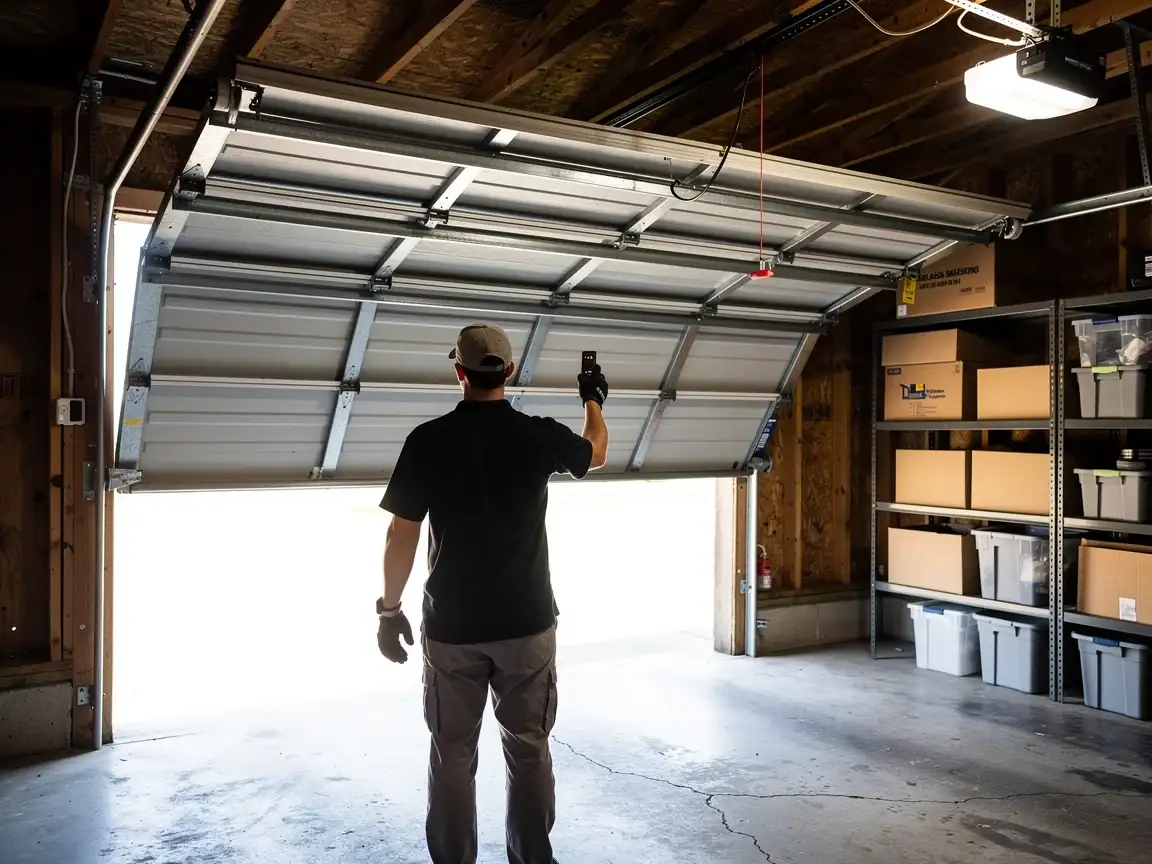
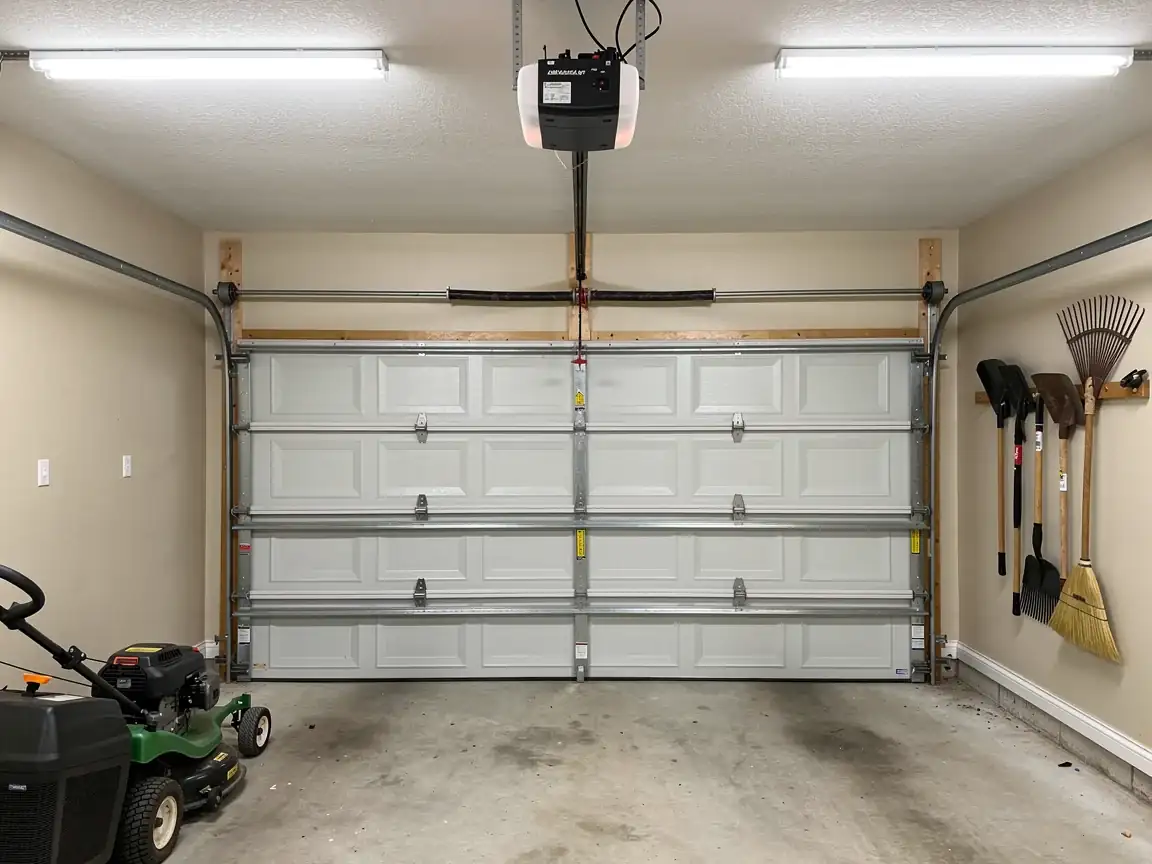
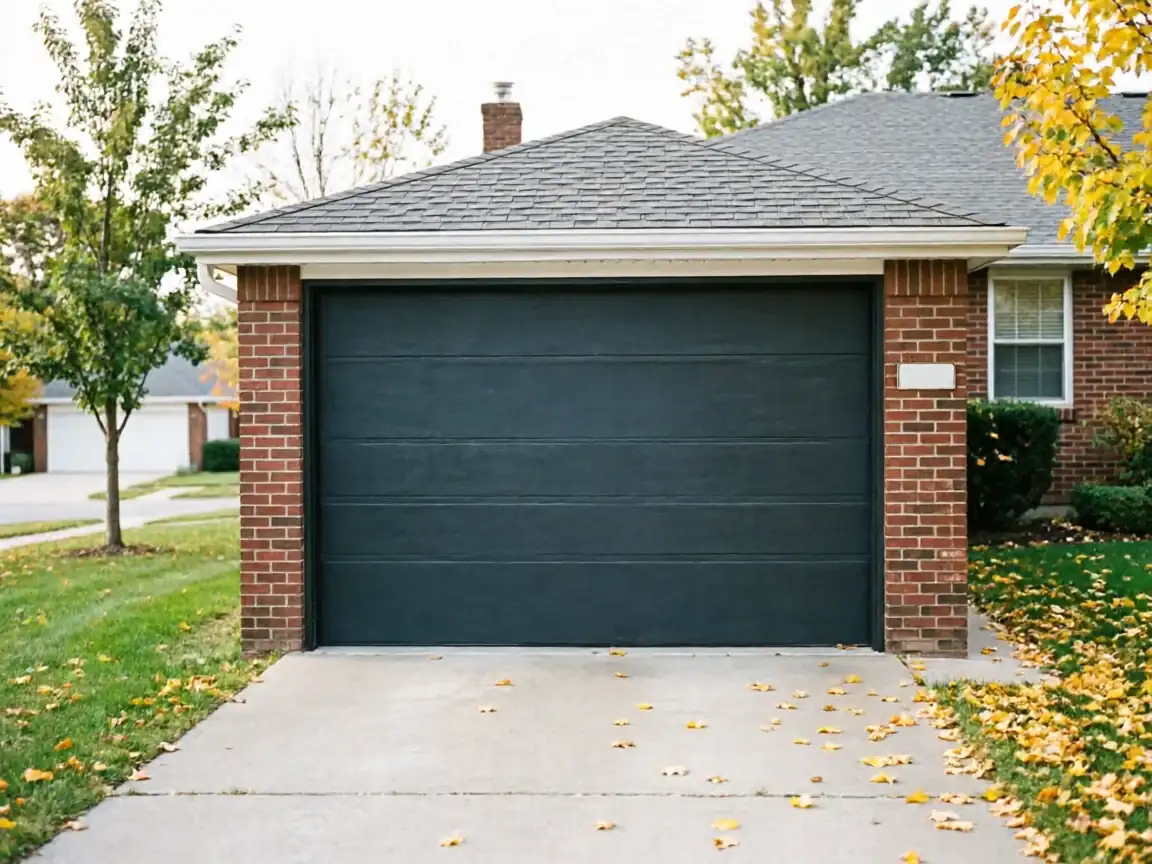
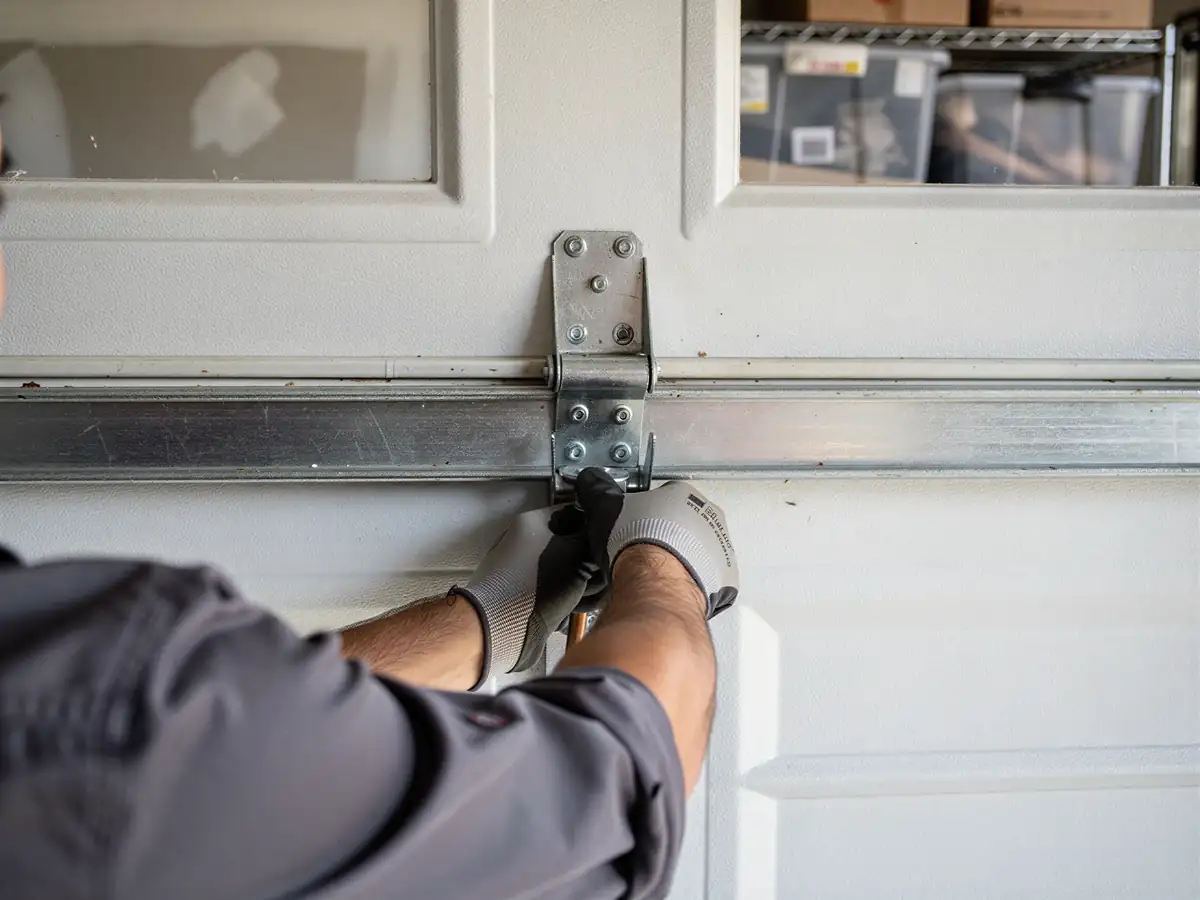
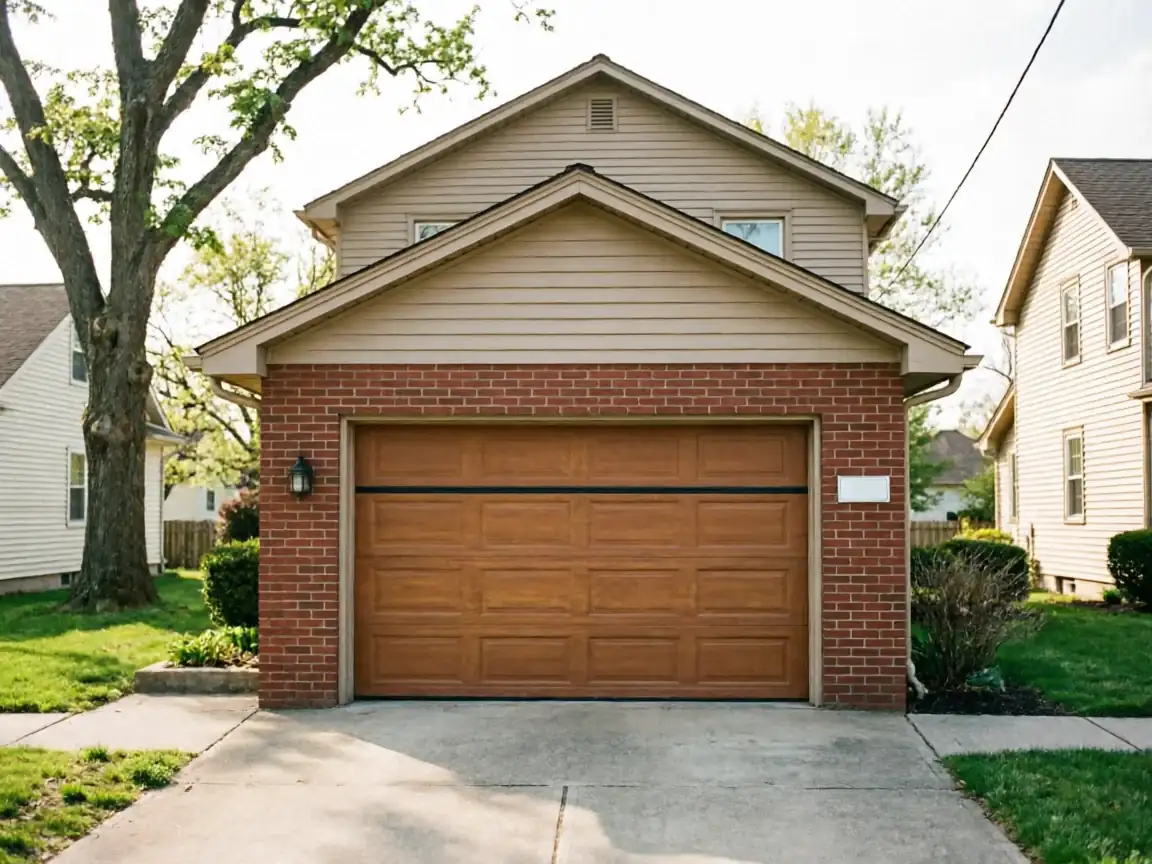
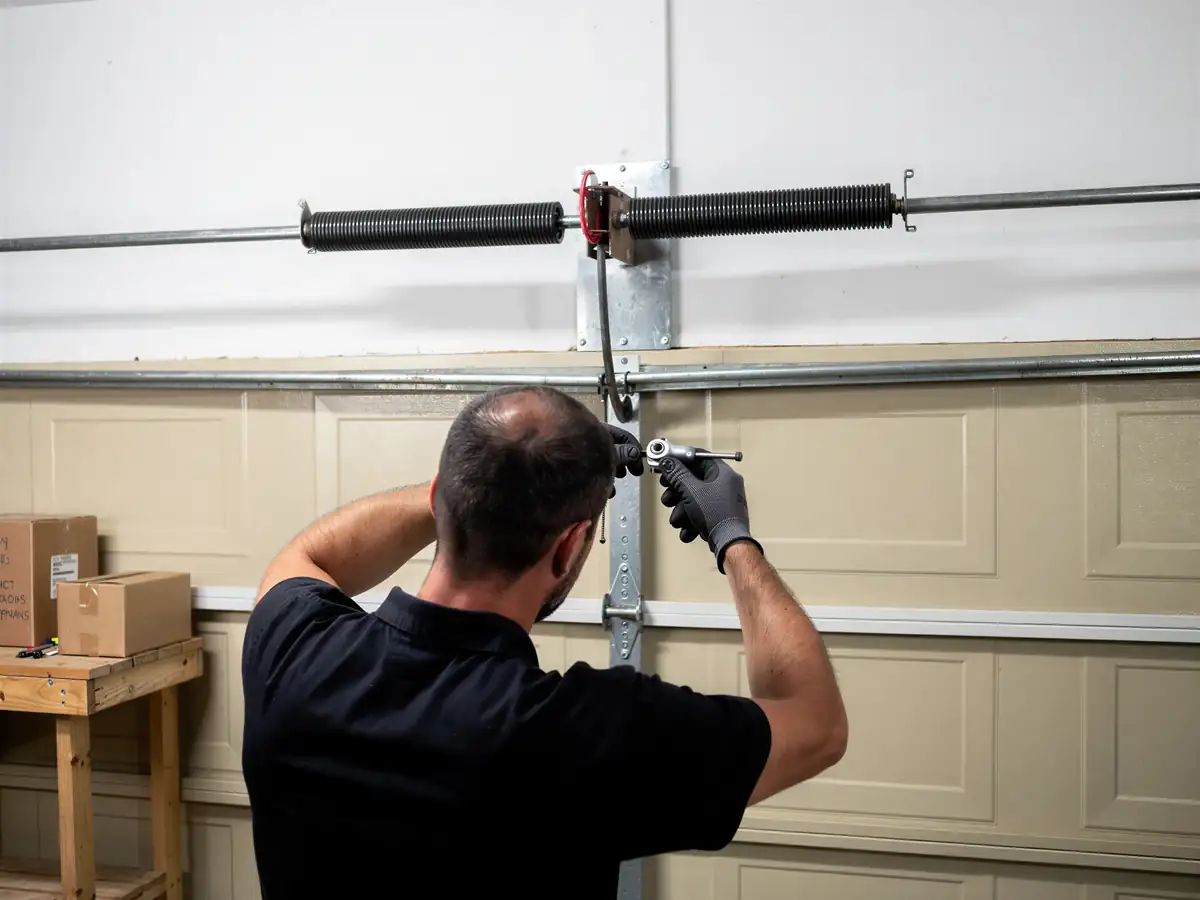
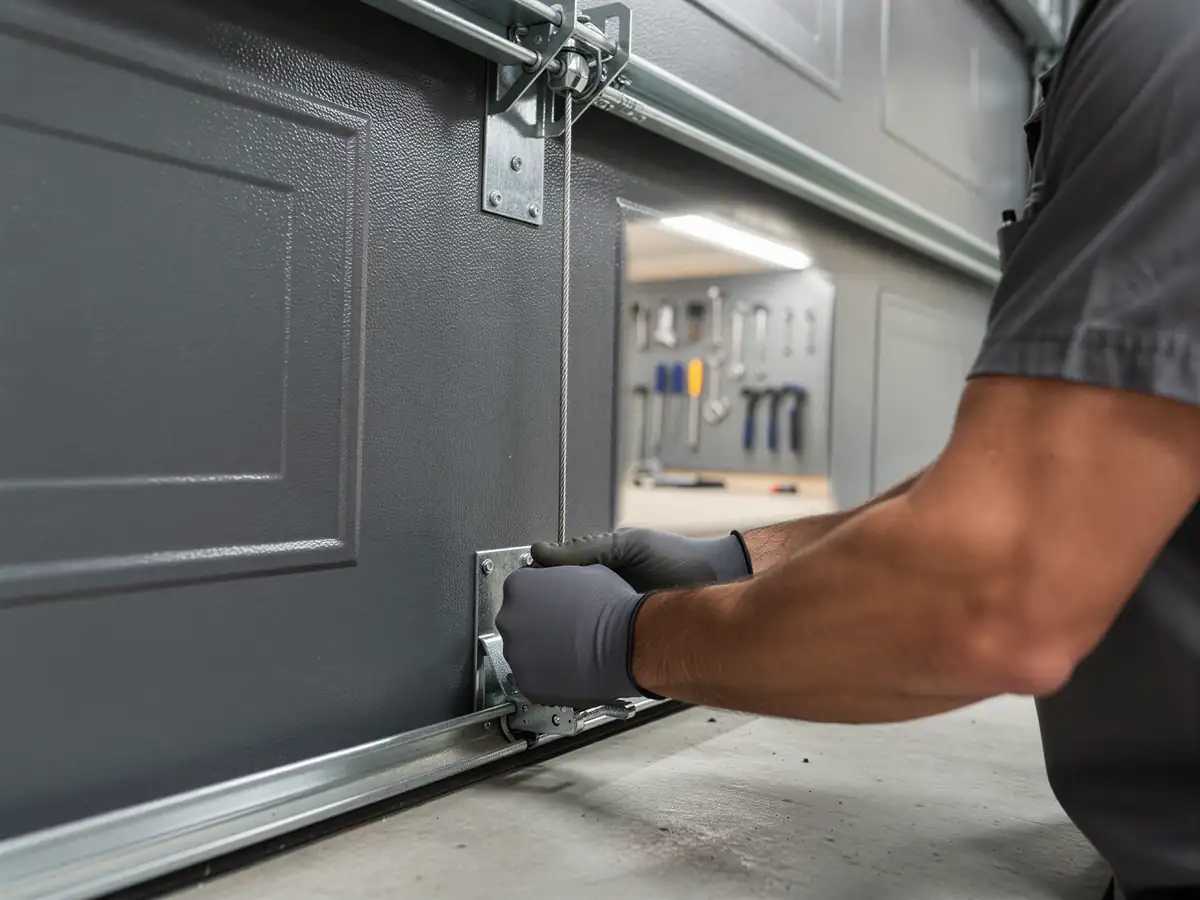
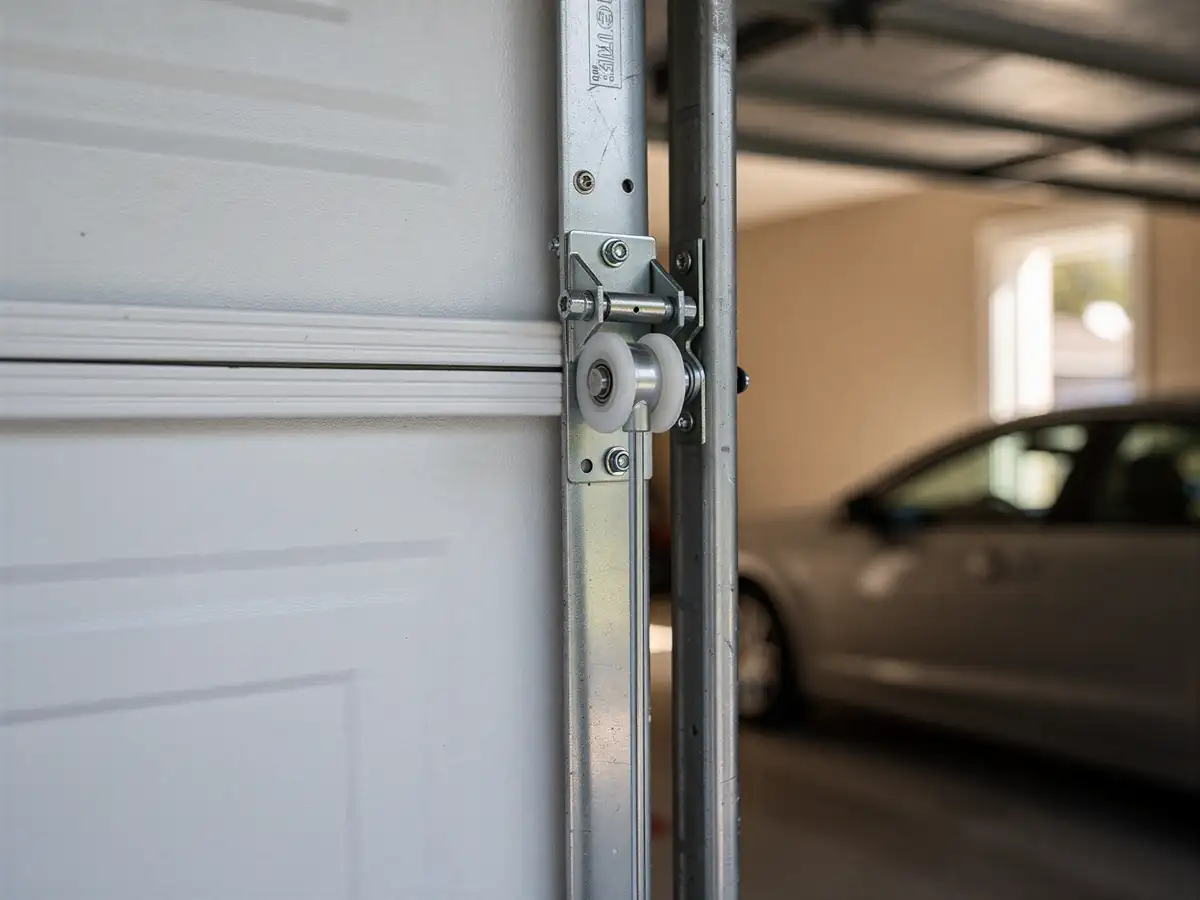
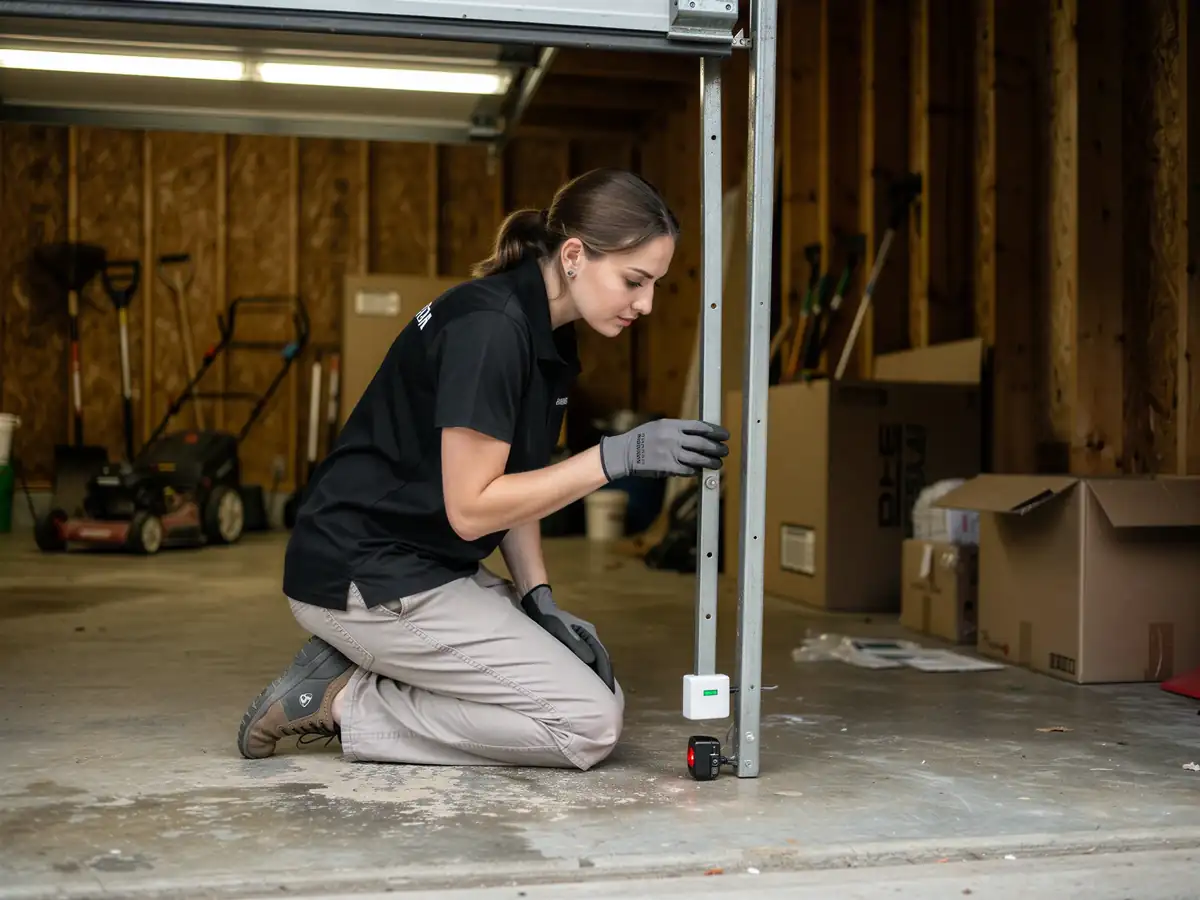
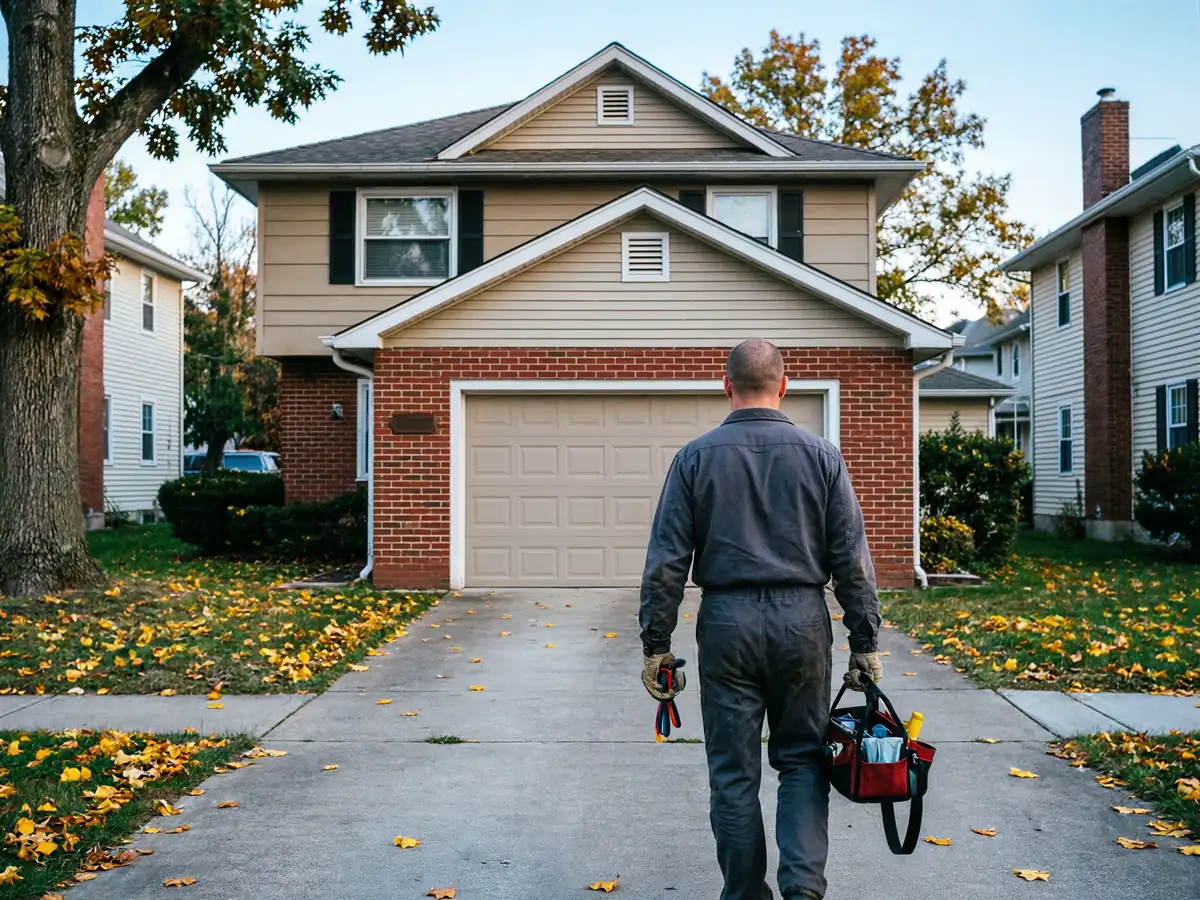
The median home in Thiensville went up around 1966, which puts it right in the 1960s-70s band that covers most of the 49 named communities this company works. That build era means steel sectional doors, often on galvanized track that's been repainted more than once, with torsion hardware mounted center or side depending on the garage's age. What you're seeing when one of these doors fails is usually one of three things: a spring that's fatigued after years of temperature swings, a cable that's frayed where it wraps the drum, or an opener drive gear that's stripped from working against a door that was already out of balance. None of these are opener problems first - they're door-balance problems that eventually take the opener down with them. If your door slams the last foot of travel or the opener strains and reverses, that's a spring losing tension, not a remote control issue.
Why This Fails Locally
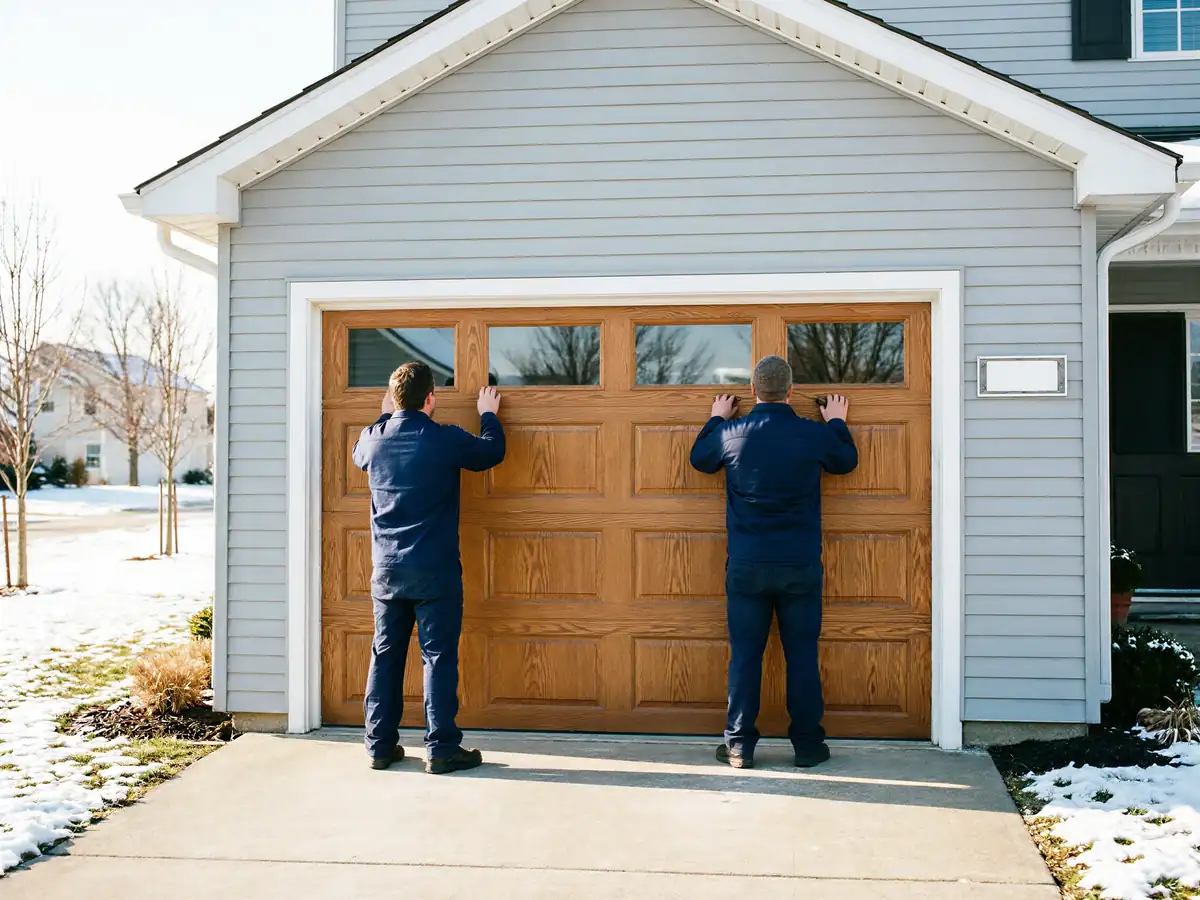
This is a cold-climate severe zone, and steel doors from the 1966 era weren't built with today's thermal breaks or weather seals. Cold makes springs more brittle and more likely to snap exactly when you need the door most - pulling in or out before a storm. With only 1,512 households in Thiensville, the specific panel size or opener model on an older door here isn't always something carried standard; it sometimes means a return trip once the right part is sourced, and we'd rather say that upfront than promise a fix that doesn't hold. The income gap matters here too - at $93,208 median, replacing a whole door isn't a decision made lightly, so we look hard at whether a spring and cable job gets another decade out of a door built in the Johnson administration before we ever recommend tearing it out.