Doing It Yourself
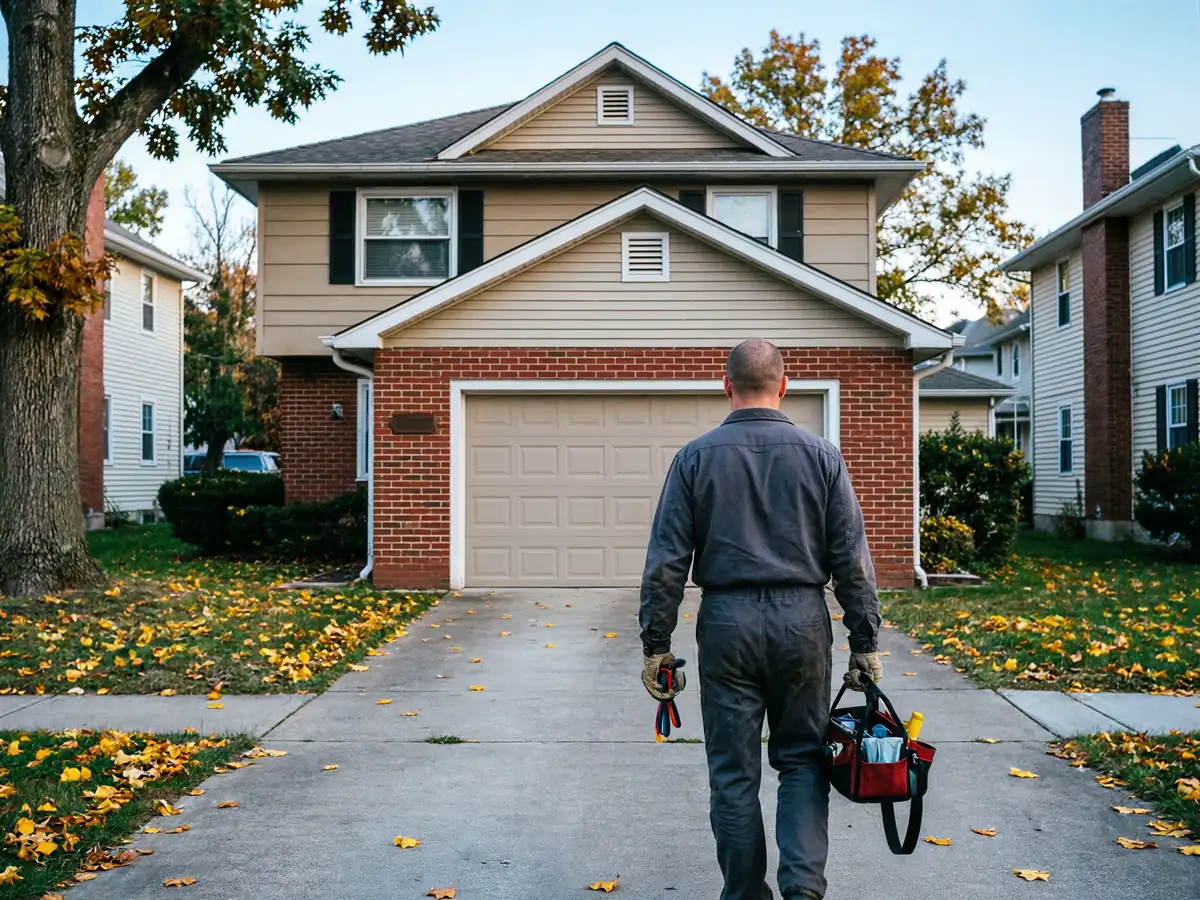
Thiensville sits nine miles from our shop in Menomonee Falls
Which matters more than it sounds like it should. A new door install isn't a same-day swap you knock out between other calls - it's a truck loaded with the right panel width, the right track length for your headroom, and the right spring wind, driven out once we know exactly what's going in. If we guess wrong on measurements before that drive, you're waiting on a second trip.
That's the argument against doing it yourself, too
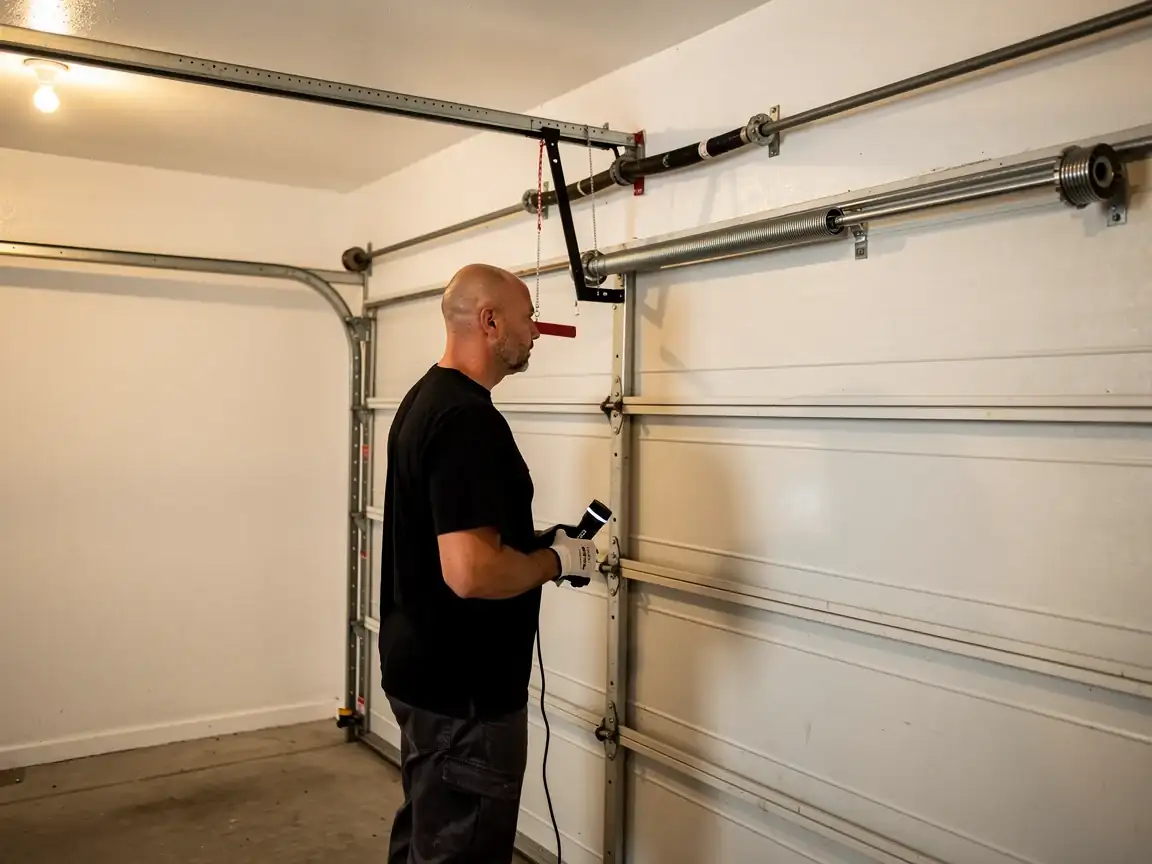
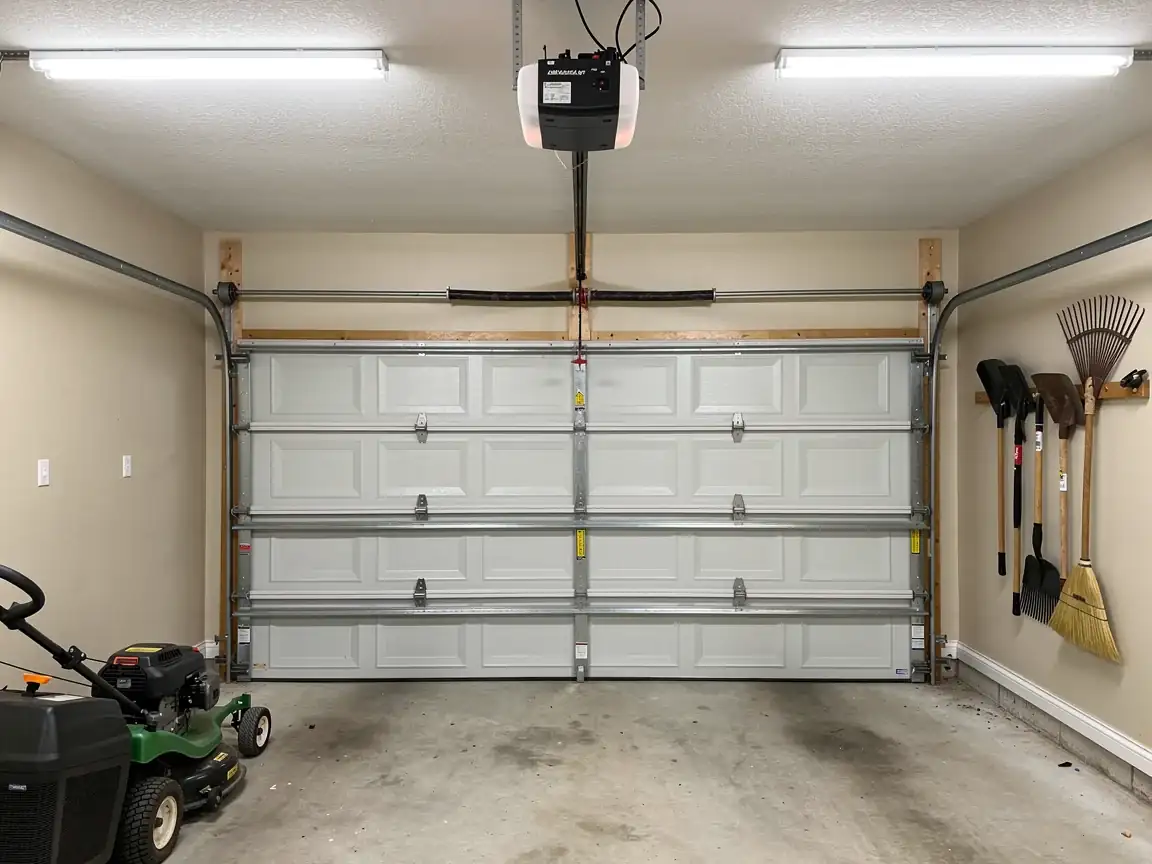
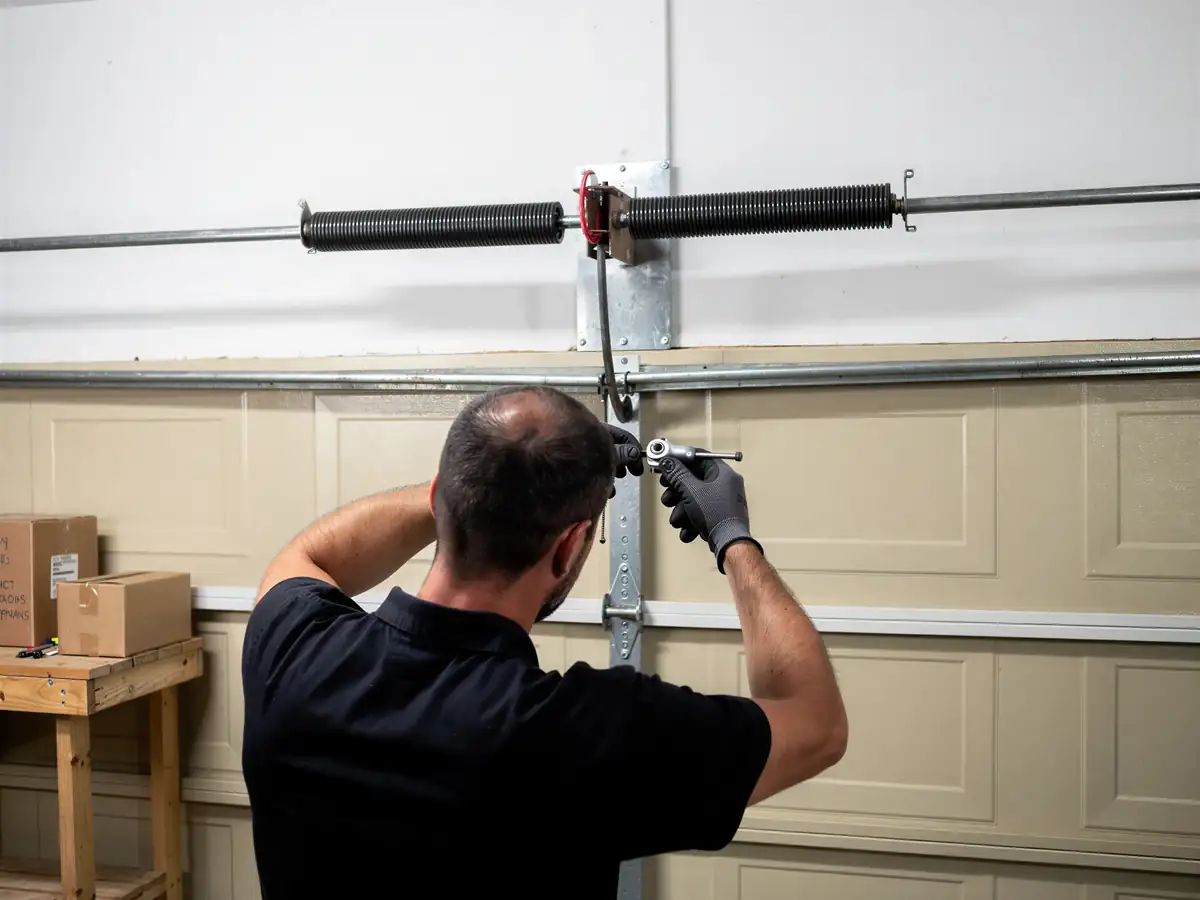
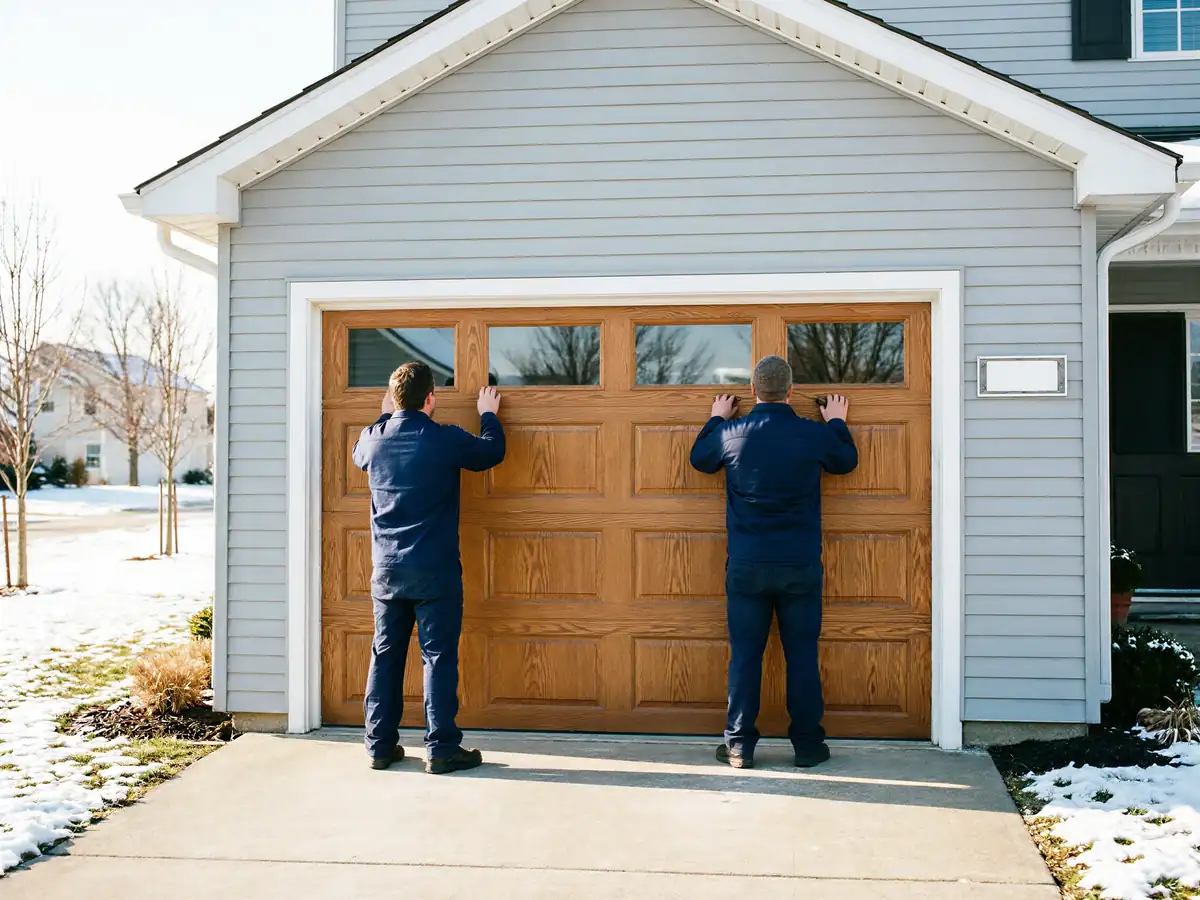
A new door isn't just a panel bolted to hinges. It's spring tension rated to the door's weight, track set to your ceiling clearance, and an opener bracket matched to the header. Get any one of those wrong and you've got a door that binds, a spring that's either too weak to lift it or dangerously overwound, or an opener straining against resistance it was never meant to fight. None of that shows up on the showroom floor - it shows up six months in, when a cable frays early or a roller wears out of its track.
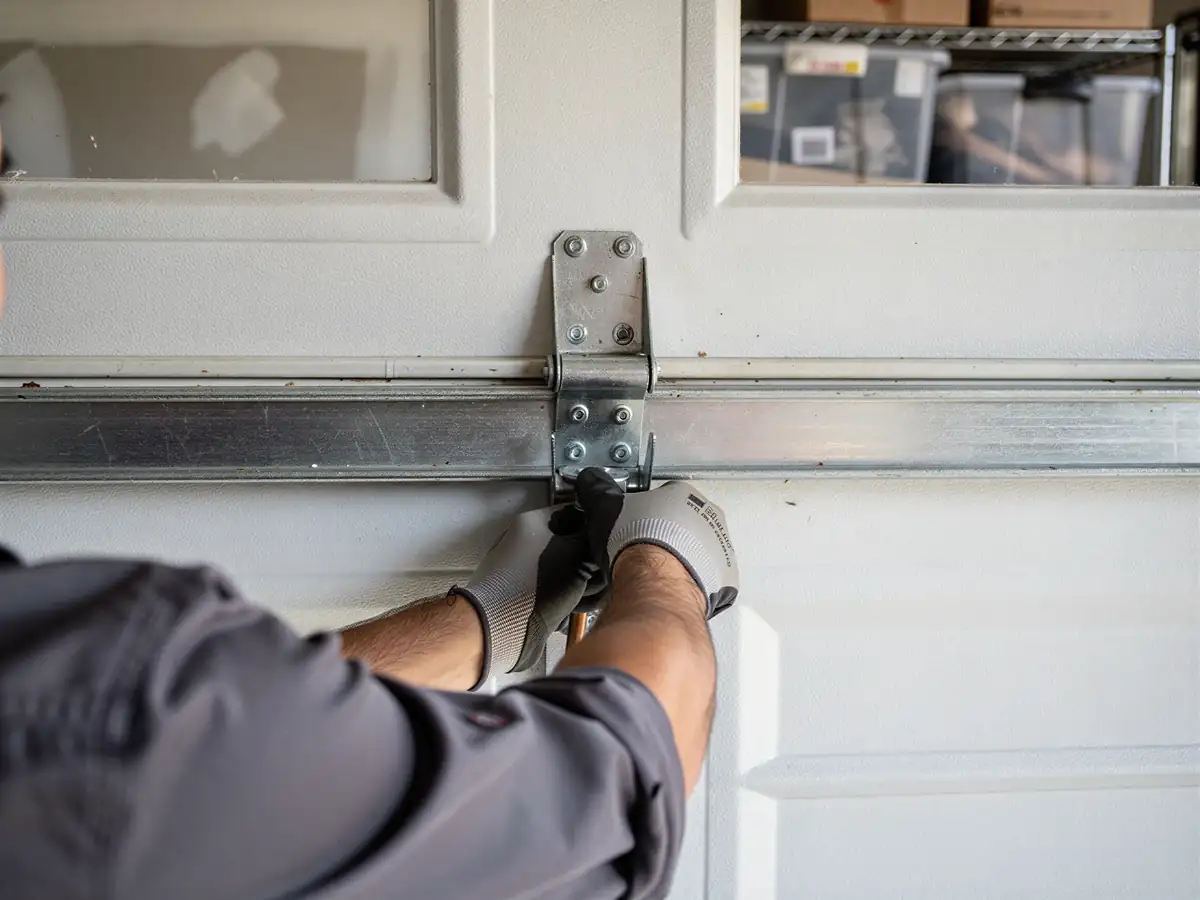
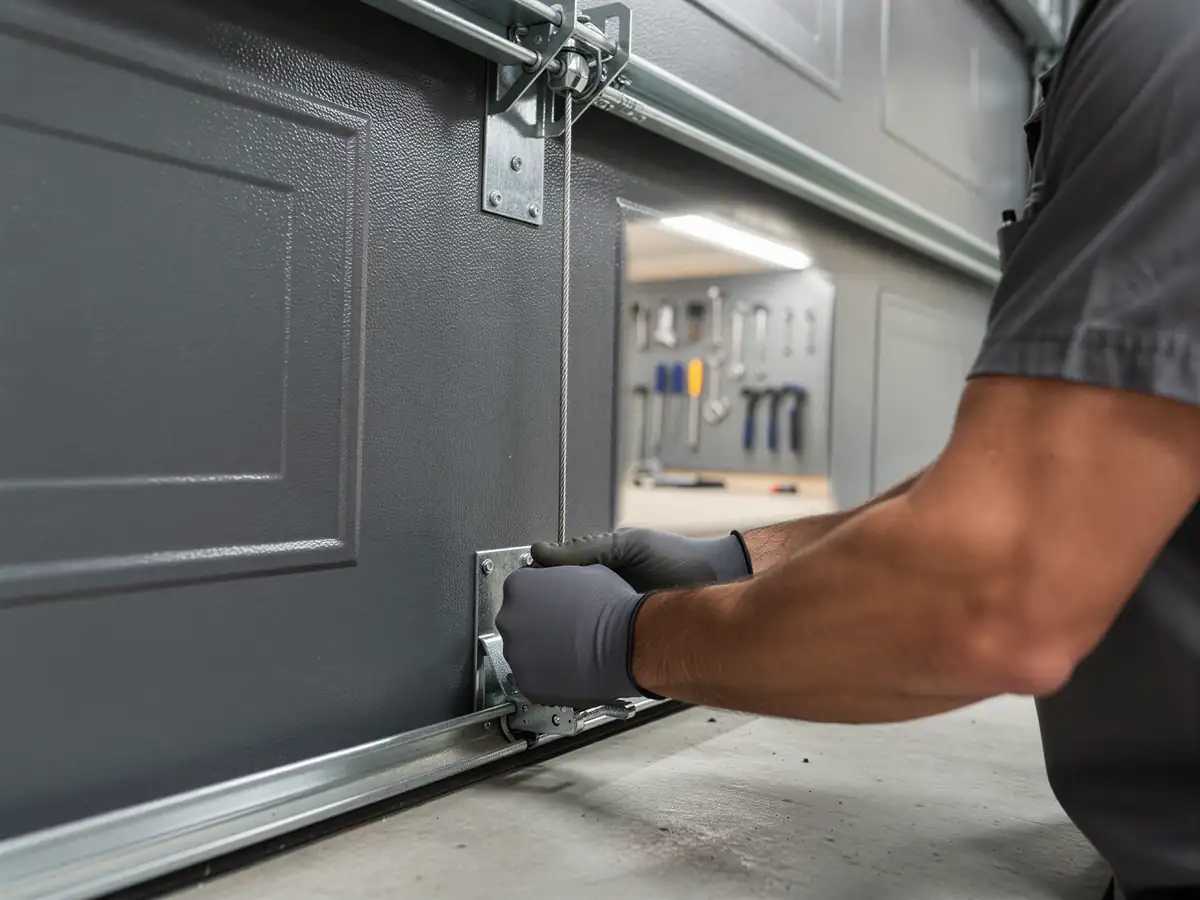
We're not against homeowners who want to swap a panel or replace weatherstripping themselves
We are against guessing at spring wind or track geometry on a two-car door, because that's the part that hurts people.
What You Are Seeing
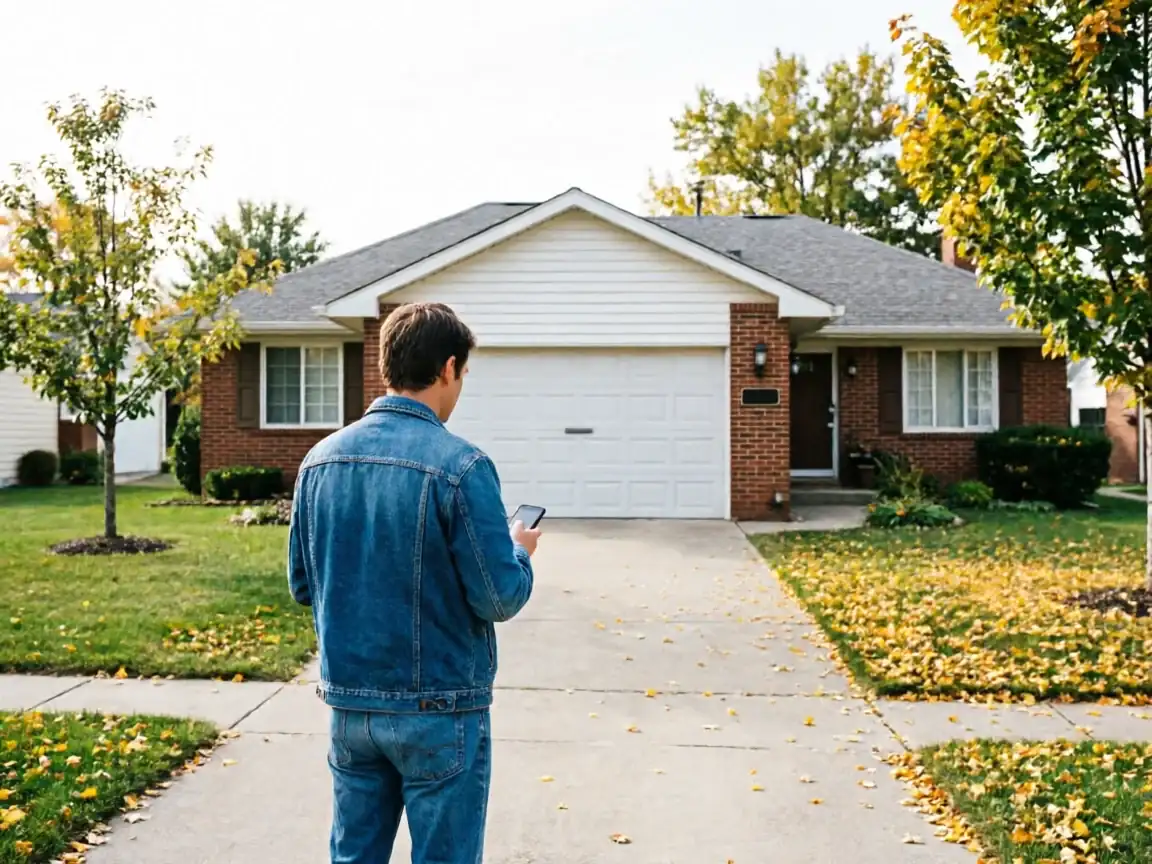
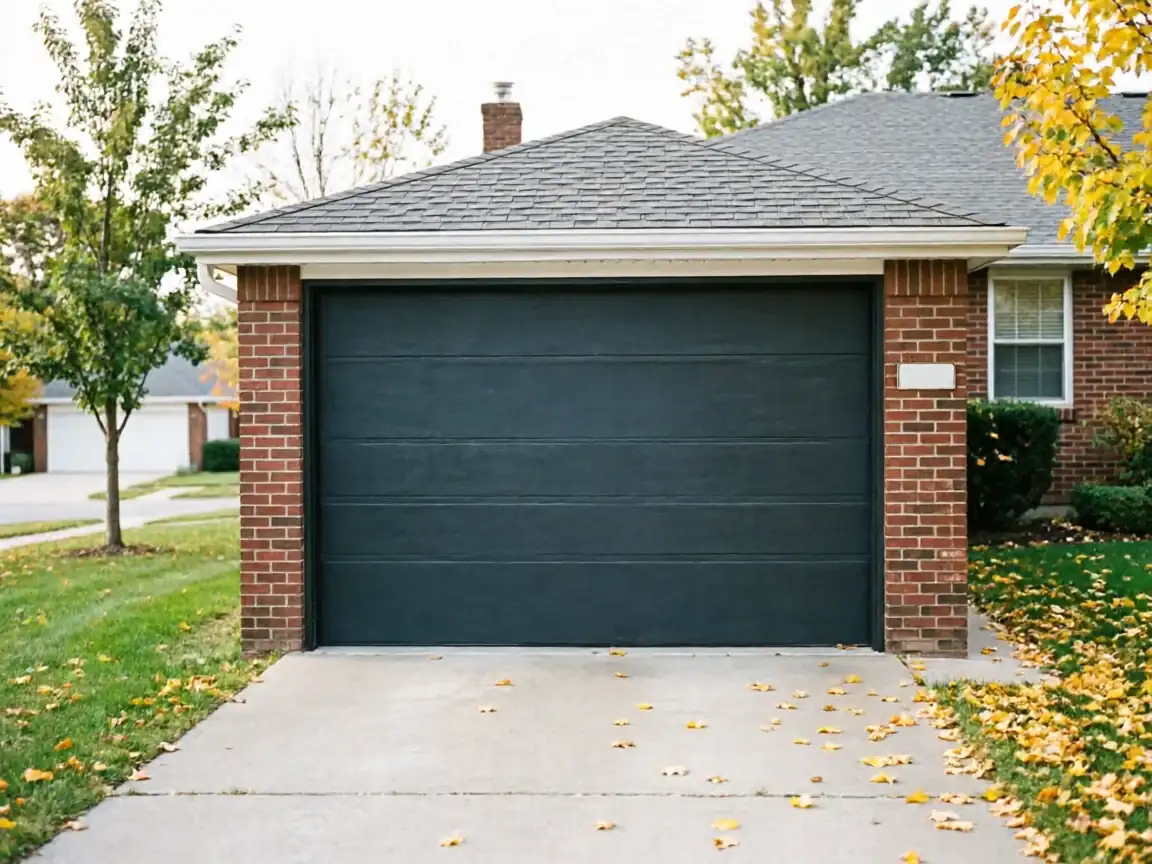
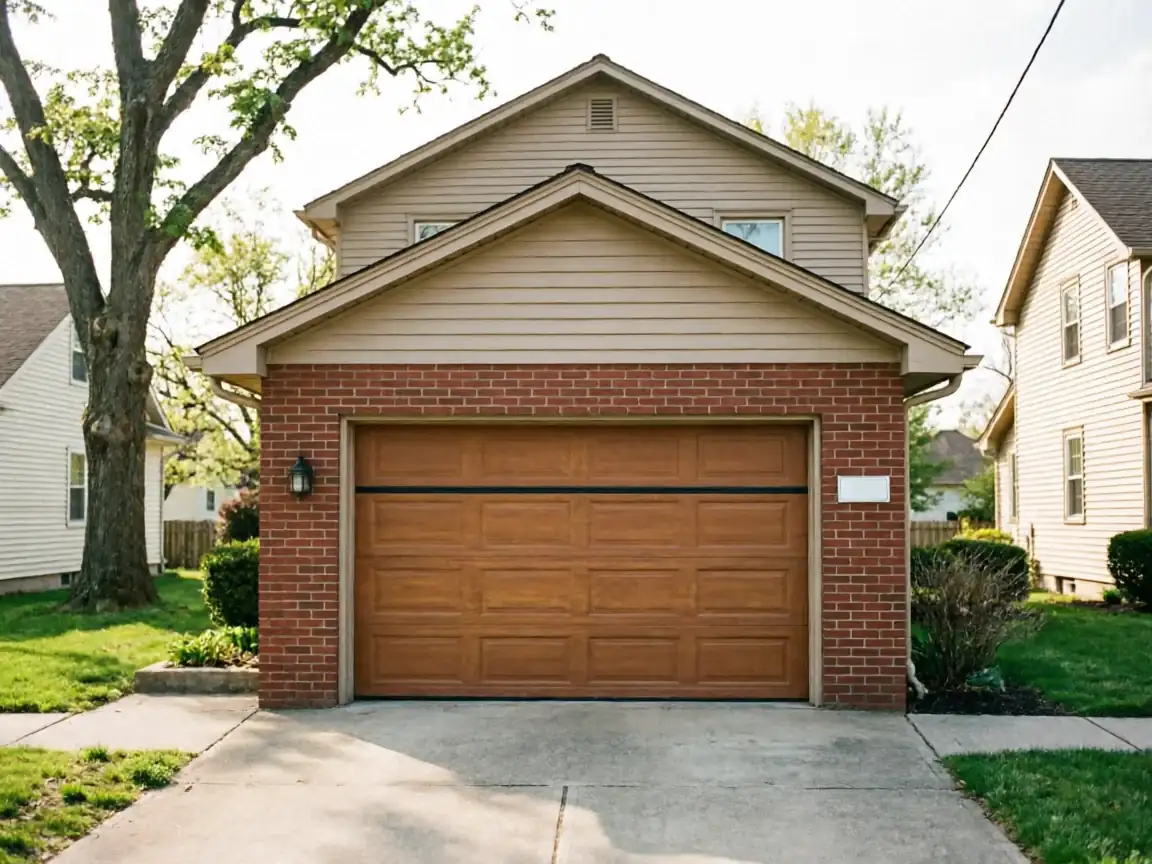
The median home near Thiensville went up around 1966, inside the broader 1938 to 2000 range we see across this service area, with most of the stock dating to the 1960s and '70s. That means a lot of garages here were built for the single steel door and lightweight track hardware standard to that decade - narrower headroom, shorter horizontal track runs, and spring sizing calculated for doors that weighed less than what's on the market now.
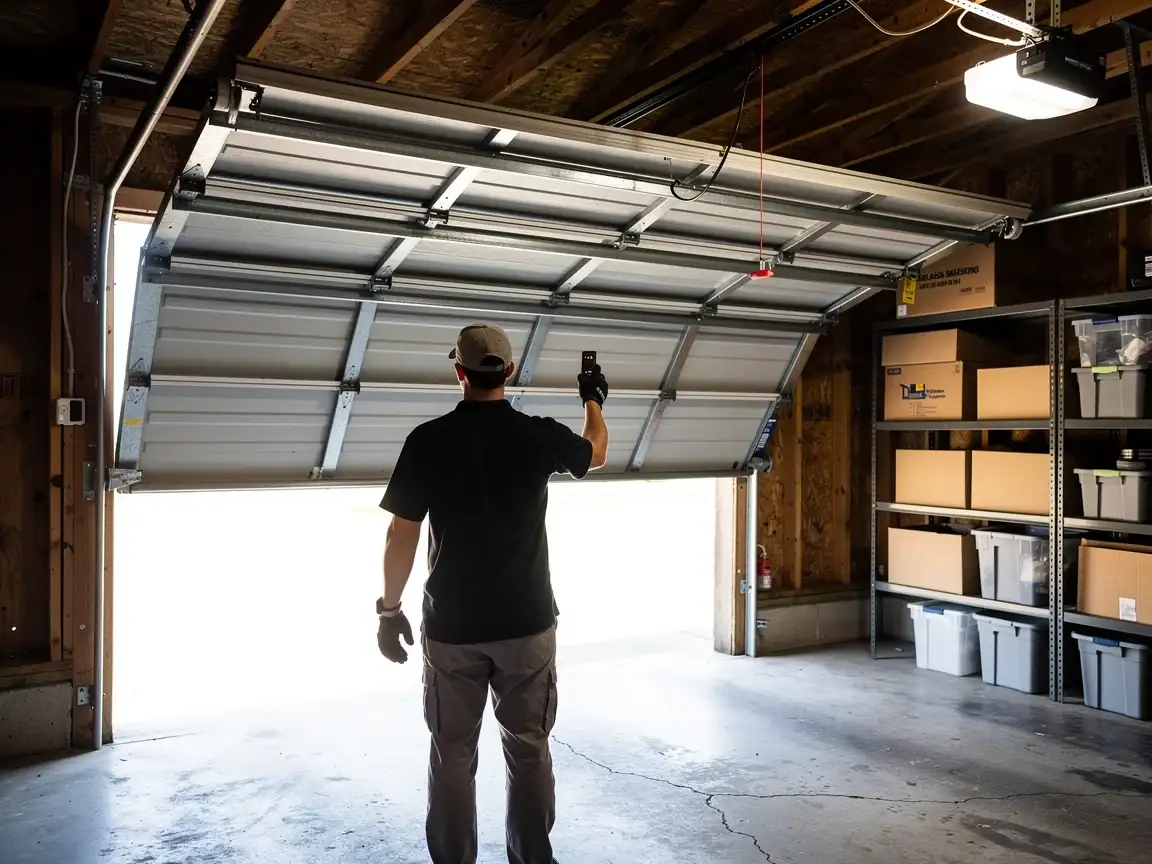
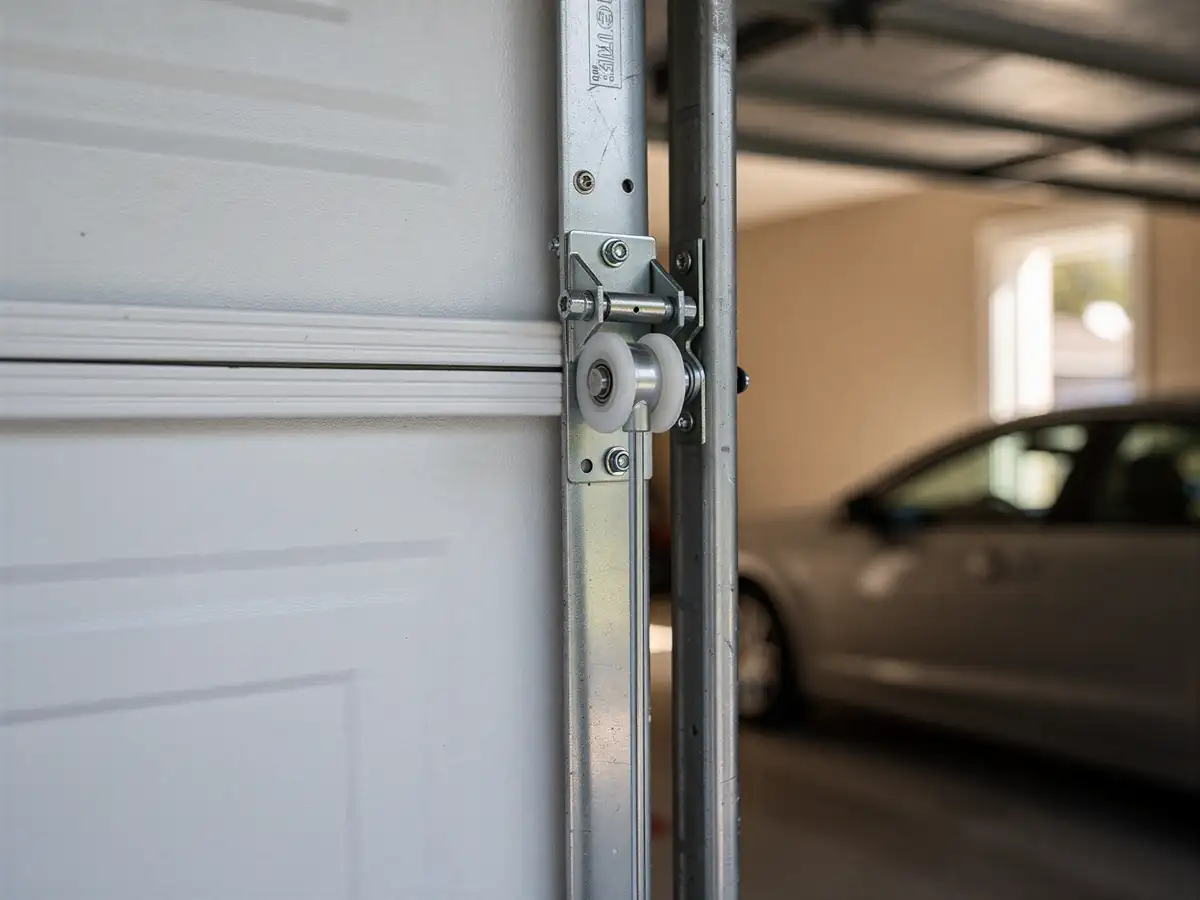
Swap that era's door for a modern insulated steel or composite panel without checking the numbers, and you've put a heavier door on hardware sized for a lighter one. The torsion spring doesn't lift it evenly, the opener works harder than it should, and the track - built for the old door's travel path - doesn't always clear the new one's thicker panel without an upgrade kit. This isn't a flaw in the new door. It's a mismatch between what the garage was framed for and what you're trying to put in it.
Why This Fails Locally
Winters here fall into the severe end of a cold climate band, and that's the detail that turns a hardware mismatch into a failure instead of just an inconvenience. Steel contracts in deep cold, torsion springs lose a measure of tension, and an opener already working against undersized hardware has less margin left when the temperature drops. A door that was merely sluggish in September can refuse to lift in January.
Across our service area, median household income sits at $104,337, but Thiensville's own figure runs closer to $93,208 across roughly 1,512 households - different enough that we size jobs here on this town's numbers, not a regional average. That's not a statement about what anyone can afford. It's why we measure the actual door, spring, and opener combination in your garage instead of quoting off a standard package built for newer construction elsewhere in the area.
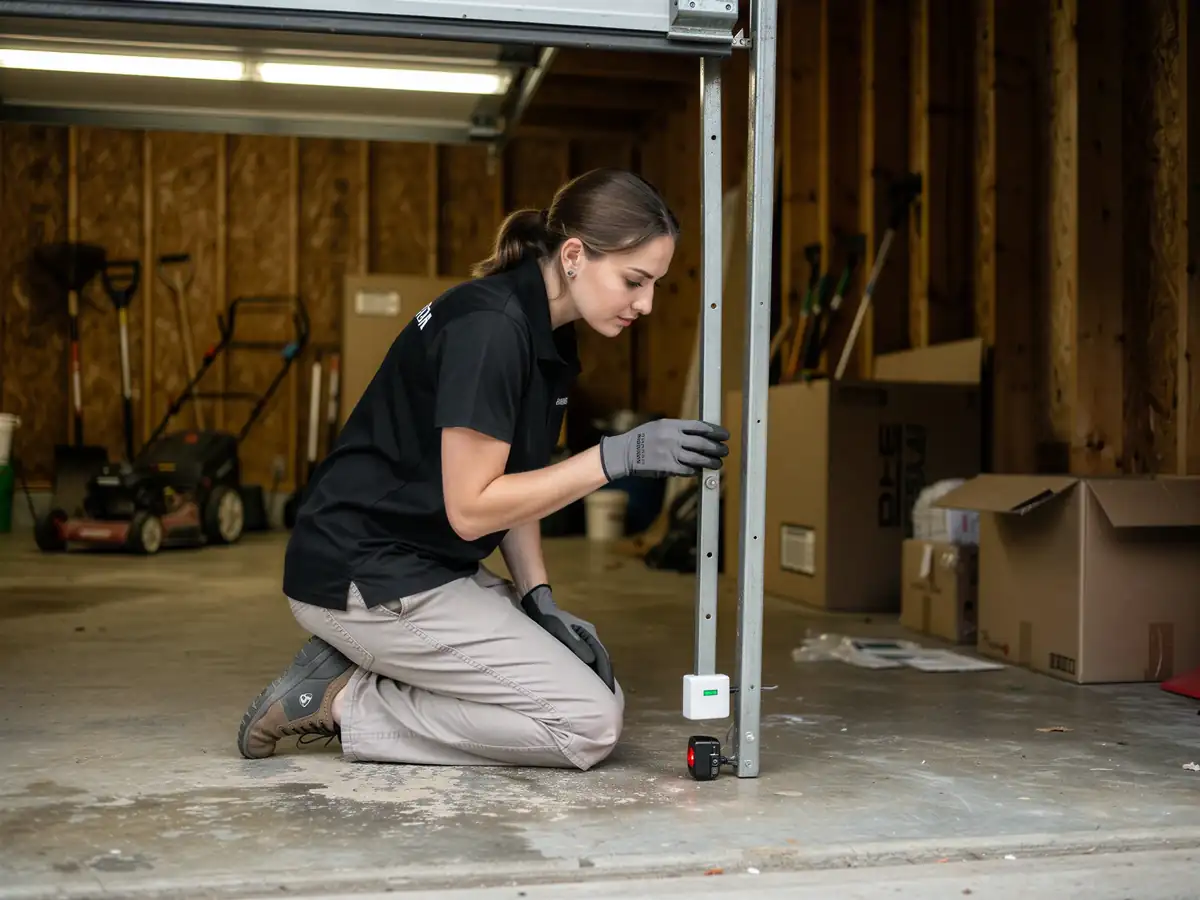
One limitation worth saying plainly: if your garage has non-standard headroom from that 1960s-era framing, we may need a low-headroom track kit that isn't always in the truck on the first visit. We'd rather tell you that up front than install the wrong track and come back.
How to Book
Because the drive out is nine miles, we book installs here with a firm appointment window rather than a rolling same-day slot
It's the only way to make sure the right door, spring rate, and track kit are loaded before we leave Menomonee Falls. Tell us the age of your home and, if you know it, whether the garage has ever had a track or opener replaced; that single detail changes what we bring.
For general service and smaller repairs in Thiensville
Our service page covers what we handle outside of full installs. If you're comparing install options across the wider area, the Menomonee Falls installation page covers the service itself in more depth.