Doing It Yourself
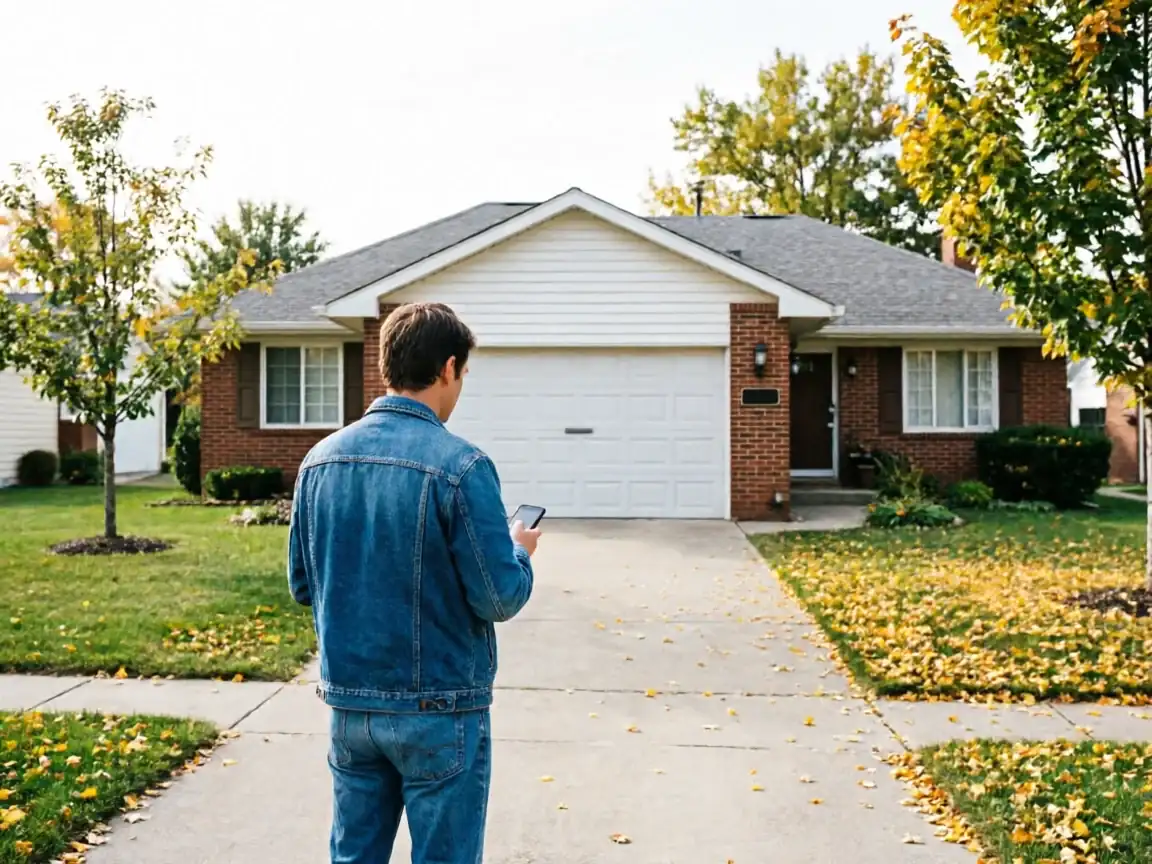
A door built in 1966
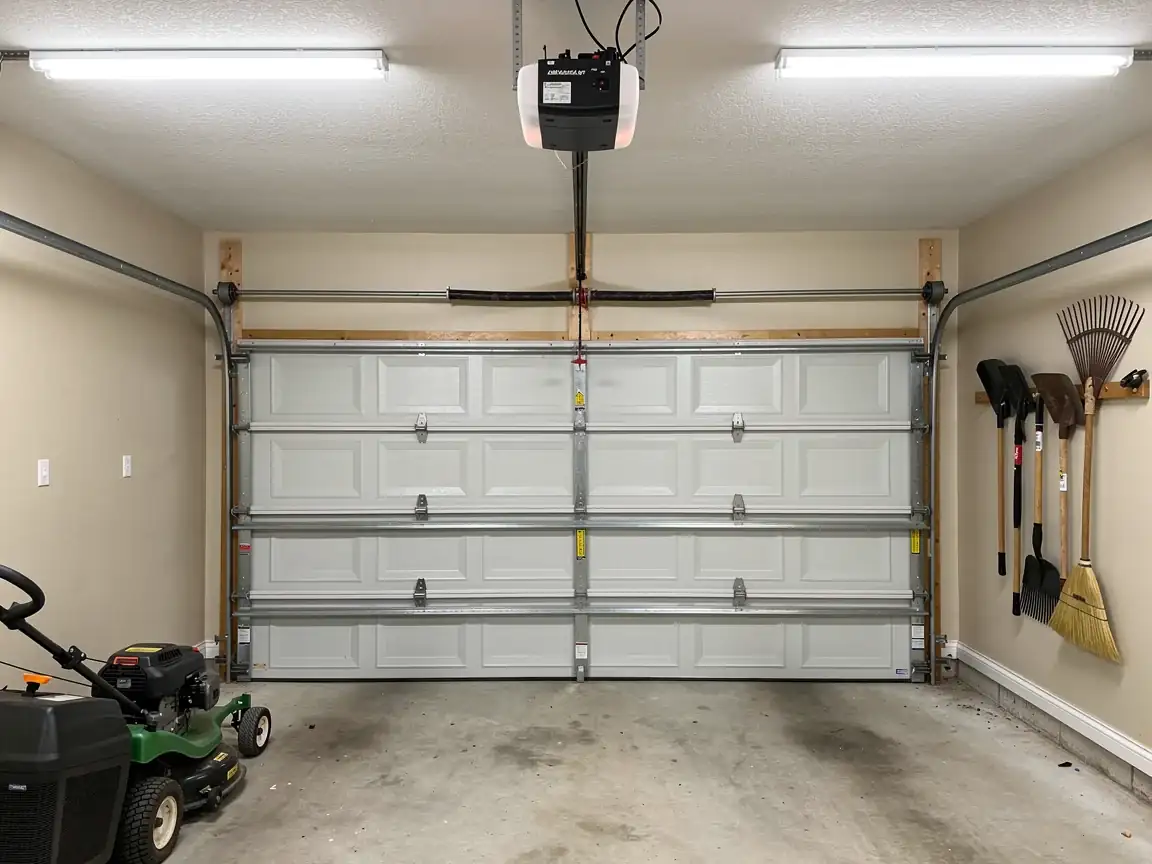
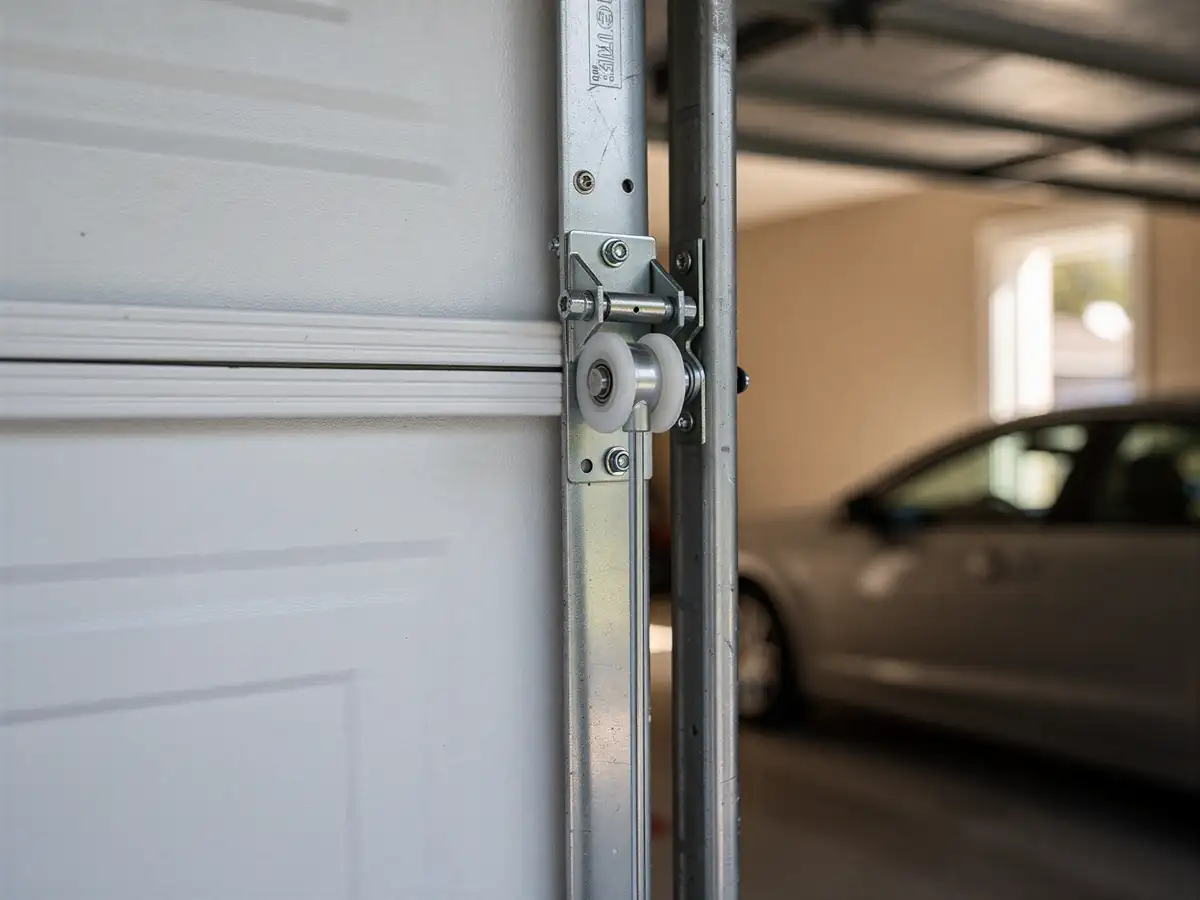
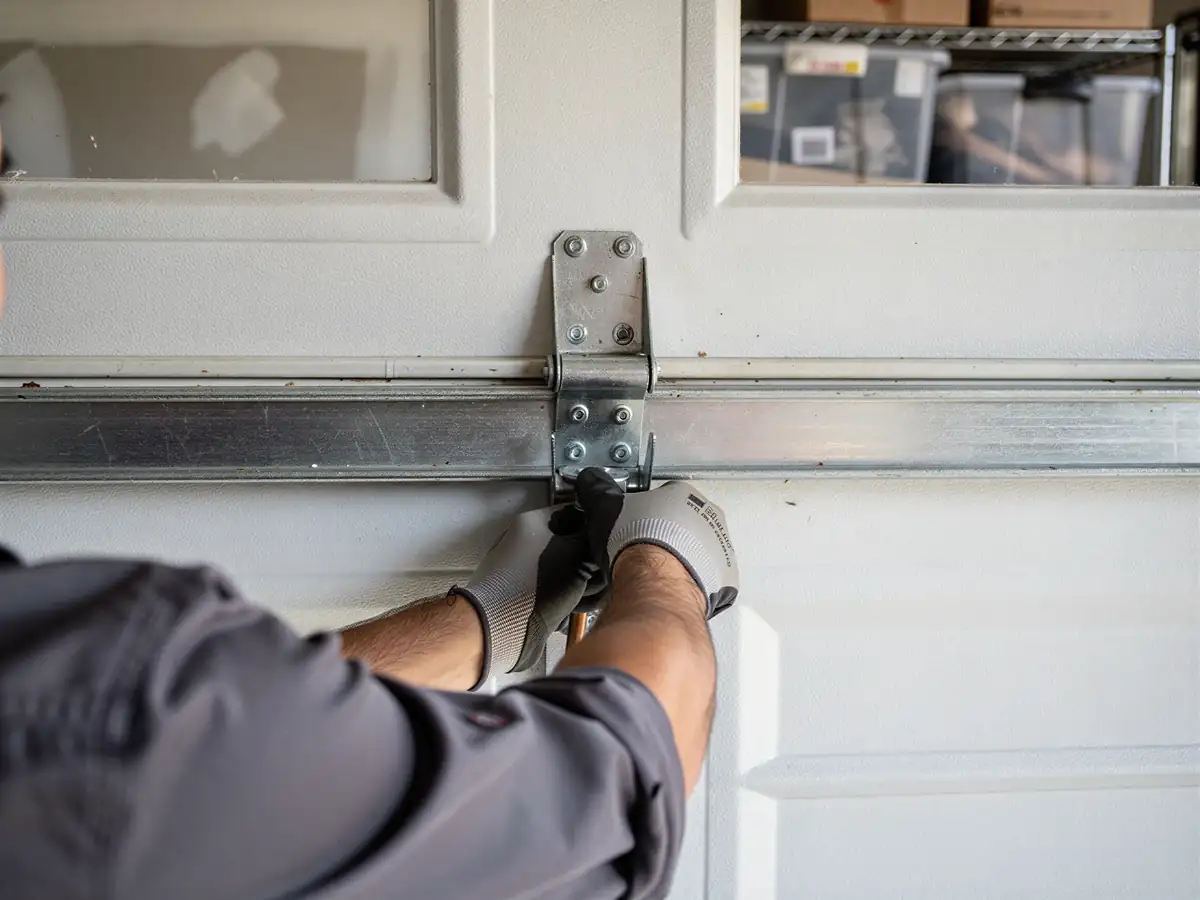
Which is close to the median year for houses in this pocket of the service area, is almost always a single-layer steel panel door with no insulation core. No foam, no vinyl backing, just galvanized steel folded into ribs. That matters when you're deciding what to tackle yourself. Tightening loose hinge bolts or lubricating rollers on a door this age is reasonable weekend work, and it's cheap insurance against the squeak turning into a bind.
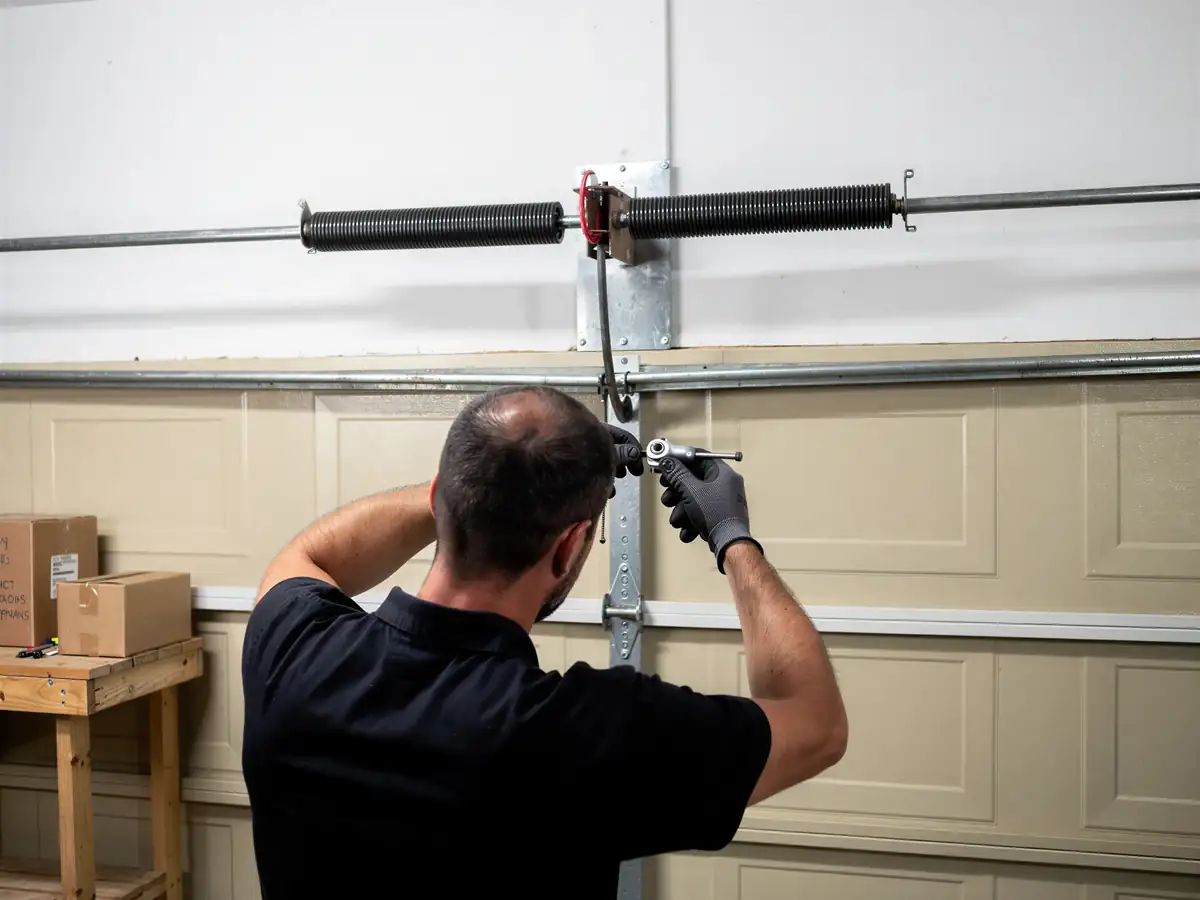
What isn't reasonable is touching the torsion spring
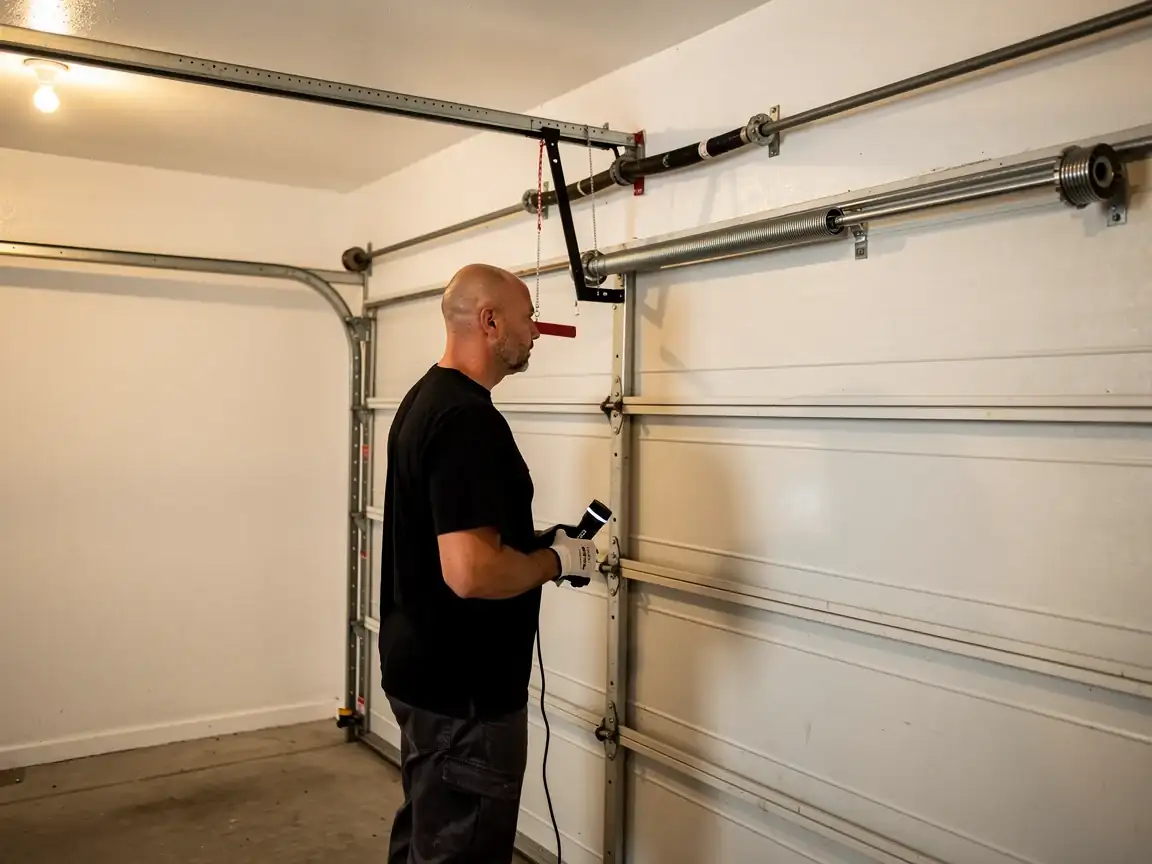
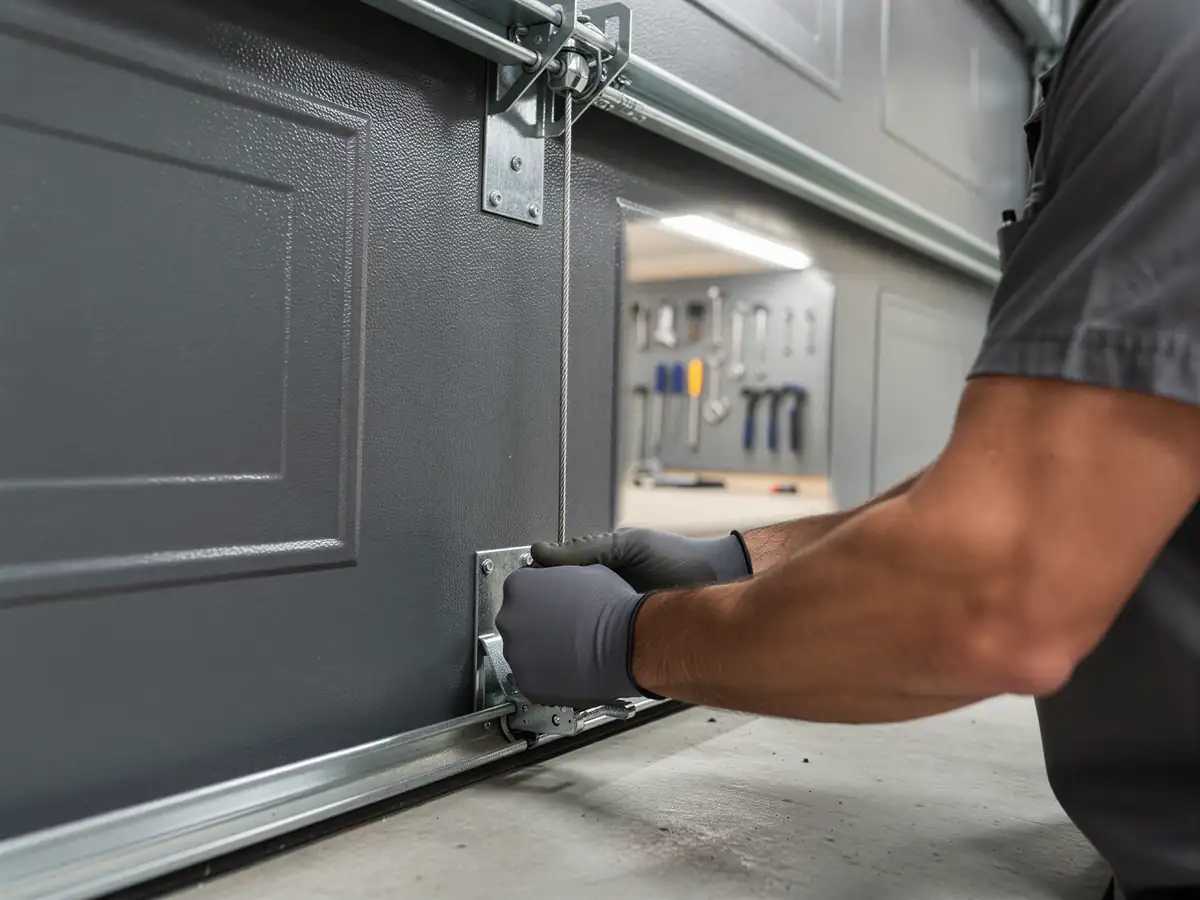
A door from the mid-60s often still runs its original-spec spring size, sized for a lighter, uninsulated panel, and the tension on even a "small" torsion spring can break fingers or worse if the winding bars slip. Same goes for the bottom bracket on extension-spring setups common in that era - those brackets carry real load and aren't forgiving of a wrench slipping.
If the door won't open because the opener is straining, don't keep hitting the button
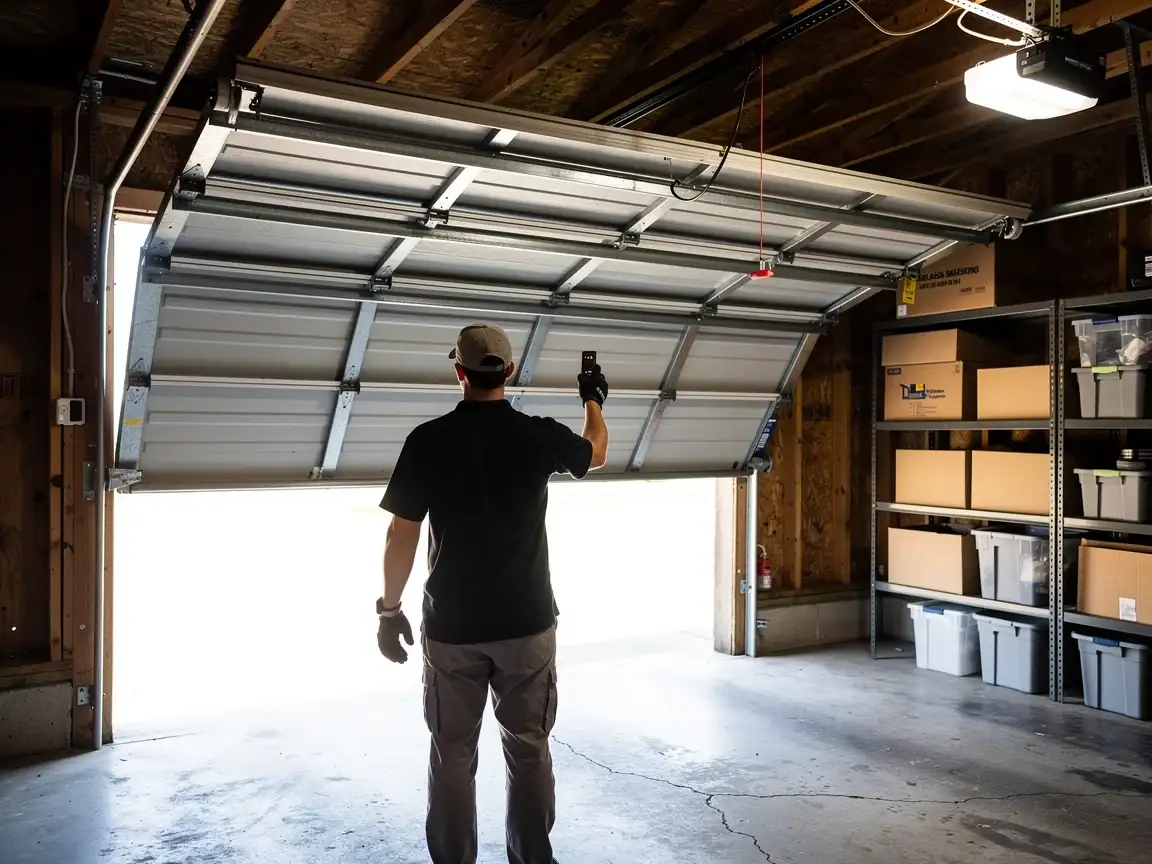
That's usually a spring losing tension, and forcing the opener motor to compensate just burns out the drive gear next. Disconnect the opener, try the door by hand, and if it's heavy or uneven, that's the spring, not the opener.
What You Are Seeing
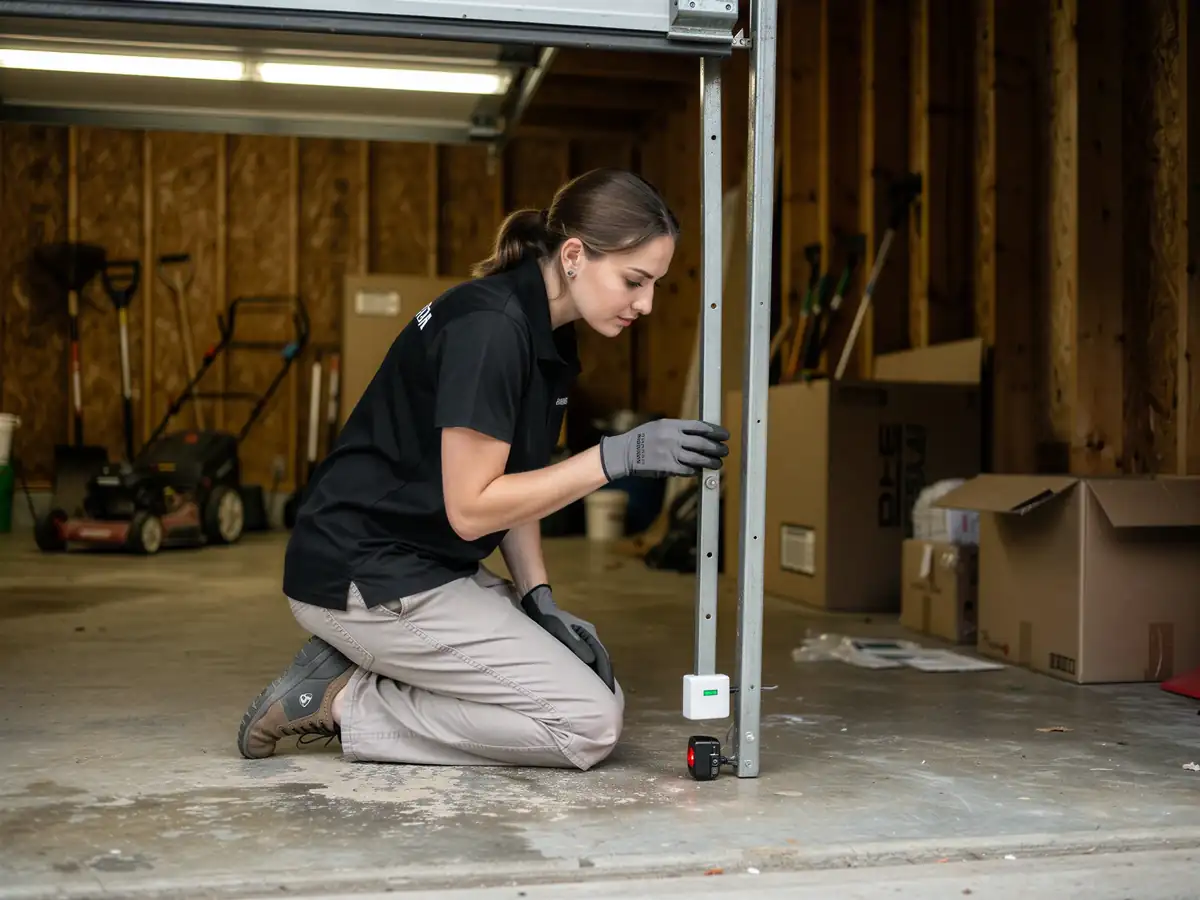
With roughly 1,512 households in Thiensville and a housing stock centered on 1966, the pattern we see on calls out here is consistent: steel doors on torsion or extension hardware that's never been upgraded, because nothing failed until now. A door that's sagged on one side when raised is a classic extension-spring symptom - one spring has lost tension while the other hasn't, and the track takes the twist.
You'll also see cable fraying near the bottom bracket on doors this age, since the galvanized cable from an original 1960s-era installation wasn't rated for 50-plus years of cycles. And on colder mornings, steel panels without an insulated core contract more than newer doors, which shows up as a door that binds in the track right where the cold has shrunk the steel tightest.
Median household income here runs around $93,208, and most owners we talk to in this price bracket are weighing a spring replacement against a full door swap. For a single-layer steel door from this era, repair is almost always the right call unless the panels themselves are rusted through at the bottom - that's the one case where patching isn't worth it.
Why This Fails Locally
This region sits in a cold, severe climate band, and a door built in 1966 wasn't engineered with today's temperature swings in mind. The steel used then was thinner gauge than what's standard now, and it flexes more with each freeze-thaw cycle. That flex works the torsion spring's end bearing plate loose over time, which is why a spring on a 1960s door tends to go without warning rather than gradually.
The other factor is hardware mismatch. A lot of these doors have had an opener added decades after the original installation - a retrofit that didn't always include upgrading the spring or the track brackets to handle the added stress of motorized cycling. That mismatch is a known failure point on doors of this vintage, and it's not something you'd see on a door built in the 2000s with matched components from day one.
We drive out to Thiensville from Menomonee Falls, about 9 miles away, so we're not a walk-up shop on your street. That distance doesn't change the diagnosis, but it does mean same-day doesn't always mean same-hour - plan the call, don't wait for the door to fail at 7am before a drive to work.
How to Book
If your door is sagging, binding, or the opener is straining against a spring that's lost tension
Call before the cable gives out entirely - a snapped cable on an extension-spring door can let the panel drop hard enough to crack it. We come from Menomonee Falls, so get in touch early in the day when you can.
You can see what the visit covers on our Thiensville service page
And if you're also weighing a full replacement rather than a repair, our Menomonee Falls repair page covers that decision in more depth. For Thiensville specifically, the short version is: if the panels are intact and it's a spring, cable, or track issue, repair makes sense for a door of this age and material.